Innovative Camera Modules for Every Application | Sinoseen

All Categories

mipi embedded camera module

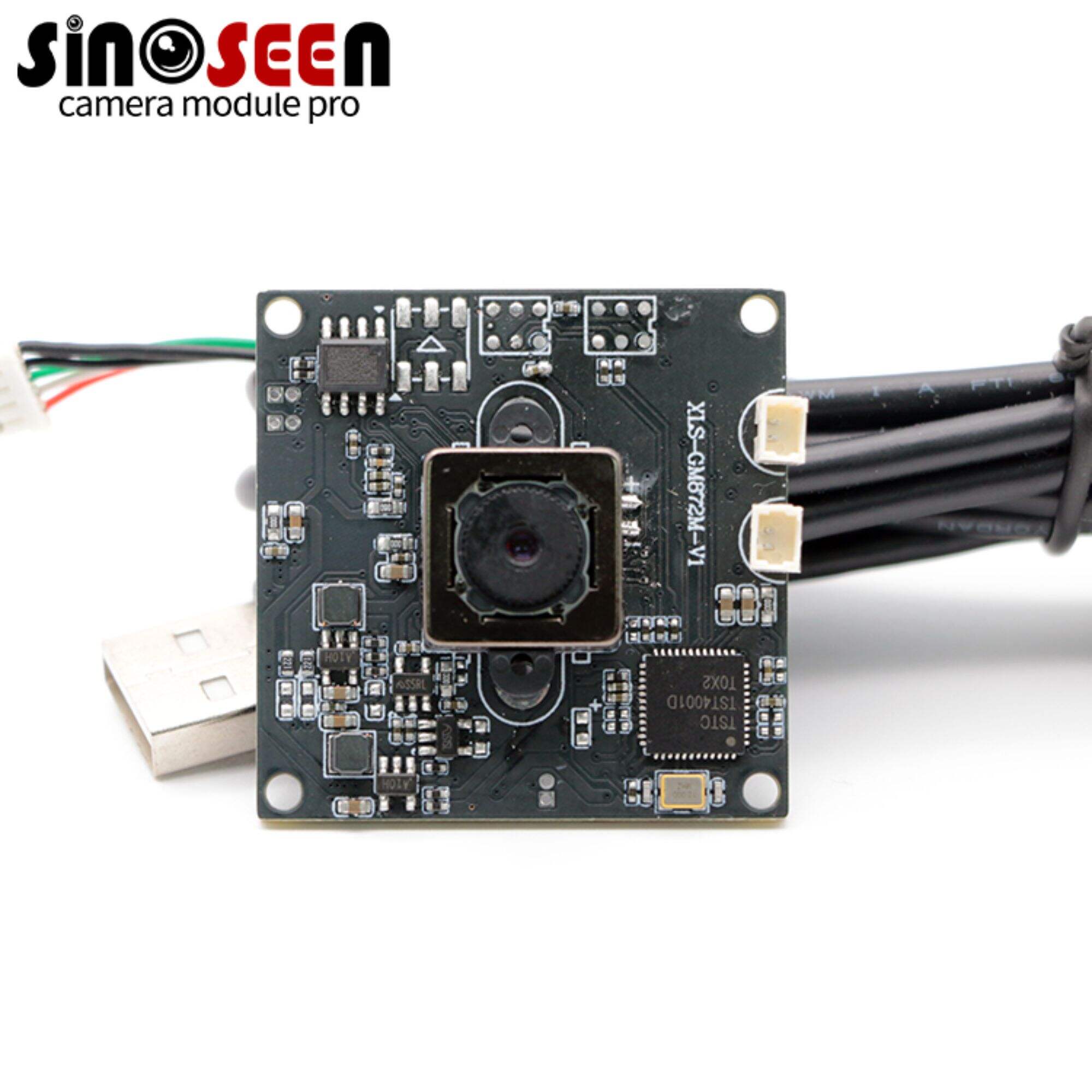
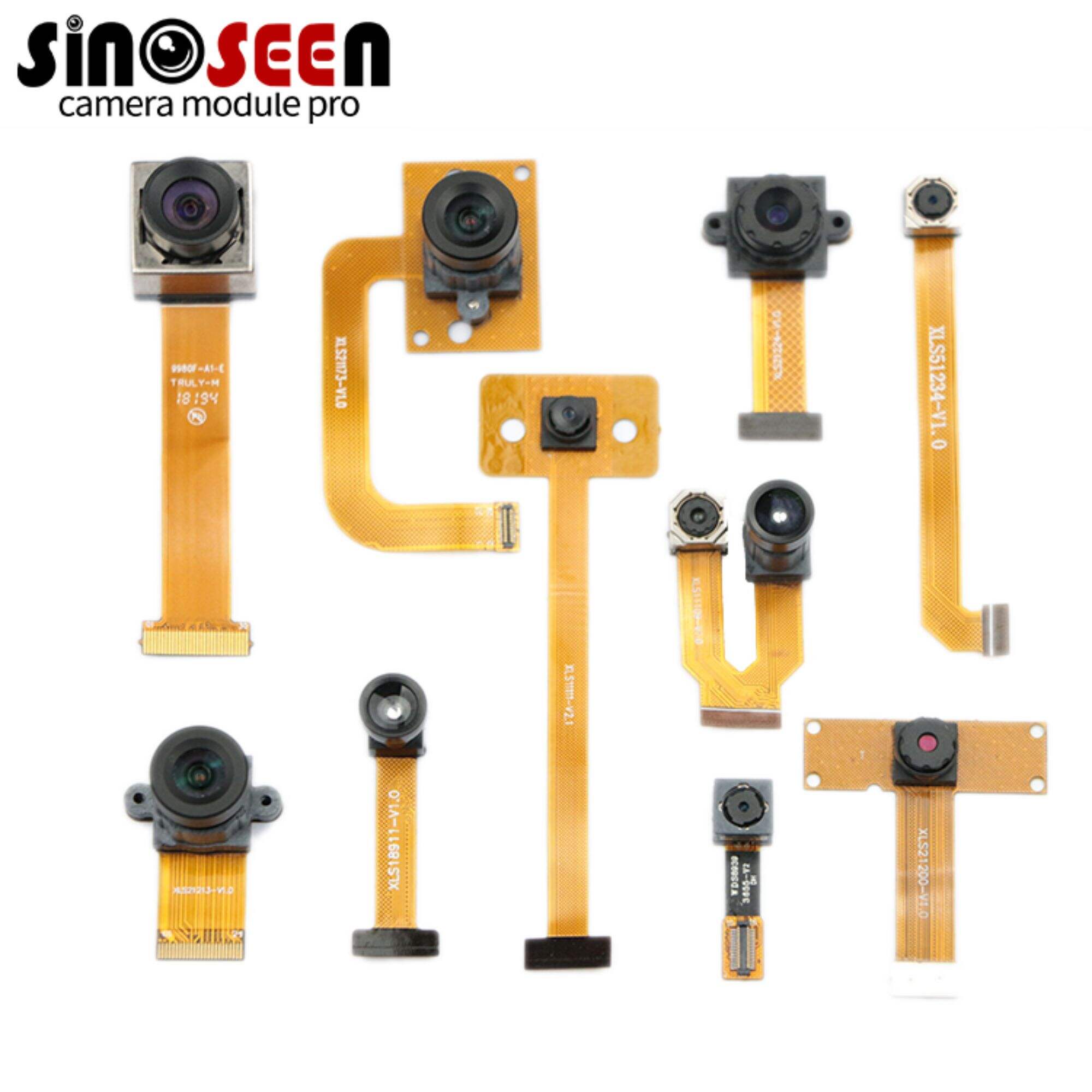
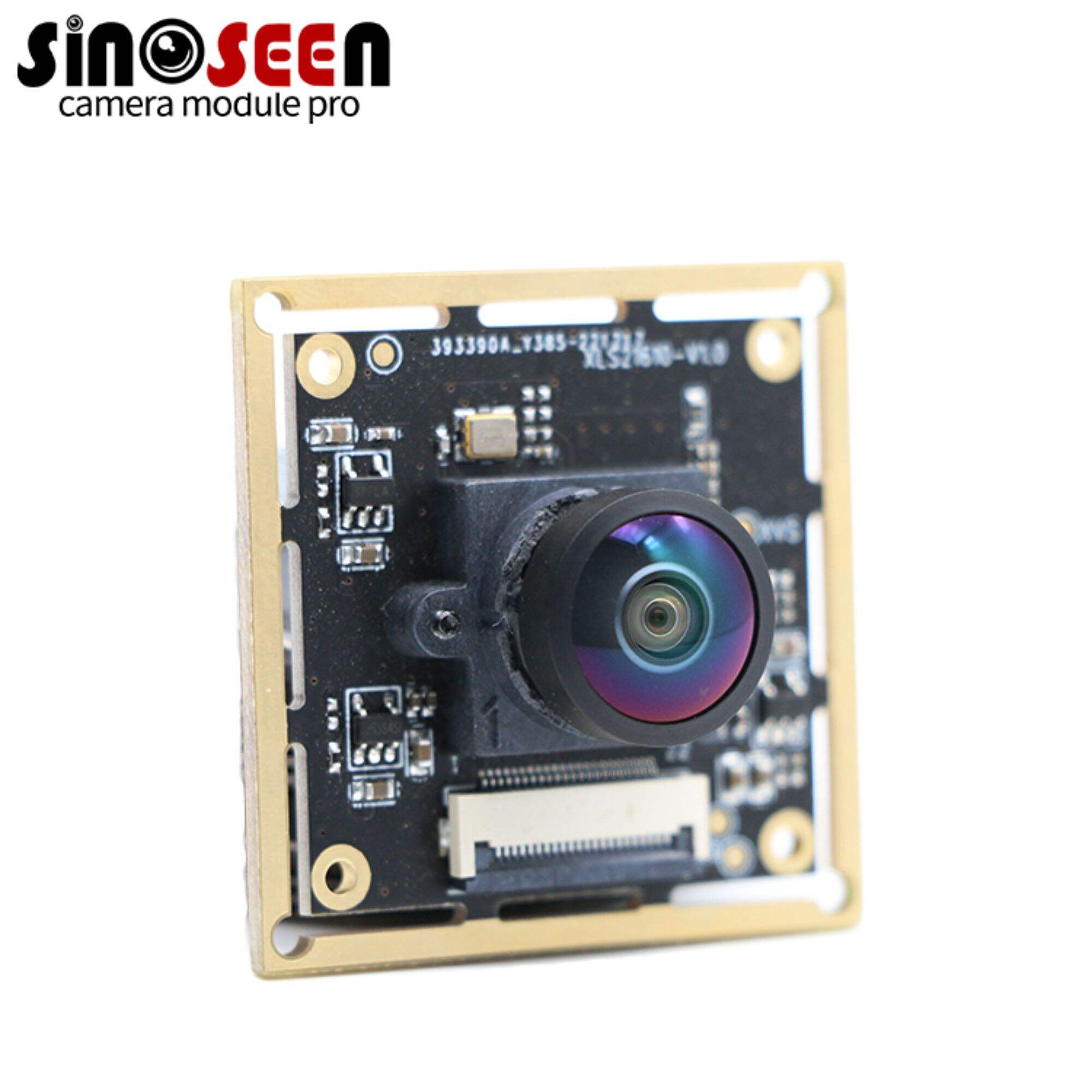
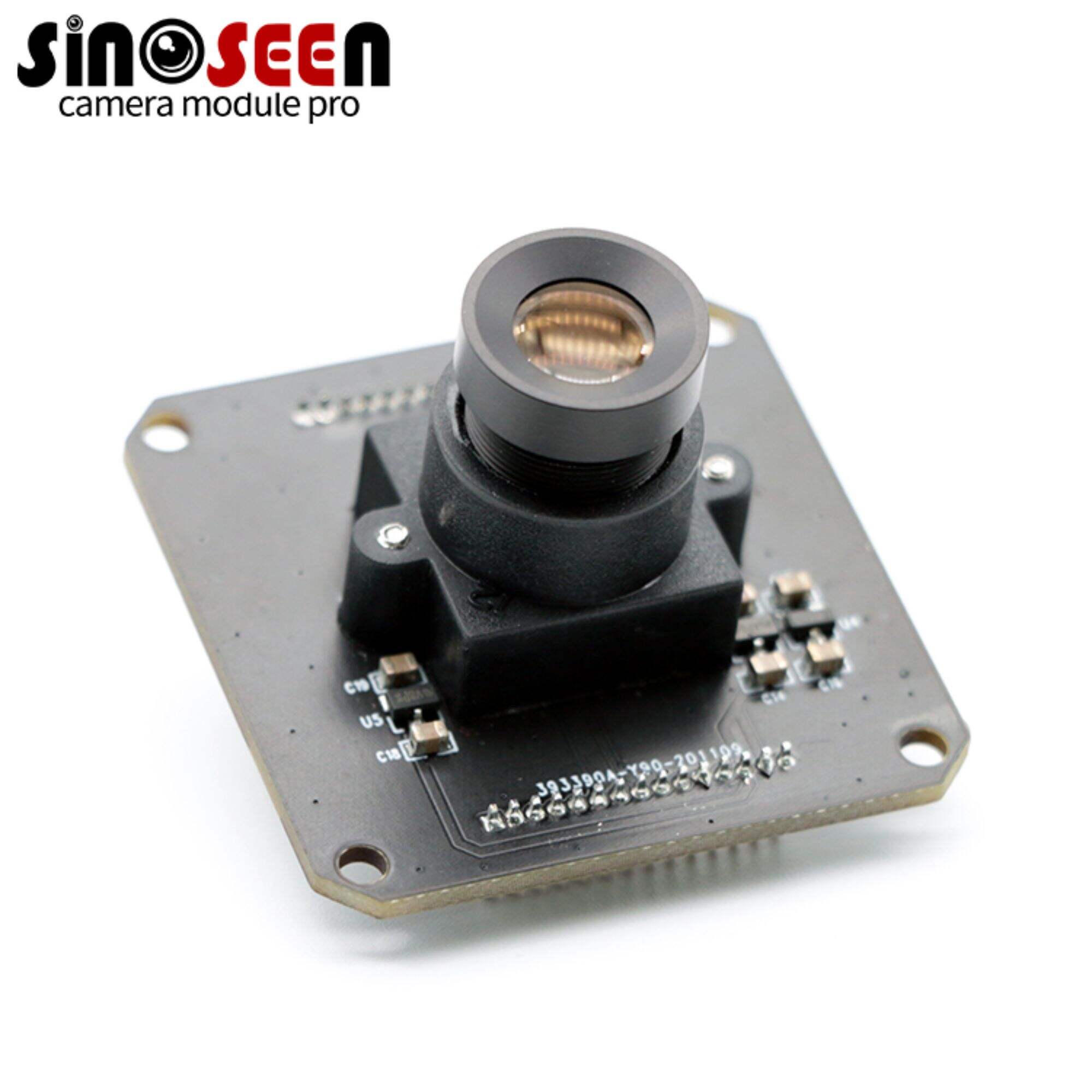
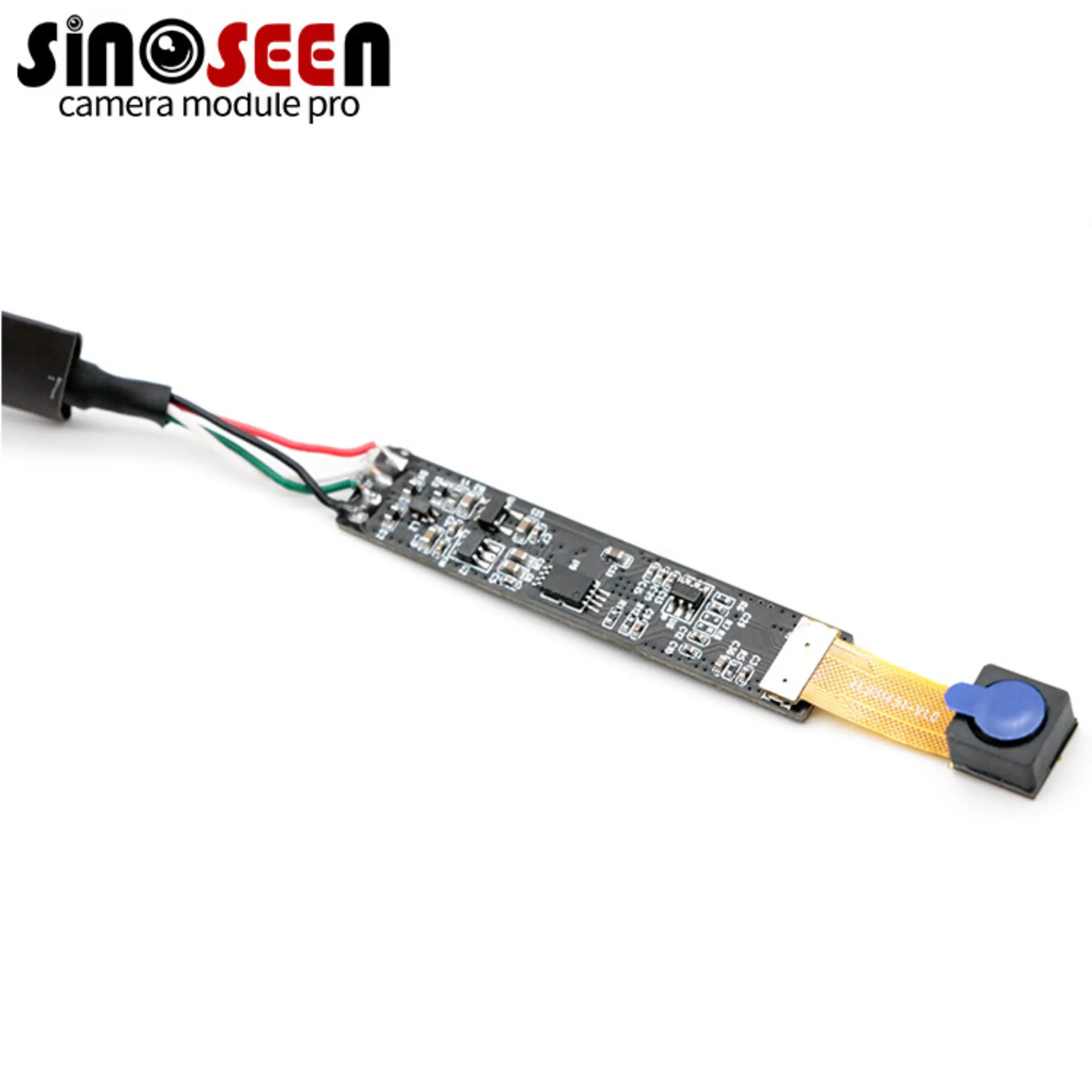
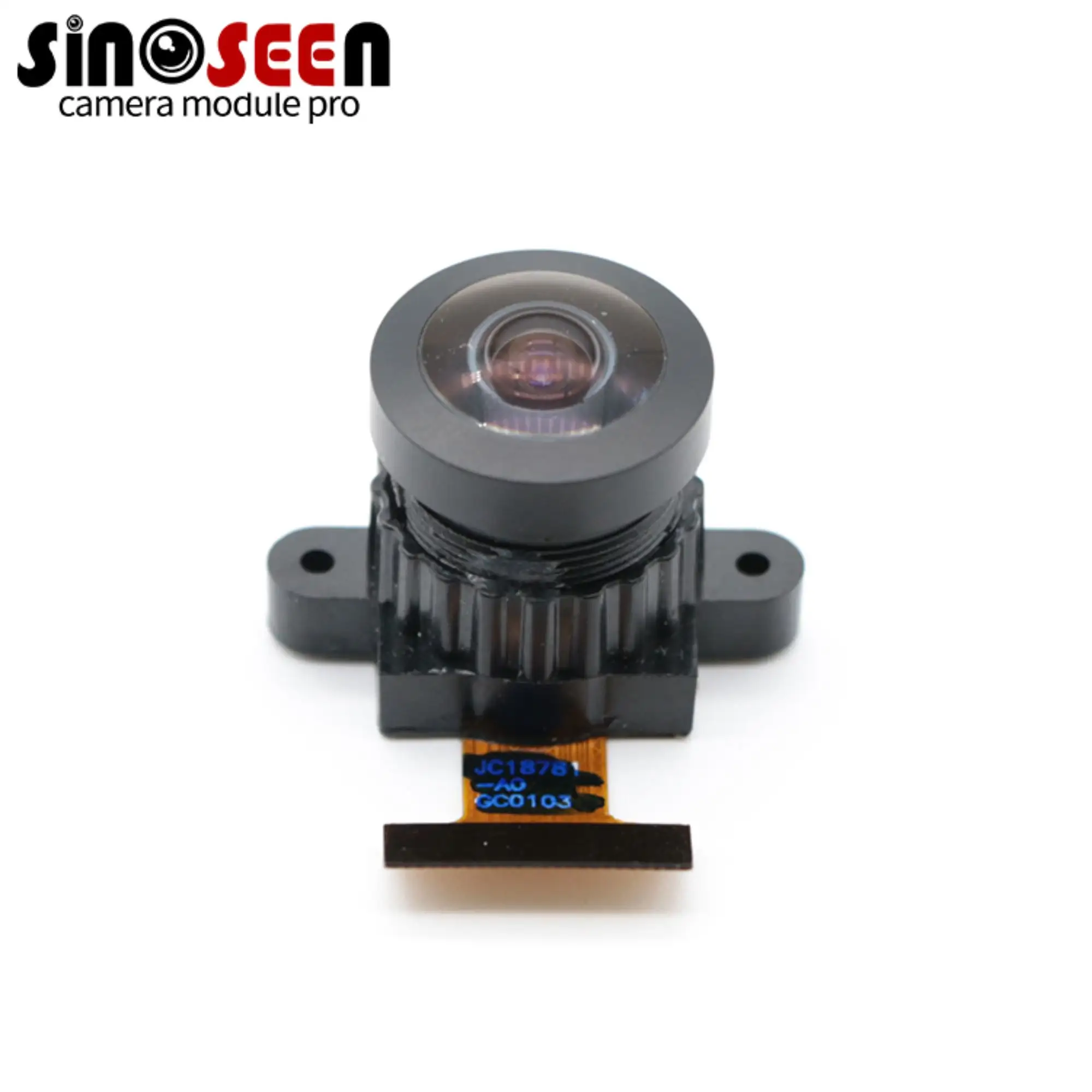
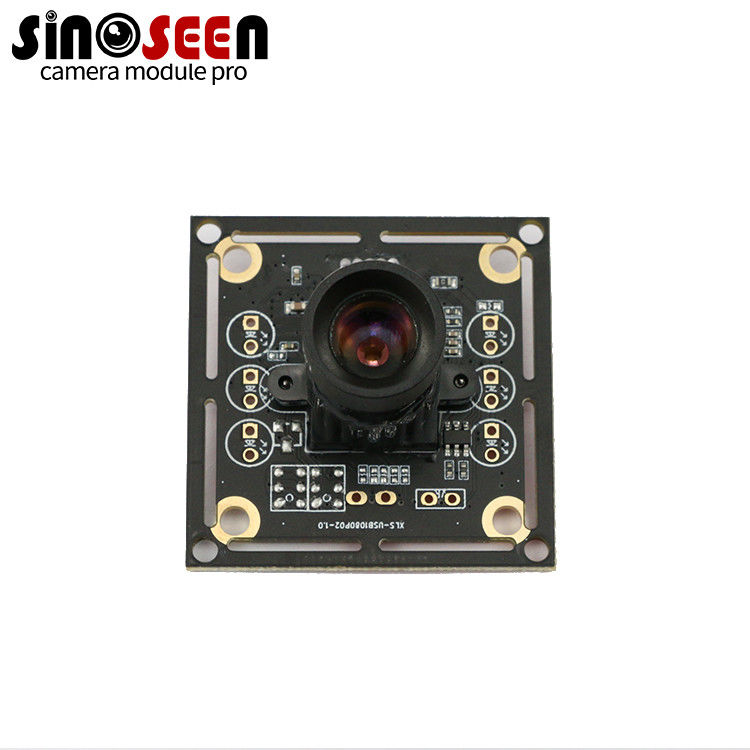
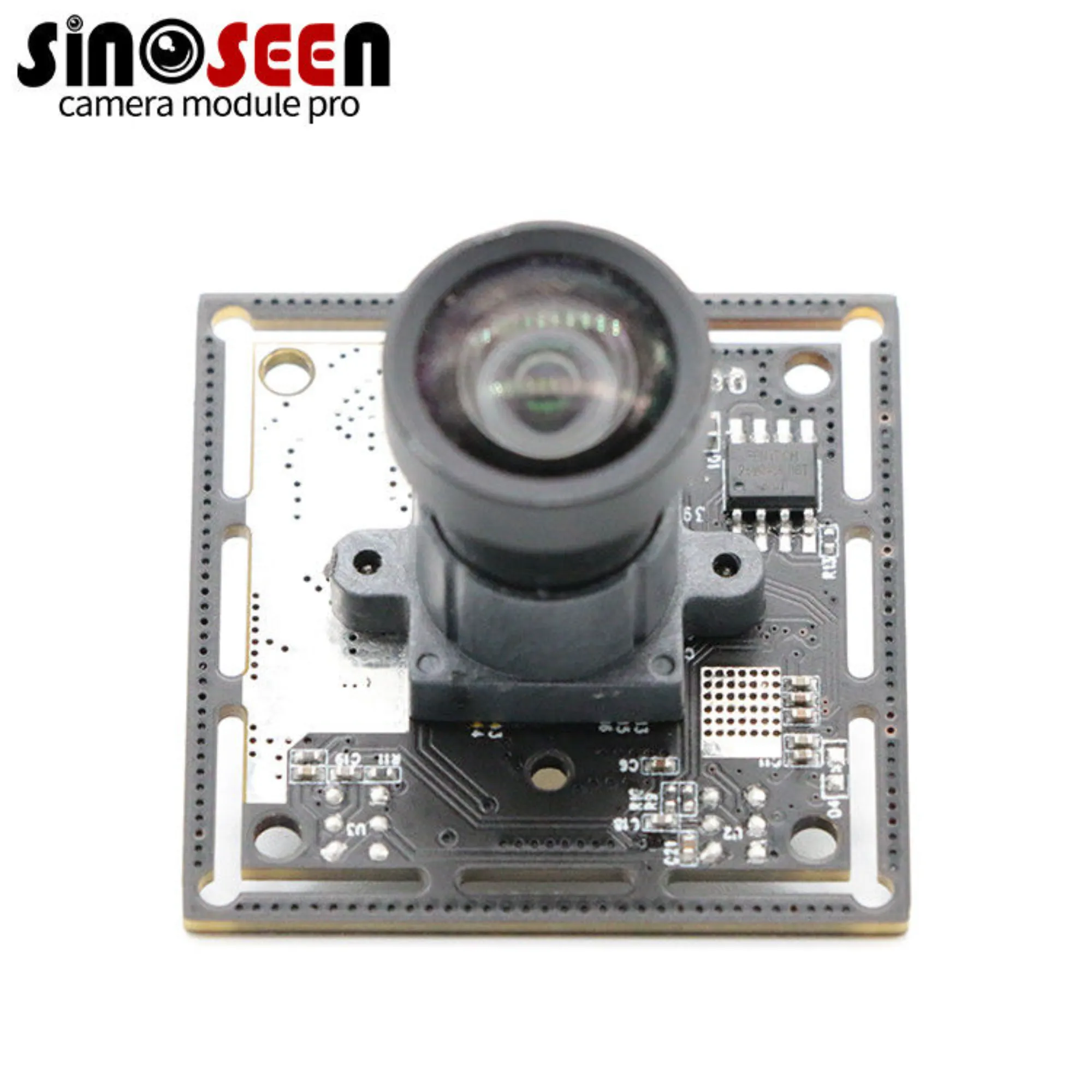
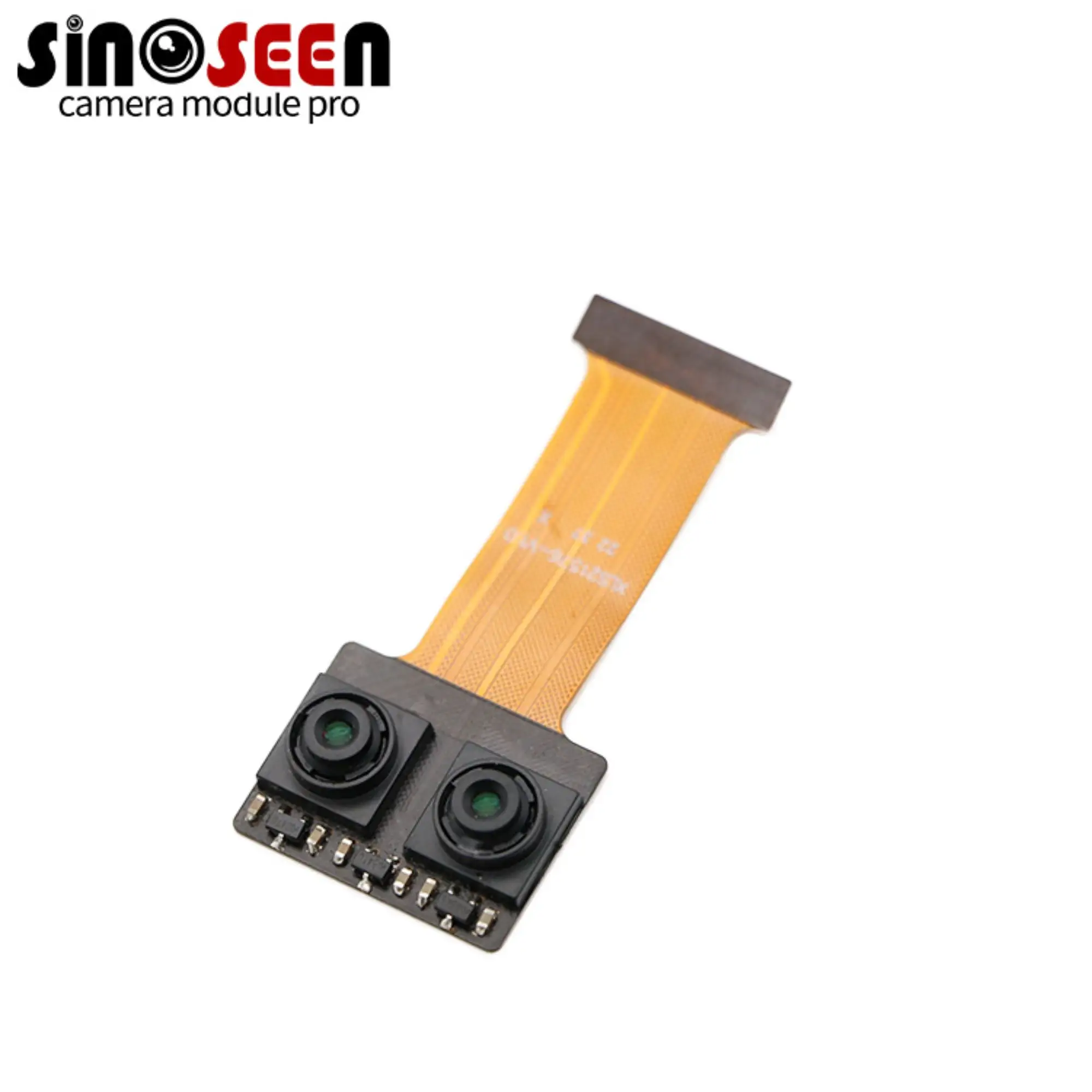
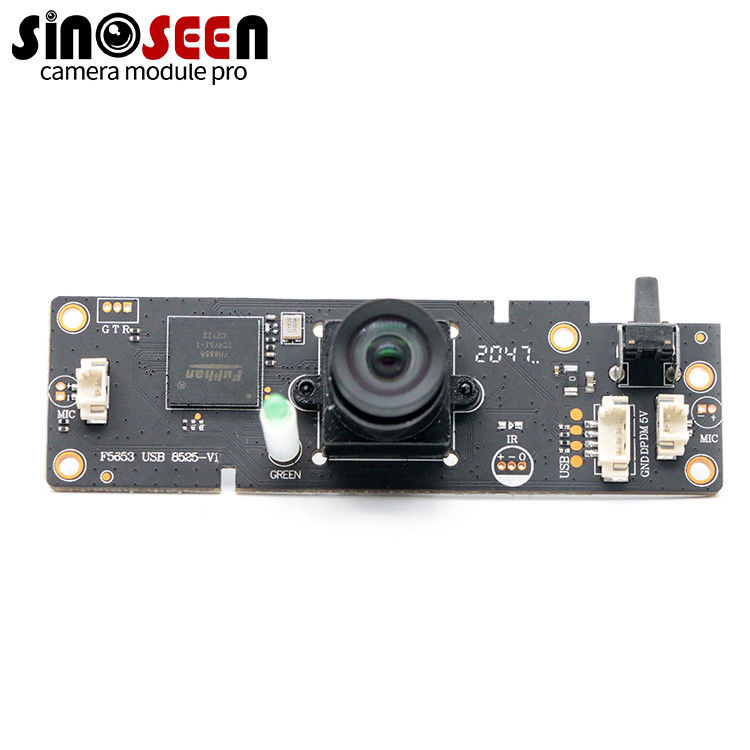
The MIPI embedded camera module represents a cutting-edge solution in modern imaging technology, specifically designed to meet the demanding requirements of contemporary electronic devices. MIPI, which stands for Mobile Industry Processor Interface, serves as the foundation for this advanced camera system that integrates seamlessly into various applications. The MIPI embedded camera module functions as a compact, high-performance imaging solution that combines sophisticated sensor technology with streamlined connectivity protocols. This innovative module operates through the MIPI CSI (Camera Serial Interface) standard, enabling efficient data transmission between the camera sensor and the host processor. The primary function of the MIPI embedded camera module involves capturing high-quality images and video streams while maintaining minimal power consumption and space requirements. The technological architecture of this module incorporates advanced CMOS sensor technology, sophisticated image signal processing capabilities, and optimized data interface protocols. These components work together to deliver exceptional image quality, rapid data processing, and reliable performance across diverse operating conditions. The MIPI embedded camera module features automatic exposure control, white balance adjustment, and noise reduction algorithms that enhance image clarity and color accuracy. Additionally, the module supports various resolution formats, frame rates, and color spaces to accommodate different application requirements. The compact form factor of the MIPI embedded camera module makes it ideal for integration into space-constrained environments while maintaining professional-grade imaging capabilities. Applications for the MIPI embedded camera module span across multiple industries, including automotive systems, industrial automation, medical devices, security surveillance, and consumer electronics. In automotive applications, these modules enable advanced driver assistance systems, backup cameras, and autonomous vehicle navigation. Industrial automation benefits from the precise imaging capabilities for quality control, robotic vision systems, and manufacturing inspection processes. Medical devices utilize the MIPI embedded camera module for diagnostic imaging, surgical assistance, and patient monitoring applications. The security industry leverages these modules for surveillance systems, access control, and perimeter monitoring solutions.

New Product Releases

The MIPI embedded camera module delivers exceptional performance benefits that make it the preferred choice for modern imaging applications. The primary advantage lies in its superior data transmission speed, which enables real-time video streaming and rapid image processing without latency issues. This high-speed capability ensures smooth operation in demanding applications where timing is critical. The module's low power consumption significantly extends battery life in portable devices while maintaining consistent imaging performance throughout extended operation periods. Energy efficiency becomes particularly important in battery-powered applications where every milliwatt counts toward overall system performance. The MIPI embedded camera module provides excellent image quality through advanced sensor technology and sophisticated image processing algorithms. Users experience crisp, clear images with accurate color representation and minimal noise, even in challenging lighting conditions. The module's automatic adjustment features ensure optimal image quality without requiring manual intervention or complex calibration procedures. Space efficiency represents another crucial advantage, as the MIPI embedded camera module occupies minimal physical space while delivering full-featured imaging capabilities. This compact design enables integration into slim devices and tight spaces where traditional camera systems would not fit. The streamlined form factor does not compromise functionality, allowing manufacturers to create sleek, modern products without sacrificing imaging performance. Installation simplicity makes the MIPI embedded camera module accessible to engineers and developers across various skill levels. The standardized interface connections reduce integration complexity and minimize the potential for connection errors during assembly. Clear documentation and support resources accelerate development timelines and reduce project costs. The module's robust construction ensures reliable operation in diverse environmental conditions, including temperature variations, humidity changes, and mechanical stress. This durability translates to longer service life and reduced maintenance requirements for end users. Cost-effectiveness emerges as a significant advantage, as the MIPI embedded camera module provides professional-grade imaging capabilities at a competitive price point. The module's standardized design enables volume production efficiencies that benefit both manufacturers and end users through reduced costs. Additionally, the simplified integration process reduces development expenses and accelerates time-to-market for new products. Versatility allows the MIPI embedded camera module to adapt to various applications without requiring extensive modifications or additional components. This flexibility enables manufacturers to use a single camera solution across multiple product lines, simplifying inventory management and reducing design complexity. The module's compatibility with different processors and operating systems further enhances its versatility and market appeal.

Latest News

Why Choose a High-Performance Embedded Camera Module for AI Applications?

02

Mar

Why Choose a High-Performance Embedded Camera Module for AI Applications?

Artificial intelligence applications demand precision, speed, and reliability in their visual data acquisition systems. An embedded camera module serves as the critical foundation for AI-powered devices, from autonomous vehicles to smart manufacturin...
View More
 How to Select the Right AI Camera Module for Facial Recognition Systems?

02

Mar

How to Select the Right AI Camera Module for Facial Recognition Systems?

Selecting the appropriate AI camera module for facial recognition systems represents a critical decision that directly impacts system performance, accuracy, and overall operational efficiency. Modern facial recognition applications demand sophisticat...
View More
How to Optimize Low-Light Performance in Custom Camera Module Designs?

02

Mar

How to Optimize Low-Light Performance in Custom Camera Module Designs?

Custom camera module designs face unique challenges when operating in environments with minimal illumination, making low-light performance optimization a critical engineering consideration. Modern applications ranging from security surveillance to au...
View More
Why do Robotics Manufacturers Prefer High-Speed AI Camera Modules?

02

Mar

Why do Robotics Manufacturers Prefer High-Speed AI Camera Modules?

The robotics industry has experienced unprecedented growth in recent years, with manufacturers increasingly demanding sophisticated vision systems that can process visual data at lightning speed. High-speed AI camera modules have emerged as the corne...
View More

Get In Touch

mipi embedded camera module

High-Speed Data Transmission Excellence

High-Speed Data Transmission Excellence

The MIPI embedded camera module excels in delivering lightning-fast data transmission capabilities that revolutionize imaging applications across multiple industries. This exceptional performance stems from the advanced MIPI CSI protocol implementation, which enables rapid data transfer rates of up to several gigabits per second. The high-speed transmission capability ensures that image data flows seamlessly from the sensor to the processing unit without bottlenecks or delays that could compromise system performance. This speed advantage becomes particularly crucial in applications requiring real-time image processing, such as autonomous vehicle navigation systems, industrial quality control processes, and medical diagnostic equipment. The MIPI embedded camera module's superior data transmission speed eliminates the frustrating lag times commonly associated with slower camera systems, enabling immediate response to visual inputs and rapid decision-making processes. In automotive applications, this translates to faster hazard detection and quicker activation of safety systems, potentially preventing accidents and saving lives. Industrial automation benefits from the instantaneous image capture and analysis capabilities, allowing for immediate detection of defects or anomalies in manufacturing processes. The high-speed performance also enables smooth video streaming for surveillance applications, ensuring that security personnel can monitor activities in real-time without missing critical events. The technical implementation of this high-speed capability involves sophisticated buffer management, optimized data pathways, and advanced signal processing algorithms that work together to maintain consistent performance even under heavy data loads. The MIPI embedded camera module's architecture includes dedicated high-speed lanes for data transmission, reducing the risk of interference and ensuring reliable communication between components. This robust design approach guarantees stable performance across various operating conditions and applications, making it a dependable choice for mission-critical systems. Furthermore, the high-speed transmission capability supports multiple data formats and compression standards, providing flexibility for different application requirements while maintaining optimal performance levels throughout the imaging pipeline.
Ultra-Compact Design Innovation

Ultra-Compact Design Innovation

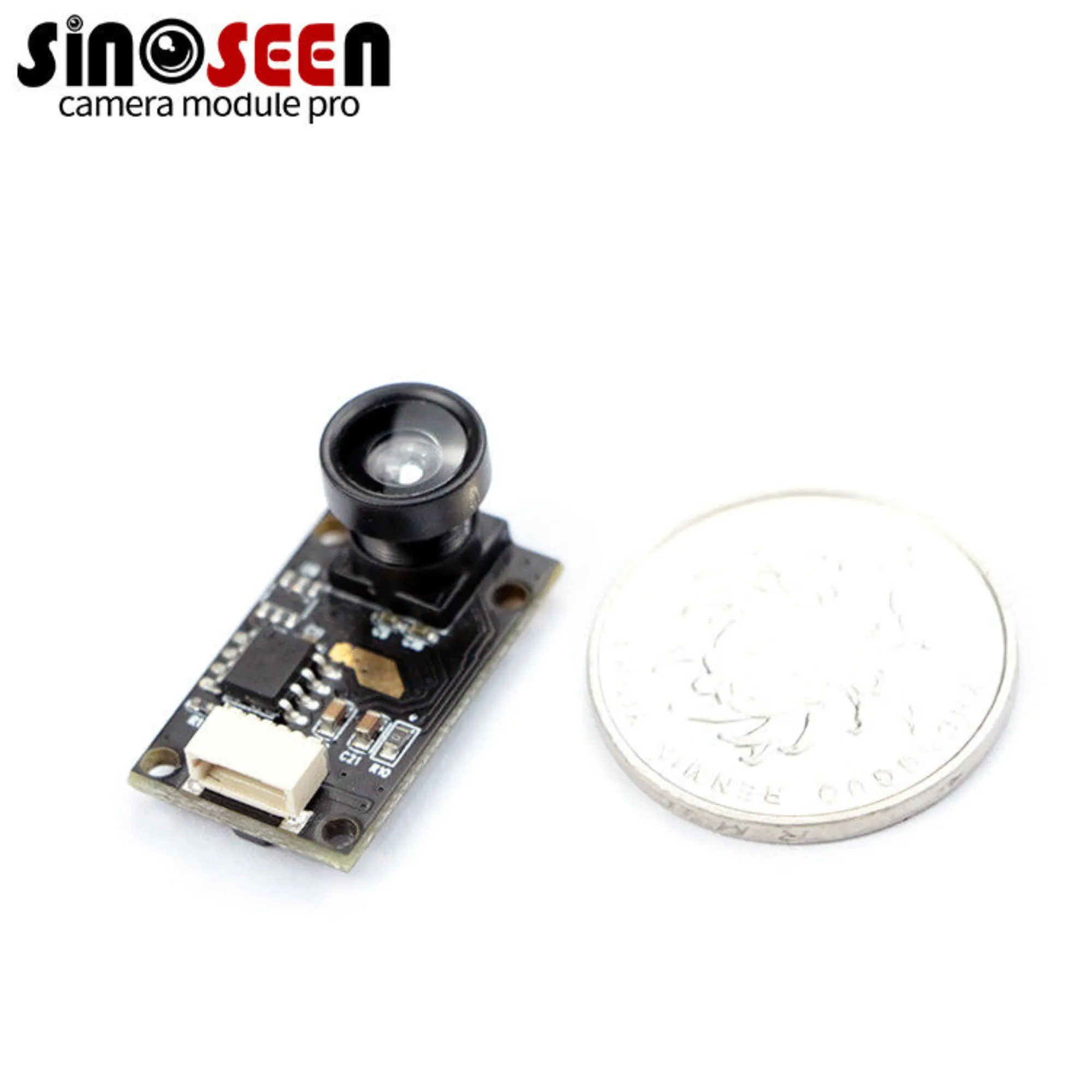
The MIPI embedded camera module showcases remarkable engineering excellence through its ultra-compact design that maximizes functionality while minimizing physical footprint requirements. This innovative approach to miniaturization represents a significant breakthrough in camera technology, enabling integration into space-constrained applications that were previously impossible to accommodate with traditional imaging solutions. The compact form factor measures significantly smaller than conventional camera modules while maintaining full imaging capabilities and professional-grade performance standards. This size advantage opens new possibilities for product designers and engineers who need to incorporate high-quality imaging into slim devices, wearable technology, and embedded systems with strict space limitations. The MIPI embedded camera module's compact design achieves this remarkable size reduction through advanced semiconductor manufacturing techniques, sophisticated component integration, and innovative packaging solutions that eliminate unnecessary bulk without compromising functionality. Every component within the module has been optimized for size efficiency while maintaining performance integrity, resulting in a solution that delivers maximum capability per cubic millimeter of occupied space. This design philosophy particularly benefits consumer electronics manufacturers who continuously strive to create thinner, lighter devices without sacrificing features or performance. Smartphones, tablets, laptops, and wearable devices all benefit from the space-saving advantages of the MIPI embedded camera module, allowing manufacturers to allocate saved space for additional features, larger batteries, or improved aesthetics. The compact design also reduces material costs and shipping expenses, contributing to overall product affordability and environmental sustainability. Medical device applications particularly benefit from the ultra-compact design, as it enables the creation of minimally invasive diagnostic tools and portable monitoring equipment that improves patient comfort and accessibility. The small form factor allows for integration into endoscopes, surgical instruments, and wearable health monitors without adding significant bulk or weight that could impede usability. Industrial applications leverage the compact design for integration into tight spaces within machinery, robotic systems, and automated inspection equipment where space is at a premium but imaging capability remains essential for proper operation and quality control processes.
Superior Power Efficiency Optimization

Superior Power Efficiency Optimization

The MIPI embedded camera module demonstrates exceptional power efficiency that sets new standards for energy conservation in imaging applications while maintaining superior performance levels. This remarkable efficiency stems from advanced power management technologies, optimized sensor design, and intelligent processing algorithms that minimize energy consumption without compromising image quality or functionality. The module's low power requirements make it ideal for battery-powered devices, portable equipment, and applications where energy conservation directly impacts operational costs and environmental sustainability. The power efficiency optimization involves multiple layers of energy management, including dynamic power scaling, sleep mode capabilities, and intelligent workload distribution that adapts to actual usage patterns. When the MIPI embedded camera module is not actively capturing images, it automatically enters low-power standby modes that preserve battery life while maintaining readiness for immediate activation when needed. This intelligent power management ensures that energy is only consumed when necessary, dramatically extending operational time for portable devices and reducing overall power requirements for stationary installations. The efficiency gains translate directly into practical benefits for end users, including longer battery life for mobile devices, reduced cooling requirements for embedded systems, and lower electricity costs for continuous operation applications. The MIPI embedded camera module's power optimization also contributes to improved system reliability by reducing heat generation, which can negatively impact component longevity and overall system stability. Lower power consumption means less heat production, resulting in cooler operating temperatures that extend component life and improve long-term reliability. This thermal efficiency becomes particularly important in compact installations where heat dissipation is challenging and in automotive applications where extreme temperature conditions are common. Environmental benefits emerge from the reduced power consumption, as lower energy requirements contribute to decreased carbon footprint and improved sustainability metrics for devices incorporating the MIPI embedded camera module. Manufacturers can achieve green certification standards more easily when using energy-efficient components, while end users benefit from reduced environmental impact and lower operating costs. The power efficiency also enables the development of solar-powered and other alternative energy applications where traditional high-power camera systems would be impractical or impossible to implement effectively.

Related Search

Get in touch