Innovative Camera Modules for Every Application | Sinoseen

All Categories

embedded vision module

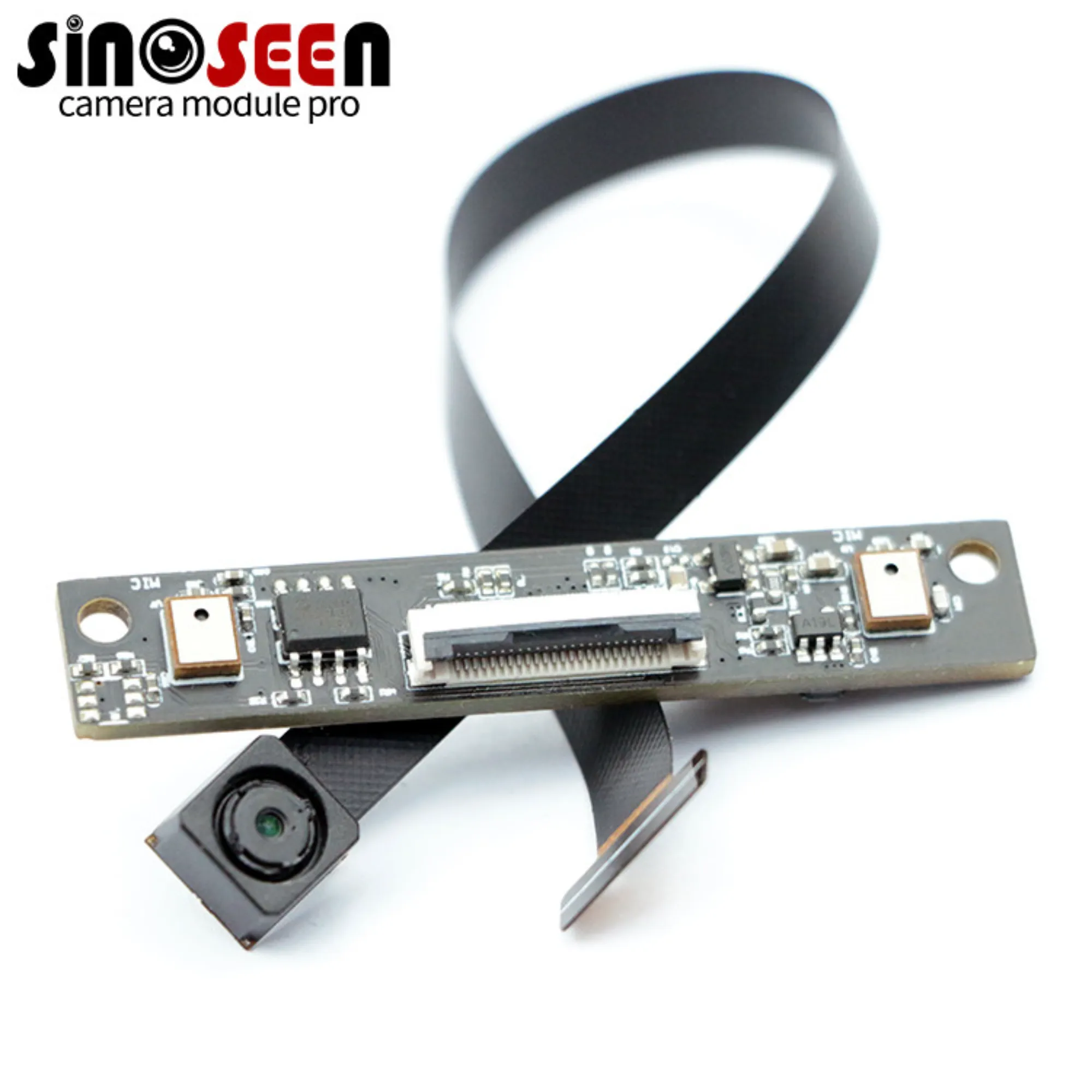
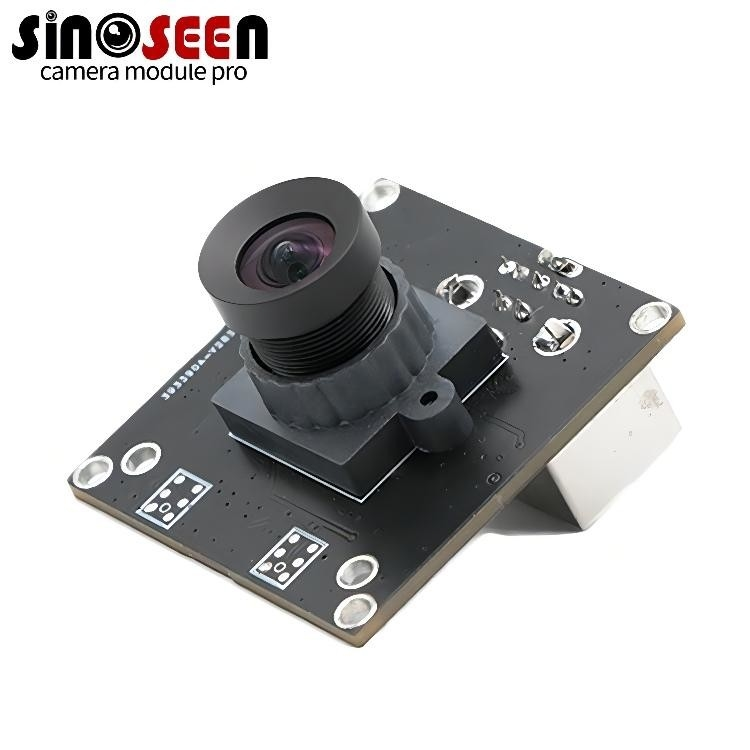
An embedded vision module represents a revolutionary integration of advanced imaging technology, processing capabilities, and compact design that transforms how devices perceive and interact with their environment. This sophisticated system combines high-resolution cameras, powerful processors, and intelligent algorithms into a single, streamlined package that can be seamlessly integrated into various electronic devices and industrial applications. The embedded vision module serves as the digital eyes of modern technology, enabling machines to capture, analyze, and respond to visual information in real-time. At its core, the embedded vision module incorporates cutting-edge image sensors that deliver exceptional clarity and precision across diverse lighting conditions. These modules feature advanced signal processing units that handle complex computational tasks, including object recognition, motion detection, facial identification, and environmental analysis. The technological architecture includes dedicated memory systems, optimized firmware, and customizable software interfaces that allow developers to tailor functionality according to specific requirements. The modular design ensures easy integration while maintaining consistent performance standards across different platforms. Modern embedded vision modules support multiple communication protocols, enabling seamless connectivity with host systems through USB, Ethernet, or wireless connections. They incorporate machine learning capabilities that allow continuous improvement in recognition accuracy and processing speed. The modules also feature robust construction designed to withstand challenging environmental conditions, making them suitable for both indoor and outdoor applications. Applications span across numerous industries, including automotive systems for driver assistance and autonomous navigation, security installations for surveillance and access control, healthcare equipment for diagnostic imaging and patient monitoring, industrial automation for quality control and robotic guidance, and consumer electronics for enhanced user experiences. The versatility of embedded vision modules makes them essential components in smart city infrastructure, retail analytics, agricultural monitoring, and entertainment systems, demonstrating their transformative impact across diverse technological landscapes.

New Products

Embedded vision modules deliver exceptional cost-effectiveness by consolidating multiple complex components into a single, optimized unit that reduces overall system expenses and simplifies procurement processes. Organizations benefit from significant reductions in development time and engineering resources, as these pre-integrated solutions eliminate the need for extensive custom hardware design and software development. The streamlined integration process accelerates product launches and reduces time-to-market, providing competitive advantages in fast-paced industries. Space efficiency represents another crucial benefit, as embedded vision modules maximize functionality while minimizing physical footprint requirements. This compact design enables integration into space-constrained applications where traditional camera systems would be impractical or impossible to implement. The optimized form factor supports sleek product designs without compromising performance capabilities. Energy efficiency stands as a paramount advantage, with embedded vision modules engineered to deliver maximum processing power while maintaining minimal power consumption. This efficiency extends battery life in portable applications and reduces operational costs in continuous-use scenarios. Advanced power management features automatically adjust consumption based on processing demands, further optimizing energy utilization. Reliability and durability exceed conventional systems through specialized engineering and rigorous testing protocols. Embedded vision modules withstand temperature fluctuations, vibrations, electromagnetic interference, and other environmental challenges that could compromise performance. This robustness reduces maintenance requirements and extends operational lifespan, delivering superior return on investment. Enhanced processing capabilities enable real-time analysis and decision-making that transforms operational efficiency. The integrated approach eliminates latency issues common in distributed systems, ensuring immediate response to visual stimuli. This speed advantage proves critical in safety applications, autonomous systems, and time-sensitive processes. Scalability features allow organizations to expand capabilities as requirements evolve, protecting initial investments while accommodating growth. The modular architecture supports various performance levels and feature sets, enabling cost-effective upgrades without complete system replacement. Simplified maintenance procedures reduce operational complexity and associated costs, while comprehensive support resources ensure optimal performance throughout the product lifecycle.

Practical Tips

Why Choose a High-Performance Embedded Camera Module for AI Applications?

02

Mar

Why Choose a High-Performance Embedded Camera Module for AI Applications?

Artificial intelligence applications demand precision, speed, and reliability in their visual data acquisition systems. An embedded camera module serves as the critical foundation for AI-powered devices, from autonomous vehicles to smart manufacturin...
View More
 How to Select the Right AI Camera Module for Facial Recognition Systems?

02

Mar

How to Select the Right AI Camera Module for Facial Recognition Systems?

Selecting the appropriate AI camera module for facial recognition systems represents a critical decision that directly impacts system performance, accuracy, and overall operational efficiency. Modern facial recognition applications demand sophisticat...
View More
How to Optimize Low-Light Performance in Custom Camera Module Designs?

02

Mar

How to Optimize Low-Light Performance in Custom Camera Module Designs?

Custom camera module designs face unique challenges when operating in environments with minimal illumination, making low-light performance optimization a critical engineering consideration. Modern applications ranging from security surveillance to au...
View More
Why do Robotics Manufacturers Prefer High-Speed AI Camera Modules?

02

Mar

Why do Robotics Manufacturers Prefer High-Speed AI Camera Modules?

The robotics industry has experienced unprecedented growth in recent years, with manufacturers increasingly demanding sophisticated vision systems that can process visual data at lightning speed. High-speed AI camera modules have emerged as the corne...
View More

Get In Touch

embedded vision module

Revolutionary Integration and Seamless Compatibility

Revolutionary Integration and Seamless Compatibility

The embedded vision module stands out through its revolutionary integration approach that seamlessly combines multiple sophisticated technologies into a cohesive, high-performance system. This integration eliminates the complexity traditionally associated with assembling disparate components, offering users a plug-and-play solution that dramatically reduces implementation time and technical challenges. The module incorporates advanced image sensors, dedicated processing units, memory management systems, and communication interfaces within a single, compact package that maintains exceptional performance standards while simplifying deployment across diverse applications. The seamless compatibility extends across multiple platforms, operating systems, and development environments, ensuring universal adaptability that meets varied project requirements. Developers benefit from comprehensive software development kits, extensive documentation, and flexible APIs that facilitate rapid prototyping and customization. This compatibility eliminates vendor lock-in concerns while providing freedom to integrate with existing infrastructure or migrate between platforms as needs evolve. The embedded vision module supports industry-standard communication protocols including USB 3.0, Ethernet, and wireless connectivity options, ensuring reliable data transmission and system integration. Advanced driver support across Windows, Linux, and embedded operating systems guarantees consistent performance regardless of the host environment. The modular architecture allows selective feature activation, enabling cost optimization by paying only for required capabilities. This flexibility proves invaluable for organizations with diverse product lines or evolving requirements. Quality assurance measures include rigorous testing protocols that validate compatibility across thousands of system configurations, ensuring reliable operation in production environments. The integration approach also addresses security concerns through hardware-level encryption, secure boot processes, and protected communication channels that safeguard sensitive data and prevent unauthorized access. Professional support services provide expert guidance throughout integration phases, from initial design consultation through deployment and ongoing maintenance, ensuring successful implementation regardless of technical complexity or organizational expertise levels.
Exceptional Performance and Processing Power

Exceptional Performance and Processing Power

Embedded vision modules deliver exceptional performance through cutting-edge processing architectures that combine specialized image signal processors with advanced computational units optimized for vision-related tasks. This performance advantage translates into superior image quality, faster processing speeds, and enhanced analytical capabilities that exceed traditional camera systems by significant margins. The modules incorporate high-performance image sensors capable of capturing ultra-high-definition video streams with exceptional clarity, color accuracy, and dynamic range across challenging lighting conditions. Advanced noise reduction algorithms and image enhancement features ensure consistent quality output regardless of environmental variables. The processing power enables real-time analysis of complex visual data, supporting sophisticated applications including facial recognition, object tracking, motion analysis, and environmental monitoring. Machine learning acceleration hardware integrated within the embedded vision module provides dedicated computational resources for artificial intelligence algorithms, enabling on-device processing that eliminates cloud dependency and reduces latency to microsecond levels. This local processing capability proves crucial for applications requiring immediate response times, such as autonomous vehicles, industrial safety systems, and security installations. The high-performance architecture supports multiple concurrent processing streams, allowing simultaneous analysis of different visual elements or multiple video feeds without compromising individual stream quality or processing speed. Advanced memory management systems optimize data flow and storage utilization, preventing bottlenecks that could impact performance during demanding operations. Thermal management solutions maintain optimal operating temperatures even during intensive processing tasks, ensuring consistent performance and extended operational lifespan. The embedded vision module also features adaptive processing capabilities that automatically adjust computational resources based on scene complexity and processing requirements, maximizing efficiency while maintaining quality standards. Performance benchmarks consistently demonstrate superior frame rates, reduced processing delays, and enhanced accuracy compared to alternative solutions, providing measurable advantages that translate into improved user experiences and operational outcomes across diverse applications ranging from medical imaging to industrial automation.
Advanced Features and Future-Ready Technology

Advanced Features and Future-Ready Technology

The embedded vision module incorporates advanced features and future-ready technology that position organizations at the forefront of innovation while ensuring long-term viability and competitive advantage. These sophisticated capabilities include artificial intelligence acceleration, edge computing functionality, and adaptive learning systems that continuously improve performance through experience and data analysis. The modules feature dedicated neural processing units optimized for computer vision tasks, enabling complex pattern recognition, behavioral analysis, and predictive modeling that traditional systems cannot achieve. Advanced sensor fusion capabilities integrate visual data with information from additional sensors such as depth cameras, thermal sensors, and motion detectors, creating comprehensive environmental awareness that enhances decision-making accuracy and system reliability. The embedded vision module supports multiple simultaneous video streams with independent processing capabilities, allowing complex multi-angle analysis and comprehensive monitoring solutions. Cloud connectivity features enable seamless integration with enterprise systems, data analytics platforms, and remote management tools while maintaining local processing capabilities for critical operations. Security features include hardware-based encryption, secure authentication protocols, and tamper detection mechanisms that protect sensitive data and prevent unauthorized access or manipulation. The modular architecture supports field upgrades and feature expansion through software updates and hardware add-ons, ensuring systems remain current with evolving requirements and emerging technologies. Advanced calibration systems automatically optimize image quality and processing parameters based on environmental conditions and application requirements, minimizing manual intervention while maximizing performance. The embedded vision module also incorporates predictive maintenance capabilities that monitor system health, identify potential issues before failures occur, and provide proactive alerts that prevent downtime and extend operational lifespan. Environmental adaptability features enable operation across extreme temperature ranges, varying humidity levels, and challenging lighting conditions while maintaining consistent performance standards. Future-ready communication interfaces support emerging protocols and standards, ensuring compatibility with next-generation systems and technologies as they become available, protecting investment value and enabling seamless technology evolution.

Related Search

Get in touch