Innovative Camera Modules for Every Application | Sinoseen

All Categories

integrated camera module

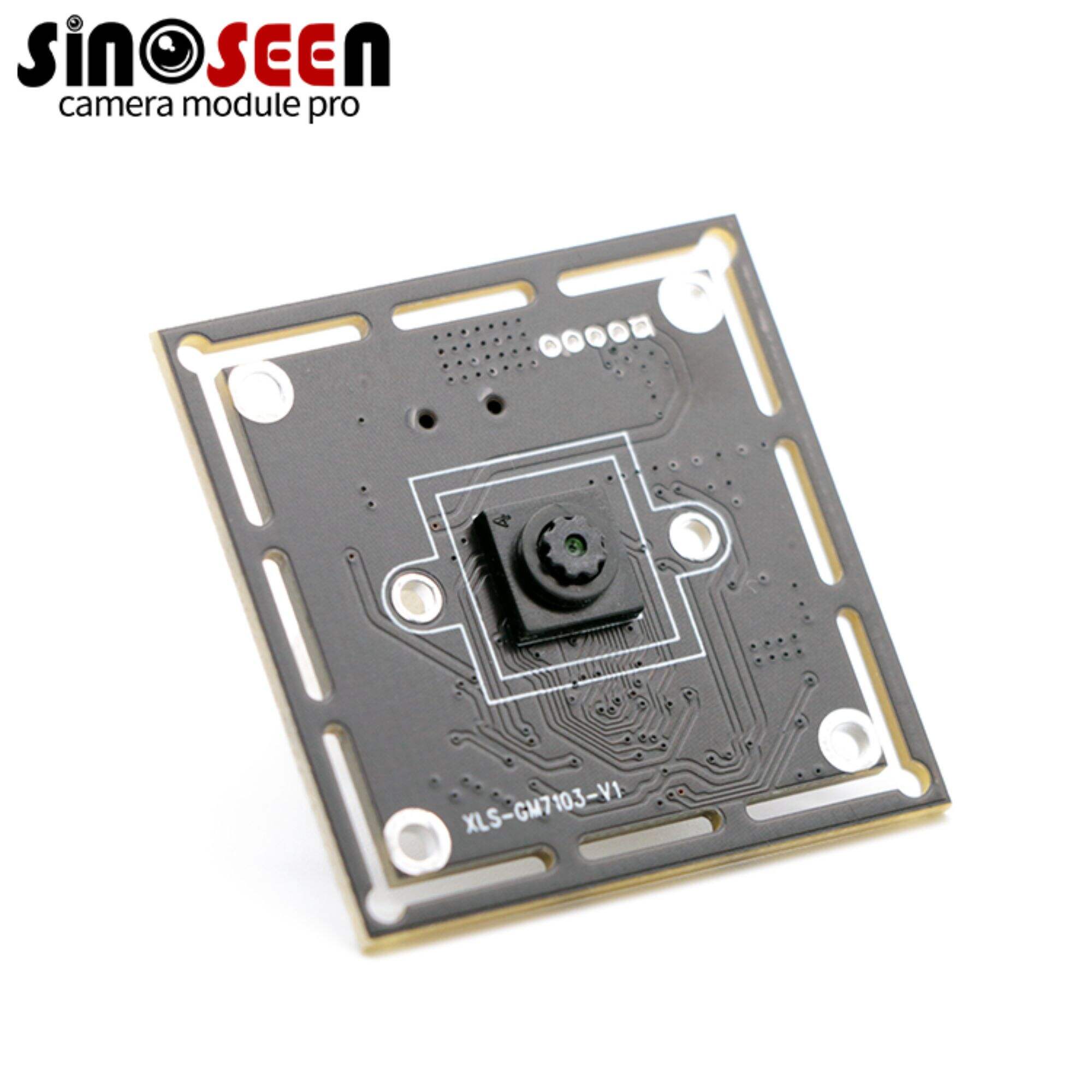
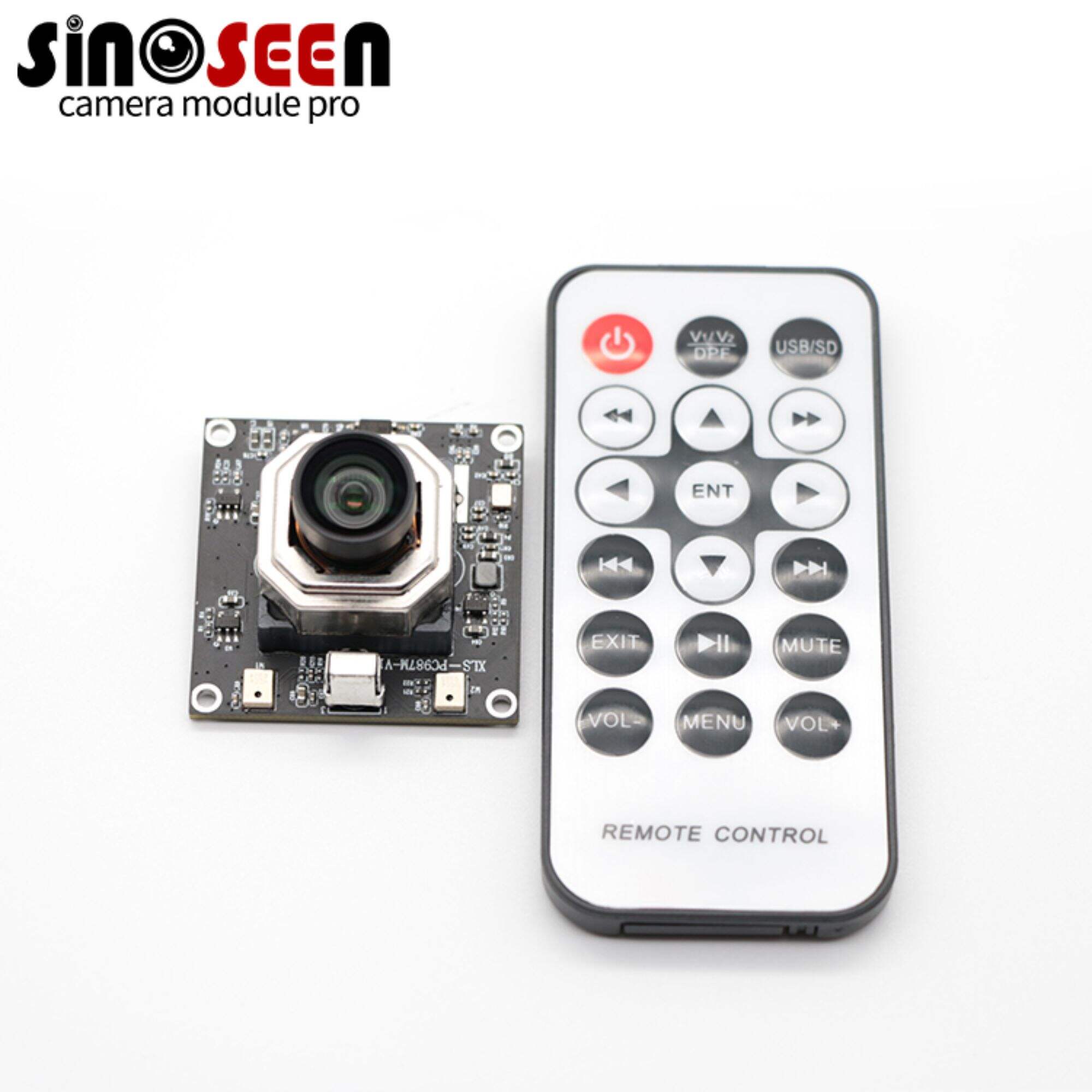
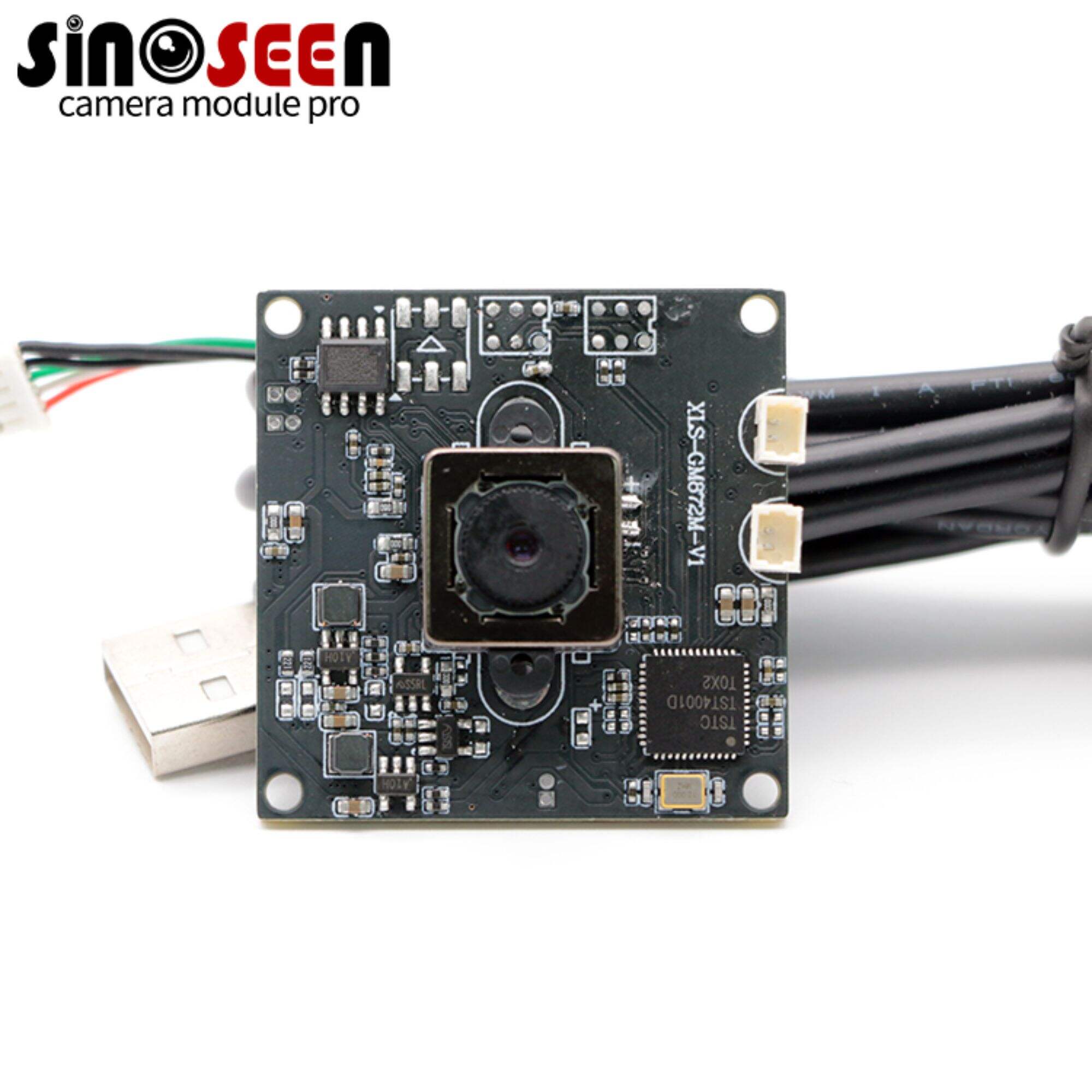
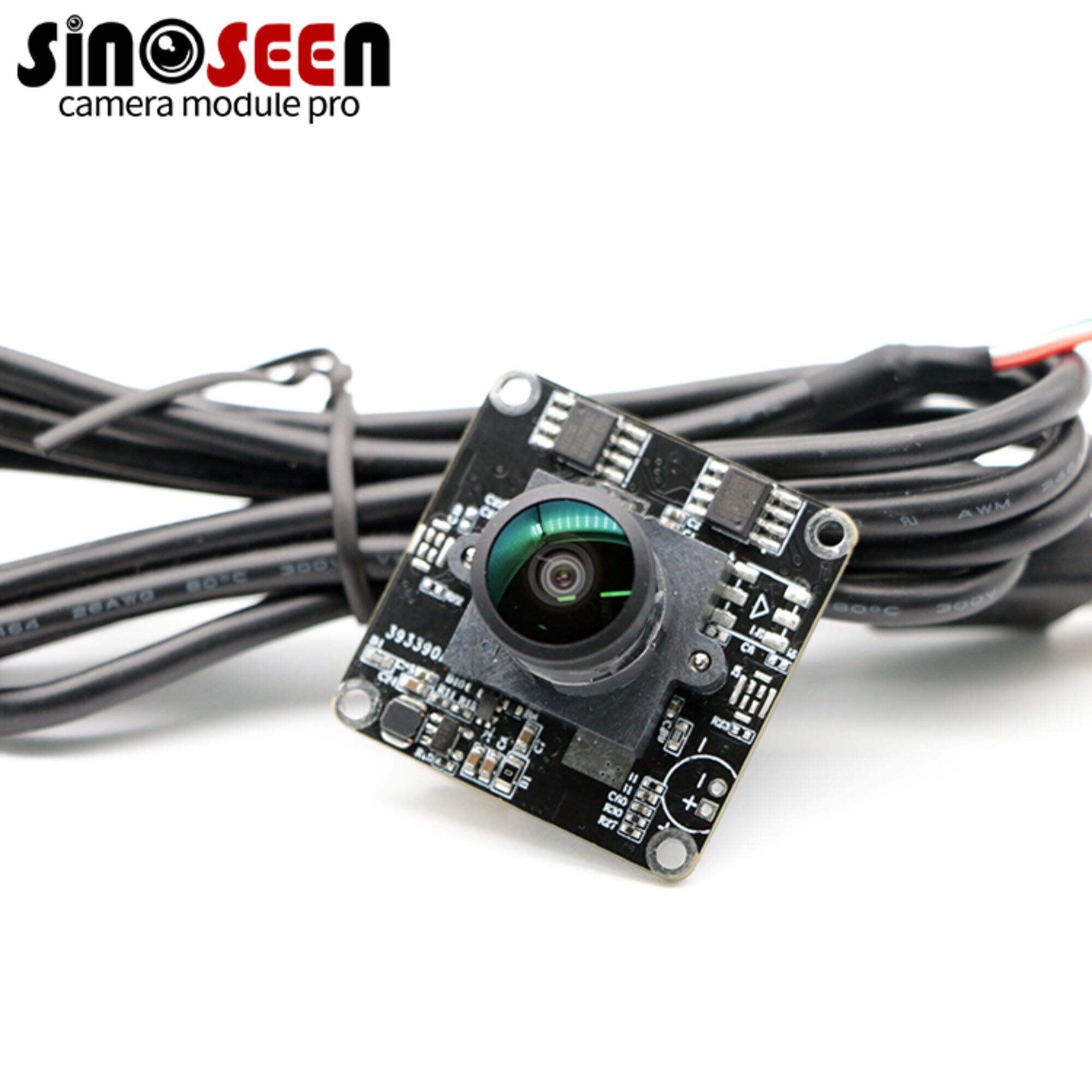
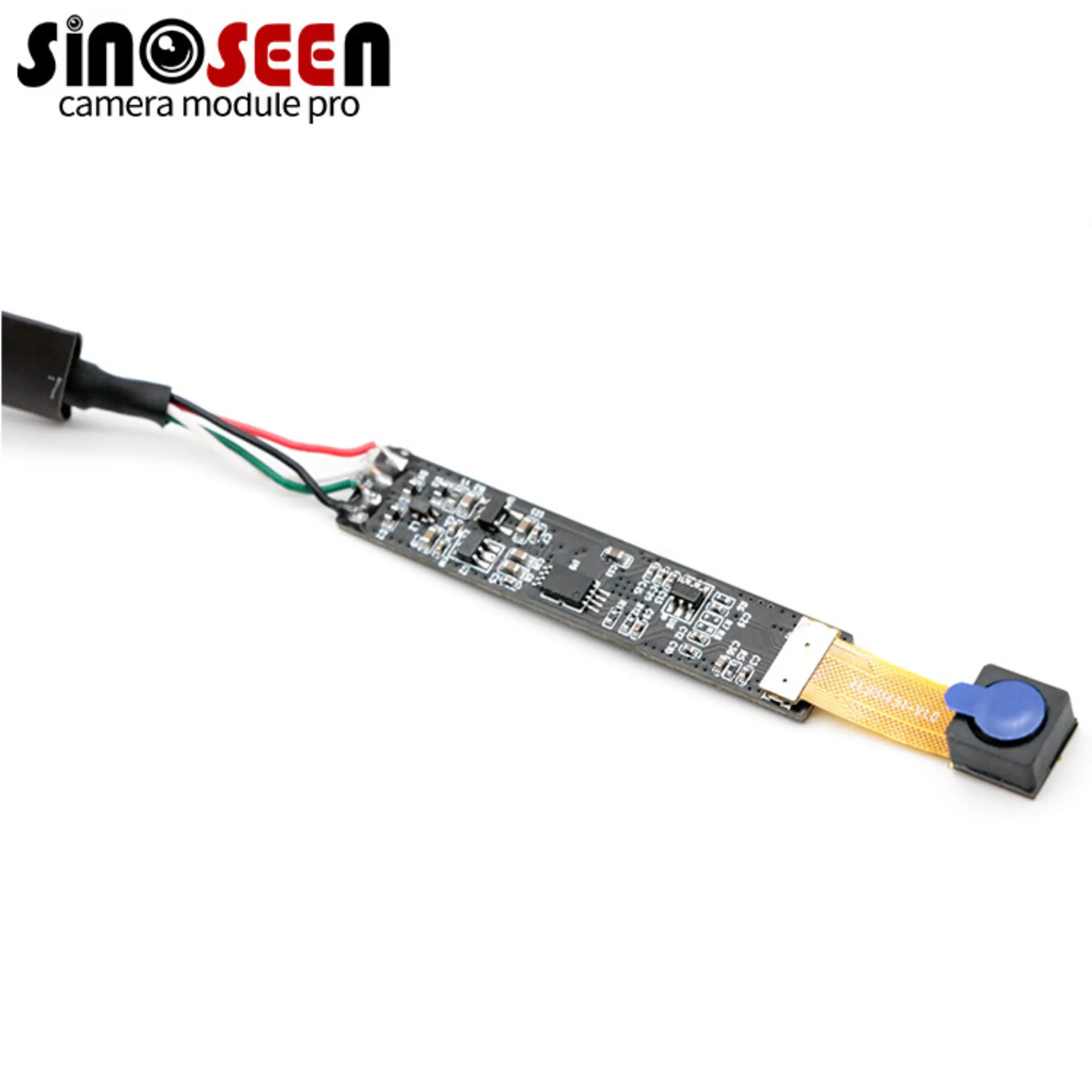
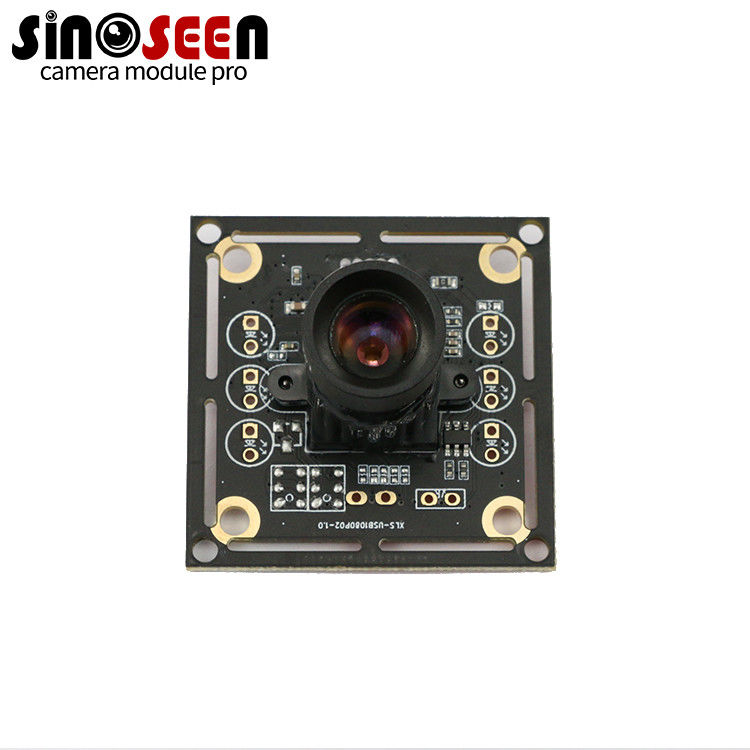
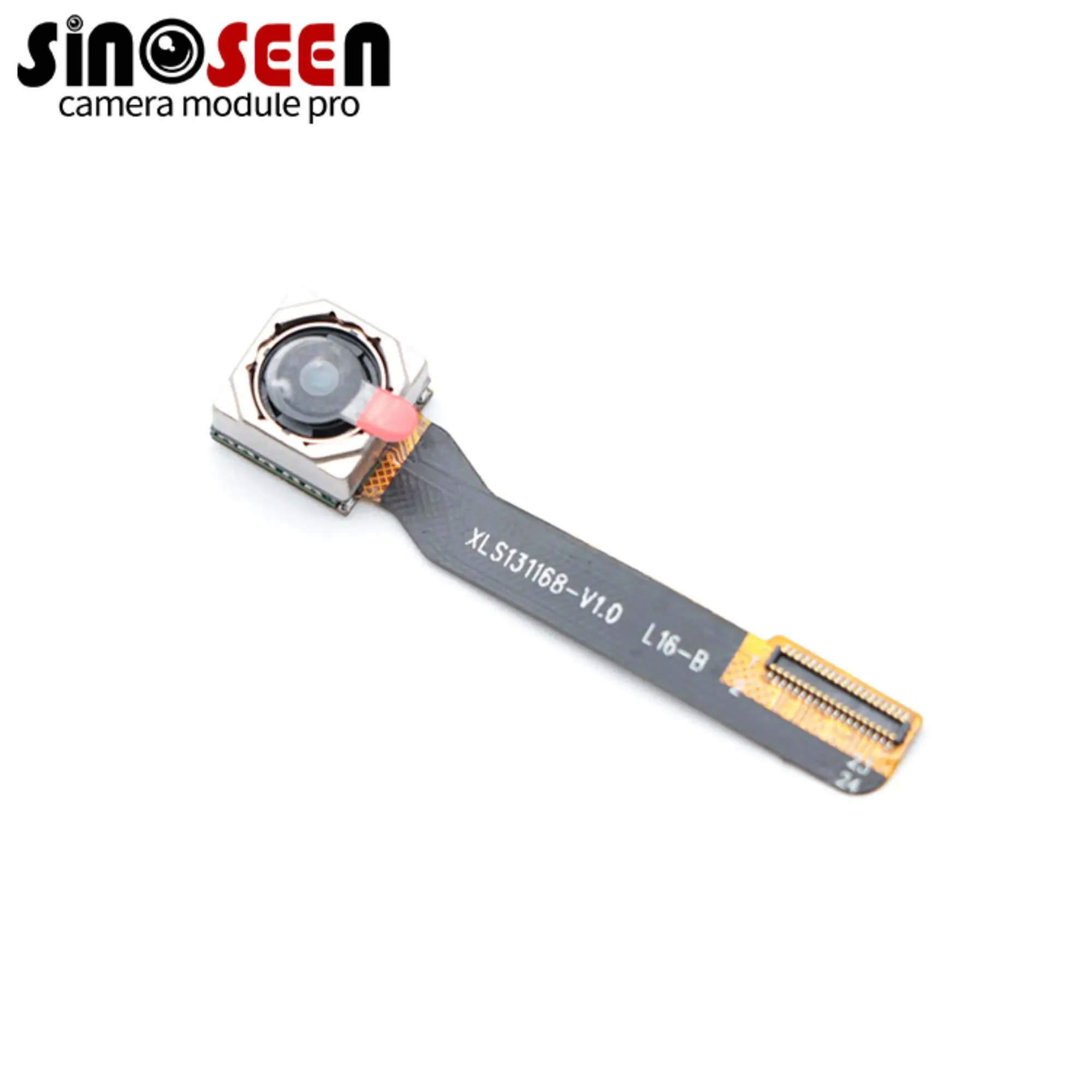
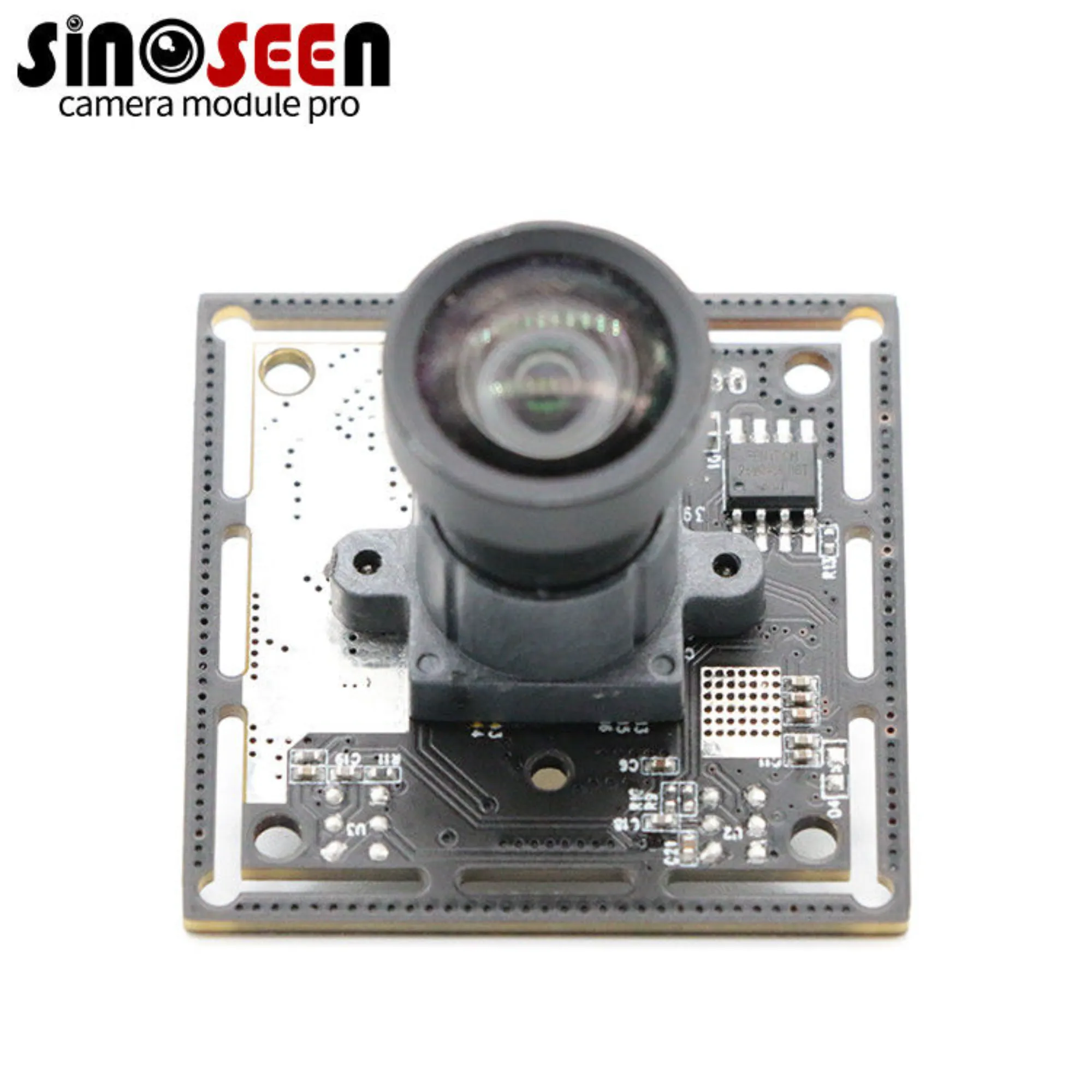
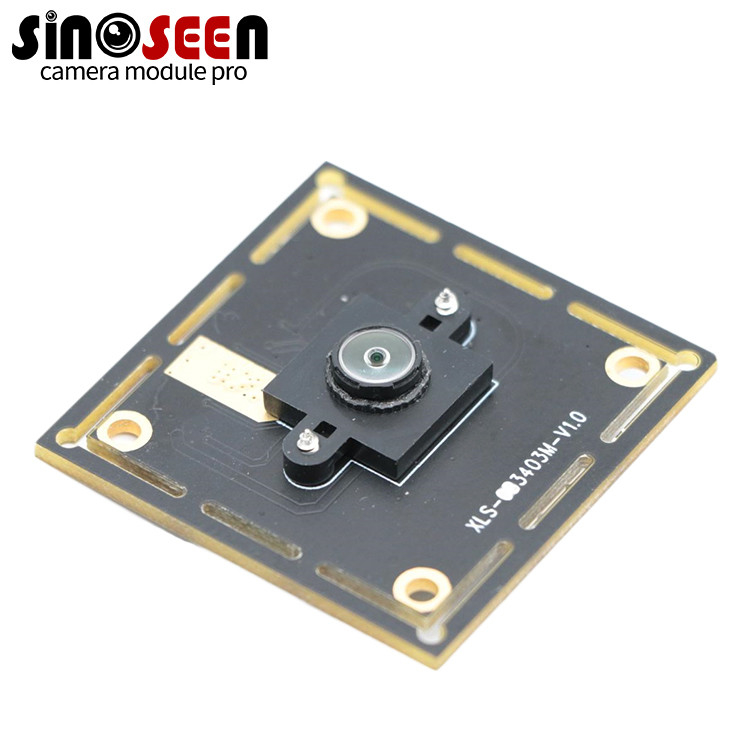
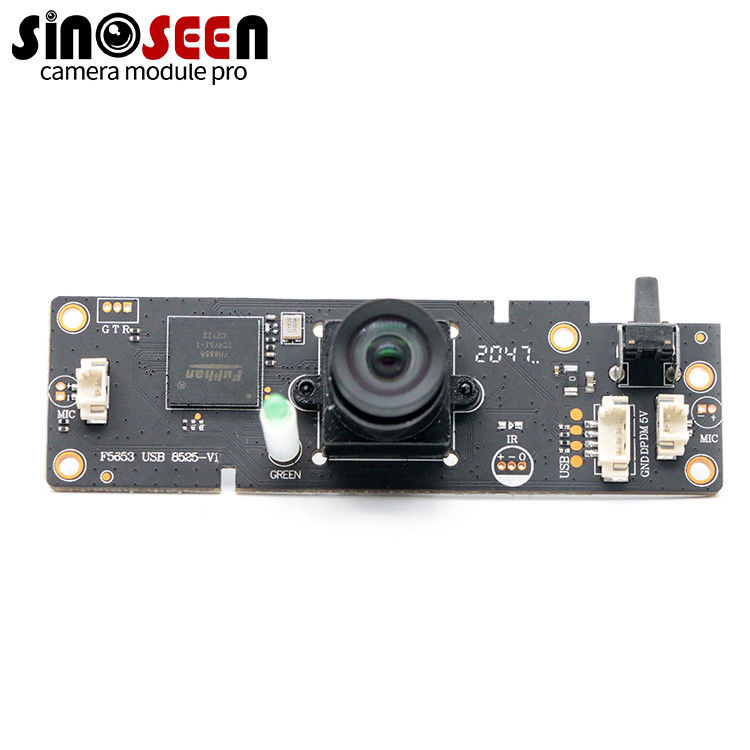
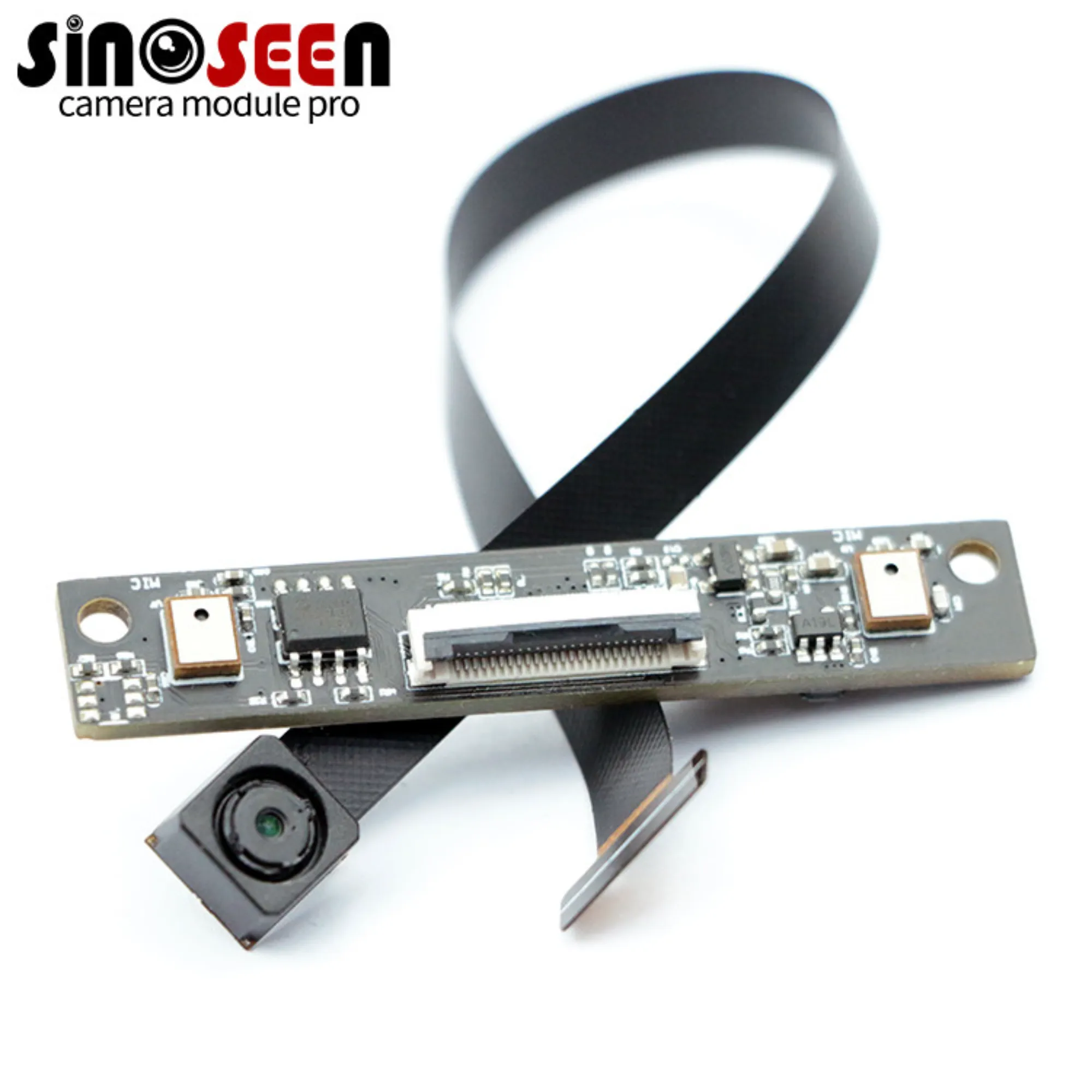
The integrated camera module represents a revolutionary advancement in optical technology, combining multiple essential components into a single, compact unit that delivers exceptional imaging performance. This sophisticated system merges the image sensor, lens assembly, image signal processor, and control circuitry into one streamlined package, eliminating the need for separate components and complex integration processes. Modern integrated camera modules feature cutting-edge CMOS or CCD sensors that capture high-resolution images with remarkable clarity and color accuracy. The optical lens system incorporates advanced materials and precision engineering to minimize distortion while maximizing light transmission efficiency. Built-in image processing capabilities enable real-time enhancement of captured data, including automatic exposure adjustment, white balance correction, and noise reduction algorithms. These modules support various output formats and communication protocols, making them compatible with diverse host systems and applications. The compact form factor allows seamless integration into space-constrained devices while maintaining superior optical performance. Advanced autofocus mechanisms ensure sharp images across different distances, while electronic image stabilization compensates for movement and vibration. Many integrated camera modules now include artificial intelligence capabilities for scene recognition, object tracking, and intelligent image optimization. The modular design facilitates rapid prototyping and reduces time-to-market for manufacturers developing imaging solutions. Quality control measures during manufacturing ensure consistent performance across production batches, while standardized interfaces simplify integration processes. These modules find extensive use in smartphones, tablets, laptops, security cameras, automotive systems, medical devices, and industrial inspection equipment, demonstrating their versatility and reliability across multiple sectors.

New Product Releases

Integrated camera modules offer significant cost savings compared to assembling individual components separately. Manufacturers benefit from reduced procurement complexity, lower inventory requirements, and simplified supply chain management when choosing these complete solutions. The pre-calibrated optical systems eliminate time-consuming alignment procedures that typically require specialized equipment and expertise. This streamlined approach reduces manufacturing errors and ensures consistent image quality across production runs. Space efficiency becomes a major advantage in today's compact device designs, as integrated camera modules occupy minimal board space while delivering maximum functionality. The unified design reduces electromagnetic interference between components, resulting in cleaner signal processing and improved image quality. Power consumption optimization occurs naturally within integrated camera modules, as manufacturers can fine-tune power management circuits specifically for the included components. This leads to extended battery life in portable devices and reduced heat generation during operation. Quality assurance improves significantly since manufacturers test and validate the entire module as a complete system, ensuring optimal performance under various operating conditions. The integrated approach eliminates potential compatibility issues between different component manufacturers, providing users with reliable, proven solutions. Technical support becomes more straightforward when dealing with a single supplier rather than coordinating between multiple component vendors. Firmware updates and feature enhancements can be deployed more efficiently across integrated camera modules, ensuring users benefit from the latest technological improvements. The standardized form factors and interfaces enable easy replacement and upgrades without requiring extensive system redesign. Manufacturing scalability improves as suppliers can optimize production processes for complete modules rather than individual components. This results in faster delivery times and more predictable product availability for customers developing imaging applications.

Tips And Tricks

Why Choose a High-Performance Embedded Camera Module for AI Applications?

02

Mar

Why Choose a High-Performance Embedded Camera Module for AI Applications?

Artificial intelligence applications demand precision, speed, and reliability in their visual data acquisition systems. An embedded camera module serves as the critical foundation for AI-powered devices, from autonomous vehicles to smart manufacturin...
View More
How to Optimize Low-Light Performance in Custom Camera Module Designs?

02

Mar

How to Optimize Low-Light Performance in Custom Camera Module Designs?

Custom camera module designs face unique challenges when operating in environments with minimal illumination, making low-light performance optimization a critical engineering consideration. Modern applications ranging from security surveillance to au...
View More
How to Integrate a Small Camera Module into Compact Medical Devices?

02

Mar

How to Integrate a Small Camera Module into Compact Medical Devices?

Medical device miniaturization continues to revolutionize healthcare, enabling less invasive procedures and improved patient outcomes. When designing compact medical equipment, integrating a small camera module requires careful consideration of space...
View More
Why do Robotics Manufacturers Prefer High-Speed AI Camera Modules?

02

Mar

Why do Robotics Manufacturers Prefer High-Speed AI Camera Modules?

The robotics industry has experienced unprecedented growth in recent years, with manufacturers increasingly demanding sophisticated vision systems that can process visual data at lightning speed. High-speed AI camera modules have emerged as the corne...
View More

Get In Touch

integrated camera module

Superior Image Processing Performance

Superior Image Processing Performance

The integrated camera module excels in image processing capabilities through its embedded digital signal processor that works seamlessly with the optical components. This specialized processor handles complex algorithms for real-time image enhancement, including advanced noise reduction, dynamic range optimization, and color correction functions that produce professional-quality results. The tight integration between the image sensor and processing unit enables faster data transfer rates and reduced latency, crucial for applications requiring immediate image analysis or live streaming. Machine learning algorithms embedded within the integrated camera module can automatically detect and adjust for various lighting conditions, ensuring optimal exposure and contrast regardless of environmental factors. The processing power supports multiple image formats simultaneously, allowing users to capture high-resolution stills while recording video content without compromising quality. Advanced computational photography features like HDR processing, low-light enhancement, and depth mapping become possible through the coordinated operation of hardware and software components within the module. The integrated approach eliminates bottlenecks commonly found in systems using separate processing units, resulting in smoother operation and higher frame rates. Power efficiency improvements occur naturally as the processor is optimized specifically for the sensor characteristics, reducing unnecessary computational overhead. Real-time error correction and data validation ensure image integrity throughout the capture and processing pipeline. The modular design allows manufacturers to customize processing parameters for specific applications while maintaining the core functionality and reliability that users expect from integrated camera modules.
Exceptional Optical Quality and Precision

Exceptional Optical Quality and Precision

The optical excellence of integrated camera modules stems from precision-engineered lens systems that undergo rigorous testing and calibration during manufacturing. Multi-element lens assemblies incorporate aspherical surfaces and specialized coatings to minimize chromatic aberration, distortion, and vignetting effects that can compromise image quality. The factory-calibrated optical system ensures consistent performance across temperature variations and mechanical stress, maintaining sharp focus and accurate color reproduction throughout the product lifecycle. Advanced autofocus mechanisms utilize voice coil motors or liquid lens technology to achieve rapid, silent focusing with exceptional accuracy across the entire focal range. The integrated design allows for precise alignment between optical elements and the image sensor, eliminating the tolerance stack-up issues common in multi-component systems. Optical image stabilization systems counteract camera shake and vibration, enabling clear images in challenging conditions where traditional fixed systems would produce blurred results. The lens design optimizes light gathering efficiency, allowing the integrated camera module to perform excellently in low-light environments while maintaining natural color balance and detail preservation. Quality control processes during assembly ensure each module meets strict optical standards for resolution, contrast, and geometric accuracy. The compact optical design achieves remarkable performance in a small form factor, making it ideal for applications where space constraints would otherwise limit imaging capabilities. Protective elements shield the optical surfaces from environmental contamination while maintaining transparency and optical quality over extended periods of use.
Seamless Integration and Reliability

Seamless Integration and Reliability

The plug-and-play nature of integrated camera modules simplifies system design and reduces development time for manufacturers creating imaging solutions. Standardized interfaces and communication protocols ensure compatibility with a wide range of host processors and development platforms, eliminating the need for custom interface development. The complete module undergoes comprehensive environmental testing including temperature cycling, humidity exposure, vibration resistance, and drop testing to ensure reliable operation in demanding conditions. Built-in diagnostic capabilities allow the integrated camera module to monitor its own performance and report status information to the host system, enabling predictive maintenance and system optimization. The unified design eliminates potential points of failure that exist in multi-component systems, resulting in improved overall system reliability and reduced warranty claims. Electromagnetic compatibility testing ensures the module operates without interference from or to other electronic components in the same device. The integrated approach provides better supply chain stability as customers work with a single supplier rather than managing relationships with multiple component vendors. Quality certifications and compliance with international standards give manufacturers confidence in regulatory approval processes for their end products. Thermal management optimization occurs at the module level, with heat dissipation designed specifically for the integrated components rather than requiring system-level thermal solutions. Software development becomes more straightforward with integrated camera modules as manufacturers provide comprehensive documentation, sample code, and development tools that accelerate the implementation process. The modular architecture supports future upgrades and feature additions without requiring complete system redesign, protecting customer investments and enabling product evolution over time.

Related Search

Get in touch