Innovative Camera Modules for Every Application | Sinoseen

All Categories

embedded vision sensor

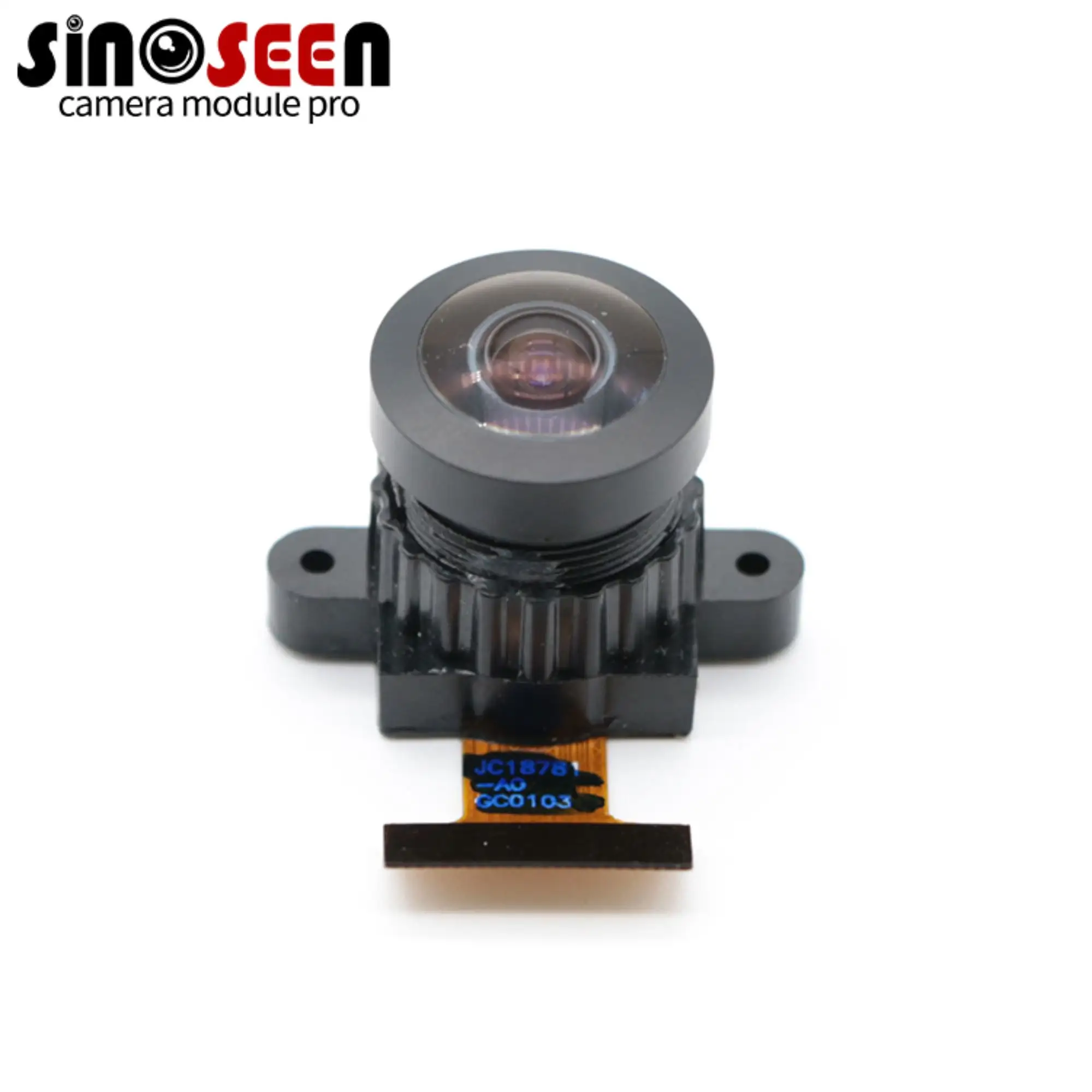
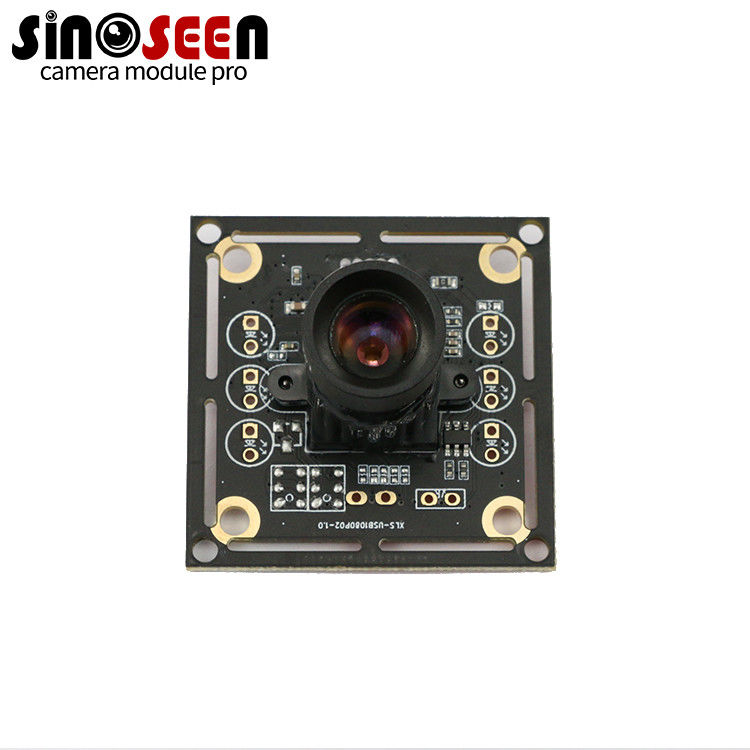
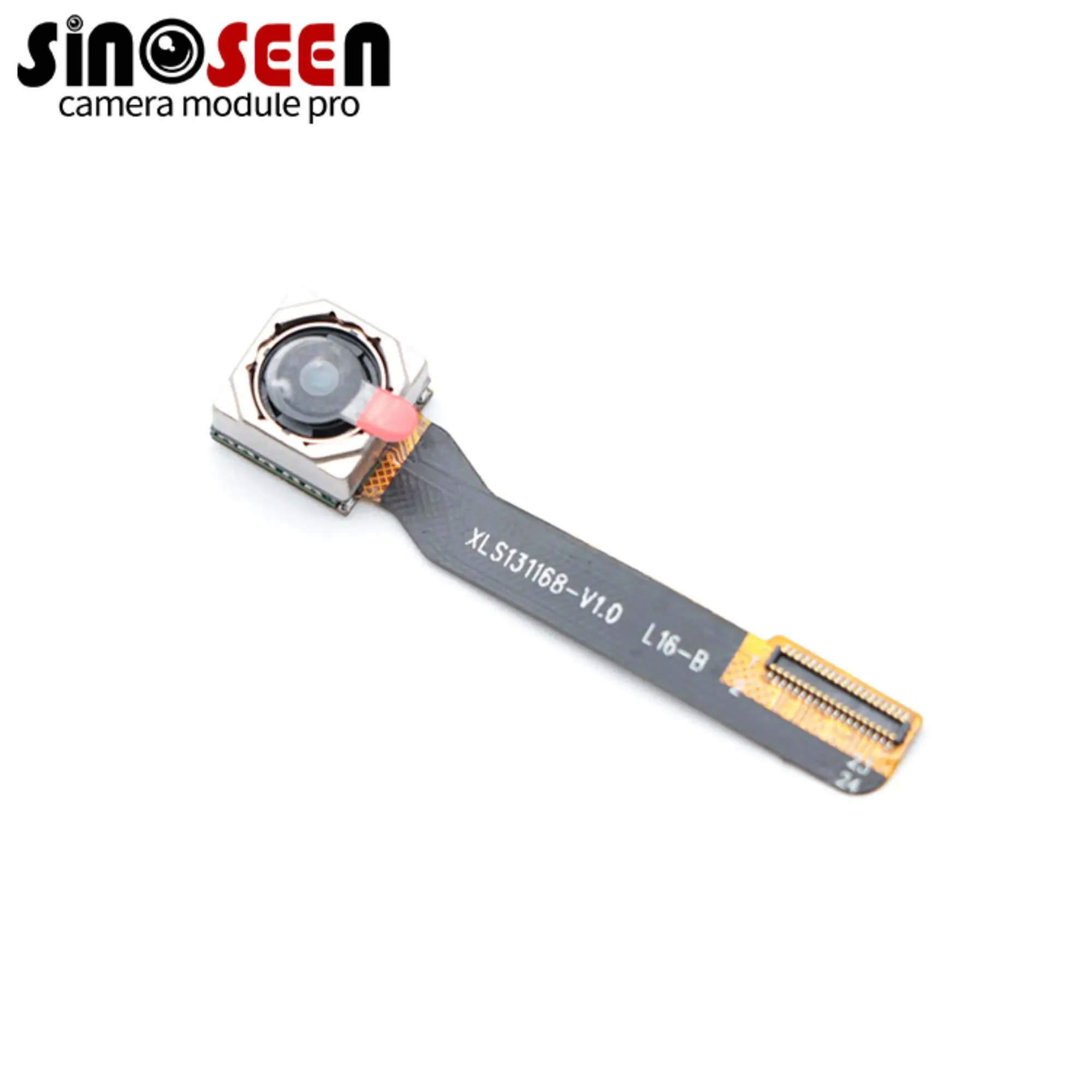
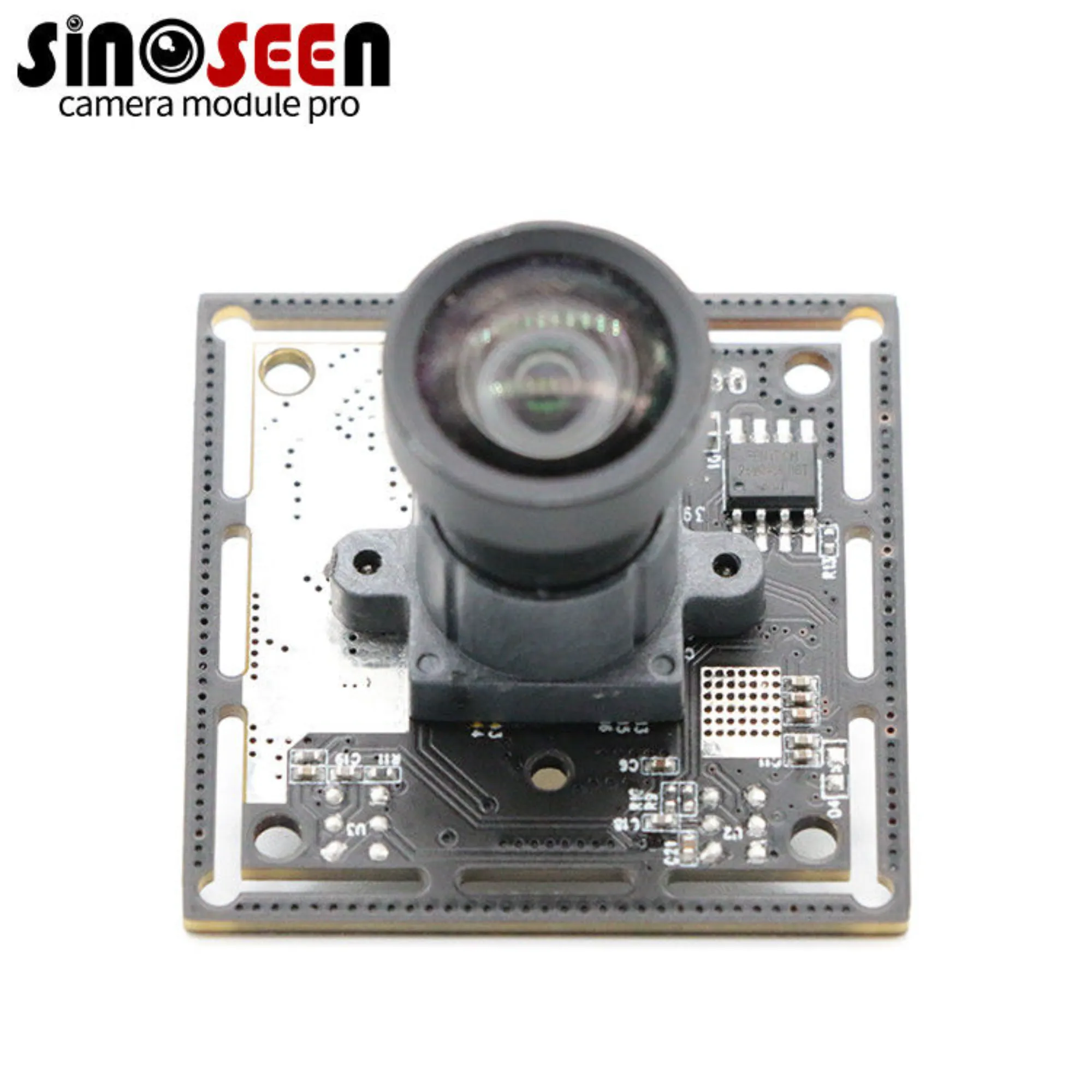
An embedded vision sensor represents a revolutionary integration of imaging capabilities and processing power within a single compact device. This sophisticated technology combines a high-resolution camera, powerful processing unit, and specialized algorithms to deliver real-time visual data analysis and decision-making capabilities. Unlike traditional vision systems that require separate cameras, computers, and complex wiring, an embedded vision sensor operates as a self-contained unit that can be easily integrated into various applications and environments. The core functionality of an embedded vision sensor revolves around its ability to capture, process, and analyze visual information autonomously. These devices utilize advanced image sensors, typically CMOS or CCD technology, to convert optical information into digital data. The integrated processing unit, often featuring ARM-based processors or specialized vision processing chips, handles complex algorithms for image enhancement, object detection, pattern recognition, and measurement tasks. This on-board processing capability eliminates the need for external computing resources, reducing system complexity and improving response times. Modern embedded vision sensors incorporate sophisticated technological features including high-speed image acquisition, multi-spectral imaging capabilities, and advanced connectivity options such as Ethernet, USB, or wireless protocols. Many models support various programming languages and development frameworks, making them accessible to engineers with different technical backgrounds. The sensors often feature adjustable parameters for exposure, gain, and focus, allowing optimization for specific lighting conditions and application requirements. Applications for embedded vision sensors span across numerous industries and use cases. In manufacturing, these devices perform quality control inspections, dimensional measurements, and defect detection on production lines. Healthcare applications include medical imaging, patient monitoring, and diagnostic assistance. Transportation systems utilize embedded vision sensors for traffic monitoring, license plate recognition, and autonomous vehicle navigation. Security and surveillance applications benefit from intelligent motion detection, facial recognition, and perimeter monitoring capabilities. Agricultural implementations include crop monitoring, livestock tracking, and automated harvesting systems. The versatility of embedded vision sensors makes them suitable for both indoor and outdoor environments, with ruggedized versions available for harsh industrial conditions.

New Product Recommendations

Embedded vision sensors deliver substantial cost savings compared to traditional vision systems by eliminating the need for separate cameras, industrial computers, and complex cabling infrastructure. Organizations can reduce their initial investment significantly while minimizing ongoing maintenance costs. The integrated design means fewer components to purchase, install, and maintain, resulting in lower total cost of ownership. Additionally, the compact form factor reduces space requirements, allowing businesses to maximize their facility utilization and potentially avoid costly facility expansions. The installation and setup process becomes remarkably straightforward with embedded vision sensors. These devices plug directly into existing networks or systems, often requiring minimal configuration. Traditional vision systems demand extensive technical expertise for integration, calibration, and programming, but embedded vision sensors feature user-friendly interfaces and pre-built applications that non-technical personnel can operate effectively. This accessibility reduces dependency on specialized technicians and accelerates project deployment timelines. Performance improvements represent another significant advantage of embedded vision sensors. The tight integration between imaging and processing components eliminates communication delays that plague distributed systems. Real-time processing capabilities enable immediate decision-making and response, crucial for applications requiring rapid feedback such as quality control or safety monitoring. The dedicated processing power ensures consistent performance without competing for resources with other system components. Reliability increases substantially when using embedded vision sensors due to their simplified architecture and reduced component count. Fewer connections and interfaces mean fewer potential failure points, resulting in higher system uptime and reduced maintenance requirements. Many embedded vision sensors incorporate industrial-grade components designed for continuous operation in challenging environments, providing years of dependable service. The integrated design also improves electromagnetic compatibility and reduces susceptibility to interference. Flexibility and scalability advantages make embedded vision sensors attractive for growing businesses and evolving applications. These devices support multiple communication protocols and can integrate with various automation systems, databases, and cloud platforms. Users can easily add additional sensors to expand system capabilities or coverage areas without significant infrastructure changes. Software updates and feature enhancements can often be deployed remotely, ensuring systems remain current with latest capabilities. Energy efficiency represents a practical benefit that reduces operational costs and environmental impact. Embedded vision sensors typically consume less power than equivalent distributed systems, contributing to lower electricity bills and supporting sustainability initiatives. The reduced heat generation also improves system reliability and may eliminate the need for additional cooling systems in enclosed installations.

Practical Tips

 How to Select the Right AI Camera Module for Facial Recognition Systems?

02

Mar

How to Select the Right AI Camera Module for Facial Recognition Systems?

Selecting the appropriate AI camera module for facial recognition systems represents a critical decision that directly impacts system performance, accuracy, and overall operational efficiency. Modern facial recognition applications demand sophisticat...
View More
How to Optimize Low-Light Performance in Custom Camera Module Designs?

02

Mar

How to Optimize Low-Light Performance in Custom Camera Module Designs?

Custom camera module designs face unique challenges when operating in environments with minimal illumination, making low-light performance optimization a critical engineering consideration. Modern applications ranging from security surveillance to au...
View More
How to Integrate a Small Camera Module into Compact Medical Devices?

02

Mar

How to Integrate a Small Camera Module into Compact Medical Devices?

Medical device miniaturization continues to revolutionize healthcare, enabling less invasive procedures and improved patient outcomes. When designing compact medical equipment, integrating a small camera module requires careful consideration of space...
View More
Why do Robotics Manufacturers Prefer High-Speed AI Camera Modules?

02

Mar

Why do Robotics Manufacturers Prefer High-Speed AI Camera Modules?

The robotics industry has experienced unprecedented growth in recent years, with manufacturers increasingly demanding sophisticated vision systems that can process visual data at lightning speed. High-speed AI camera modules have emerged as the corne...
View More

Get In Touch

embedded vision sensor

Intelligent Real-Time Processing Capabilities

Intelligent Real-Time Processing Capabilities

The most compelling feature of modern embedded vision sensors lies in their sophisticated real-time processing capabilities that transform raw visual data into actionable insights instantaneously. These devices integrate powerful processors specifically designed for computer vision tasks, enabling complex algorithms to run locally without requiring external computing resources. This local processing capability means that embedded vision sensors can perform advanced functions such as object classification, dimensional measurements, defect detection, and pattern recognition within milliseconds of capturing an image. The significance of this real-time processing becomes apparent in time-critical applications where delays can result in defective products, safety hazards, or missed opportunities. For instance, in high-speed manufacturing lines, an embedded vision sensor can detect and classify defects as products move past at rapid speeds, triggering immediate corrective actions or rejection mechanisms. This immediate response capability ensures quality standards are maintained while minimizing waste and production disruptions. The embedded processing power also enables sophisticated machine learning and artificial intelligence algorithms to operate directly on the device. Many embedded vision sensors support neural network models that can be trained for specific recognition tasks, allowing customization for unique application requirements. This AI capability means the sensors can adapt and improve their performance over time, learning to recognize new patterns or anomalies that may emerge in the monitored environment. Furthermore, the local processing approach provides significant advantages in terms of data privacy and security. Since image analysis occurs on the device itself, sensitive visual information does not need to be transmitted over networks or stored on external systems. This local processing model reduces bandwidth requirements, minimizes latency, and ensures that confidential information remains secure within the immediate operational environment. The real-time processing capabilities also support multi-tasking functionality, allowing a single embedded vision sensor to perform multiple analysis tasks simultaneously, such as counting objects while simultaneously checking for quality defects and measuring dimensions.
Seamless Integration and Connectivity Options

Seamless Integration and Connectivity Options

Embedded vision sensors excel in their ability to integrate seamlessly into existing systems and infrastructure through diverse connectivity options and flexible communication protocols. This integration capability represents a crucial advantage for organizations looking to enhance their operations without completely overhauling existing systems or investing in extensive new infrastructure. Modern embedded vision sensors support multiple communication standards including Ethernet, USB, RS-232, RS-485, and various wireless protocols such as WiFi and Bluetooth, ensuring compatibility with virtually any existing automation or monitoring system. The plug-and-play nature of these devices significantly reduces installation complexity and time requirements. Unlike traditional vision systems that often require custom programming and extensive configuration, embedded vision sensors typically feature intuitive setup procedures that can be completed by maintenance personnel or operators without specialized vision system expertise. Many devices include web-based interfaces accessible through standard browsers, allowing remote configuration, monitoring, and troubleshooting from anywhere within the network. This accessibility democratizes vision technology, making it available to organizations that previously lacked the technical resources to implement complex vision systems. Industrial communication protocols such as Modbus, Ethernet/IP, and PROFINET are commonly supported, enabling direct integration with programmable logic controllers (PLCs), supervisory control and data acquisition (SCADA) systems, and manufacturing execution systems (MES). This native protocol support eliminates the need for additional gateway devices or protocol converters, reducing system complexity and potential points of failure. The embedded vision sensor can communicate inspection results, measurements, and status information directly to existing control systems, enabling automated decision-making and process control. Cloud connectivity capabilities further extend the integration possibilities of embedded vision sensors. Many devices support secure connections to cloud platforms, enabling remote monitoring, data analytics, and predictive maintenance capabilities. This cloud integration allows organizations to centralize data from multiple locations, perform advanced analytics on collected information, and receive alerts about system performance or detected anomalies. The combination of local processing and cloud connectivity provides the best of both worlds immediate response for critical decisions and comprehensive data analysis for long-term optimization and improvement.
Compact Design with Industrial-Grade Durability

Compact Design with Industrial-Grade Durability

The remarkable combination of compact design and industrial-grade durability sets embedded vision sensors apart as the ideal solution for space-constrained and challenging industrial environments. These devices achieve exceptional miniaturization by integrating all necessary components including imaging sensors, processing units, memory, and communication interfaces into a single housing typically no larger than a smartphone. This compact form factor opens up installation possibilities that would be impossible with traditional distributed vision systems, allowing deployment in tight spaces, on moving machinery, or in locations with limited access for maintenance. Despite their small size, embedded vision sensors are engineered to withstand the harsh conditions commonly found in industrial environments. Many devices feature IP65 or IP67 ratings, providing complete protection against dust ingress and resistance to water jets or temporary immersion. This environmental protection ensures reliable operation in manufacturing facilities where exposure to moisture, cleaning chemicals, and airborne particles is common. The robust construction typically includes shock-resistant housings, vibration-dampening mounts, and temperature-rated components that can operate reliably in extreme conditions ranging from sub-zero cold storage facilities to high-temperature industrial ovens. The durability extends beyond environmental resistance to include electromagnetic compatibility and interference resistance. Industrial environments often contain significant electrical noise from motors, welders, and high-power equipment that can disrupt sensitive electronic devices. Embedded vision sensors incorporate shielding and filtering technologies that maintain accurate operation even in electrically noisy environments. This reliability is crucial for applications where false readings or system failures could result in production losses or safety hazards. Maintenance requirements are minimized through the integrated design and high-quality components used in embedded vision sensors. The sealed construction prevents contamination of internal components, while the solid-state design eliminates mechanical wear points common in traditional vision systems. Many embedded vision sensors are designed for maintenance-free operation over their entire service life, reducing ongoing operational costs and minimizing production disruptions. When maintenance is required, the compact design and standardized interfaces typically allow for quick replacement without extensive system reconfiguration. The mechanical design often incorporates standard mounting interfaces and quick-disconnect electrical connections, enabling rapid servicing and minimal downtime. This combination of durability and serviceability makes embedded vision sensors an excellent long-term investment for industrial applications where reliability and uptime are critical success factors.

Related Search

Get in touch