Innovative Camera Modules for Every Application | Sinoseen

All Categories

esp32 vision sensor module

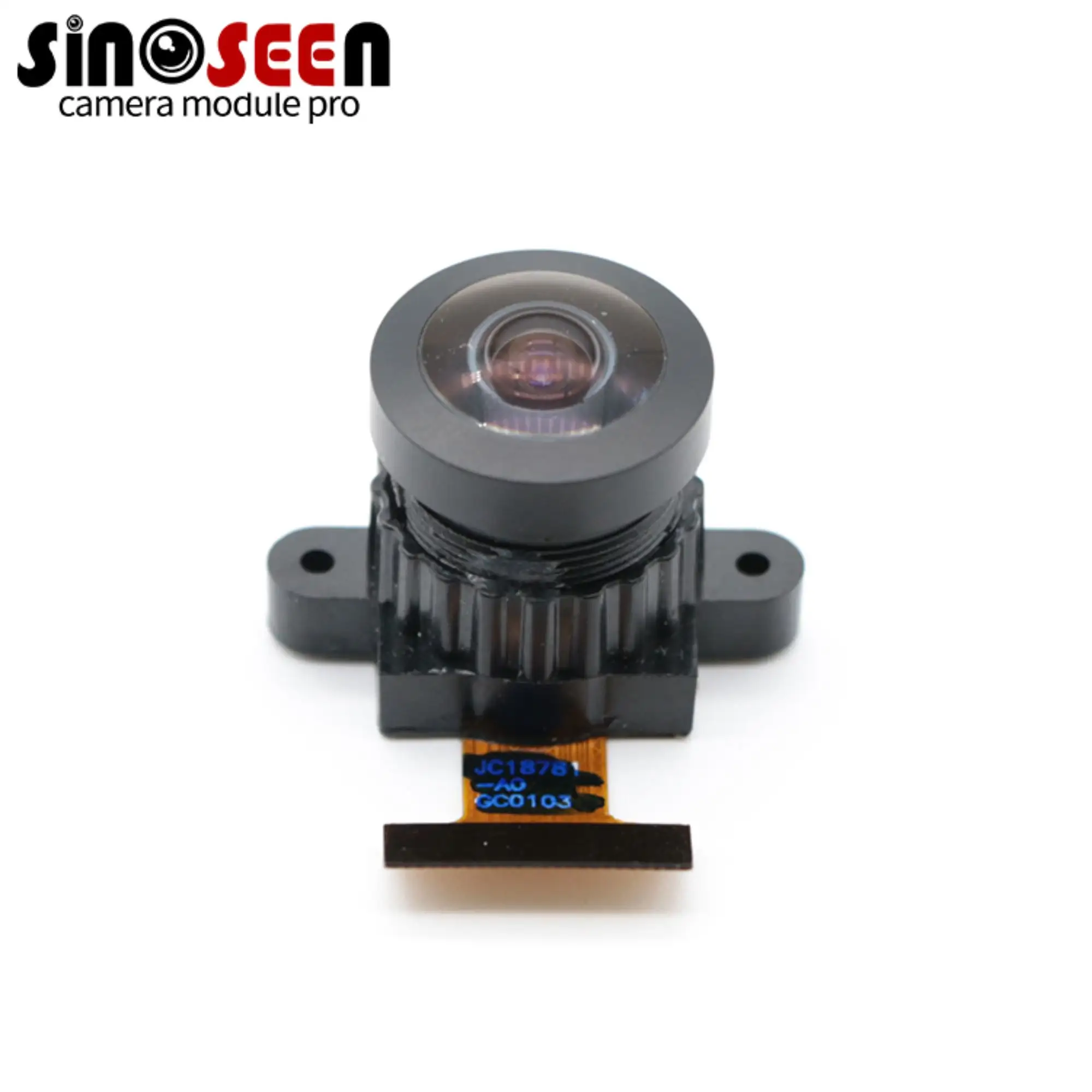
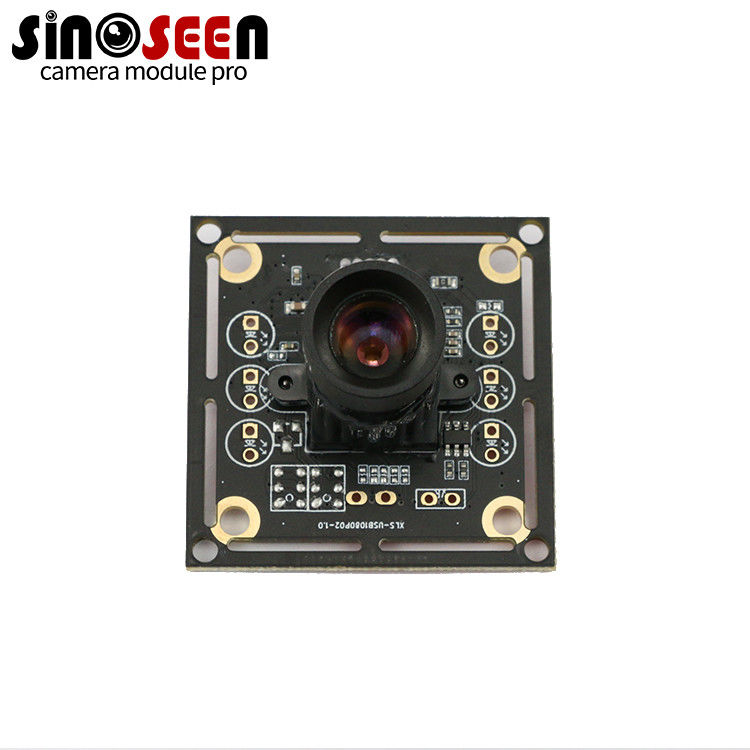
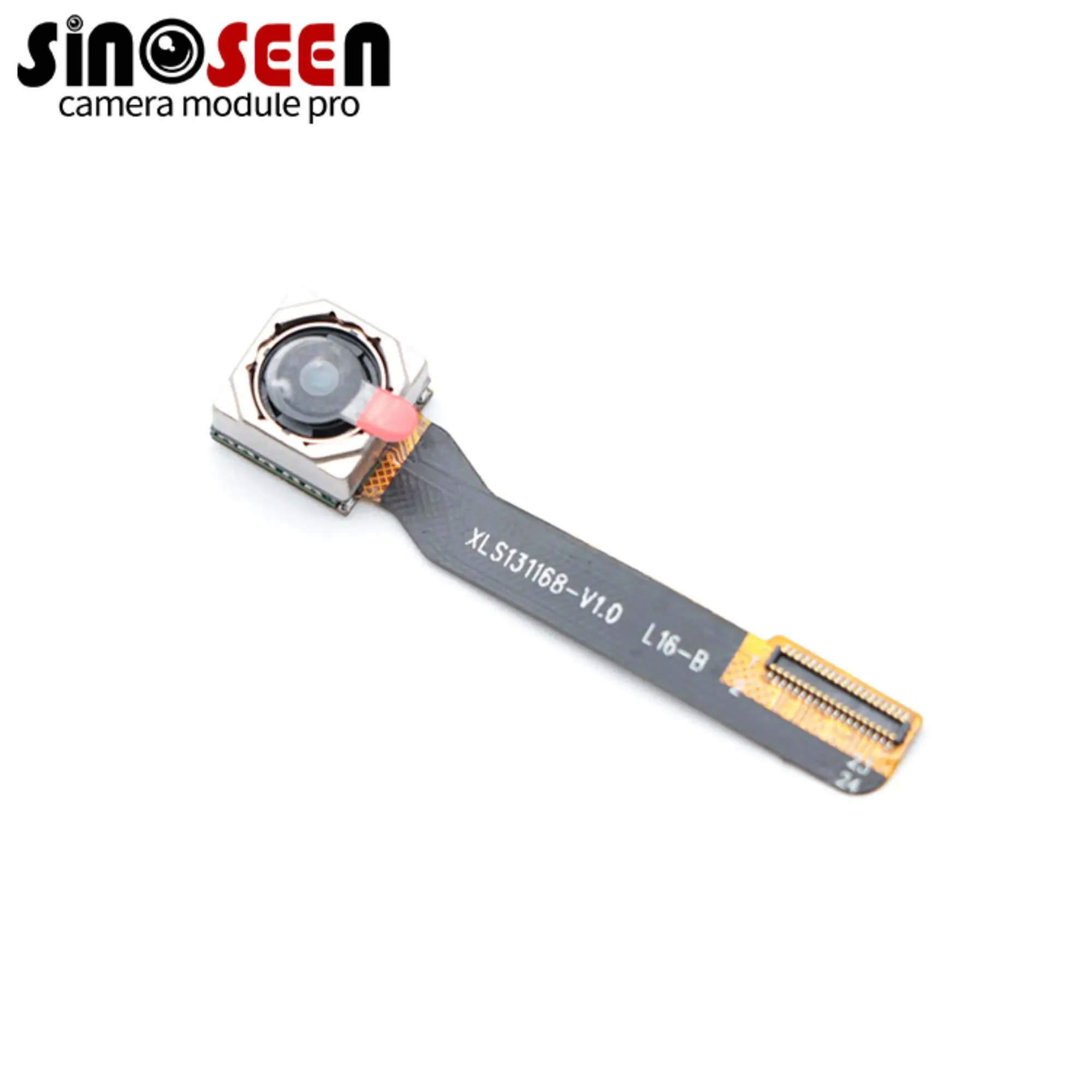
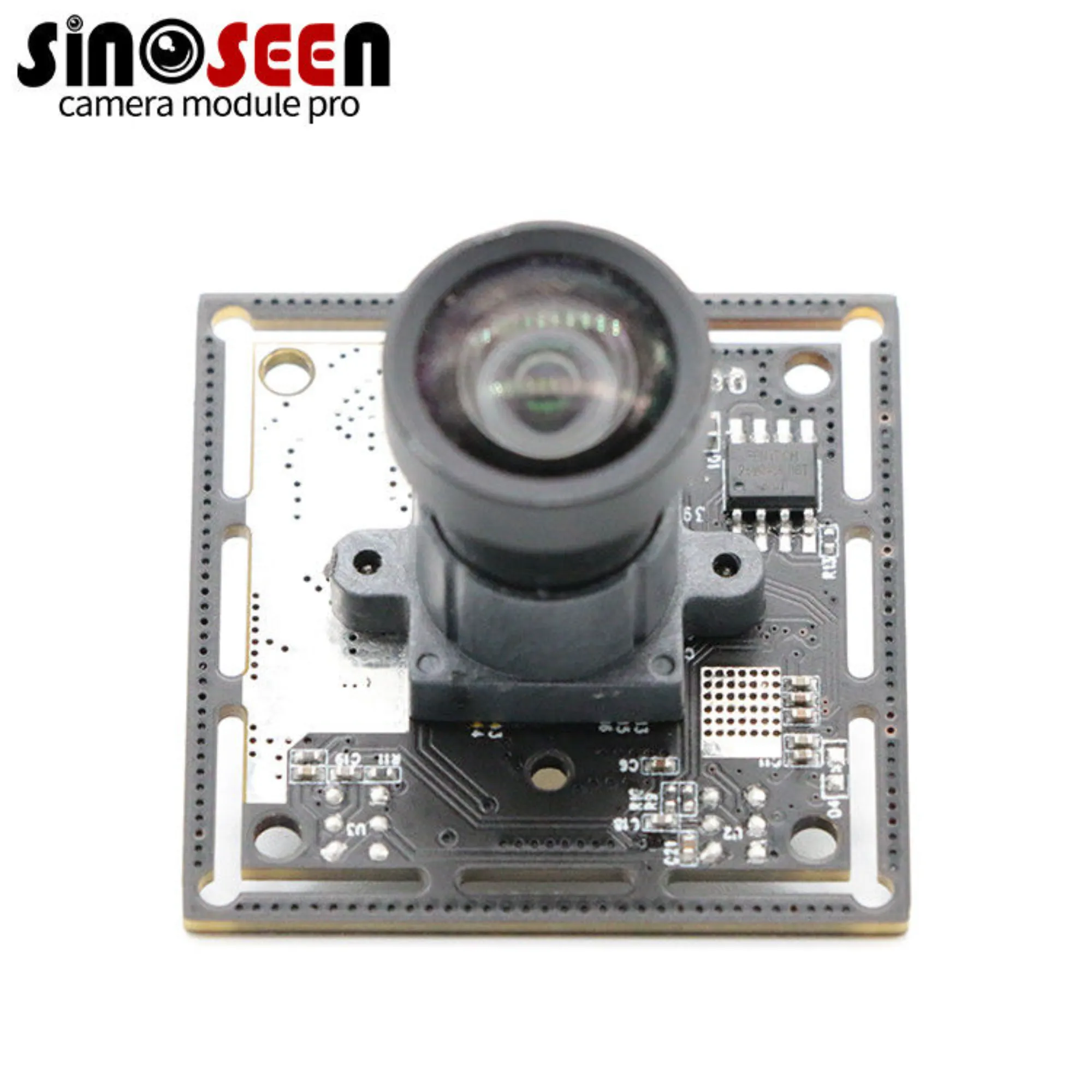
The ESP32 vision sensor module represents a breakthrough in embedded computer vision technology, combining the powerful ESP32 microcontroller with advanced image processing capabilities. This innovative module integrates a high-resolution camera sensor with the ESP32's dual-core processor, delivering exceptional performance for visual recognition tasks. The ESP32 vision sensor module operates on the proven ESP-IDF framework, providing developers with comprehensive tools for creating sophisticated vision-based applications. At its core, this module features a compact design that incorporates Wi-Fi and Bluetooth connectivity, enabling seamless integration into IoT ecosystems. The built-in camera sensor captures images at various resolutions, while the ESP32's processing power handles real-time image analysis and pattern recognition. Key technological features include support for multiple image formats, adjustable frame rates, and customizable image processing algorithms. The ESP32 vision sensor module excels in edge computing scenarios where local processing reduces latency and bandwidth requirements. Its low power consumption makes it ideal for battery-powered applications, while the robust wireless connectivity ensures reliable data transmission. The module supports various programming languages and development environments, making it accessible to developers with different skill levels. Applications span across security systems, industrial automation, robotics, and smart home solutions. The ESP32 vision sensor module can detect motion, recognize objects, perform quality inspection, and enable facial recognition. Its versatility extends to agricultural monitoring, where it can identify plant diseases or count livestock. The module's compact form factor allows easy integration into existing systems without significant hardware modifications. Additionally, the ESP32 vision sensor module supports over-the-air updates, ensuring long-term maintainability and feature enhancement capabilities for deployed systems.

New Products

The ESP32 vision sensor module offers numerous practical benefits that make it an excellent choice for developers and businesses seeking reliable computer vision solutions. First, this module provides exceptional cost-effectiveness compared to traditional vision systems. You save significantly on hardware costs while maintaining high performance standards. The integrated design eliminates the need for separate processors, cameras, and connectivity modules, reducing both component costs and assembly complexity. Second, the ESP32 vision sensor module delivers impressive processing speed for real-time applications. Your projects benefit from dual-core architecture that handles multiple tasks simultaneously without performance degradation. The module processes images quickly, enabling instant decision-making in time-critical applications like security monitoring or quality control systems. Third, power efficiency stands out as a major advantage. The ESP32 vision sensor module consumes minimal power during operation, extending battery life in portable applications. You can deploy these modules in remote locations without frequent maintenance visits. The sleep modes further reduce power consumption when continuous monitoring is unnecessary. Fourth, wireless connectivity simplifies installation and data management. The built-in Wi-Fi and Bluetooth eliminate complex wiring requirements, reducing installation costs and time. You can easily integrate the ESP32 vision sensor module into existing networks and control systems remotely. Fifth, the module offers exceptional flexibility through programmable features. You can customize image processing algorithms, adjust sensitivity settings, and modify detection parameters based on specific requirements. This adaptability ensures the ESP32 vision sensor module meets diverse application needs without hardware changes. Sixth, reliability proves crucial for industrial applications. The module operates consistently in various environmental conditions, providing dependable performance over extended periods. Your systems maintain operational continuity with minimal downtime. Seventh, scalability becomes effortless with standardized interfaces and protocols. You can easily expand systems by adding more ESP32 vision sensor modules as requirements grow. The modular approach supports incremental upgrades without complete system overhauls. Finally, comprehensive development support accelerates project completion. Extensive documentation, code examples, and community resources help developers implement solutions quickly and efficiently.

Practical Tips

 How to Select the Right AI Camera Module for Facial Recognition Systems?

02

Mar

How to Select the Right AI Camera Module for Facial Recognition Systems?

Selecting the appropriate AI camera module for facial recognition systems represents a critical decision that directly impacts system performance, accuracy, and overall operational efficiency. Modern facial recognition applications demand sophisticat...
View More
How to Optimize Low-Light Performance in Custom Camera Module Designs?

02

Mar

How to Optimize Low-Light Performance in Custom Camera Module Designs?

Custom camera module designs face unique challenges when operating in environments with minimal illumination, making low-light performance optimization a critical engineering consideration. Modern applications ranging from security surveillance to au...
View More
How to Integrate a Small Camera Module into Compact Medical Devices?

02

Mar

How to Integrate a Small Camera Module into Compact Medical Devices?

Medical device miniaturization continues to revolutionize healthcare, enabling less invasive procedures and improved patient outcomes. When designing compact medical equipment, integrating a small camera module requires careful consideration of space...
View More
Why do Robotics Manufacturers Prefer High-Speed AI Camera Modules?

02

Mar

Why do Robotics Manufacturers Prefer High-Speed AI Camera Modules?

The robotics industry has experienced unprecedented growth in recent years, with manufacturers increasingly demanding sophisticated vision systems that can process visual data at lightning speed. High-speed AI camera modules have emerged as the corne...
View More

Get In Touch

esp32 vision sensor module

Advanced Real-Time Image Processing Capabilities

Advanced Real-Time Image Processing Capabilities

The ESP32 vision sensor module revolutionizes embedded vision applications through its sophisticated real-time image processing capabilities that deliver professional-grade performance in a compact package. This module harnesses the full potential of the ESP32's dual-core architecture, with one core dedicated to image acquisition and preprocessing while the other handles advanced analysis algorithms and wireless communication tasks. The result is seamless multitasking that ensures your vision applications never miss critical events or experience processing delays. The integrated camera sensor captures high-quality images at adjustable resolutions up to 1600x1200 pixels, providing the detail necessary for accurate object detection and recognition tasks. The ESP32 vision sensor module supports multiple image formats including JPEG, RGB565, and grayscale, allowing developers to optimize for specific application requirements. Advanced features include automatic exposure control, white balance adjustment, and noise reduction algorithms that ensure consistent image quality across varying lighting conditions. The module's processing engine can perform complex operations such as edge detection, blob analysis, template matching, and feature extraction in real-time without external processing assistance. Machine learning capabilities enable the ESP32 vision sensor module to learn and adapt to new patterns, improving accuracy over time. The integrated neural network accelerator supports lightweight AI models, enabling sophisticated recognition tasks while maintaining low power consumption. Color space conversion, histogram analysis, and morphological operations are performed efficiently using optimized algorithms specifically designed for the ESP32 architecture. The module's frame rate can be adjusted from 1 to 60 frames per second, allowing optimization for either high-speed motion capture or power-efficient monitoring applications. Buffer management ensures smooth data flow even during intensive processing operations, preventing frame drops that could compromise application reliability. The ESP32 vision sensor module also includes advanced filtering options that can isolate specific colors, shapes, or movement patterns, making it exceptionally versatile for diverse vision applications across multiple industries.
Seamless IoT Integration with Dual Wireless Connectivity

Seamless IoT Integration with Dual Wireless Connectivity

The ESP32 vision sensor module sets itself apart through exceptional IoT integration capabilities powered by built-in Wi-Fi 802.11 b/g/n and Bluetooth 4.2 connectivity that transforms isolated vision systems into intelligent, networked solutions. This dual wireless architecture enables your applications to communicate effortlessly with cloud services, mobile devices, and other IoT components without additional hardware or complex integration procedures. The Wi-Fi capability supports both station and access point modes, allowing the ESP32 vision sensor module to connect to existing networks or create its own wireless infrastructure. Advanced security protocols including WPA2 encryption ensure data protection during transmission, making it suitable for sensitive applications in security and industrial monitoring. The module can simultaneously maintain multiple connections, enabling real-time data streaming to monitoring stations while receiving configuration updates from management systems. Bluetooth functionality expands connectivity options for local device pairing, allowing smartphones, tablets, and other Bluetooth-enabled devices to interact directly with the ESP32 vision sensor module for configuration, monitoring, or data retrieval purposes. The integrated TCP/IP stack supports various communication protocols including HTTP, HTTPS, MQTT, and WebSocket, ensuring compatibility with diverse cloud platforms and enterprise systems. Over-the-air update capabilities enable remote firmware upgrades and configuration changes without physical access to deployed modules, significantly reducing maintenance costs and enabling feature enhancements throughout the product lifecycle. The ESP32 vision sensor module can automatically synchronize time with network time servers, ensuring accurate timestamping for security footage and data logging applications. Edge computing capabilities allow the module to process and filter data locally before transmission, reducing bandwidth requirements and improving response times. Advanced networking features include automatic reconnection after network disruptions, adaptive data rate adjustment based on connection quality, and intelligent buffering that prevents data loss during temporary connectivity issues. The module supports mesh networking protocols, enabling multiple ESP32 vision sensor modules to create self-healing networks that maintain connectivity even when individual nodes fail, making it ideal for large-scale deployments in challenging environments.

Ultra-Low Power Design for Extended Operation

Ultra-Low Power Design for Extended Operation

The ESP32 vision sensor module demonstrates exceptional power efficiency through innovative design techniques that maximize operational time while minimizing energy consumption, making it perfect for battery-powered applications and remote deployments where power access is limited or costly. This remarkable efficiency stems from advanced power management systems that dynamically adjust processor speeds, camera operations, and wireless activity based on real-time requirements. The module features multiple sleep modes that can reduce power consumption to as low as 5 microamps during standby periods, while maintaining the ability to wake up instantly when motion is detected or scheduled monitoring tasks need execution. The intelligent power controller automatically switches between active and sleep modes based on configurable triggers such as motion detection, time schedules, or external sensor inputs, ensuring optimal energy utilization without compromising functionality. During active operation, the ESP32 vision sensor module employs variable frequency scaling that adjusts processor clock speeds according to computational demands, consuming only the power necessary for current tasks. The integrated camera sensor includes its own power management features, allowing selective activation of only required sensor regions, further reducing power consumption during partial image analysis tasks. Advanced algorithms optimize image processing operations to minimize computation time and energy expenditure while maintaining accuracy and reliability. The module supports various power supply options including battery packs, solar panels, and USB power sources, with built-in charging circuits that manage power input safely and efficiently. Voltage regulation systems ensure stable operation across wide input voltage ranges, protecting sensitive components while maximizing power conversion efficiency. The ESP32 vision sensor module includes power monitoring capabilities that track energy consumption patterns, enabling developers to optimize their applications for even greater efficiency. Wake-up sources can be configured to activate the module only when specific conditions are met, such as motion detection through passive infrared sensors or scheduled monitoring intervals, dramatically extending battery life in surveillance applications. Power-aware programming APIs allow developers to implement custom power management strategies tailored to specific application requirements, balancing performance needs with energy conservation goals. The module's low-power wireless protocols maintain connectivity while minimizing radio transmission power, ensuring reliable communication without excessive energy drain during data transmission periods.

Related Search

Get in touch