Innovative Camera Modules for Every Application | Sinoseen

All Categories

esp32 camera board

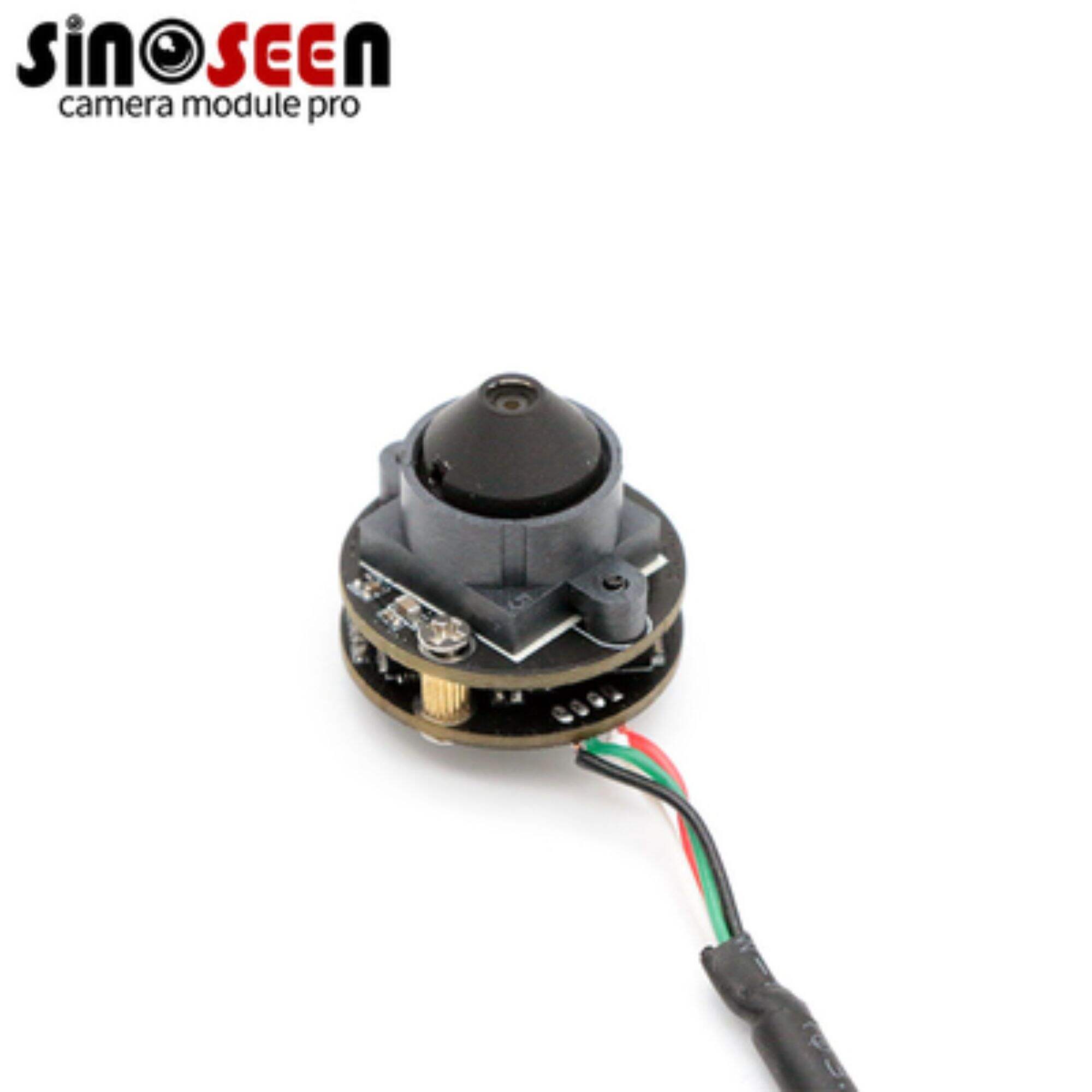
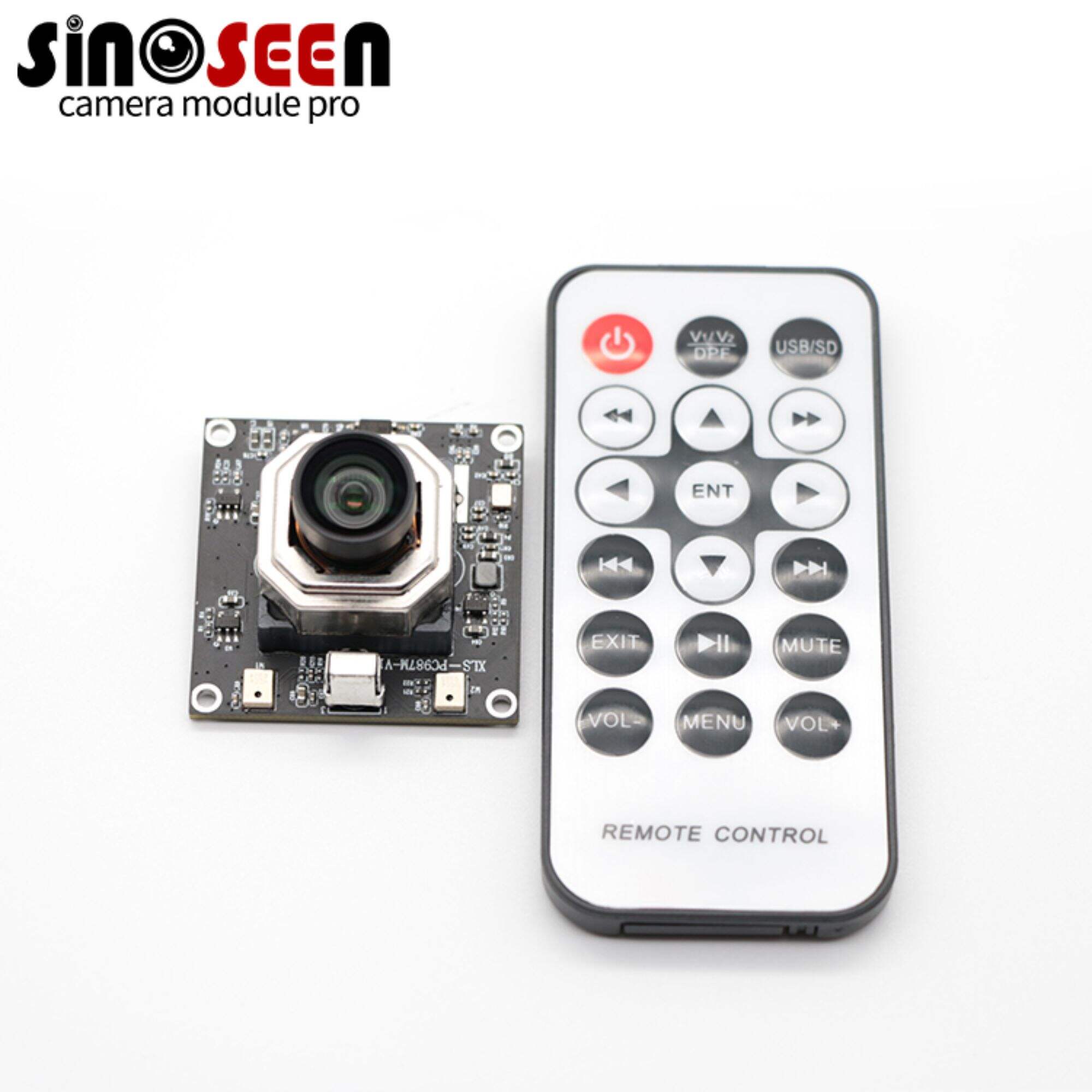
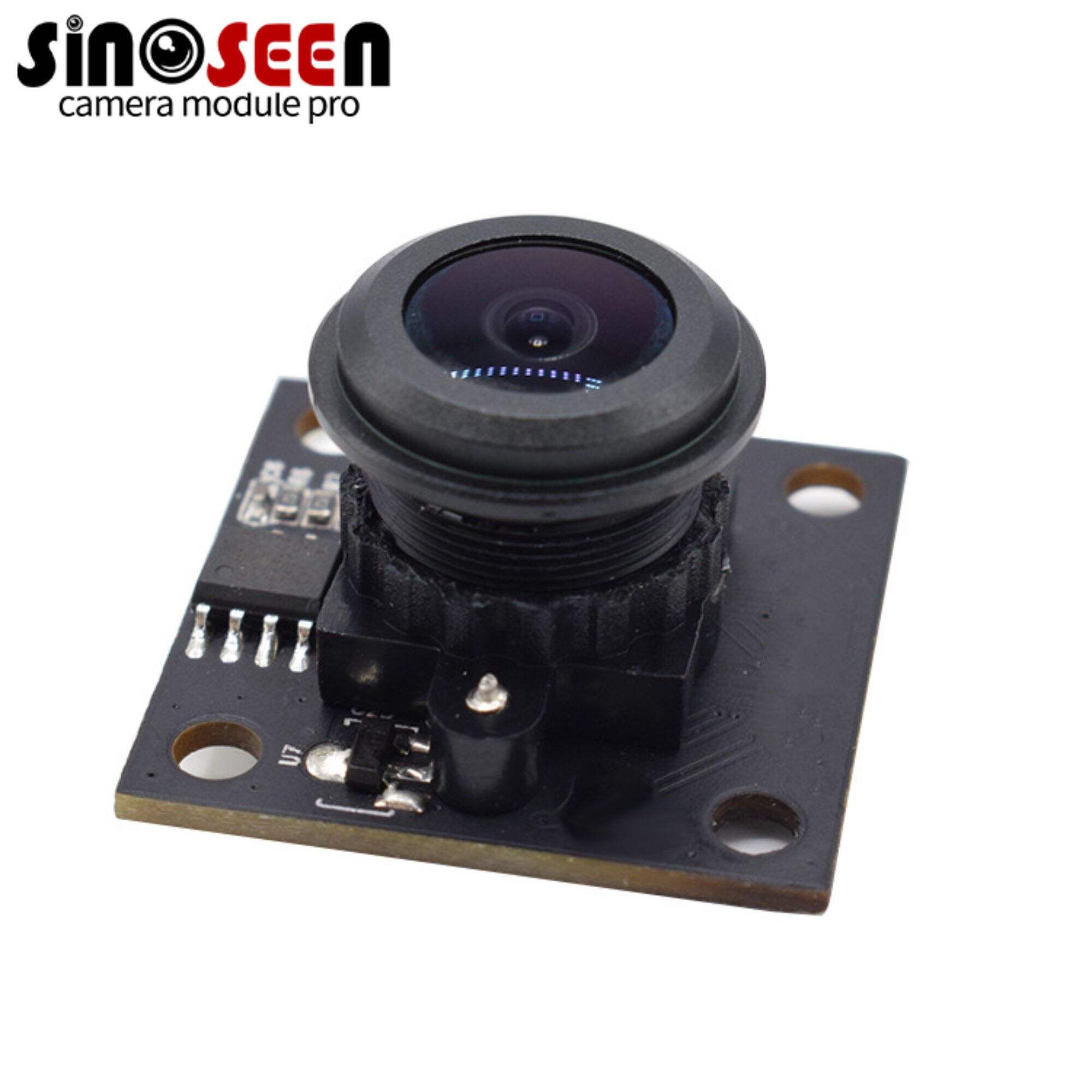
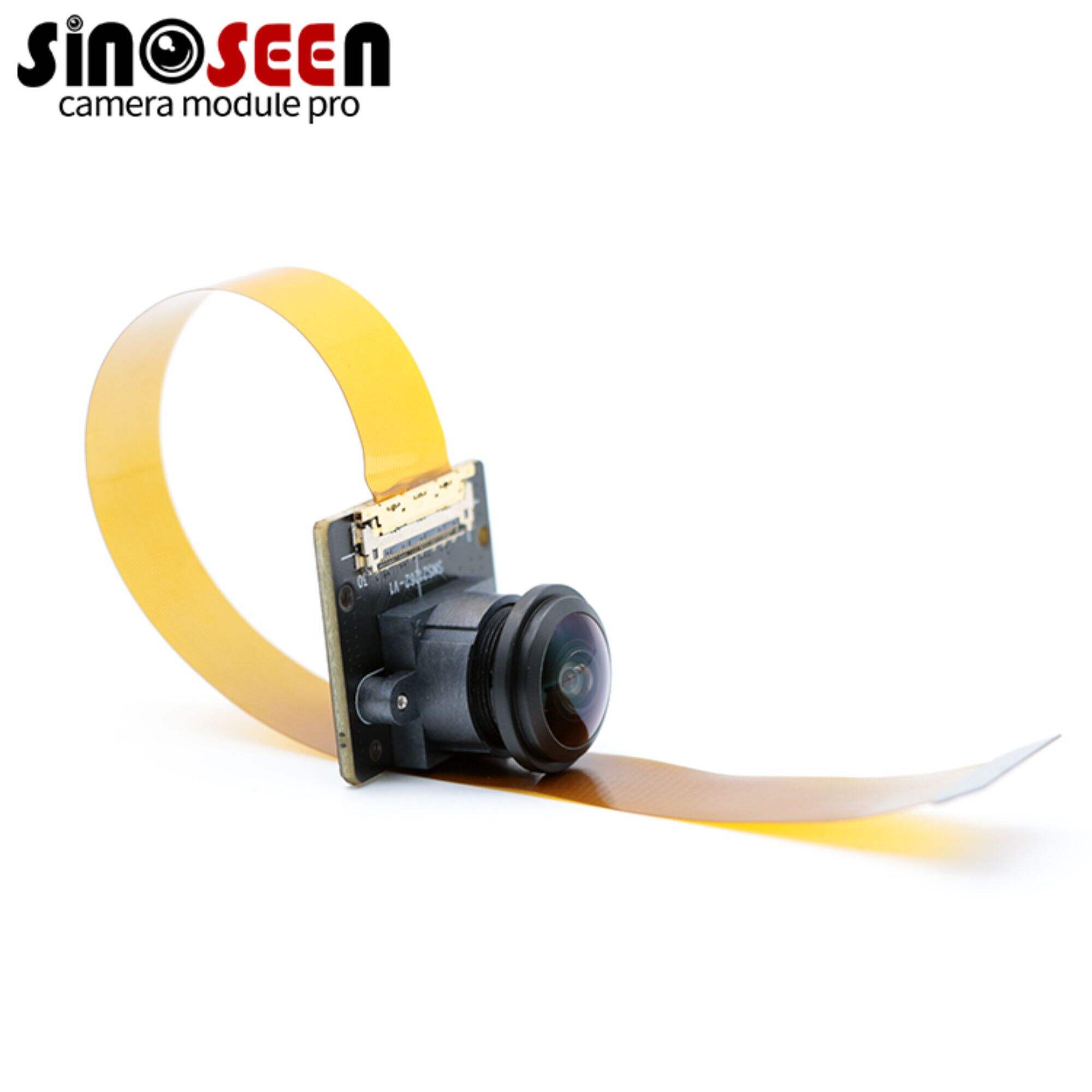
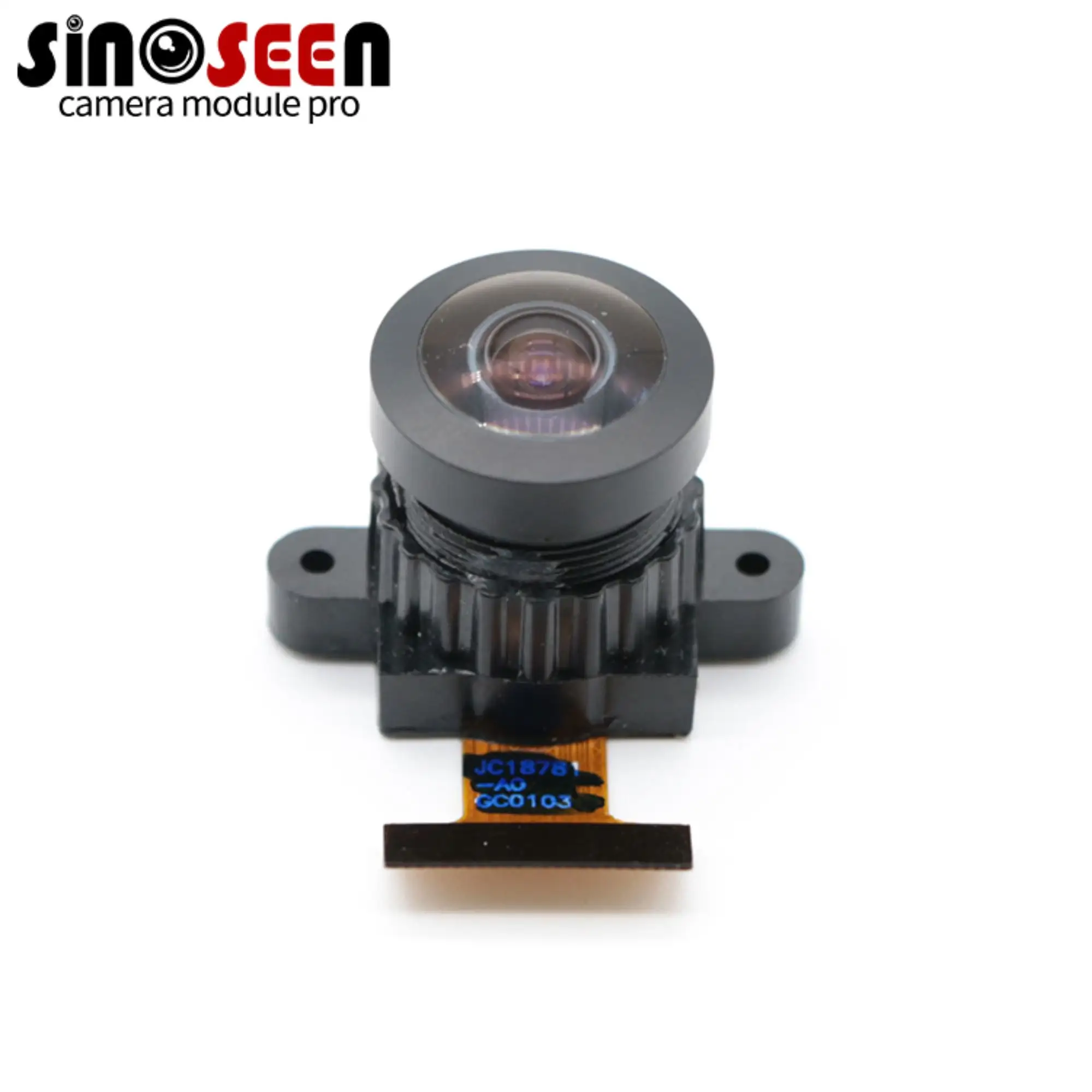
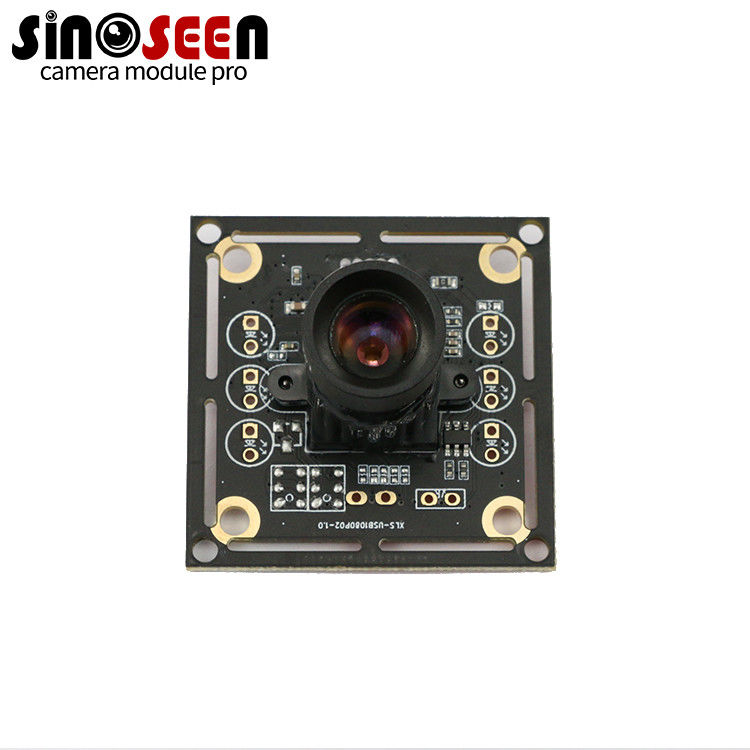
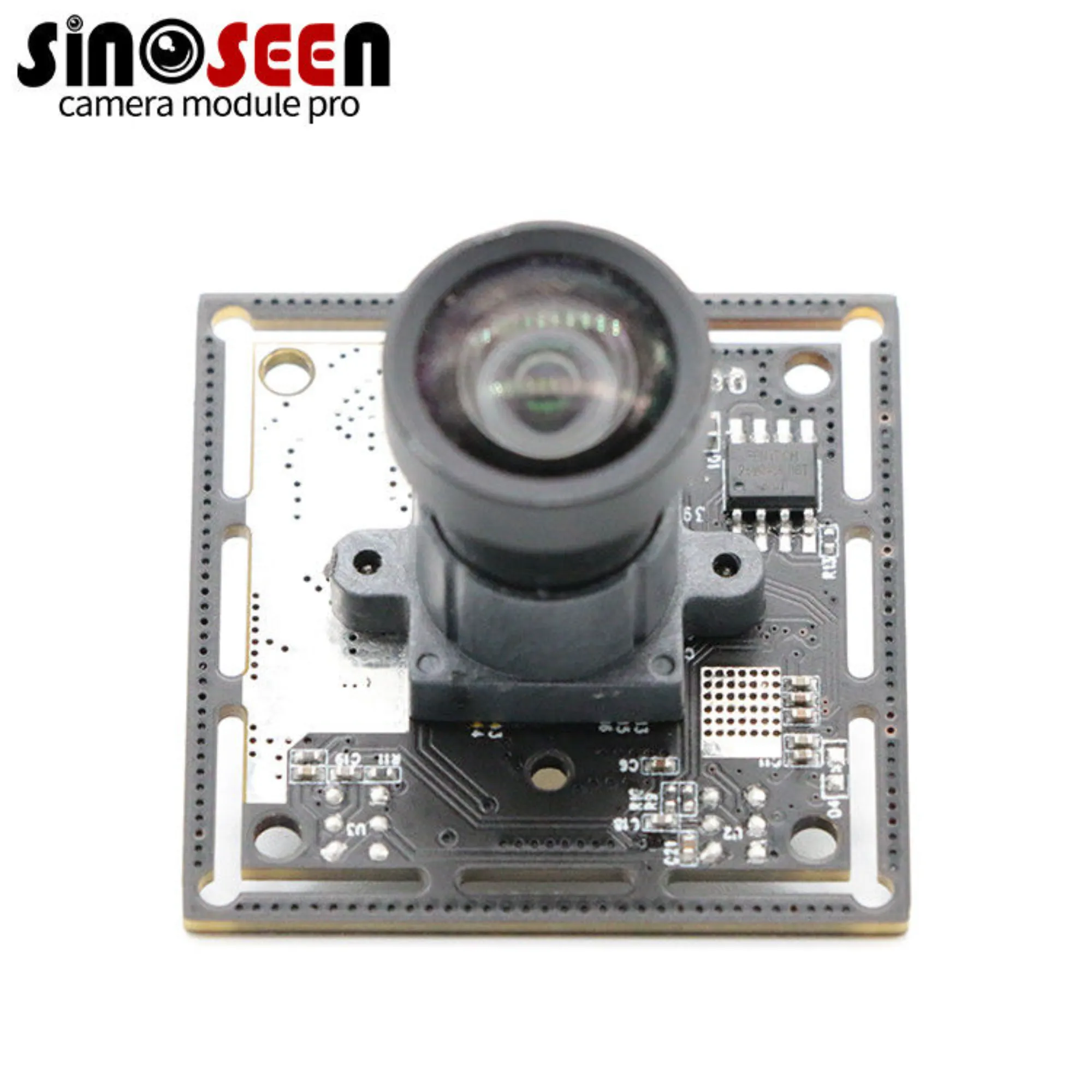
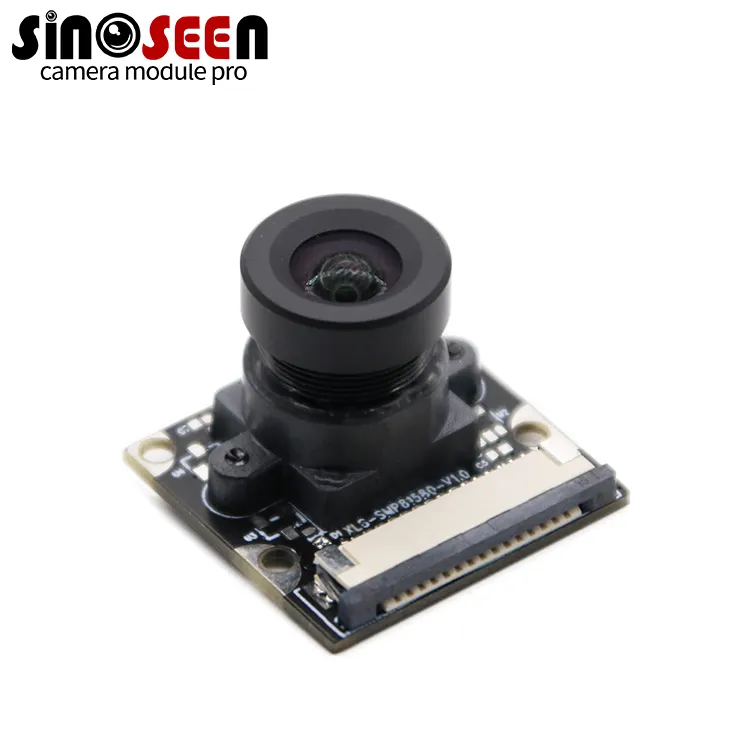
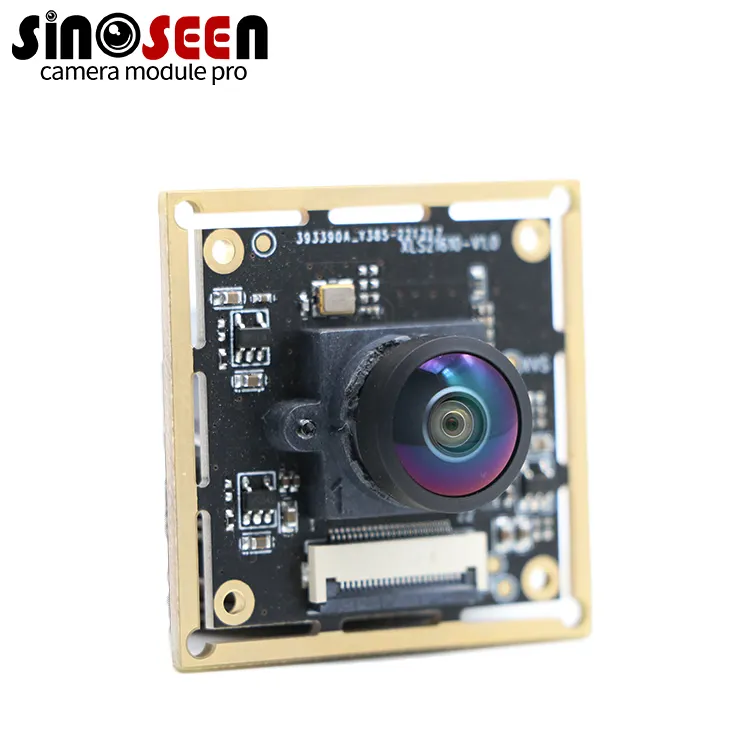
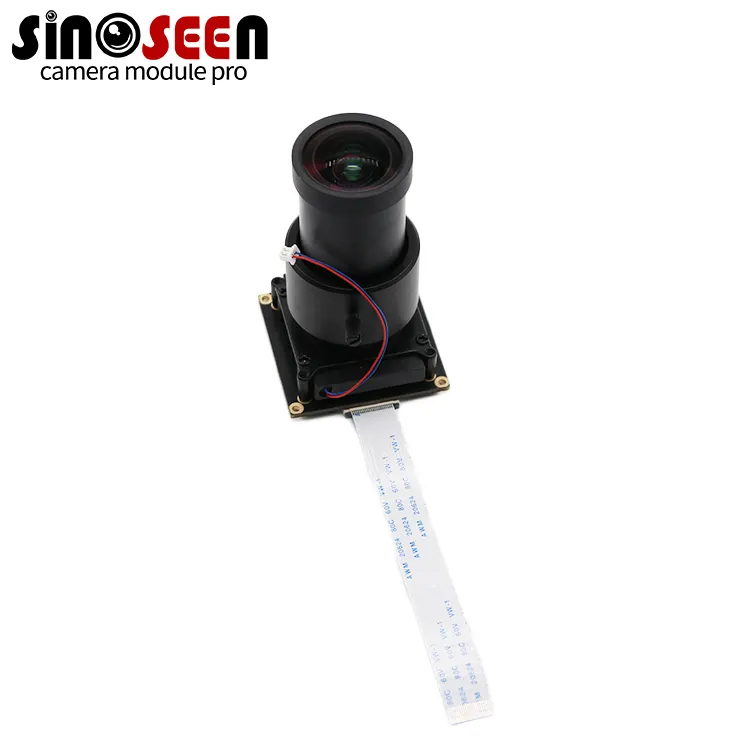
The ESP32 camera board represents a revolutionary integration of microcontroller technology and imaging capabilities, designed to meet the growing demands of IoT applications and smart device development. This compact yet powerful development board combines the proven ESP32 microcontroller with an integrated camera module, creating a versatile platform for various computer vision and surveillance projects. The ESP32 camera board features dual-core processing capabilities running at up to 240MHz, providing sufficient computational power for real-time image processing and wireless communication tasks. Built-in WiFi and Bluetooth connectivity enable seamless integration into existing networks and IoT ecosystems. The board supports various camera modules, typically featuring resolutions ranging from VGA to higher quality sensors, allowing developers to choose the appropriate imaging solution for their specific requirements. Memory specifications include up to 520KB of internal SRAM and support for external flash memory expansion, ensuring adequate storage for firmware, temporary image buffers, and application data. The ESP32 camera board incorporates multiple GPIO pins, enabling connection to additional sensors, actuators, and peripheral devices. Power management features allow for battery-operated applications, making it suitable for portable and remote monitoring solutions. The development environment supports multiple programming languages including C++, MicroPython, and Arduino IDE, making it accessible to developers with varying skill levels. Security features include hardware encryption acceleration and secure boot capabilities, ensuring data protection in sensitive applications. The compact form factor and mounting options make the ESP32 camera board suitable for integration into space-constrained environments while maintaining robust performance characteristics essential for professional and hobbyist projects.

New Products

The ESP32 camera board delivers exceptional value through its integrated design approach, eliminating the complexity of connecting separate microcontroller and camera modules while reducing overall system costs. This streamlined architecture significantly simplifies development processes, allowing engineers and makers to focus on application logic rather than hardware integration challenges. The wireless connectivity capabilities stand as a primary advantage, enabling remote monitoring and control applications without requiring additional communication modules or complex wiring infrastructures. Real-time streaming capabilities allow users to transmit live video feeds over WiFi networks, creating opportunities for security systems, remote monitoring solutions, and interactive applications. Power efficiency represents another crucial benefit, as the ESP32 camera board incorporates advanced power management features that extend battery life in portable applications while maintaining consistent performance levels. The dual-core processing architecture provides multitasking capabilities, allowing simultaneous image capture, processing, and wireless transmission without compromising system responsiveness. Flexible programming options accommodate developers with different backgrounds and preferences, from professional embedded systems engineers using advanced IDEs to hobbyists working with simplified block-based programming environments. Cost-effectiveness emerges as a significant advantage when compared to traditional camera systems requiring separate processors, communication modules, and complex integration work. The open-source ecosystem surrounding the ESP32 camera board provides access to extensive libraries, code examples, and community support, accelerating development timelines and reducing learning curves. Compact dimensions enable integration into space-limited applications where traditional camera systems would be impractical, opening new possibilities for wearable devices, drone applications, and embedded monitoring systems. Scalability features allow projects to start simple and expand functionality over time, making the ESP32 camera board suitable for both prototype development and production deployment scenarios.

Practical Tips

 How to Select the Right AI Camera Module for Facial Recognition Systems?

02

Mar

How to Select the Right AI Camera Module for Facial Recognition Systems?

Selecting the appropriate AI camera module for facial recognition systems represents a critical decision that directly impacts system performance, accuracy, and overall operational efficiency. Modern facial recognition applications demand sophisticat...
View More
How to Optimize Low-Light Performance in Custom Camera Module Designs?

02

Mar

How to Optimize Low-Light Performance in Custom Camera Module Designs?

Custom camera module designs face unique challenges when operating in environments with minimal illumination, making low-light performance optimization a critical engineering consideration. Modern applications ranging from security surveillance to au...
View More
How to Integrate a Small Camera Module into Compact Medical Devices?

02

Mar

How to Integrate a Small Camera Module into Compact Medical Devices?

Medical device miniaturization continues to revolutionize healthcare, enabling less invasive procedures and improved patient outcomes. When designing compact medical equipment, integrating a small camera module requires careful consideration of space...
View More
Why do Robotics Manufacturers Prefer High-Speed AI Camera Modules?

02

Mar

Why do Robotics Manufacturers Prefer High-Speed AI Camera Modules?

The robotics industry has experienced unprecedented growth in recent years, with manufacturers increasingly demanding sophisticated vision systems that can process visual data at lightning speed. High-speed AI camera modules have emerged as the corne...
View More

Get In Touch

esp32 camera board

Advanced Dual-Core Processing with Integrated Camera Module

Advanced Dual-Core Processing with Integrated Camera Module

The ESP32 camera board stands out in the market through its sophisticated dual-core processing architecture combined with seamless camera integration, creating a powerful platform that handles complex imaging tasks while maintaining system responsiveness. The dual Tensilica Xtensa LX6 cores operate at frequencies up to 240MHz, providing substantial computational resources for real-time image processing, filtering, and analysis applications. This processing power enables advanced features such as motion detection, facial recognition preprocessing, and automated image enhancement without requiring external processing units. The integrated camera module eliminates traditional connectivity challenges associated with separate imaging systems, reducing component count and potential failure points while improving overall system reliability. Hardware-accelerated image processing capabilities include JPEG encoding and decoding, allowing efficient compression and transmission of captured images over wireless networks. The architecture supports simultaneous operation of imaging functions and wireless communication protocols, enabling real-time streaming applications that maintain consistent frame rates and image quality. Buffer management systems efficiently handle image data flow between the camera sensor and processing cores, preventing data loss and ensuring smooth operation even during peak processing loads. The ESP32 camera board supports various image formats and resolutions, providing flexibility for different application requirements ranging from low-bandwidth monitoring systems to high-quality documentation applications. Advanced interrupt handling capabilities ensure responsive operation when integrating with external sensors or user interfaces, making the platform suitable for interactive applications requiring immediate response to environmental changes or user inputs. Power optimization features dynamically adjust processing frequencies based on workload requirements, extending battery life in portable applications while maintaining adequate performance levels for imaging tasks.
Comprehensive Wireless Connectivity and IoT Integration

Comprehensive Wireless Connectivity and IoT Integration

The ESP32 camera board excels in wireless connectivity capabilities, featuring built-in WiFi and Bluetooth support that transforms imaging applications into fully connected IoT solutions without requiring additional communication hardware. The integrated 802.11 b/g/n WiFi module supports both station and access point modes, enabling flexible network configurations ranging from direct peer-to-peer connections to integration with existing wireless infrastructure. Advanced security protocols including WPA2 and enterprise-grade encryption ensure secure transmission of sensitive image data, making the platform suitable for security and surveillance applications where data protection is paramount. Bluetooth Low Energy (BLE) capabilities enable efficient communication with mobile devices, wearables, and other IoT sensors, creating opportunities for comprehensive monitoring systems that combine imaging with environmental sensing. The wireless stack supports over-the-air firmware updates, allowing remote maintenance and feature enhancement without physical access to deployed devices, significantly reducing operational costs for large-scale deployments. Real-time streaming protocols enable live video transmission with configurable quality and bandwidth settings, adapting to network conditions and application requirements automatically. Cloud connectivity features facilitate integration with popular IoT platforms and services, enabling remote monitoring, data analytics, and automated alerting systems. The ESP32 camera board supports multiple concurrent connections, allowing single devices to serve multiple clients simultaneously while maintaining stable performance levels. Advanced networking features include captive portal capabilities for easy device configuration, making deployment and setup accessible to non-technical users. Mesh networking support enables creation of distributed camera systems where individual nodes can relay data through neighboring devices, extending coverage areas and improving system reliability in challenging environments where direct WiFi coverage may be limited or unreliable.
Versatile Development Environment and Extensive Ecosystem Support

Versatile Development Environment and Extensive Ecosystem Support

The ESP32 camera board benefits from an exceptionally rich development ecosystem that accelerates project development while providing extensive customization options for developers across all skill levels. The platform supports multiple programming environments including the Arduino IDE for rapid prototyping, ESP-IDF for advanced development, and MicroPython for simplified scripting approaches, ensuring compatibility with existing developer workflows and preferences. Comprehensive libraries specifically designed for camera operations provide high-level functions for image capture, processing, and transmission, eliminating the need for low-level hardware manipulation and reducing development time significantly. The open-source nature of the ecosystem ensures continuous improvement and feature additions from a global community of developers, providing access to cutting-edge algorithms and optimization techniques. Extensive documentation and tutorials cover everything from basic setup procedures to advanced computer vision applications, making the platform accessible to beginners while providing sufficient depth for professional development projects. Hardware abstraction layers simplify interaction with camera modules and wireless interfaces, allowing developers to focus on application logic rather than hardware-specific implementation details. The ecosystem includes specialized tools for image analysis, web interface development, and mobile application integration, enabling creation of complete end-to-end solutions using familiar development frameworks. Community-contributed projects and code examples provide proven solutions for common applications such as security cameras, time-lapse photography, and automated monitoring systems, serving as starting points for custom applications. Professional development support includes debugging tools, performance analyzers, and optimization utilities that ensure robust operation in production environments. The modular architecture allows selective inclusion of features based on application requirements, optimizing memory usage and power consumption for specific use cases. Regular updates and security patches maintain platform reliability and protect against emerging threats, ensuring long-term viability for commercial and industrial applications where system stability and security are critical requirements.

Related Search

Get in touch