Innovative Camera Modules for Every Application | Sinoseen

All Categories

esp32 camera sensor module

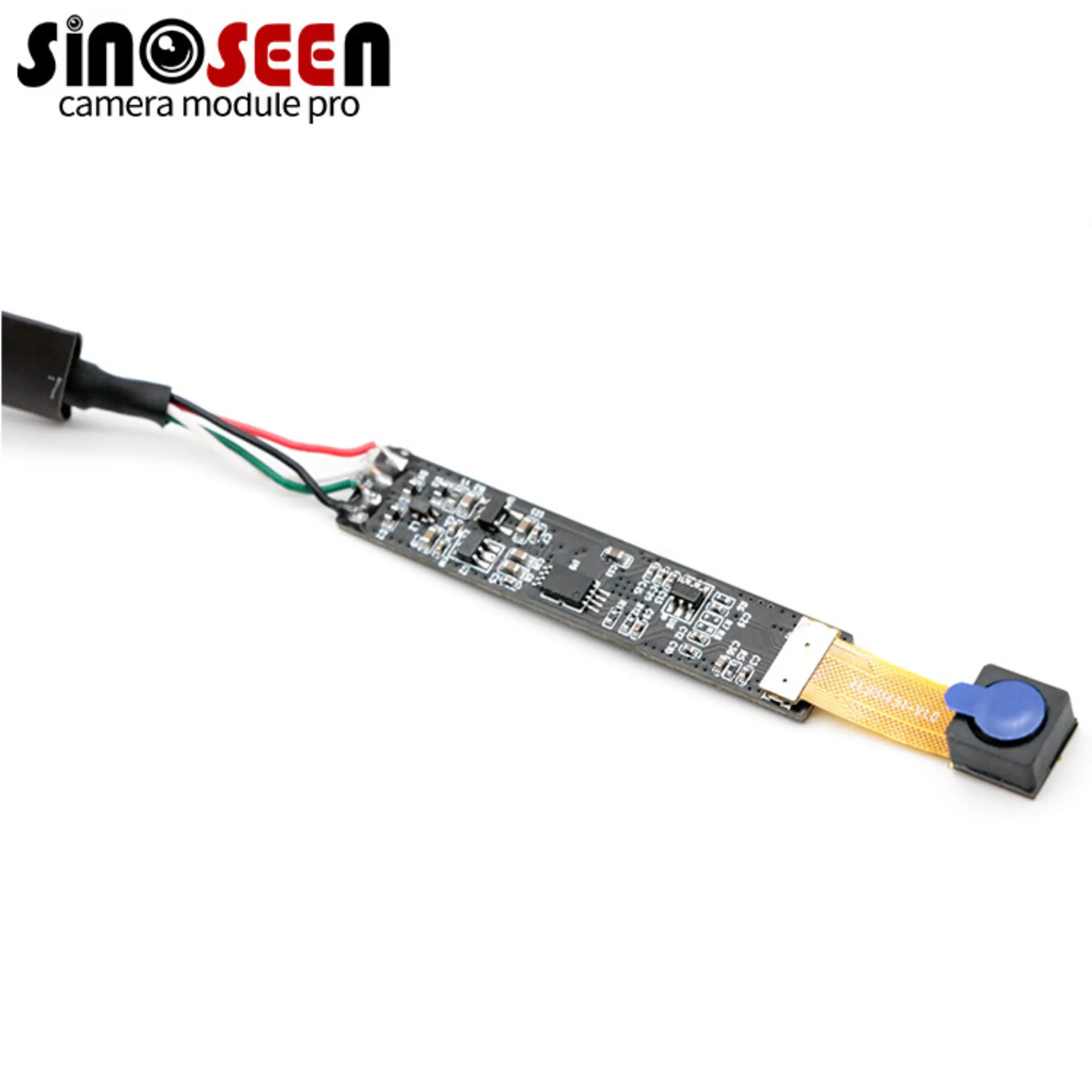
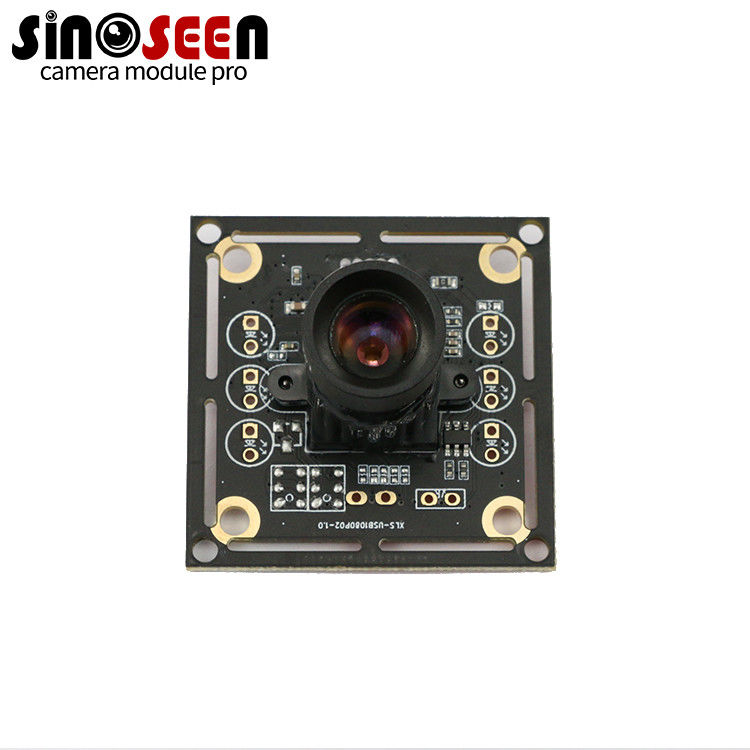
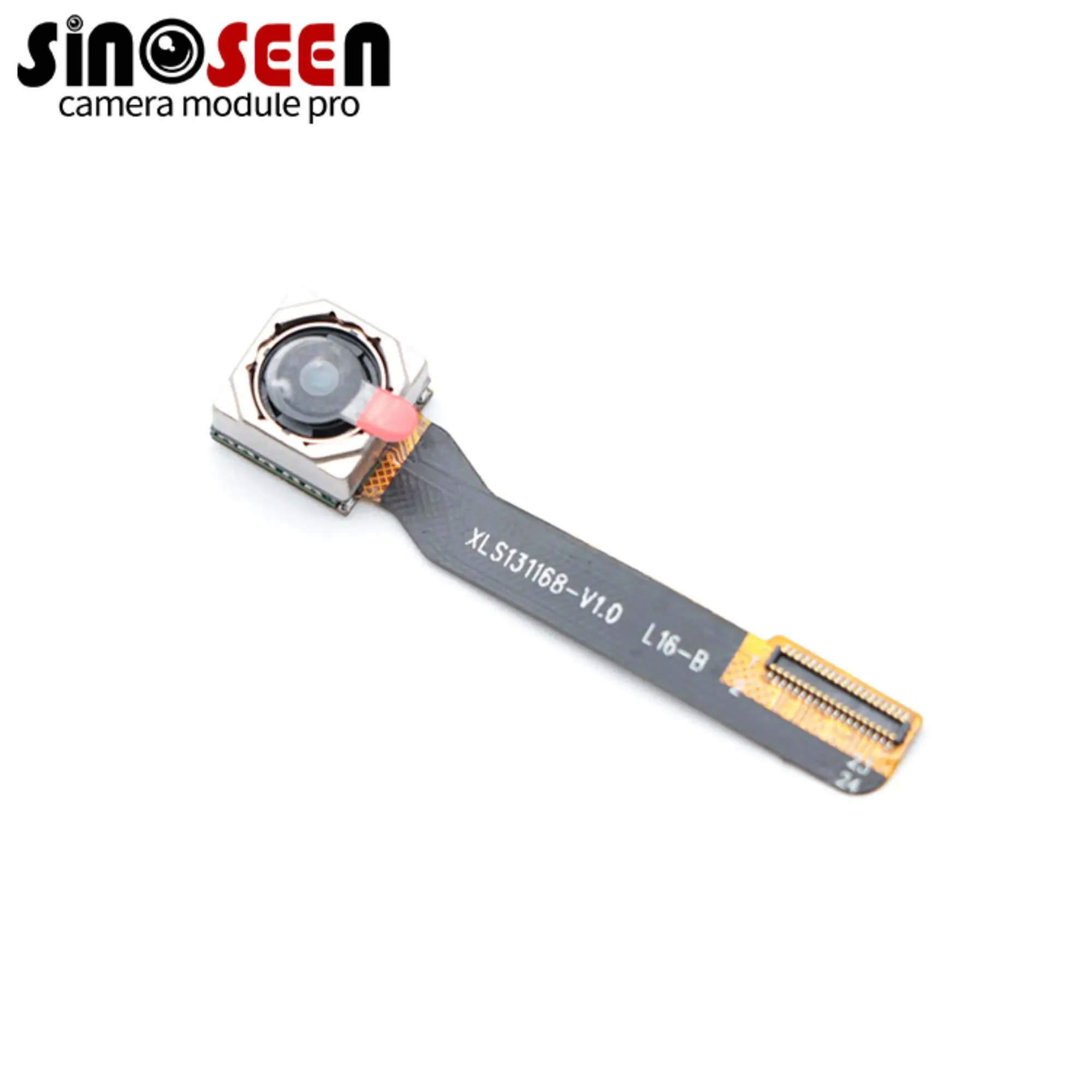
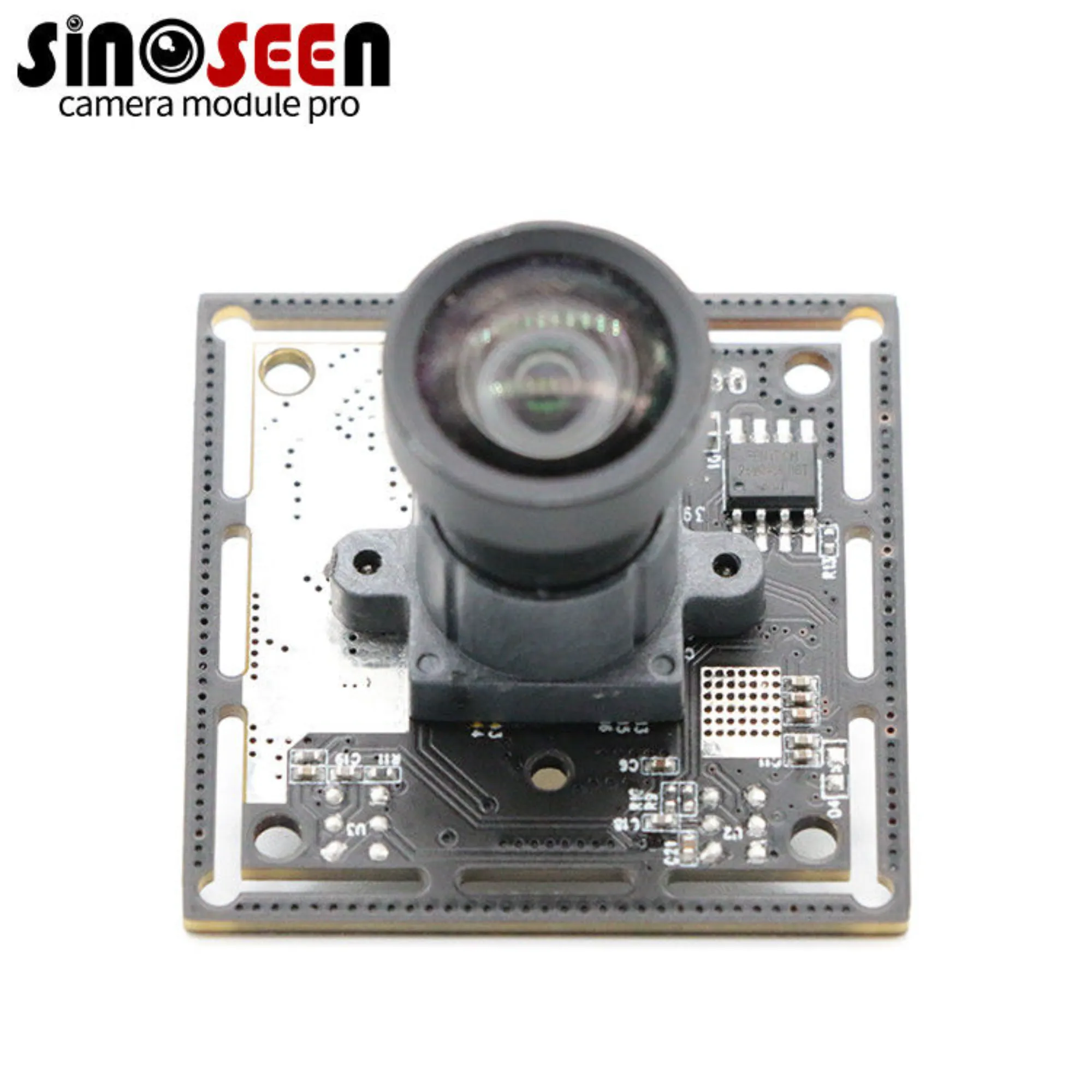
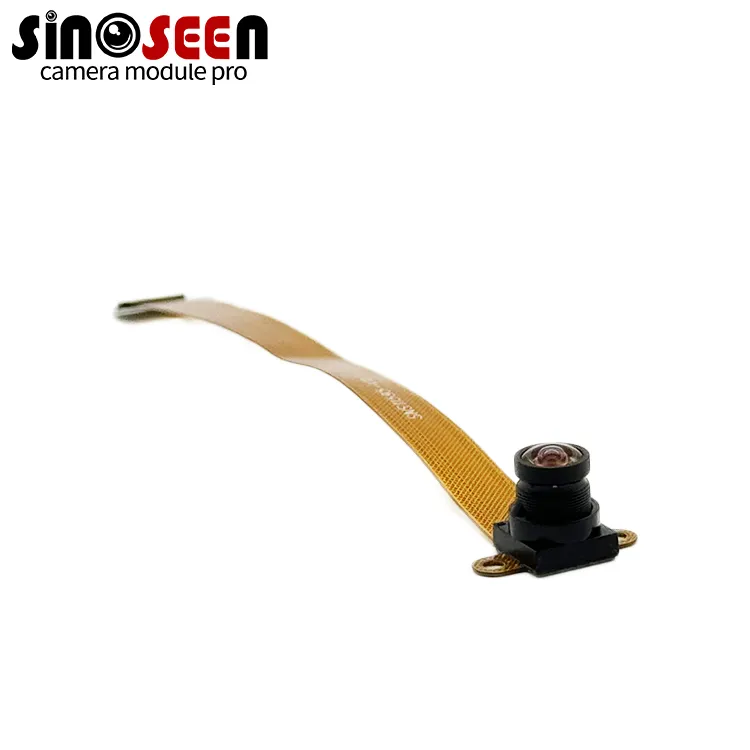
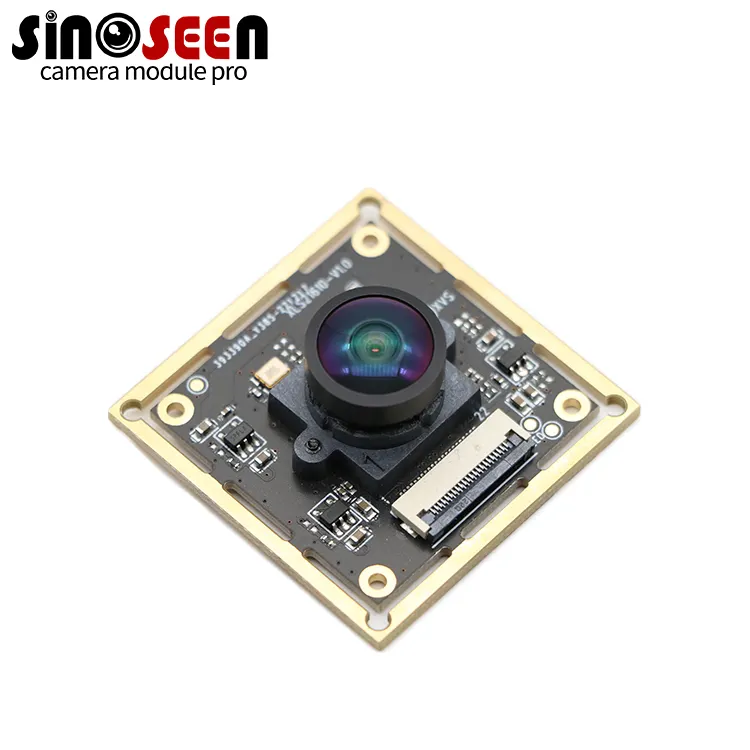
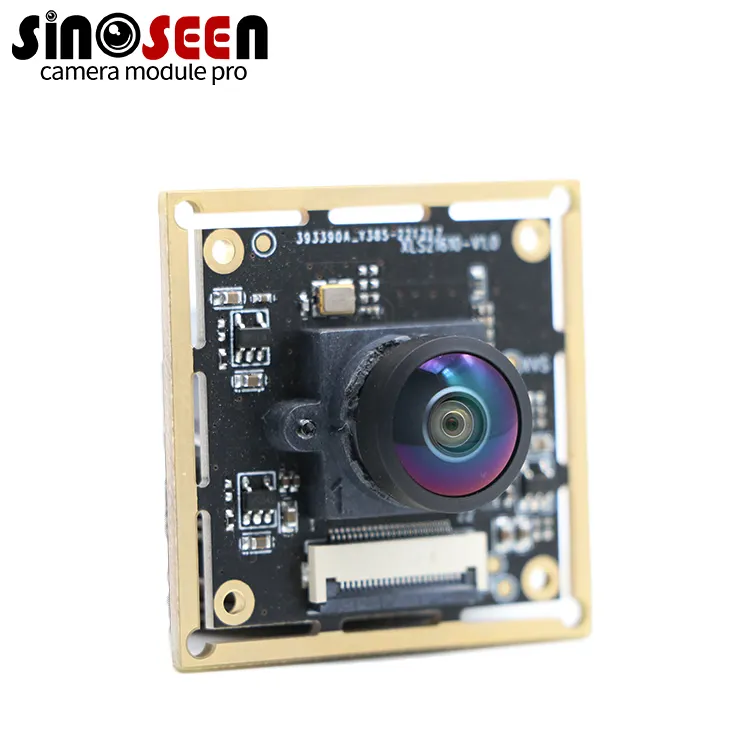
The ESP32 camera sensor module represents a revolutionary breakthrough in embedded vision technology, combining powerful processing capabilities with advanced imaging functionality in a compact, cost-effective package. This innovative module integrates the ESP32 microcontroller with a high-quality camera sensor, creating a versatile solution for numerous Internet of Things and computer vision applications. The ESP32 camera sensor module features dual-core processing power, built-in Wi-Fi and Bluetooth connectivity, and comprehensive imaging capabilities that make it ideal for both hobbyist projects and commercial implementations. The module supports various camera resolutions ranging from QVGA to UXGA, enabling users to capture detailed images and stream video content seamlessly. Its main functions include real-time image capture, video streaming, motion detection, and wireless data transmission. The ESP32 camera sensor module incorporates advanced technological features such as automatic exposure control, white balance adjustment, and digital zoom capabilities. The integrated flash memory allows for local image storage, while the powerful ARM-based processor handles complex image processing tasks efficiently. Users can program the ESP32 camera sensor module using popular development environments like Arduino IDE or ESP-IDF, making it accessible to developers of all skill levels. The module supports multiple communication protocols including HTTP, MQTT, and WebSocket, facilitating easy integration with cloud services and mobile applications. Its low power consumption design makes the ESP32 camera sensor module suitable for battery-powered applications, while the robust construction ensures reliable operation in various environmental conditions. The compact form factor and pin-compatible design allow for easy integration into existing projects without requiring significant hardware modifications.

Popular Products

The ESP32 camera sensor module delivers exceptional value through its comprehensive feature set and user-friendly design, making it an outstanding choice for developers and businesses seeking reliable imaging solutions. This module provides significant cost savings compared to traditional camera systems, as it eliminates the need for separate microcontrollers, Wi-Fi modules, and complex wiring configurations. The integrated design reduces development time and simplifies the prototyping process, allowing users to focus on their core application logic rather than hardware integration challenges. The ESP32 camera sensor module offers superior connectivity options through its built-in wireless capabilities, enabling seamless data transmission to cloud platforms, mobile devices, and web servers without requiring additional hardware components. This wireless functionality opens up possibilities for remote monitoring, surveillance systems, and IoT applications that demand real-time image transmission. The module's impressive processing power handles demanding tasks such as image compression, facial recognition algorithms, and real-time video streaming without compromising performance or responsiveness. Users benefit from the extensive software ecosystem surrounding the ESP32 platform, which includes thousands of libraries, examples, and community-contributed resources that accelerate development cycles. The ESP32 camera sensor module supports multiple programming languages and development frameworks, providing flexibility for teams with diverse technical backgrounds. Its energy-efficient design extends battery life in portable applications, while the robust hardware construction ensures consistent performance across varying temperature and humidity conditions. The module's compatibility with popular development boards and expansion shields simplifies integration into existing projects and prototyping workflows. Furthermore, the ESP32 camera sensor module receives regular firmware updates and security patches, ensuring long-term reliability and protection against emerging threats. The comprehensive documentation and active community support make troubleshooting straightforward, reducing project risks and development uncertainties. These advantages combine to create a compelling solution that delivers professional-grade imaging capabilities at a fraction of the cost of traditional alternatives.

Latest News

Why Choose a High-Performance Embedded Camera Module for AI Applications?

02

Mar

Why Choose a High-Performance Embedded Camera Module for AI Applications?

Artificial intelligence applications demand precision, speed, and reliability in their visual data acquisition systems. An embedded camera module serves as the critical foundation for AI-powered devices, from autonomous vehicles to smart manufacturin...
View More
How to Optimize Low-Light Performance in Custom Camera Module Designs?

02

Mar

How to Optimize Low-Light Performance in Custom Camera Module Designs?

Custom camera module designs face unique challenges when operating in environments with minimal illumination, making low-light performance optimization a critical engineering consideration. Modern applications ranging from security surveillance to au...
View More
How to Integrate a Small Camera Module into Compact Medical Devices?

02

Mar

How to Integrate a Small Camera Module into Compact Medical Devices?

Medical device miniaturization continues to revolutionize healthcare, enabling less invasive procedures and improved patient outcomes. When designing compact medical equipment, integrating a small camera module requires careful consideration of space...
View More
Why do Robotics Manufacturers Prefer High-Speed AI Camera Modules?

02

Mar

Why do Robotics Manufacturers Prefer High-Speed AI Camera Modules?

The robotics industry has experienced unprecedented growth in recent years, with manufacturers increasingly demanding sophisticated vision systems that can process visual data at lightning speed. High-speed AI camera modules have emerged as the corne...
View More

Get In Touch

esp32 camera sensor module

Advanced Wireless Integration and Connectivity

Advanced Wireless Integration and Connectivity

The ESP32 camera sensor module stands out in the market due to its seamless wireless integration capabilities, which fundamentally transform how imaging devices connect and communicate within modern digital ecosystems. This module incorporates dual-band Wi-Fi technology that supports both 2.4GHz and 5GHz frequencies, ensuring reliable connectivity across diverse network environments and reducing interference from crowded wireless spectrums. The built-in Bluetooth functionality enables direct communication with mobile devices, tablets, and other Bluetooth-enabled equipment, creating versatile pairing options for various application scenarios. Users can establish secure wireless connections using advanced encryption protocols, protecting sensitive image data during transmission and storage processes. The ESP32 camera sensor module supports multiple network topologies, including access point mode, station mode, and mesh networking configurations, providing unprecedented flexibility for complex deployment scenarios. This wireless versatility enables remote monitoring applications where traditional wired connections would be impractical or impossible to implement. The module's ability to automatically reconnect to known networks and handle connection failures gracefully ensures continuous operation in mission-critical applications. Developers can implement custom wireless protocols and communication standards using the module's programmable radio stack, accommodating specialized requirements and proprietary systems. The integrated antenna design optimizes signal strength and range while maintaining the compact form factor that makes the ESP32 camera sensor module suitable for space-constrained installations. Additionally, the wireless capabilities enable over-the-air firmware updates, allowing remote maintenance and feature enhancements without physical access to deployed devices. This connectivity advantage significantly reduces installation costs, eliminates cable management challenges, and enables scalable deployment strategies that can adapt to changing operational requirements.
Comprehensive Image Processing and AI Capabilities

Comprehensive Image Processing and AI Capabilities

The ESP32 camera sensor module delivers exceptional image processing performance through its sophisticated dual-core architecture and dedicated hardware accelerators, enabling advanced computer vision applications that were previously limited to expensive, specialized systems. The module's powerful ARM Cortex-M4 processors handle complex algorithms including edge detection, pattern recognition, and real-time image enhancement with remarkable efficiency. This processing capability allows the ESP32 camera sensor module to perform on-device artificial intelligence tasks such as object classification, motion tracking, and facial recognition without requiring external processing units or cloud connectivity. The integrated digital signal processor optimizes image quality through automatic gain control, noise reduction, and dynamic range adjustment, ensuring consistent output across varying lighting conditions. Users can implement custom image processing pipelines using the module's flexible software framework, enabling specialized applications such as quality control inspection, security monitoring, and augmented reality features. The ESP32 camera sensor module supports multiple image formats including JPEG compression, raw sensor data, and real-time streaming protocols, accommodating diverse application requirements and bandwidth constraints. Its frame buffer management system enables smooth video capture and playback while maintaining system responsiveness for other tasks. The module's ability to process images locally reduces latency, improves privacy protection, and minimizes bandwidth usage compared to cloud-based processing solutions. Advanced features such as region of interest selection, automatic focus adjustment, and exposure bracketing provide professional-level imaging capabilities typically found in much more expensive camera systems. The ESP32 camera sensor module can simultaneously capture images, process data, and communicate results, making it ideal for real-time applications that demand immediate responses to visual inputs. This comprehensive processing capability transforms the module from a simple image capture device into an intelligent vision system capable of autonomous decision-making and adaptive behavior.
Exceptional Ease of Development and Integration

Exceptional Ease of Development and Integration

The ESP32 camera sensor module revolutionizes the development experience through its intuitive programming interface and extensive ecosystem support, making advanced imaging projects accessible to developers regardless of their experience level with embedded systems. The module seamlessly integrates with popular development environments including Arduino IDE, PlatformIO, and ESP-IDF, allowing developers to leverage familiar tools and workflows without learning complex proprietary systems. This compatibility extends to thousands of existing libraries and code examples that cover common imaging tasks, sensor interfacing, and wireless communication protocols, dramatically reducing development time and effort. The ESP32 camera sensor module features comprehensive hardware abstraction layers that simplify complex operations such as sensor configuration, memory management, and interrupt handling, enabling developers to focus on application logic rather than low-level hardware details. The module's pin-compatible design ensures easy integration with standard breadboards, development boards, and custom PCB designs, facilitating rapid prototyping and seamless transition from concept to production. Extensive documentation includes detailed API references, tutorial guides, and troubleshooting resources that accelerate the learning curve and reduce common development pitfalls. The ESP32 camera sensor module supports multiple programming languages including C++, MicroPython, and JavaScript, accommodating diverse development preferences and team skill sets. Its modular software architecture allows developers to enable only required features, optimizing memory usage and power consumption for specific applications. The active community surrounding the ESP32 ecosystem provides continuous support through forums, GitHub repositories, and collaborative projects that expand the module's capabilities and use cases. Real-time debugging capabilities and comprehensive logging features simplify troubleshooting and performance optimization during development cycles. The ESP32 camera sensor module's standardized interfaces and communication protocols ensure compatibility with existing systems and third-party components, reducing integration complexity and project risks. This exceptional ease of development transforms complex imaging projects into manageable tasks, enabling rapid innovation and shortened time-to-market for commercial applications.

Related Search

Get in touch