Innovative Camera Modules for Every Application | Sinoseen

All Categories

raspberry pi infrared camera module

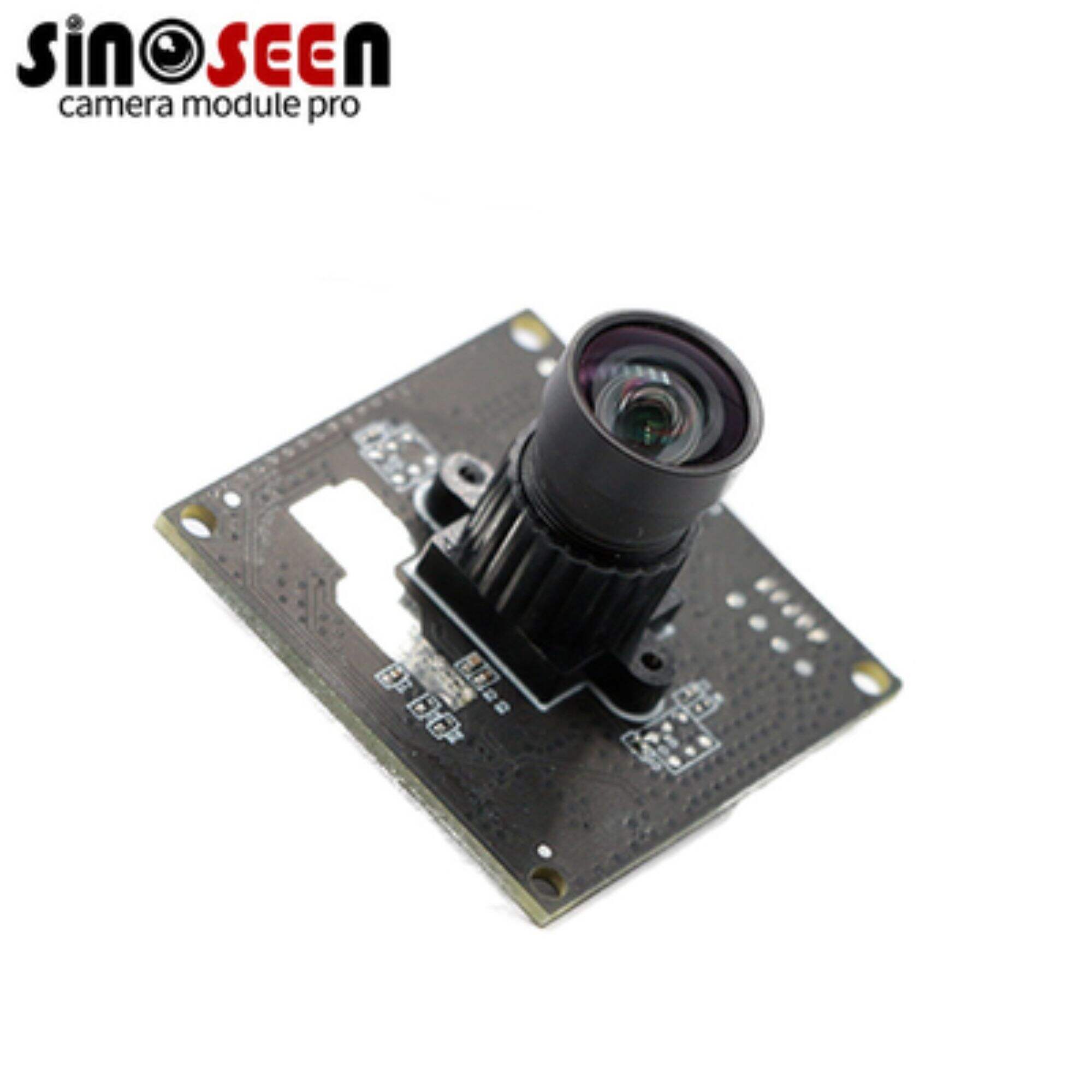
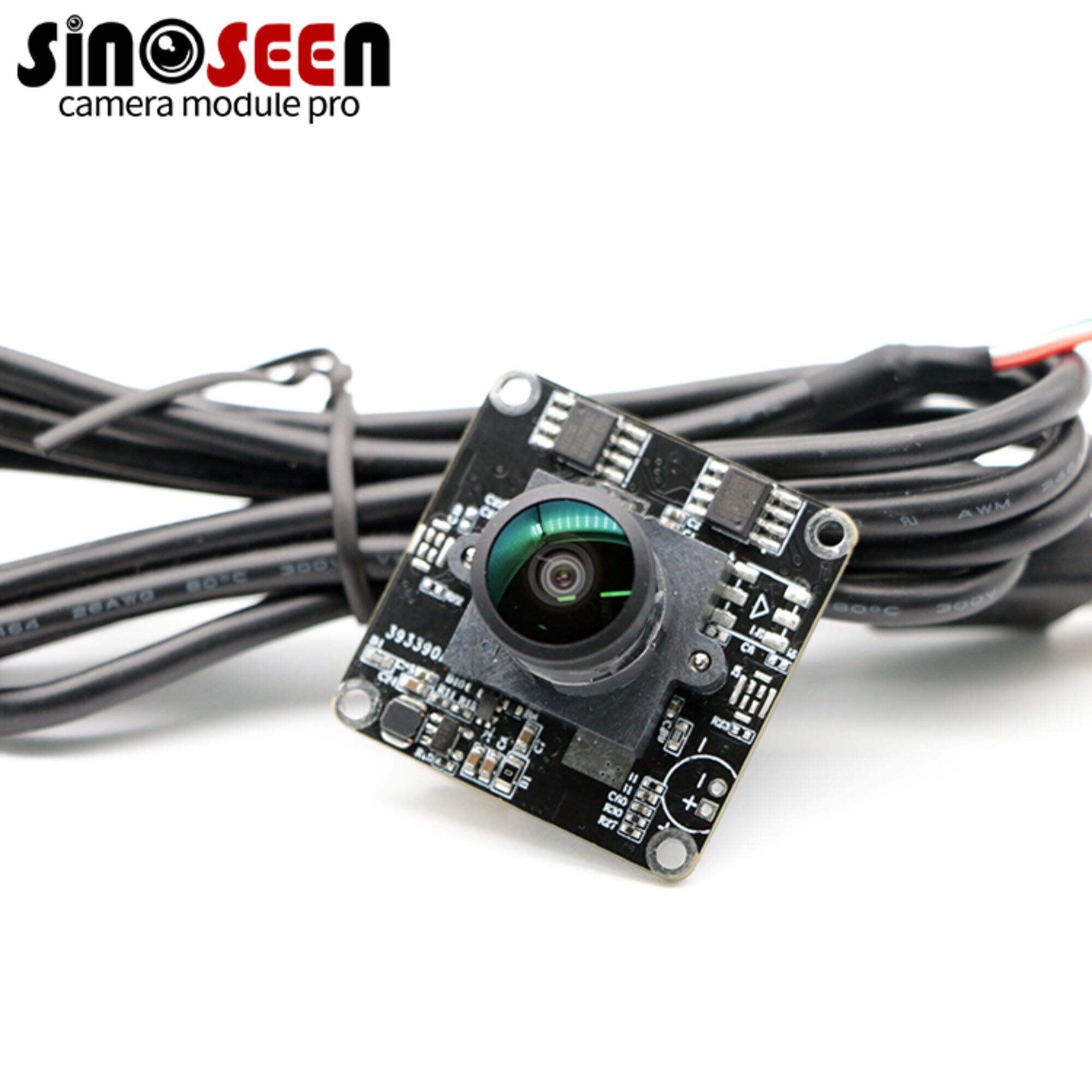
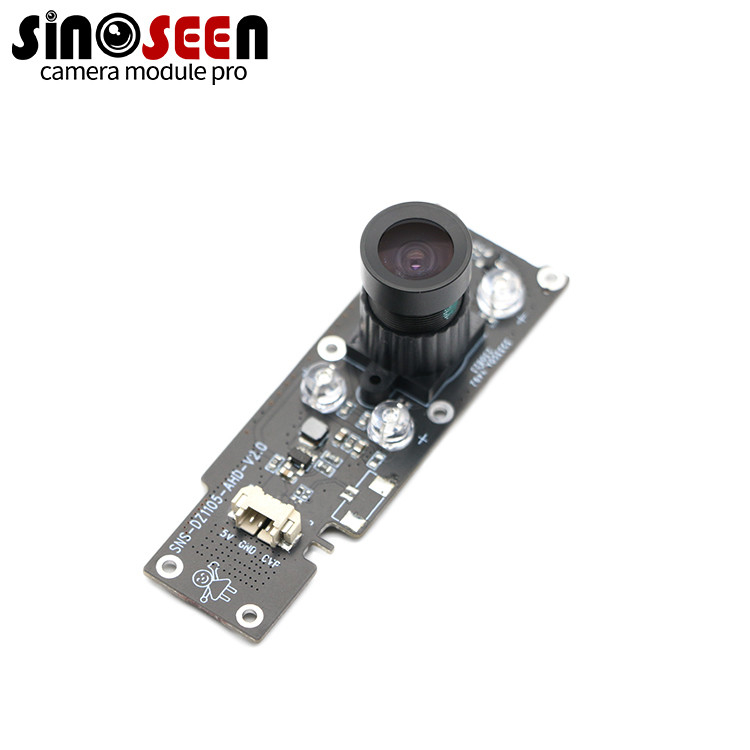
The raspberry pi infrared camera module represents a groundbreaking advancement in affordable computer vision technology, designed specifically for makers, developers, and researchers who require night vision capabilities in their projects. This specialized camera module integrates seamlessly with Raspberry Pi single-board computers, providing enhanced imaging capabilities that extend far beyond traditional visible light photography. The raspberry pi infrared camera module utilizes advanced infrared sensor technology to capture clear, detailed images in complete darkness or low-light conditions where conventional cameras fail to perform adequately. The module features a high-sensitivity infrared sensor capable of detecting wavelengths beyond human visual perception, typically operating in the near-infrared spectrum ranging from 700 to 1000 nanometers. This technological capability enables the device to function effectively during nighttime surveillance, wildlife monitoring, and security applications where standard lighting conditions are insufficient or undesirable. The raspberry pi infrared camera module comes equipped with adjustable infrared LED arrays that provide illumination when ambient infrared light levels are too low for optimal image capture. These integrated LEDs can be controlled programmatically, allowing users to customize illumination intensity based on specific environmental conditions and distance requirements. The module supports various resolution settings and frame rates, making it adaptable for different project specifications and computational limitations. Installation and configuration of the raspberry pi infrared camera module follow straightforward procedures that require minimal technical expertise, making it accessible to hobbyists and professional developers alike. The module connects directly to the Raspberry Pi camera interface using a flexible ribbon cable, ensuring reliable data transmission and stable operation. Software compatibility extends across multiple Raspberry Pi operating systems, with extensive library support for Python programming and various computer vision frameworks. The raspberry pi infrared camera module finds applications in home automation systems, scientific research projects, agricultural monitoring, and educational initiatives where students learn about infrared imaging principles and practical implementation techniques.

New Product Recommendations

The raspberry pi infrared camera module delivers exceptional value through its cost-effective solution for night vision applications that traditionally required expensive specialized equipment. Users save thousands of dollars compared to commercial infrared camera systems while maintaining professional-grade image quality and reliability. The module costs significantly less than standalone infrared cameras, making advanced imaging technology accessible to budget-conscious developers, students, and small businesses. Installation simplicity stands as another major advantage, as the raspberry pi infrared camera module requires no complex wiring or external power supplies beyond the standard Raspberry Pi setup. Users connect the module through a single ribbon cable interface, eliminating complicated installation procedures and reducing potential failure points. This plug-and-play approach enables rapid deployment in time-sensitive projects and allows users to focus on application development rather than hardware configuration challenges. Programming flexibility represents a crucial benefit, as the raspberry pi infrared camera module supports multiple programming languages and frameworks. Developers utilize Python libraries, OpenCV computer vision tools, and custom applications to create sophisticated imaging solutions tailored to specific requirements. This programming versatility enables real-time image processing, automated detection algorithms, and integration with existing software systems. The module provides excellent power efficiency, consuming minimal electrical current while delivering consistent performance over extended operating periods. This energy-conscious design makes it suitable for battery-powered applications, remote monitoring stations, and portable devices where power consumption directly impacts operational lifespan. Users achieve longer deployment periods without frequent battery replacements or external power interventions. Image quality remains consistently high across various lighting conditions, with the raspberry pi infrared camera module producing clear, detailed footage in complete darkness. The integrated infrared illumination system automatically adjusts to optimize image clarity while maintaining natural contrast and definition. Users capture usable footage in environments where traditional cameras produce unusable results, expanding project possibilities and application scenarios. Community support provides invaluable assistance through extensive documentation, tutorials, and user forums dedicated to raspberry pi infrared camera module applications. Developers access proven code examples, troubleshooting guides, and innovative project ideas shared by experienced users worldwide. This collaborative environment accelerates learning curves and helps users overcome technical challenges more efficiently than working with proprietary systems that offer limited community resources.

Tips And Tricks

 How to Select the Right AI Camera Module for Facial Recognition Systems?

02

Mar

How to Select the Right AI Camera Module for Facial Recognition Systems?

Selecting the appropriate AI camera module for facial recognition systems represents a critical decision that directly impacts system performance, accuracy, and overall operational efficiency. Modern facial recognition applications demand sophisticat...
View More
How to Optimize Low-Light Performance in Custom Camera Module Designs?

02

Mar

How to Optimize Low-Light Performance in Custom Camera Module Designs?

Custom camera module designs face unique challenges when operating in environments with minimal illumination, making low-light performance optimization a critical engineering consideration. Modern applications ranging from security surveillance to au...
View More
How to Integrate a Small Camera Module into Compact Medical Devices?

02

Mar

How to Integrate a Small Camera Module into Compact Medical Devices?

Medical device miniaturization continues to revolutionize healthcare, enabling less invasive procedures and improved patient outcomes. When designing compact medical equipment, integrating a small camera module requires careful consideration of space...
View More
Why do Robotics Manufacturers Prefer High-Speed AI Camera Modules?

02

Mar

Why do Robotics Manufacturers Prefer High-Speed AI Camera Modules?

The robotics industry has experienced unprecedented growth in recent years, with manufacturers increasingly demanding sophisticated vision systems that can process visual data at lightning speed. High-speed AI camera modules have emerged as the corne...
View More

Get In Touch

raspberry pi infrared camera module

Advanced Night Vision Capabilities with Automatic Infrared Illumination

Advanced Night Vision Capabilities with Automatic Infrared Illumination

The raspberry pi infrared camera module excels in providing superior night vision performance through its sophisticated infrared imaging technology and intelligent illumination system. This advanced capability transforms complete darkness into clearly visible imagery, enabling applications that operate effectively in environments where conventional cameras become completely ineffective. The module incorporates high-sensitivity infrared sensors specifically designed to detect and process near-infrared wavelengths that remain invisible to human eyes but provide excellent contrast for digital imaging applications. The automatic infrared illumination feature represents a significant technological advancement that sets this raspberry pi infrared camera module apart from basic infrared sensors. The integrated LED array provides controlled illumination that adapts to ambient conditions, ensuring optimal image quality without creating harsh lighting that could compromise surveillance applications or disturb wildlife monitoring subjects. Users benefit from adjustable illumination intensity settings that accommodate different distances and environmental conditions, from close-up inspection tasks requiring minimal lighting to long-range monitoring applications demanding maximum infrared output. The intelligent illumination control system prevents overexposure while maintaining sufficient light levels for clear image capture, automatically balancing these factors to produce consistently professional results. This sophisticated night vision capability enables users to implement security systems that operate continuously regardless of lighting conditions, wildlife cameras that capture natural behavior without disturbing animals, and scientific monitoring equipment that records phenomena occurring during nighttime hours. The raspberry pi infrared camera module delivers image clarity that rivals expensive commercial systems, providing detailed footage that reveals textures, movements, and identifying characteristics even in pitch-black environments. Temperature variations become visible through infrared imaging, adding an additional diagnostic dimension for applications monitoring equipment performance, building energy efficiency, or detecting heat signatures in security scenarios. The module maintains consistent performance across varying weather conditions, with infrared imaging remaining effective during fog, rain, or snow when visible light cameras struggle to produce usable footage.
Seamless Raspberry Pi Integration with Extensive Programming Support

Seamless Raspberry Pi Integration with Extensive Programming Support

The raspberry pi infrared camera module achieves exceptional integration with Raspberry Pi ecosystems through carefully engineered hardware interfaces and comprehensive software compatibility that simplifies development while maximizing functionality. This seamless integration eliminates common compatibility issues that plague mixed-vendor solutions, ensuring reliable operation and reducing troubleshooting requirements for developers at all skill levels. The direct camera interface connection provides high-speed data transfer capabilities that support real-time image processing and streaming applications without introducing latency issues that could compromise time-sensitive monitoring or automation systems. The raspberry pi infrared camera module benefits from extensive programming library support that includes native Python integration, OpenCV computer vision framework compatibility, and specialized infrared imaging libraries designed specifically for this hardware combination. Developers access comprehensive documentation and code examples that demonstrate implementation techniques for common applications including motion detection, automated recording, real-time streaming, and intelligent alert systems. The programming environment supports both beginner-friendly scripting approaches and advanced development frameworks that enable sophisticated machine learning integration and artificial intelligence applications. Cross-platform compatibility extends the raspberry pi infrared camera module utility across different Raspberry Pi models and operating system distributions, ensuring investment protection and upgrade pathway flexibility. Users implement identical code bases across various hardware configurations, from compact Raspberry Pi Zero installations to powerful Raspberry Pi 4 systems, adapting performance characteristics to match specific project requirements without rewriting application logic. The module supports standard video formats and streaming protocols, enabling integration with existing network infrastructure, cloud storage solutions, and third-party monitoring platforms. This compatibility reduces development time and enables rapid prototyping of complex systems that combine infrared imaging with other sensors, actuators, and communication modules. Educational applications benefit significantly from this integration approach, as students learn practical programming concepts using real-world imaging scenarios that demonstrate computer vision principles, automated control systems, and Internet of Things connectivity in engaging, hands-on projects that reinforce theoretical learning with practical implementation experience.
Versatile Applications Across Multiple Industries and Use Cases

Versatile Applications Across Multiple Industries and Use Cases

The raspberry pi infrared camera module demonstrates remarkable versatility through its adaptation to diverse industry applications and specialized use cases that span from residential security systems to advanced scientific research projects. This flexibility stems from the module's balanced combination of professional-grade imaging capabilities, affordable pricing, and customizable software integration that accommodates varying technical requirements and budget constraints across different sectors. Home security applications represent one of the most popular implementations, where the raspberry pi infrared camera module enables property owners to establish comprehensive surveillance systems without substantial financial investment in commercial security equipment. Users create automated monitoring systems that detect motion, send real-time alerts, and record high-quality footage during nighttime hours when most security incidents occur. The system integrates with existing home automation platforms, enabling smartphone notifications, cloud storage backup, and remote viewing capabilities that provide peace of mind during travel or extended absences. Agricultural monitoring applications utilize the raspberry pi infrared camera module for crop surveillance, livestock monitoring, and automated irrigation system control based on plant health assessment through infrared imaging analysis. Farmers detect pest infestations, disease outbreaks, and water stress conditions before they become visible to traditional inspection methods, enabling proactive treatment that prevents crop losses and optimizes yield potential. Wildlife research benefits tremendously from the module's non-intrusive monitoring capabilities, allowing researchers to observe animal behavior patterns, migration routes, and population dynamics without human presence that could alter natural behaviors. The raspberry pi infrared camera module operates continuously in remote locations, capturing data over extended periods that would be impractical or impossible with traditional observation methods. Industrial applications include equipment monitoring systems that detect overheating components, energy efficiency audits that identify heat loss areas in buildings, and quality control processes that utilize infrared imaging for defect detection in manufacturing environments. Educational institutions implement the module in STEM curricula that teach students about infrared physics, computer vision algorithms, and practical engineering applications through hands-on projects that demonstrate real-world problem-solving techniques using affordable, accessible technology platforms.

Related Search

Get in touch