Innovative Camera Modules for Every Application | Sinoseen

All Categories

mipi cmos camera module

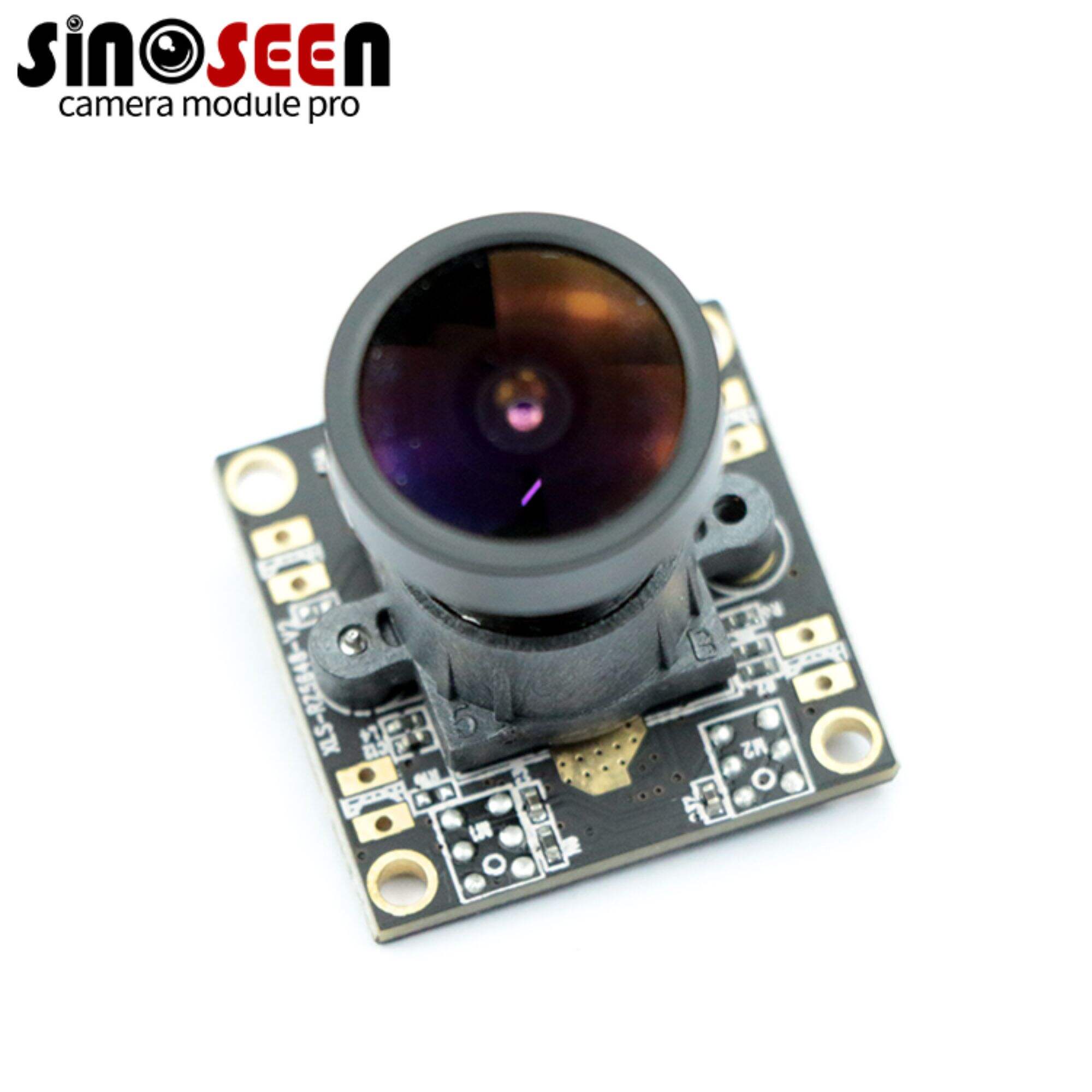
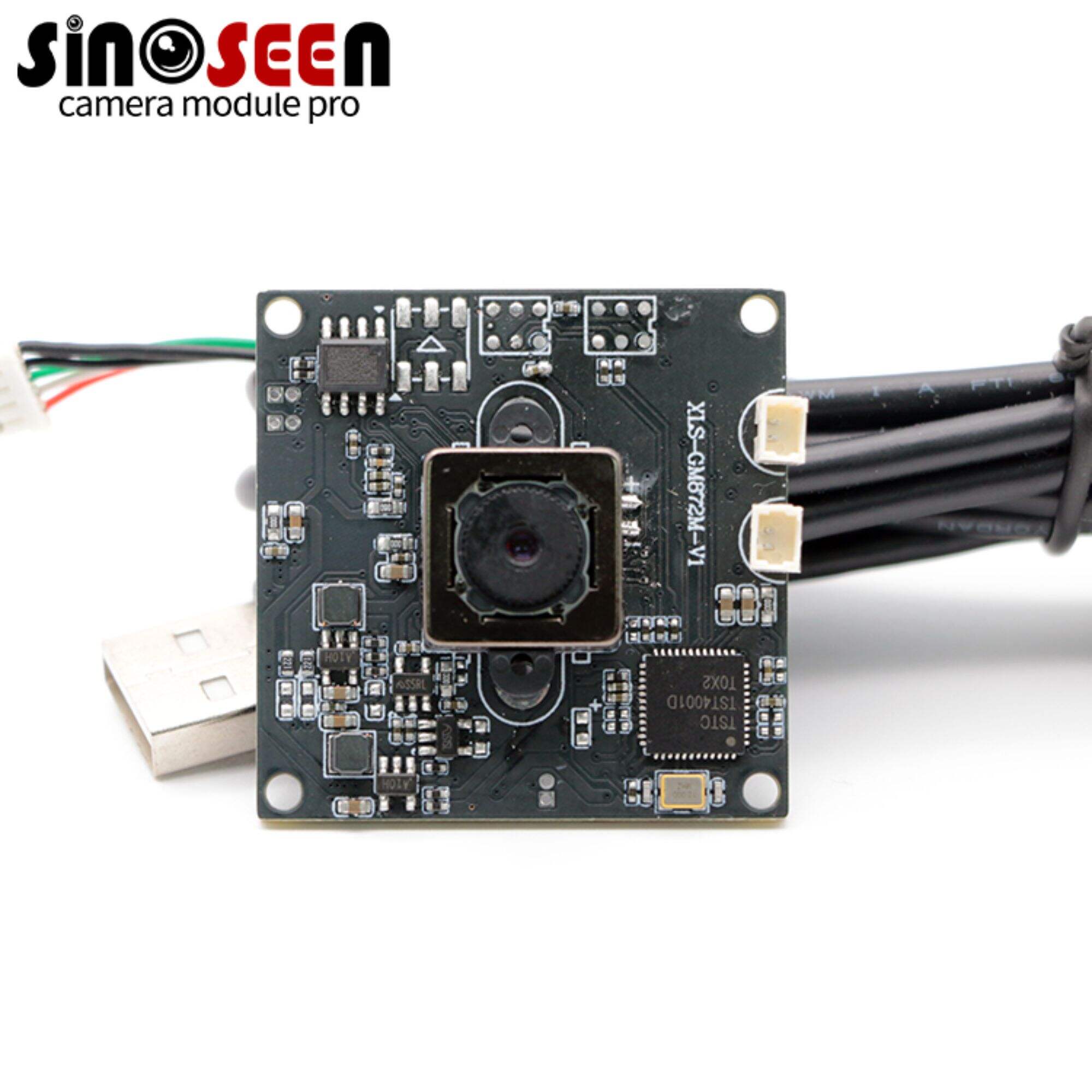
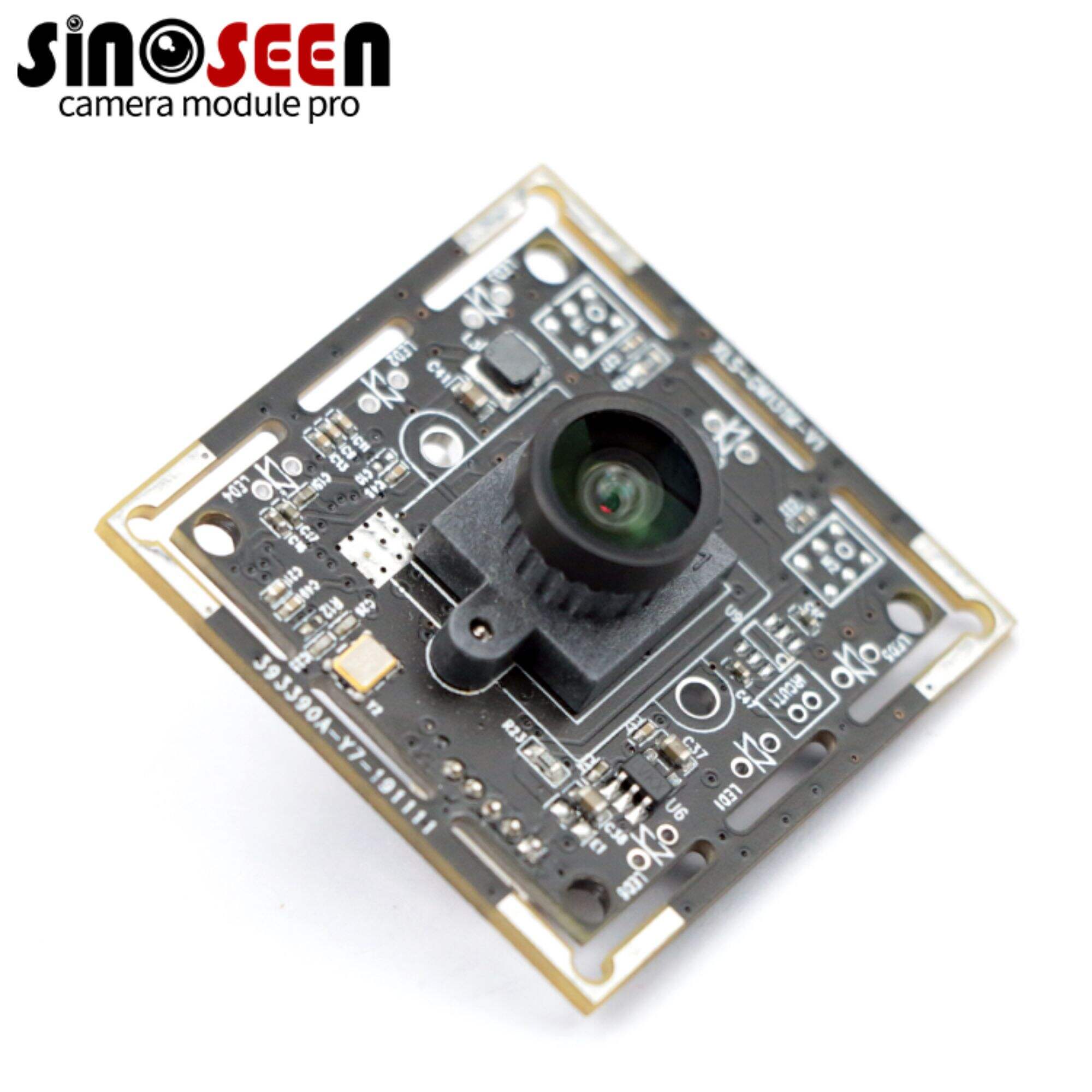
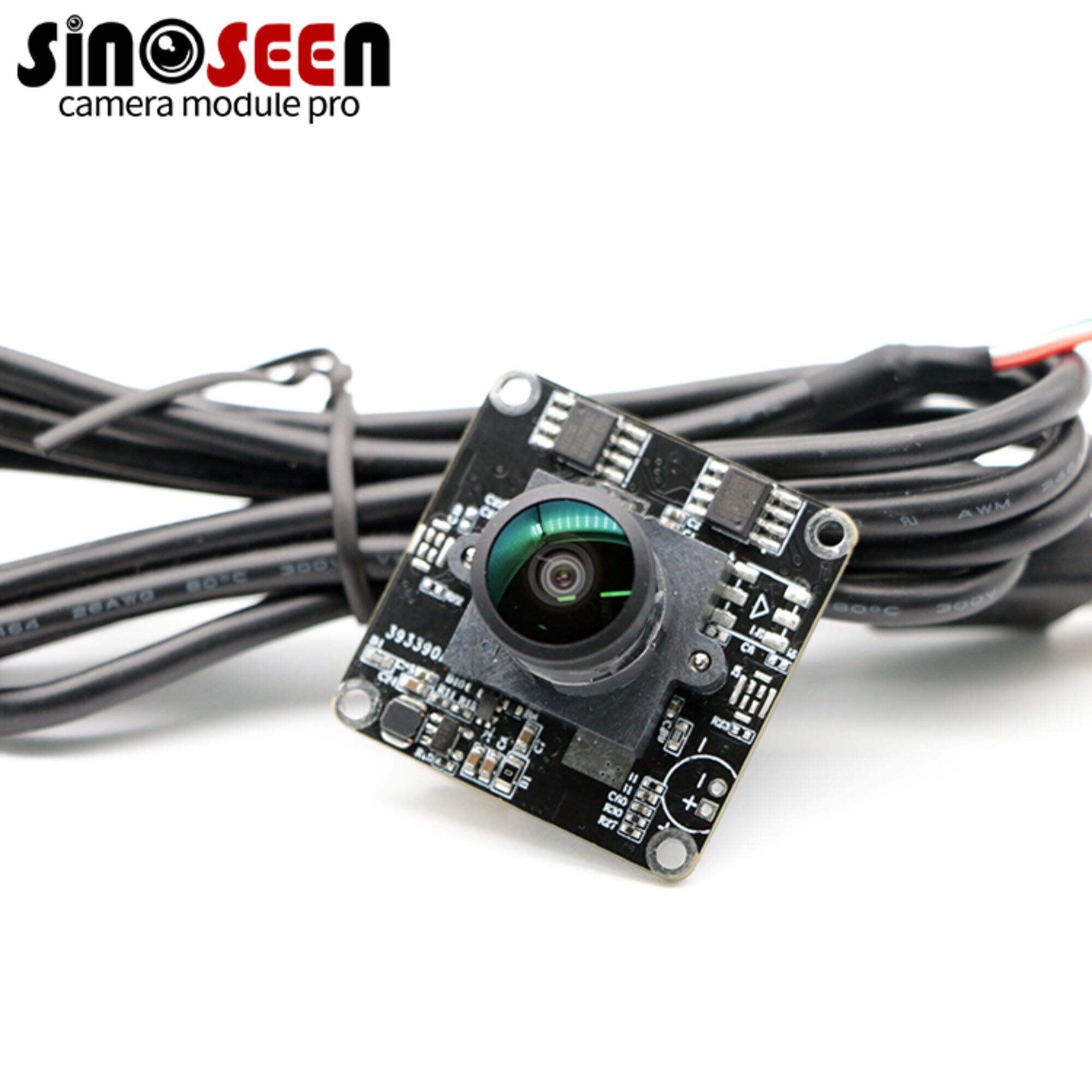
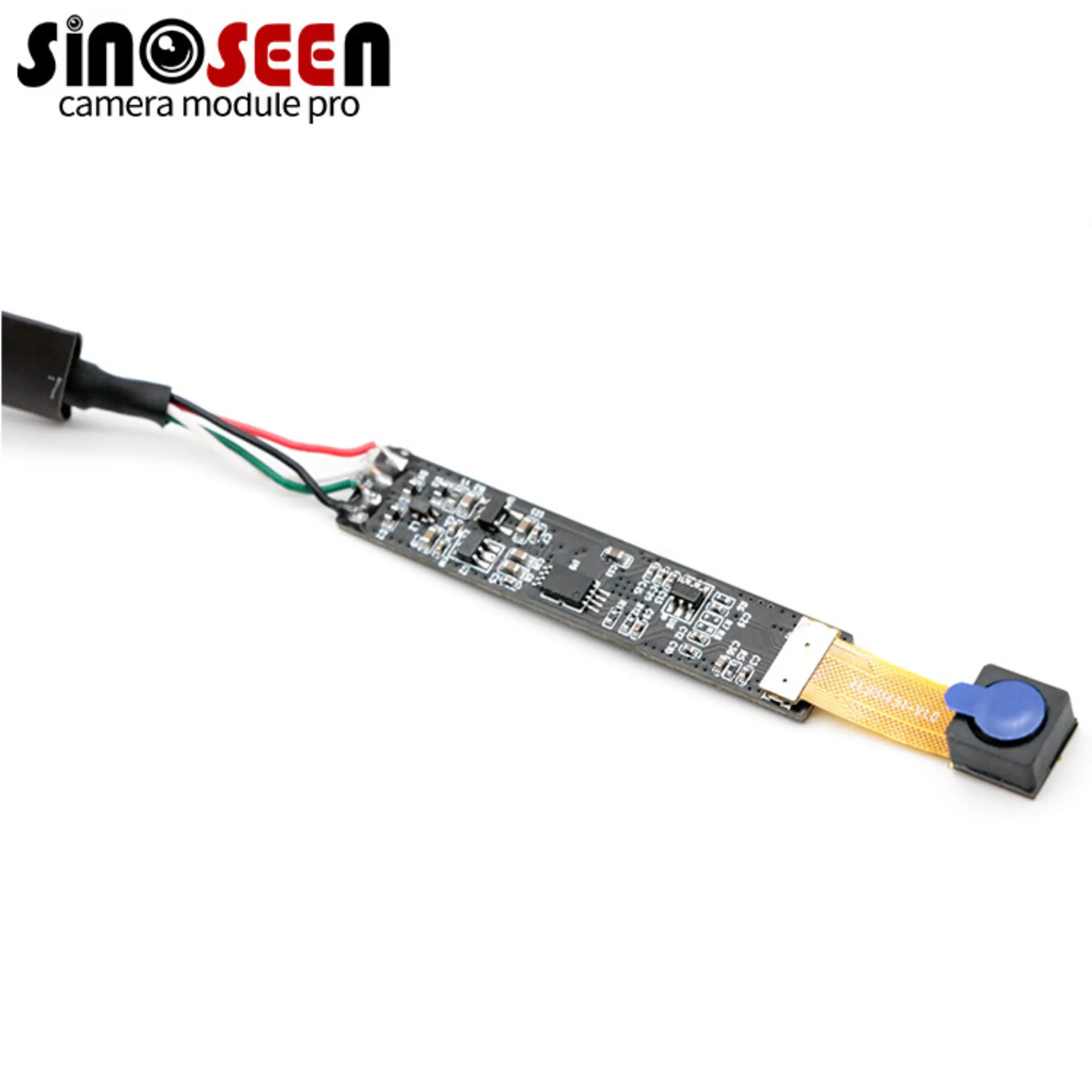
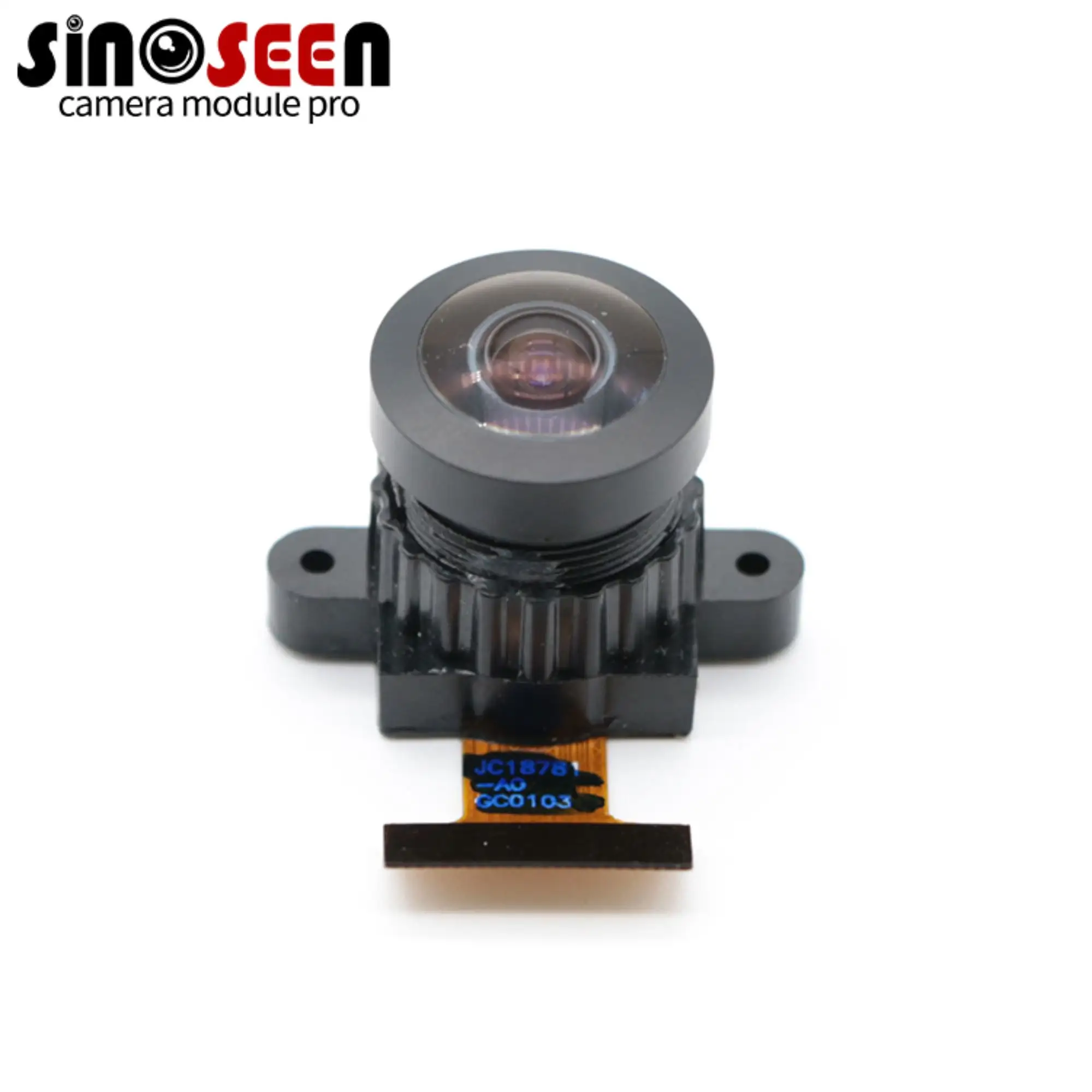
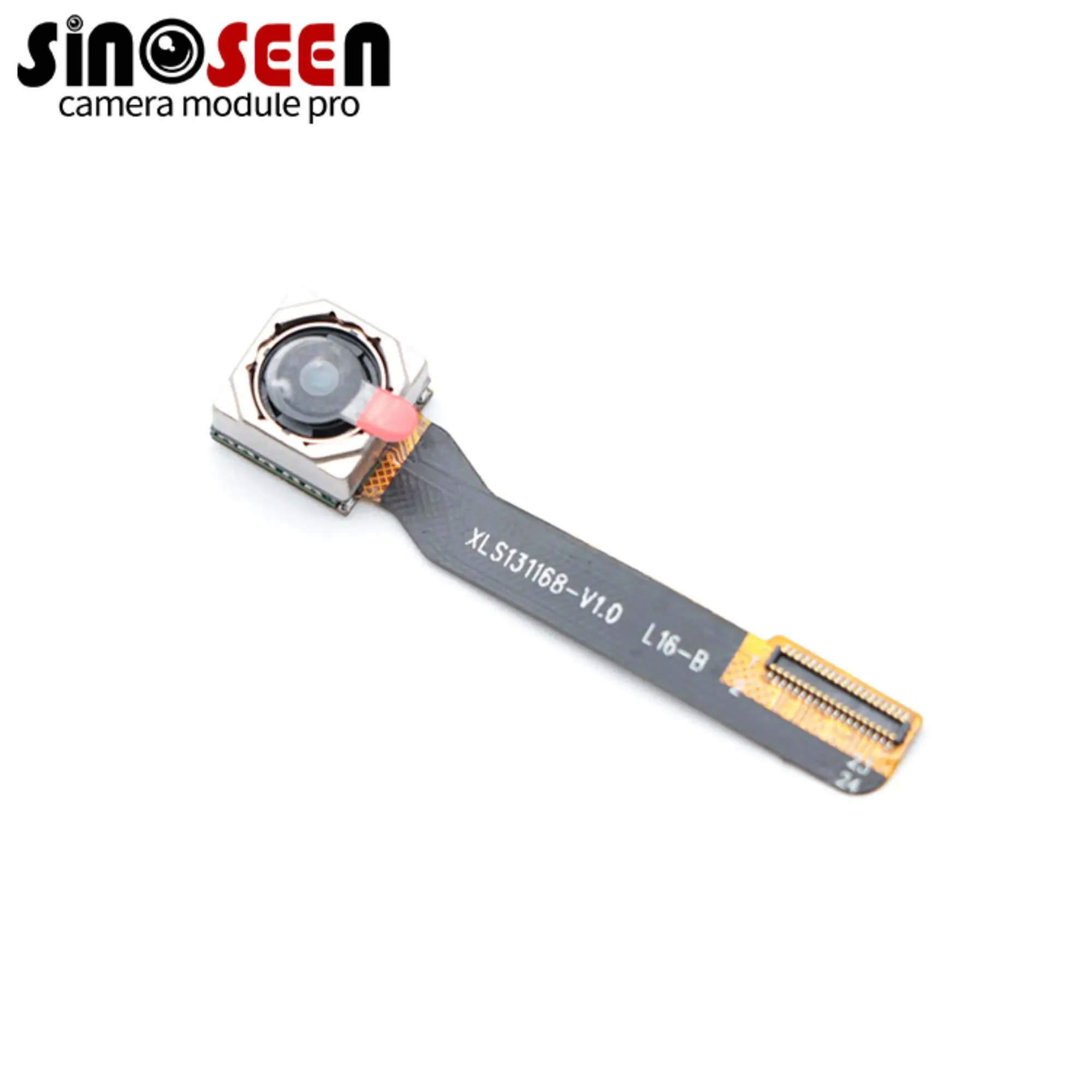
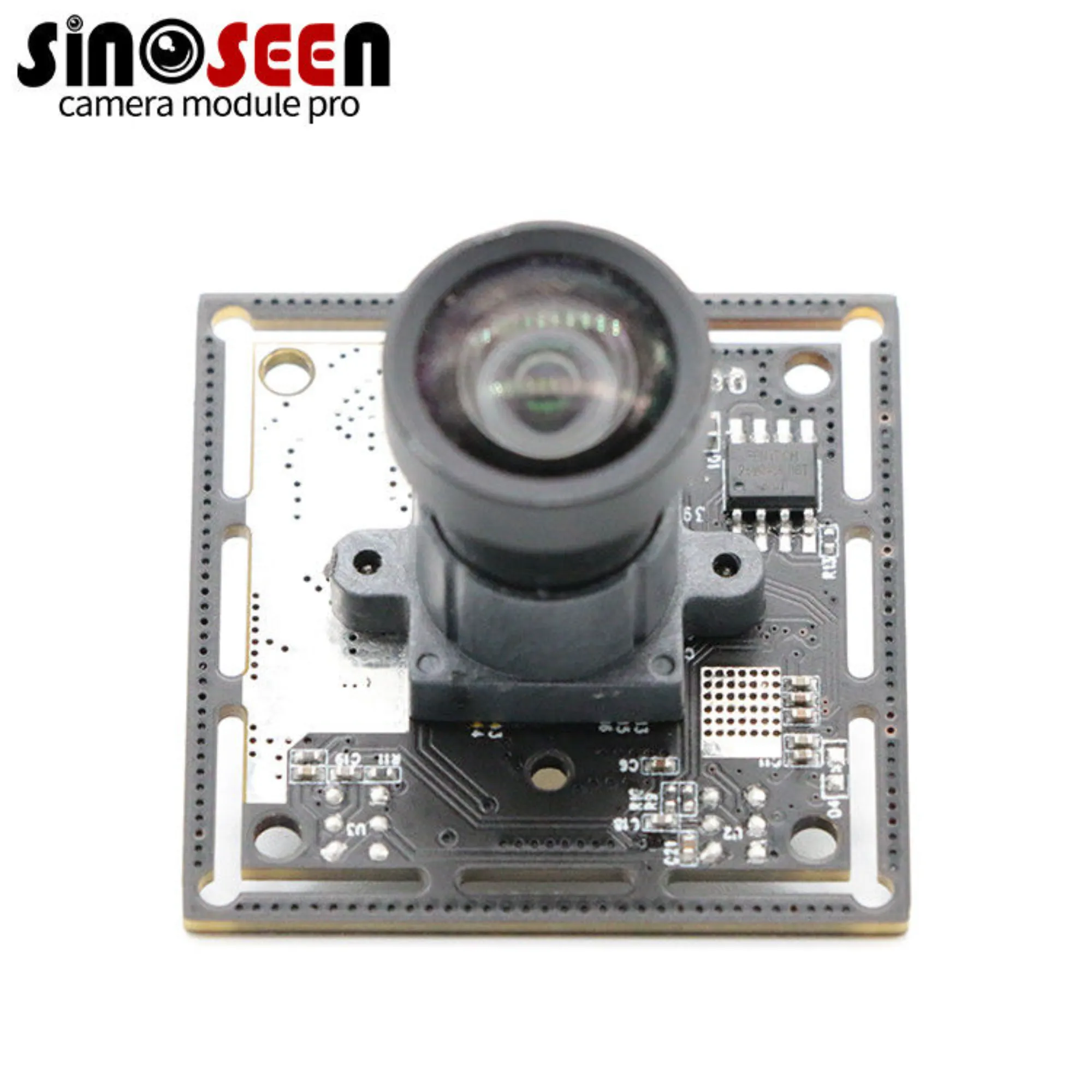
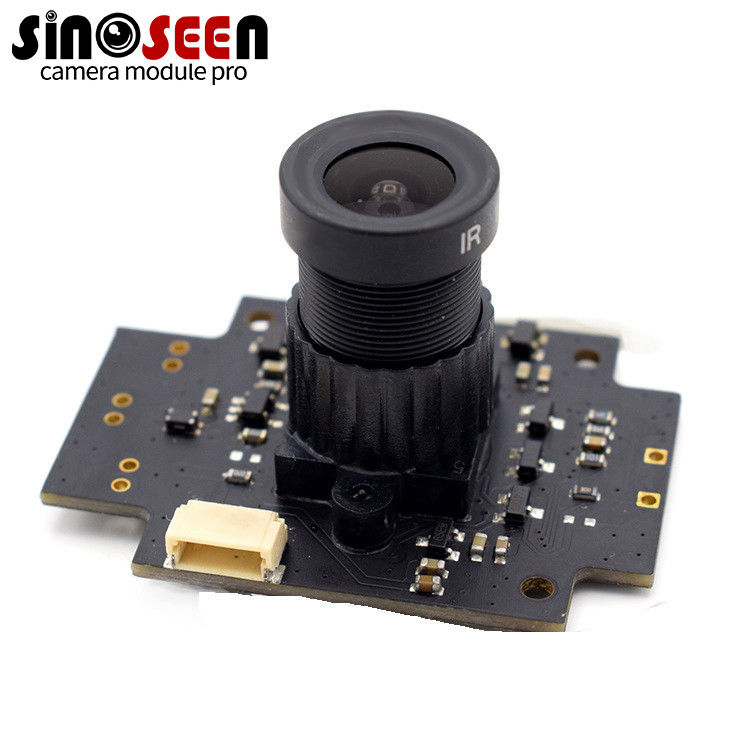
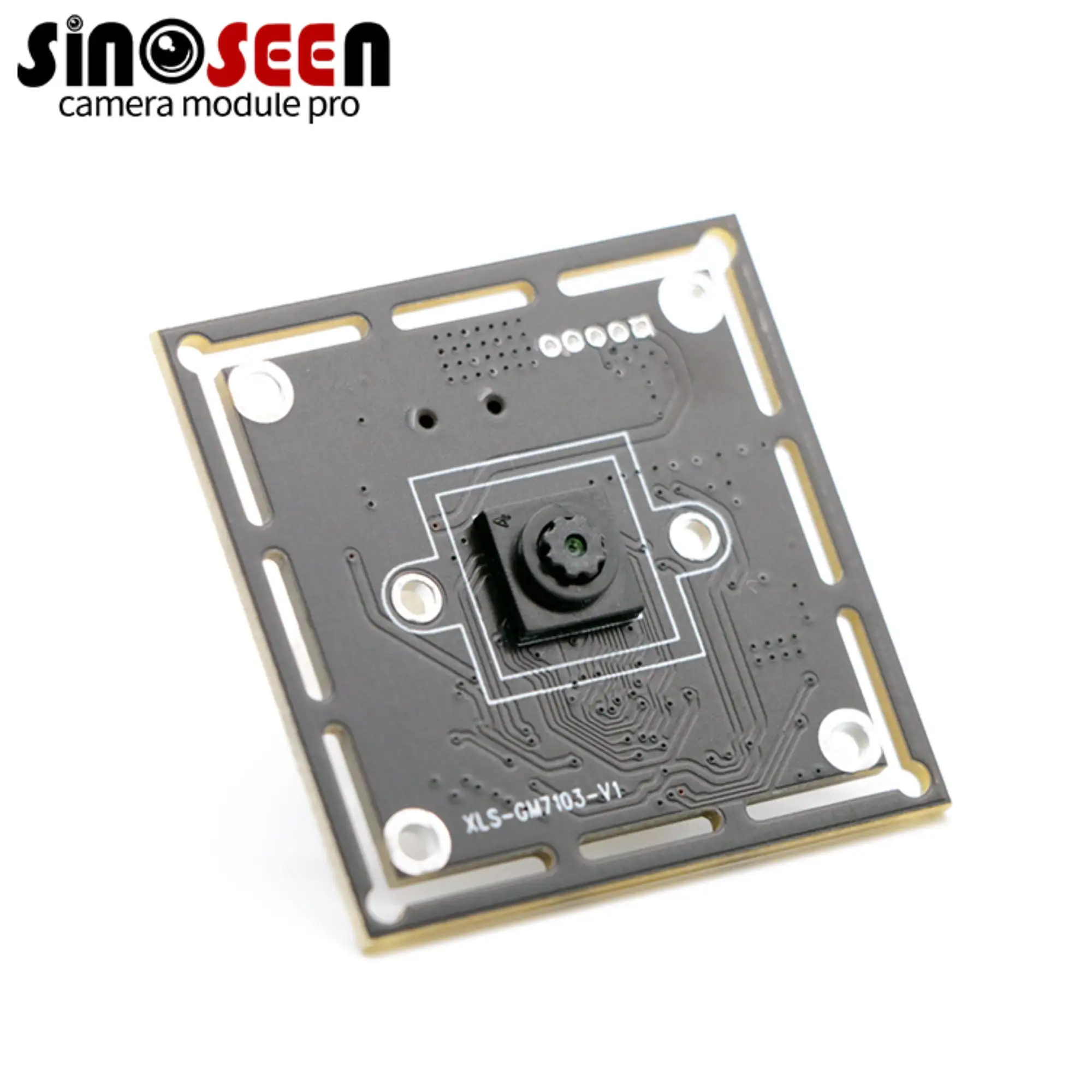
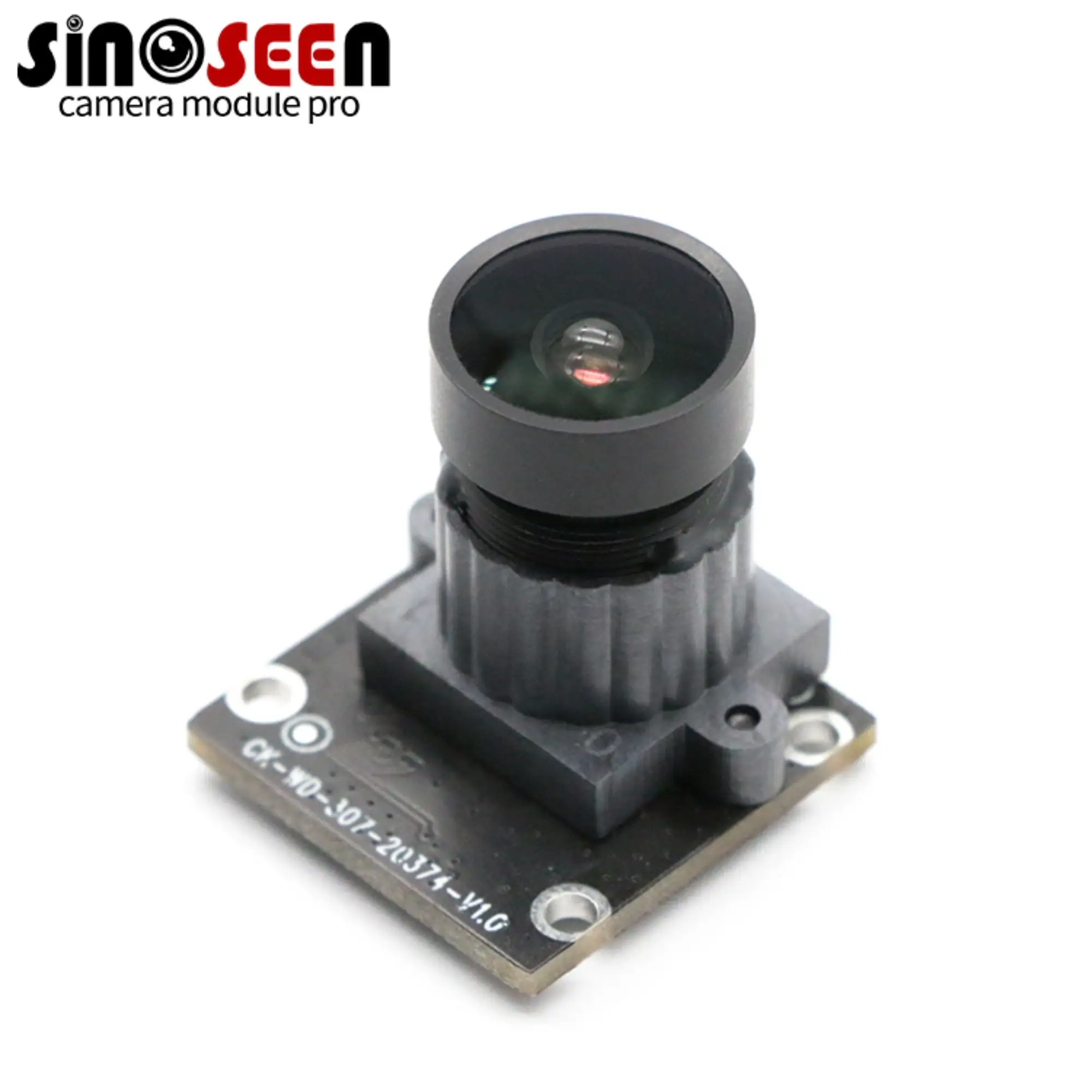
The MIPI CMOS camera module represents a cutting-edge imaging solution that combines Mobile Industry Processor Interface (MIPI) technology with Complementary Metal-Oxide-Semiconductor (CMOS) sensor architecture. This sophisticated camera module delivers exceptional image quality while maintaining power efficiency and compact form factor requirements essential for modern electronic devices. The MIPI CMOS camera module functions as a complete imaging system, integrating the image sensor, lens assembly, and necessary processing components into a single package. Its primary function involves capturing light through the optical lens system and converting it into digital image data using advanced CMOS sensor technology. The module processes this information through sophisticated image signal processing algorithms, delivering high-quality visual output suitable for various applications. Technologically, the MIPI CMOS camera module features several distinctive characteristics that set it apart from traditional camera solutions. The MIPI interface provides high-speed data transmission capabilities, enabling rapid image transfer between the camera module and host processor. This interface supports multiple data lanes, allowing for scalable bandwidth depending on resolution and frame rate requirements. The CMOS sensor technology within the module offers superior performance compared to older CCD alternatives, providing better power efficiency, faster readout speeds, and enhanced noise performance. Advanced pixel architectures incorporate back-side illumination techniques, improving light sensitivity and overall image quality even in challenging lighting conditions. Applications for MIPI CMOS camera modules span across numerous industries and device categories. Consumer electronics manufacturers integrate these modules into smartphones, tablets, laptops, and smart home devices, leveraging their compact size and excellent performance characteristics. Automotive applications utilize these modules for advanced driver assistance systems, backup cameras, and autonomous vehicle vision systems. Industrial applications include machine vision systems, quality control equipment, and surveillance solutions. Medical device manufacturers incorporate MIPI CMOS camera modules into endoscopic equipment, diagnostic instruments, and telemedicine platforms, taking advantage of their precise imaging capabilities and reliable performance standards.

New Product Releases

The MIPI CMOS camera module delivers numerous practical benefits that make it an ideal choice for manufacturers and end users seeking reliable imaging solutions. Power efficiency stands as one of the most significant advantages, as the CMOS sensor technology consumes substantially less energy compared to alternative sensor types. This efficiency translates directly into longer battery life for portable devices and reduced operating costs for continuous-use applications. The low power consumption characteristics make the MIPI CMOS camera module particularly valuable for battery-powered devices where energy conservation is critical. Size and integration advantages position the MIPI CMOS camera module as a superior choice for space-constrained applications. The compact form factor allows designers to incorporate high-quality imaging capabilities into increasingly smaller devices without compromising functionality. The module's integrated design eliminates the need for separate components and complex assembly processes, simplifying manufacturing workflows and reducing production costs. This streamlined approach enables faster time-to-market for products incorporating camera functionality. Performance benefits of the MIPI CMOS camera module include exceptional image quality across various lighting conditions. The advanced sensor architecture delivers sharp, clear images with accurate color reproduction and minimal noise interference. High-speed data processing capabilities enable rapid autofocus functionality and smooth video recording at multiple frame rates and resolutions. The module supports various pixel formats and color spaces, providing flexibility for different application requirements. Cost-effectiveness represents another compelling advantage, as the MIPI CMOS camera module offers excellent value proposition through reduced component costs, simplified assembly processes, and lower power consumption requirements. Manufacturers benefit from streamlined supply chain management and reduced inventory complexity when utilizing these integrated solutions. The standardized MIPI interface ensures compatibility across different processor platforms, reducing development costs and engineering complexity. Reliability and durability characteristics make the MIPI CMOS camera module suitable for demanding environments and long-term deployment scenarios. The solid-state construction with no moving parts enhances operational reliability and reduces maintenance requirements. Temperature stability and shock resistance capabilities ensure consistent performance across various environmental conditions. Quality control processes during manufacturing guarantee consistent performance standards and minimize defect rates, providing confidence for both manufacturers and end users in their imaging system investments.

Practical Tips

Why Choose a High-Performance Embedded Camera Module for AI Applications?

02

Mar

Why Choose a High-Performance Embedded Camera Module for AI Applications?

Artificial intelligence applications demand precision, speed, and reliability in their visual data acquisition systems. An embedded camera module serves as the critical foundation for AI-powered devices, from autonomous vehicles to smart manufacturin...
View More
 How to Select the Right AI Camera Module for Facial Recognition Systems?

02

Mar

How to Select the Right AI Camera Module for Facial Recognition Systems?

Selecting the appropriate AI camera module for facial recognition systems represents a critical decision that directly impacts system performance, accuracy, and overall operational efficiency. Modern facial recognition applications demand sophisticat...
View More
How to Integrate a Small Camera Module into Compact Medical Devices?

02

Mar

How to Integrate a Small Camera Module into Compact Medical Devices?

Medical device miniaturization continues to revolutionize healthcare, enabling less invasive procedures and improved patient outcomes. When designing compact medical equipment, integrating a small camera module requires careful consideration of space...
View More
Why do Robotics Manufacturers Prefer High-Speed AI Camera Modules?

02

Mar

Why do Robotics Manufacturers Prefer High-Speed AI Camera Modules?

The robotics industry has experienced unprecedented growth in recent years, with manufacturers increasingly demanding sophisticated vision systems that can process visual data at lightning speed. High-speed AI camera modules have emerged as the corne...
View More

Get In Touch

mipi cmos camera module

Advanced High-Speed MIPI Interface Technology

Advanced High-Speed MIPI Interface Technology

The MIPI CMOS camera module incorporates state-of-the-art Mobile Industry Processor Interface technology that revolutionizes data transmission capabilities in modern imaging systems. This advanced interface standard provides exceptional bandwidth efficiency, enabling seamless transfer of high-resolution image and video data between the camera sensor and host processing units. The MIPI interface supports multiple configuration options, including various lane configurations from single-lane to quad-lane setups, allowing system designers to optimize performance based on specific application requirements. The high-speed differential signaling technology ensures reliable data transmission even in electrically noisy environments, making the MIPI CMOS camera module ideal for automotive and industrial applications where electromagnetic interference can be problematic. The interface protocol includes sophisticated error detection and correction mechanisms that maintain data integrity throughout the transmission process, ensuring that captured images retain their quality and accuracy. This reliability is particularly crucial for applications requiring precise image analysis, such as medical diagnostics or quality control systems. The MIPI interface also supports dynamic voltage and frequency scaling, enabling power optimization based on real-time performance requirements. This intelligent power management capability allows the MIPI CMOS camera module to automatically adjust its power consumption based on operational demands, extending battery life in portable applications while maintaining optimal performance when needed. The standardized nature of the MIPI interface ensures broad compatibility across different processor architectures and operating systems, simplifying integration processes and reducing development time for manufacturers. Additionally, the interface supports advanced features such as virtual channel multiplexing, enabling multiple data streams from a single camera module or supporting multiple camera modules on a single interface, providing flexibility for complex imaging system designs.
Superior Low-Light Performance and Image Quality

Superior Low-Light Performance and Image Quality

The MIPI CMOS camera module delivers exceptional imaging performance through advanced sensor technology specifically engineered to excel in challenging lighting conditions. The module incorporates back-side illuminated (BSI) CMOS sensor architecture that maximizes light-gathering efficiency by relocating the metal wiring layers behind the photodiode array, allowing more photons to reach the light-sensitive areas. This innovative design significantly improves signal-to-noise ratio and enhances overall image quality, particularly in low-light environments where traditional sensors struggle to produce acceptable results. Advanced pixel binning capabilities enable the MIPI CMOS camera module to combine multiple pixels into larger effective pixels, dramatically improving light sensitivity when maximum image quality is required in dim conditions. The sensor incorporates sophisticated noise reduction algorithms at the hardware level, minimizing digital noise artifacts that can degrade image quality in challenging shooting scenarios. Multi-exposure HDR (High Dynamic Range) capabilities allow the module to capture multiple frames at different exposure levels simultaneously, combining them to produce images with exceptional dynamic range that accurately represent both shadow and highlight details. The MIPI CMOS camera module features advanced color filter array technology that ensures accurate color reproduction across various lighting conditions, from bright daylight to artificial indoor illumination. The integrated image signal processor includes automatic white balance algorithms that adapt to changing color temperatures, maintaining natural color representation regardless of lighting environment. Additionally, the module supports various pixel formats and bit depths, providing flexibility for applications requiring specific color accuracy or processing requirements. The high-speed readout capabilities enable advanced features such as electronic image stabilization, which compensates for camera shake and movement to produce sharper images and smoother video footage, particularly valuable for handheld devices and mobile applications.
Compact Integration and Versatile Application Compatibility

Compact Integration and Versatile Application Compatibility

The MIPI CMOS camera module excels in providing comprehensive imaging solutions within remarkably compact physical dimensions, making it the ideal choice for space-constrained applications across diverse industries. The module's miniaturized design incorporates all essential components including the image sensor, lens assembly, infrared filter, and supporting electronics into a single integrated package that can be easily embedded into various device form factors. This level of integration eliminates the complexity and space requirements associated with discrete component implementations, enabling product designers to maximize functionality while minimizing device size and weight. The standardized mounting interfaces and connector systems ensure straightforward integration into existing product designs without requiring extensive mechanical modifications. The MIPI CMOS camera module supports multiple resolution options ranging from VGA to ultra-high-definition formats, providing scalability for applications with varying image quality requirements. Frame rate flexibility allows the module to operate efficiently across different use cases, from high-speed video recording for sports applications to low-power still image capture for surveillance systems. The module's thermal management design ensures stable operation across wide temperature ranges, making it suitable for automotive applications that must function reliably in extreme environmental conditions. Vibration resistance and mechanical durability characteristics enable deployment in industrial automation systems where equipment may experience continuous mechanical stress. The MIPI CMOS camera module supports various lens options and focal lengths, allowing customization for specific application requirements such as wide-angle surveillance, macro imaging, or telephoto applications. Software compatibility extends across multiple operating systems and development platforms, with comprehensive driver support and software development kits that accelerate product development cycles. The module's modular design philosophy enables easy customization and feature enhancement, allowing manufacturers to differentiate their products while maintaining cost-effectiveness and reducing time-to-market for new product launches.

Related Search

Get in touch