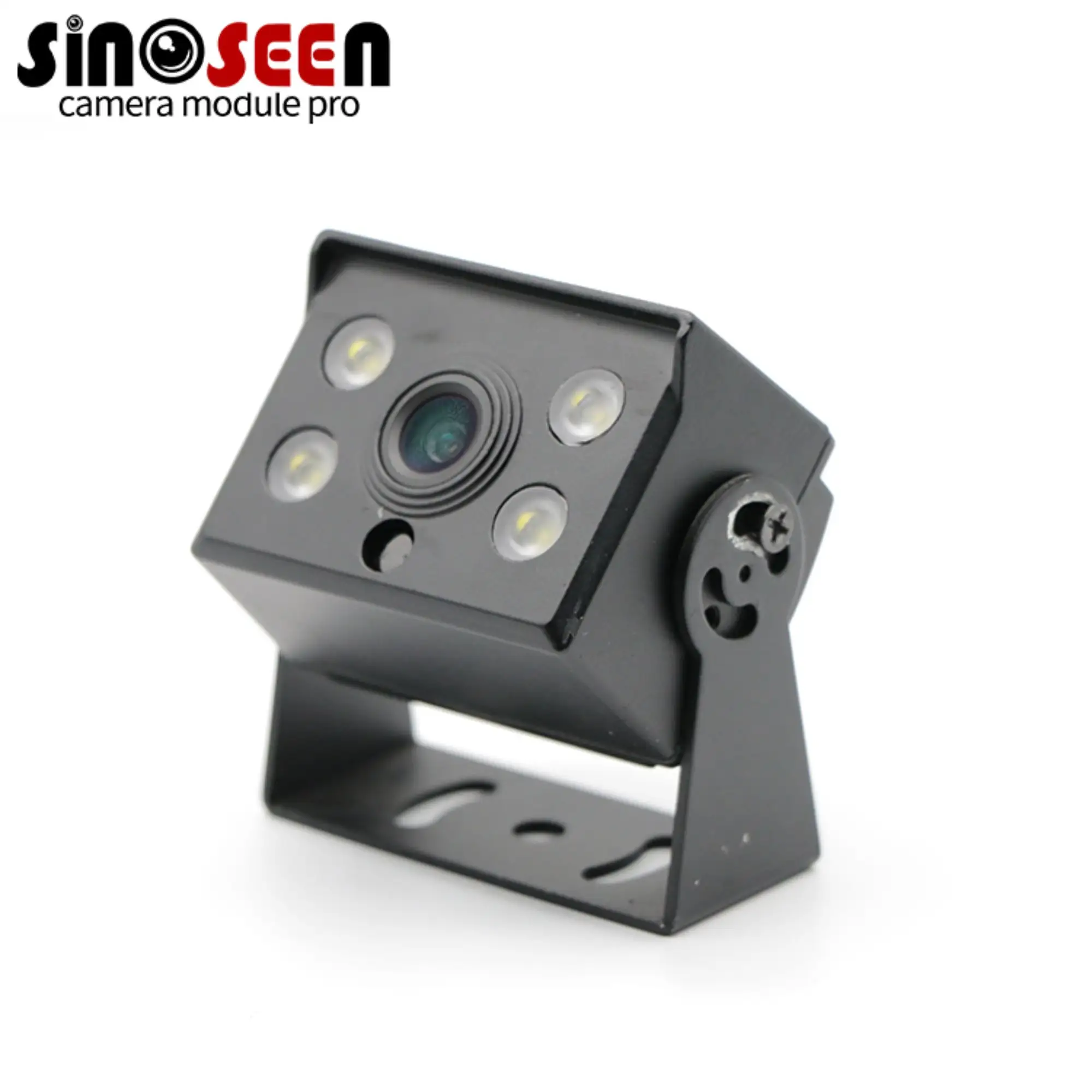
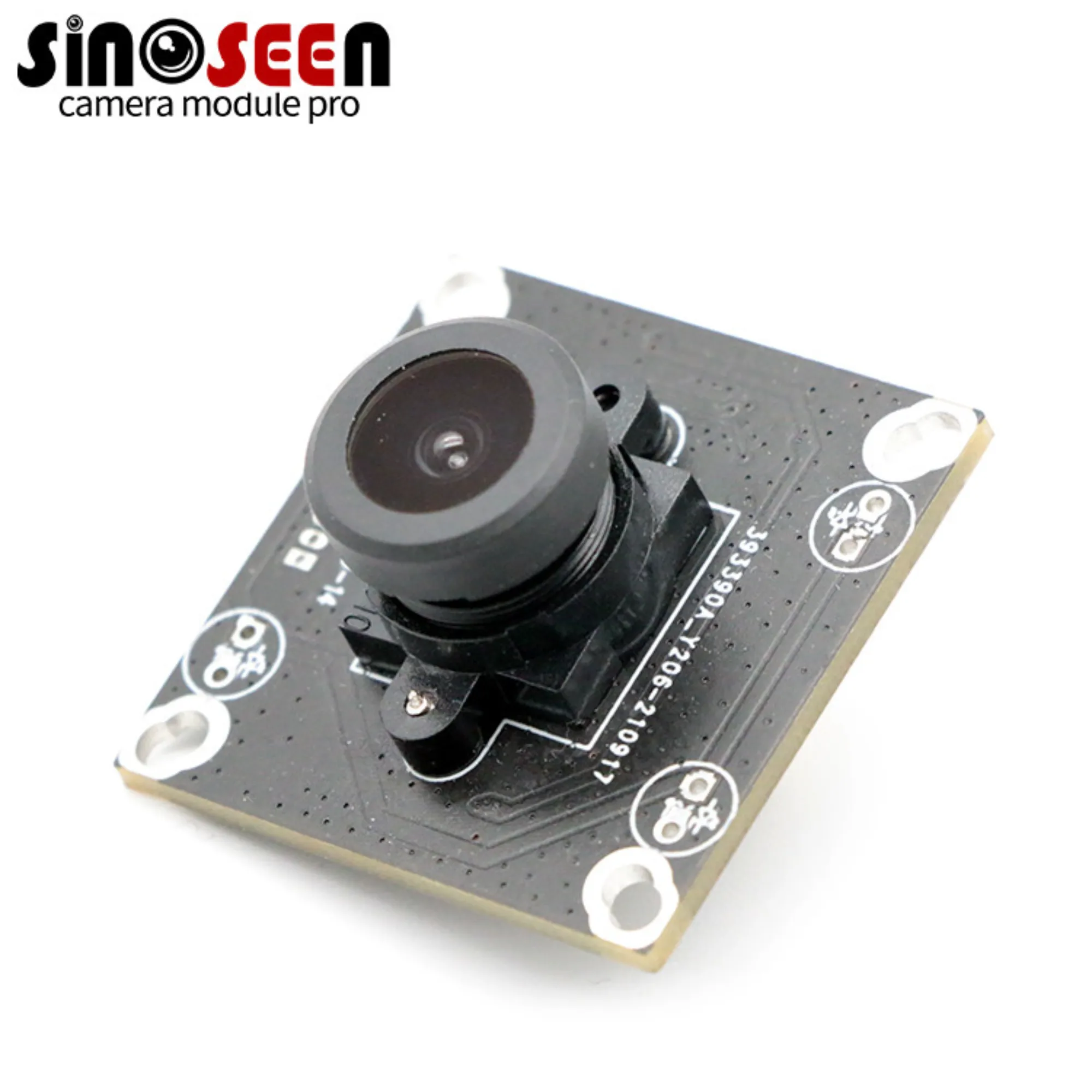
cmos imaging module
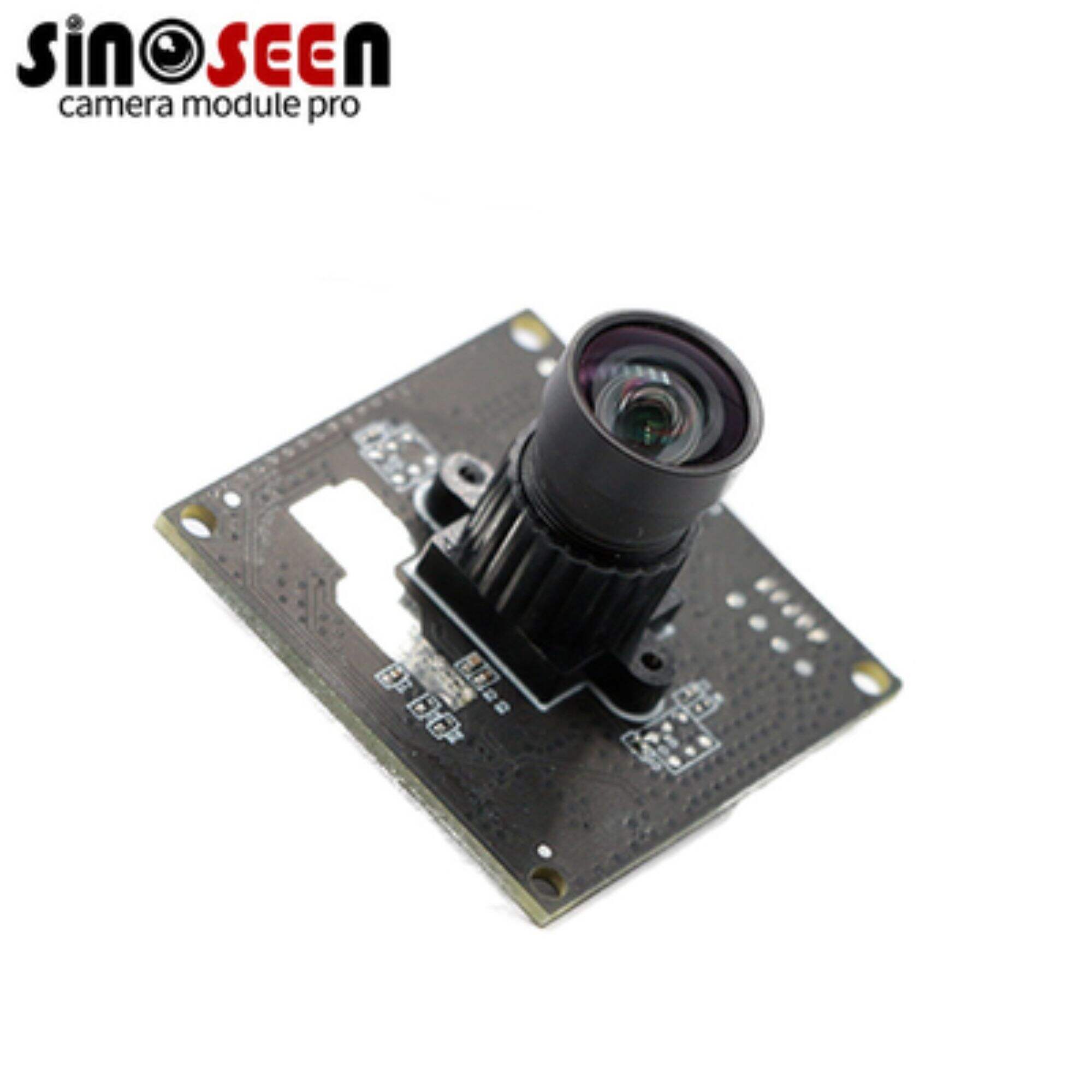
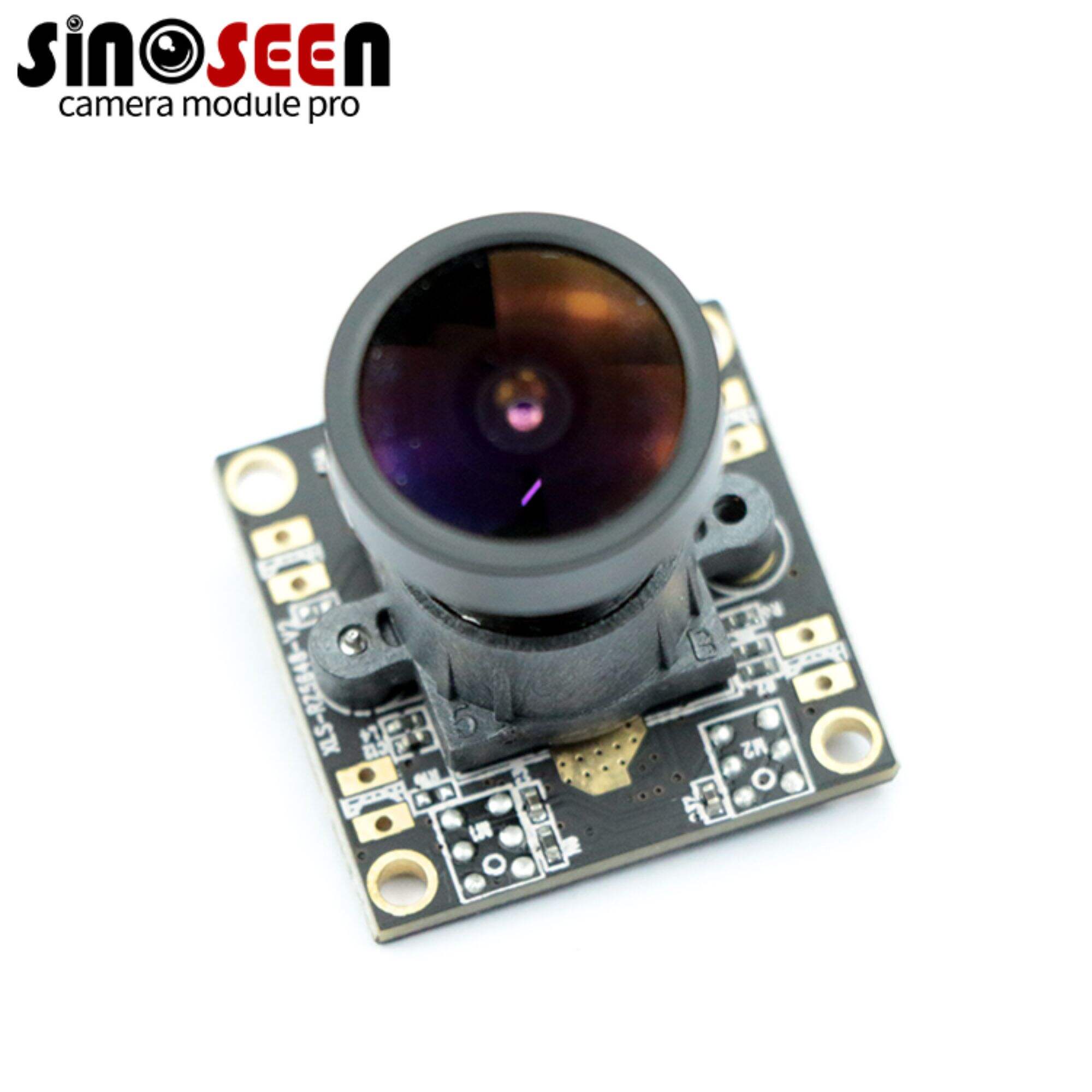
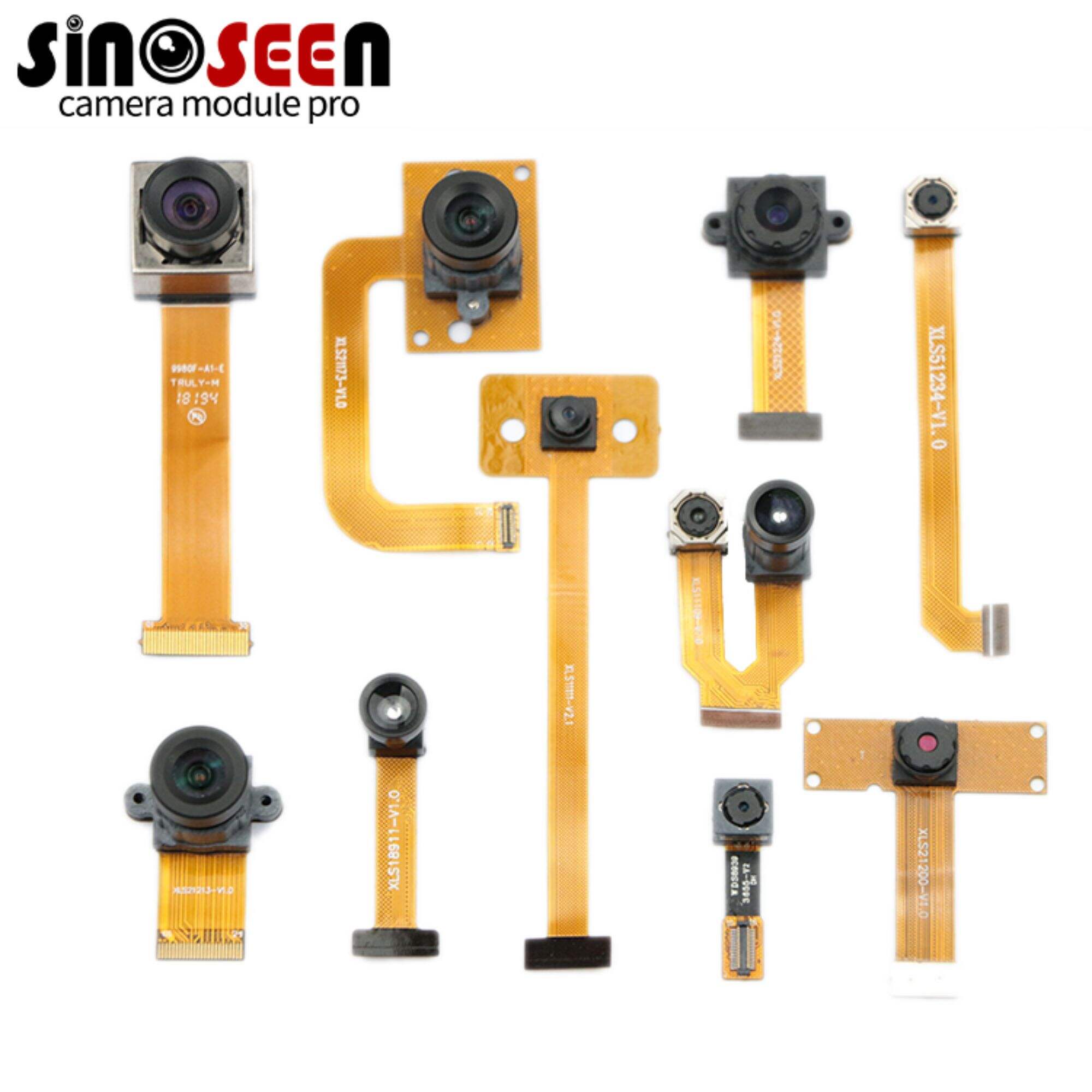
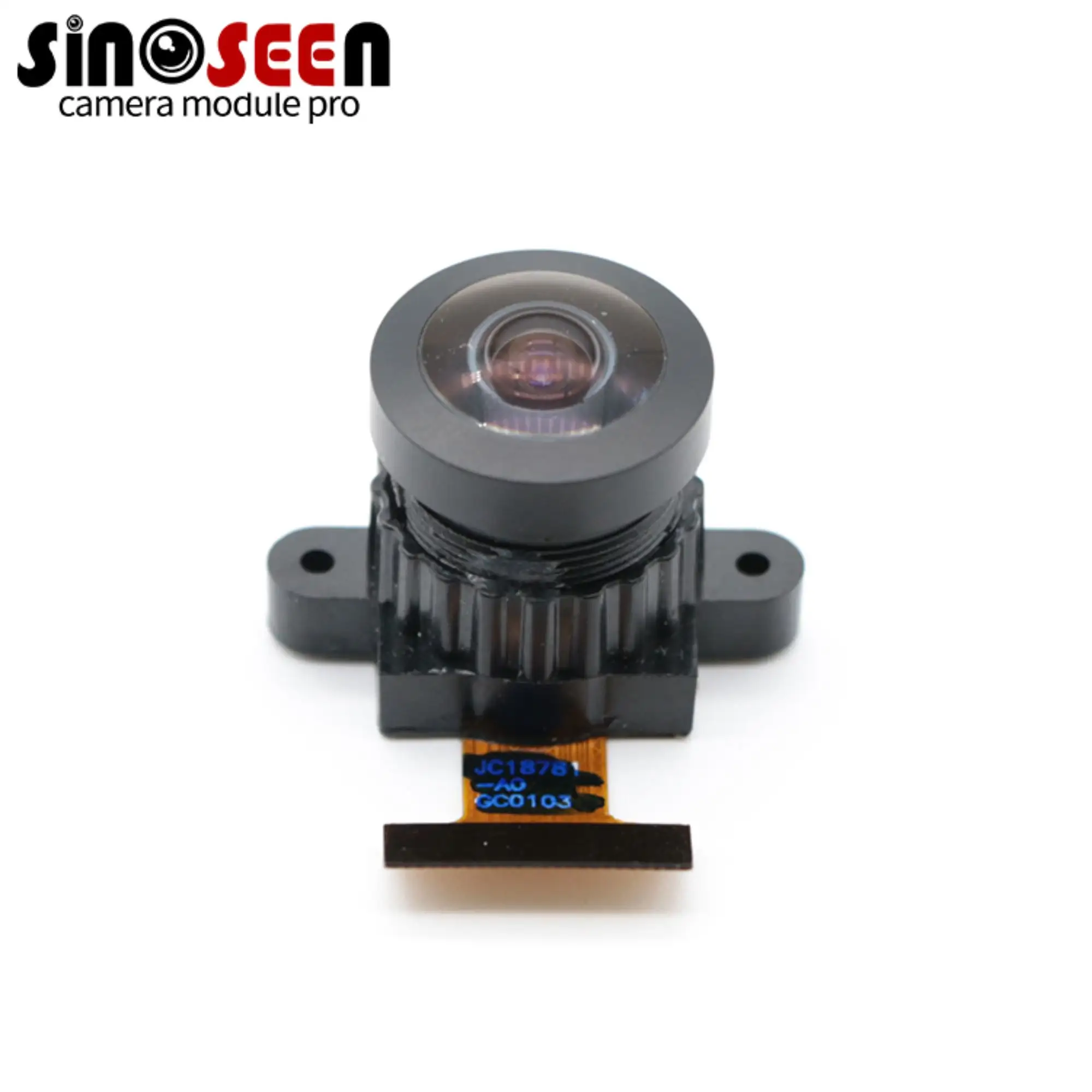
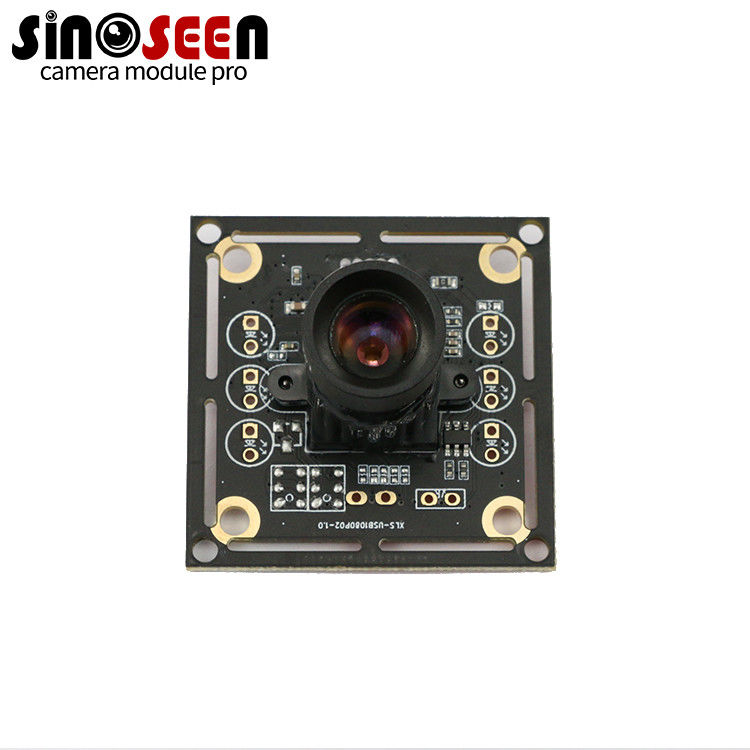
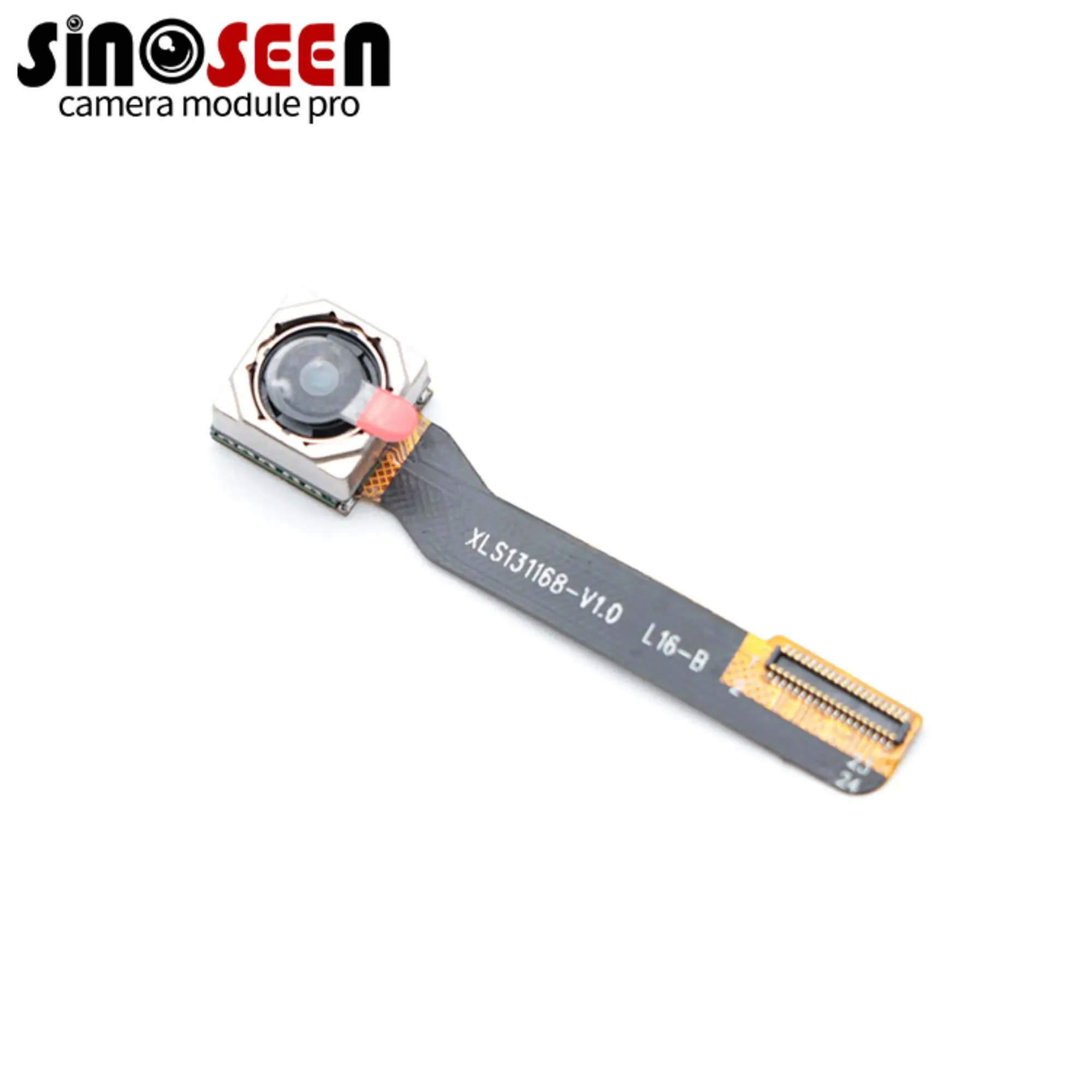
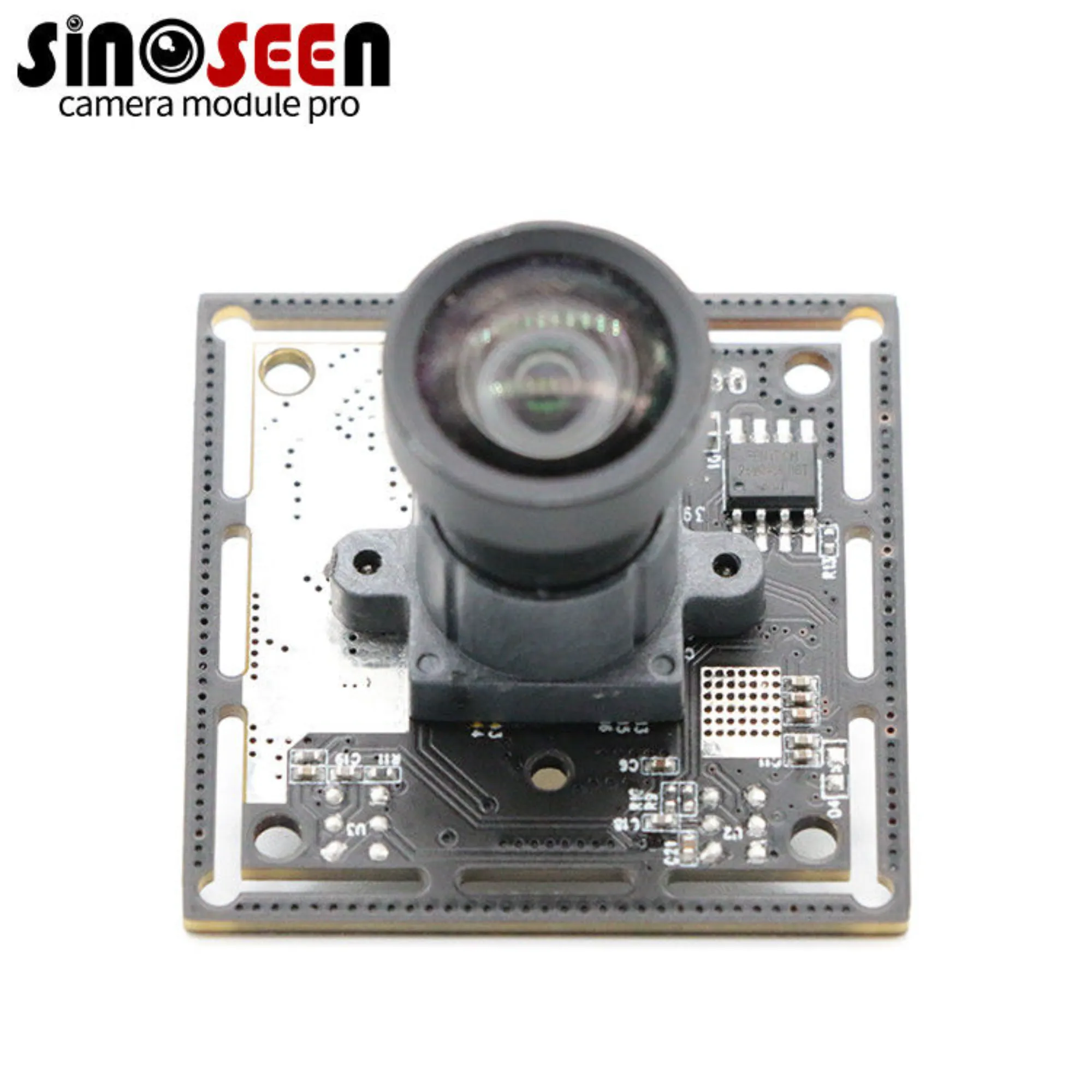
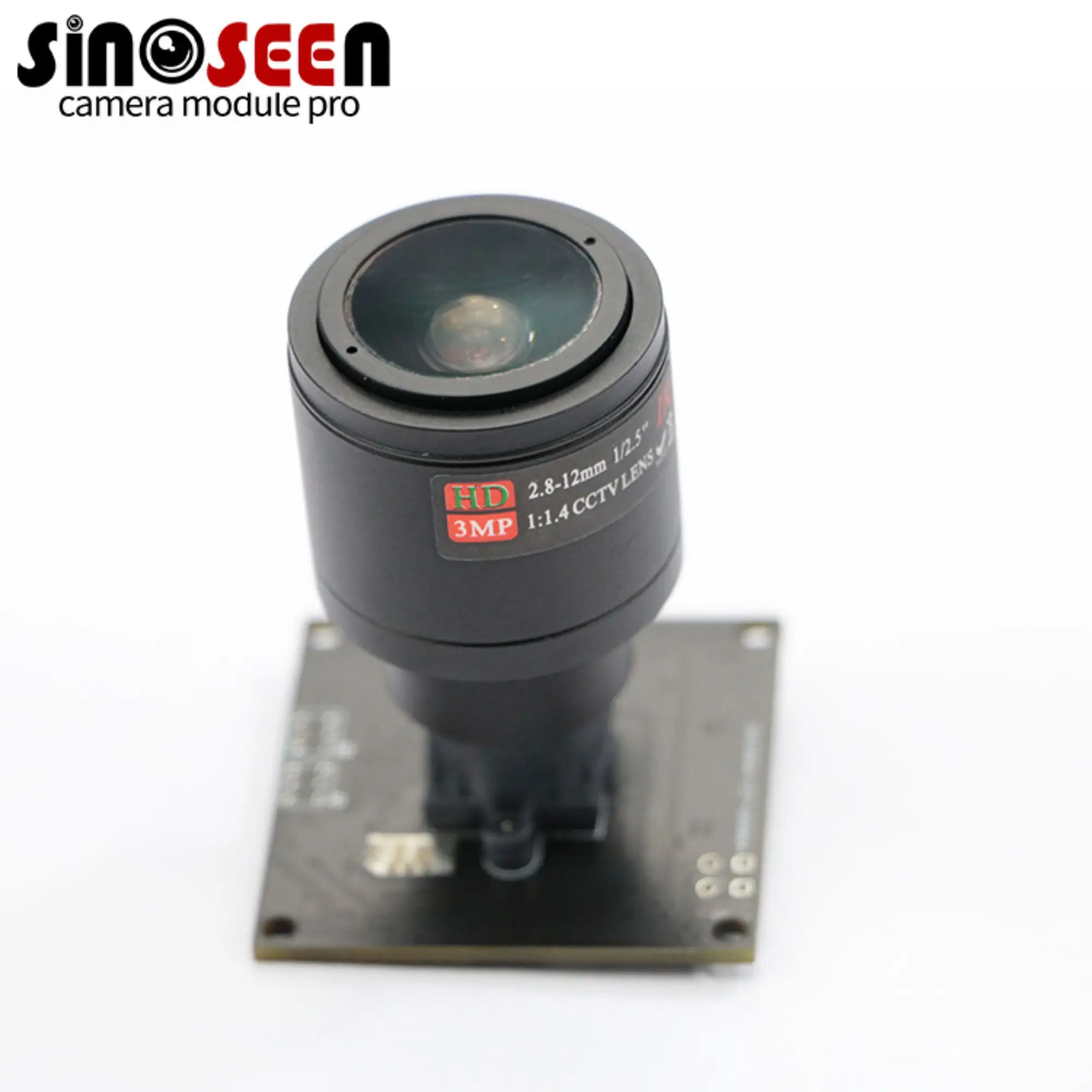
The CMOS imaging module represents a revolutionary advancement in digital photography and video capture technology, fundamentally transforming how we perceive and record visual information across countless applications. This sophisticated electronic component combines a complementary metal-oxide-semiconductor sensor with integrated processing circuitry to deliver exceptional image quality and performance efficiency. The CMOS imaging module operates by converting light photons into electrical signals through photodiodes arranged in a pixel array, subsequently processing these signals into digital image data that can be stored, transmitted, or displayed. Modern CMOS imaging modules incorporate advanced technological features including high-resolution sensors ranging from basic VGA formats to ultra-high-definition 4K and beyond, enabling crystal-clear image capture with remarkable detail preservation. The module's architectural design integrates analog-to-digital converters, amplifiers, and signal processing units directly onto the sensor chip, creating a compact and efficient imaging solution. Key technological characteristics include low power consumption, high-speed data transfer capabilities, and excellent noise reduction algorithms that ensure superior image quality even in challenging lighting conditions. The CMOS imaging module supports various output formats including raw sensor data, compressed JPEG images, and real-time video streams, making it versatile for diverse implementation requirements. Advanced features such as automatic exposure control, white balance adjustment, and digital zoom functionality are seamlessly integrated into modern CMOS imaging modules. These modules find extensive applications across consumer electronics, automotive safety systems, medical imaging equipment, security surveillance cameras, industrial inspection machinery, and smartphone photography systems. The compact form factor and standardized interface protocols make CMOS imaging modules easily integrable into existing hardware designs, while their robust construction ensures reliable operation across wide temperature ranges and environmental conditions.

 EN
EN
 AR
AR
 DA
DA
 NL
NL
 FI
FI
 FR
FR
 DE
DE
 EL
EL
 HI
HI
 IT
IT
 JA
JA
 KO
KO
 NO
NO
 PL
PL
 PT
PT
 RO
RO
 RU
RU
 ES
ES
 SV
SV
 TL
TL
 IW
IW
 ID
ID
 SR
SR
 VI
VI
 HU
HU
 TH
TH
 TR
TR
 FA
FA
 MS
MS
 IS
IS
 AZ
AZ
 UR
UR
 BN
BN
 HA
HA
 LO
LO
 MR
MR
 MN
MN
 PA
PA
 MY
MY
 SD
SD