Innovative Camera Modules for Every Application | Sinoseen

All Categories

cmos sensor module

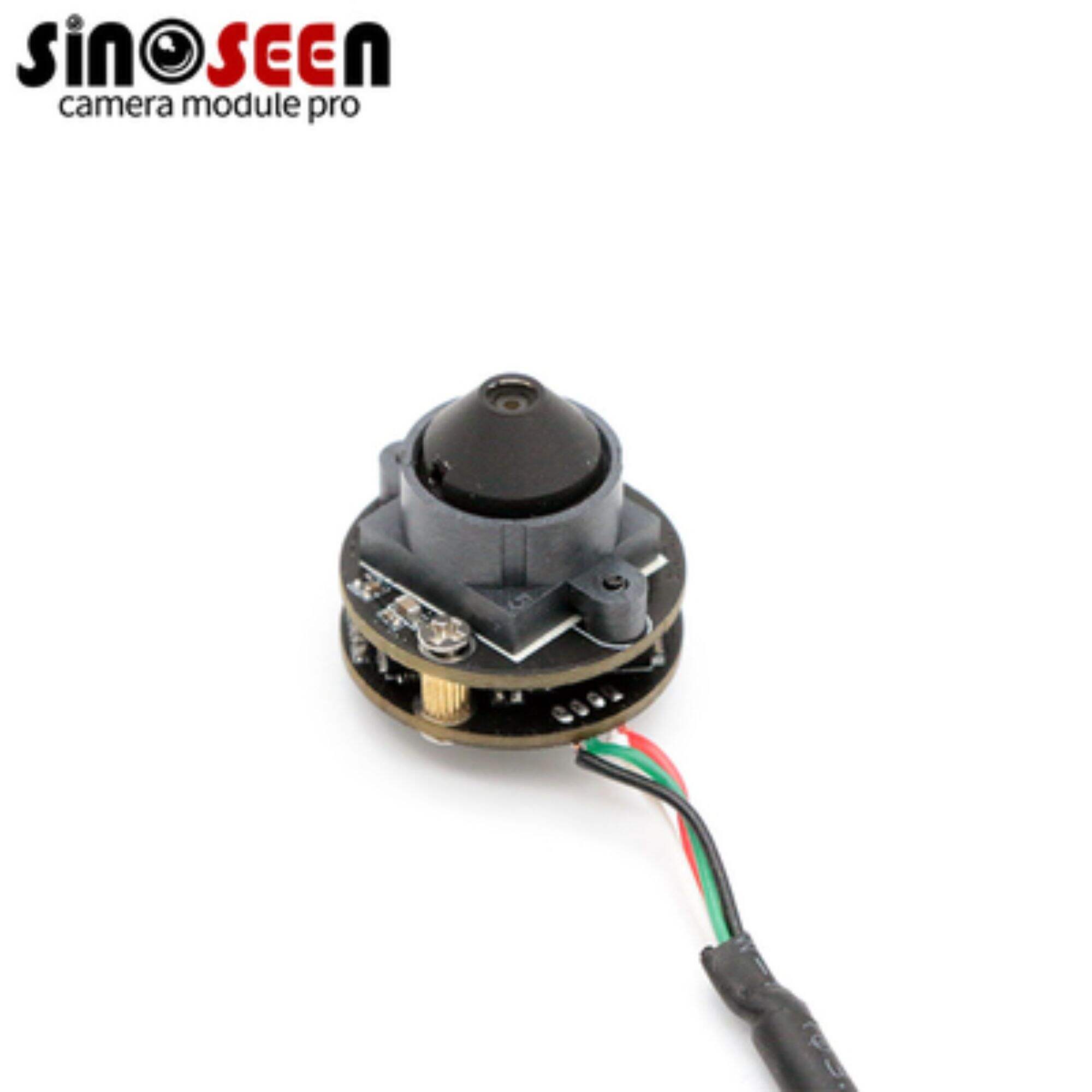
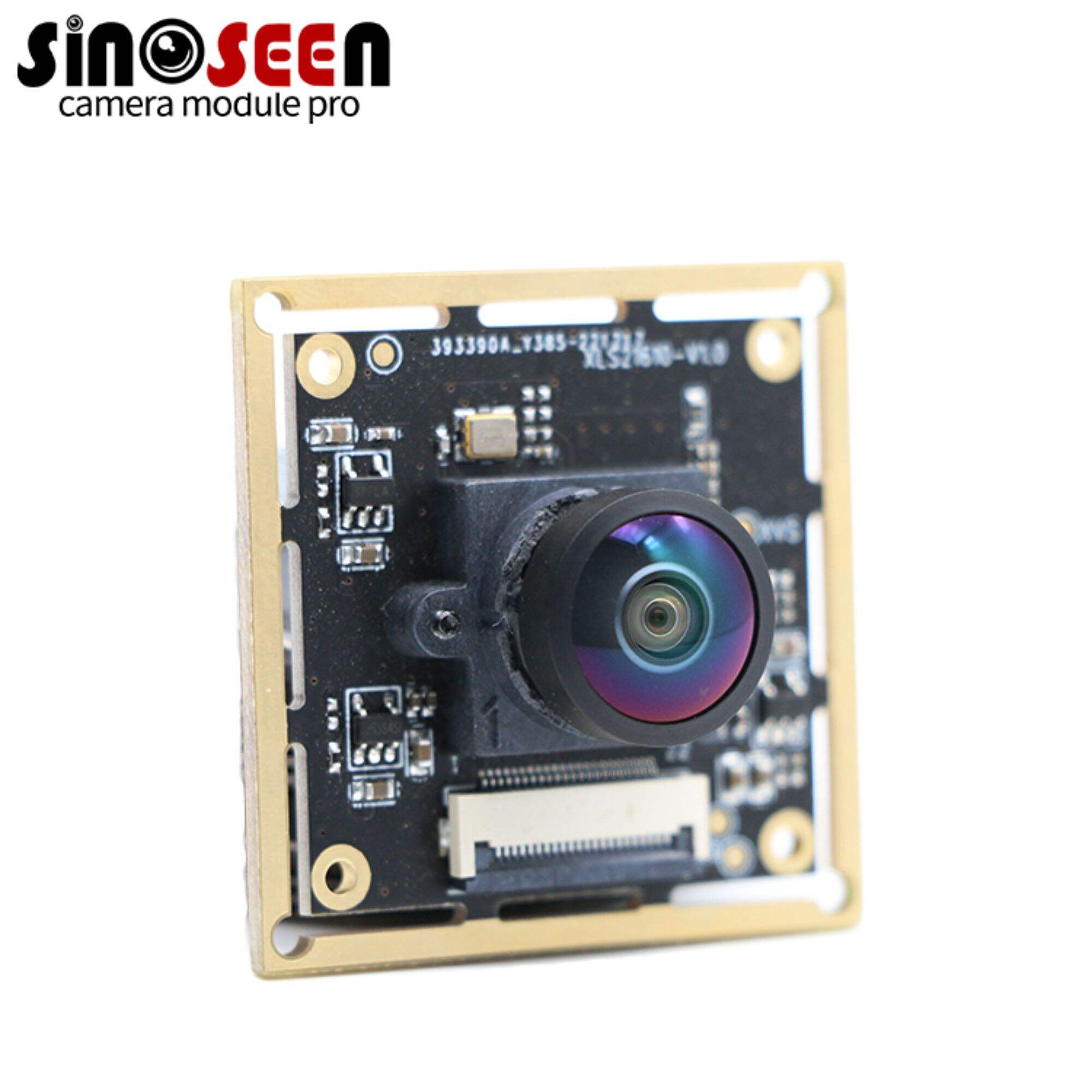
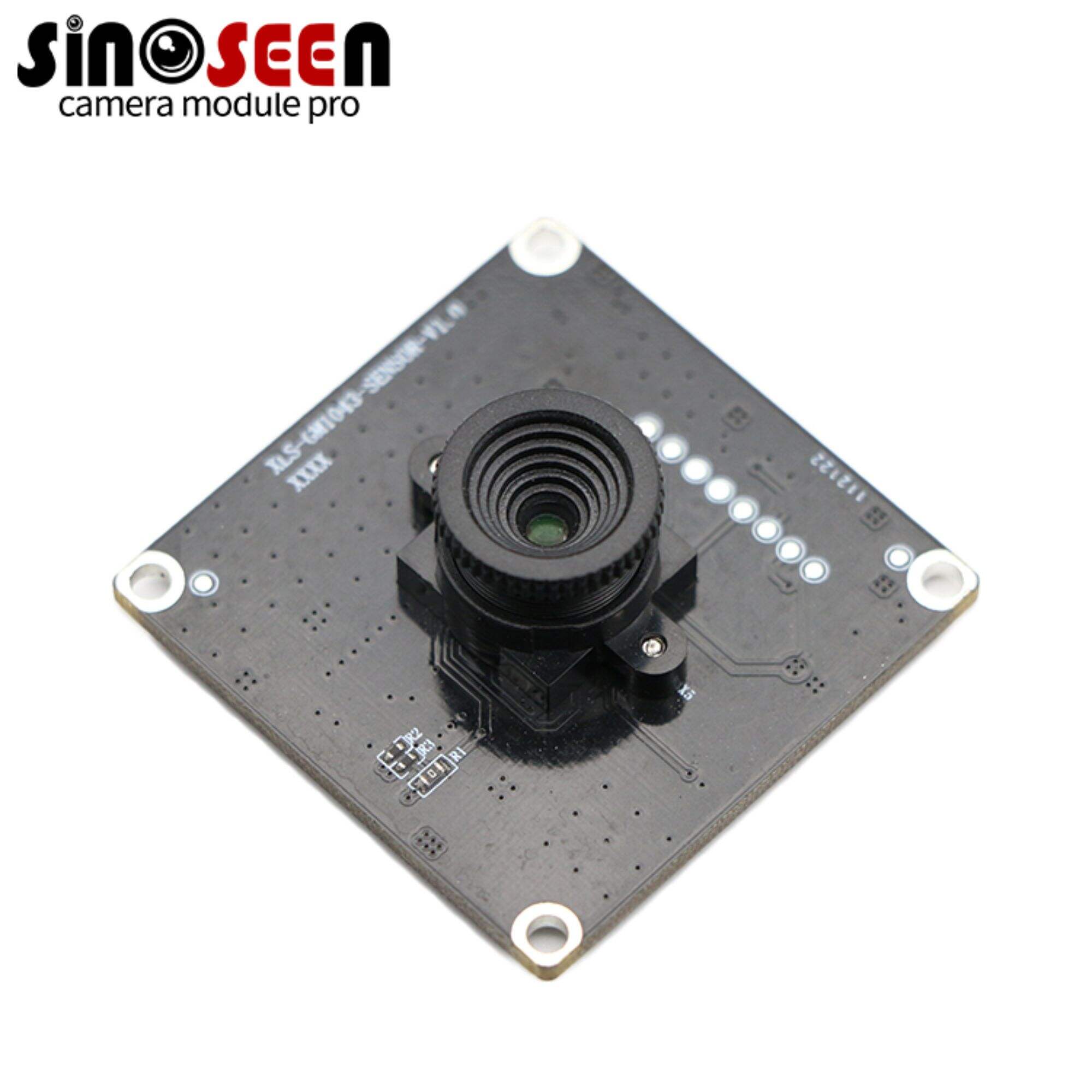
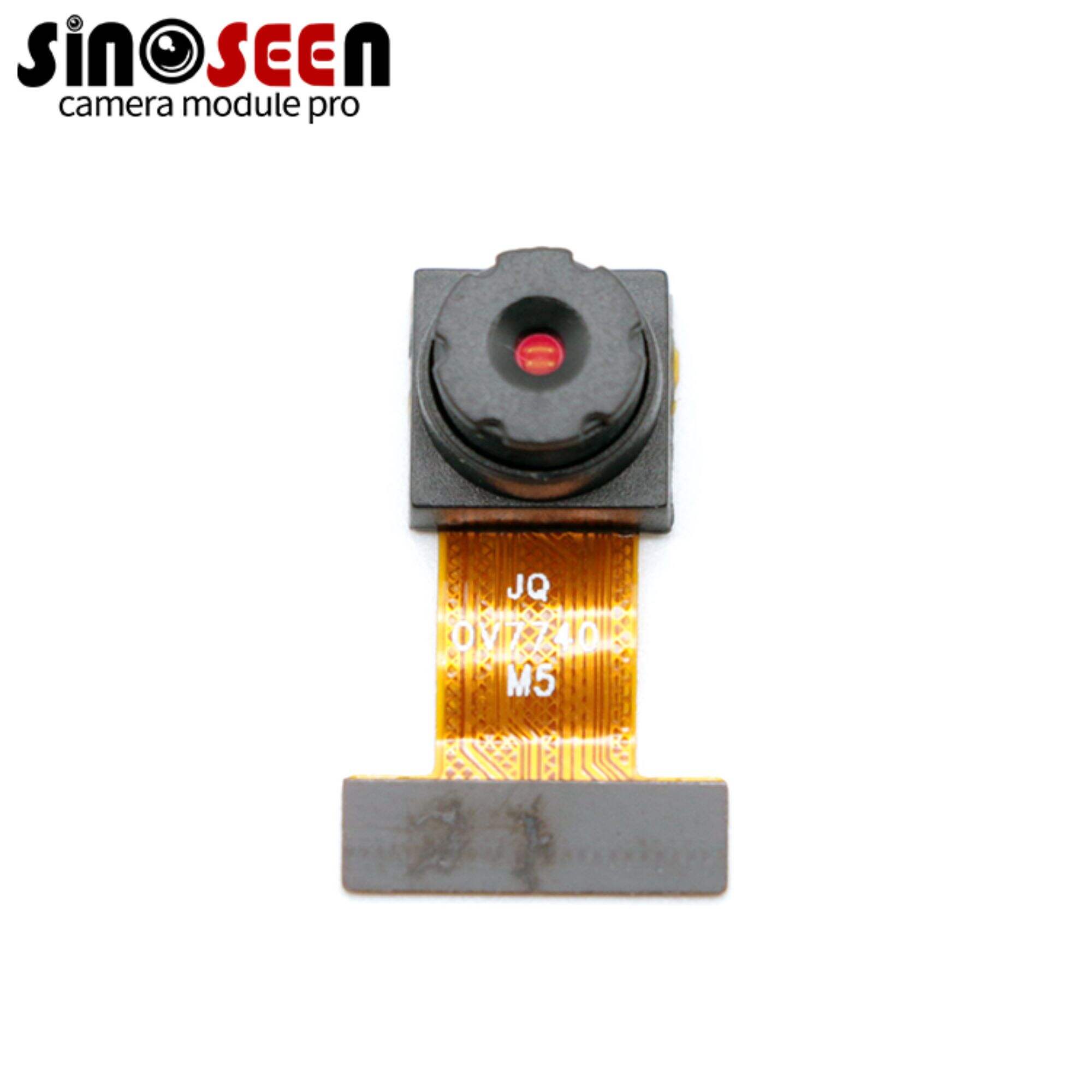
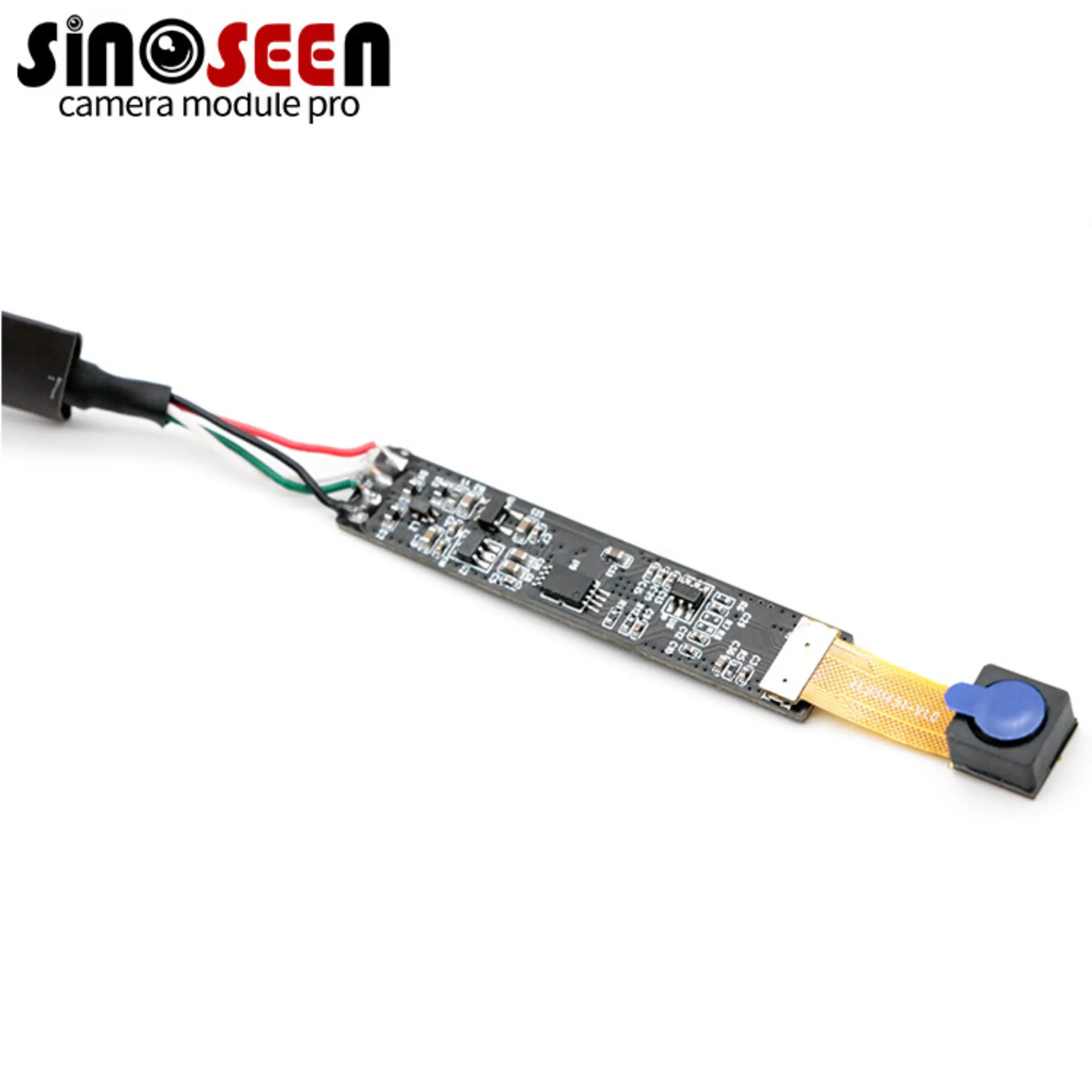
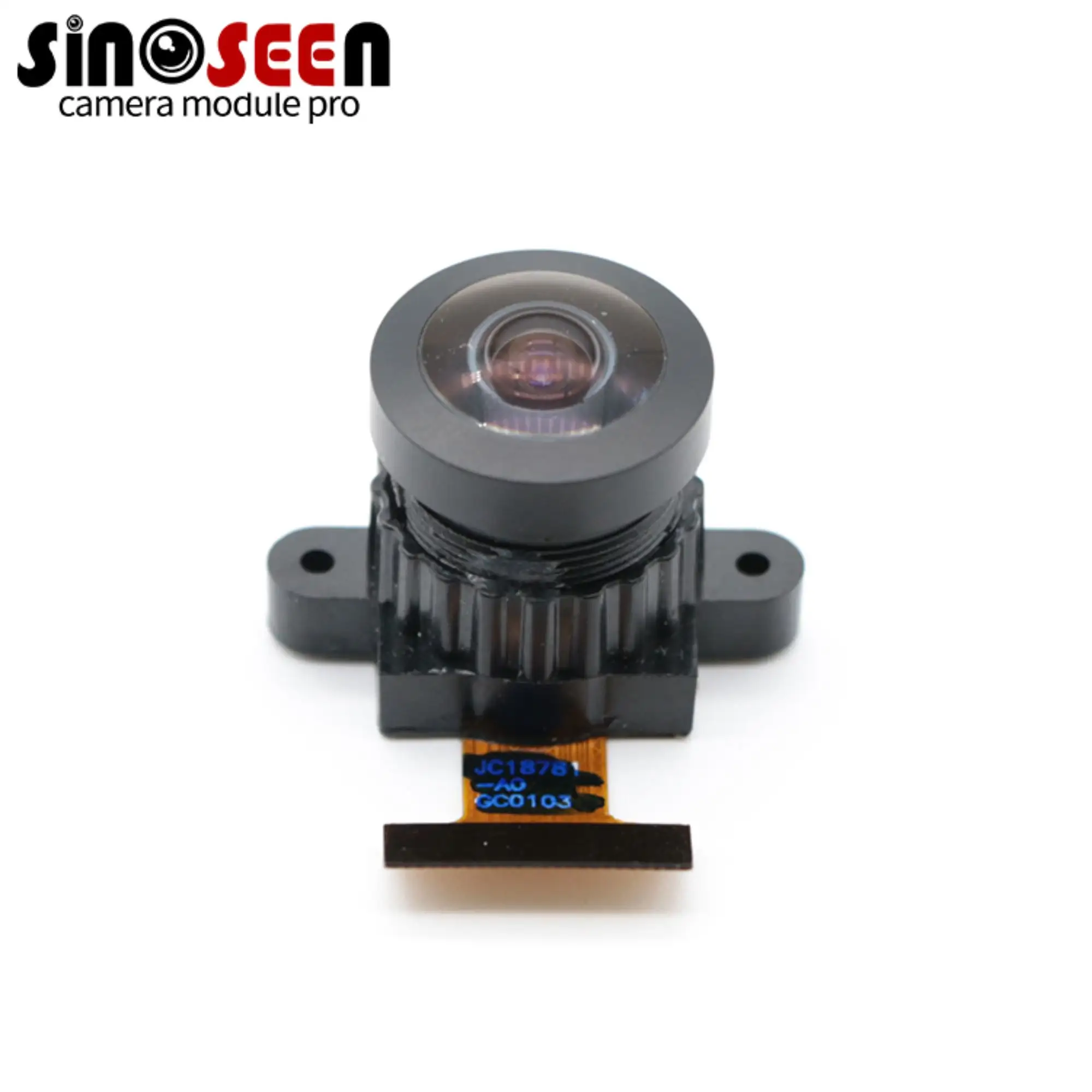
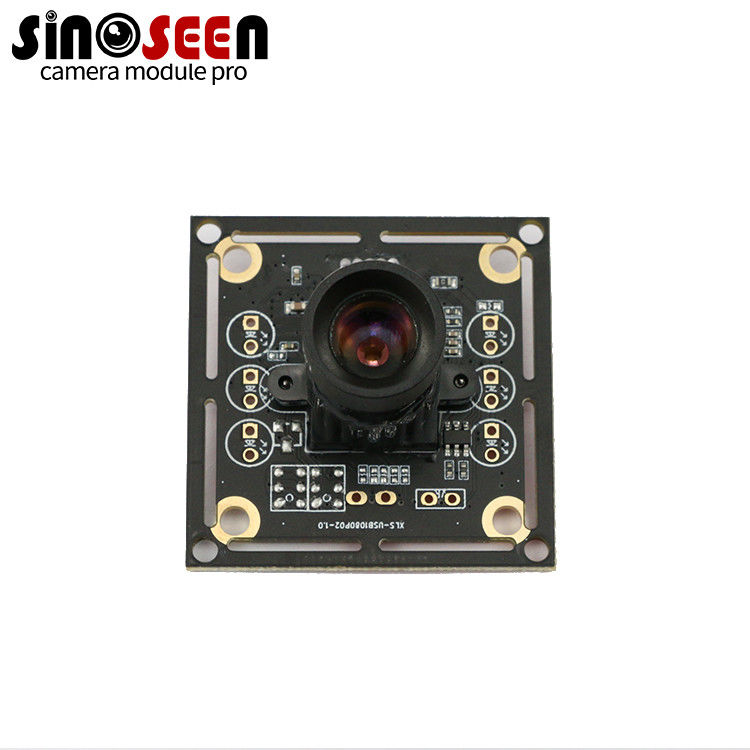
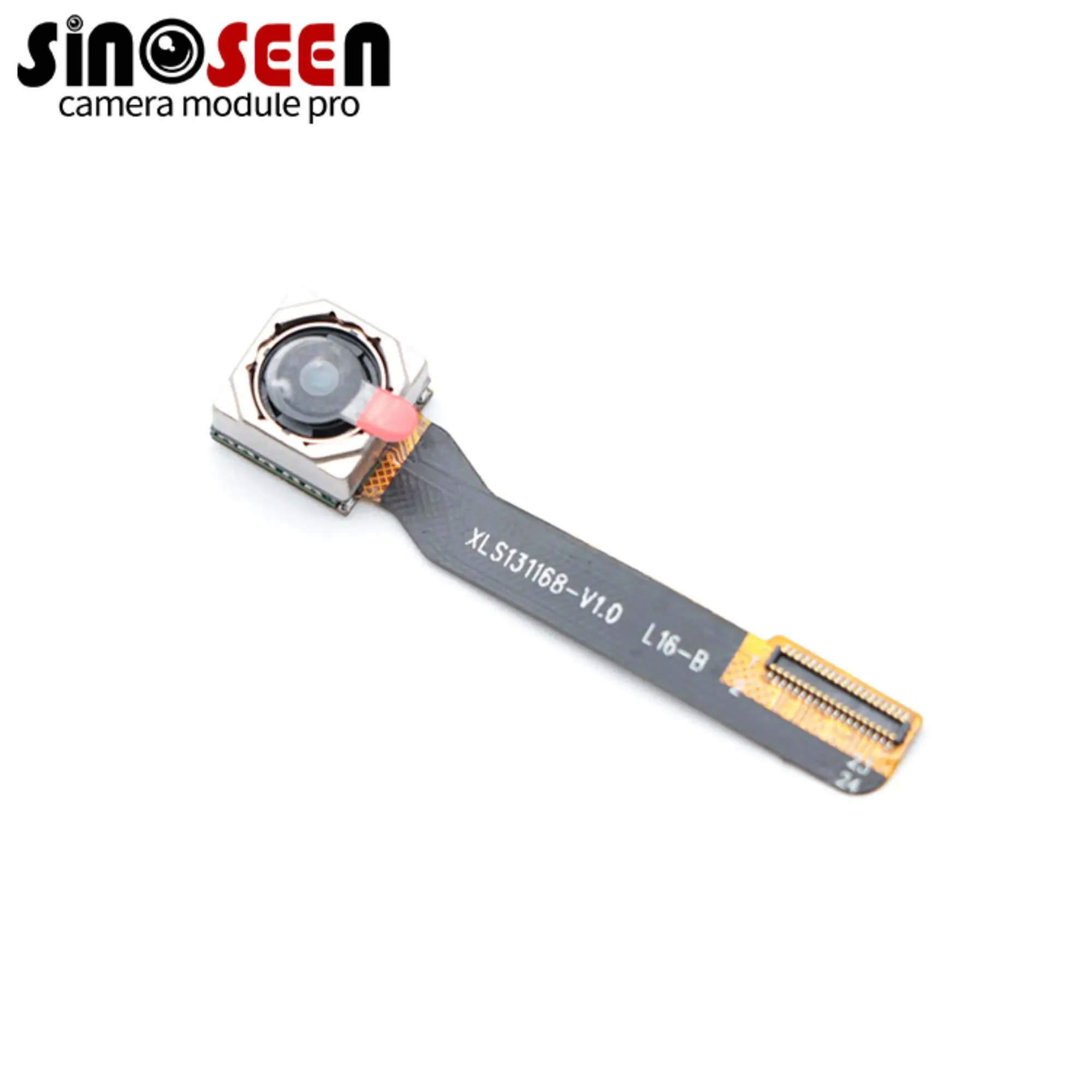
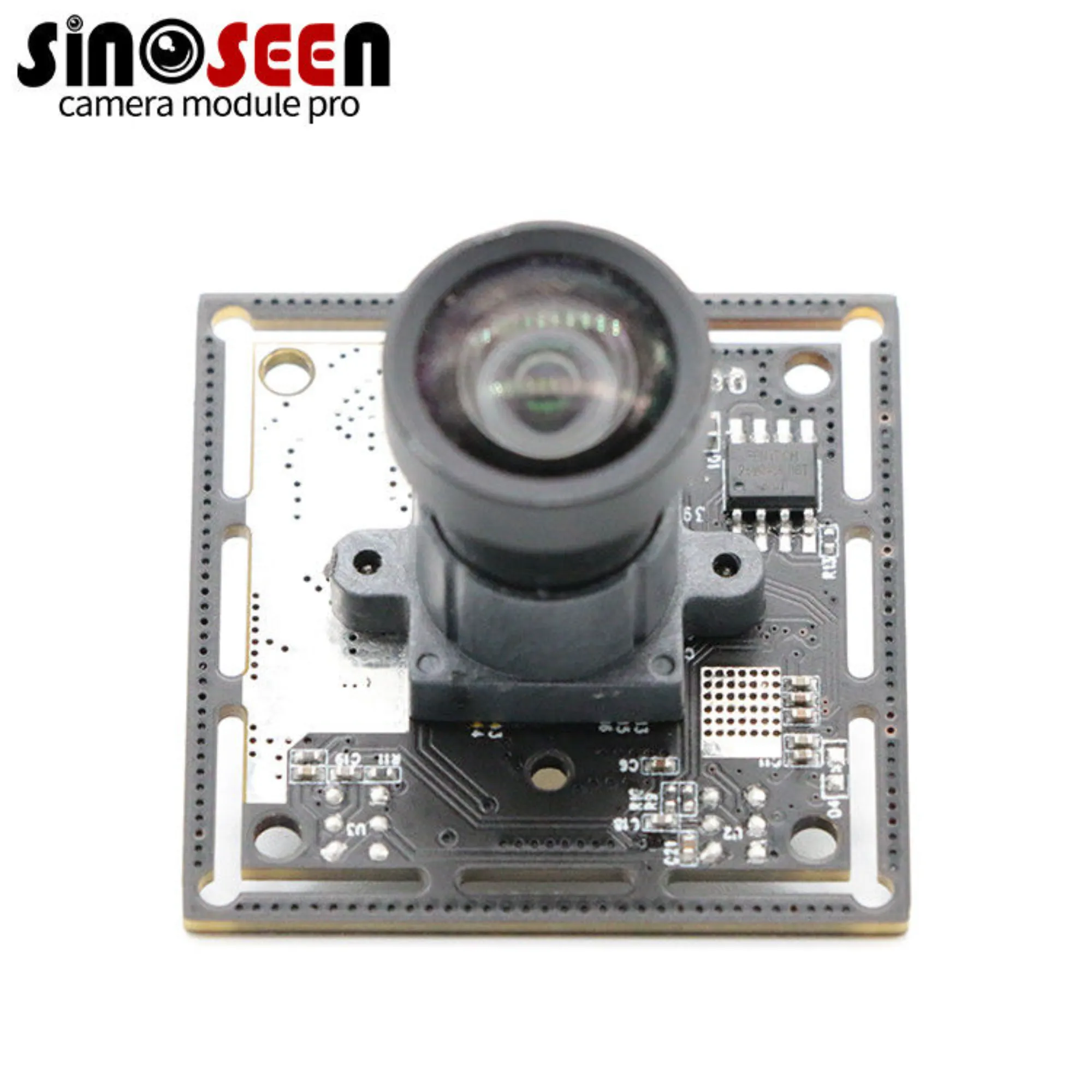
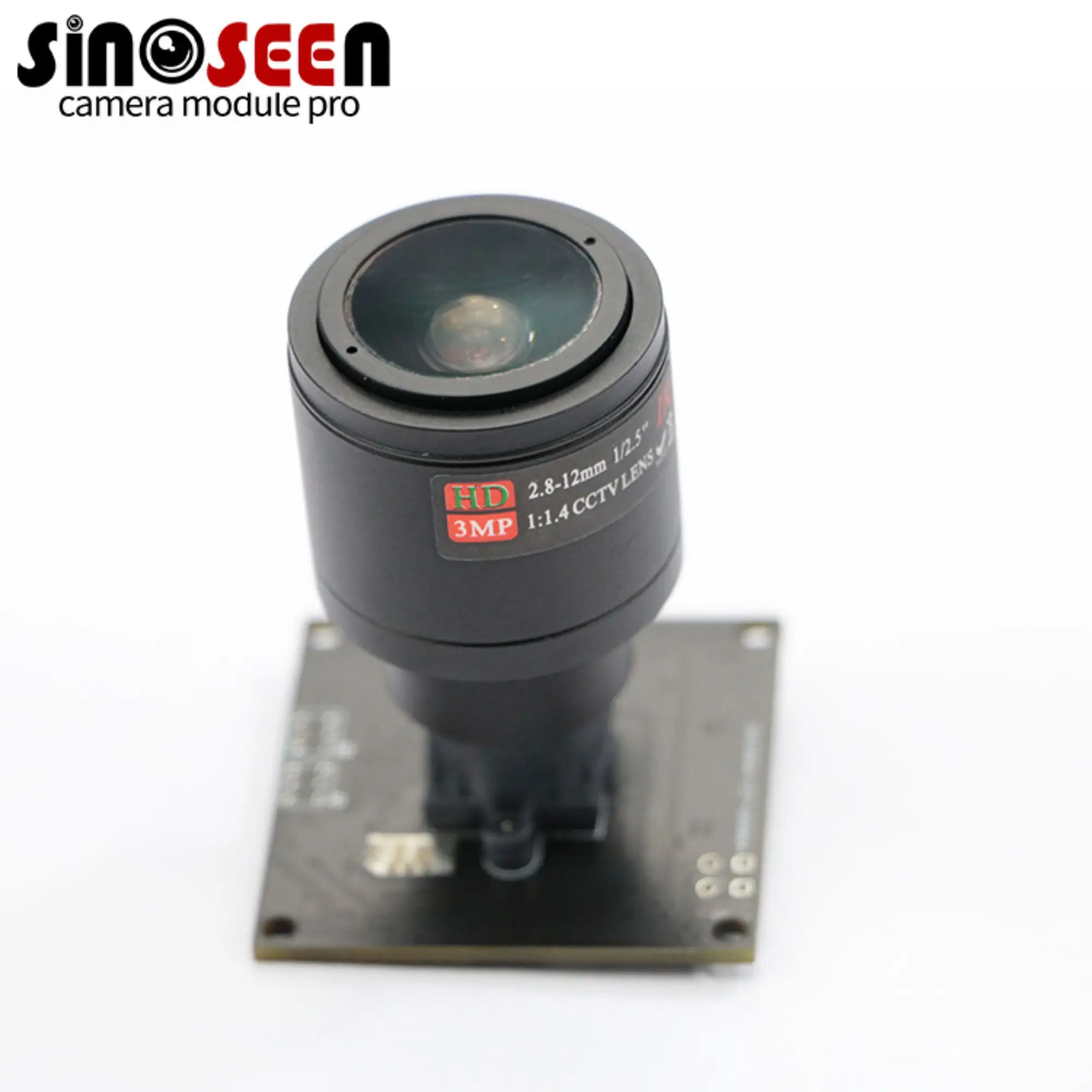
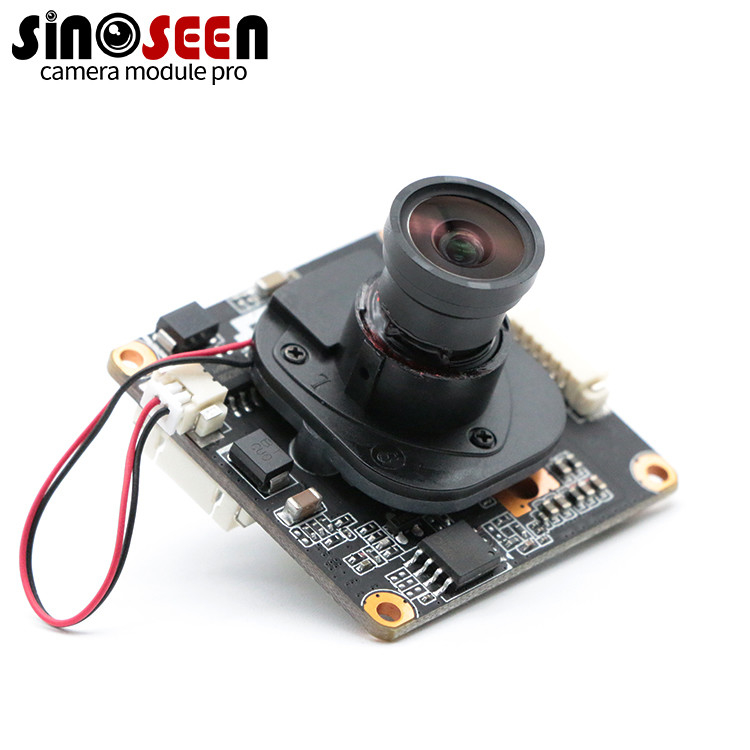
A CMOS sensor module represents a sophisticated imaging technology that captures and converts light into digital signals through complementary metal-oxide-semiconductor fabrication processes. This compact electronic component serves as the foundation for modern digital cameras, smartphones, security systems, and industrial vision applications. The CMOS sensor module integrates multiple layers of photodiodes, transistors, and processing circuits onto a single silicon wafer, enabling efficient light detection and image formation. Unlike traditional CCD sensors, the CMOS sensor module incorporates on-chip amplification and analog-to-digital conversion capabilities, resulting in faster processing speeds and reduced power consumption. The module typically consists of a pixel array where each individual pixel contains a photodiode that generates electrical charges proportional to incident light intensity. These charges are then converted through integrated circuitry into digital values that represent image data. Modern CMOS sensor modules feature advanced pixel architectures including back-side illumination technology, which improves light sensitivity by relocating metal interconnects away from the light-receiving surface. The technological framework includes sophisticated color filter arrays, typically arranged in Bayer patterns, that enable accurate color reproduction across the visible spectrum. Anti-aliasing filters and micro-lenses further enhance image quality by reducing optical distortions and maximizing light collection efficiency. Contemporary CMOS sensor modules support various output formats including raw data streams, compressed formats, and real-time video transmission protocols. Integration capabilities extend to embedded image signal processors that handle automatic exposure control, white balance adjustment, and noise reduction algorithms directly within the module. Applications span across consumer electronics, automotive systems, medical imaging devices, surveillance equipment, and aerospace instrumentation, where reliable performance and compact form factors are essential requirements.

Popular Products

The CMOS sensor module delivers exceptional power efficiency compared to alternative imaging technologies, consuming significantly less energy during operation. This efficiency stems from the integrated circuit design that processes signals locally within each pixel, eliminating the need for external charge transfer mechanisms that drain battery life. Users benefit from extended device operation periods, making CMOS sensor modules ideal for portable electronics and remote monitoring systems where power conservation is crucial. The manufacturing process for CMOS sensor modules utilizes standard semiconductor fabrication techniques, resulting in cost-effective production at scale. This economic advantage translates directly to consumers through more affordable imaging devices without compromising performance quality. The streamlined production process also enables rapid customization for specific applications, allowing manufacturers to optimize sensor characteristics for particular use cases. Integration capabilities represent another significant advantage, as CMOS sensor modules can incorporate multiple functions onto a single chip. Built-in image processing, analog-to-digital conversion, and control logic eliminate the need for separate components, reducing overall system complexity and manufacturing costs. This integration also improves reliability by minimizing interconnection points that could potentially fail. Speed performance of CMOS sensor modules surpasses traditional alternatives through parallel processing capabilities. Each pixel operates independently, enabling simultaneous readout across the entire sensor array. This parallel architecture supports high-frame-rate video capture, rapid still image acquisition, and real-time processing applications. Users experience faster autofocus performance, reduced shutter lag, and smoother video recording capabilities. Flexibility in sensor design allows CMOS sensor modules to accommodate various pixel sizes, resolutions, and aspect ratios within the same manufacturing framework. This adaptability enables optimization for specific applications, whether prioritizing low-light sensitivity, high resolution, or compact size. The technology supports both global and rolling shutter modes, providing options for different motion capture requirements. Noise performance in modern CMOS sensor modules has improved dramatically through advanced circuit design and manufacturing processes. Lower noise levels result in cleaner images, particularly in challenging lighting conditions. Users benefit from better image quality across diverse shooting scenarios without requiring additional noise reduction equipment.

Practical Tips

Why Choose a High-Performance Embedded Camera Module for AI Applications?

02

Mar

Why Choose a High-Performance Embedded Camera Module for AI Applications?

Artificial intelligence applications demand precision, speed, and reliability in their visual data acquisition systems. An embedded camera module serves as the critical foundation for AI-powered devices, from autonomous vehicles to smart manufacturin...
View More
 How to Select the Right AI Camera Module for Facial Recognition Systems?

02

Mar

How to Select the Right AI Camera Module for Facial Recognition Systems?

Selecting the appropriate AI camera module for facial recognition systems represents a critical decision that directly impacts system performance, accuracy, and overall operational efficiency. Modern facial recognition applications demand sophisticat...
View More
How to Optimize Low-Light Performance in Custom Camera Module Designs?

02

Mar

How to Optimize Low-Light Performance in Custom Camera Module Designs?

Custom camera module designs face unique challenges when operating in environments with minimal illumination, making low-light performance optimization a critical engineering consideration. Modern applications ranging from security surveillance to au...
View More
How to Integrate a Small Camera Module into Compact Medical Devices?

02

Mar

How to Integrate a Small Camera Module into Compact Medical Devices?

Medical device miniaturization continues to revolutionize healthcare, enabling less invasive procedures and improved patient outcomes. When designing compact medical equipment, integrating a small camera module requires careful consideration of space...
View More

Get In Touch

cmos sensor module

Advanced Low-Light Performance and Sensitivity

Advanced Low-Light Performance and Sensitivity

The CMOS sensor module excels in challenging lighting conditions through sophisticated photodiode design and advanced pixel architecture that maximizes light capture efficiency. Modern implementations feature enlarged pixel structures with improved fill factors, meaning more surface area within each pixel is dedicated to light collection rather than circuitry. This design optimization allows the CMOS sensor module to gather more photons per pixel, resulting in significantly improved performance during dawn, dusk, and indoor photography scenarios. Back-side illumination technology further enhances sensitivity by relocating metal wiring layers to the back of the sensor, eliminating obstructions that previously blocked incoming light. This architectural improvement can increase light sensitivity by up to 40 percent compared to front-side illuminated designs. The technology incorporates advanced noise reduction circuitry that operates at the pixel level, minimizing electronic interference that typically degrades image quality in low-light situations. Correlated double sampling techniques eliminate reset noise and other electronic artifacts, ensuring clean signal processing even when amplifying weak light signals. Multiple conversion gain modes allow the CMOS sensor module to adapt dynamically to varying light conditions, switching between high and low gain settings to optimize signal-to-noise ratios automatically. This adaptability ensures consistent image quality across diverse lighting scenarios without manual intervention. Advanced microlens arrays focus more light onto each photodiode, further improving quantum efficiency and overall light gathering capability. These microscopic lenses are precisely manufactured and positioned to maximize light collection while minimizing optical crosstalk between adjacent pixels. The result is improved image clarity, reduced noise, and enhanced color accuracy in challenging lighting conditions that would typically produce poor results with conventional imaging sensors.
High-Speed Processing and Real-Time Capabilities

High-Speed Processing and Real-Time Capabilities

The CMOS sensor module delivers exceptional processing speed through parallel readout architecture that enables simultaneous data acquisition from multiple pixels across the sensor array. This fundamental design advantage allows the system to capture and process image data at rates exceeding traditional sequential readout methods by substantial margins. The parallel processing capability supports high-frame-rate video recording, burst photography modes, and real-time image analysis applications that demand immediate response times. Integrated analog-to-digital converters within the CMOS sensor module eliminate bottlenecks associated with external conversion processes, ensuring rapid signal processing from light capture to digital output. Column-parallel ADC architectures enable simultaneous conversion of multiple pixel columns, dramatically reducing readout times compared to single-converter systems. This processing speed advantage becomes particularly valuable in applications requiring rapid decision-making, such as automotive safety systems, industrial quality control, and sports photography where capturing fast-moving subjects is essential. The CMOS sensor module supports variable frame rates and region-of-interest readout modes that further enhance processing speed by focusing computational resources on specific image areas. This selective processing capability enables real-time tracking of moving objects, automatic focus adjustment, and exposure optimization without processing the entire sensor array. Advanced timing control circuits within the module coordinate these operations seamlessly, maintaining synchronization between different processing stages. Global shutter functionality available in many CMOS sensor modules eliminates motion artifacts that occur with rolling shutter designs, particularly important for capturing fast-moving subjects or operating in environments with rapid lighting changes. The high-speed processing capabilities extend to integrated image signal processing functions including automatic exposure control, white balance adjustment, and noise reduction algorithms that operate in real-time without external processing requirements. This comprehensive processing power enables immediate image enhancement and optimization, reducing the computational load on connected systems while improving overall performance efficiency.
Compact Integration and Versatile Applications

Compact Integration and Versatile Applications

The CMOS sensor module achieves remarkable miniaturization through advanced semiconductor manufacturing processes that integrate multiple imaging functions onto a single silicon substrate. This integration eliminates the need for separate components traditionally required for image capture, processing, and output, resulting in substantial space savings for device designers. The compact form factor enables integration into increasingly smaller devices while maintaining high performance standards, making the CMOS sensor module ideal for smartphones, wearable devices, and embedded vision systems where space constraints are critical. Modular design approaches allow customization of the CMOS sensor module for specific application requirements without redesigning the entire imaging system. Standardized interface protocols enable seamless integration with various processing platforms, reducing development time and costs for manufacturers. The module includes built-in calibration capabilities that automatically adjust for manufacturing variations and environmental conditions, ensuring consistent performance across different units and operating conditions. Flexible mounting options and compact packaging formats accommodate diverse mechanical integration requirements, from surface-mount applications to threaded lens assemblies. The CMOS sensor module supports multiple output formats including raw Bayer data, processed RGB signals, and compressed image streams, providing compatibility with different system architectures and processing capabilities. Advanced power management features within the module enable selective activation of different functional blocks, optimizing power consumption based on operational requirements. This granular power control extends battery life in portable applications while maintaining full functionality when needed. Environmental resilience built into the CMOS sensor module design ensures reliable operation across wide temperature ranges and varying humidity conditions, making it suitable for outdoor surveillance, automotive applications, and industrial monitoring systems. The integration extends to sophisticated automatic gain control, exposure management, and image stabilization functions that traditionally required external processing hardware. These integrated capabilities reduce system complexity, improve reliability, and lower overall implementation costs while maintaining professional-grade image quality. The versatile nature of the CMOS sensor module enables applications ranging from medical imaging and scientific instrumentation to consumer photography and security systems, demonstrating the technology's broad applicability across diverse market segments.

Related Search

Get in touch