Innovative Camera Modules for Every Application | Sinoseen

All Categories

usb cmos camera module

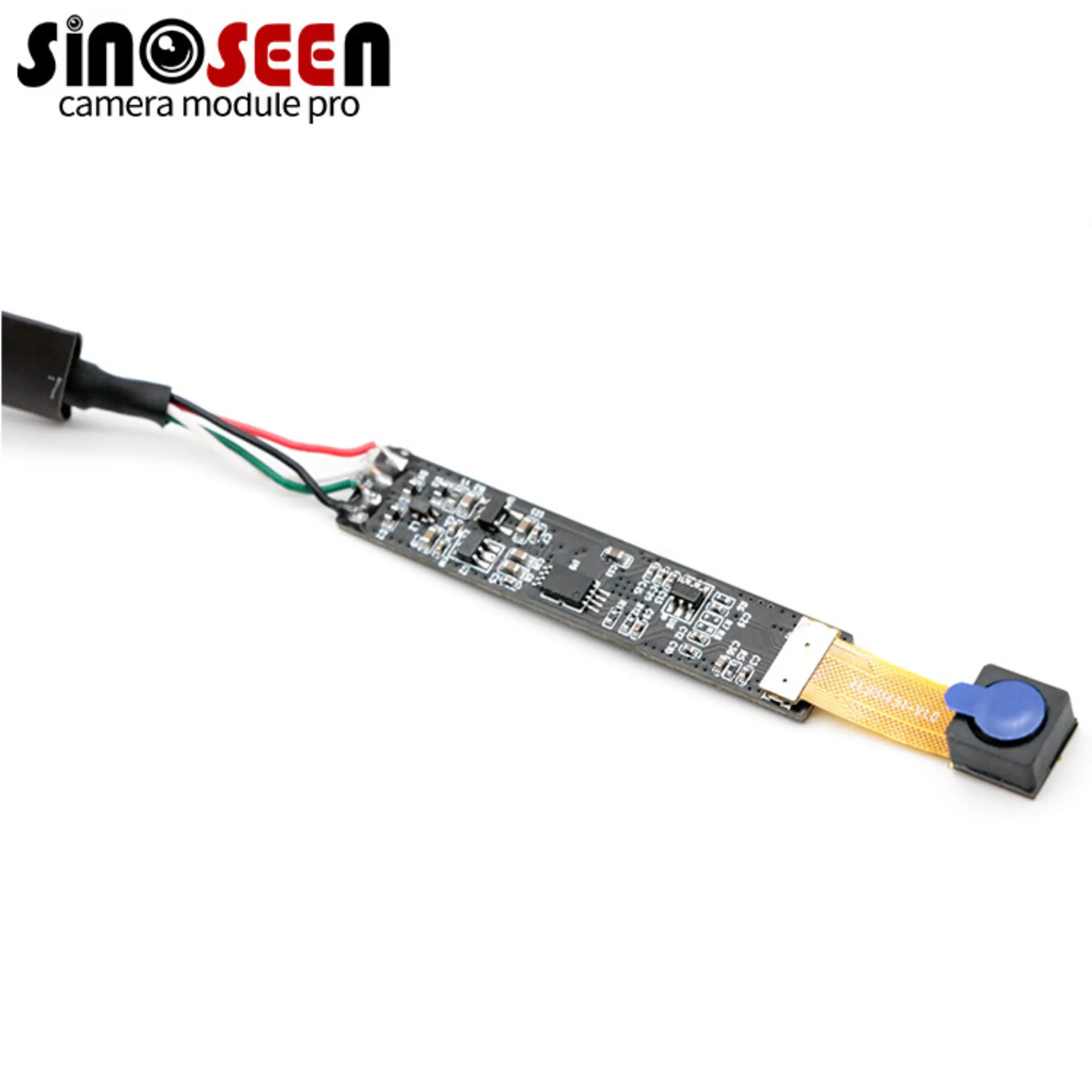
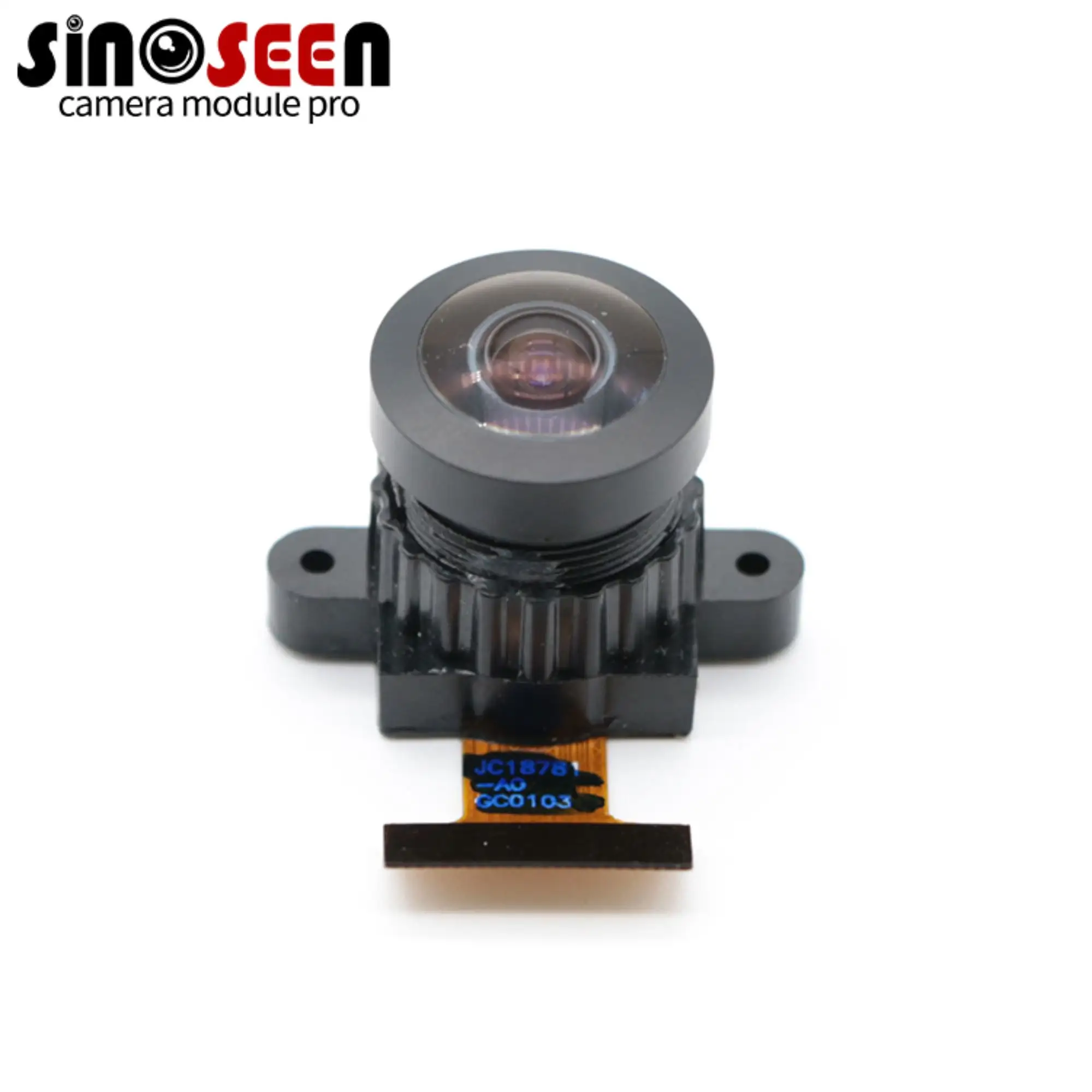
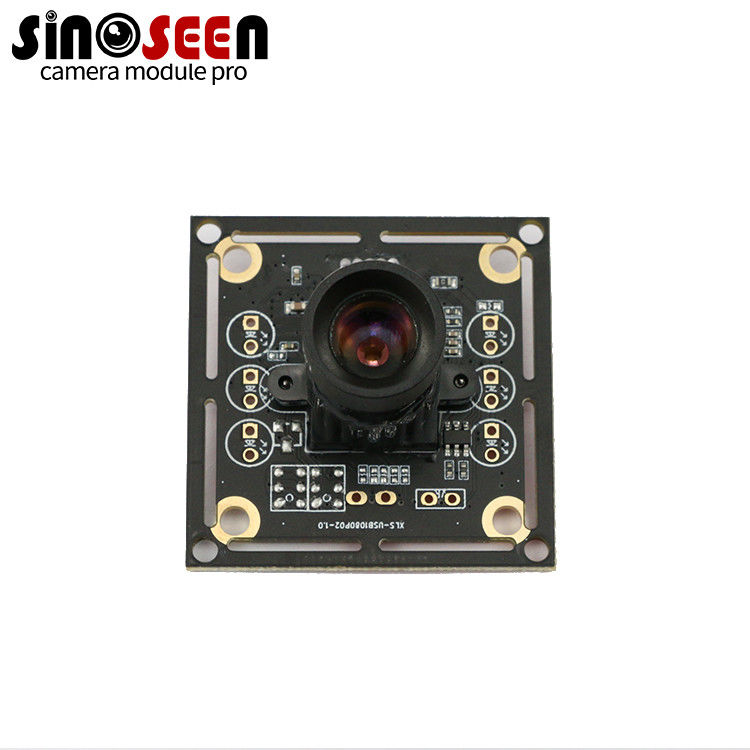
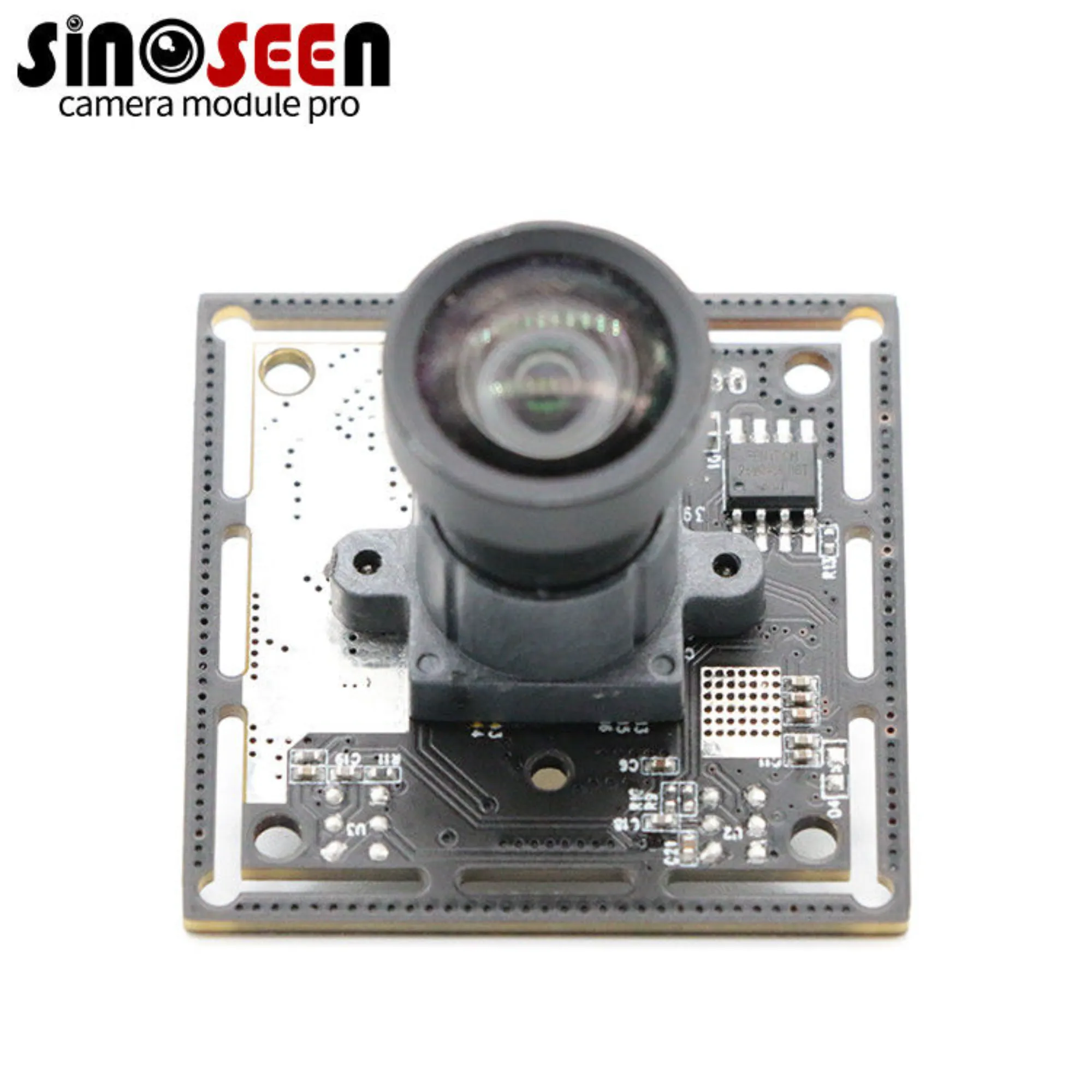
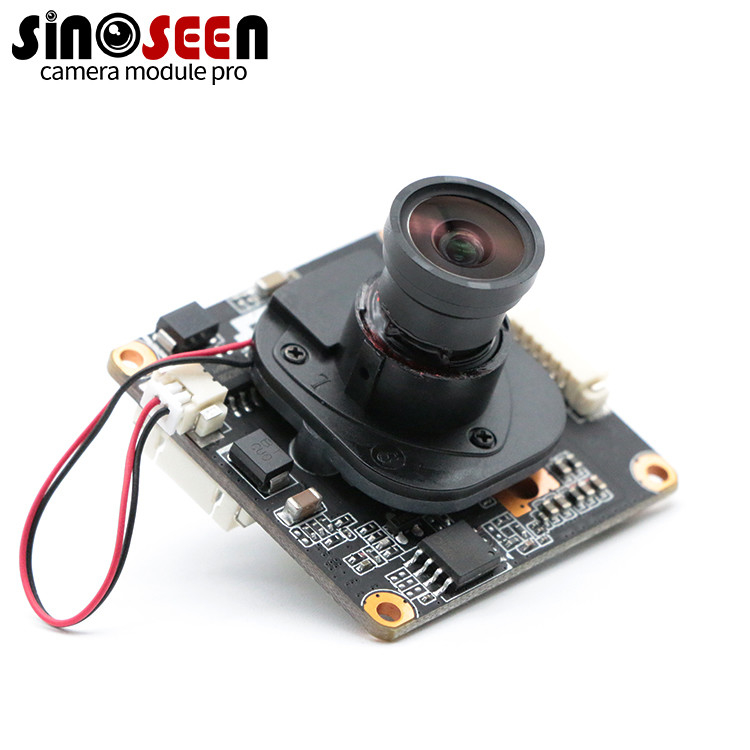
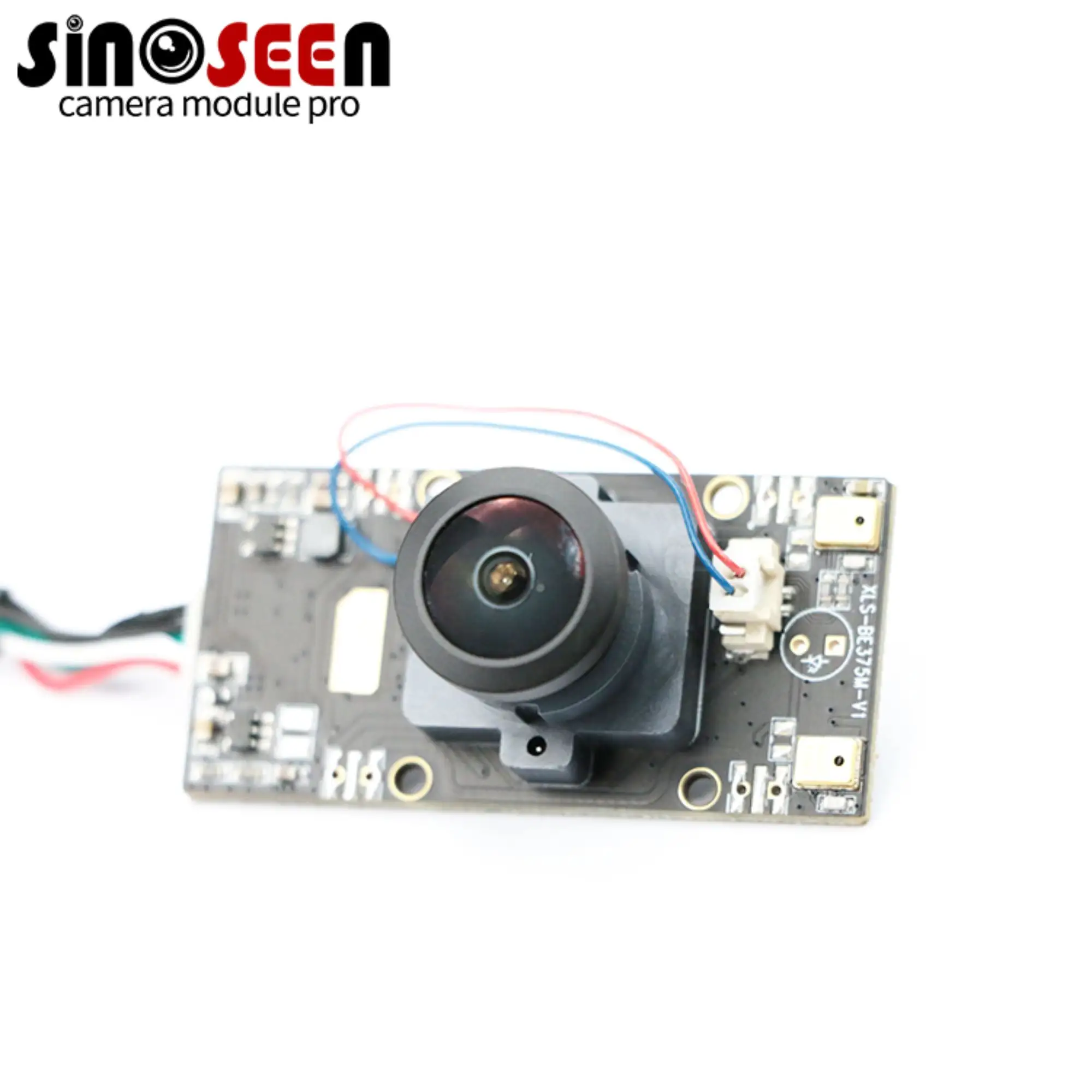
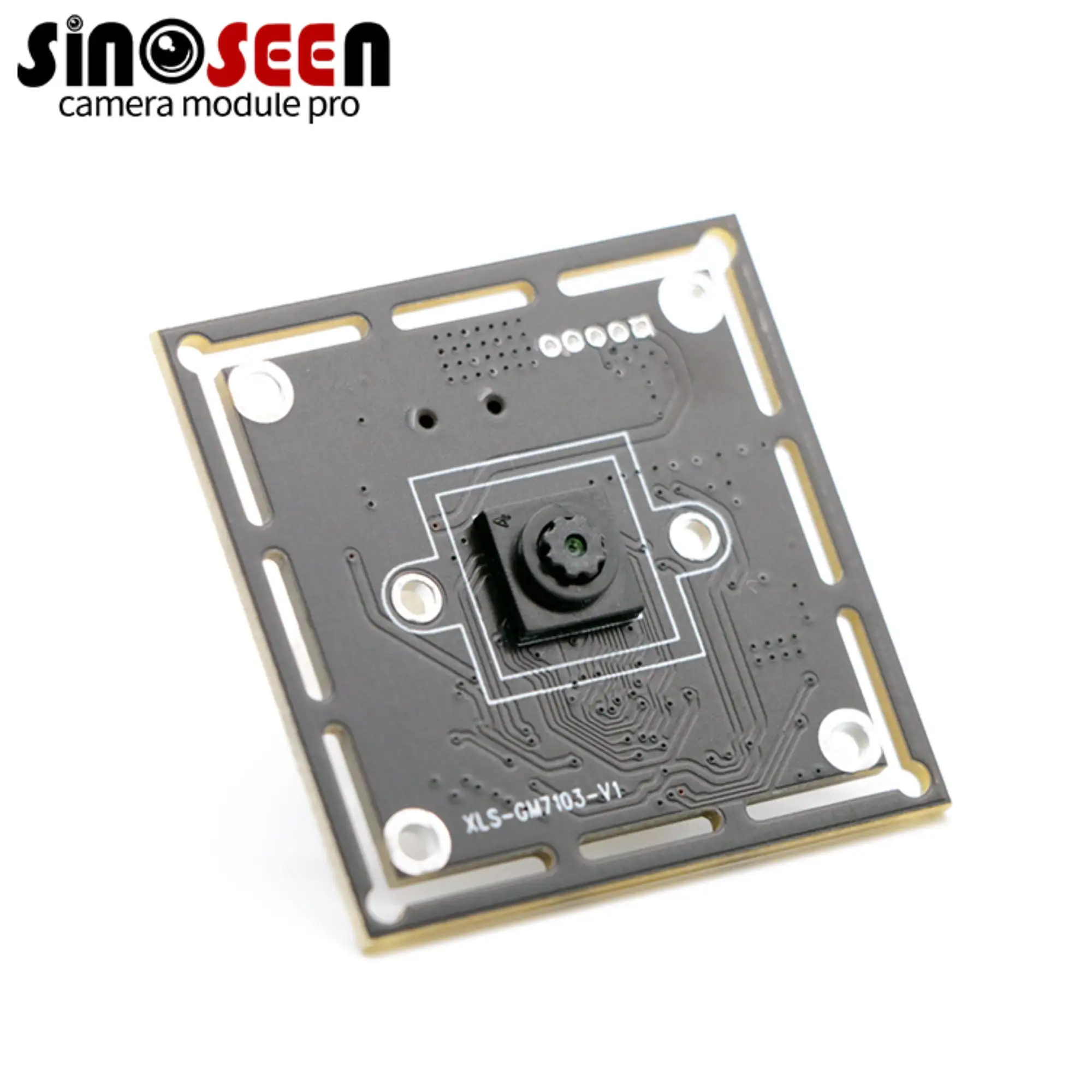
The USB CMOS camera module represents a cutting-edge imaging solution that combines advanced semiconductor technology with plug-and-play convenience. This sophisticated device integrates a complementary metal-oxide-semiconductor (CMOS) image sensor with USB connectivity, creating a versatile imaging platform suitable for numerous applications. The USB CMOS camera module delivers exceptional image quality through its advanced pixel architecture, which converts light into digital signals with remarkable precision and clarity. The main functions of this innovative device include real-time image capture, video recording, and seamless data transmission through standard USB protocols. The technological foundation of the USB CMOS camera module relies on advanced CMOS fabrication processes that enable low power consumption while maintaining superior image quality. These modules typically feature programmable exposure controls, automatic gain adjustment, and white balance correction, ensuring optimal performance across varying lighting conditions. The USB CMOS camera module supports multiple resolution formats, from standard definition to high-definition output, accommodating diverse user requirements. Integration capabilities allow these modules to work seamlessly with various operating systems including Windows, Linux, and macOS, making them universally compatible across different platforms. The compact form factor of the USB CMOS camera module makes it ideal for space-constrained applications while maintaining robust performance characteristics. Applications span across industrial automation, medical imaging, security surveillance, machine vision systems, and consumer electronics. The USB CMOS camera module finds extensive use in quality control processes, robotic guidance systems, and scientific research equipment. Educational institutions utilize these modules for teaching purposes and laboratory experiments, while manufacturers incorporate them into production line monitoring systems. The modular design approach enables easy integration into existing systems without requiring extensive modifications, making the USB CMOS camera module an attractive solution for rapid prototyping and product development initiatives.

New Product Releases

The USB CMOS camera module offers numerous compelling advantages that make it an superior choice for imaging applications across various industries. First, the plug-and-play functionality eliminates complex installation procedures, allowing users to connect the device directly to any USB port and begin capturing images immediately. This simplicity reduces setup time and minimizes technical expertise requirements, making the USB CMOS camera module accessible to users regardless of their technical background. The cost-effectiveness of these modules significantly reduces project budgets compared to traditional camera systems. Unlike expensive professional cameras that require additional accessories and software licenses, the USB CMOS camera module provides complete functionality at a fraction of the cost. The low power consumption characteristic ensures extended operational periods without draining system resources, making these modules ideal for battery-powered applications and energy-efficient designs. Power draw typically remains below 500 milliamps, allowing multiple modules to operate simultaneously on a single USB hub without overloading the power supply. Compact dimensions enable integration into tight spaces where traditional cameras cannot fit. The miniature form factor of the USB CMOS camera module allows designers to embed imaging capabilities into portable devices, robotic systems, and confined industrial environments. Despite their small size, these modules deliver impressive image quality that rivals larger camera systems. The USB CMOS camera module supports real-time streaming capabilities, enabling live monitoring and immediate feedback for critical applications. This real-time performance proves essential for security monitoring, production line inspection, and interactive systems where delayed responses could compromise effectiveness. Versatile compatibility across multiple operating systems eliminates vendor lock-in concerns and provides flexibility for future system migrations. The USB CMOS camera module works seamlessly with standard video capture software, eliminating the need for proprietary applications or drivers. Durability and reliability ensure consistent performance in challenging environments, with many modules featuring robust construction that withstands vibration, temperature variations, and electromagnetic interference. The standardized USB interface guarantees long-term compatibility and reduces obsolescence risks, protecting investment value over extended periods.

Tips And Tricks

Why Choose a High-Performance Embedded Camera Module for AI Applications?

02

Mar

Why Choose a High-Performance Embedded Camera Module for AI Applications?

Artificial intelligence applications demand precision, speed, and reliability in their visual data acquisition systems. An embedded camera module serves as the critical foundation for AI-powered devices, from autonomous vehicles to smart manufacturin...
View More
 How to Select the Right AI Camera Module for Facial Recognition Systems?

02

Mar

How to Select the Right AI Camera Module for Facial Recognition Systems?

Selecting the appropriate AI camera module for facial recognition systems represents a critical decision that directly impacts system performance, accuracy, and overall operational efficiency. Modern facial recognition applications demand sophisticat...
View More
How to Optimize Low-Light Performance in Custom Camera Module Designs?

02

Mar

How to Optimize Low-Light Performance in Custom Camera Module Designs?

Custom camera module designs face unique challenges when operating in environments with minimal illumination, making low-light performance optimization a critical engineering consideration. Modern applications ranging from security surveillance to au...
View More
Why do Robotics Manufacturers Prefer High-Speed AI Camera Modules?

02

Mar

Why do Robotics Manufacturers Prefer High-Speed AI Camera Modules?

The robotics industry has experienced unprecedented growth in recent years, with manufacturers increasingly demanding sophisticated vision systems that can process visual data at lightning speed. High-speed AI camera modules have emerged as the corne...
View More

Get In Touch

usb cmos camera module

Superior Image Quality with Advanced CMOS Technology

Superior Image Quality with Advanced CMOS Technology

The USB CMOS camera module incorporates state-of-the-art CMOS sensor technology that delivers exceptional image quality across diverse lighting conditions and environmental scenarios. The advanced pixel architecture within these modules utilizes cutting-edge semiconductor fabrication processes to maximize light sensitivity while minimizing noise interference. Each pixel element in the USB CMOS camera module sensor captures light information with remarkable precision, converting photons into digital signals through sophisticated photodiode structures. The resulting images exhibit outstanding clarity, accurate color reproduction, and excellent dynamic range that meets professional imaging standards. The sensor design incorporates advanced noise reduction algorithms that operate at the hardware level, significantly improving image quality in low-light conditions where traditional sensors struggle. This capability makes the USB CMOS camera module particularly valuable for applications requiring reliable performance in challenging lighting environments. The technology enables automatic exposure control that continuously adjusts sensor sensitivity based on ambient lighting conditions, ensuring optimal image capture without user intervention. White balance correction algorithms automatically compensate for different light sources, maintaining accurate color representation across various illumination types including fluorescent, incandescent, and natural daylight. The USB CMOS camera module supports multiple resolution formats, allowing users to select the optimal balance between image quality and file size based on specific application requirements. High-resolution modes capture fine details essential for quality control applications, while lower resolution settings enable faster processing and reduced storage requirements. The sensor incorporates advanced timing control circuits that minimize motion blur and ensure sharp image capture even when photographing moving subjects. This capability proves particularly valuable in industrial automation applications where products move rapidly along production lines. The USB CMOS camera module technology includes programmable region-of-interest functionality, allowing users to focus processing power on specific image areas while reducing overall system load and improving response times.
Seamless Integration and Universal Compatibility

Seamless Integration and Universal Compatibility

The USB CMOS camera module excels in providing effortless integration capabilities that streamline deployment across diverse computing environments and application scenarios. The universal USB interface ensures compatibility with virtually any modern computer system, eliminating concerns about proprietary connections or specialized hardware requirements. This standardized approach means the USB CMOS camera module works immediately upon connection, without requiring complex driver installations or configuration procedures that could delay project timelines. The plug-and-play architecture automatically negotiates optimal communication parameters with host systems, ensuring reliable data transmission regardless of system specifications or USB controller variations. Operating system compatibility extends across Windows, Linux, macOS, and embedded platforms, providing flexibility for developers working in multi-platform environments. The USB CMOS camera module appears as a standard video capture device to applications, enabling immediate use with popular software packages including OpenCV, MATLAB, LabVIEW, and numerous custom applications. This compatibility eliminates software development overhead and reduces time-to-market for projects incorporating imaging capabilities. The modular design philosophy enables rapid prototyping and system modifications without extensive hardware redesign. Developers can easily swap different USB CMOS camera module variants to test various sensor configurations, resolutions, or optical characteristics during product development phases. The compact form factor facilitates integration into space-constrained environments where traditional camera systems cannot fit, opening new possibilities for embedded imaging applications. Cable management becomes simplified through standard USB connections that support extension cables and hub configurations for flexible positioning. The USB CMOS camera module supports hot-swapping capabilities, allowing modules to be connected or disconnected during system operation without requiring shutdowns or resets. Power delivery through the USB interface eliminates separate power supply requirements, reducing system complexity and installation costs. The standardized interface also ensures long-term availability and reduces obsolescence risks compared to proprietary camera interfaces that may become discontinued.
Versatile Applications and Industry-Specific Solutions

Versatile Applications and Industry-Specific Solutions

The USB CMOS camera module demonstrates remarkable versatility across numerous industries and application domains, providing tailored imaging solutions that address specific operational requirements and technical challenges. In industrial automation environments, these modules serve as essential components in machine vision systems that perform quality control inspections, dimensional measurements, and defect detection on production lines. The USB CMOS camera module enables manufacturers to implement cost-effective inspection systems that identify product variations, surface defects, and assembly errors with precision that exceeds human visual capabilities. Medical and scientific applications benefit from the high-resolution imaging capabilities of the USB CMOS camera module, which supports microscopy, diagnostic equipment, and research instrumentation. Healthcare professionals utilize these modules in telemedicine applications, digital pathology systems, and surgical navigation equipment where image quality directly impacts patient outcomes. The compact design allows integration into handheld diagnostic devices and portable medical equipment that require reliable imaging functionality. Educational institutions leverage the USB CMOS camera module for teaching purposes, laboratory experiments, and student projects across engineering, computer science, and biology curricula. The accessibility and ease of use enable students to focus on learning imaging concepts without struggling with complex hardware configurations. Research applications span from botanical studies and materials analysis to behavioral observation and environmental monitoring. Security and surveillance implementations benefit from the real-time streaming capabilities of the USB CMOS camera module, which supports continuous monitoring applications, access control systems, and perimeter security installations. The low power consumption makes these modules suitable for battery-powered security devices and remote monitoring stations. Consumer electronics manufacturers integrate USB CMOS camera modules into interactive kiosks, gaming systems, and smart home devices that require embedded imaging capabilities. The automotive industry utilizes these modules in driver assistance systems, parking cameras, and autonomous vehicle development platforms. Robotics applications leverage the USB CMOS camera module for navigation, object recognition, and manipulation tasks that require visual feedback. The combination of compact size, reliable performance, and cost-effectiveness makes these modules ideal for robotic applications ranging from industrial automation to consumer service robots.

Related Search

Get in touch