Innovative Camera Modules for Every Application | Sinoseen

All Categories

machine vision camera module

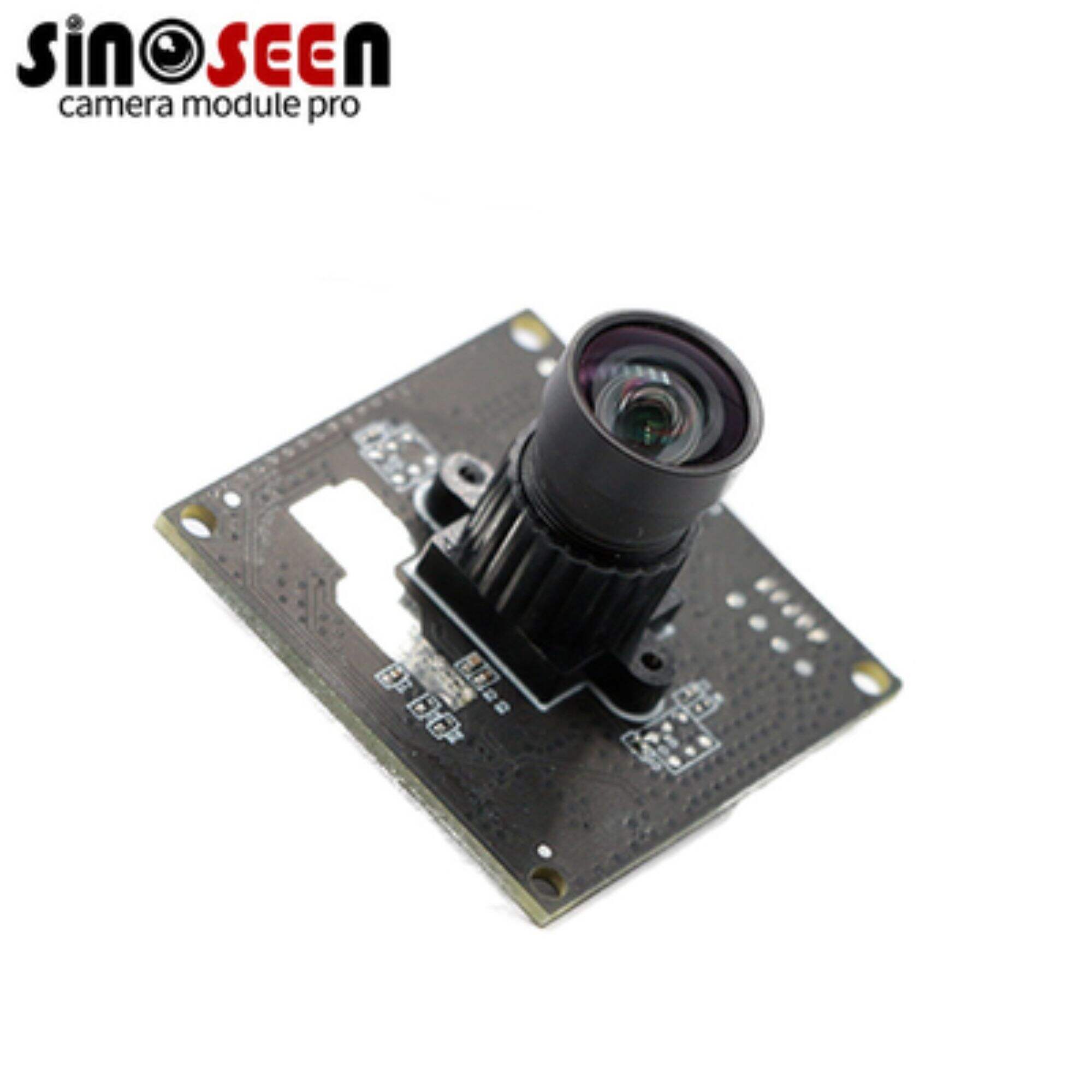
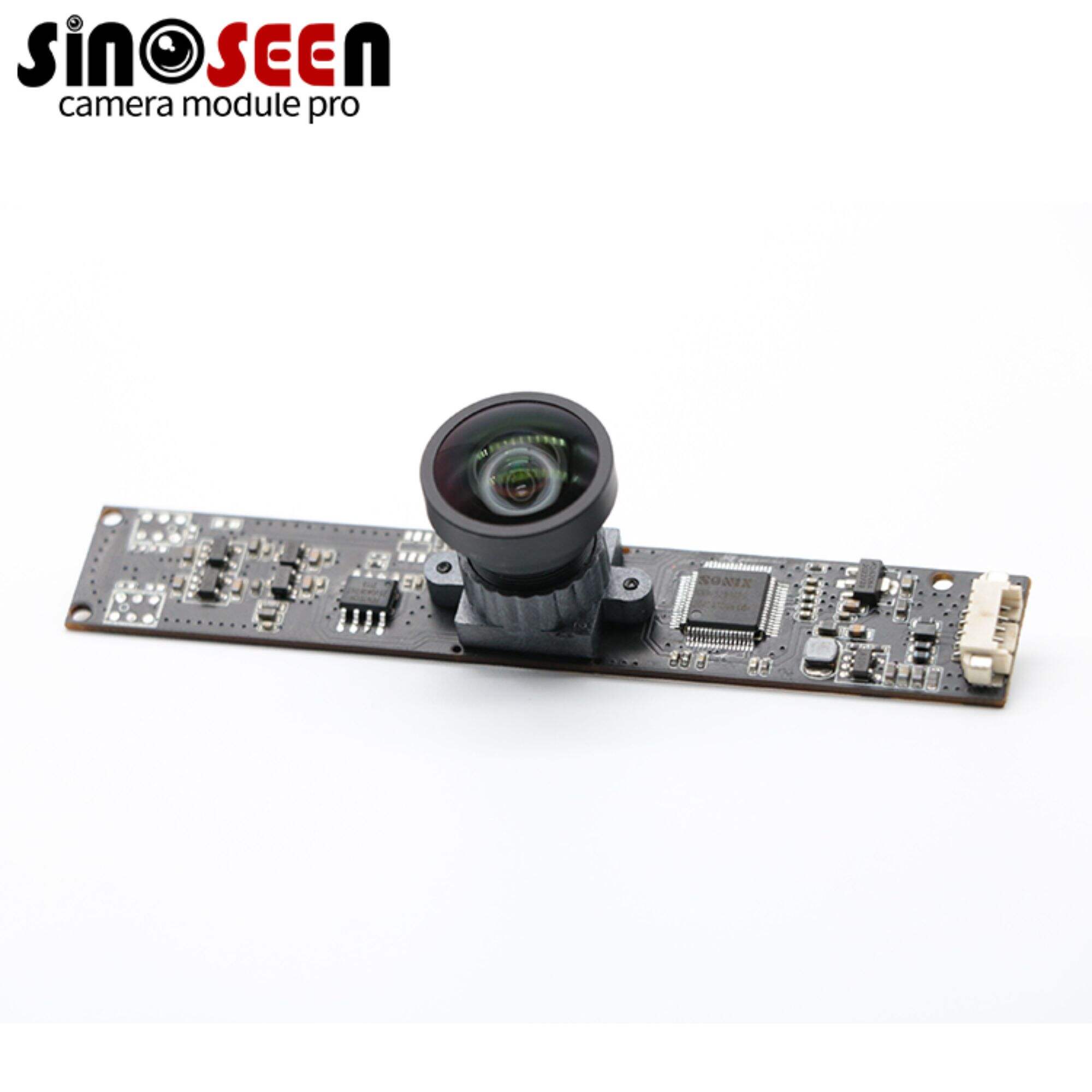
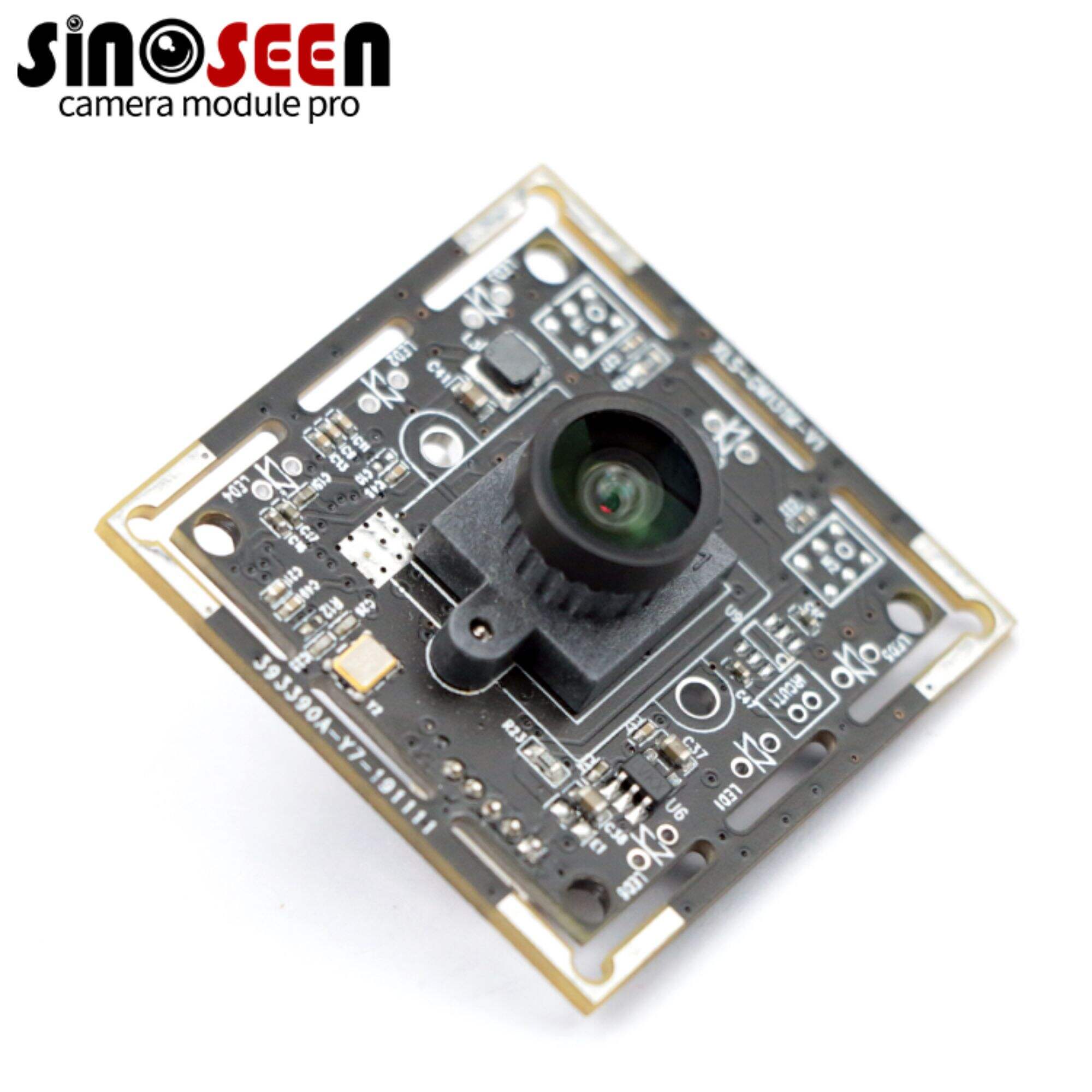
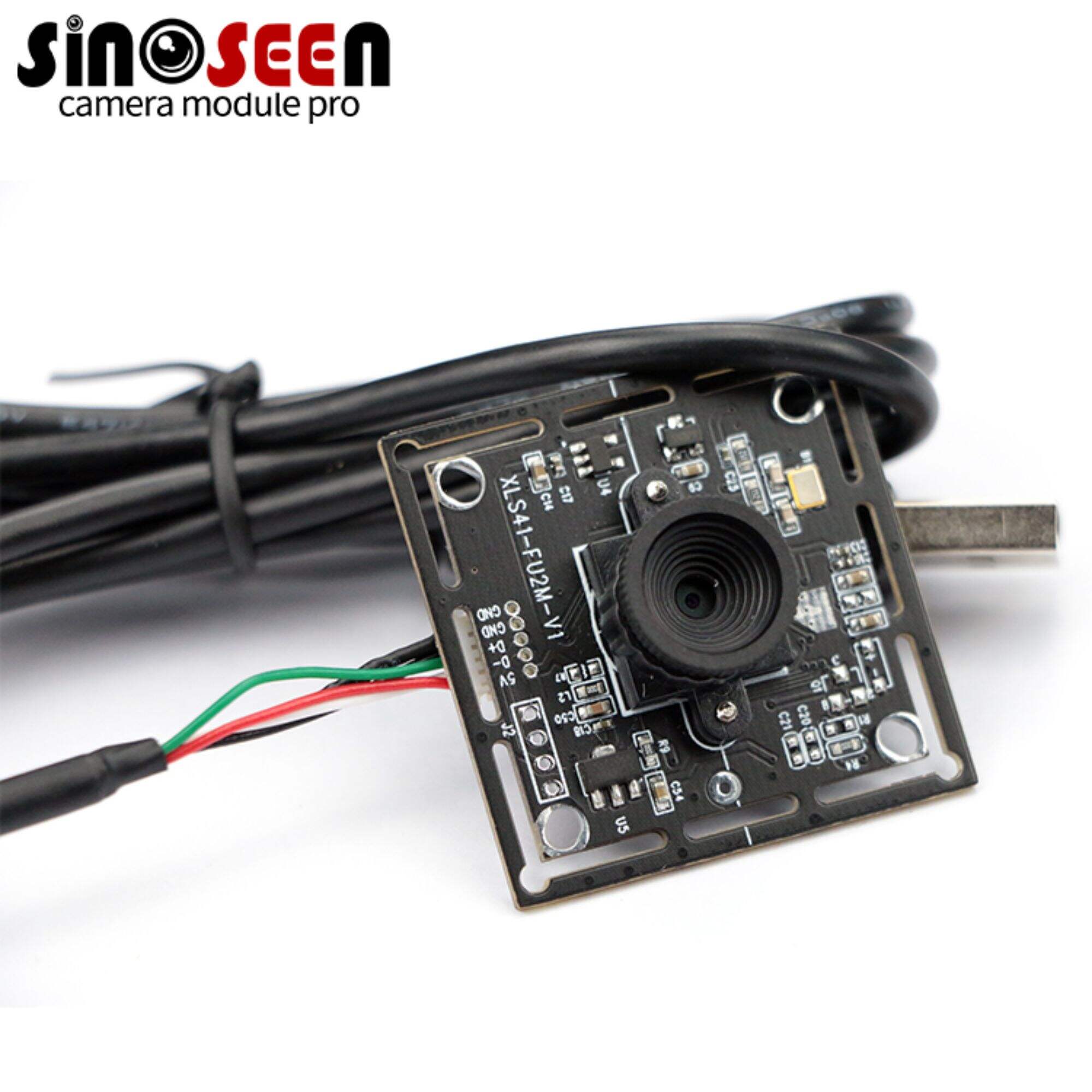
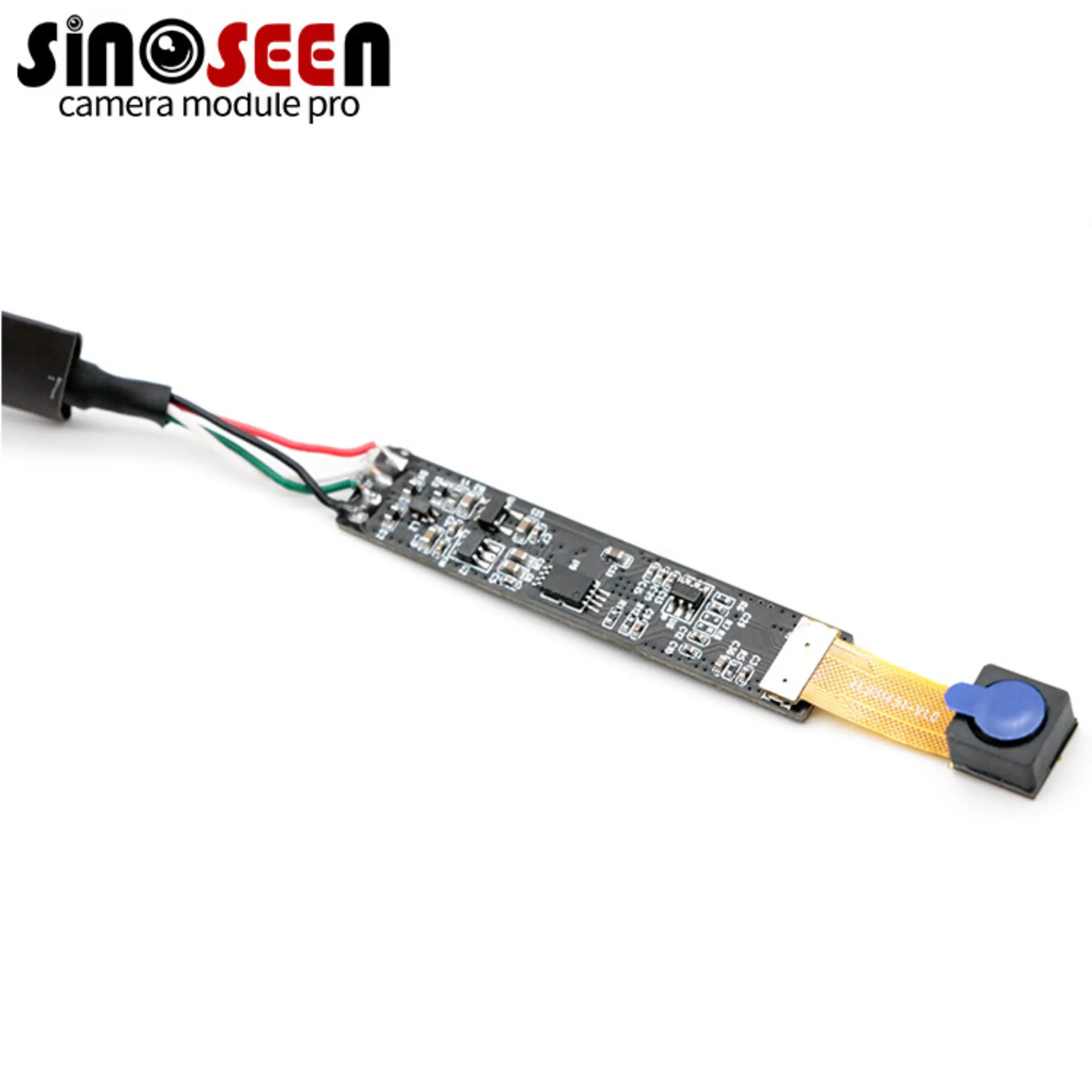
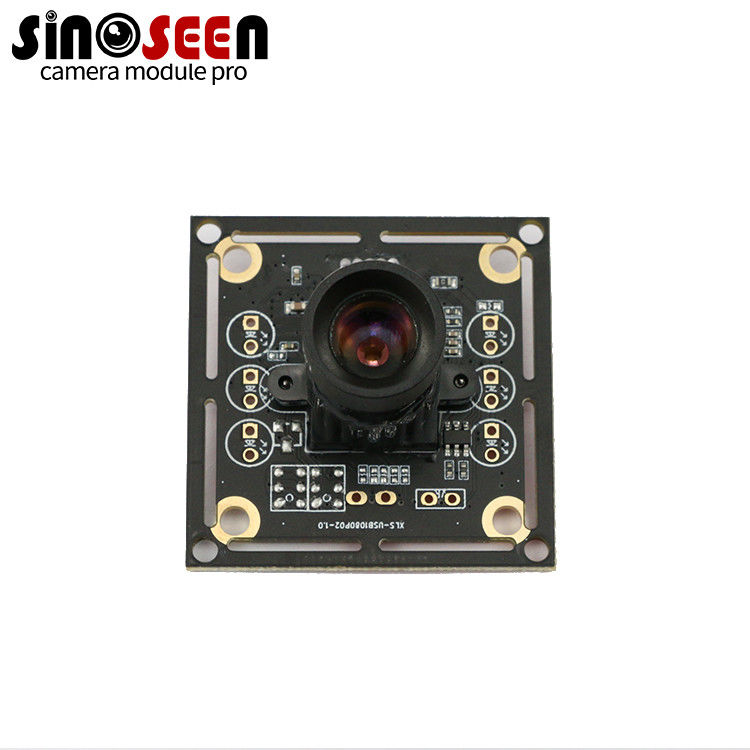
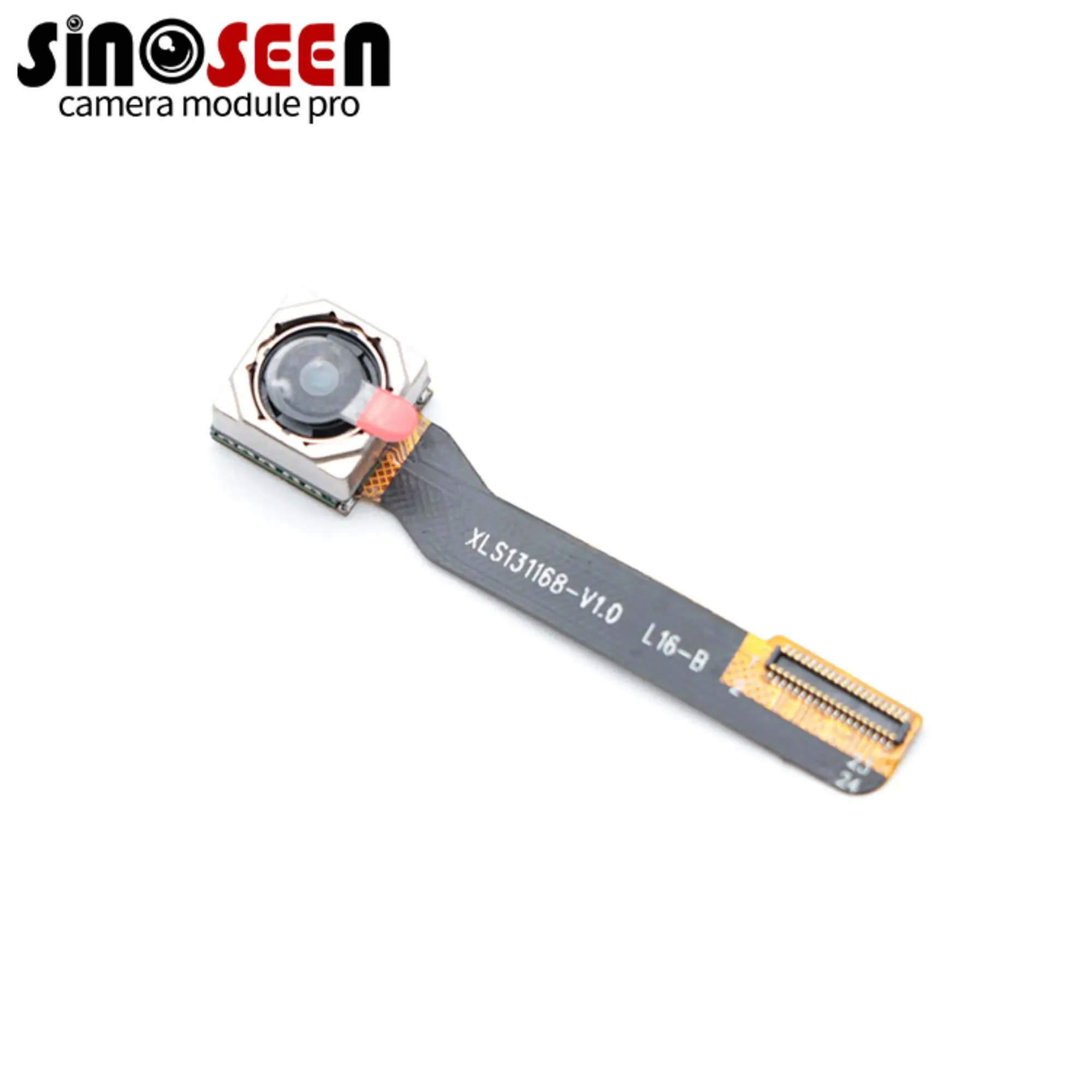
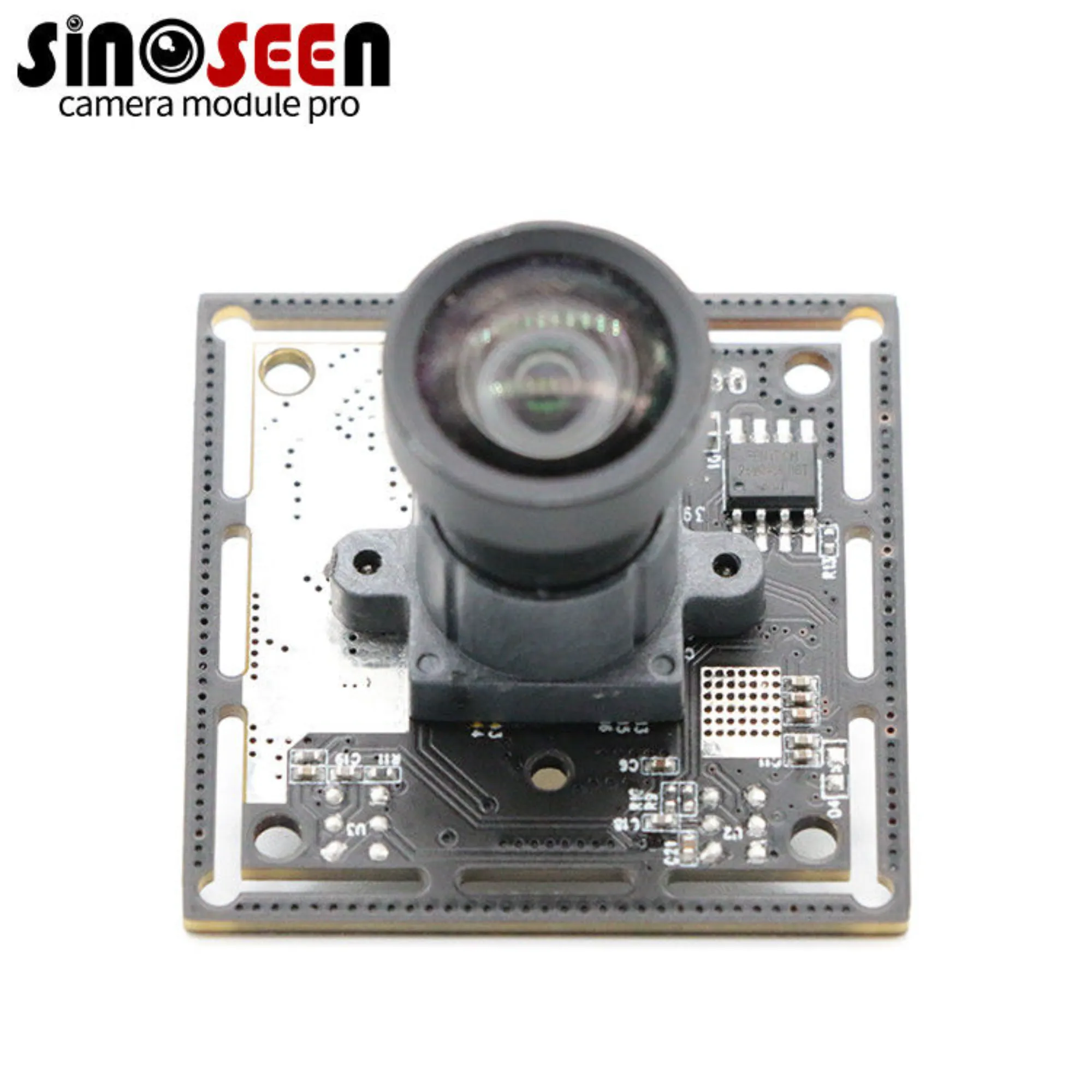
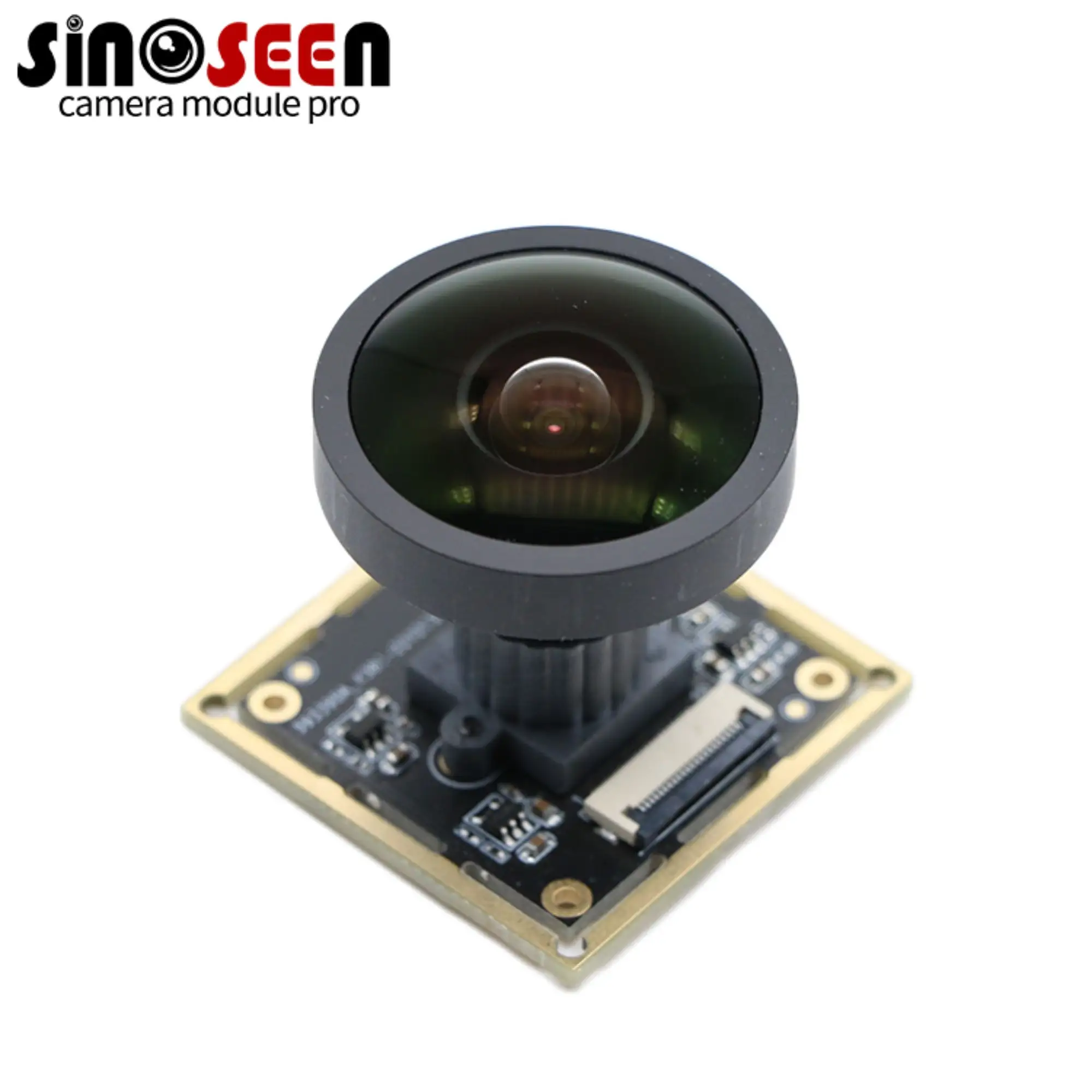
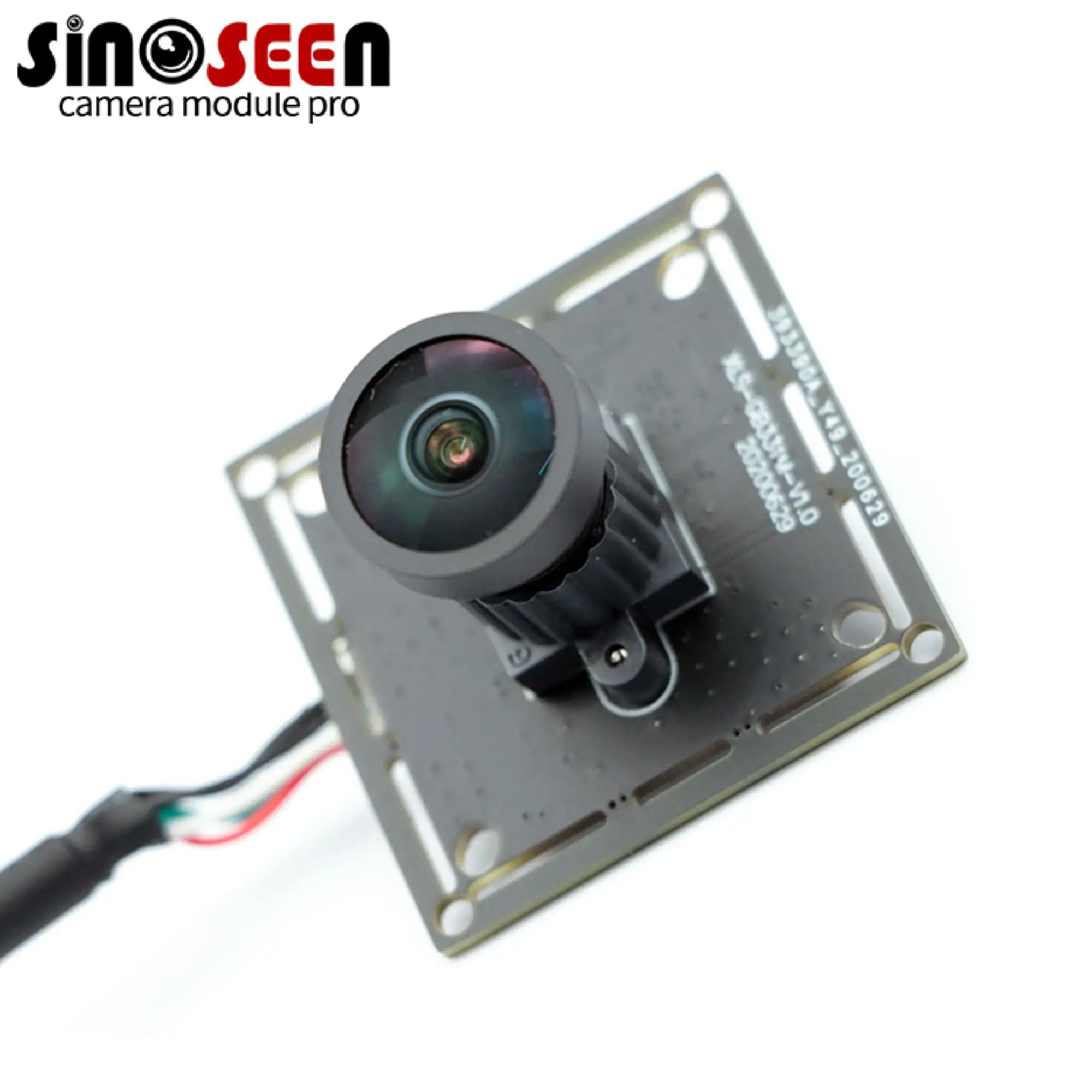
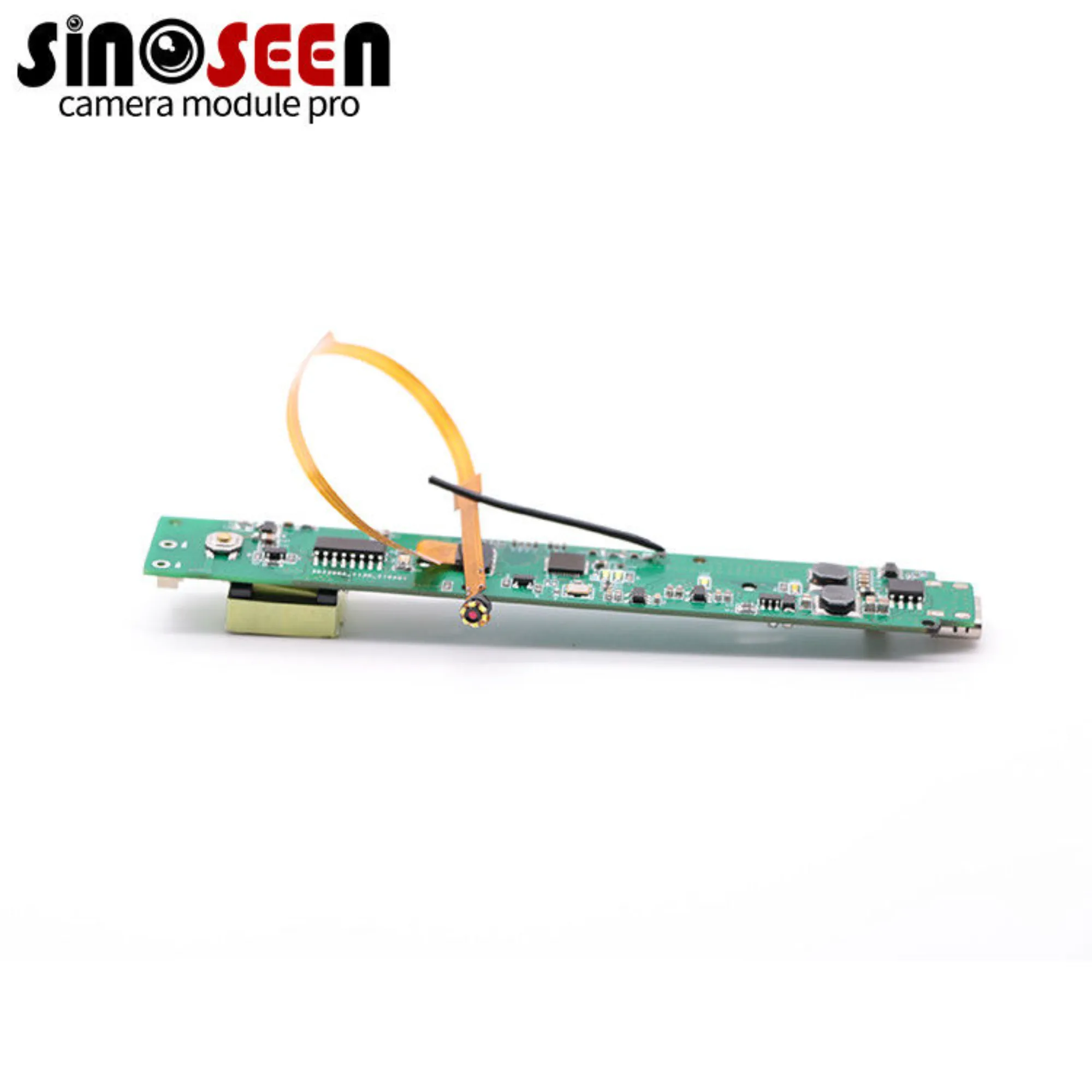
A machine vision camera module represents a sophisticated imaging solution designed to capture, process, and analyze visual data for automated systems. These compact yet powerful devices serve as the eyes of industrial automation, robotics, and quality control systems across numerous sectors. The machine vision camera module integrates advanced sensor technology with intelligent processing capabilities to deliver precise visual inspection and measurement functions. At its core, the module combines high-resolution image sensors, specialized optics, and embedded processing units to create a comprehensive vision solution. The primary functions of a machine vision camera module include real-time image acquisition, object detection and recognition, dimensional measurement, defect identification, and barcode or text reading. These modules excel in applications requiring consistent accuracy, speed, and reliability that human vision cannot match. Technological features encompass various sensor types including CMOS and CCD technologies, offering different advantages based on specific application requirements. Modern machine vision camera modules support multiple interface options such as USB, Ethernet, and specialized industrial protocols for seamless integration into existing systems. Resolution capabilities range from standard definition to ultra-high resolution, accommodating diverse inspection needs from basic presence detection to microscopic flaw analysis. Advanced modules incorporate artificial intelligence and machine learning algorithms, enabling adaptive learning and improved decision-making over time. Applications span automotive manufacturing for component inspection, electronics assembly for PCB verification, pharmaceutical packaging for label verification, food processing for quality assurance, and logistics for automated sorting systems. The machine vision camera module proves essential in medical device manufacturing, aerospace component testing, and semiconductor production where precision and reliability are paramount. These versatile devices continue evolving with enhanced processing power, improved sensitivity, and expanded connectivity options to meet growing industrial automation demands.

New Products

The machine vision camera module offers significant advantages that transform operational efficiency and product quality across industries. These systems provide unmatched consistency in inspection processes, eliminating human error and fatigue factors that can compromise quality control standards. Unlike manual inspection methods, the machine vision camera module operates continuously without breaks, maintaining peak performance levels throughout extended production cycles. Speed represents another crucial advantage, as these modules can inspect thousands of products per minute with precision that exceeds human capabilities. This rapid processing capability directly translates to increased throughput and reduced production bottlenecks. Cost savings emerge through reduced labor requirements and minimized product recalls due to improved defect detection rates. The machine vision camera module typically pays for itself within months through these operational improvements. Accuracy levels achieved by these systems surpass traditional inspection methods, detecting microscopic defects and dimensional variations that human inspectors might miss. This enhanced precision leads to higher product quality, improved customer satisfaction, and stronger brand reputation. Flexibility stands out as these modules adapt to various product types and inspection criteria through software configuration rather than hardware changes. Companies can modify inspection parameters, add new product lines, and adjust quality standards without significant equipment investments. Documentation capabilities provide comprehensive traceability, automatically recording inspection results, timestamps, and product images for quality audits and regulatory compliance. The machine vision camera module generates valuable data analytics that help identify production trends, optimize processes, and predict maintenance needs. Integration simplicity allows these systems to connect seamlessly with existing manufacturing equipment, PLCs, and enterprise software systems. Remote monitoring capabilities enable operators to oversee multiple inspection stations from centralized locations, improving resource allocation and response times. Safety improvements occur as these systems reduce human exposure to hazardous environments while maintaining thorough inspection coverage. Scalability ensures that initial installations can expand to accommodate growing production demands without complete system overhauls. The machine vision camera module represents a strategic investment that delivers measurable returns through improved efficiency, quality, and competitiveness.

Practical Tips

Why Choose a High-Performance Embedded Camera Module for AI Applications?

02

Mar

Why Choose a High-Performance Embedded Camera Module for AI Applications?

Artificial intelligence applications demand precision, speed, and reliability in their visual data acquisition systems. An embedded camera module serves as the critical foundation for AI-powered devices, from autonomous vehicles to smart manufacturin...
View More
How to Optimize Low-Light Performance in Custom Camera Module Designs?

02

Mar

How to Optimize Low-Light Performance in Custom Camera Module Designs?

Custom camera module designs face unique challenges when operating in environments with minimal illumination, making low-light performance optimization a critical engineering consideration. Modern applications ranging from security surveillance to au...
View More
How to Integrate a Small Camera Module into Compact Medical Devices?

02

Mar

How to Integrate a Small Camera Module into Compact Medical Devices?

Medical device miniaturization continues to revolutionize healthcare, enabling less invasive procedures and improved patient outcomes. When designing compact medical equipment, integrating a small camera module requires careful consideration of space...
View More
Why do Robotics Manufacturers Prefer High-Speed AI Camera Modules?

02

Mar

Why do Robotics Manufacturers Prefer High-Speed AI Camera Modules?

The robotics industry has experienced unprecedented growth in recent years, with manufacturers increasingly demanding sophisticated vision systems that can process visual data at lightning speed. High-speed AI camera modules have emerged as the corne...
View More

Get In Touch

machine vision camera module

Advanced Image Processing and AI Integration

Advanced Image Processing and AI Integration

The machine vision camera module incorporates cutting-edge image processing algorithms and artificial intelligence capabilities that revolutionize industrial inspection processes. This advanced processing power enables the system to perform complex visual analysis tasks that were previously impossible or impractical with traditional inspection methods. The integrated AI functionality allows the machine vision camera module to learn from inspection data, continuously improving its accuracy and adapting to new defect patterns without requiring extensive reprogramming. Deep learning algorithms enable the system to recognize subtle variations in product appearance, texture, and dimensional characteristics that might indicate quality issues. This intelligent processing capability extends beyond simple pass-fail decisions to provide detailed analysis of defect types, severity levels, and potential root causes. The machine vision camera module processes images in real-time, applying sophisticated filters, edge detection algorithms, and pattern matching techniques to extract meaningful information from visual data. Machine learning capabilities enable the system to distinguish between acceptable variations and actual defects, reducing false positives and improving overall inspection reliability. The processing power supports multiple inspection tasks simultaneously, allowing a single machine vision camera module to perform dimensional measurements, surface quality assessment, and text verification in one integrated operation. Advanced calibration algorithms ensure consistent performance across varying lighting conditions and environmental factors. The system automatically adjusts exposure settings, focus parameters, and processing algorithms to maintain optimal inspection quality. This adaptability proves crucial in dynamic manufacturing environments where lighting conditions or product positioning may vary. The machine vision camera module stores and analyzes historical inspection data to identify trends, predict quality issues, and optimize production parameters. Statistical analysis capabilities provide insights into process stability and help identify opportunities for continuous improvement. Integration with cloud-based analytics platforms enables remote monitoring and centralized data management across multiple production facilities. The advanced processing capabilities support various image formats and compression standards, ensuring compatibility with existing systems and future expansion requirements. Real-time feedback mechanisms allow the machine vision camera module to communicate inspection results instantly to production control systems, enabling immediate corrective actions when quality issues are detected.
Superior Hardware Design and Durability

Superior Hardware Design and Durability

The machine vision camera module features robust hardware engineering specifically designed to withstand demanding industrial environments while delivering consistent performance over extended operational periods. Industrial-grade construction ensures reliable operation in challenging conditions including temperature extremes, vibration, dust, and humidity that would compromise standard camera systems. The housing materials utilize advanced polymers and metal alloys that resist corrosion, impact damage, and chemical exposure common in manufacturing facilities. Sealed enclosures protect sensitive electronic components from contaminants while maintaining optimal thermal management through strategically placed heat dissipation elements. The machine vision camera module incorporates high-quality image sensors with enhanced sensitivity and dynamic range capabilities that capture clear images even in suboptimal lighting conditions. Advanced sensor technology provides excellent signal-to-noise ratios, ensuring accurate image analysis across various product surfaces and materials. Precision optics featuring multi-element lens systems deliver sharp, distortion-free images across the entire field of view, eliminating edge effects that could compromise inspection accuracy. The optical system supports various focal lengths and working distances to accommodate different application requirements without sacrificing image quality. Mechanical stability represents a critical design element, with rigid mounting systems that maintain precise alignment even under vibration and mechanical stress. The machine vision camera module features modular design architecture that facilitates easy maintenance, component replacement, and system upgrades without disrupting production schedules. Standardized mounting interfaces ensure compatibility with existing automation equipment and enable quick installation or repositioning as production requirements change. Power management systems optimize energy consumption while providing stable operation, supporting both continuous and triggered acquisition modes based on application needs. The electrical design incorporates comprehensive protection against power surges, electromagnetic interference, and grounding issues that could affect system performance. Communication interfaces include multiple protocols and connector types to ensure seamless integration with diverse control systems and network architectures. Built-in diagnostic capabilities continuously monitor system health, providing early warning of potential issues and enabling proactive maintenance scheduling. The machine vision camera module undergoes rigorous testing and quality assurance procedures to ensure consistent performance and longevity. These testing protocols simulate years of operation under various stress conditions to validate reliability claims and identify potential failure modes before deployment.
Comprehensive Software Ecosystem and User Experience

Comprehensive Software Ecosystem and User Experience

The machine vision camera module comes equipped with an extensive software ecosystem that simplifies implementation, operation, and maintenance while providing powerful tools for customization and optimization. The integrated software platform offers intuitive graphical interfaces that enable users to configure inspection parameters, set up quality standards, and monitor system performance without requiring extensive programming knowledge. Drag-and-drop functionality allows operators to create complex inspection routines by simply selecting and arranging predefined inspection tools and analysis functions. The software architecture supports both novice users seeking simple setup procedures and expert users requiring advanced customization capabilities. Pre-configured inspection templates provide quick-start solutions for common applications including dimensional measurement, defect detection, and optical character recognition. These templates significantly reduce implementation time while ensuring optimal performance for specific inspection tasks. The machine vision camera module software includes comprehensive calibration wizards that guide users through setup procedures, ensuring accurate measurements and reliable performance from initial installation. Advanced users can access low-level programming interfaces and scripting capabilities to create custom inspection algorithms tailored to unique application requirements. The software platform supports multiple programming languages and development environments, providing flexibility for integration with existing enterprise systems. Real-time visualization tools display inspection results, statistical data, and system status information through customizable dashboards that highlight critical performance indicators. Historical data analysis capabilities enable trend monitoring, process optimization, and predictive maintenance planning through comprehensive reporting and analytics functions. The machine vision camera module software includes remote access capabilities that allow expert support technicians to diagnose issues, update configurations, and provide training without on-site visits. Version control and backup features ensure system configurations remain secure and recoverable in case of hardware failures or accidental changes. Integration APIs facilitate seamless communication with manufacturing execution systems, quality management databases, and enterprise resource planning software. The software ecosystem includes extensive documentation, video tutorials, and interactive training modules that accelerate user competency development and reduce training costs. Regular software updates deliver new features, performance improvements, and security enhancements while maintaining backward compatibility with existing configurations. Cloud connectivity options enable centralized monitoring of multiple machine vision camera module installations, providing enterprise-level oversight and control capabilities for large-scale deployments.

Related Search

Get in touch