Innovative Camera Modules for Every Application | Sinoseen

All Categories

machine vision camera

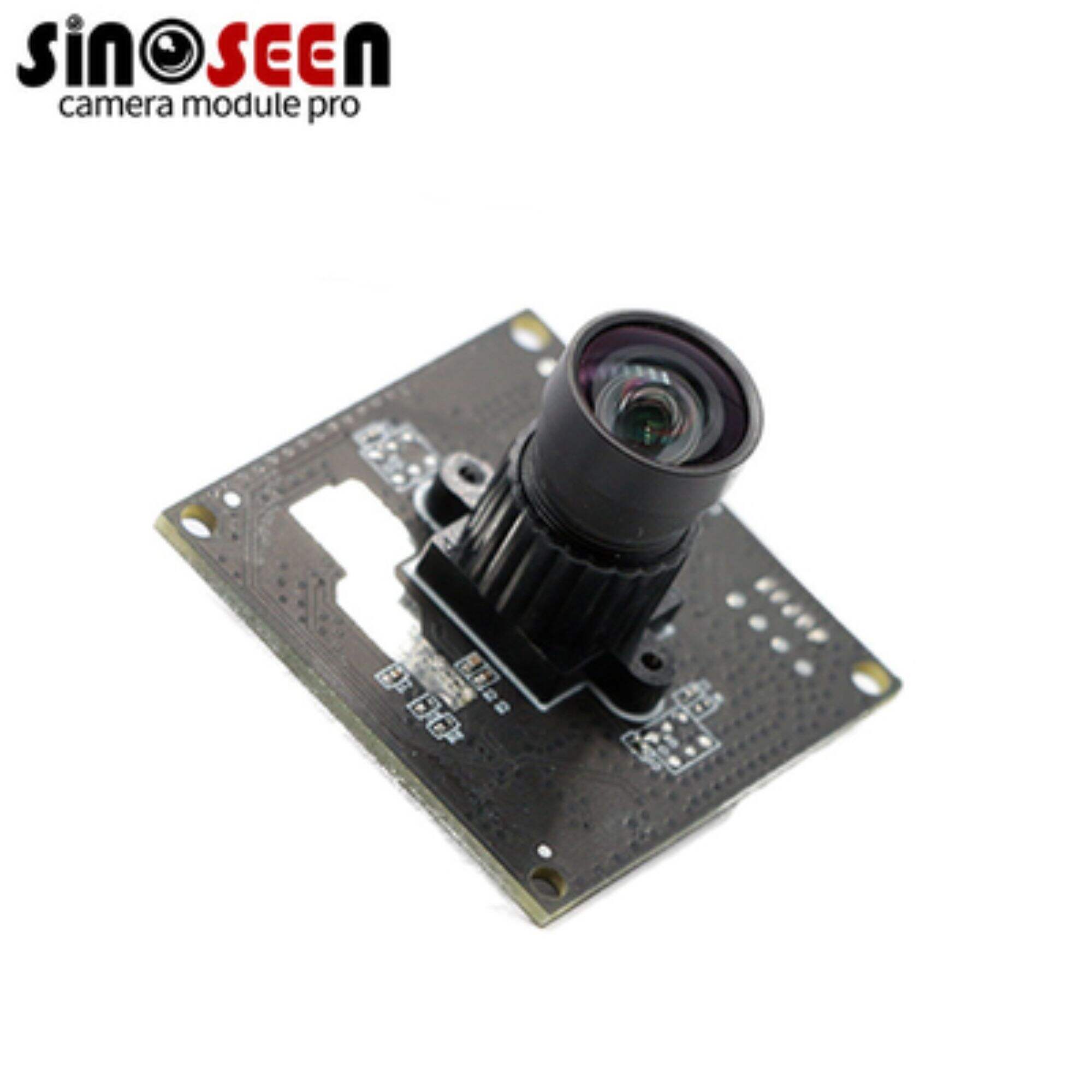
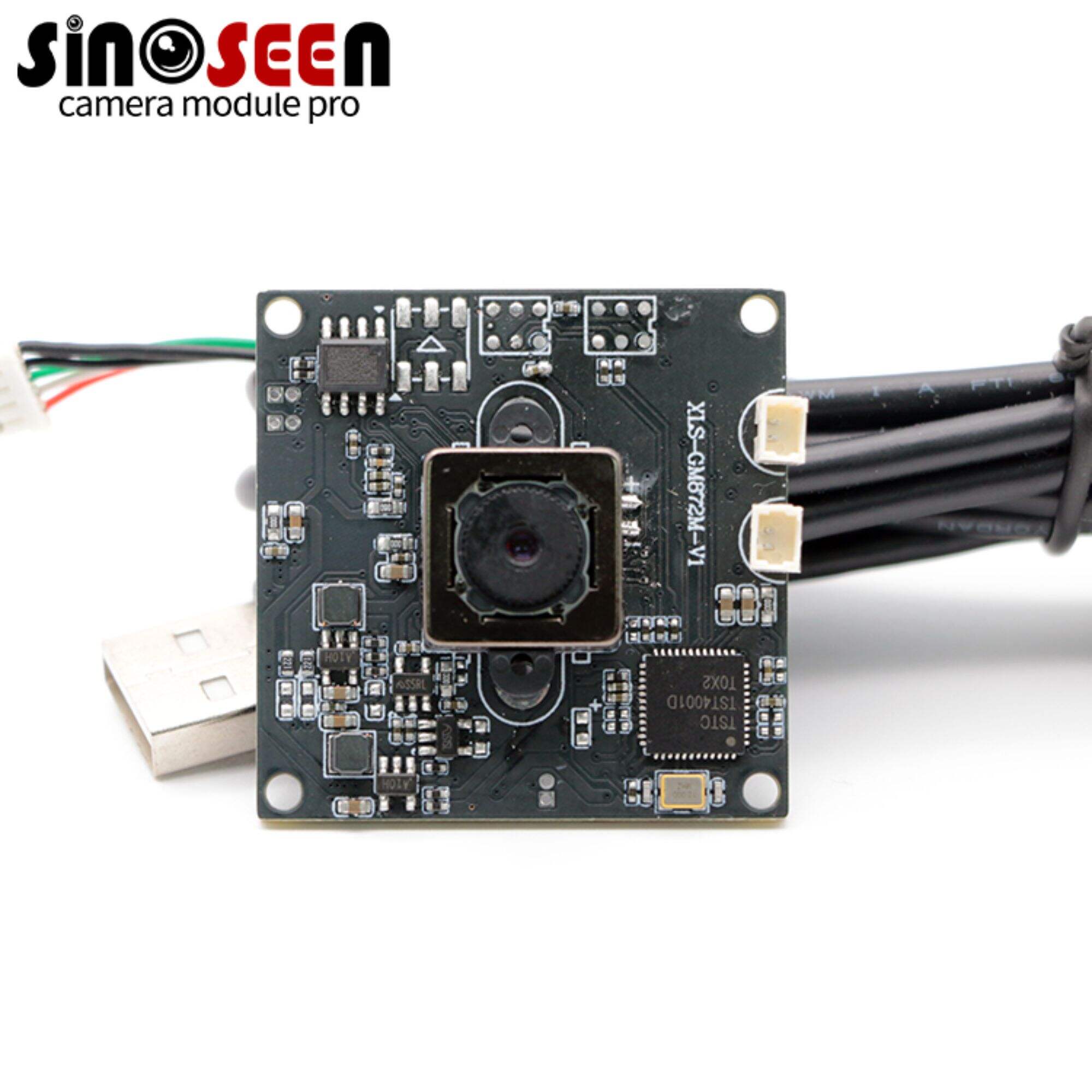
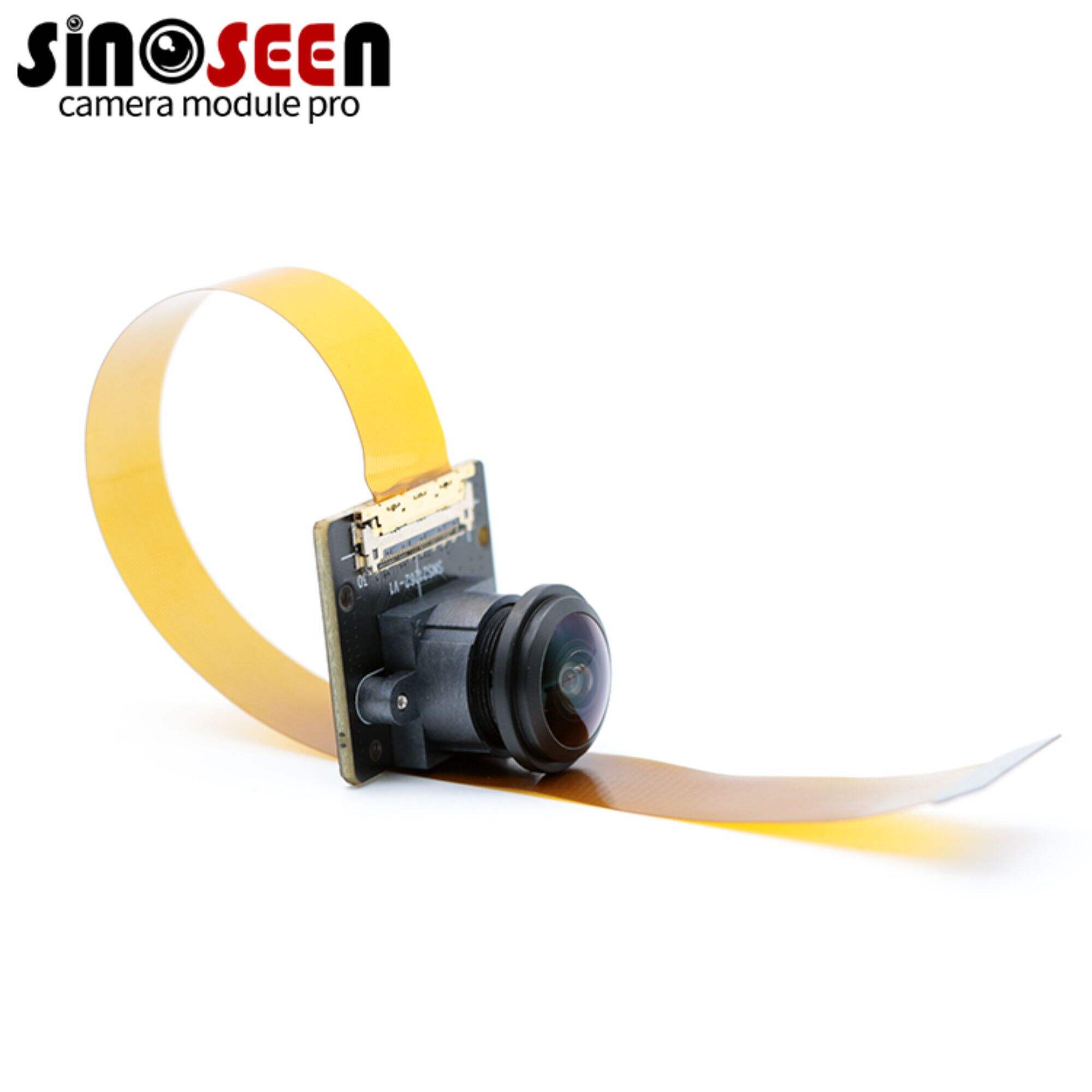
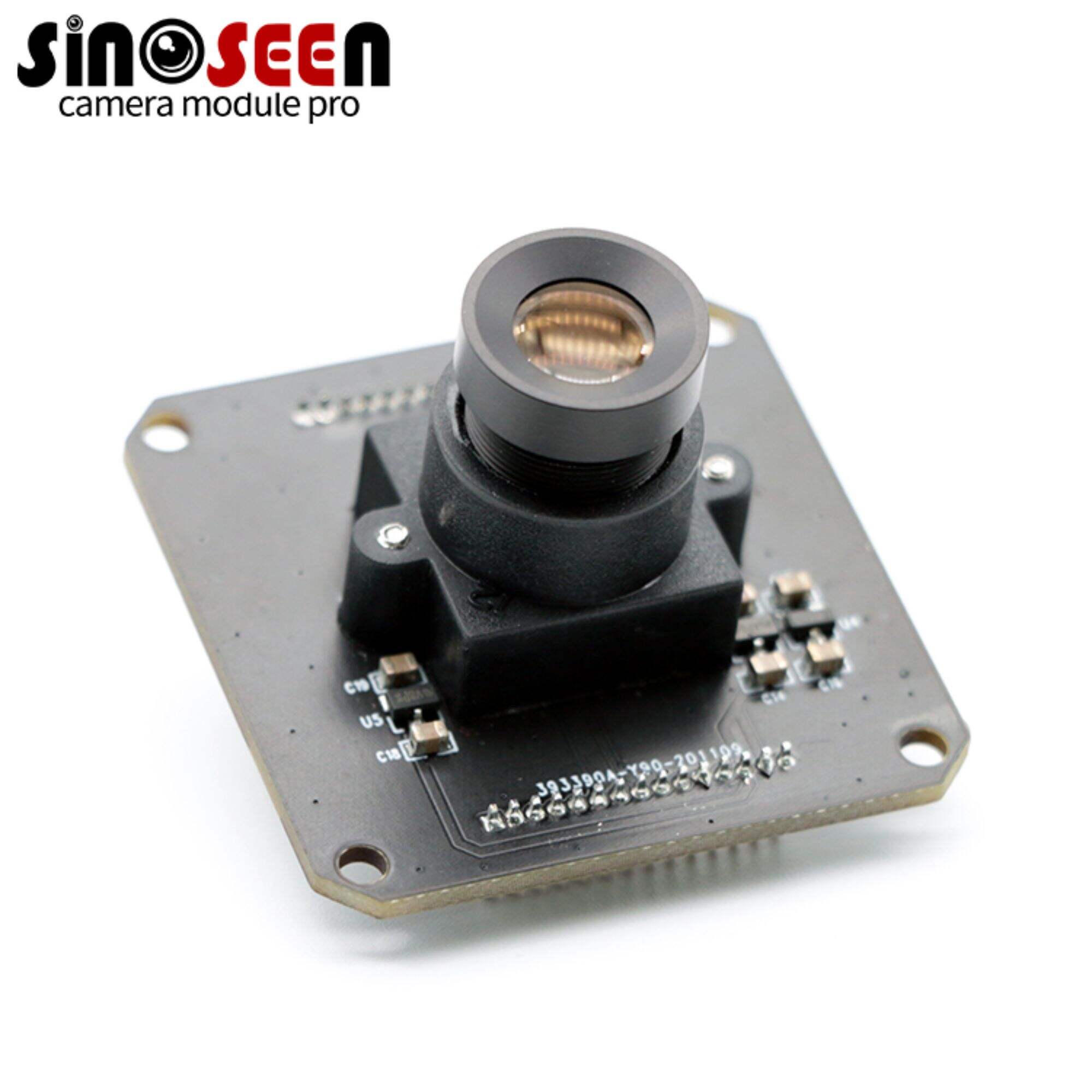
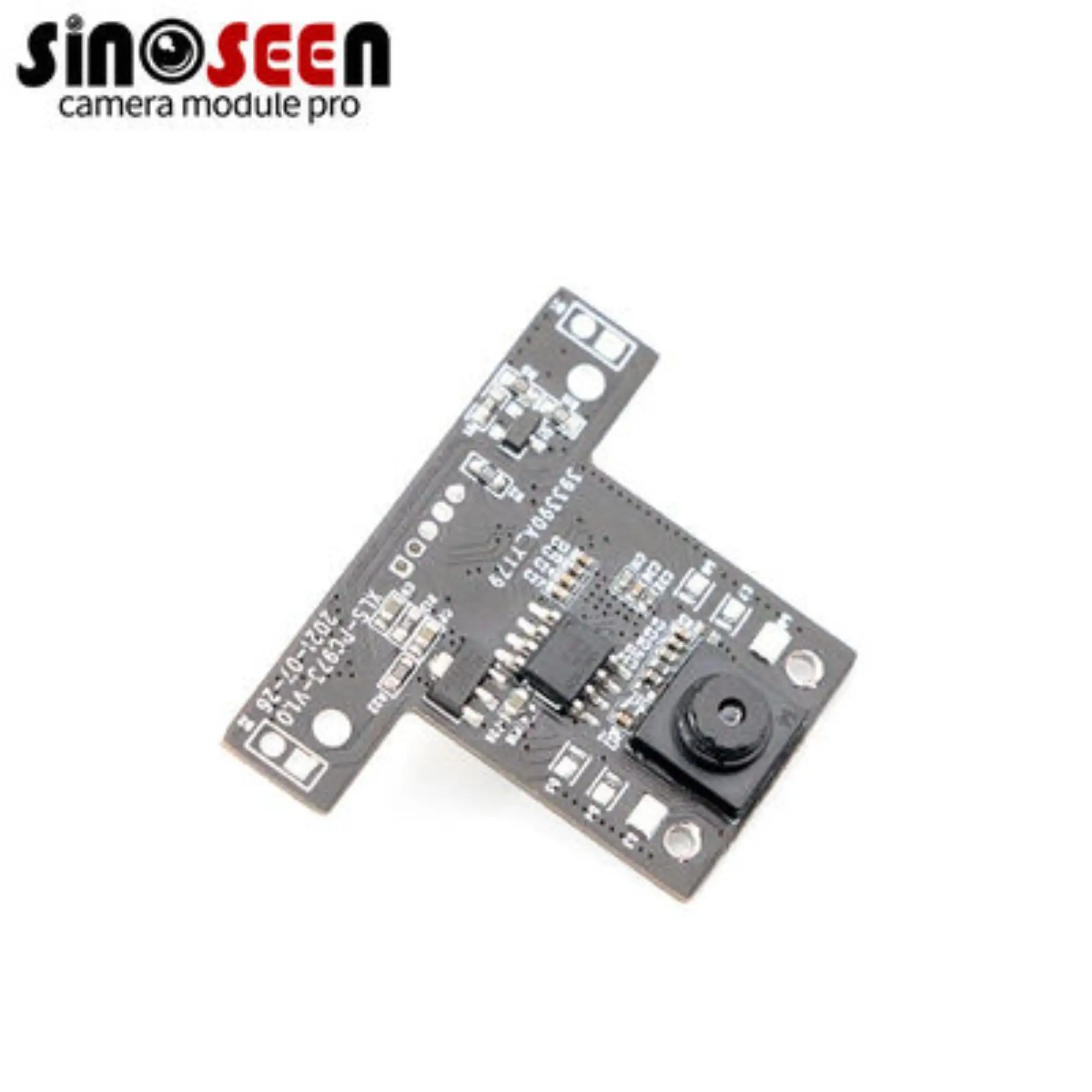
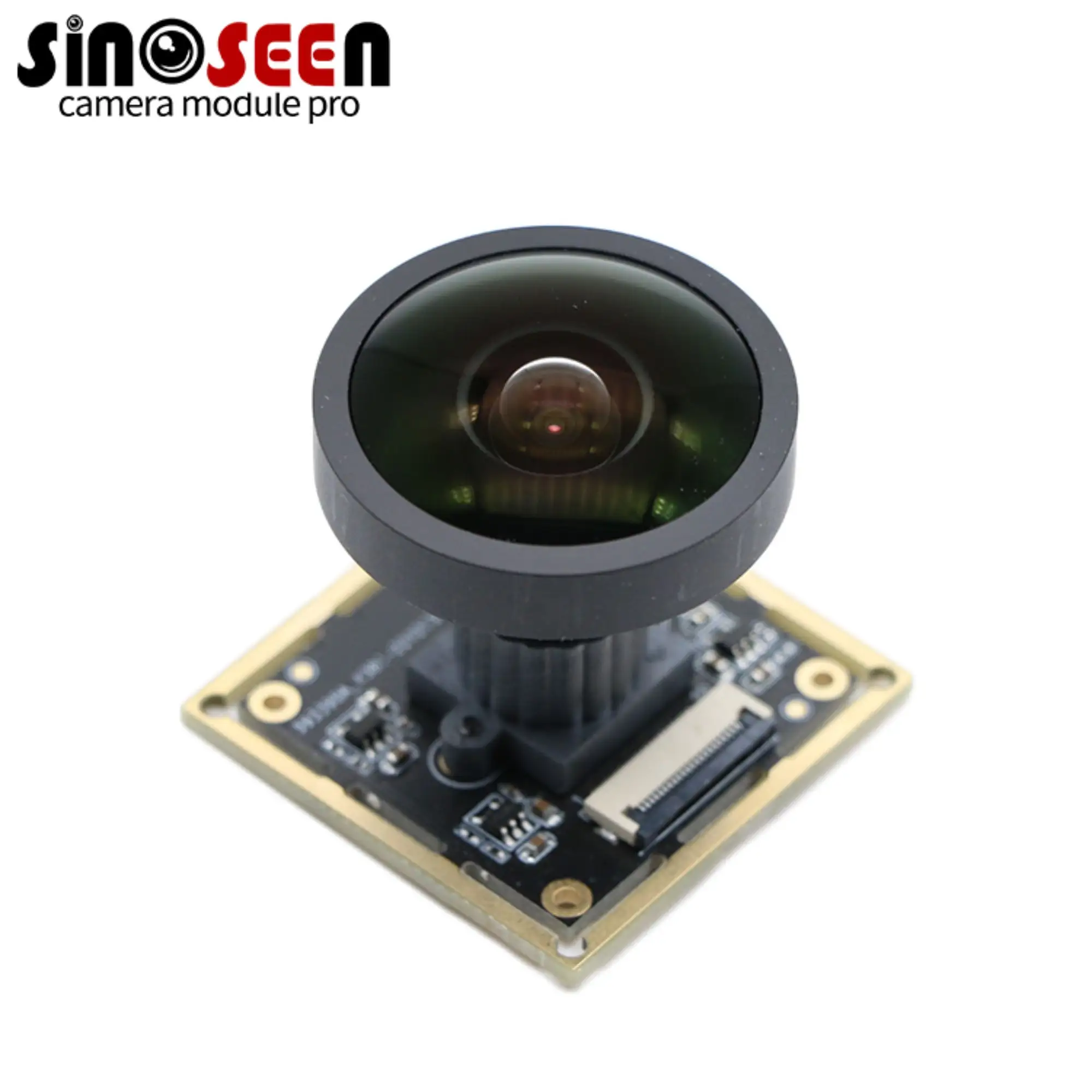
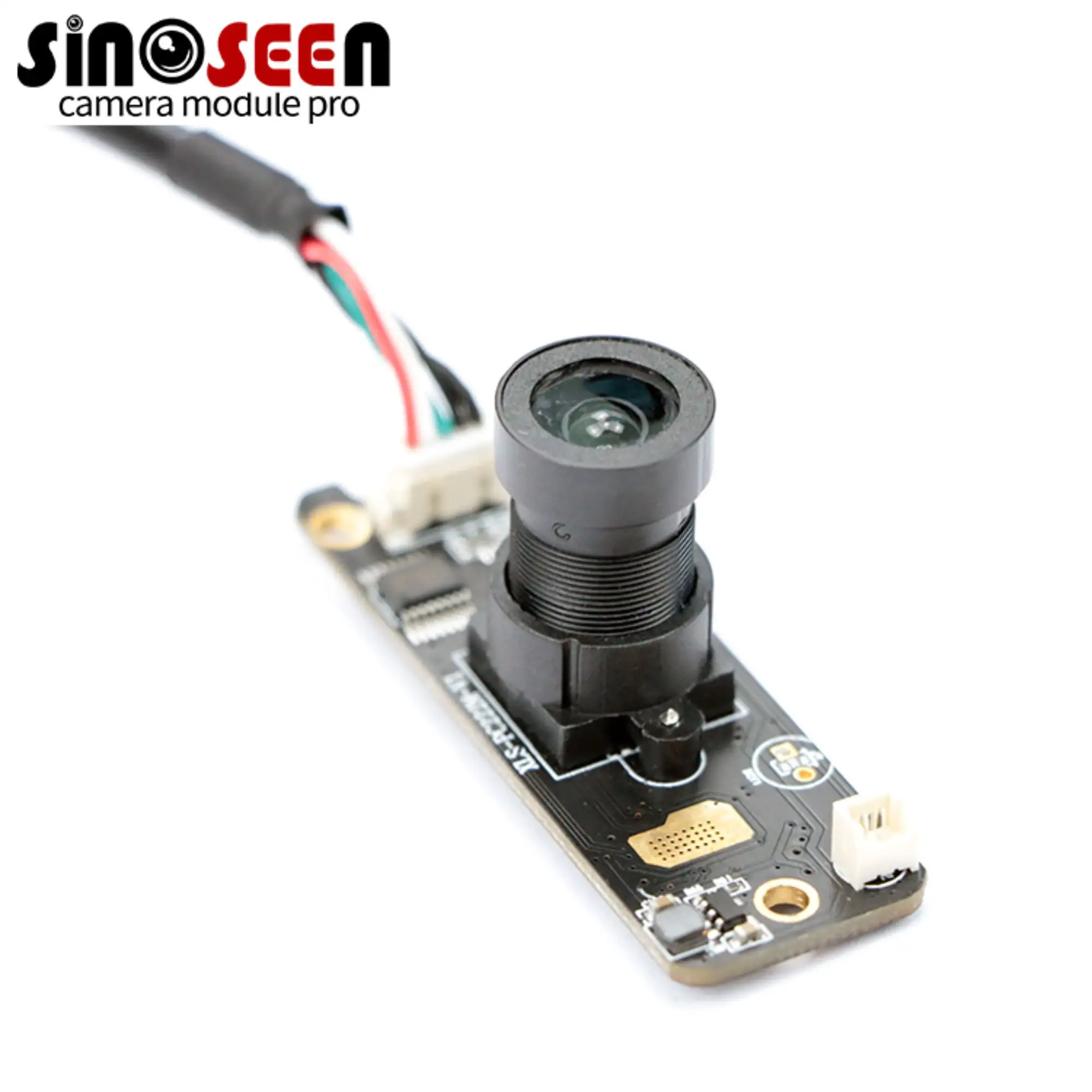
A machine vision camera represents a sophisticated imaging device specifically designed for automated inspection, measurement, and analysis tasks in industrial and commercial environments. Unlike conventional cameras that capture images for human viewing, these specialized devices integrate advanced sensors, precision optics, and intelligent processing capabilities to enable machines to see, interpret, and respond to visual information with remarkable accuracy. The machine vision camera operates as the primary sensing component in automated quality control systems, robotics, manufacturing lines, and scientific research applications. These cameras feature high-resolution sensors ranging from standard definition to ultra-high resolution formats, capable of capturing detailed images at extremely fast frame rates. The technological architecture includes specialized image sensors such as CCD or CMOS chips, precision lens systems, and integrated processing units that can analyze captured data in real-time. Modern machine vision cameras support various lighting conditions and can operate across different spectral ranges, including visible light, infrared, and ultraviolet spectrums. The devices incorporate sophisticated triggering mechanisms that synchronize image capture with production processes, ensuring precise timing for quality inspection and measurement tasks. Advanced models feature built-in image processing algorithms that can detect defects, measure dimensions, verify part presence, and perform complex pattern recognition tasks without requiring external computing resources. The machine vision camera systems typically connect to industrial networks through standard protocols like Ethernet, USB, or specialized industrial communication interfaces, enabling seamless integration with existing automation infrastructure. These cameras play crucial roles in automotive manufacturing, electronics assembly, pharmaceutical packaging, food processing, and countless other industries where consistent quality control and automated decision-making are essential for operational success and competitive advantage.

Popular Products

Machine vision cameras deliver exceptional precision and consistency that far exceeds human inspection capabilities, eliminating subjective judgment errors and maintaining uniform quality standards across extended production runs. These systems operate continuously without fatigue, breaks, or performance degradation, providing 24/7 monitoring and inspection capabilities that dramatically increase productivity while reducing labor costs. The speed of image processing and analysis allows machine vision cameras to inspect thousands of products per minute, identifying defects, measuring dimensions, and verifying specifications at rates impossible for manual inspection methods. Cost savings emerge through reduced waste, fewer defective products reaching customers, and minimized recall risks, while simultaneously improving overall product quality and brand reputation. Machine vision cameras provide comprehensive documentation and traceability, automatically recording inspection results and maintaining detailed quality records that support compliance requirements and continuous improvement initiatives. The flexibility of these systems allows easy reconfiguration for different products or inspection criteria, making them ideal for manufacturers producing varied product lines or frequently changing specifications. Integration capabilities enable machine vision cameras to communicate directly with other automation equipment, triggering immediate corrective actions when defects are detected, such as ejecting faulty products or adjusting manufacturing parameters. The return on investment typically occurs within months due to reduced labor costs, decreased material waste, and improved production efficiency. Modern machine vision cameras feature user-friendly interfaces and pre-configured inspection tools that minimize setup time and reduce the technical expertise required for implementation. Environmental resilience ensures reliable operation in harsh industrial conditions, including extreme temperatures, vibrations, and exposure to dust or moisture. The scalability of machine vision camera systems allows businesses to start with basic inspection tasks and gradually expand capabilities as needs evolve. Real-time data collection and analysis provide valuable insights into production trends, helping manufacturers optimize processes and predict maintenance requirements. These cameras eliminate human safety risks associated with inspecting dangerous products or working in hazardous environments, while providing consistent performance regardless of lighting conditions or worker availability.

Latest News

Why Choose a High-Performance Embedded Camera Module for AI Applications?

02

Mar

Why Choose a High-Performance Embedded Camera Module for AI Applications?

Artificial intelligence applications demand precision, speed, and reliability in their visual data acquisition systems. An embedded camera module serves as the critical foundation for AI-powered devices, from autonomous vehicles to smart manufacturin...
View More
How to Optimize Low-Light Performance in Custom Camera Module Designs?

02

Mar

How to Optimize Low-Light Performance in Custom Camera Module Designs?

Custom camera module designs face unique challenges when operating in environments with minimal illumination, making low-light performance optimization a critical engineering consideration. Modern applications ranging from security surveillance to au...
View More
How to Integrate a Small Camera Module into Compact Medical Devices?

02

Mar

How to Integrate a Small Camera Module into Compact Medical Devices?

Medical device miniaturization continues to revolutionize healthcare, enabling less invasive procedures and improved patient outcomes. When designing compact medical equipment, integrating a small camera module requires careful consideration of space...
View More
Why do Robotics Manufacturers Prefer High-Speed AI Camera Modules?

02

Mar

Why do Robotics Manufacturers Prefer High-Speed AI Camera Modules?

The robotics industry has experienced unprecedented growth in recent years, with manufacturers increasingly demanding sophisticated vision systems that can process visual data at lightning speed. High-speed AI camera modules have emerged as the corne...
View More

Get In Touch

machine vision camera

Advanced Real-Time Image Processing Capabilities

Advanced Real-Time Image Processing Capabilities

The machine vision camera excels in delivering sophisticated real-time image processing that transforms raw visual data into actionable insights within milliseconds of capture. This remarkable capability stems from powerful onboard processors and specialized algorithms that can simultaneously perform multiple analysis tasks including defect detection, dimensional measurement, pattern recognition, and color verification without requiring external computing resources. The processing architecture utilizes advanced edge computing principles, enabling the machine vision camera to make critical decisions instantly at the point of inspection rather than relying on centralized processing systems that introduce delays and potential bottlenecks. The real-time processing capabilities include sophisticated filtering algorithms that enhance image quality by reducing noise, adjusting contrast, and optimizing brightness automatically based on ambient conditions. Machine learning integration allows the camera to continuously improve its detection accuracy by learning from previous inspections and adapting to subtle variations in product appearance or manufacturing conditions. The system can process multiple regions of interest simultaneously within a single image, enabling comprehensive inspection of complex products with numerous features requiring verification. Advanced geometric measurement tools provide precise dimensional analysis with sub-pixel accuracy, ensuring tight tolerance requirements are consistently met across production runs. The machine vision camera supports complex inspection recipes that can be easily modified or updated without interrupting production, allowing manufacturers to adapt quickly to new quality requirements or product specifications. Color analysis capabilities extend beyond simple RGB detection to include advanced colorimetric analysis that accounts for lighting variations and material properties. The processing power enables real-time statistical analysis of inspection results, providing immediate feedback on process stability and quality trends that help operators identify potential issues before they impact production quality.
Exceptional Durability and Industrial-Grade Reliability

Exceptional Durability and Industrial-Grade Reliability

Machine vision cameras are engineered to withstand the demanding conditions of industrial environments, featuring robust construction and protective measures that ensure consistent performance across extended operational periods. The industrial-grade design incorporates reinforced housing materials, sealed optical components, and shock-resistant mounting systems that protect sensitive electronics from vibrations, impacts, and environmental hazards commonly found in manufacturing facilities. Temperature stability represents a critical advantage, with many machine vision cameras operating reliably across extreme temperature ranges from sub-zero conditions to high-heat environments exceeding 60 degrees Celsius, maintaining imaging accuracy and processing performance regardless of ambient conditions. The protective enclosures feature IP67 or higher ratings, providing complete protection against dust ingress and water intrusion, making these cameras suitable for food processing plants, chemical manufacturing facilities, and outdoor applications where environmental exposure is unavoidable. Specialized lens coatings and optical filters protect against corrosive atmospheres, chemical vapors, and ultraviolet radiation that could degrade image quality or damage sensitive components over time. The electrical design incorporates surge protection, electromagnetic interference shielding, and power supply conditioning that ensures stable operation even in electrically noisy industrial environments with heavy machinery and switching equipment. Mechanical vibration resistance allows machine vision cameras to maintain precise focus and alignment even when mounted on moving equipment or near high-vibration machinery, ensuring consistent image quality throughout the inspection process. The modular design philosophy enables field replacement of key components without requiring complete system replacement, minimizing downtime and reducing maintenance costs. Quality control testing during manufacturing includes extensive burn-in procedures, environmental stress testing, and quality assurance protocols that verify each machine vision camera meets stringent reliability standards before deployment. Preventive maintenance requirements are minimal due to solid-state construction and sealed optical systems, reducing total cost of ownership and maximizing production uptime.
Seamless Integration and Connectivity Solutions

Seamless Integration and Connectivity Solutions

The machine vision camera delivers outstanding integration capabilities that simplify deployment within existing automation frameworks while providing flexible connectivity options for diverse industrial applications. Modern communication protocols including Ethernet, USB, and specialized industrial networks ensure compatibility with virtually any manufacturing system or quality control infrastructure. The plug-and-play design philosophy minimizes installation complexity, allowing technicians to quickly deploy machine vision cameras without extensive programming or configuration requirements. Software compatibility spans multiple platforms and programming environments, enabling integration with popular industrial automation systems, robotic controllers, and manufacturing execution systems through standardized communication protocols. The machine vision camera supports both centralized and distributed processing architectures, allowing manufacturers to choose optimal system configurations based on specific performance requirements and existing infrastructure capabilities. Advanced triggering options provide precise synchronization with production equipment, conveyor systems, and robotic handling mechanisms, ensuring optimal timing for image capture and analysis tasks. The flexible mounting systems accommodate various installation scenarios including fixed positions, robotic end-effectors, and mobile inspection stations, maximizing deployment versatility across different application requirements. Comprehensive software development kits and application programming interfaces enable custom integration solutions for specialized inspection tasks or unique manufacturing processes that require tailored functionality. Remote monitoring and diagnostic capabilities allow technicians to access machine vision camera settings, performance metrics, and inspection results from central control rooms or mobile devices, improving maintenance efficiency and system optimization. The scalable architecture supports expansion from single-camera installations to complex multi-camera inspection networks that can monitor entire production lines or multiple manufacturing cells simultaneously. Data logging and export capabilities ensure seamless integration with quality management systems, statistical process control tools, and enterprise resource planning software, providing comprehensive traceability and compliance documentation. Network security features including encrypted communication and access control protect sensitive production data while enabling secure remote access for authorized personnel and support technicians.

Related Search

Get in touch