Innovative Camera Modules for Every Application | Sinoseen

All Categories

ai vision module

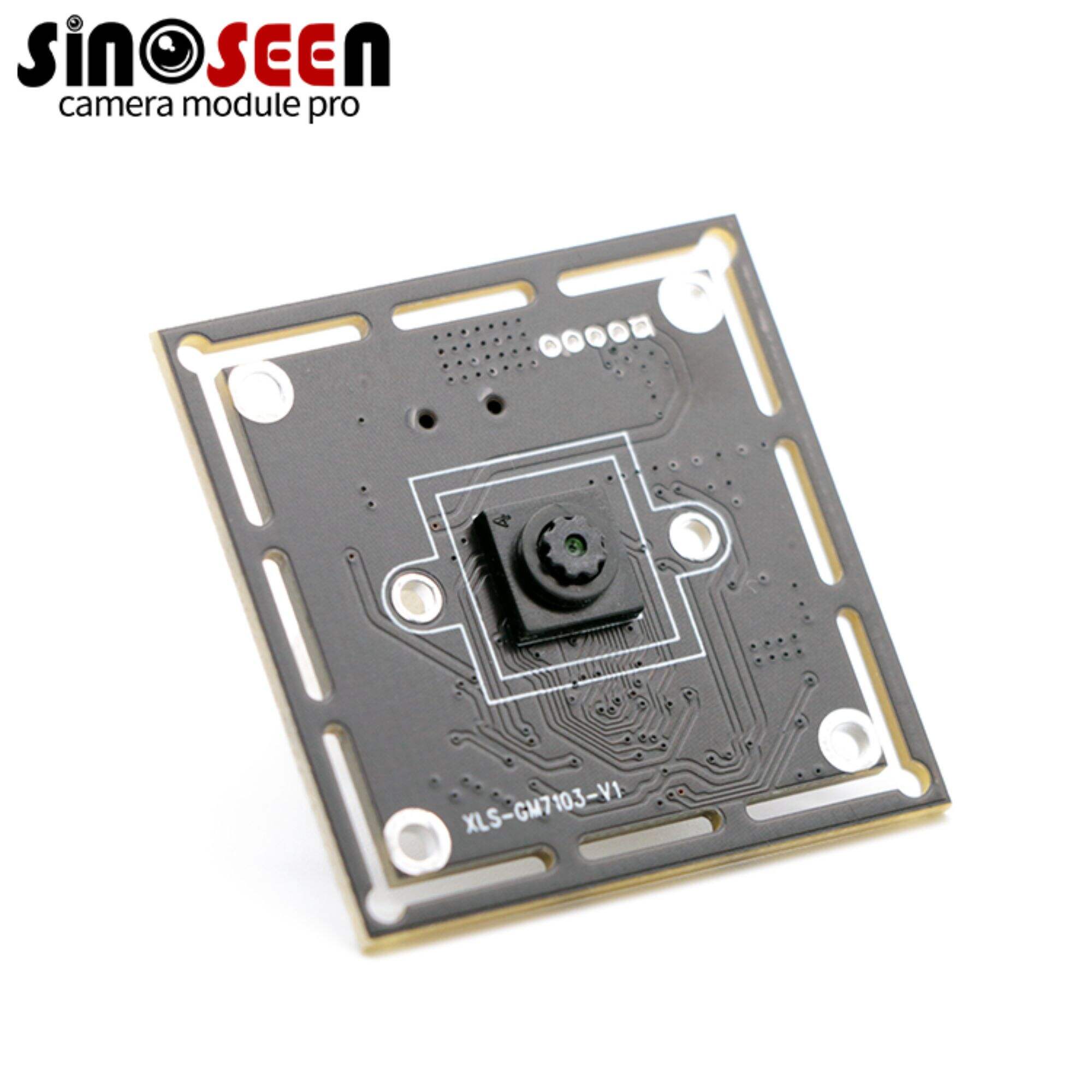
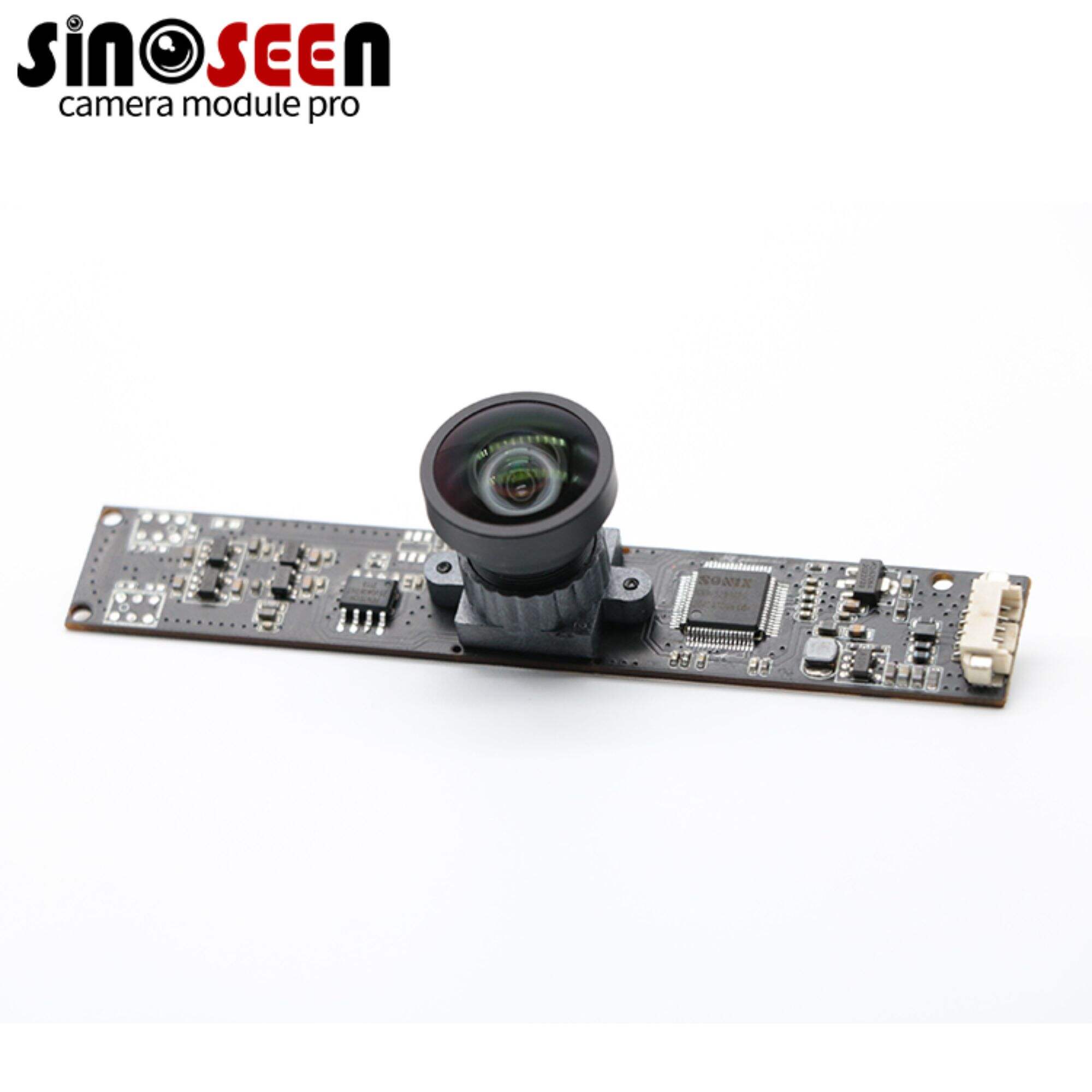
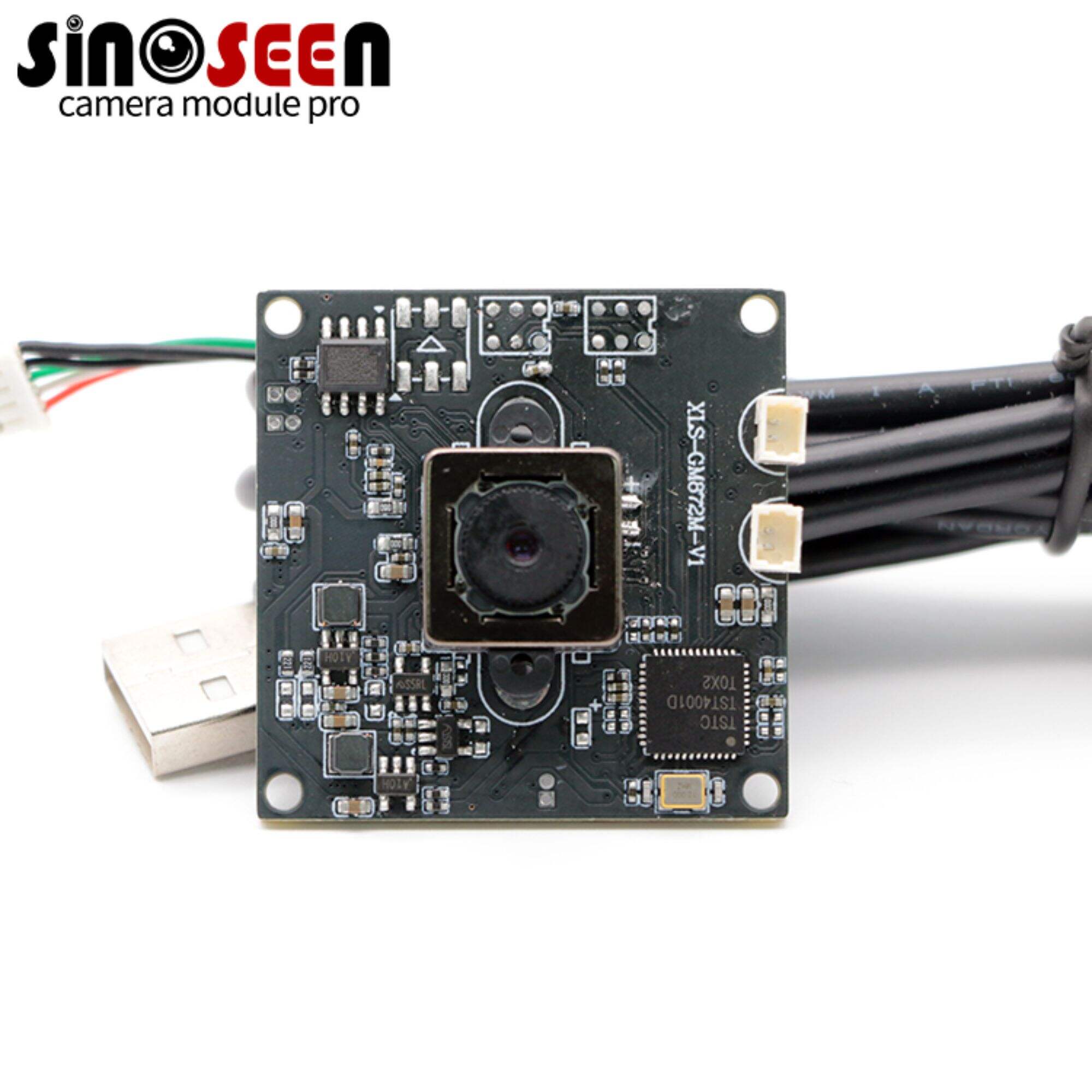
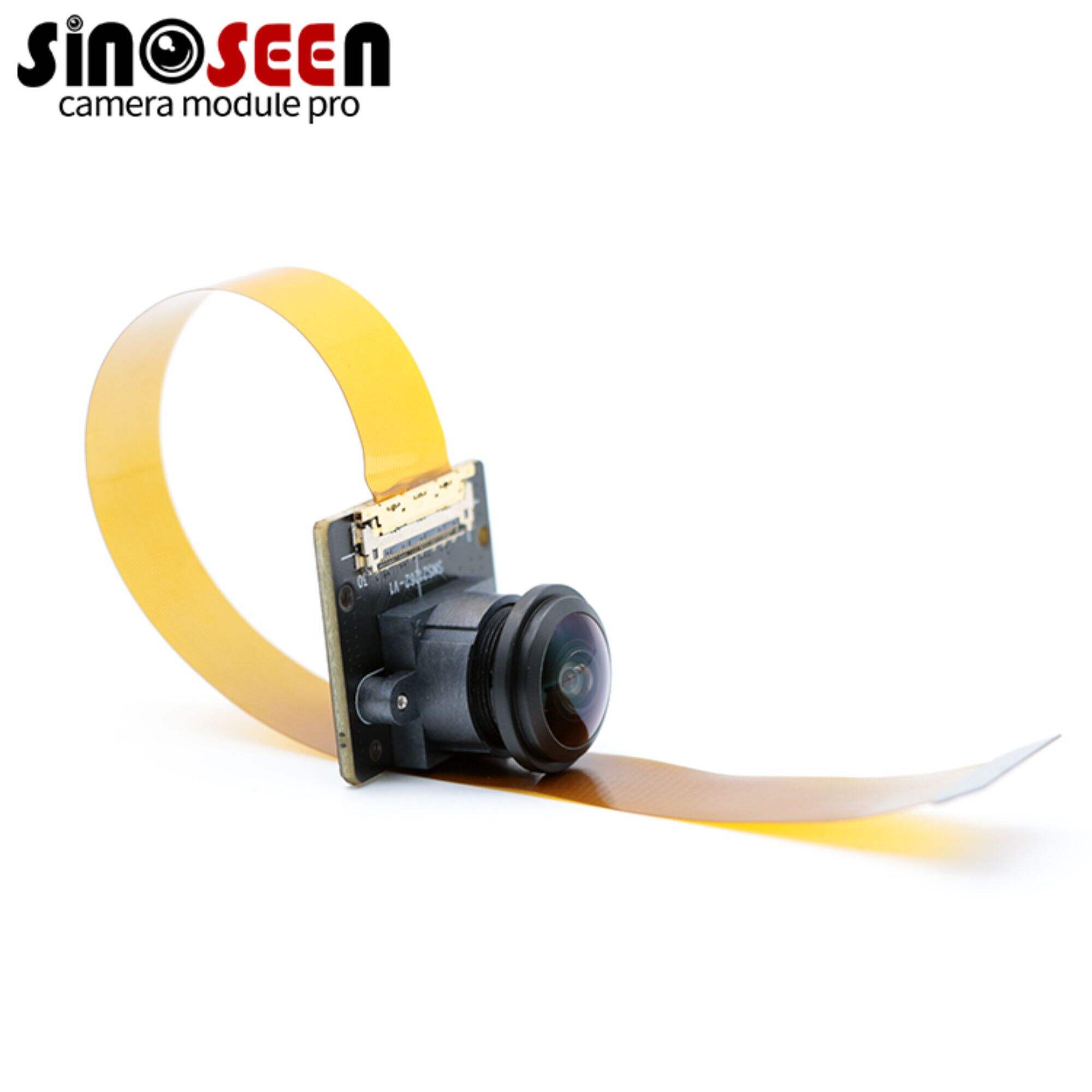
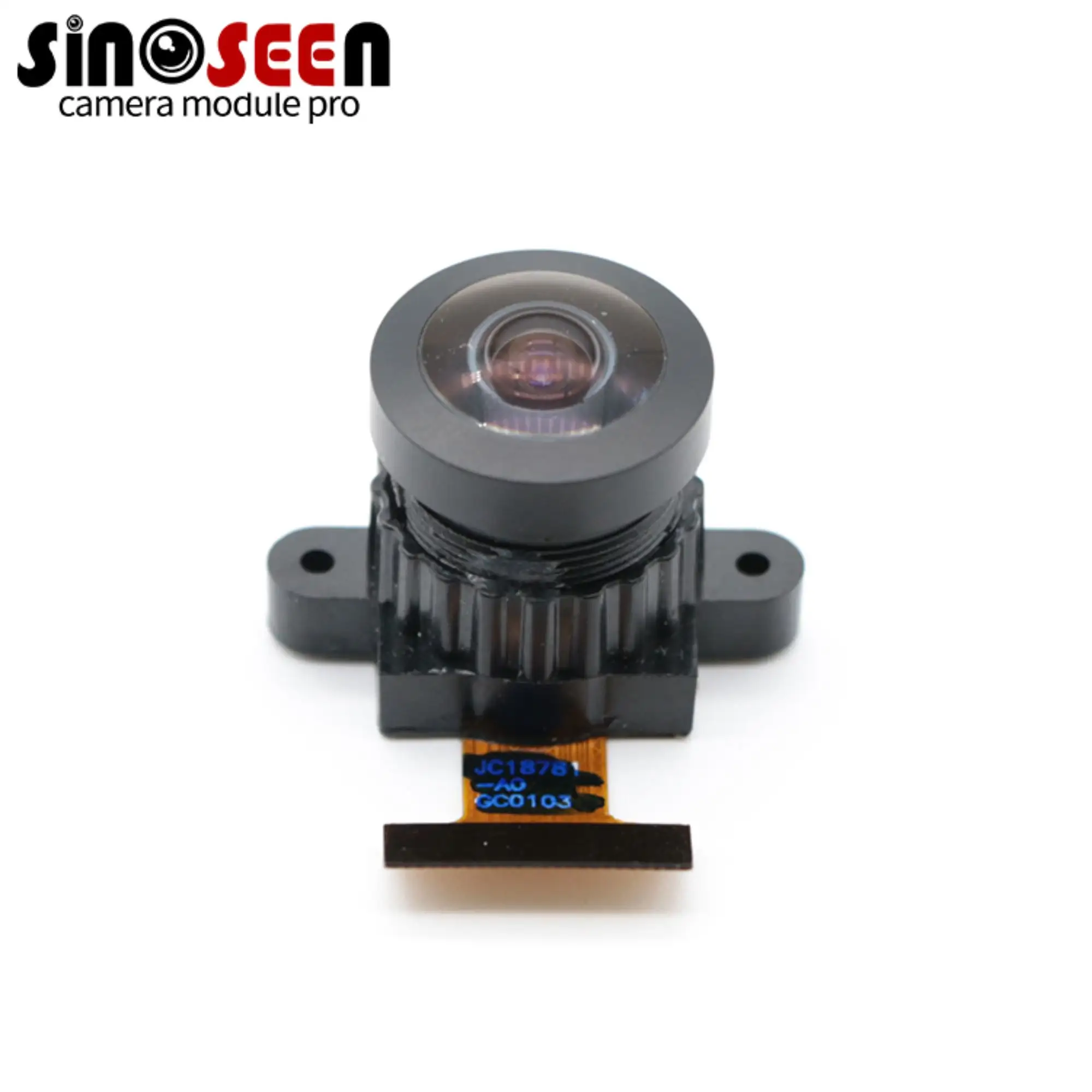
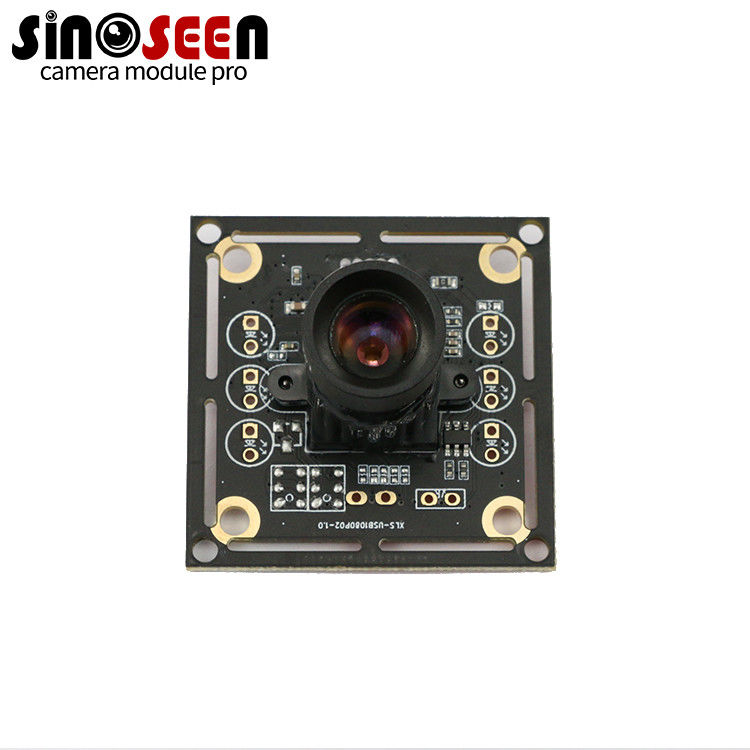
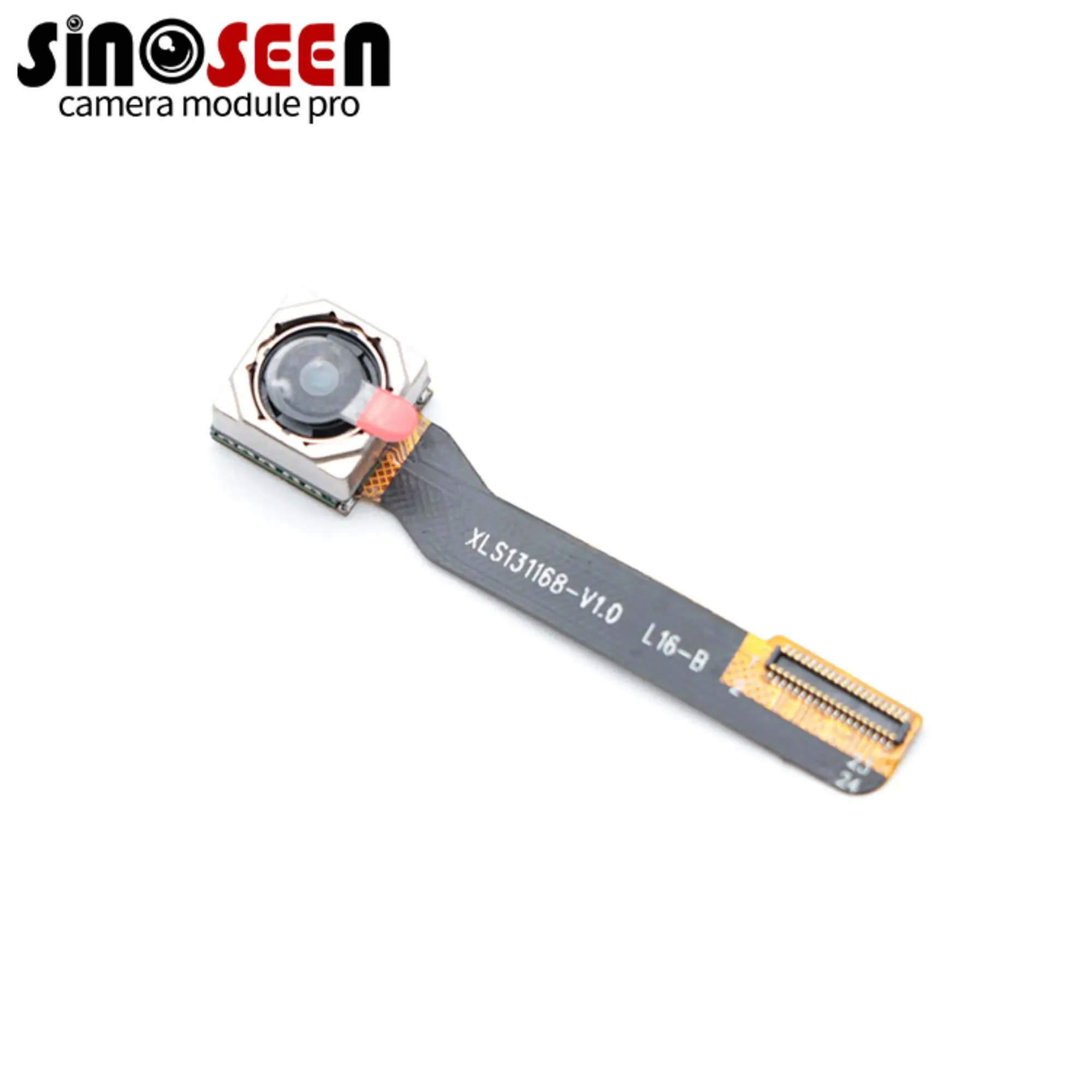
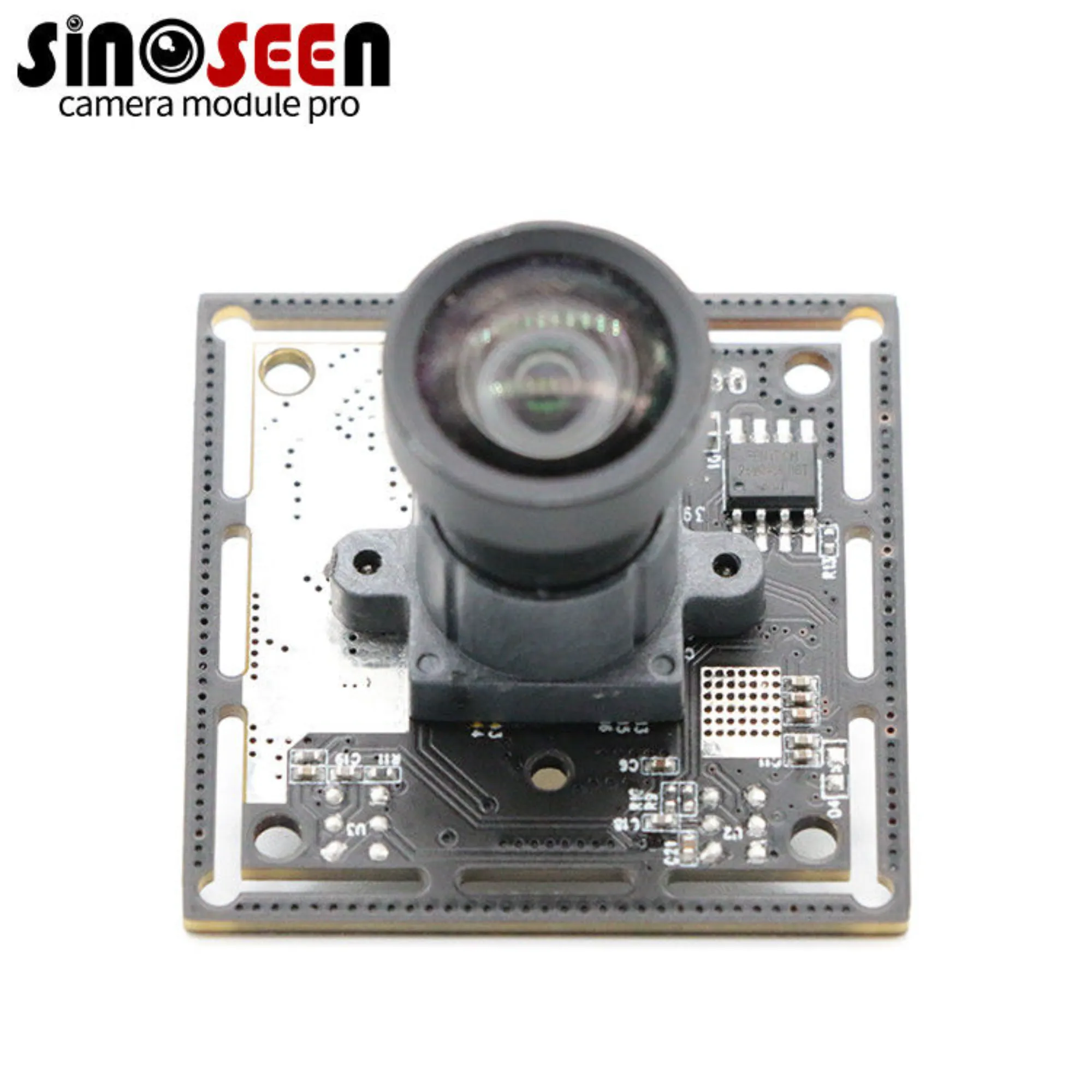
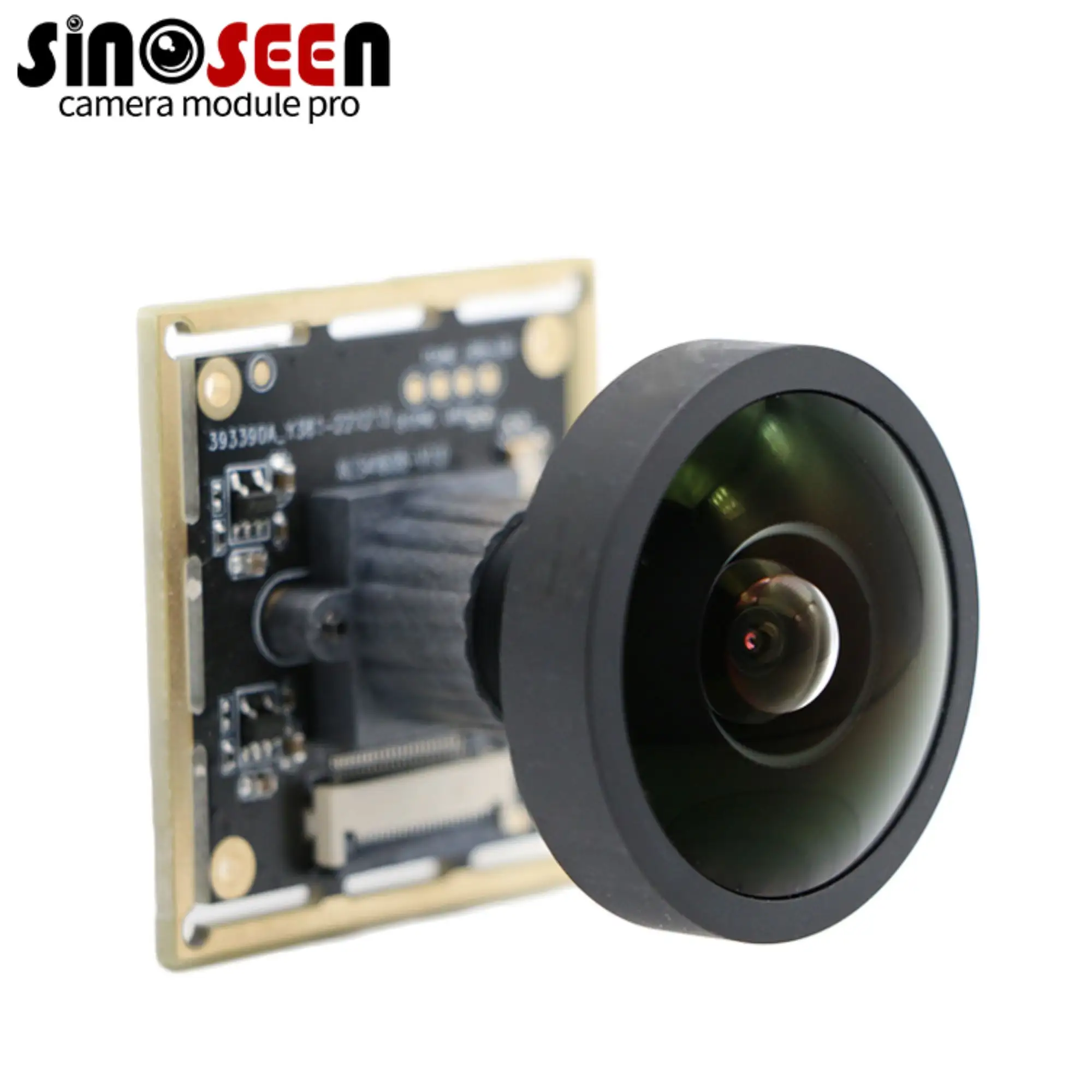
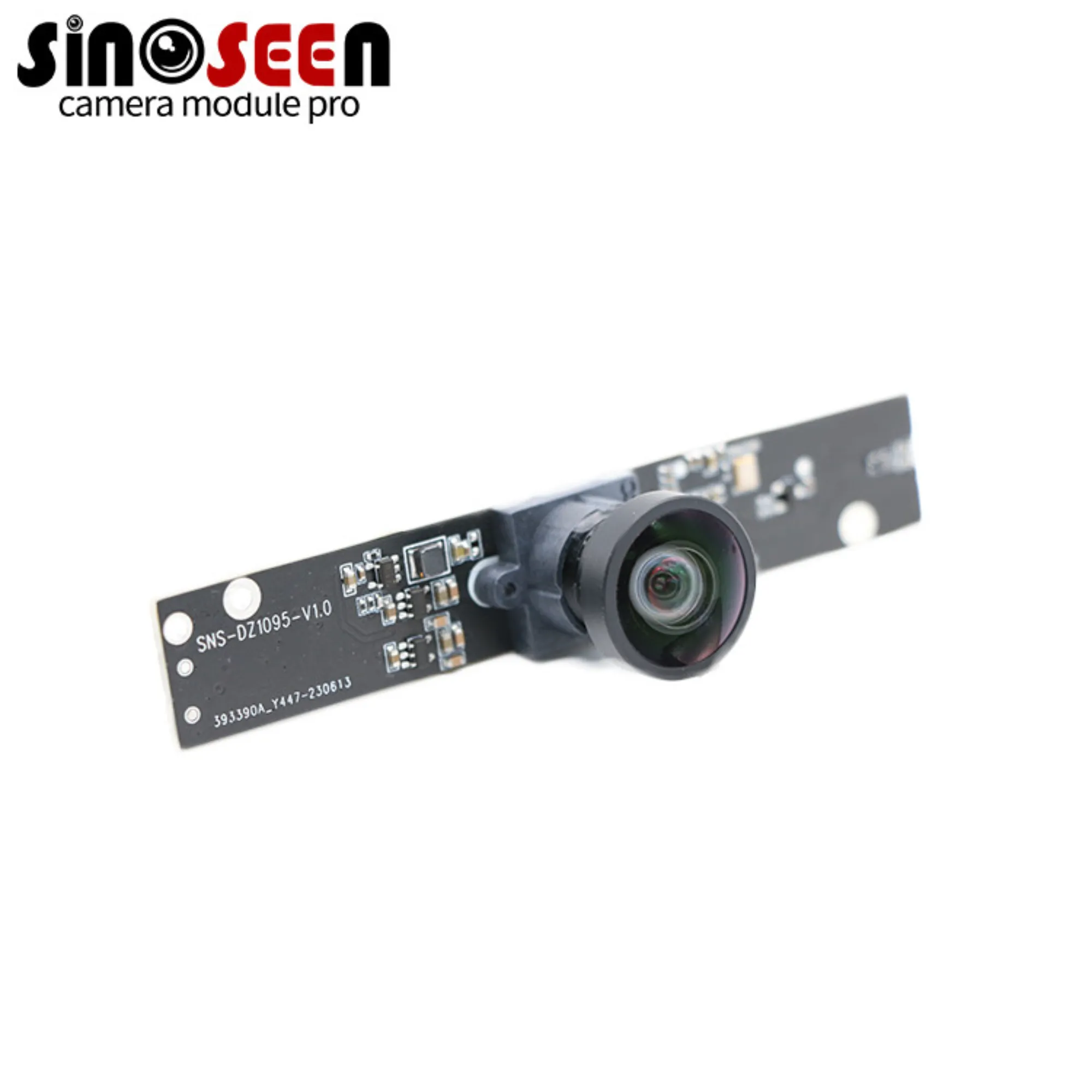
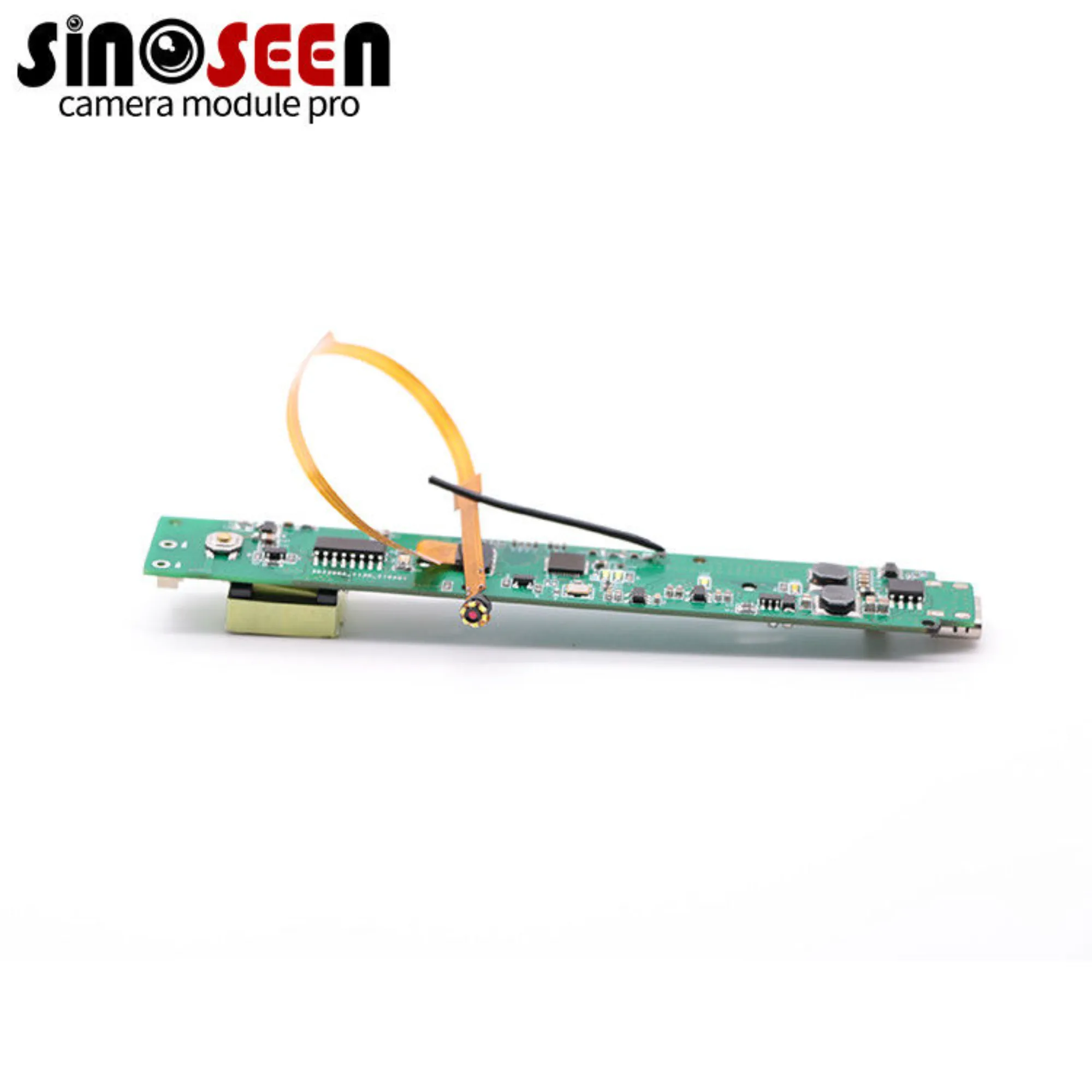
The AI vision module represents a revolutionary breakthrough in computer vision technology, transforming how machines perceive and interpret visual data. This sophisticated system combines advanced artificial intelligence algorithms with high-performance image processing capabilities to deliver unprecedented accuracy and speed in visual recognition tasks. At its core, the AI vision module utilizes deep learning neural networks trained on massive datasets to identify objects, detect patterns, analyze movement, and extract meaningful information from visual inputs. The module integrates seamlessly with existing hardware systems through standardized interfaces, making it adaptable across diverse industrial applications. Key technological features include real-time processing capabilities that analyze video streams at impressive frame rates, multi-object detection that simultaneously identifies numerous elements within a single frame, and adaptive learning mechanisms that continuously improve performance through exposure to new data patterns. The AI vision module supports various input formats including standard cameras, infrared sensors, and specialized imaging equipment, providing flexibility for different operational environments. Advanced edge computing capabilities enable local processing, reducing latency and ensuring reliable performance even in environments with limited connectivity. The module's robust architecture incorporates error correction algorithms and redundancy measures to maintain consistent operation in challenging conditions. Machine learning algorithms within the AI vision module can distinguish between subtle variations in product quality, detect defects invisible to human inspection, and track complex motion patterns with remarkable precision. The system's modular design allows for customizable configuration based on specific application requirements, while standardized APIs facilitate integration with existing software ecosystems. Temperature compensation and environmental adaptation features ensure reliable operation across varying conditions, making the AI vision module suitable for both indoor and outdoor deployments.

Popular Products

The AI vision module delivers substantial operational improvements that directly impact productivity and profitability across multiple industries. Organizations implementing this technology experience dramatic reductions in manual inspection time, with automated visual analysis completing tasks up to 50 times faster than traditional human-based methods. The module eliminates human error factors that commonly occur during repetitive visual inspection tasks, ensuring consistent quality standards and reducing costly product recalls or customer complaints. Cost savings become immediately apparent as companies reduce their dependence on manual labor while simultaneously improving accuracy rates to nearly 99.8 percent in optimal conditions. The AI vision module operates continuously without fatigue, breaks, or shift changes, providing 24/7 monitoring capabilities that maximize production uptime and catch issues before they escalate into major problems. Integration flexibility allows businesses to retrofit existing equipment rather than completely replacing infrastructure, minimizing capital expenditure while gaining cutting-edge capabilities. Real-time processing means immediate feedback and rapid response to detected anomalies, preventing defective products from advancing through production lines and reducing waste materials. The module's learning capabilities mean performance improves over time as it encounters new scenarios and edge cases, creating a system that becomes more valuable with extended use. Scalability features allow organizations to start with pilot implementations and expand coverage as they realize benefits, making adoption financially manageable for businesses of various sizes. Documentation and traceability features automatically generate detailed reports of all inspections, supporting compliance requirements and quality auditing processes. Remote monitoring capabilities enable centralized oversight of multiple locations, reducing travel costs and enabling expert technicians to support operations from anywhere. The AI vision module's consistent performance eliminates subjective variations between different human inspectors, creating standardized quality metrics across entire organizations. Energy efficiency optimization reduces operational costs compared to traditional inspection systems that require extensive lighting and manual oversight.

Practical Tips

 How to Select the Right AI Camera Module for Facial Recognition Systems?

02

Mar

How to Select the Right AI Camera Module for Facial Recognition Systems?

Selecting the appropriate AI camera module for facial recognition systems represents a critical decision that directly impacts system performance, accuracy, and overall operational efficiency. Modern facial recognition applications demand sophisticat...
View More
How to Optimize Low-Light Performance in Custom Camera Module Designs?

02

Mar

How to Optimize Low-Light Performance in Custom Camera Module Designs?

Custom camera module designs face unique challenges when operating in environments with minimal illumination, making low-light performance optimization a critical engineering consideration. Modern applications ranging from security surveillance to au...
View More
How to Integrate a Small Camera Module into Compact Medical Devices?

02

Mar

How to Integrate a Small Camera Module into Compact Medical Devices?

Medical device miniaturization continues to revolutionize healthcare, enabling less invasive procedures and improved patient outcomes. When designing compact medical equipment, integrating a small camera module requires careful consideration of space...
View More
Why do Robotics Manufacturers Prefer High-Speed AI Camera Modules?

02

Mar

Why do Robotics Manufacturers Prefer High-Speed AI Camera Modules?

The robotics industry has experienced unprecedented growth in recent years, with manufacturers increasingly demanding sophisticated vision systems that can process visual data at lightning speed. High-speed AI camera modules have emerged as the corne...
View More

Get In Touch

ai vision module

Advanced Real-Time Processing Capabilities

Advanced Real-Time Processing Capabilities

The AI vision module's real-time processing capabilities represent a quantum leap in industrial automation efficiency, delivering instantaneous visual analysis that transforms manufacturing and quality control operations. This sophisticated system processes high-resolution video streams at rates exceeding 120 frames per second, enabling immediate detection of defects, anomalies, or quality variations as products move through production lines. The module's advanced parallel processing architecture utilizes specialized GPU acceleration and optimized algorithms to analyze multiple visual elements simultaneously without compromising accuracy or speed. Unlike traditional inspection methods that require products to stop for examination, the AI vision module performs comprehensive analysis during continuous motion, eliminating bottlenecks and maintaining optimal production flow. The real-time capabilities extend beyond simple object detection to include complex behavioral analysis, tracking moving components, monitoring assembly processes, and predicting potential failures before they occur. Edge computing integration ensures processing occurs locally within the module, eliminating network latency issues and providing reliable performance even in environments with limited connectivity. The system's adaptive frame rate optimization automatically adjusts processing speed based on application requirements, conserving computational resources during low-activity periods while maintaining peak performance when needed. Advanced buffering and queue management prevent data loss during high-volume periods, ensuring every frame receives appropriate analysis attention. The AI vision module's real-time processing includes sophisticated filtering algorithms that distinguish between normal operational variations and genuine quality concerns, reducing false positive alerts that can disrupt production workflows. Integration with existing manufacturing execution systems enables immediate production line adjustments based on visual feedback, creating closed-loop quality control that automatically maintains optimal parameters. The module's temporal analysis capabilities track changes over time, identifying gradual degradation patterns that might indicate equipment maintenance needs or process optimization opportunities. Multi-threading architecture ensures consistent performance across varying workloads, while predictive resource allocation anticipates processing requirements based on historical patterns and current operational conditions.
Precision Object Detection and Classification

Precision Object Detection and Classification

The AI vision module's precision object detection and classification capabilities deliver unmatched accuracy in identifying and categorizing visual elements across diverse industrial applications. Advanced convolutional neural networks trained on millions of labeled images enable the system to distinguish between subtle variations in product features, detecting defects as small as 0.1 millimeters with remarkable consistency. The module's multi-class classification system simultaneously identifies multiple object types within a single field of view, tracking individual items through complex assembly processes while maintaining accurate identification throughout manufacturing workflows. Sophisticated feature extraction algorithms analyze texture, color, shape, and dimensional characteristics to create comprehensive object profiles that enable precise differentiation between acceptable and defective products. The AI vision module incorporates advanced geometric analysis capabilities that measure distances, angles, and proportions with sub-pixel accuracy, ensuring dimensional compliance across manufactured components. Machine learning algorithms continuously refine detection accuracy through exposure to new product variations, creating a system that adapts to evolving manufacturing requirements without requiring manual recalibration. The module's hierarchical classification structure enables both broad category identification and detailed sub-classification, supporting applications ranging from general product sorting to highly specific quality grading. Advanced occlusion handling algorithms maintain accurate detection even when objects are partially obscured or overlapping, crucial for realistic production environments where perfect positioning cannot always be guaranteed. The system's rotation and scale invariance capabilities ensure consistent detection regardless of object orientation or size variations within specified parameters. Multi-spectral analysis capabilities extend beyond visible light to include infrared and ultraviolet detection, revealing defects invisible to conventional imaging systems. The AI vision module's confidence scoring mechanism provides quantitative measures of detection certainty, enabling operators to establish appropriate thresholds for different quality standards. Integration with statistical process control systems enables trend analysis and predictive quality management based on detection patterns over time.
Seamless Integration and Scalability

Seamless Integration and Scalability

The AI vision module's seamless integration and scalability features provide unparalleled flexibility for organizations seeking to modernize their visual inspection processes without disrupting existing operations. Standardized communication protocols including Ethernet/IP, Modbus, and OPC-UA ensure compatibility with diverse industrial control systems, enabling plug-and-play installation that minimizes implementation time and technical complexity. The module's modular architecture supports incremental deployment strategies, allowing organizations to begin with pilot installations and gradually expand coverage as they validate benefits and build internal expertise. Comprehensive software development kits provide pre-built integrations for popular manufacturing execution systems, enterprise resource planning platforms, and quality management software, reducing custom programming requirements and accelerating time-to-value. The AI vision module's cloud connectivity options enable centralized management of multiple installations while maintaining local processing capabilities for critical real-time operations. Scalable licensing models accommodate growth from single-unit installations to enterprise-wide deployments, providing cost-effective expansion paths that align with organizational budgets and implementation timelines. The system's configuration management tools allow remote setup and adjustment of detection parameters across multiple locations, reducing the need for on-site technical support and enabling standardized quality criteria throughout distributed operations. Advanced load balancing capabilities automatically distribute processing workloads across multiple modules when deployed in networked configurations, ensuring optimal performance even during peak operational periods. The AI vision module's backward compatibility features protect existing investments by supporting legacy camera systems and imaging equipment through standardized input interfaces. Comprehensive monitoring and diagnostic tools provide real-time visibility into system performance, enabling proactive maintenance and optimization that maximizes uptime and operational efficiency. The module's flexible mounting and positioning options accommodate diverse installation environments, from compact assembly stations to large-scale production lines, while maintaining consistent performance characteristics. Integration APIs support custom application development, enabling organizations to create specialized solutions that leverage the AI vision module's core capabilities while addressing unique operational requirements specific to their industry or processes.

Related Search

Get in touch