Innovative Camera Modules for Every Application | Sinoseen

All Categories

low light cmos camera module

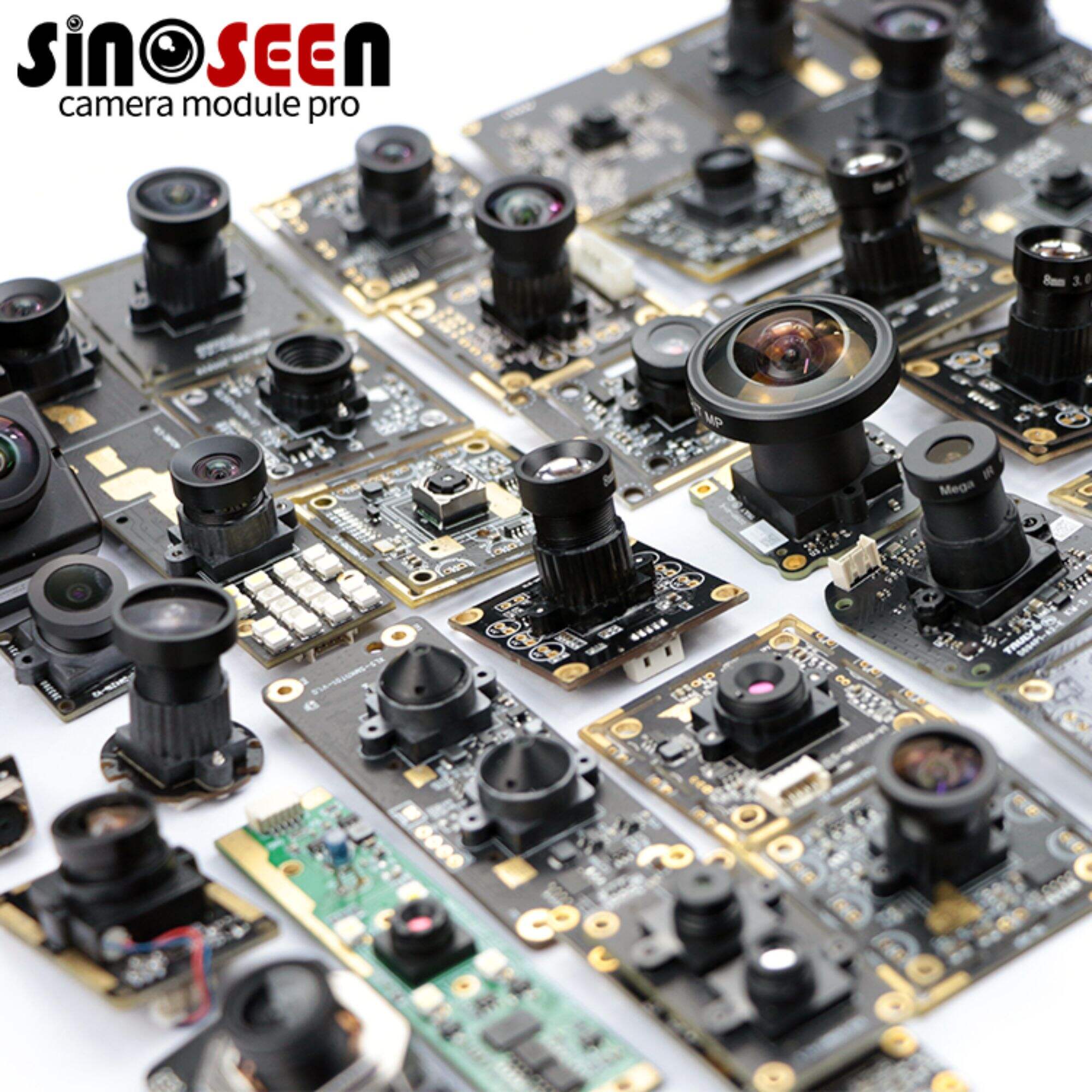
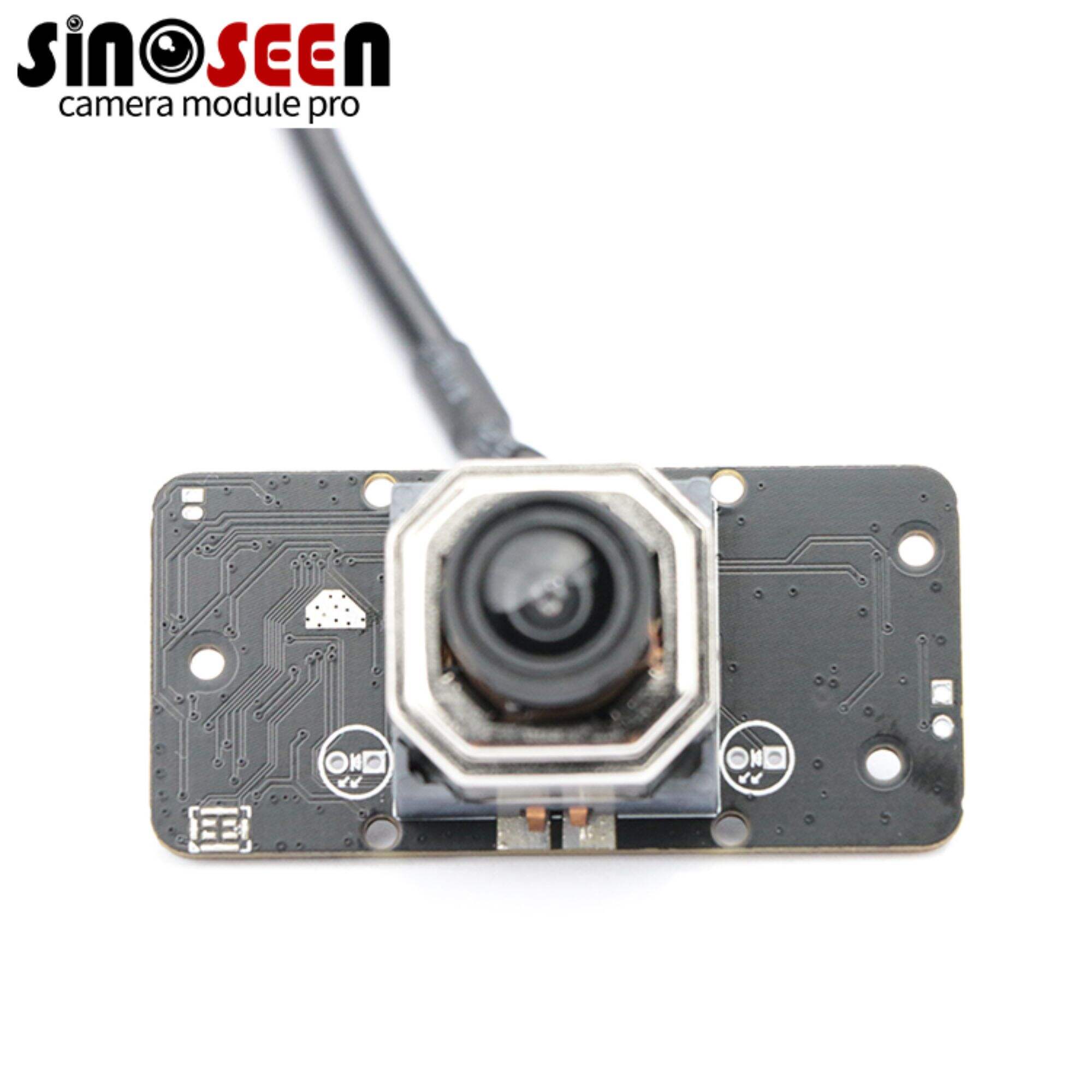
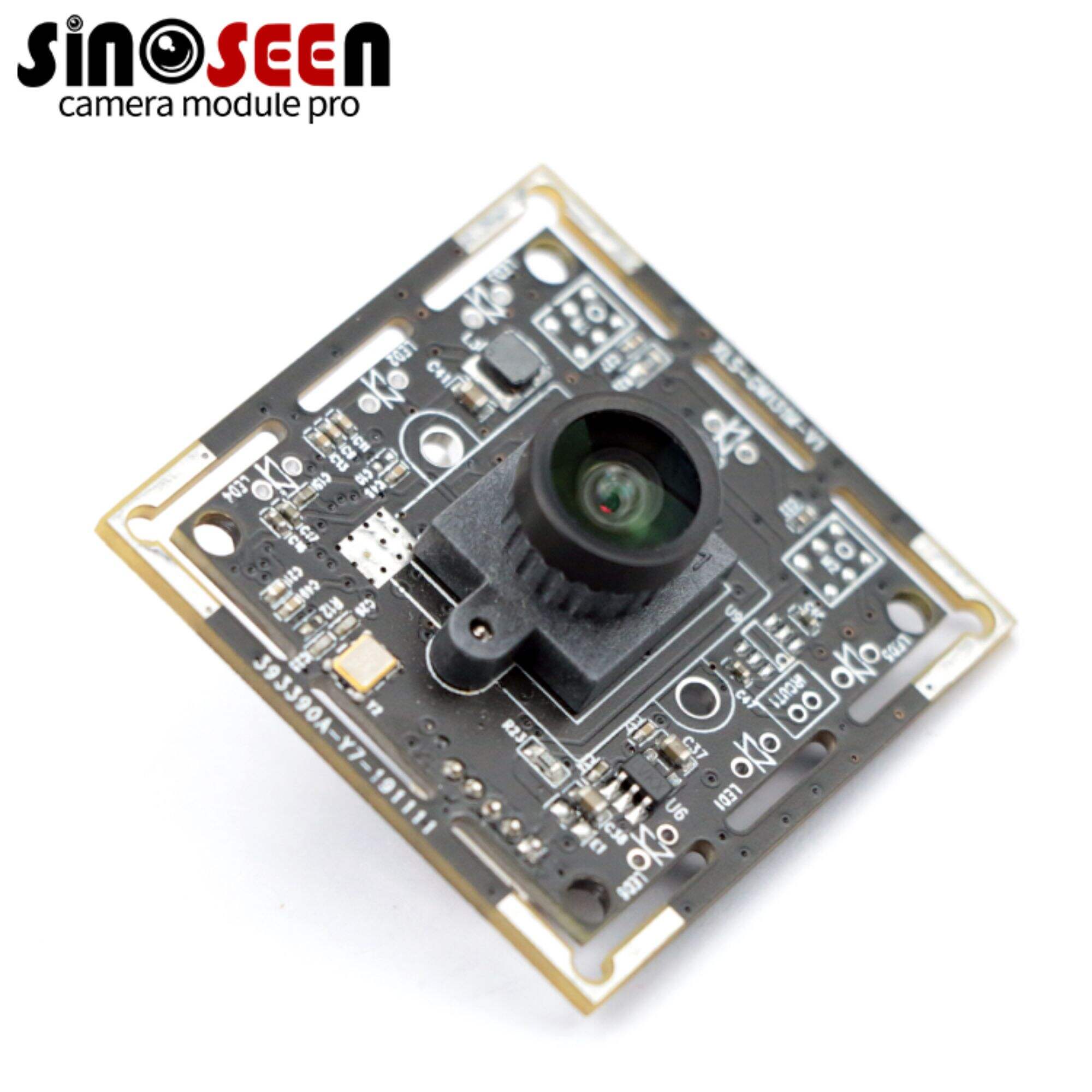
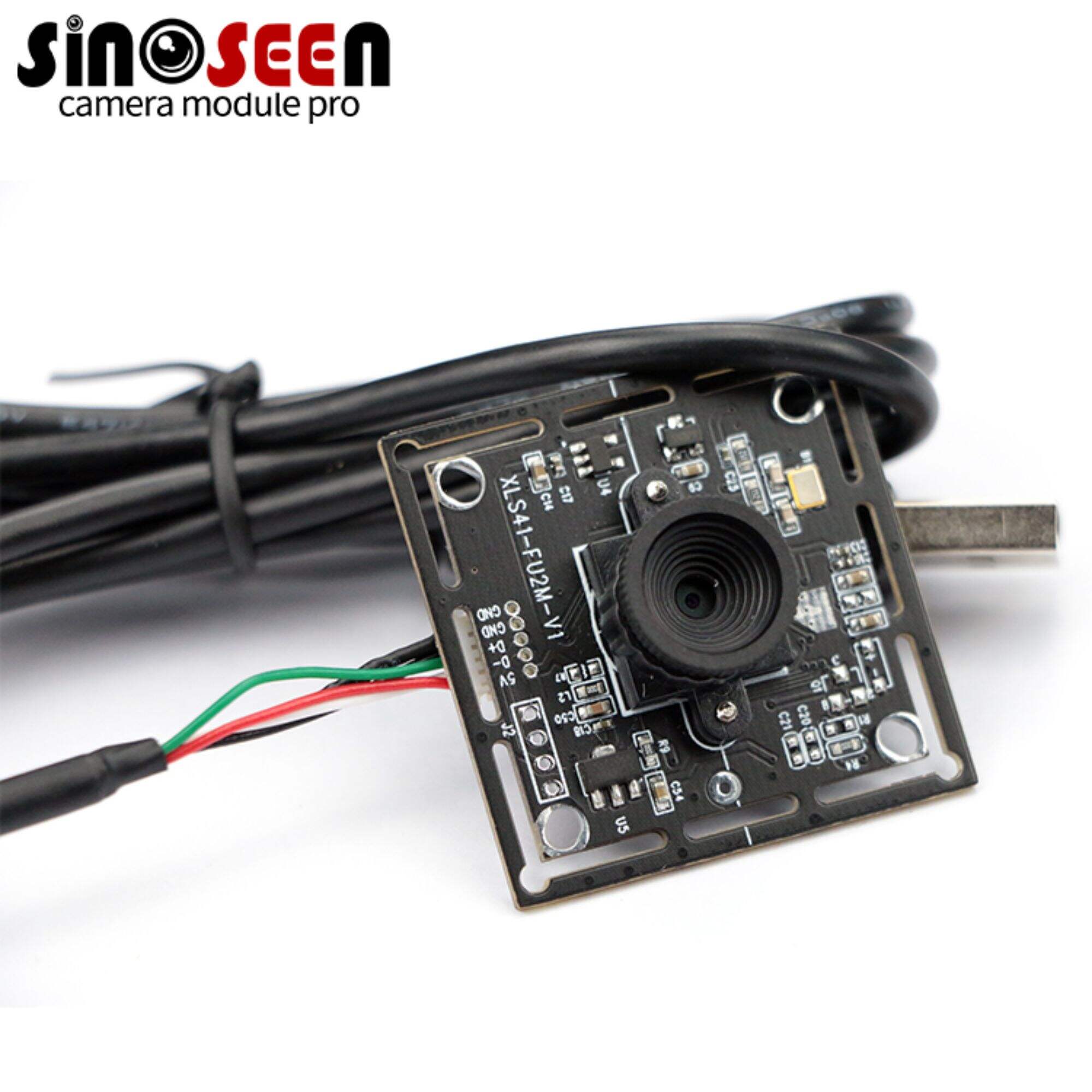
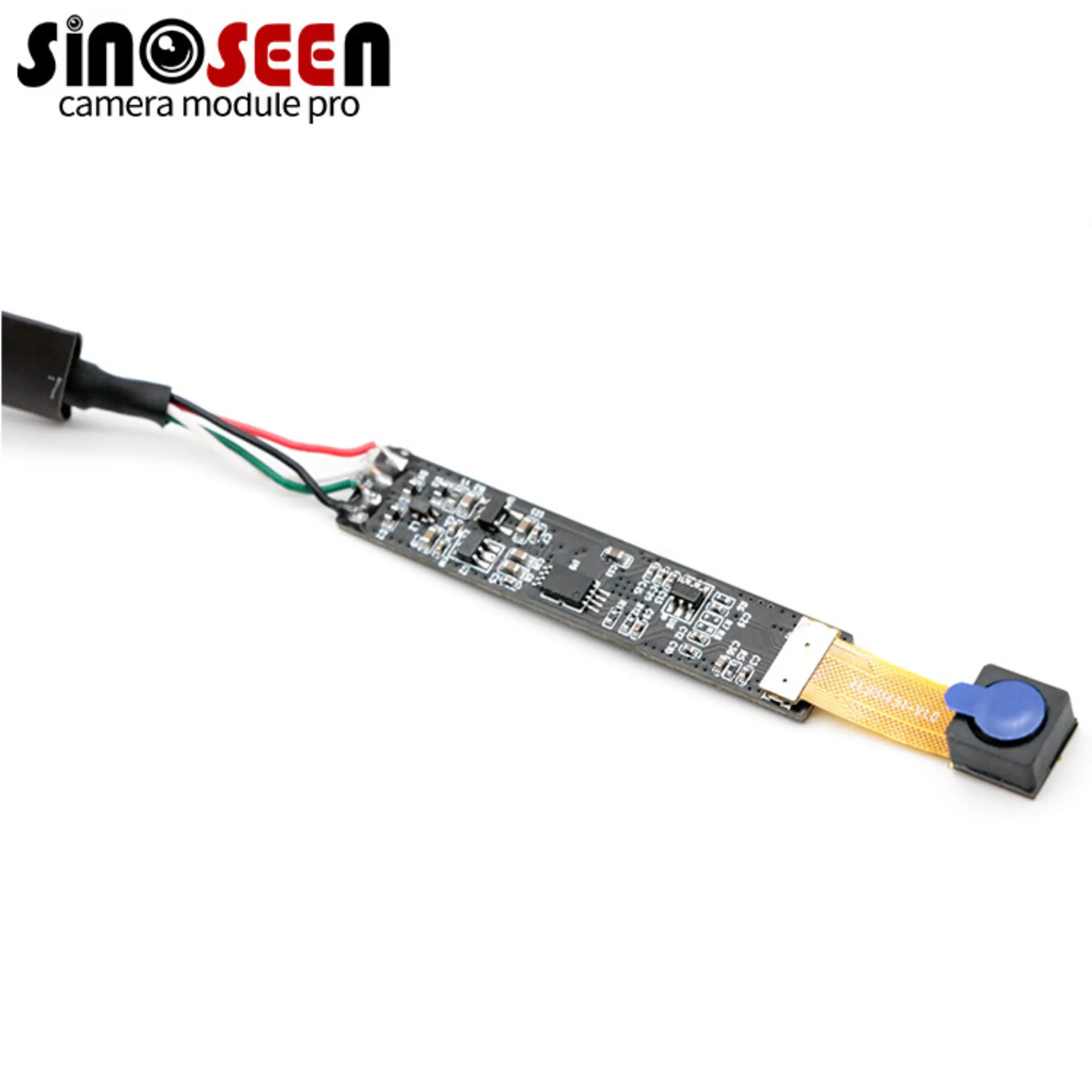
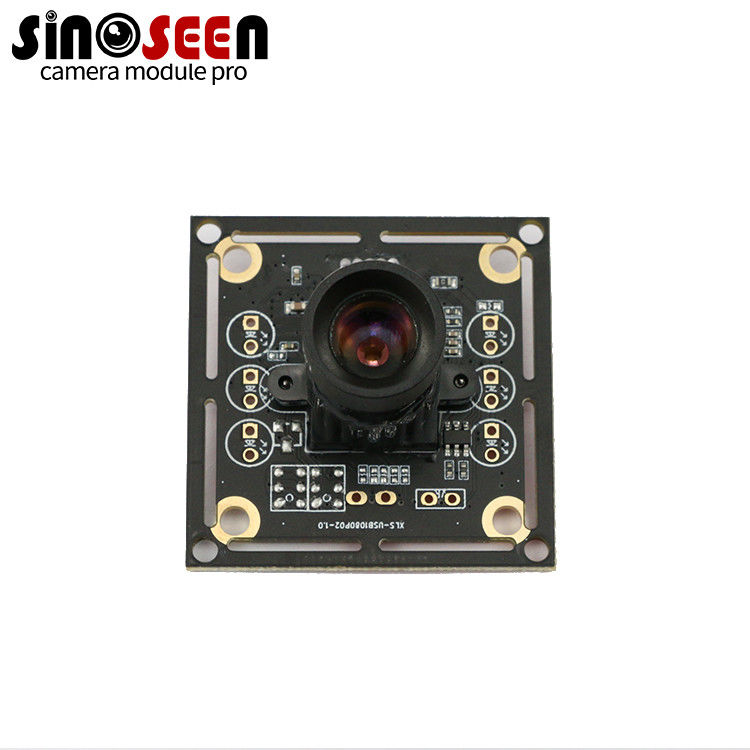
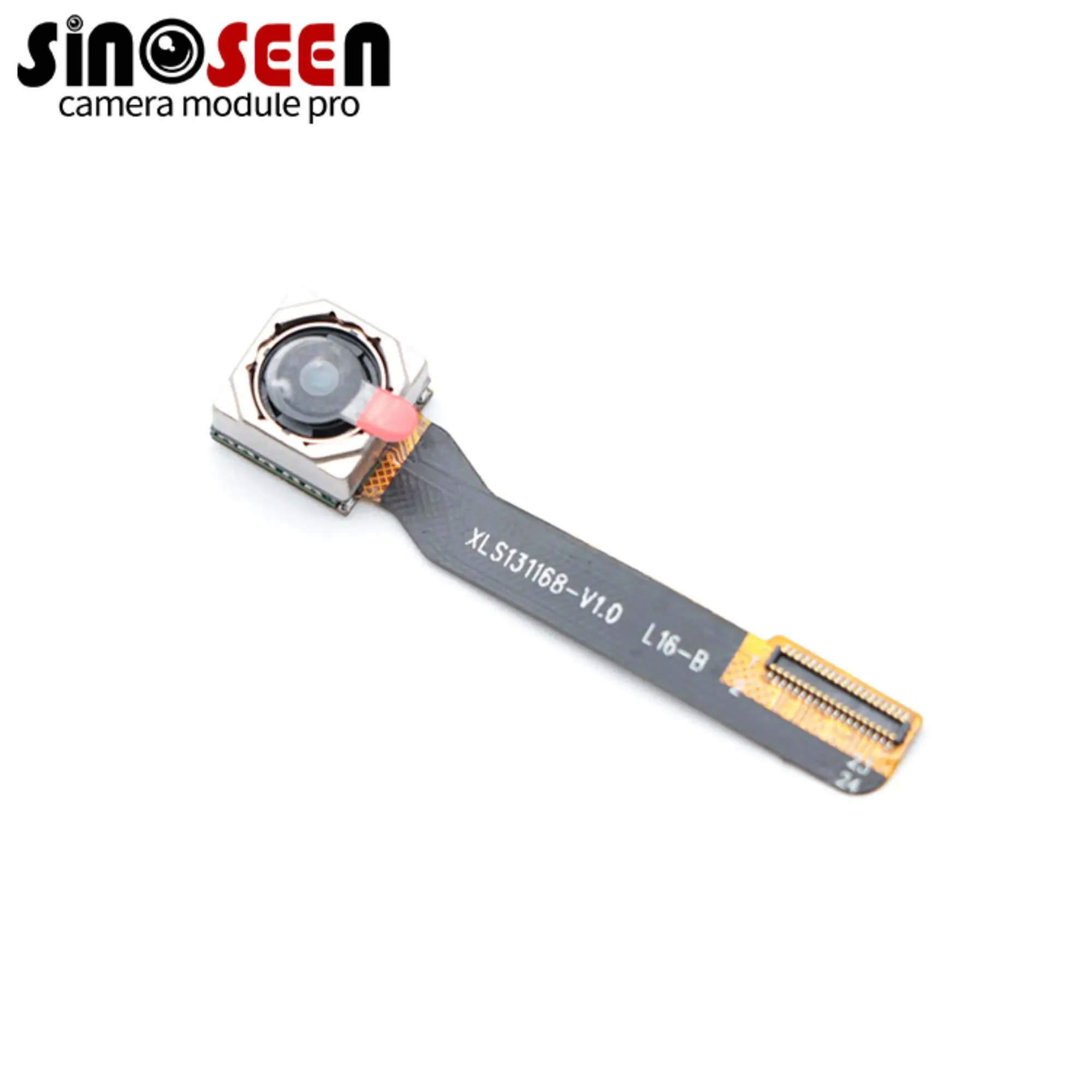
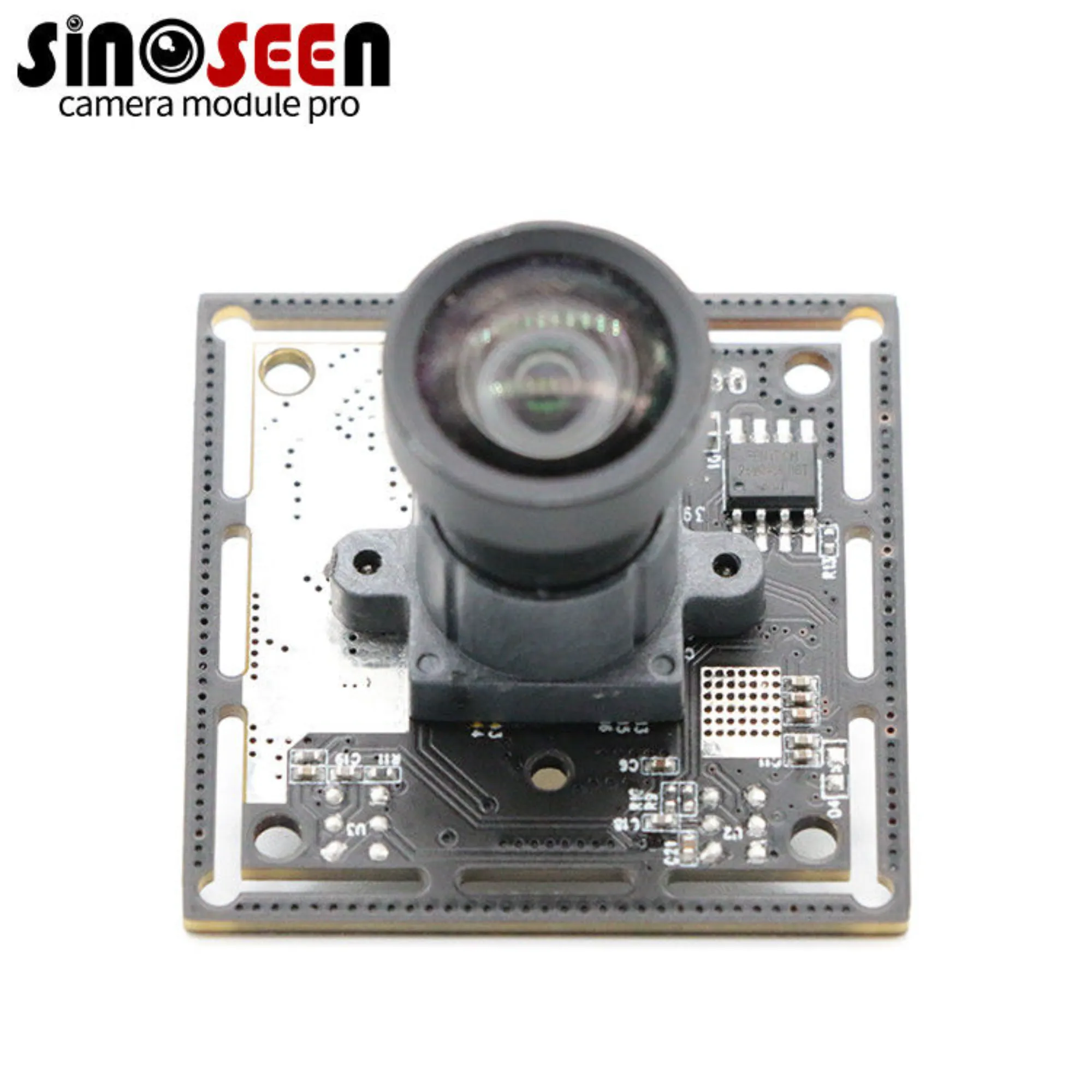
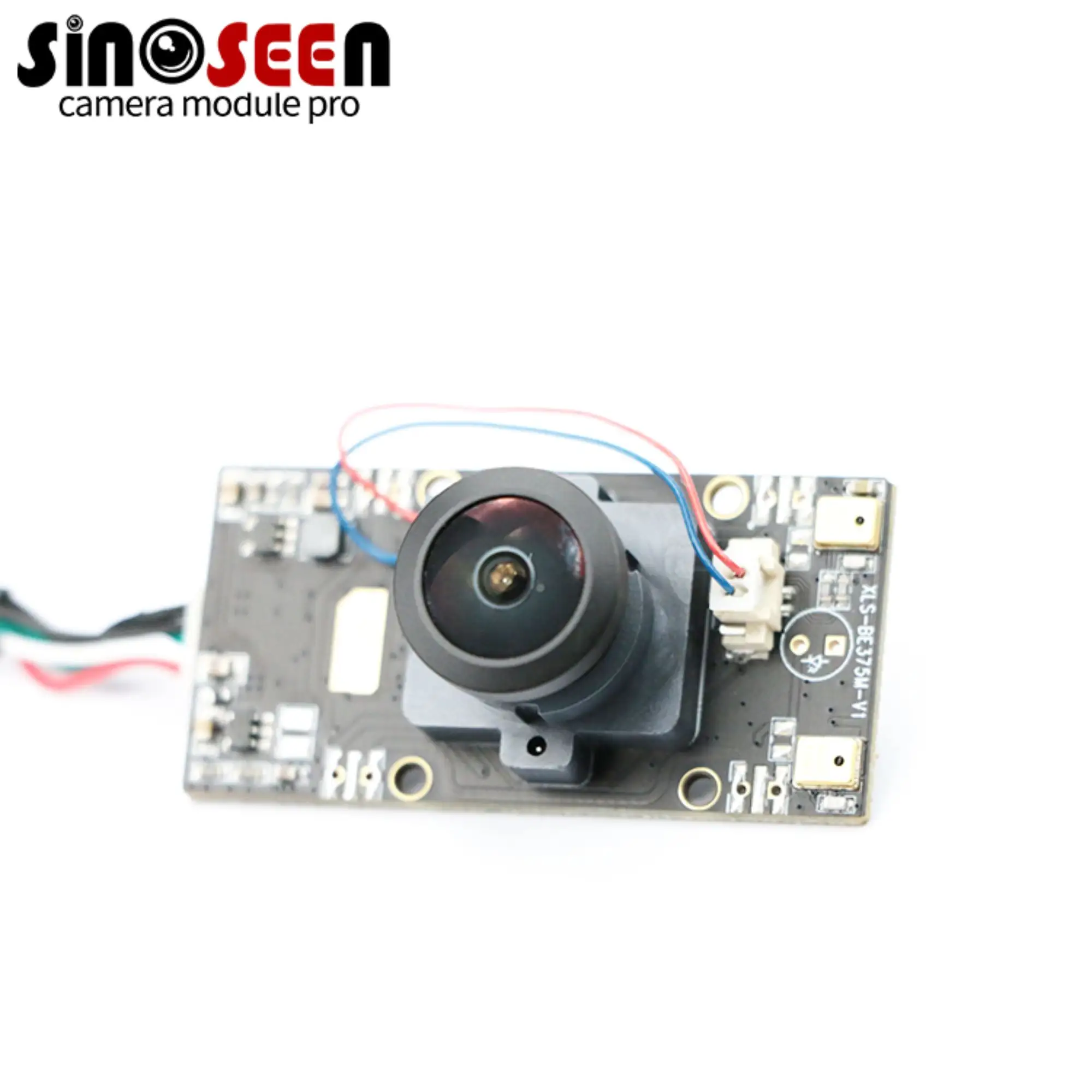
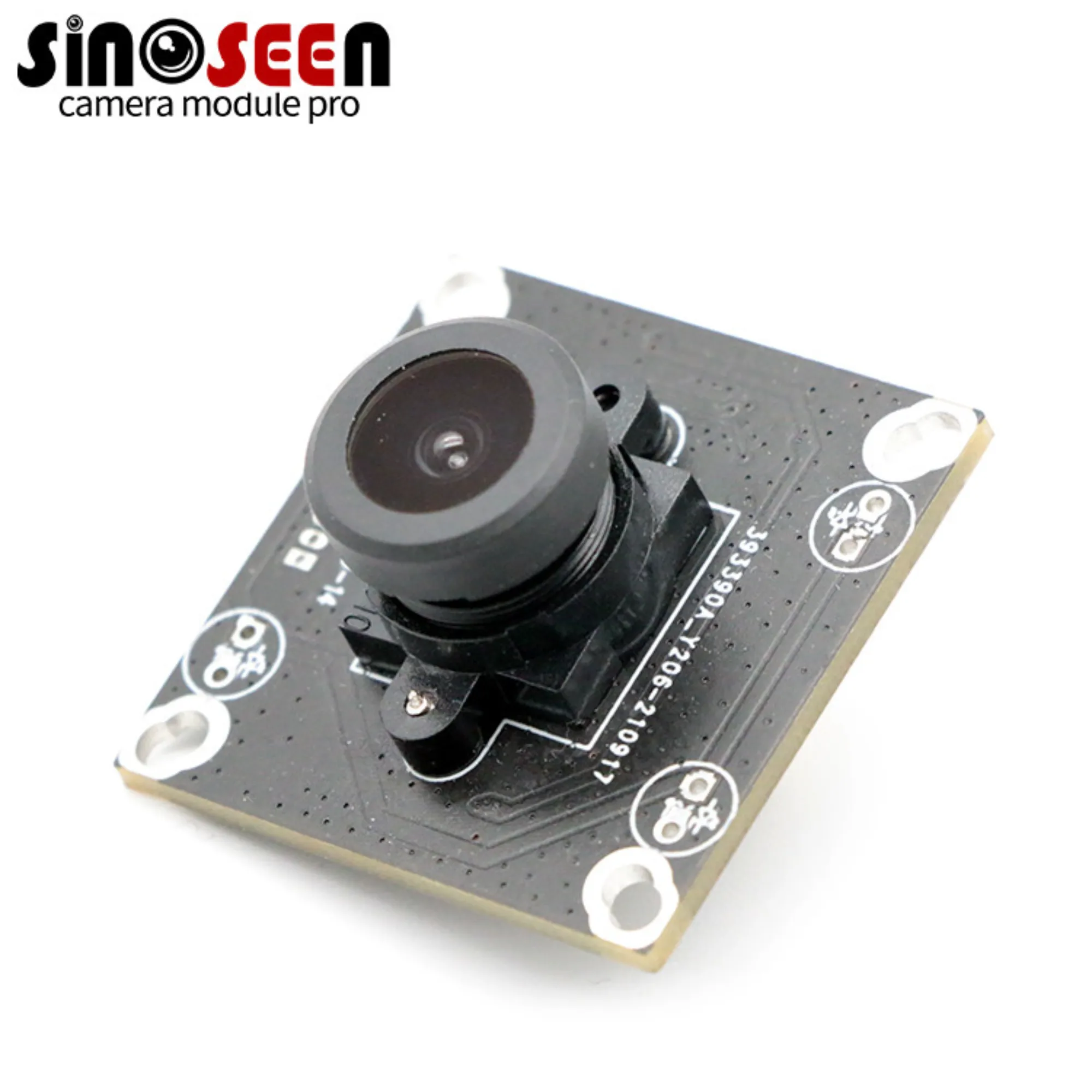
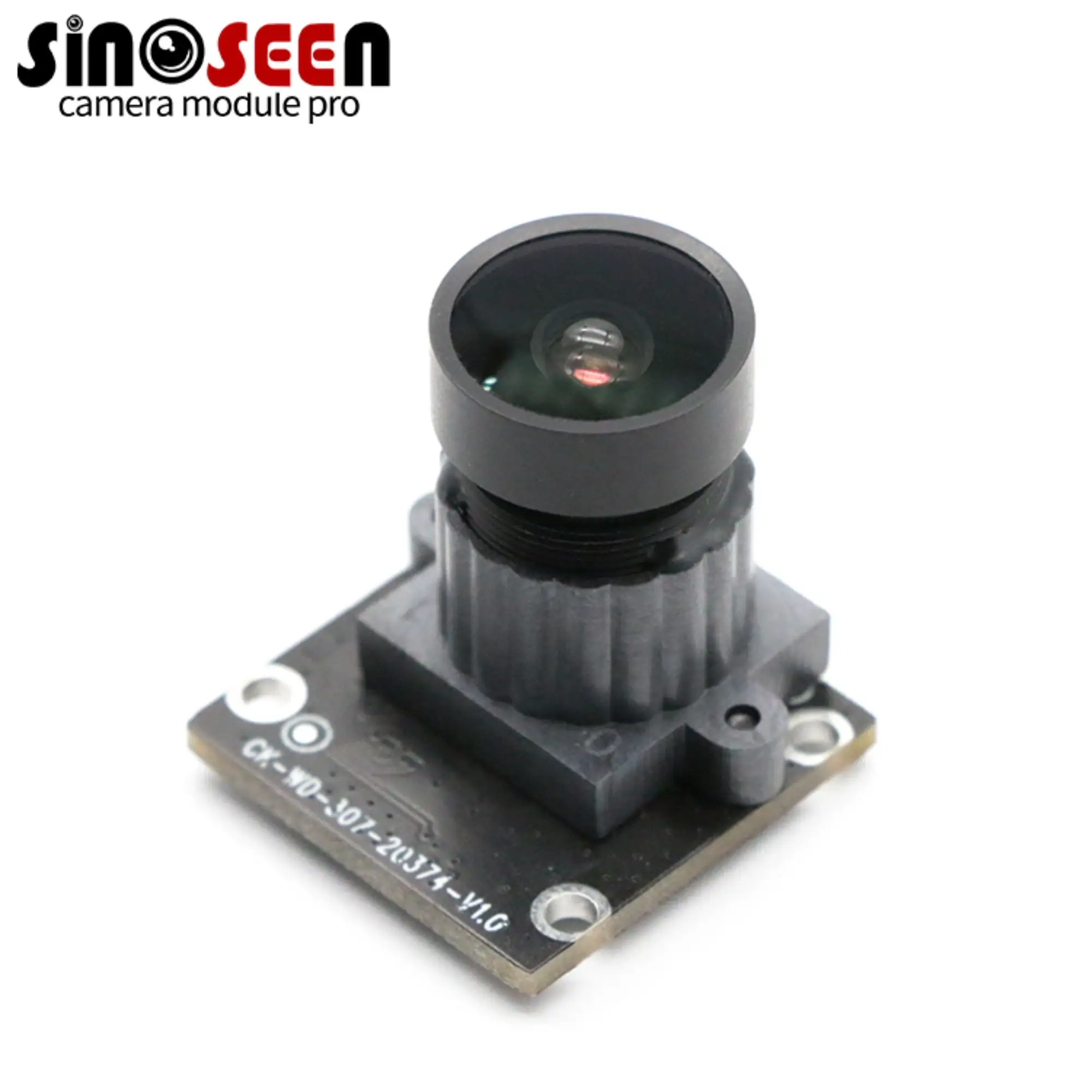
The low light cmos camera module represents a breakthrough in imaging technology, designed to capture high-quality images and video in challenging lighting conditions. This advanced imaging solution combines sophisticated sensor technology with optimized circuit design to deliver exceptional performance when ambient light levels are minimal. The low light cmos camera module utilizes complementary metal-oxide-semiconductor technology, which provides superior noise reduction and enhanced sensitivity compared to traditional imaging sensors. At its core, the low light cmos camera module features a highly sensitive pixel array that maximizes light collection efficiency. The sensor incorporates larger pixel sizes and advanced microlens structures to gather more photons, resulting in brighter and clearer images in dim environments. The module's signal processing capabilities include real-time noise reduction algorithms and dynamic range optimization, ensuring that captured images maintain excellent quality even under extreme low-light scenarios. Key technological features of the low light cmos camera module include back-illuminated sensor architecture, which improves quantum efficiency by allowing more light to reach the photodiodes. The module also incorporates advanced analog-to-digital conversion systems that minimize signal degradation during processing. Temperature compensation mechanisms ensure consistent performance across varying environmental conditions, while integrated image stabilization helps reduce motion blur in low-light situations. Applications for the low light cmos camera module span numerous industries and use cases. Security surveillance systems benefit tremendously from these modules, enabling clear monitoring during nighttime hours without requiring additional lighting infrastructure. Automotive applications include backup cameras, dashcams, and advanced driver assistance systems that must function reliably in tunnels, parking garages, and nighttime driving conditions. Medical imaging equipment utilizes these modules for endoscopic procedures and diagnostic applications where minimizing light exposure is crucial. Industrial inspection systems employ low light cmos camera modules for quality control in manufacturing environments with controlled lighting conditions.

New Product Releases

The low light cmos camera module offers numerous practical benefits that directly address real-world imaging challenges faced by businesses and consumers alike. These modules deliver exceptional image quality in conditions where traditional cameras fail, eliminating the need for expensive external lighting systems. This cost-effective solution reduces infrastructure requirements while maintaining superior performance standards. Energy efficiency stands as a primary advantage of the low light cmos camera module. These devices consume significantly less power compared to alternative imaging technologies, making them ideal for battery-powered applications and continuous operation scenarios. Lower power consumption translates to reduced operational costs and extended device lifespan, providing substantial long-term savings for users. The compact form factor of the low light cmos camera module enables seamless integration into space-constrained devices. Manufacturers can incorporate these modules into smartphones, tablets, security cameras, and industrial equipment without compromising design aesthetics or functionality. The small footprint allows for versatile mounting options and installation flexibility across diverse applications. Superior signal-to-noise ratio performance ensures that the low light cmos camera module produces clean, professional-grade images even in challenging environments. Users benefit from reduced image graininess and improved color accuracy, resulting in clearer surveillance footage, better medical imaging results, and enhanced consumer photography experiences. The module's advanced processing capabilities automatically adjust exposure settings and optimize image parameters, simplifying operation for end users. Durability and reliability represent crucial advantages for professional applications. The low light cmos camera module demonstrates exceptional resistance to environmental factors including temperature fluctuations, humidity, and vibration. This robust construction ensures consistent performance in industrial settings, outdoor installations, and mobile applications where equipment faces harsh operating conditions. Rapid response times and minimal lag make the low light cmos camera module suitable for real-time applications. Security systems benefit from immediate threat detection capabilities, while automotive applications require instant image processing for safety-critical functions. The module's high-speed data transfer capabilities support seamless integration with existing digital infrastructure and cloud-based storage systems. Cost-effectiveness extends beyond initial purchase price to include reduced maintenance requirements and longer replacement cycles. Users experience lower total cost of ownership through improved reliability and enhanced performance longevity, making the low light cmos camera module an intelligent investment for both commercial and consumer applications.

Practical Tips

Why Choose a High-Performance Embedded Camera Module for AI Applications?

02

Mar

Why Choose a High-Performance Embedded Camera Module for AI Applications?

Artificial intelligence applications demand precision, speed, and reliability in their visual data acquisition systems. An embedded camera module serves as the critical foundation for AI-powered devices, from autonomous vehicles to smart manufacturin...
View More
How to Optimize Low-Light Performance in Custom Camera Module Designs?

02

Mar

How to Optimize Low-Light Performance in Custom Camera Module Designs?

Custom camera module designs face unique challenges when operating in environments with minimal illumination, making low-light performance optimization a critical engineering consideration. Modern applications ranging from security surveillance to au...
View More
How to Integrate a Small Camera Module into Compact Medical Devices?

02

Mar

How to Integrate a Small Camera Module into Compact Medical Devices?

Medical device miniaturization continues to revolutionize healthcare, enabling less invasive procedures and improved patient outcomes. When designing compact medical equipment, integrating a small camera module requires careful consideration of space...
View More
Why do Robotics Manufacturers Prefer High-Speed AI Camera Modules?

02

Mar

Why do Robotics Manufacturers Prefer High-Speed AI Camera Modules?

The robotics industry has experienced unprecedented growth in recent years, with manufacturers increasingly demanding sophisticated vision systems that can process visual data at lightning speed. High-speed AI camera modules have emerged as the corne...
View More

Get In Touch

low light cmos camera module

Advanced Sensor Technology for Unparalleled Low-Light Performance

Advanced Sensor Technology for Unparalleled Low-Light Performance

The revolutionary sensor technology integrated into the low light cmos camera module establishes new benchmarks for imaging performance in challenging lighting conditions. This cutting-edge system employs back-side illumination architecture that fundamentally transforms how light reaches the sensor's photodiodes. Unlike conventional front-illuminated sensors where metal interconnects block incoming light, the back-illuminated design relocates these structures to the rear of the sensor, maximizing light collection efficiency by up to 40 percent. The low light cmos camera module incorporates specially engineered microlenses that focus incoming light more precisely onto individual pixels, ensuring optimal photon capture even in near-darkness conditions. These advanced optical elements work in conjunction with enlarged pixel structures that provide greater surface area for light absorption. The combination results in exceptional quantum efficiency, meaning more captured photons translate into usable electrical signals for image formation. Temperature-compensated analog circuitry within the low light cmos camera module maintains consistent performance across varying environmental conditions. This sophisticated thermal management system prevents dark current increase that typically degrades image quality in conventional sensors operating at elevated temperatures. The result is consistent, high-quality imaging performance whether the device operates in arctic conditions or desert environments. The sensor's advanced pixel architecture includes innovative charge transfer mechanisms that minimize noise generation during signal readout. This technology ensures that weak signals captured in low-light situations remain distinguishable from electronic noise, preserving image detail and color accuracy. The low light cmos camera module achieves signal-to-noise ratios that exceed industry standards, delivering professional-grade results for demanding applications. Real-time processing capabilities built into the low light cmos camera module enable automatic optimization of exposure parameters, gain settings, and noise reduction algorithms. This intelligent system continuously monitors ambient light conditions and adjusts sensor operation accordingly, ensuring optimal image quality without requiring manual intervention. Users benefit from consistently excellent results regardless of their technical expertise or familiarity with camera settings.
Exceptional Energy Efficiency and Compact Integration

Exceptional Energy Efficiency and Compact Integration

Energy efficiency represents a cornerstone advantage of the low light cmos camera module, delivering substantial operational cost savings and enabling deployment in battery-powered applications where power consumption directly impacts device utility and maintenance requirements. The module's sophisticated power management system optimizes energy usage through intelligent sleep modes, dynamic voltage scaling, and selective circuit activation based on operational demands. This comprehensive approach reduces power consumption by up to 60 percent compared to traditional imaging solutions while maintaining superior performance standards. The low light cmos camera module achieves remarkable energy efficiency through advanced circuit design that minimizes parasitic power draw during standby operations. When active, the module employs variable clock frequencies that adjust processing speed based on imaging requirements, reducing unnecessary power consumption during periods of lower activity. This intelligent power management extends battery life in mobile applications and reduces operational costs in continuously powered systems. Compact form factor design enables the low light cmos camera module to integrate seamlessly into space-constrained applications without compromising imaging performance or functionality. The module's miniaturized components and efficient thermal design allow manufacturers to incorporate advanced imaging capabilities into smartphones, wearable devices, IoT sensors, and embedded systems where size constraints previously limited imaging options. This flexibility opens new markets and applications for advanced imaging technology. Thermal efficiency within the low light cmos camera module ensures stable operation across extended duty cycles without requiring active cooling systems. The module's low heat generation characteristics prevent thermal interference with adjacent electronic components while maintaining consistent imaging performance during prolonged operation. This thermal stability proves especially valuable in industrial applications and surveillance systems that operate continuously. The standardized interface protocols supported by the low light cmos camera module simplify integration with existing digital systems and reduce development time for manufacturers. Common connectivity options including MIPI CSI, USB, and Ethernet ensure compatibility with popular processor platforms and development frameworks. This standardization accelerates time-to-market for new products while reducing engineering complexity and associated costs. Manufacturing scalability advantages of the low light cmos camera module enable cost-effective production for high-volume applications. The module's proven semiconductor fabrication processes and standardized packaging options support efficient manufacturing workflows that deliver consistent quality across large production runs while maintaining competitive pricing for end customers.
Versatile Applications Across Multiple Industries

Versatile Applications Across Multiple Industries

The exceptional versatility of the low light cmos camera module enables deployment across diverse industries and applications, each benefiting from the module's ability to capture high-quality images in challenging lighting conditions. This adaptability stems from the module's robust design, standardized interfaces, and comprehensive feature set that addresses varying requirements across different market segments. In security and surveillance applications, the low light cmos camera module provides unparalleled monitoring capabilities during nighttime hours and in poorly lit environments. Security professionals rely on these modules to maintain continuous vigilance without requiring expensive infrared illumination systems or high-power lighting installations. The module's ability to distinguish subtle details and movement in near-darkness conditions enhances threat detection capabilities while reducing false alarm rates that plague conventional security systems. Automotive integration of the low light cmos camera module supports advanced driver assistance systems that must function reliably across varying lighting conditions. These modules enable backup cameras to provide clear visibility during nighttime parking maneuvers, while forward-facing cameras support collision avoidance systems in tunnels, parking structures, and dawn/dusk driving scenarios. The module's rapid response time and consistent performance contribute directly to vehicle safety systems that protect drivers and passengers. Medical imaging applications benefit significantly from the low light cmos camera module's ability to capture detailed images while minimizing patient exposure to bright illumination. Endoscopic procedures utilize these modules to visualize internal structures with minimal discomfort, while dermatological imaging systems employ them for detailed skin analysis under controlled lighting conditions. The module's exceptional color accuracy and fine detail resolution support accurate diagnostic procedures across multiple medical specialties. Industrial inspection systems incorporate the low light cmos camera module to perform quality control procedures in manufacturing environments where bright lighting might interfere with production processes or damage sensitive materials. These modules enable automated defect detection on reflective surfaces, transparent materials, and light-sensitive components while maintaining high throughput rates essential for modern manufacturing operations. Consumer electronics applications leverage the low light cmos camera module to enhance photography and video capabilities in smartphones, tablets, and digital cameras. Users experience improved image quality during indoor photography, evening events, and creative photography scenarios where ambient lighting creates artistic effects. The module's automatic optimization features ensure excellent results for users regardless of their photographic expertise or technical knowledge about camera settings.

Related Search

Get in touch