Innovative Camera Modules for Every Application | Sinoseen

All Categories

ir camera board

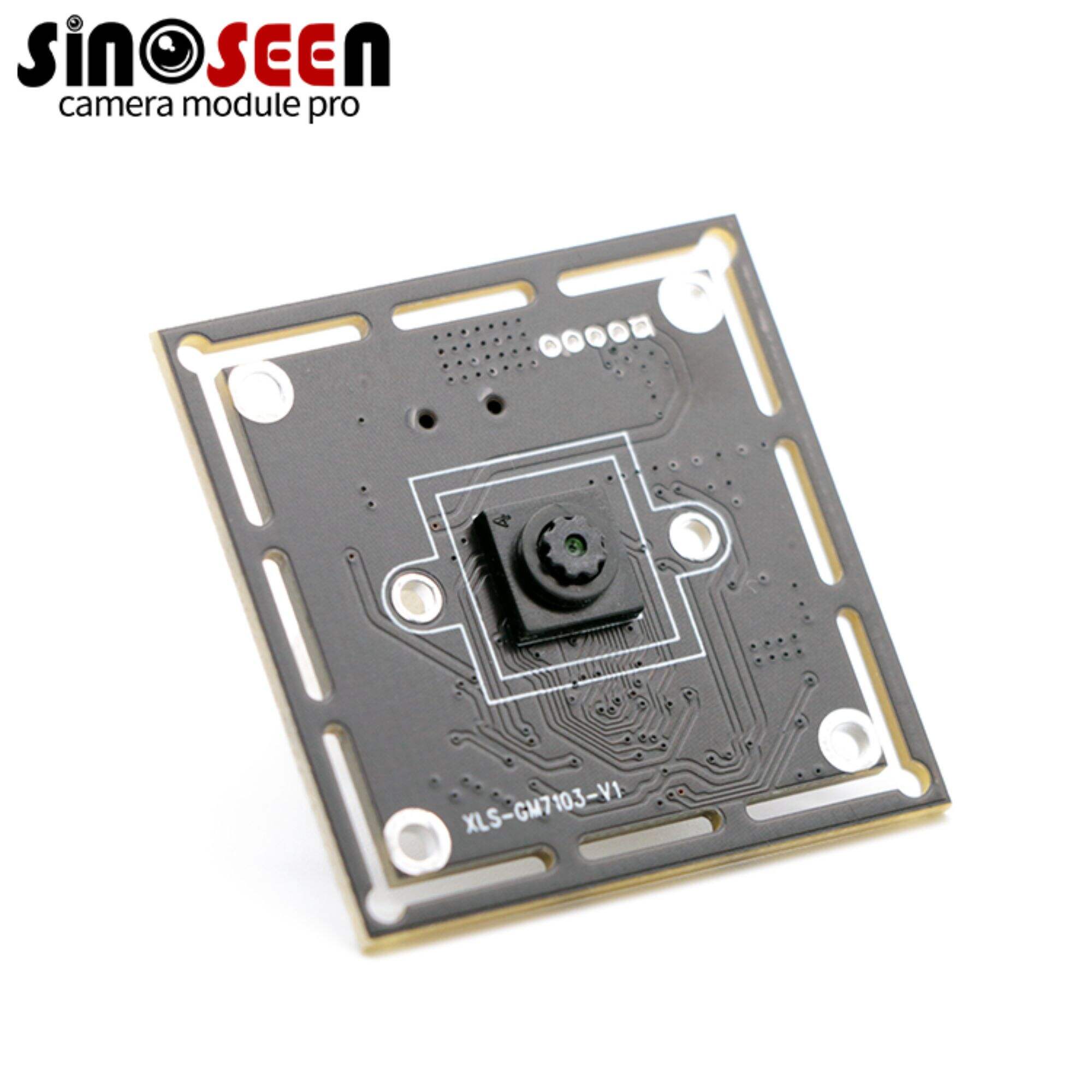
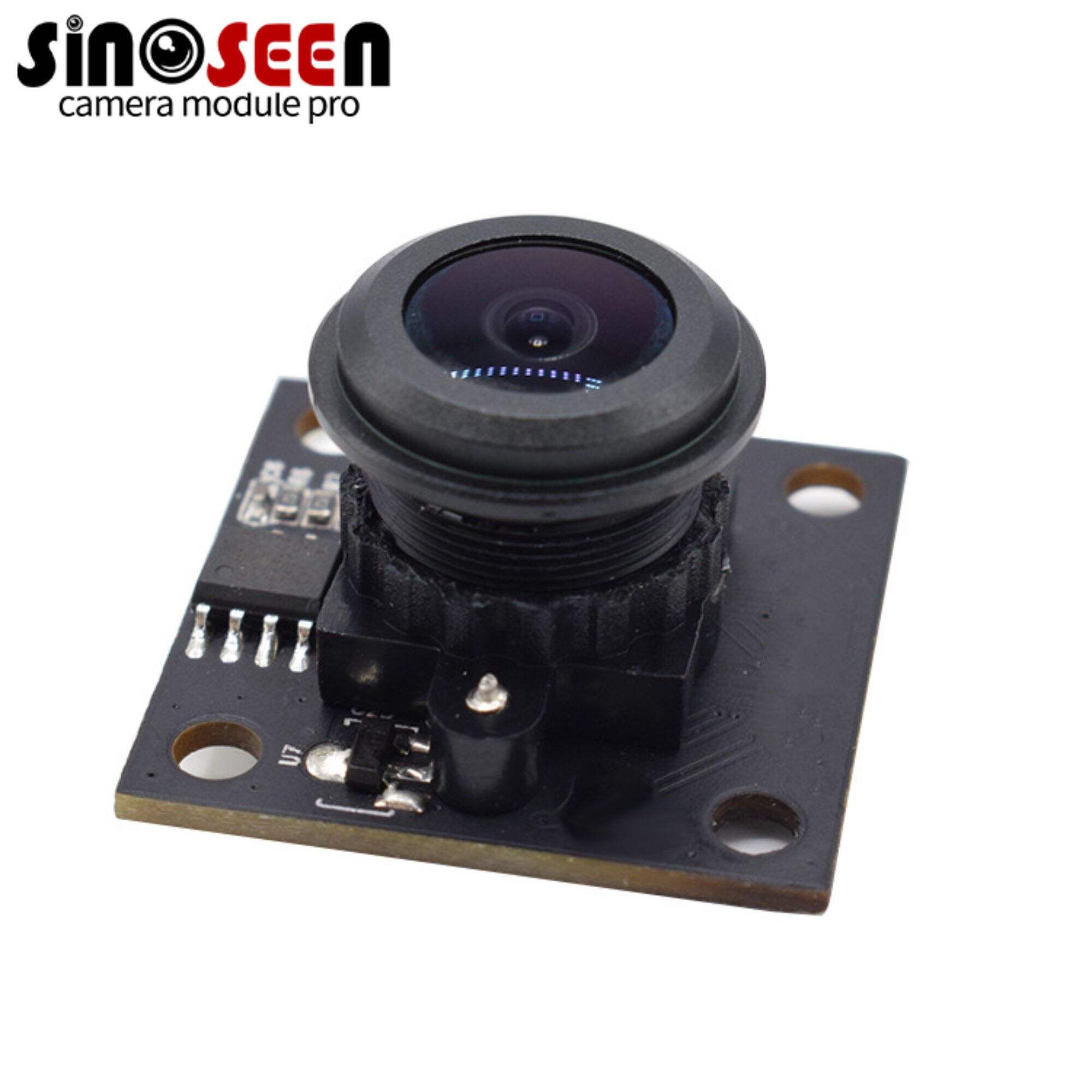
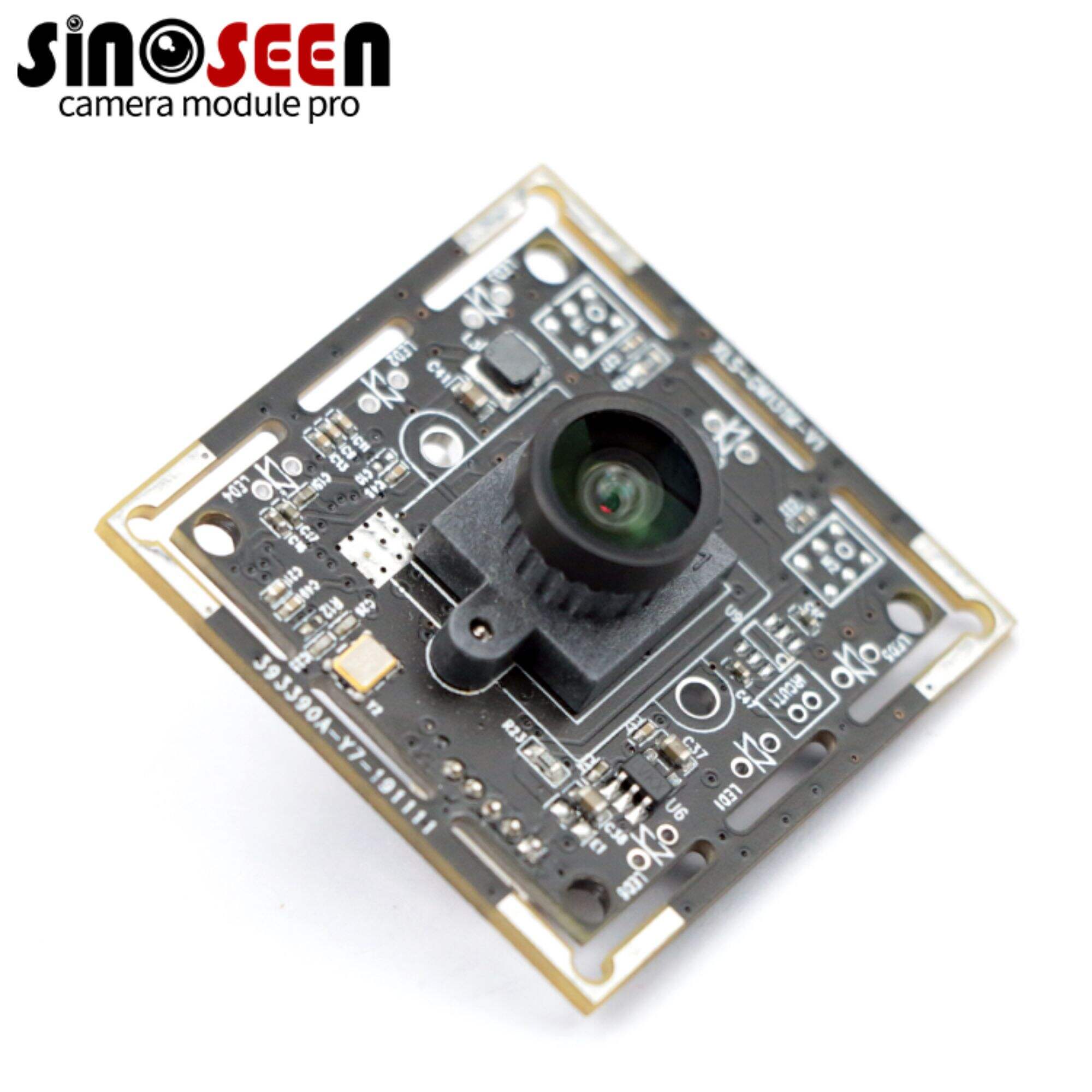
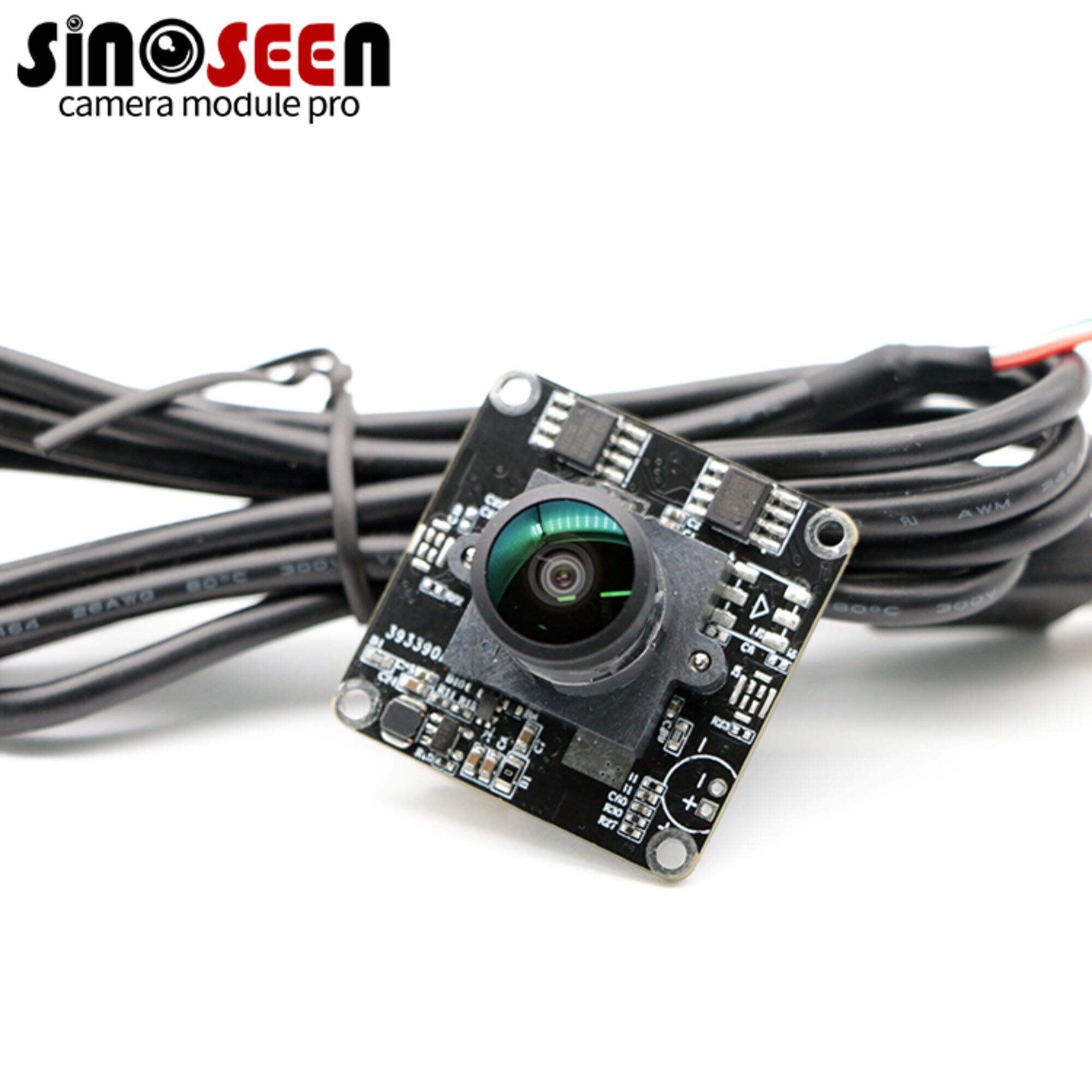
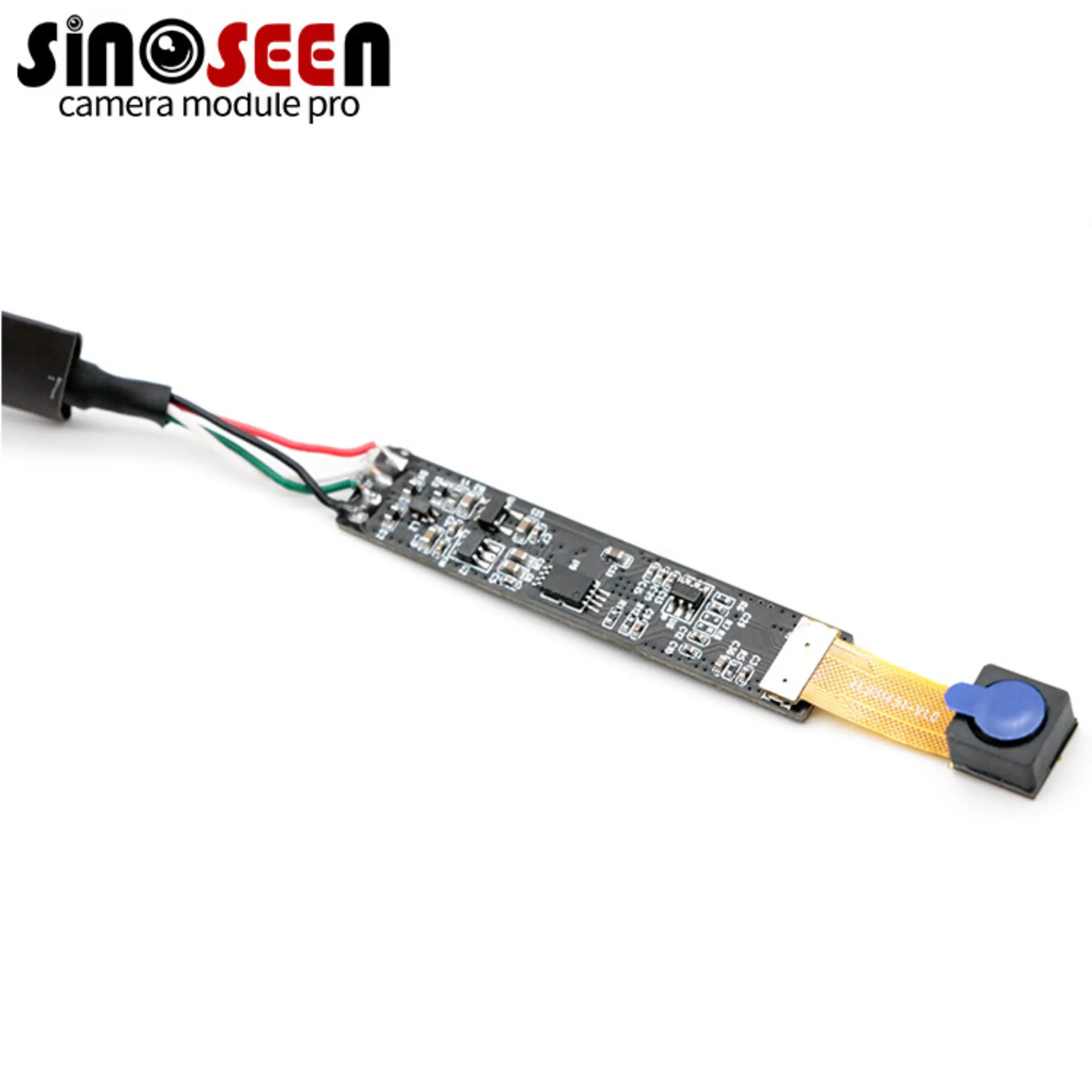
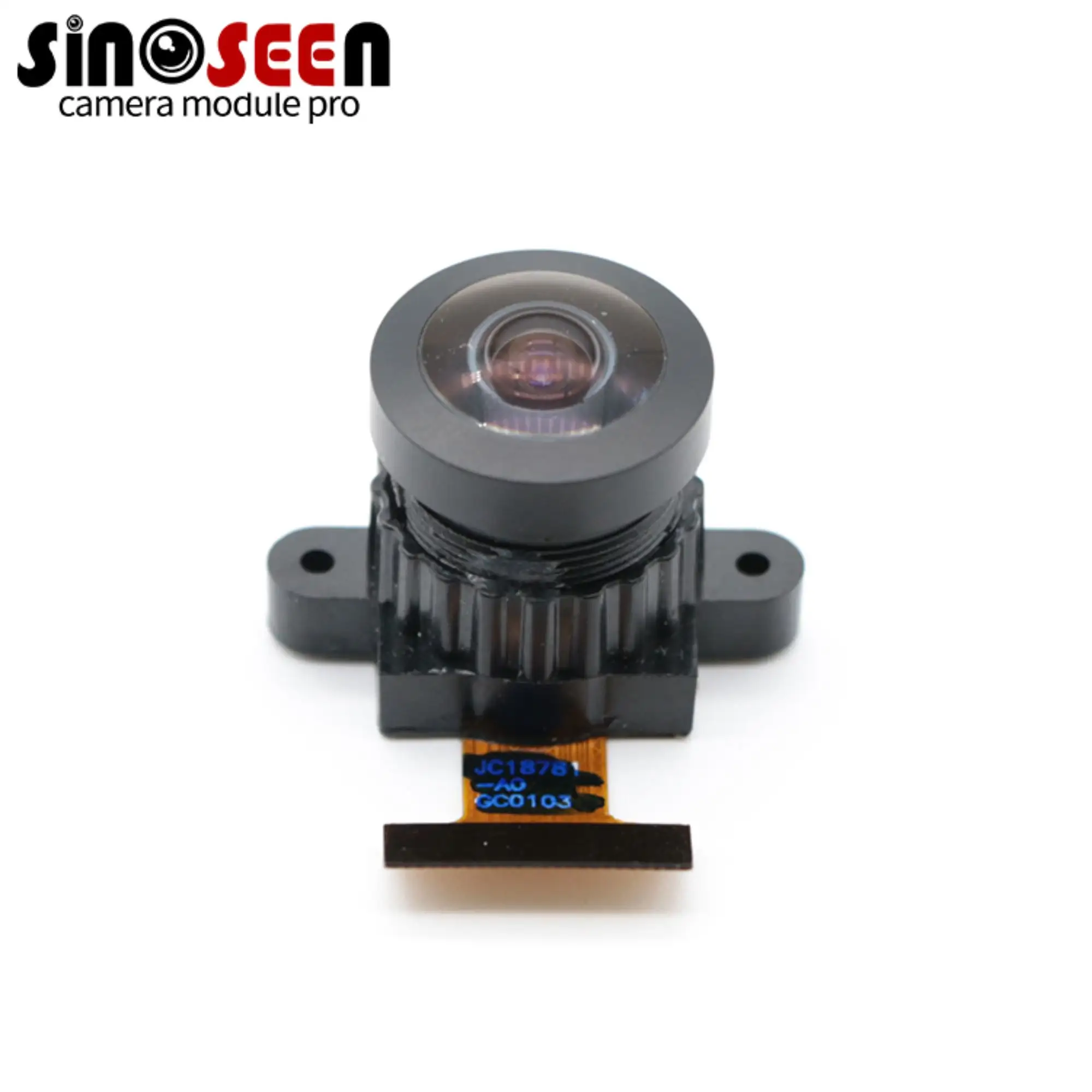
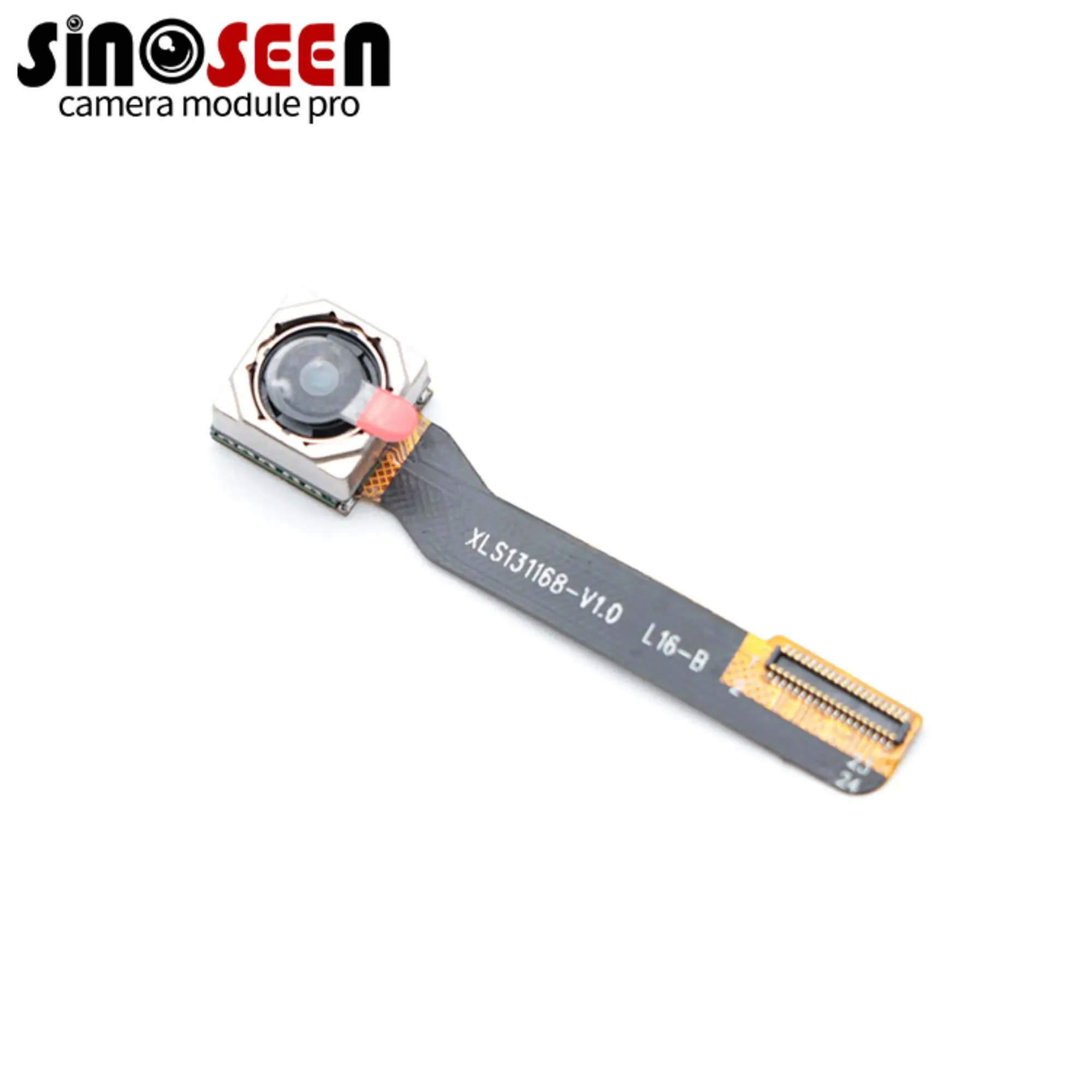
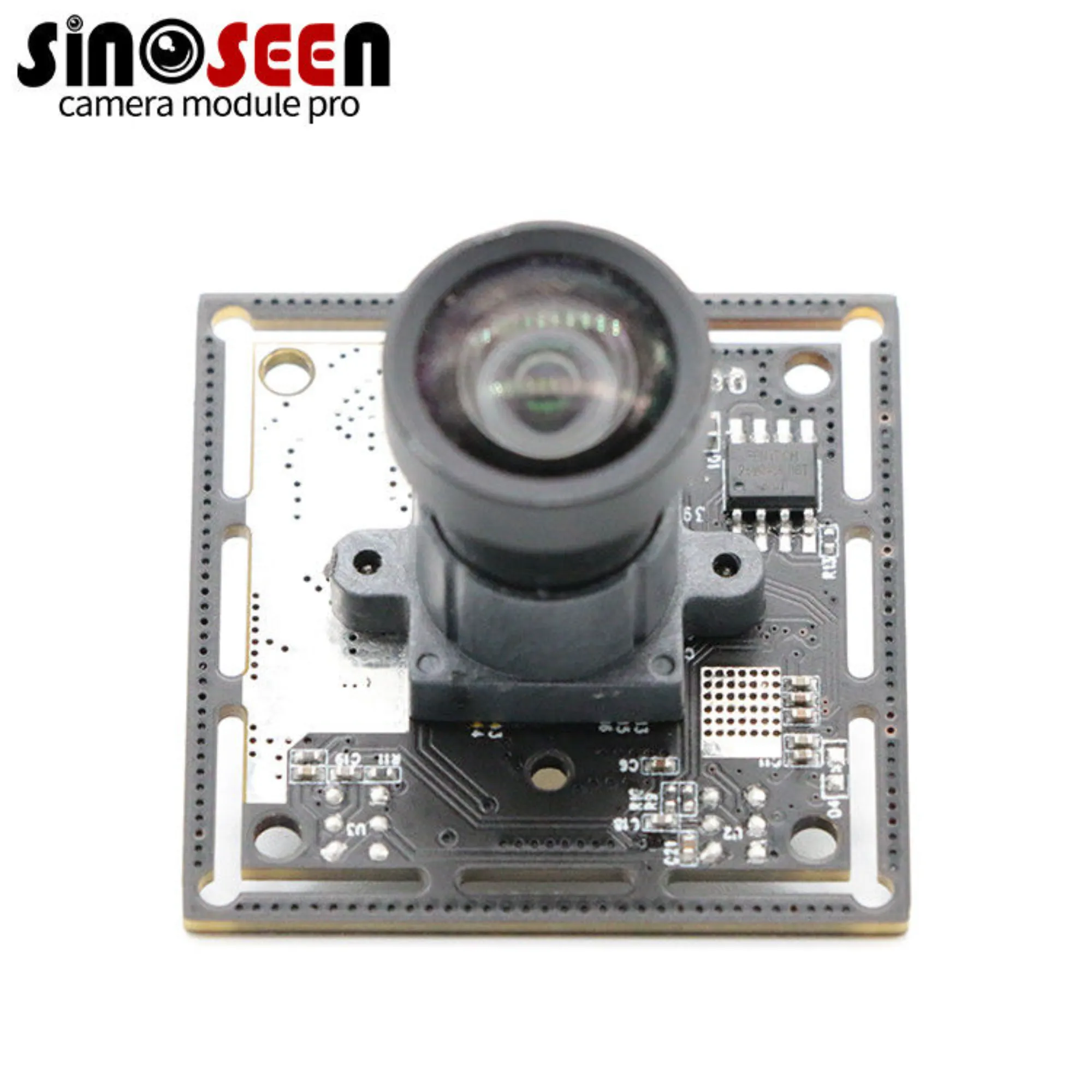
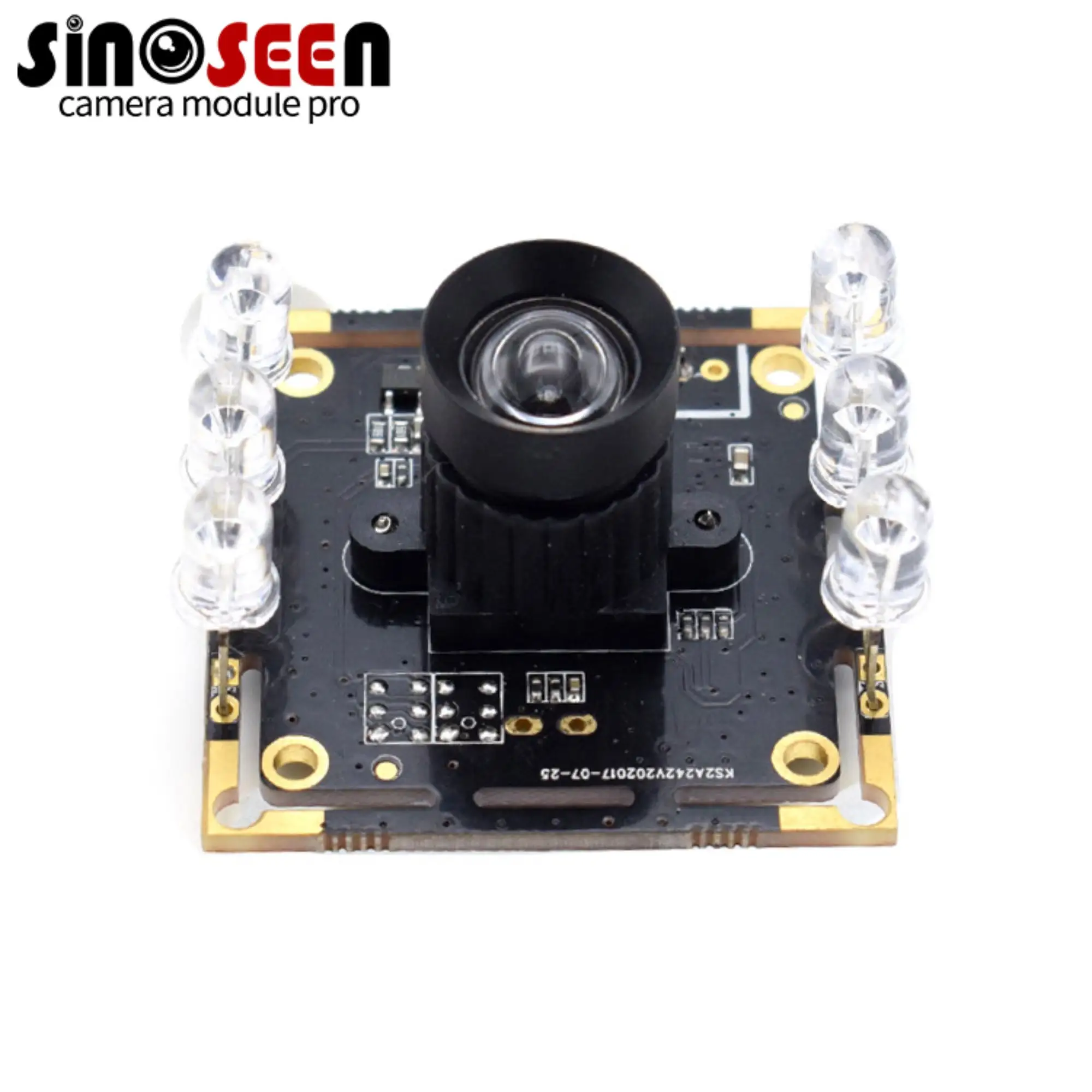
An IR camera board represents a sophisticated thermal imaging solution that captures infrared radiation emitted by objects to create detailed thermal images. This compact electronic module integrates advanced infrared sensors, processing circuits, and interface components into a single printed circuit board assembly. The IR camera board detects heat signatures across various temperature ranges, converting thermal energy into visible images that reveal temperature distributions and thermal patterns invisible to the naked eye. Modern IR camera boards utilize microbolometer technology or quantum detector arrays to achieve exceptional thermal sensitivity and image clarity. These boards typically feature resolution capabilities ranging from 80x60 pixels to 1024x768 pixels or higher, depending on the specific model and intended application. The thermal sensitivity of contemporary IR camera boards can detect temperature differences as small as 0.05 degrees Celsius, enabling precise thermal analysis and monitoring. Processing capabilities built into these boards include real-time image enhancement, temperature measurement algorithms, and digital signal processing functions that optimize thermal image quality. Communication interfaces such as USB, Ethernet, or wireless connectivity enable seamless integration with host systems and remote monitoring applications. Many IR camera boards incorporate onboard memory for image storage and processing power for edge computing applications. The compact form factor of these boards makes them ideal for embedded applications where space constraints are critical. Power consumption optimization ensures extended operation in battery-powered devices and portable thermal imaging systems. Advanced IR camera boards feature automatic calibration systems that maintain measurement accuracy across varying environmental conditions. Temperature compensation algorithms ensure consistent performance regardless of ambient temperature fluctuations, making these boards reliable for both indoor and outdoor applications in diverse environmental conditions.

New Product Recommendations

IR camera boards deliver exceptional value through their ability to provide non-contact temperature measurement and thermal imaging capabilities in a compact, cost-effective package. These boards eliminate the need for physical contact with target objects, ensuring safe operation in hazardous environments and preventing contamination of sensitive materials. The real-time thermal imaging capability allows users to instantly identify temperature anomalies, hot spots, and thermal patterns that indicate potential problems before they escalate into costly failures. This predictive maintenance capability saves organizations significant money by preventing equipment breakdowns and extending asset lifespans. IR camera boards operate effectively in complete darkness, providing thermal visibility when traditional visible light cameras become useless. This 24-hour operational capability makes them invaluable for security applications, wildlife monitoring, and industrial processes that continue around the clock. The wide temperature measurement range of modern IR camera boards spans from sub-zero temperatures to over 1000 degrees Celsius, accommodating diverse industrial and scientific applications. Integration simplicity represents another major advantage, as these boards connect easily to existing systems through standard interfaces without requiring extensive modifications or specialized expertise. The digital output format enables direct integration with computer systems, smartphones, and cloud-based monitoring platforms for enhanced data analysis and remote monitoring capabilities. Cost-effectiveness becomes apparent when comparing IR camera boards to traditional thermal imaging cameras, as these boards provide similar functionality at a fraction of the price point. Customization options allow manufacturers to tailor IR camera boards to specific application requirements, including specialized lenses, filters, and processing algorithms. The small form factor enables integration into space-constrained applications where traditional thermal cameras cannot fit. Power efficiency ensures extended battery life in portable applications, while robust construction withstands harsh industrial environments. Advanced IR camera boards feature intelligent processing capabilities that automatically adjust settings for optimal image quality and measurement accuracy. The ability to capture both thermal and visual images simultaneously provides comprehensive situational awareness. Remote monitoring capabilities enable users to access thermal data from anywhere with internet connectivity, facilitating predictive maintenance programs and reducing the need for on-site inspections.

Latest News

Why Choose a High-Performance Embedded Camera Module for AI Applications?

02

Mar

Why Choose a High-Performance Embedded Camera Module for AI Applications?

Artificial intelligence applications demand precision, speed, and reliability in their visual data acquisition systems. An embedded camera module serves as the critical foundation for AI-powered devices, from autonomous vehicles to smart manufacturin...
View More
 How to Select the Right AI Camera Module for Facial Recognition Systems?

02

Mar

How to Select the Right AI Camera Module for Facial Recognition Systems?

Selecting the appropriate AI camera module for facial recognition systems represents a critical decision that directly impacts system performance, accuracy, and overall operational efficiency. Modern facial recognition applications demand sophisticat...
View More
How to Integrate a Small Camera Module into Compact Medical Devices?

02

Mar

How to Integrate a Small Camera Module into Compact Medical Devices?

Medical device miniaturization continues to revolutionize healthcare, enabling less invasive procedures and improved patient outcomes. When designing compact medical equipment, integrating a small camera module requires careful consideration of space...
View More
Why do Robotics Manufacturers Prefer High-Speed AI Camera Modules?

02

Mar

Why do Robotics Manufacturers Prefer High-Speed AI Camera Modules?

The robotics industry has experienced unprecedented growth in recent years, with manufacturers increasingly demanding sophisticated vision systems that can process visual data at lightning speed. High-speed AI camera modules have emerged as the corne...
View More

Get In Touch

ir camera board

Advanced Thermal Detection Technology

Advanced Thermal Detection Technology

The IR camera board incorporates cutting-edge microbolometer sensor technology that delivers unparalleled thermal detection capabilities across a broad spectrum of applications. This advanced sensor array consists of thousands of microscopic thermal detectors that respond to infrared radiation with exceptional sensitivity and speed. Each microbolometer element changes its electrical resistance when exposed to thermal radiation, creating measurable signals that the onboard processing circuitry converts into detailed thermal images. The sensor operates without requiring cryogenic cooling systems, unlike traditional infrared detectors, which significantly reduces power consumption and eliminates maintenance requirements associated with cooling mechanisms. This uncooled design enables continuous operation in ambient temperatures ranging from negative 40 to positive 85 degrees Celsius, making the IR camera board suitable for extreme environmental conditions. The spectral response of these sensors typically covers the long-wave infrared range from 8 to 14 micrometers, which corresponds to the peak thermal emission of most objects at normal temperatures. Advanced signal processing algorithms enhance image quality through noise reduction, bad pixel correction, and non-uniformity compensation, ensuring consistent thermal measurements across the entire sensor array. The rapid thermal response time, typically measured in milliseconds, enables real-time thermal imaging of dynamic processes and moving objects. Temperature resolution capabilities often exceed 0.05 degrees Celsius, providing the precision necessary for demanding scientific and industrial applications. The integrated analog-to-digital conversion system delivers high-resolution thermal data with 14-bit or 16-bit precision, preserving subtle temperature variations that could indicate critical conditions. Automatic gain control and dynamic range optimization ensure optimal image quality across varying scene temperatures and thermal contrasts. These technological advances combine to create an IR camera board that delivers professional-grade thermal imaging performance in a compact, affordable package that democratizes access to advanced thermal detection capabilities.
Versatile Integration and Connectivity Options

Versatile Integration and Connectivity Options

Modern IR camera boards excel in their ability to integrate seamlessly with diverse systems and platforms through comprehensive connectivity options and flexible interface designs. The standard USB interface provides plug-and-play compatibility with computers, tablets, and smartphones, enabling instant thermal imaging capabilities without requiring specialized hardware or complex installation procedures. Ethernet connectivity facilitates network integration for remote monitoring applications, allowing multiple IR camera boards to be deployed across facilities and monitored from central control stations. Wireless communication options, including Wi-Fi and Bluetooth, enable mobile applications and temporary monitoring setups where wired connections are impractical or impossible. The compact board design accommodates easy mounting and positioning in tight spaces, with standard mounting holes and lightweight construction that minimizes installation complexity. Software development kits and application programming interfaces provide developers with comprehensive tools for creating custom thermal imaging applications tailored to specific industry needs. Cross-platform compatibility ensures that IR camera boards function effectively with Windows, Linux, Android, and iOS operating systems, maximizing deployment flexibility across different technological environments. Real-time streaming capabilities enable live thermal video transmission for security monitoring, process control, and remote inspection applications. The boards support multiple output formats, including standard video streams, raw thermal data, and processed thermal images with embedded temperature information. Power supply flexibility accommodates various operating scenarios, with options for USB power, external DC supplies, or battery operation for portable applications. The modular design philosophy enables easy customization and modification to meet specific application requirements, including specialized lenses, protective housings, and environmental sealing. Integration documentation and technical support resources facilitate rapid deployment and troubleshooting, reducing time-to-market for products incorporating IR camera board technology. The standardized form factors ensure compatibility with existing camera mounting systems and mechanical interfaces, simplifying the retrofit of existing equipment with thermal imaging capabilities.

Cost-Effective Professional Performance

Cost-Effective Professional Performance

IR camera boards deliver professional-grade thermal imaging performance at a fraction of the cost traditionally associated with high-quality infrared imaging systems, democratizing access to advanced thermal detection technology across numerous industries and applications. The economies of scale achieved through modern manufacturing processes and standardized designs have dramatically reduced the cost barrier that previously limited thermal imaging to well-funded organizations and specialized applications. Despite their affordable price point, these boards maintain measurement accuracy and image quality standards that rival expensive handheld thermal cameras and fixed installation systems. The total cost of ownership remains low due to the robust construction, minimal maintenance requirements, and absence of consumable components that require regular replacement. Energy-efficient design minimizes operating costs through reduced power consumption, while the solid-state construction eliminates mechanical wear components that could require costly repairs or replacements. The versatility of IR camera boards enables a single device to serve multiple applications, maximizing the return on investment by replacing several specialized instruments or measurement devices. Integration simplicity reduces deployment costs by eliminating the need for specialized installation expertise or extensive system modifications. The scalability of IR camera board solutions allows organizations to start with small pilot projects and expand thermal monitoring capabilities incrementally as needs grow and budgets allow. Standardized interfaces and widespread software compatibility reduce training costs and minimize the learning curve for operators and maintenance personnel. The rapid deployment capability enables quick return on investment through immediate productivity improvements and problem detection capabilities. Custom configuration options ensure that customers pay only for the features and performance levels they actually need, avoiding the over-specification common in traditional thermal imaging solutions. Long product lifecycles and ongoing firmware updates protect the initial investment by extending useful service life and adding new capabilities over time. The combination of professional performance, affordable pricing, and low operating costs makes IR camera boards an attractive solution for budget-conscious organizations seeking to implement thermal monitoring and predictive maintenance programs without compromising on quality or reliability.

Related Search

Get in touch