Innovative Camera Modules for Every Application | Sinoseen

All Categories

ir camera sensor board

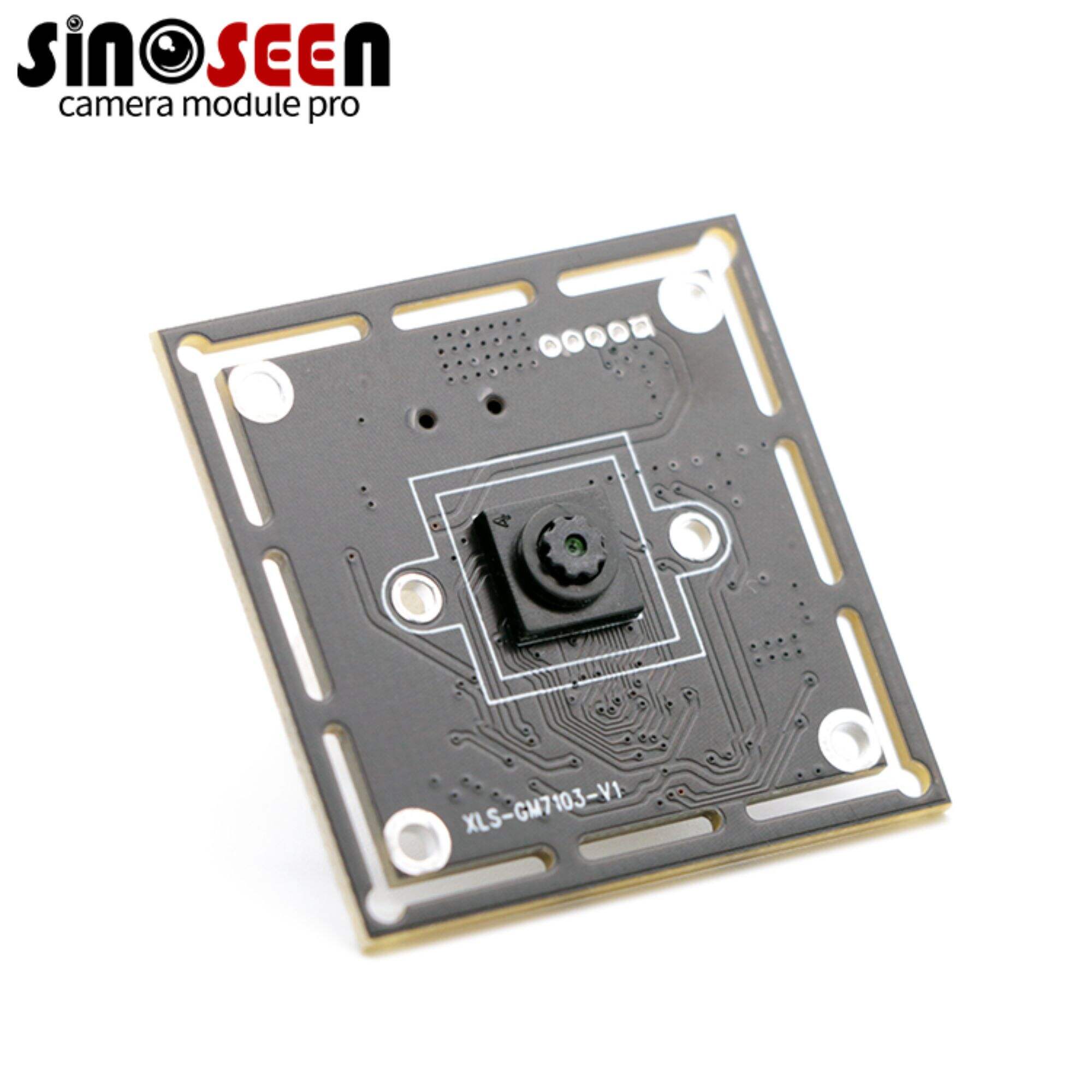
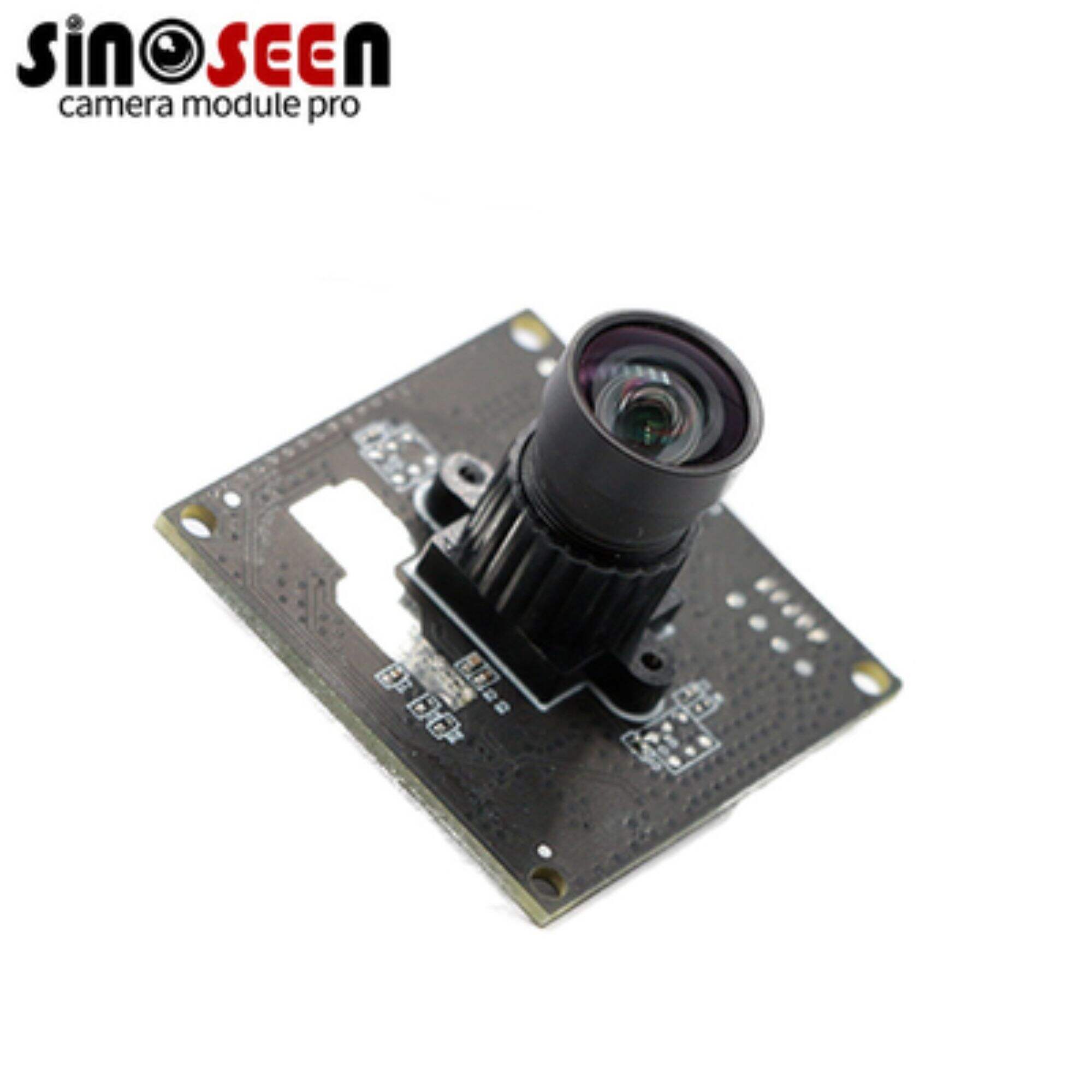
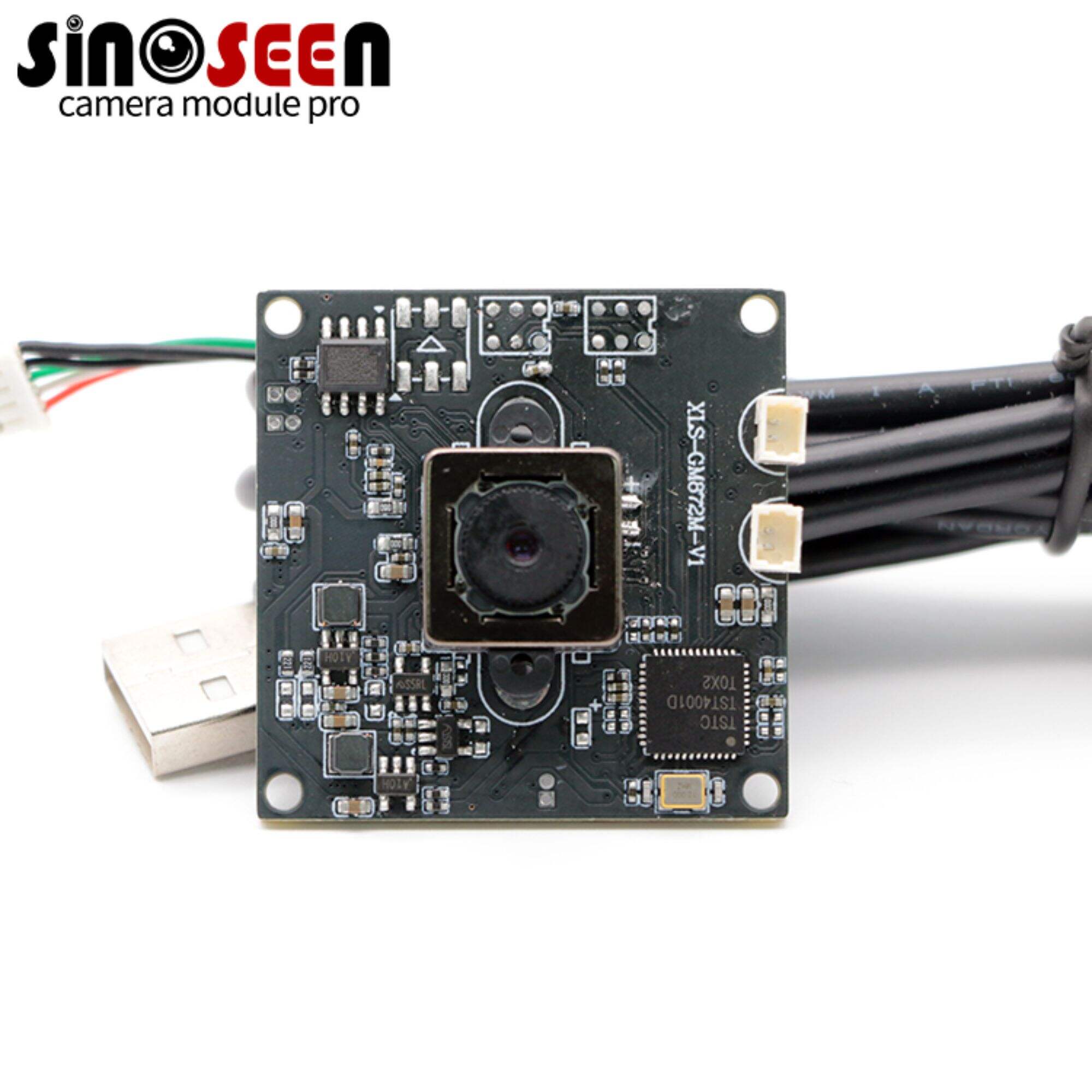
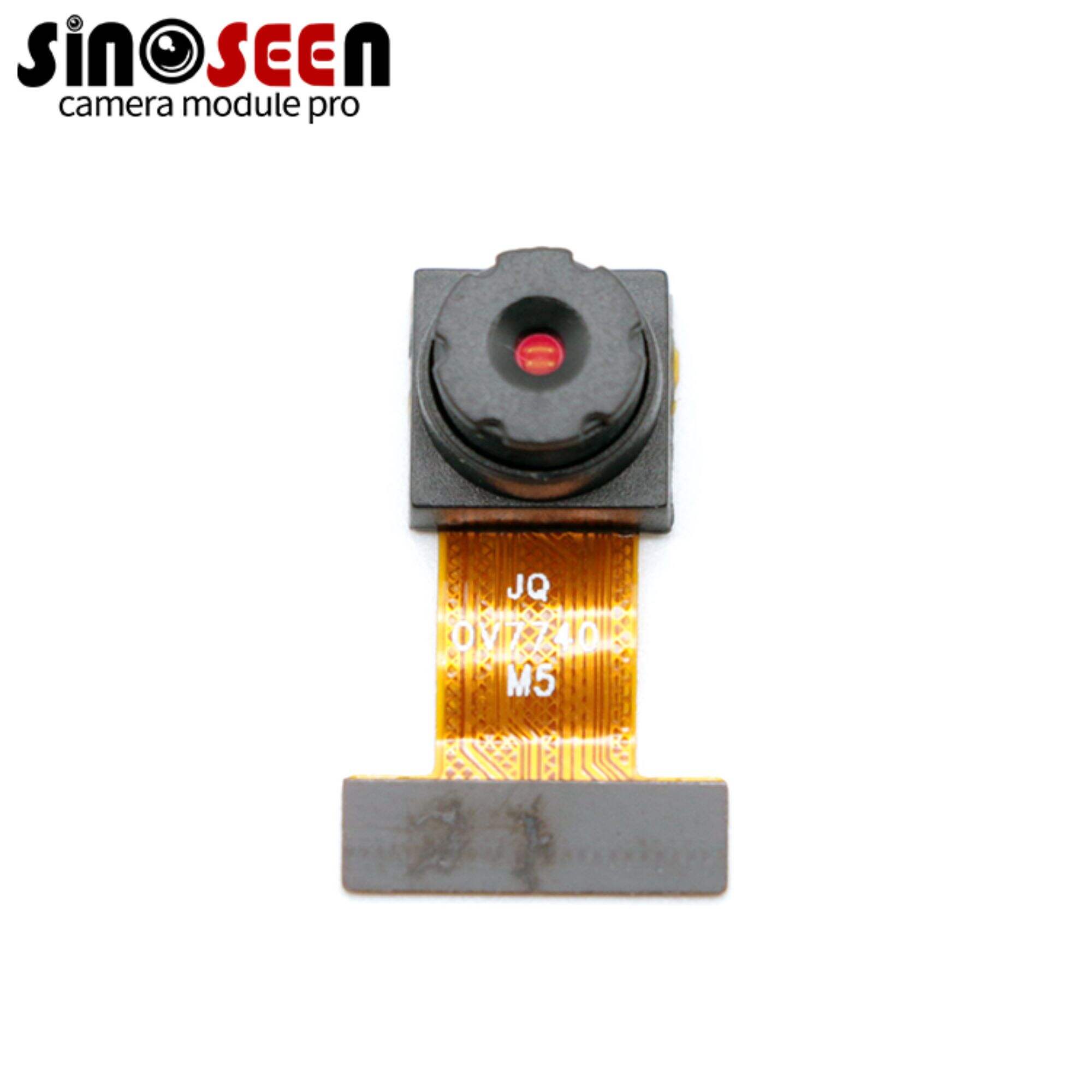
The IR camera sensor board represents a cutting-edge thermal imaging solution that captures infrared radiation to produce detailed heat maps and temperature measurements. This sophisticated electronic component integrates advanced infrared detection technology with digital processing capabilities, enabling users to visualize temperature variations across surfaces and objects with remarkable precision. The IR camera sensor board operates by detecting electromagnetic radiation in the infrared spectrum, typically ranging from 7.5 to 14 micrometers, which corresponds to thermal energy emitted by all objects above absolute zero. The core functionality revolves around converting thermal signatures into digital data that can be processed, analyzed, and displayed in real-time. Modern IR camera sensor boards incorporate high-resolution thermal sensors, sophisticated analog-to-digital converters, and powerful microprocessors that work together to deliver accurate temperature readings and crisp thermal imagery. These boards feature compact designs that make them suitable for integration into various devices and systems, from handheld thermal cameras to industrial monitoring equipment. The technological architecture includes advanced calibration algorithms that ensure consistent performance across different environmental conditions and temperature ranges. Many IR camera sensor boards support multiple output formats, including standard video interfaces and digital communication protocols, making them versatile for different application requirements. The boards typically operate within specific temperature ranges and offer configurable sensitivity settings to optimize performance for particular use cases. Advanced models include features such as automatic gain control, non-uniformity correction, and temperature compensation to maintain image quality and measurement accuracy. The IR camera sensor board technology continues to evolve, with manufacturers developing smaller, more efficient designs that consume less power while delivering enhanced performance characteristics for diverse thermal imaging applications.

New Product Recommendations

The IR camera sensor board delivers exceptional value through its superior thermal detection capabilities that enable users to identify temperature variations invisible to the naked eye. This technology provides immediate visual feedback about heat distribution, allowing for rapid problem identification and resolution in various scenarios. Users benefit from the board's ability to operate effectively in complete darkness, making it invaluable for security applications, search and rescue operations, and nighttime surveillance activities. The non-contact measurement capability eliminates safety concerns associated with direct temperature monitoring of hazardous or inaccessible surfaces, protecting personnel while maintaining measurement accuracy. The IR camera sensor board offers significant cost savings by enabling predictive maintenance strategies that identify potential equipment failures before they occur, reducing unexpected downtime and expensive emergency repairs. Installation flexibility represents another major advantage, as these boards integrate easily into existing systems without requiring extensive modifications or specialized mounting hardware. The real-time processing capabilities provide instant results, eliminating waiting periods associated with traditional thermal measurement methods and enabling immediate decision-making. Users appreciate the wide temperature measurement range that accommodates diverse applications, from detecting minor temperature variations in electronic components to monitoring high-temperature industrial processes. The digital output format facilitates seamless data integration with computer systems, enabling automated analysis, data logging, and remote monitoring capabilities. Energy efficiency stands out as a practical benefit, with modern IR camera sensor boards consuming minimal power while maintaining consistent performance throughout extended operation periods. The robust construction ensures reliable operation in challenging environments, including extreme temperatures, vibration, and exposure to dust and moisture. Calibration stability reduces maintenance requirements, as these boards maintain accuracy over extended periods without frequent recalibration procedures. The compact form factor enables integration into space-constrained applications where traditional thermal imaging solutions would be impractical. Users also benefit from the board's ability to capture both thermal and visual data simultaneously, providing comprehensive situational awareness for critical applications. The scalable architecture allows for customization based on specific requirements, ensuring optimal performance for particular use cases while maintaining cost-effectiveness. These combined advantages make the IR camera sensor board an essential component for organizations seeking reliable, efficient, and versatile thermal imaging solutions.

Latest News

 How to Select the Right AI Camera Module for Facial Recognition Systems?

02

Mar

How to Select the Right AI Camera Module for Facial Recognition Systems?

Selecting the appropriate AI camera module for facial recognition systems represents a critical decision that directly impacts system performance, accuracy, and overall operational efficiency. Modern facial recognition applications demand sophisticat...
View More
How to Optimize Low-Light Performance in Custom Camera Module Designs?

02

Mar

How to Optimize Low-Light Performance in Custom Camera Module Designs?

Custom camera module designs face unique challenges when operating in environments with minimal illumination, making low-light performance optimization a critical engineering consideration. Modern applications ranging from security surveillance to au...
View More
How to Integrate a Small Camera Module into Compact Medical Devices?

02

Mar

How to Integrate a Small Camera Module into Compact Medical Devices?

Medical device miniaturization continues to revolutionize healthcare, enabling less invasive procedures and improved patient outcomes. When designing compact medical equipment, integrating a small camera module requires careful consideration of space...
View More
Why do Robotics Manufacturers Prefer High-Speed AI Camera Modules?

02

Mar

Why do Robotics Manufacturers Prefer High-Speed AI Camera Modules?

The robotics industry has experienced unprecedented growth in recent years, with manufacturers increasingly demanding sophisticated vision systems that can process visual data at lightning speed. High-speed AI camera modules have emerged as the corne...
View More

Get In Touch

ir camera sensor board

Advanced Thermal Detection Technology

Advanced Thermal Detection Technology

The IR camera sensor board incorporates state-of-the-art thermal detection technology that sets new standards for accuracy and reliability in temperature measurement applications. This sophisticated system utilizes advanced microbolometer arrays that detect minute temperature variations with exceptional precision, enabling users to identify thermal anomalies that would otherwise remain undetected. The technology operates on the principle of detecting infrared radiation emitted by objects, converting this thermal energy into electrical signals that are processed by high-performance analog-to-digital converters. The resulting digital data undergoes sophisticated processing algorithms that enhance image quality, reduce noise, and provide accurate temperature measurements across the entire field of view. The IR camera sensor board features advanced calibration systems that automatically compensate for environmental factors such as ambient temperature fluctuations, humidity changes, and atmospheric conditions that could affect measurement accuracy. This intelligent calibration ensures consistent performance across diverse operating conditions, making the board suitable for demanding applications where precision is critical. The thermal detection system includes multiple gain settings that allow users to optimize sensitivity based on their specific requirements, whether detecting subtle temperature variations in electronic components or monitoring high-temperature industrial processes. Advanced filtering algorithms eliminate unwanted thermal noise while preserving important temperature details, resulting in clear, accurate thermal imagery that facilitates confident decision-making. The technology incorporates non-uniformity correction capabilities that compensate for pixel-to-pixel variations in the sensor array, ensuring uniform response across the entire imaging area. This correction technology maintains image quality and measurement accuracy throughout the operational life of the IR camera sensor board, reducing maintenance requirements and ensuring long-term reliability. The detection system supports various measurement modes, including spot temperature measurement, area averaging, and temperature profiling, providing flexibility for different application requirements. Real-time processing capabilities enable immediate thermal analysis without delays, making the board suitable for time-critical applications where rapid response is essential. The advanced thermal detection technology also includes sophisticated temperature compensation algorithms that maintain accuracy across the board's entire operating temperature range, ensuring reliable performance in challenging environments.
Versatile Integration Capabilities

Versatile Integration Capabilities

The IR camera sensor board offers exceptional integration flexibility that makes it suitable for a wide range of applications and system architectures. This versatility stems from the board's comprehensive interface options that support multiple communication protocols, including USB, Ethernet, SPI, and I2C connections, enabling seamless integration with various host systems and devices. The standardized interface design eliminates compatibility concerns and reduces integration time, allowing engineers to incorporate thermal imaging capabilities into existing systems without extensive redesign efforts. The IR camera sensor board features modular architecture that supports customization based on specific application requirements, with options for different lens configurations, mounting systems, and environmental protection levels. This modular approach enables users to optimize the board's configuration for their particular use case while maintaining cost-effectiveness and performance standards. The board's compact form factor and lightweight design make it suitable for applications where space and weight constraints are critical factors, such as drone-based thermal imaging systems and portable diagnostic equipment. Power management flexibility represents another key integration advantage, with the board supporting various power input options and featuring intelligent power management systems that optimize energy consumption based on operational requirements. The IR camera sensor board includes comprehensive software development kits and application programming interfaces that simplify integration processes and reduce development time. These tools provide pre-configured functions for common thermal imaging tasks, enabling rapid prototyping and system deployment. The board's mechanical design accommodates standard mounting hardware and includes provisions for custom mounting solutions, ensuring compatibility with diverse installation requirements. Environmental adaptability enhances integration flexibility, with the board featuring robust construction that withstands temperature extremes, vibration, shock, and exposure to dust and moisture. This durability ensures reliable operation in challenging environments without requiring additional protective measures that could complicate integration processes. The IR camera sensor board supports various output formats and resolutions, allowing users to select configurations that match their display systems and data processing requirements. Integration documentation includes detailed specifications, interface descriptions, and example code that facilitate smooth integration processes and reduce technical support requirements. The board's design philosophy emphasizes plug-and-play functionality wherever possible, minimizing configuration requirements and enabling rapid deployment in production environments.

Cost-Effective Performance Solution

Cost-Effective Performance Solution

The IR camera sensor board delivers exceptional value by combining high-performance thermal imaging capabilities with cost-effective design principles that make advanced thermal technology accessible to a broader range of applications and budgets. This cost-effectiveness stems from intelligent design choices that optimize manufacturing processes while maintaining the quality and reliability standards required for professional thermal imaging applications. The board's architecture leverages proven technologies and components that have established track records for reliability and performance, reducing development costs and ensuring long-term availability of replacement parts and technical support. Volume production techniques enable competitive pricing without compromising quality, making the IR camera sensor board an attractive option for both small-scale projects and large-scale deployments. The cost-effectiveness extends beyond initial purchase price to include operational savings through reduced maintenance requirements, extended service life, and energy-efficient operation that minimizes ongoing operational costs. The IR camera sensor board's reliability reduces total cost of ownership by minimizing unexpected failures and associated repair costs, while its robust design ensures consistent performance throughout extended operational periods. The board's versatility eliminates the need for multiple specialized devices, as it can accommodate various thermal imaging requirements through software configuration and optional accessories, reducing inventory costs and system complexity. Integration efficiency contributes to cost-effectiveness by minimizing development time and engineering resources required to implement thermal imaging capabilities in new or existing systems. The comprehensive software tools and documentation provided with the IR camera sensor board reduce the learning curve and enable faster time-to-market for products incorporating thermal imaging features. Scalable performance options allow users to select configurations that match their specific requirements without paying for unnecessary capabilities, optimizing cost-performance ratios for particular applications. The board's standardized interfaces reduce integration costs by eliminating the need for custom interface development and enabling the use of standard cables and connectors. Long-term cost benefits include the board's upgrade compatibility that allows performance enhancements through software updates rather than hardware replacements, protecting initial investments while enabling access to new features and capabilities. The IR camera sensor board's energy efficiency reduces operating costs in battery-powered applications and minimizes cooling requirements in thermally constrained environments. Quality assurance processes ensure consistent performance across production runs, reducing field failure rates and associated support costs. The cost-effective design philosophy also encompasses environmental considerations, with the board meeting regulatory standards without requiring expensive certification processes or specialized handling procedures.

Related Search

Get in touch