Innovative Camera Modules for Every Application | Sinoseen

All Categories

low light ir camera module

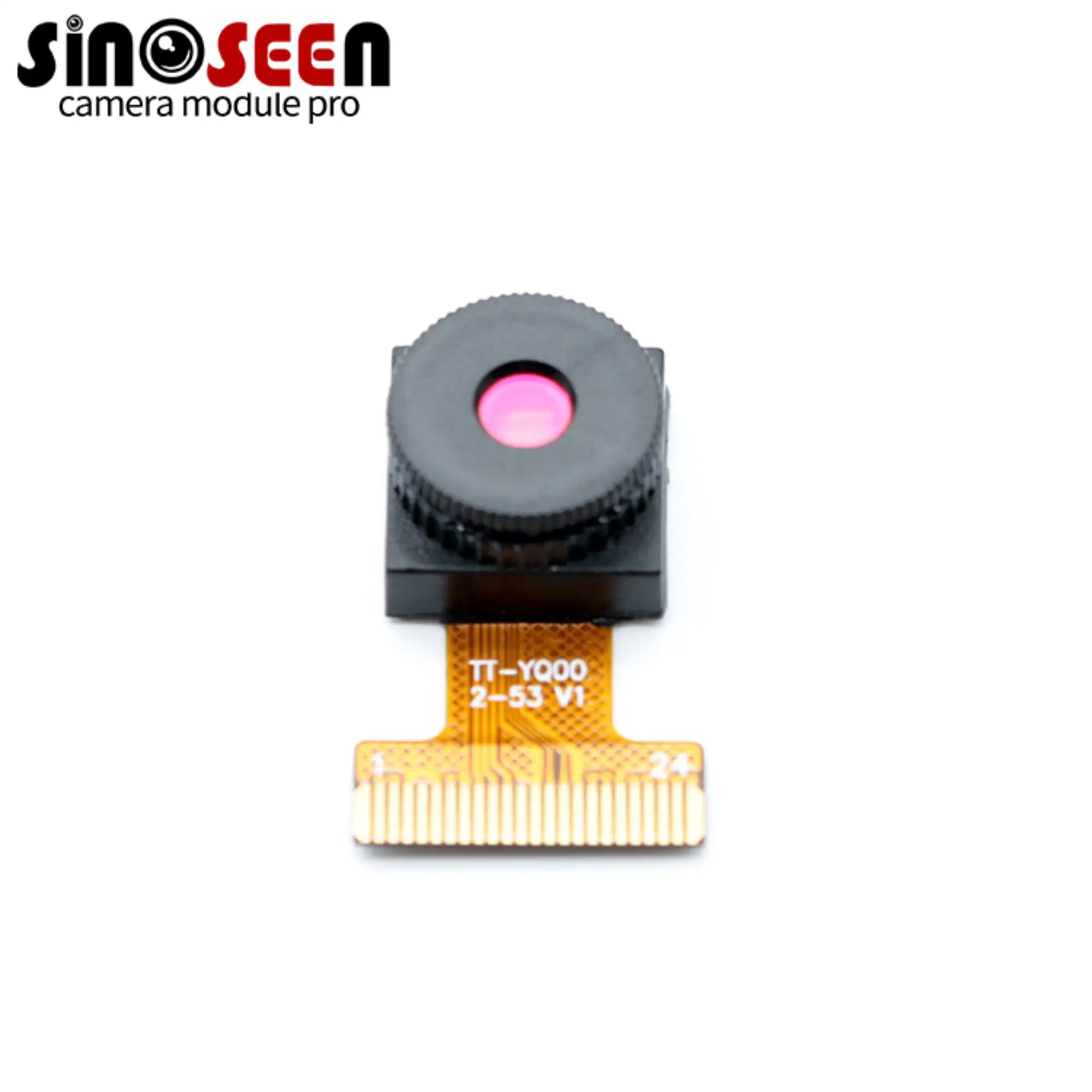
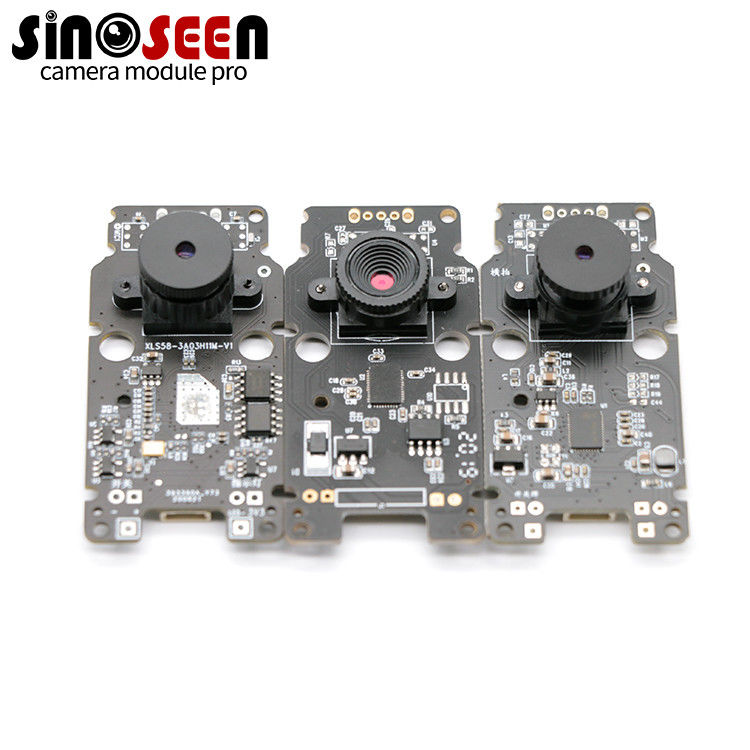
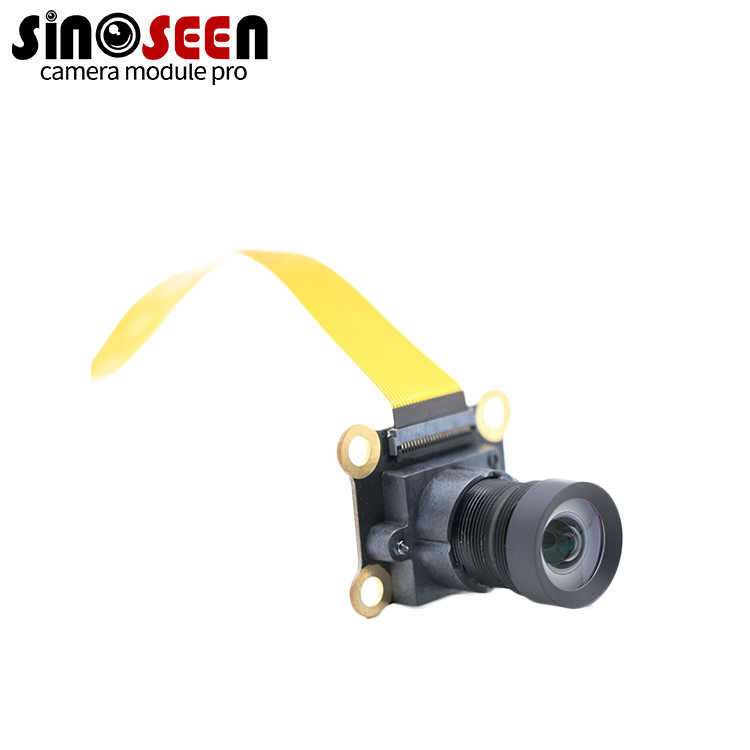
The low light ir camera module represents a cutting-edge imaging solution designed to deliver exceptional performance in challenging lighting conditions. This advanced camera module combines infrared technology with sophisticated sensors to capture clear, detailed images even in near-darkness environments. The core functionality of the low light ir camera module centers around its ability to detect and process infrared radiation, enabling vision capabilities that extend far beyond human sight limitations. The module integrates high-sensitivity image sensors with specialized infrared illumination systems, creating a comprehensive imaging platform suitable for diverse applications. Key technological features include advanced CMOS sensors with enhanced quantum efficiency, specialized infrared filters, and intelligent image processing algorithms that optimize signal-to-noise ratios. The low light ir camera module incorporates automatic gain control mechanisms that adjust sensitivity levels based on ambient lighting conditions, ensuring consistent image quality across varying environments. Temperature compensation features maintain stable performance despite environmental fluctuations, while digital signal processing capabilities enhance image clarity through real-time optimization. Applications for the low light ir camera module span multiple industries and use cases. Security surveillance systems benefit significantly from its night vision capabilities, enabling continuous monitoring without visible lighting requirements. Industrial inspection processes utilize these modules for quality control in low-light manufacturing environments. Automotive applications include advanced driver assistance systems and autonomous vehicle navigation, where the low light ir camera module provides critical visual data for safe operation during nighttime or adverse weather conditions. Medical imaging applications leverage the modules precise infrared detection capabilities for diagnostic procedures. Wildlife monitoring and research projects employ these camera modules to observe animal behavior without disturbing natural habitats through visible light sources. The versatility and reliability of the low light ir camera module make it an essential component for modern imaging applications requiring superior performance in challenging lighting environments.

New Products

The low light ir camera module offers numerous practical benefits that directly address real-world imaging challenges faced by customers across various industries. One primary advantage is the significant cost reduction achieved through eliminating the need for external lighting infrastructure. Traditional camera systems require expensive floodlights, maintenance, and increased power consumption, while the low light ir camera module operates effectively using built-in infrared illumination, reducing overall system costs and complexity. Energy efficiency represents another major benefit, as these modules consume substantially less power compared to conventional lighting setups, leading to lower operational expenses and extended battery life in portable applications. The enhanced security capabilities provided by the low light ir camera module create substantial value for surveillance applications. These modules capture clear footage in complete darkness, enabling 24-hour monitoring without alerting potential intruders through visible lighting. This covert operation capability proves invaluable for security professionals who need discreet surveillance solutions. Improved safety outcomes result from the modules ability to detect hazards and obstacles in low-light environments. Industrial facilities, construction sites, and transportation systems benefit from enhanced visibility that prevents accidents and ensures worker safety during nighttime operations. The low light ir camera module delivers superior image quality compared to traditional low-light cameras, producing detailed footage with reduced noise and improved contrast ratios. This enhanced performance translates to better decision-making capabilities for operators who rely on visual information. Installation flexibility represents another significant advantage, as these modules adapt to various mounting configurations and environmental conditions without requiring extensive infrastructure modifications. The plug-and-play nature of most low light ir camera modules simplifies deployment and reduces installation time and costs. Maintenance requirements are minimal due to the robust construction and reliable components used in these modules. The absence of moving parts and the solid-state design contribute to extended operational lifespans with reduced downtime. Weather resistance features enable outdoor deployment without protective enclosures, further simplifying installation processes. Real-time monitoring capabilities allow immediate response to security threats or operational issues, improving overall system effectiveness and user confidence in the technology.

Tips And Tricks

Why Choose a High-Performance Embedded Camera Module for AI Applications?

02

Mar

Why Choose a High-Performance Embedded Camera Module for AI Applications?

Artificial intelligence applications demand precision, speed, and reliability in their visual data acquisition systems. An embedded camera module serves as the critical foundation for AI-powered devices, from autonomous vehicles to smart manufacturin...
View More
 How to Select the Right AI Camera Module for Facial Recognition Systems?

02

Mar

How to Select the Right AI Camera Module for Facial Recognition Systems?

Selecting the appropriate AI camera module for facial recognition systems represents a critical decision that directly impacts system performance, accuracy, and overall operational efficiency. Modern facial recognition applications demand sophisticat...
View More
How to Optimize Low-Light Performance in Custom Camera Module Designs?

02

Mar

How to Optimize Low-Light Performance in Custom Camera Module Designs?

Custom camera module designs face unique challenges when operating in environments with minimal illumination, making low-light performance optimization a critical engineering consideration. Modern applications ranging from security surveillance to au...
View More
How to Integrate a Small Camera Module into Compact Medical Devices?

02

Mar

How to Integrate a Small Camera Module into Compact Medical Devices?

Medical device miniaturization continues to revolutionize healthcare, enabling less invasive procedures and improved patient outcomes. When designing compact medical equipment, integrating a small camera module requires careful consideration of space...
View More

Get In Touch

low light ir camera module

Advanced Infrared Imaging Technology

Advanced Infrared Imaging Technology

The low light ir camera module incorporates state-of-the-art infrared imaging technology that revolutionizes visual perception in challenging lighting conditions. This sophisticated technology utilizes specialized sensors capable of detecting infrared radiation wavelengths invisible to the human eye, creating detailed images from heat signatures and reflected infrared light. The advanced sensor architecture features enhanced photodiode structures with optimized pixel designs that maximize light-gathering capabilities while minimizing electronic noise interference. These sensors employ back-illuminated construction techniques that increase quantum efficiency by up to 40% compared to conventional front-illuminated designs, ensuring superior performance in extremely low-light scenarios. The infrared imaging technology integrated into the low light ir camera module utilizes wavelength-specific filtering systems that isolate optimal infrared bands for maximum image clarity. Near-infrared wavelengths between 700-1000 nanometers provide excellent penetration through atmospheric conditions while maintaining high resolution detail capture. The module's sophisticated optical system includes precision-engineered lenses with anti-reflective coatings specifically designed for infrared wavelengths, reducing internal reflections and improving overall image contrast. Advanced digital signal processing algorithms work in conjunction with the infrared sensors to enhance image quality through real-time optimization techniques. These algorithms employ sophisticated noise reduction methods, edge enhancement protocols, and dynamic range expansion to deliver crisp, clear images even in the most challenging environments. The technology enables automatic scene analysis that adjusts processing parameters based on environmental conditions, ensuring optimal performance across diverse applications. Temperature compensation mechanisms maintain consistent imaging performance despite environmental fluctuations, while intelligent gain control systems automatically adjust sensitivity levels to prevent image saturation or under-exposure. This advanced infrared imaging technology transforms the low light ir camera module into an indispensable tool for applications requiring reliable vision capabilities in darkness, providing users with unprecedented visual access to previously invisible environments and enabling new possibilities for surveillance, monitoring, and inspection applications.
Superior Night Vision Performance

Superior Night Vision Performance

The exceptional night vision performance of the low light ir camera module sets new standards for imaging capabilities in complete darkness environments. This superior performance stems from the integration of multiple advanced technologies working synergistically to deliver unparalleled visual clarity when conventional cameras fail completely. The module achieves remarkable sensitivity levels that enable clear image capture in lighting conditions as low as 0.001 lux, essentially providing useful vision in starlight conditions without any artificial illumination. The enhanced performance results from proprietary sensor technologies that maximize photon collection efficiency while minimizing thermal noise generation that typically degrades image quality in low-light conditions. Advanced cooling systems integrated into the low light ir camera module maintain optimal sensor temperatures, further reducing noise and improving signal-to-noise ratios for superior image clarity. The night vision capabilities extend beyond simple darkness performance to include operation in adverse weather conditions such as fog, rain, and snow, where visible light cameras become completely ineffective. Infrared wavelengths utilized by these modules penetrate atmospheric particles more effectively than visible light, maintaining image quality even during challenging weather events. The superior night vision performance enables detection and identification of objects at distances exceeding 100 meters in complete darkness, providing users with extensive coverage areas without requiring multiple camera installations. Real-time image enhancement algorithms continuously optimize contrast, brightness, and detail levels based on scene content and environmental conditions, ensuring consistent performance regardless of changing circumstances. The module's ability to switch seamlessly between day and night operation modes without manual intervention provides users with continuous monitoring capabilities throughout 24-hour periods. Advanced automatic exposure control systems prevent image washout during transition periods between day and night, maintaining optimal image quality during dawn and dusk conditions when lighting levels change rapidly. This superior night vision performance transforms security monitoring, wildlife observation, and industrial inspection applications by providing reliable visual information when it matters most, enabling proactive responses to situations that would otherwise go undetected until daylight hours.

Versatile Multi-Industry Applications

Versatile Multi-Industry Applications

The remarkable versatility of the low light ir camera module enables deployment across numerous industries and applications, making it an invaluable investment for organizations seeking comprehensive imaging solutions. This adaptability stems from the module's robust design, flexible configuration options, and superior performance characteristics that meet diverse operational requirements across various sectors. Security and surveillance applications represent one of the most significant markets for the low light ir camera module, where its night vision capabilities provide continuous monitoring without alerting potential intruders through visible lighting. Commercial properties, residential complexes, and critical infrastructure facilities rely on these modules to maintain security throughout nighttime hours when most security breaches occur. The covert operation capability proves essential for law enforcement agencies conducting surveillance operations that require discrete monitoring without revealing camera locations. Industrial applications benefit tremendously from the low light ir camera module's ability to perform quality control inspections in low-light manufacturing environments where traditional lighting might interfere with production processes or create safety hazards. Automotive manufacturing facilities use these modules to inspect vehicle components during assembly processes, while pharmaceutical companies employ them for contamination detection in sterile environments where minimizing light exposure is critical. Transportation infrastructure applications include highway monitoring systems that track vehicle movement and detect incidents during nighttime hours, while railway operators use these modules to monitor track conditions and ensure safe operations. The agricultural sector utilizes low light ir camera modules for livestock monitoring, enabling farmers to observe animal behavior and health conditions without disturbing natural sleep patterns through artificial lighting. Research applications in wildlife conservation employ these modules to study nocturnal animal behaviors without human interference, providing valuable scientific data for conservation efforts. Medical applications include surgical procedures where infrared imaging capabilities assist surgeons in identifying tissue characteristics and blood flow patterns not visible under conventional lighting. The modules find extensive use in search and rescue operations, where night vision capabilities enable locating missing persons in challenging terrain and lighting conditions. Defense and military applications rely on the covert surveillance capabilities and superior night vision performance for tactical operations and perimeter security. This exceptional versatility ensures that the low light ir camera module provides long-term value across multiple applications, making it a strategic investment for organizations requiring reliable imaging capabilities.

Related Search

Get in touch