Innovative Camera Modules for Every Application | Sinoseen

All Categories

digital camera module

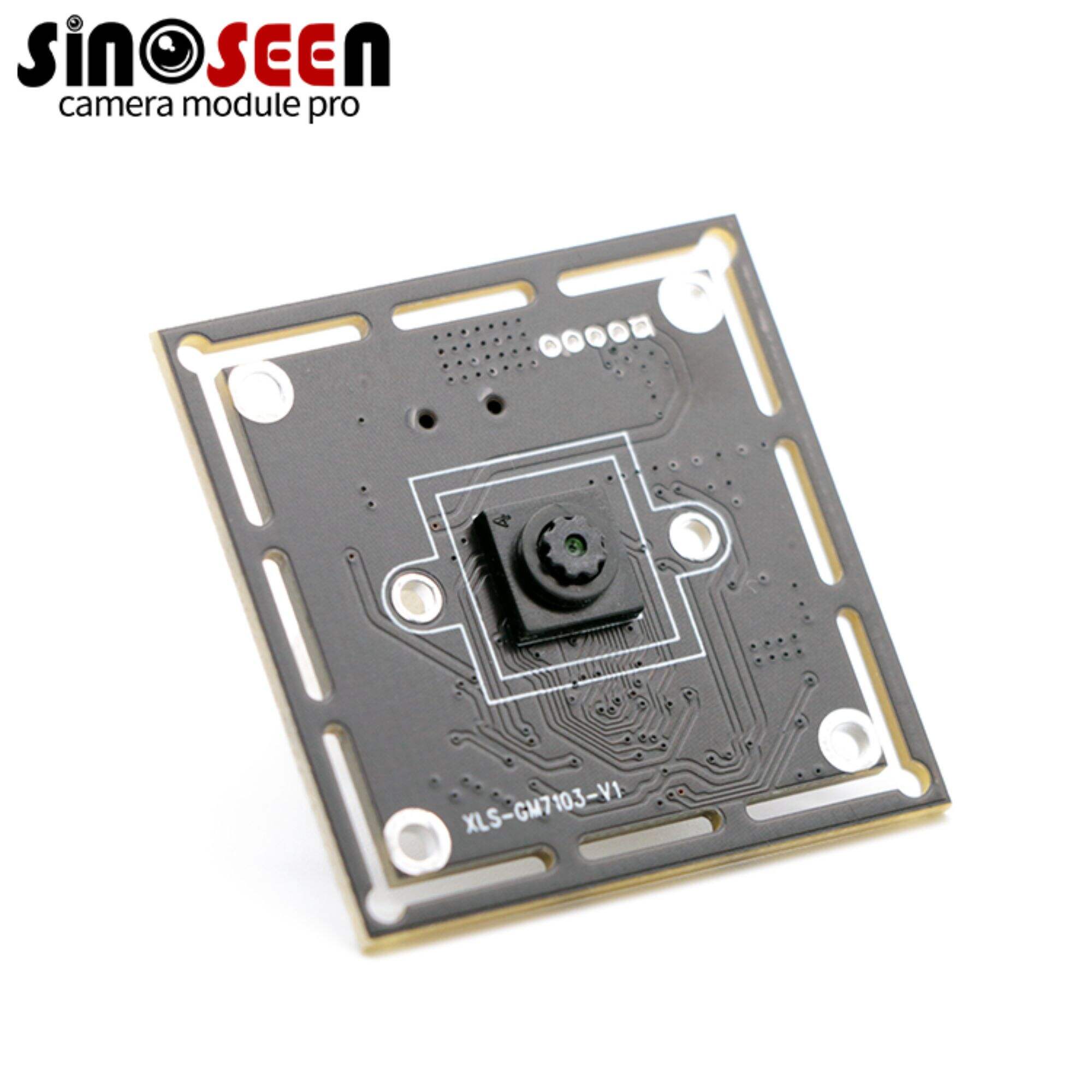
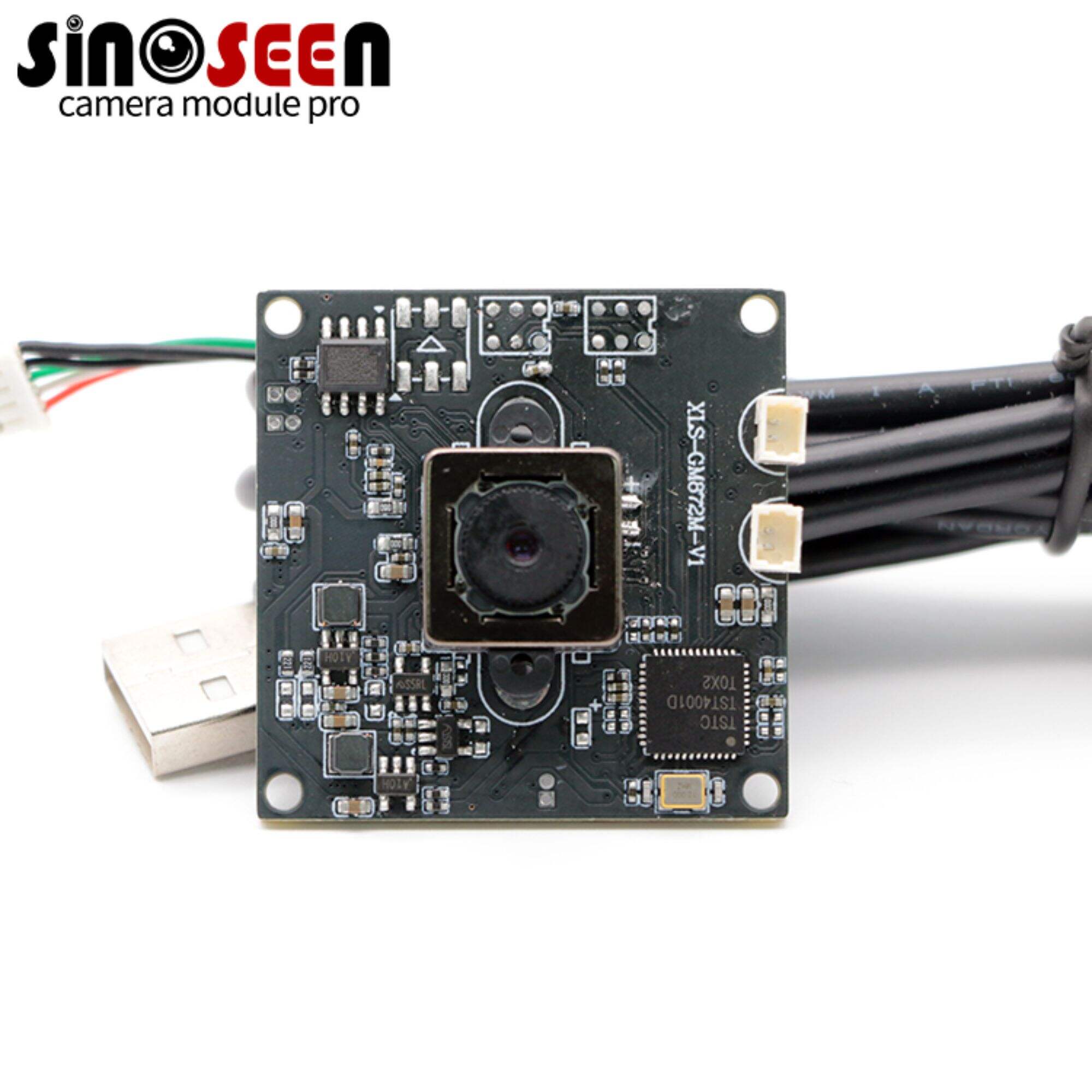
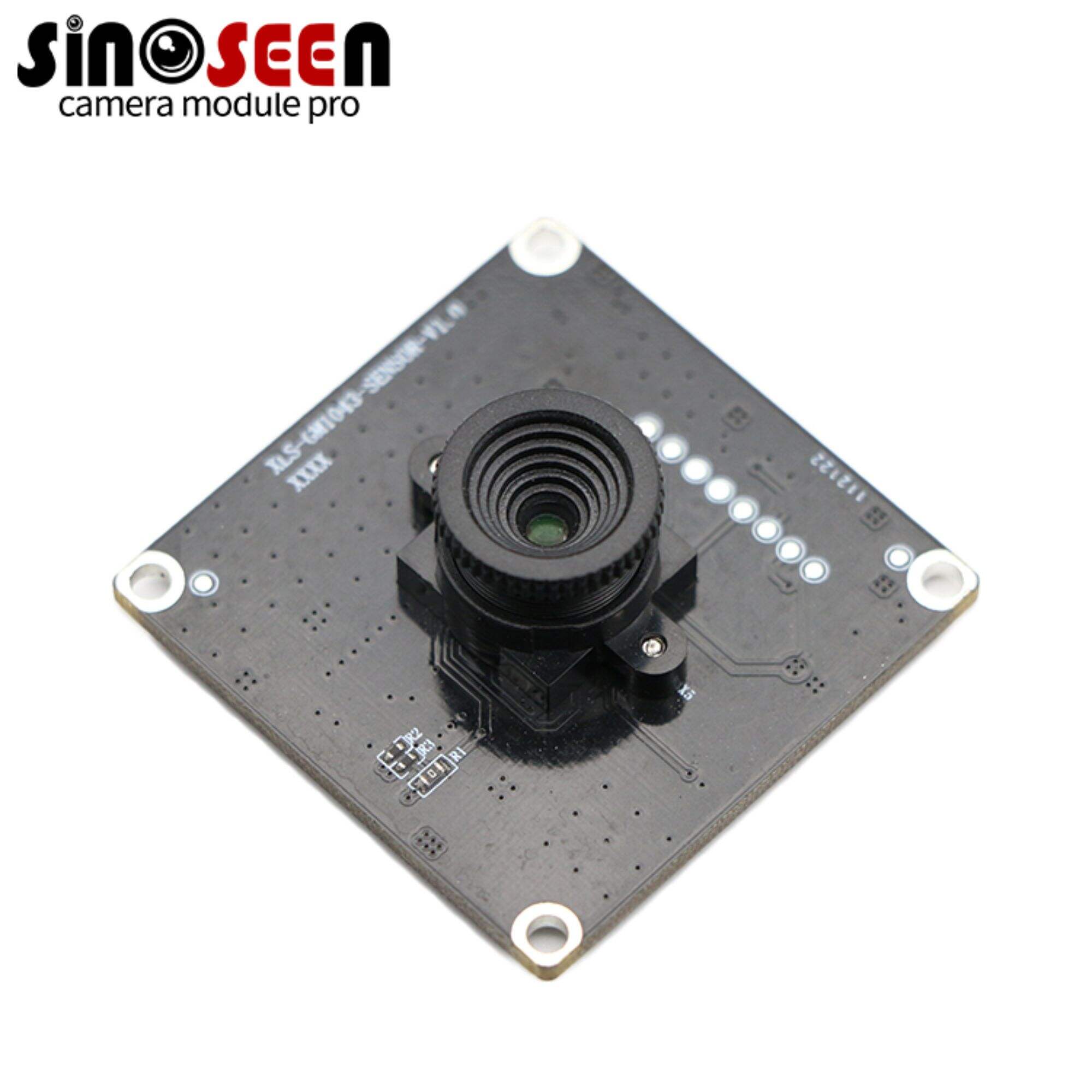
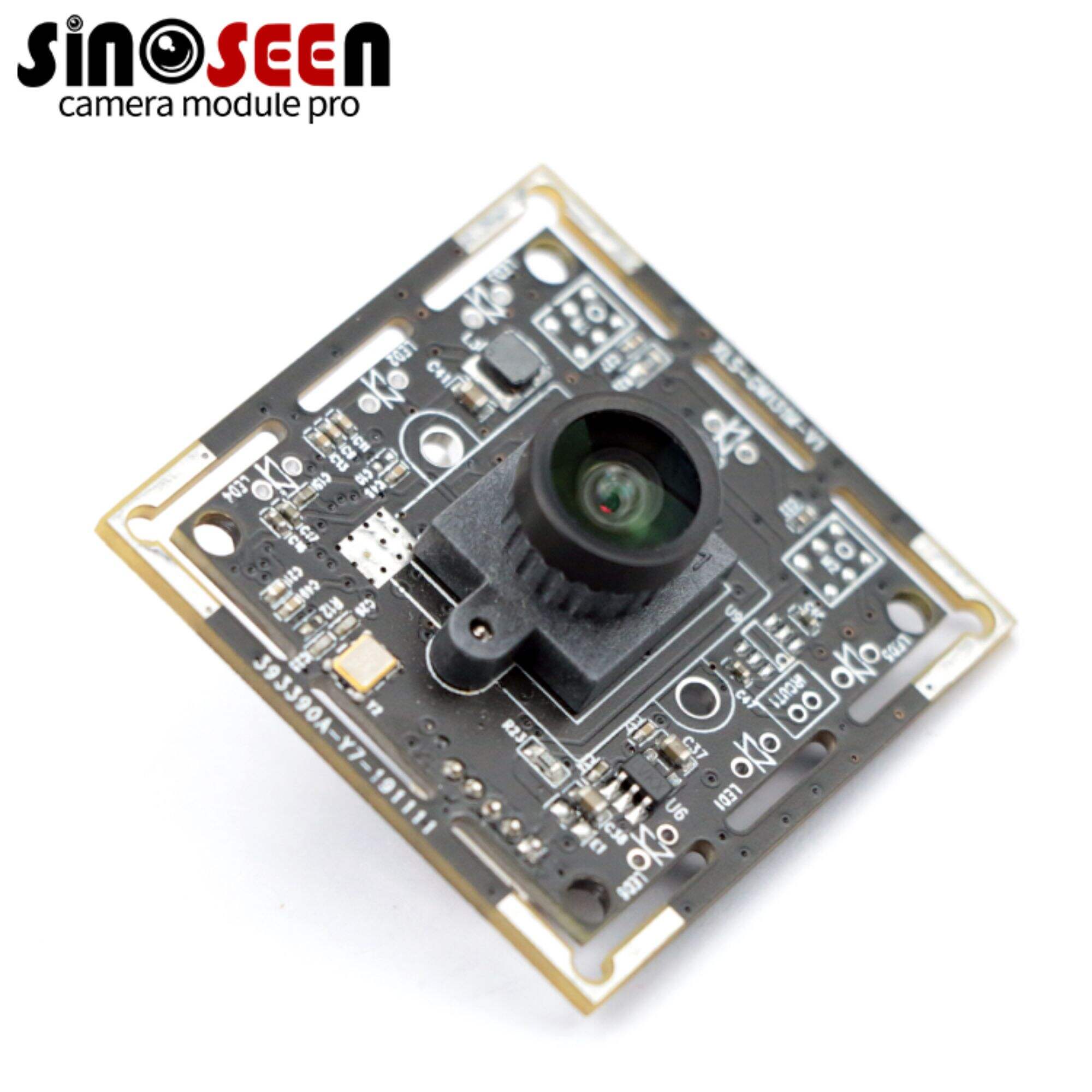
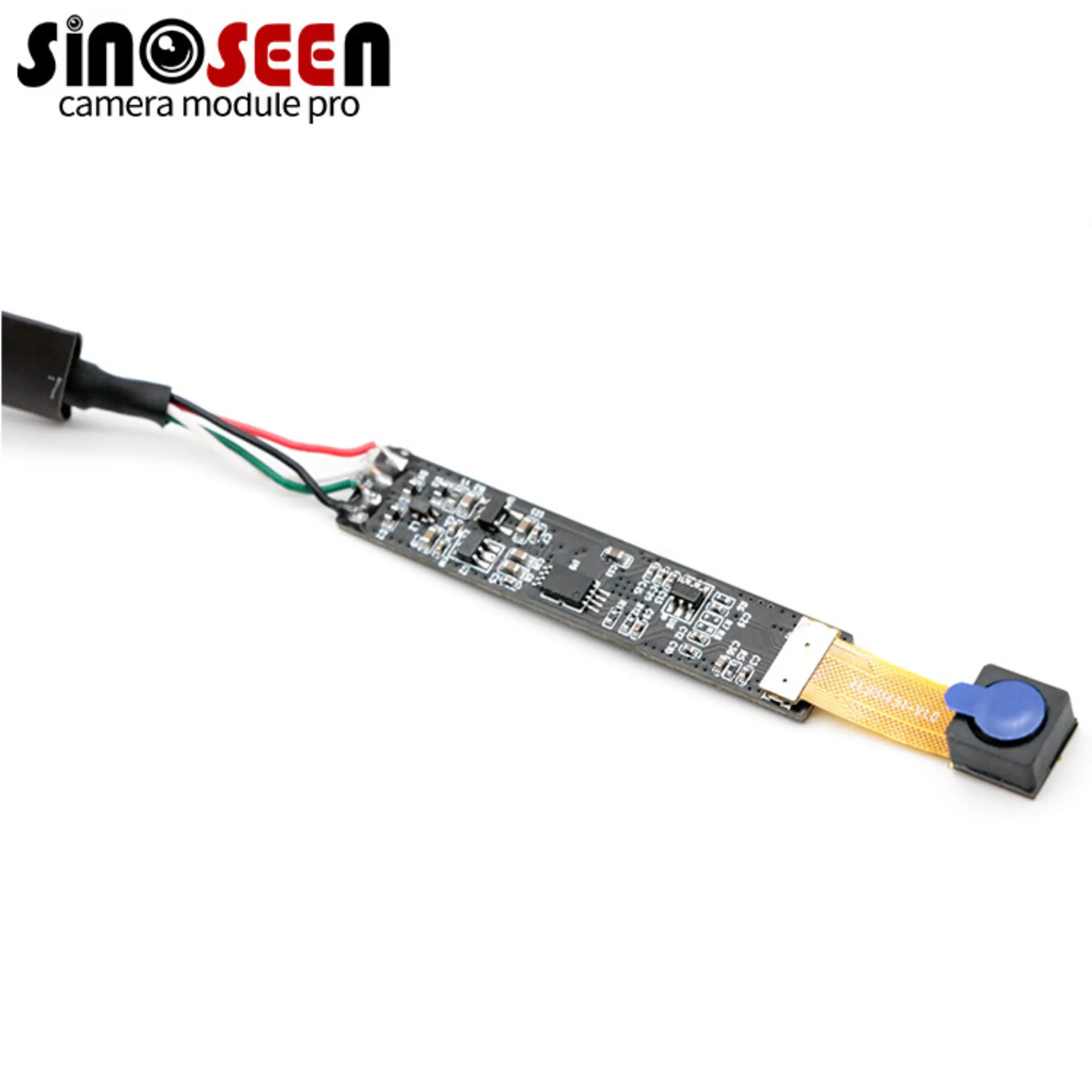
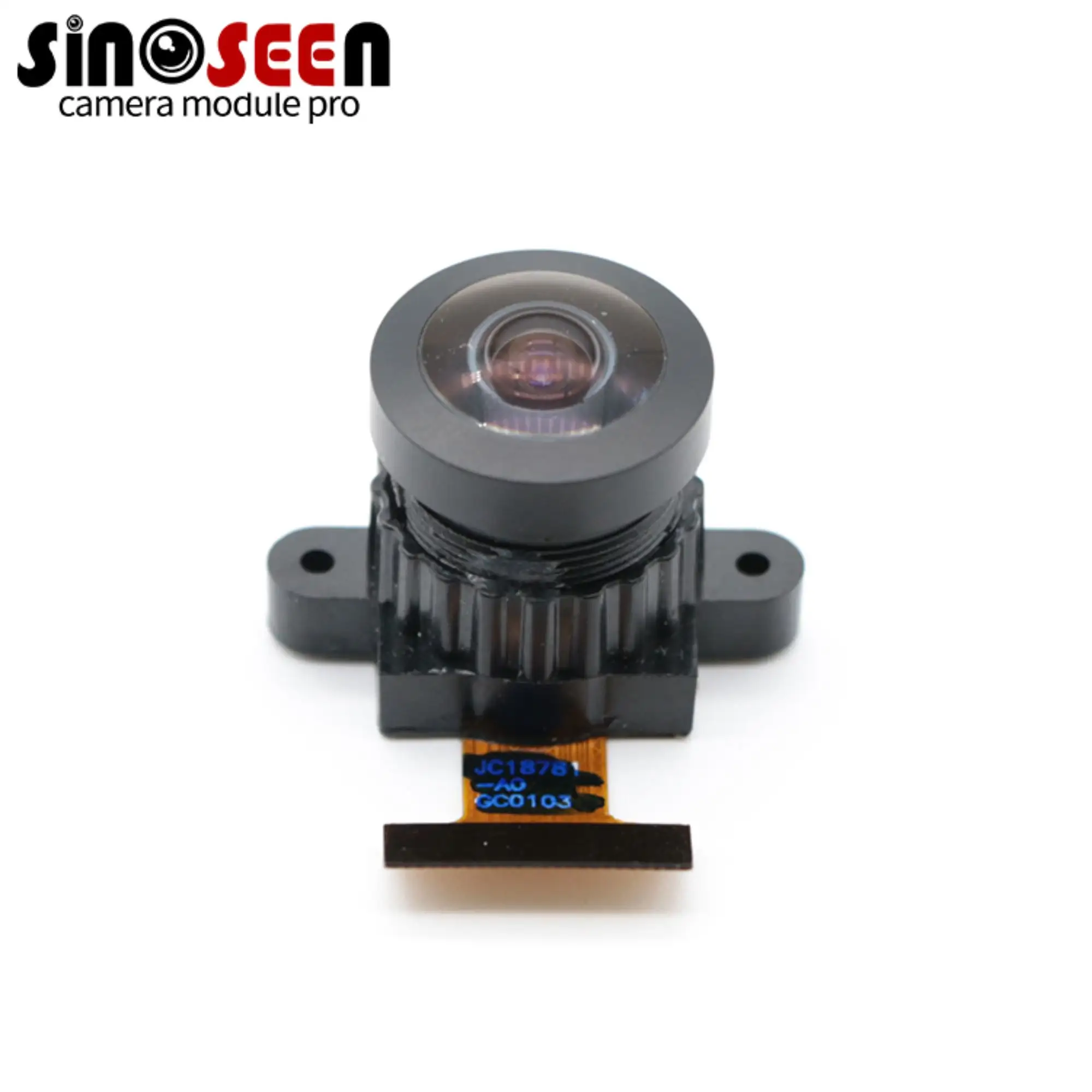
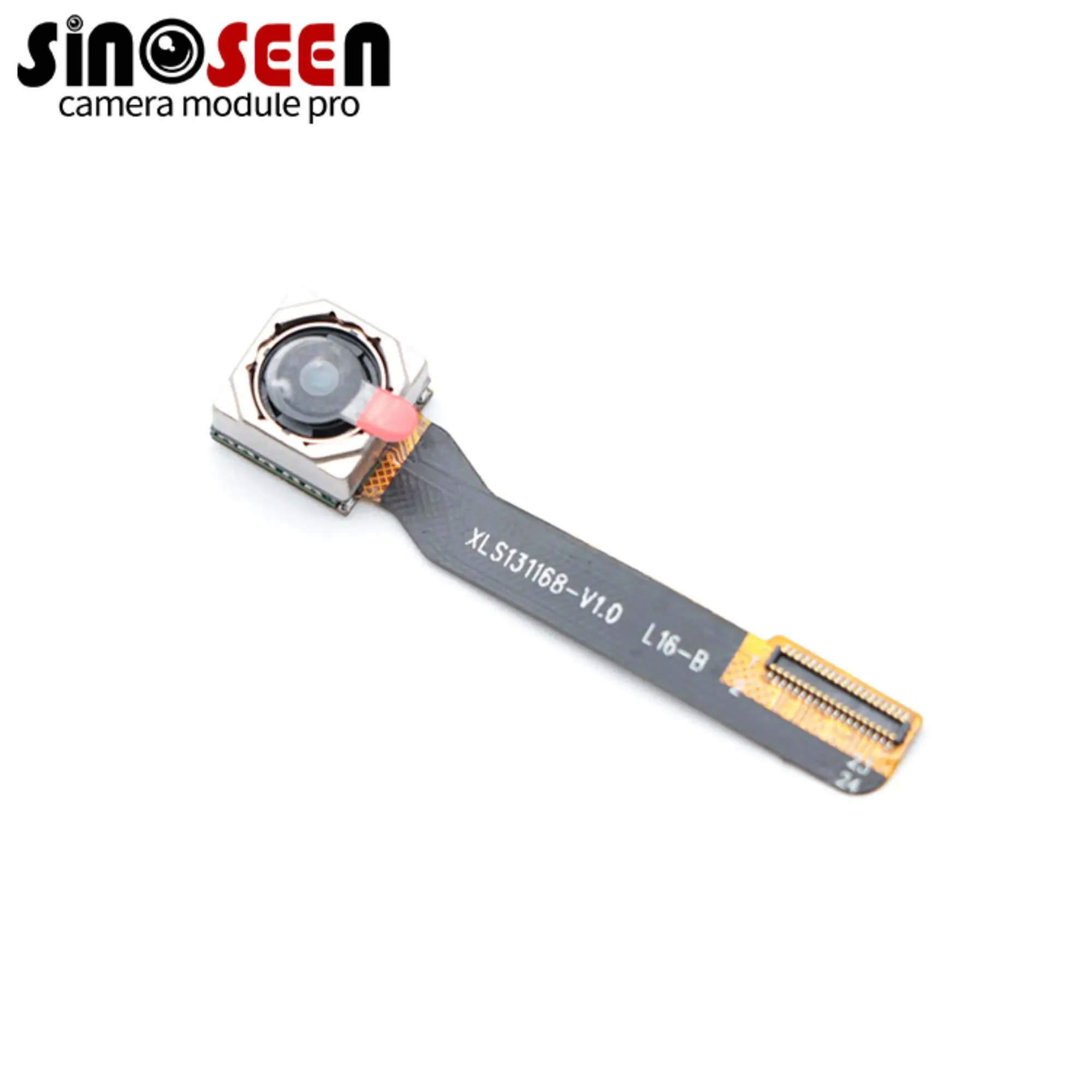
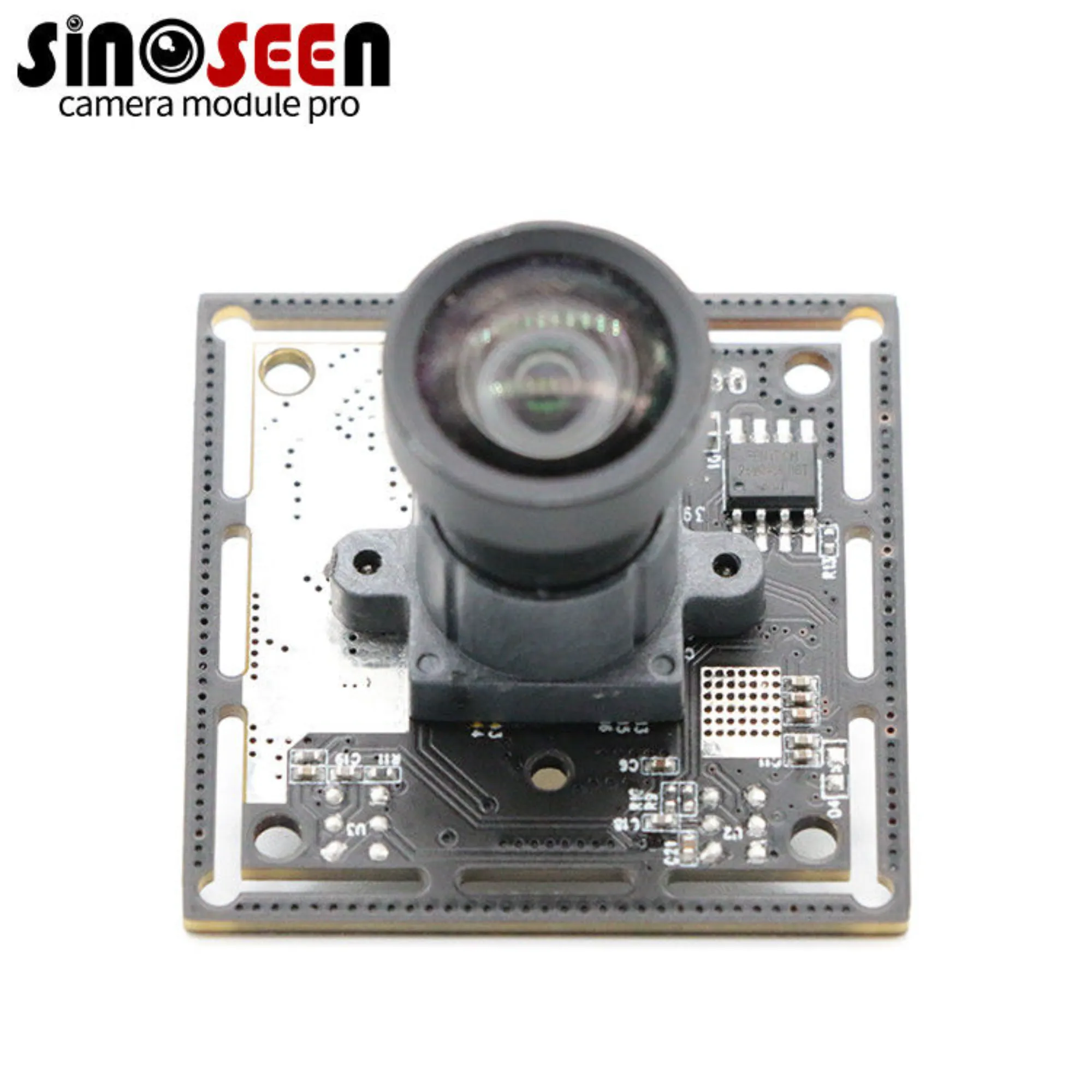
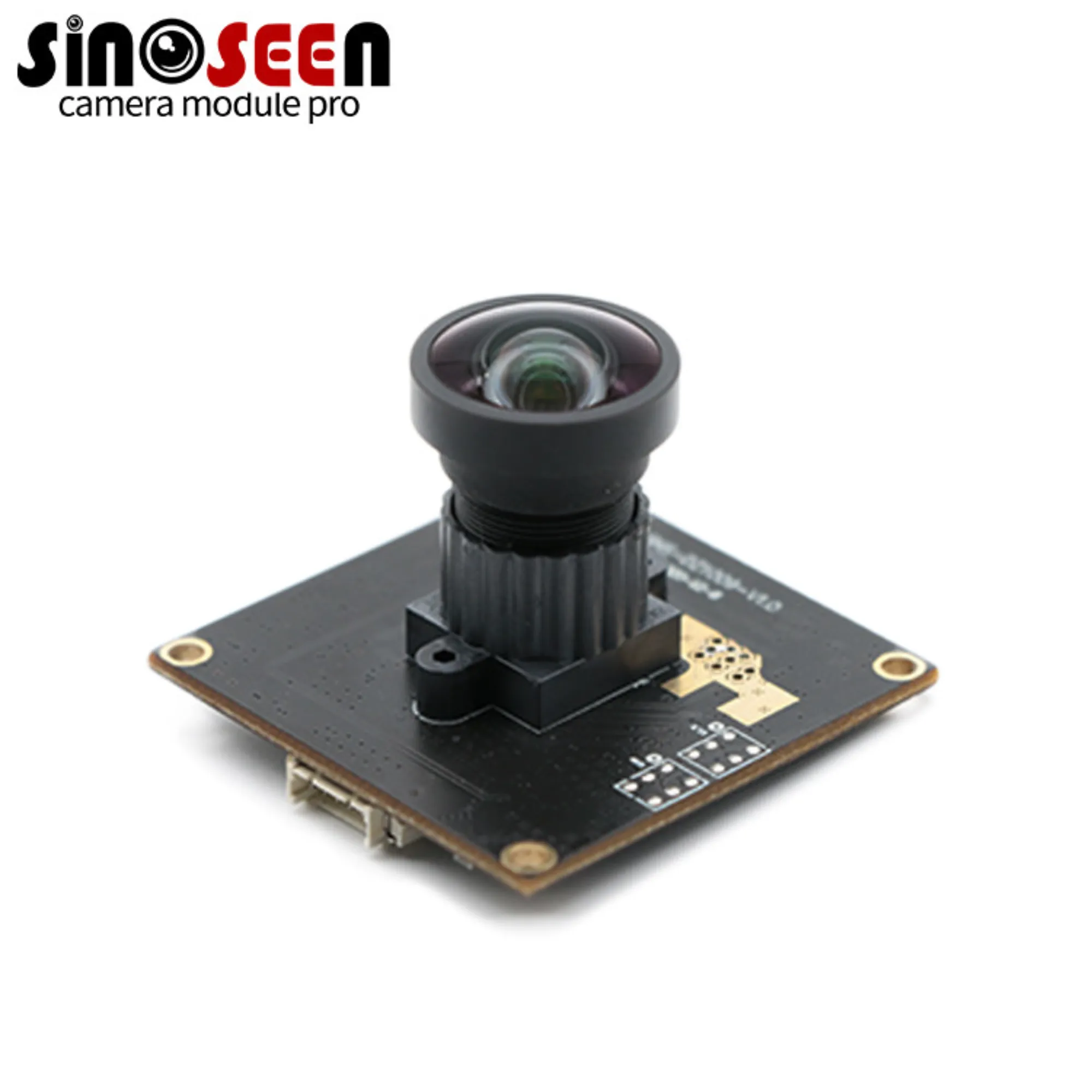
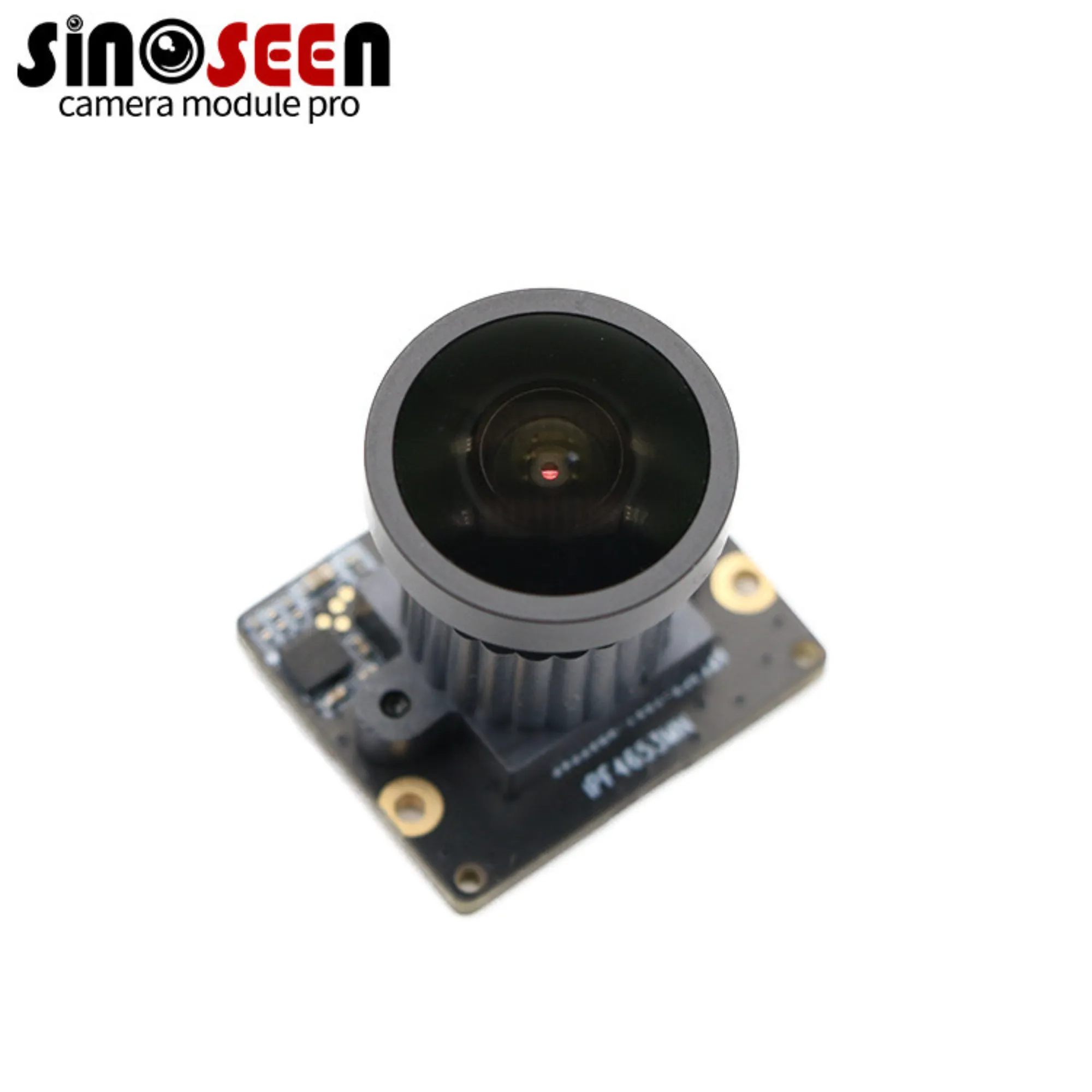
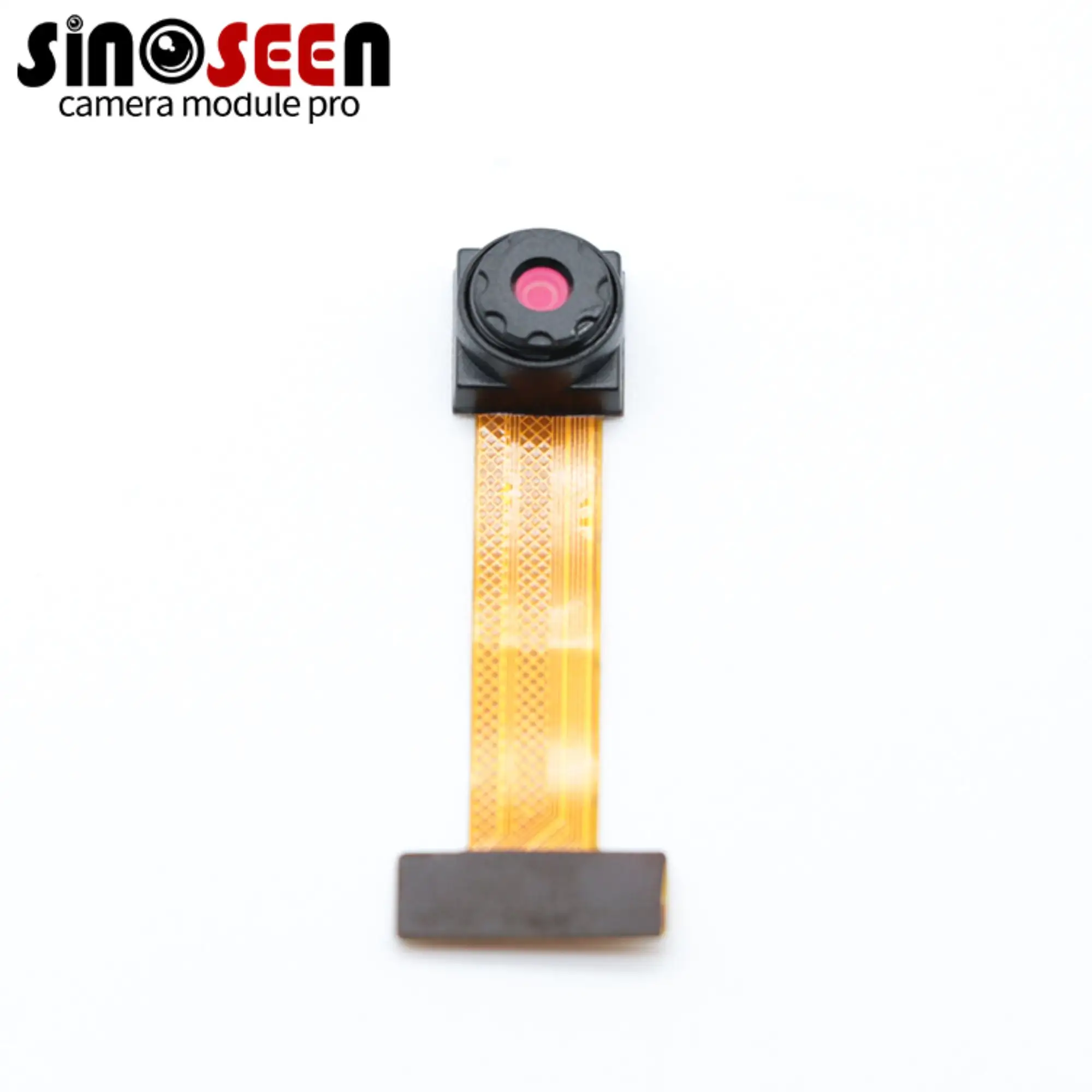
A digital camera module represents a sophisticated electronic component that captures, processes, and converts optical images into digital data. This compact system integrates multiple essential elements including an image sensor, lens assembly, image signal processor, and supporting circuitry within a single unit. The digital camera module serves as the cornerstone of modern imaging technology, enabling devices to record high-quality photographs and videos with remarkable precision and clarity. The core functionality revolves around light detection and conversion, where photons entering through the lens strike the image sensor, typically a CMOS or CCD chip. These sensors contain millions of photodiodes that transform light into electrical signals, which are then processed by sophisticated algorithms to produce digital images. Modern digital camera modules incorporate advanced features such as autofocus mechanisms, optical image stabilization, and multi-frame processing capabilities. The technological architecture includes various components working in harmony: the lens system focuses incoming light, the aperture controls light intake, the sensor captures the image data, and the image signal processor enhances the raw data through noise reduction, color correction, and sharpening algorithms. Applications for digital camera modules span numerous industries and consumer products. Smartphones utilize these modules for photography, video calling, and augmented reality experiences. Automotive systems employ them for backup cameras, driver assistance features, and autonomous vehicle navigation. Security systems rely on digital camera modules for surveillance and monitoring applications. Medical devices integrate these components for diagnostic imaging and minimally invasive procedures. Industrial applications include quality control inspections, robotic vision systems, and manufacturing process monitoring. The versatility of digital camera modules makes them indispensable across diverse technological landscapes, from consumer electronics to professional equipment and specialized industrial machinery.

Popular Products

Digital camera modules offer numerous practical benefits that make them superior choices for modern imaging applications. First, these modules provide exceptional image quality through advanced sensor technology and sophisticated processing algorithms. Users experience sharp, vibrant photographs with accurate color reproduction and excellent detail retention, even in challenging lighting conditions. The compact design of digital camera modules enables seamless integration into various devices without compromising performance or adding excessive bulk. This space efficiency proves particularly valuable for mobile devices, where every millimeter matters for overall product design and user comfort. Cost-effectiveness stands as another significant advantage, as digital camera modules eliminate the need for separate components and complex assembly processes. Manufacturers can reduce production costs while maintaining high-quality imaging capabilities, ultimately benefiting end consumers through more affordable products. The digital nature of these modules ensures instant image availability without film processing delays or chemical treatments. Users can immediately view, edit, and share their captured content, enhancing productivity and creative workflows. Energy efficiency represents a crucial benefit, as modern digital camera modules consume minimal power while delivering maximum performance. This efficiency extends battery life in portable devices and reduces operational costs in continuous-use applications. Reliability and durability characterize these modules, with solid-state construction that resists mechanical wear and environmental factors. Unlike traditional film cameras, digital camera modules have no moving parts that can break or require regular maintenance. The modules also offer extensive customization options, allowing manufacturers to select specific sensors, lenses, and processing capabilities that match their product requirements. Software integration capabilities enable advanced features such as artificial intelligence-powered scene recognition, automatic optimization settings, and seamless connectivity with cloud services. Storage flexibility allows users to capture thousands of images without physical media limitations, with options for local storage, cloud backup, and instant sharing across multiple platforms. The modules support various resolution options and recording formats, providing versatility for different use cases from casual photography to professional applications. Quality consistency ensures reliable performance across millions of capture cycles, making digital camera modules ideal for commercial and industrial applications where dependability is paramount.

Latest News

Why Choose a High-Performance Embedded Camera Module for AI Applications?

02

Mar

Why Choose a High-Performance Embedded Camera Module for AI Applications?

Artificial intelligence applications demand precision, speed, and reliability in their visual data acquisition systems. An embedded camera module serves as the critical foundation for AI-powered devices, from autonomous vehicles to smart manufacturin...
View More
 How to Select the Right AI Camera Module for Facial Recognition Systems?

02

Mar

How to Select the Right AI Camera Module for Facial Recognition Systems?

Selecting the appropriate AI camera module for facial recognition systems represents a critical decision that directly impacts system performance, accuracy, and overall operational efficiency. Modern facial recognition applications demand sophisticat...
View More
How to Integrate a Small Camera Module into Compact Medical Devices?

02

Mar

How to Integrate a Small Camera Module into Compact Medical Devices?

Medical device miniaturization continues to revolutionize healthcare, enabling less invasive procedures and improved patient outcomes. When designing compact medical equipment, integrating a small camera module requires careful consideration of space...
View More
Why do Robotics Manufacturers Prefer High-Speed AI Camera Modules?

02

Mar

Why do Robotics Manufacturers Prefer High-Speed AI Camera Modules?

The robotics industry has experienced unprecedented growth in recent years, with manufacturers increasingly demanding sophisticated vision systems that can process visual data at lightning speed. High-speed AI camera modules have emerged as the corne...
View More

Get In Touch

digital camera module

Advanced Image Processing Technology

Advanced Image Processing Technology

The sophisticated image processing capabilities of digital camera modules represent a revolutionary advancement in photographic technology, delivering professional-grade results through intelligent algorithms and cutting-edge hardware integration. Modern digital camera modules incorporate powerful image signal processors that perform real-time enhancements during capture, eliminating the need for extensive post-processing while ensuring optimal image quality in every shot. These processors execute complex computational photography techniques including multi-frame noise reduction, high dynamic range imaging, and advanced color science algorithms that automatically adjust white balance, exposure, and contrast based on scene analysis. The technology enables users to achieve stunning results regardless of their technical expertise, as the module handles intricate adjustments automatically while preserving natural-looking output. Machine learning algorithms embedded within the processing chain recognize various shooting scenarios such as portraits, landscapes, low-light conditions, and action scenes, applying appropriate optimization parameters for each situation. This intelligent processing extends to video capture capabilities, where digital camera modules employ advanced stabilization algorithms, motion prediction, and frame interpolation to produce smooth, professional-quality footage. The processing power also enables features like real-time bokeh effects, object tracking, and augmented reality overlays without requiring additional hardware components. For industrial applications, the precise processing capabilities ensure accurate color measurement, dimension analysis, and defect detection with repeatability and reliability that manual inspection cannot match. The modules process images at incredible speeds, enabling burst photography modes that capture multiple frames per second while maintaining full resolution and processing quality. This processing technology also supports various output formats and compression standards, allowing seamless compatibility with different software platforms and storage systems while maintaining image integrity throughout the workflow.
Versatile Integration and Connectivity Options

Versatile Integration and Connectivity Options

Digital camera modules excel in their remarkable ability to integrate seamlessly into diverse electronic systems while providing extensive connectivity options that enhance functionality and user experience across multiple applications. The modular design philosophy ensures compatibility with various hardware platforms, from compact mobile devices to sophisticated industrial equipment, without requiring extensive modifications to existing system architectures. These modules feature standardized interface protocols including MIPI CSI, USB, and proprietary connections that facilitate plug-and-play installation while maintaining high-speed data transfer rates essential for real-time imaging applications. The compact form factor allows designers to incorporate imaging capabilities into space-constrained environments while preserving system aesthetics and functionality. Advanced connectivity features enable wireless image transmission through Wi-Fi, Bluetooth, and cellular networks, allowing remote monitoring, cloud storage synchronization, and real-time streaming capabilities that transform how users interact with captured content. For professional applications, the modules support tethered shooting modes that provide instant image transfer to external devices for immediate review and processing. The integration capabilities extend to software ecosystems, where digital camera modules work seamlessly with operating systems, applications, and development frameworks through comprehensive APIs and software development kits. This compatibility enables rapid prototyping and custom application development for specialized use cases. Power management integration ensures efficient operation across different power supply configurations, with intelligent sleep modes and dynamic power scaling that optimize battery life in portable applications. The modules also support multiple lens configurations and sensor options within the same interface standard, providing flexibility for manufacturers to customize imaging characteristics without redesigning entire systems. Environmental integration features include temperature compensation, humidity resistance, and vibration tolerance that enable reliable operation in challenging conditions from outdoor surveillance to automotive applications.
Cost-Effective Performance and Scalability

Cost-Effective Performance and Scalability

Digital camera modules deliver exceptional value propositions through their cost-effective performance characteristics and scalable deployment options that benefit both manufacturers and end users across various market segments. The integrated design approach significantly reduces overall system costs by consolidating multiple components into a single optimized unit, eliminating the need for separate sensors, processors, and supporting circuitry while reducing assembly complexity and potential failure points. This consolidation translates into lower manufacturing costs, reduced inventory requirements, and simplified quality control processes that ultimately benefit consumers through more affordable products without compromising imaging quality. The economies of scale achieved through standardized digital camera module production enable competitive pricing even for advanced features that were previously available only in expensive professional equipment. Volume purchasing advantages and streamlined supply chains further reduce costs while ensuring consistent availability and quality across large-scale deployments. The modules offer excellent return on investment through their extended operational lifespan, with solid-state construction that eliminates mechanical wear components and reduces maintenance requirements compared to traditional imaging systems. Energy efficiency contributes to long-term cost savings through reduced power consumption, which is particularly significant in battery-powered devices and large-scale surveillance installations. The scalability benefits extend to software and firmware updates that add new features and improve performance without requiring hardware replacements, protecting initial investments while enabling system evolution. Bulk deployment scenarios benefit from centralized management capabilities, remote configuration options, and standardized installation procedures that reduce deployment time and technical support requirements. The modules support various performance tiers within the same interface standards, allowing manufacturers to create product lines that address different market segments while maintaining development and support efficiency. Quality consistency across production volumes ensures predictable performance characteristics that simplify system integration, testing procedures, and end-user training requirements, further reducing total ownership costs throughout the product lifecycle.

Related Search

Get in touch