Innovative Camera Modules for Every Application | Sinoseen

All Categories

industrial camera module

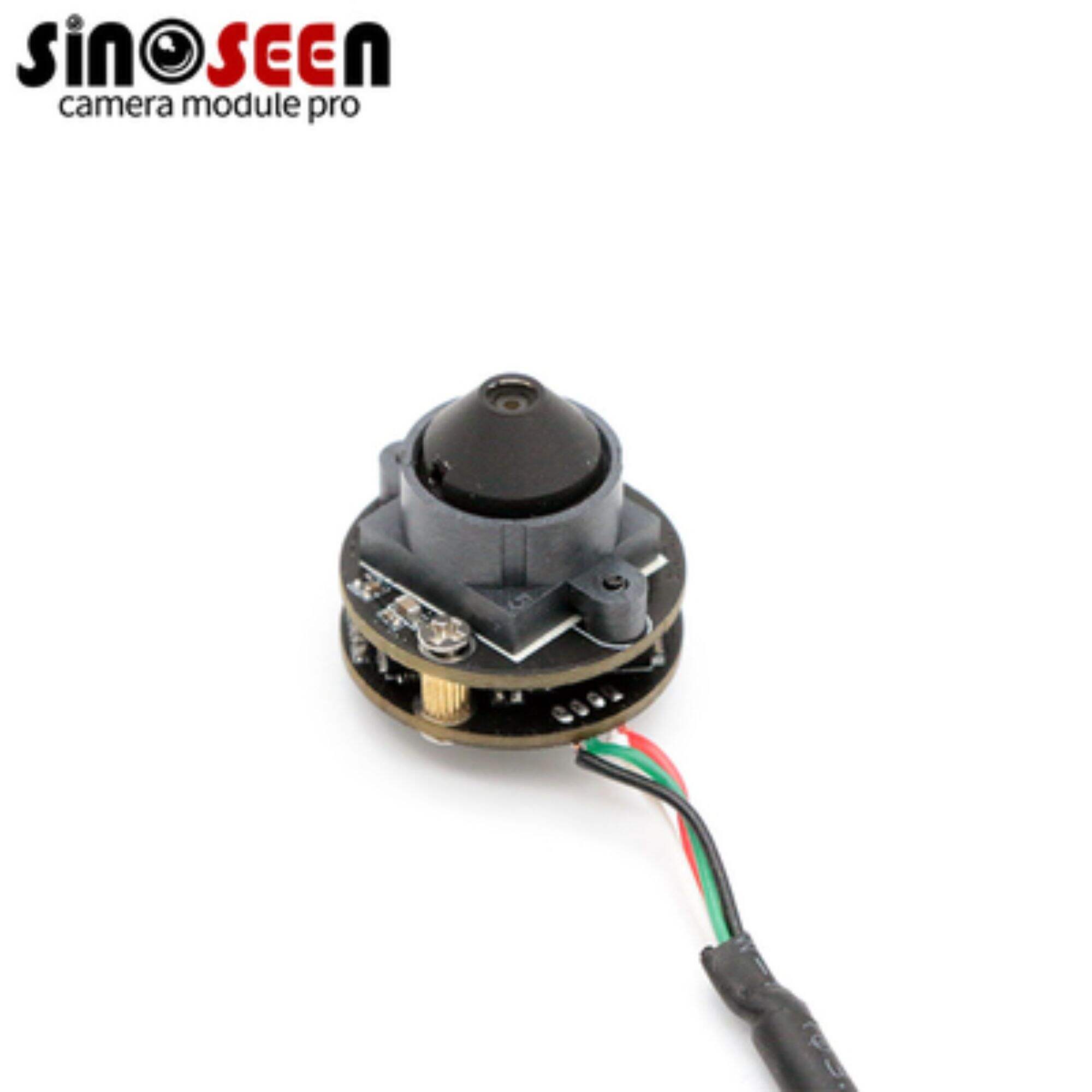
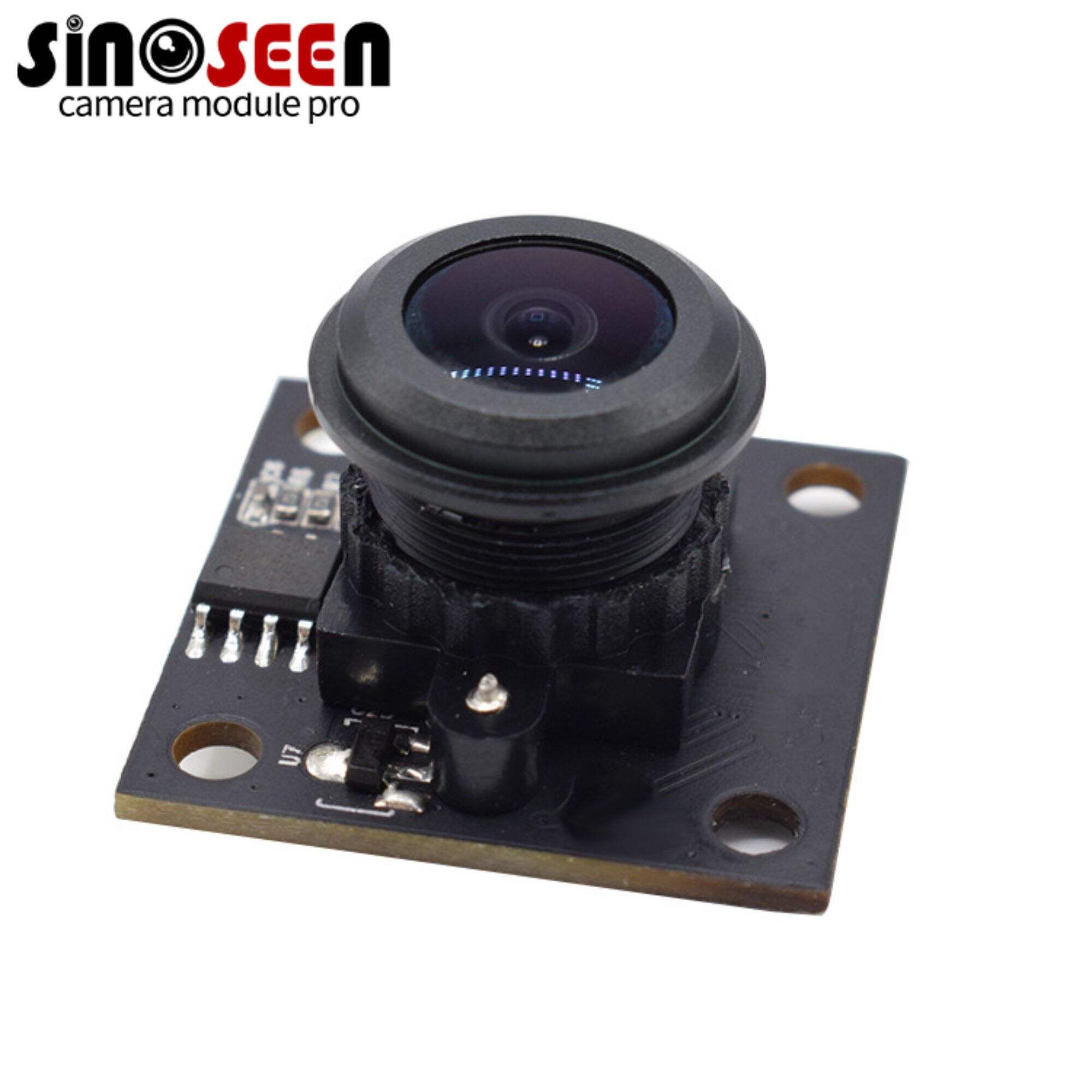
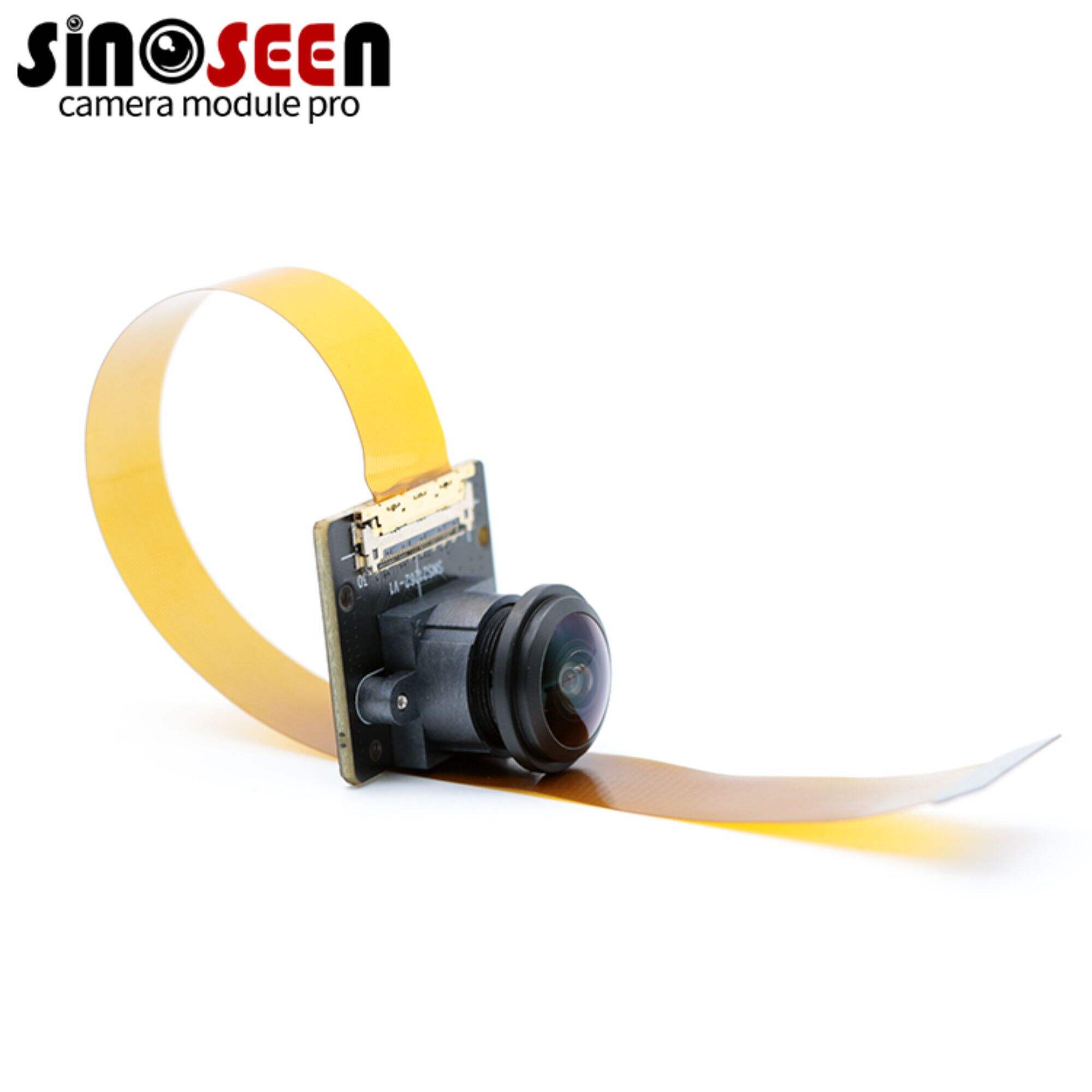
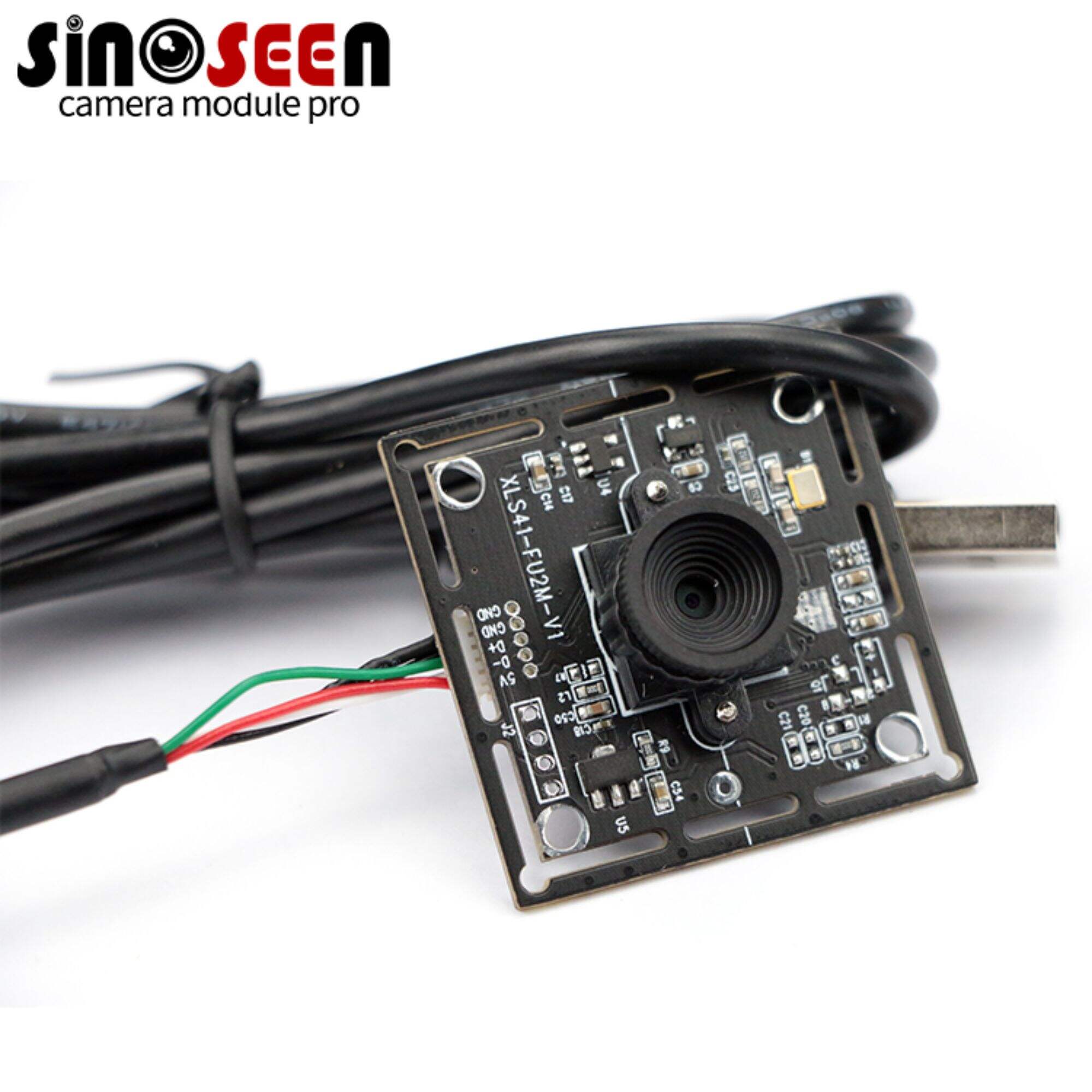
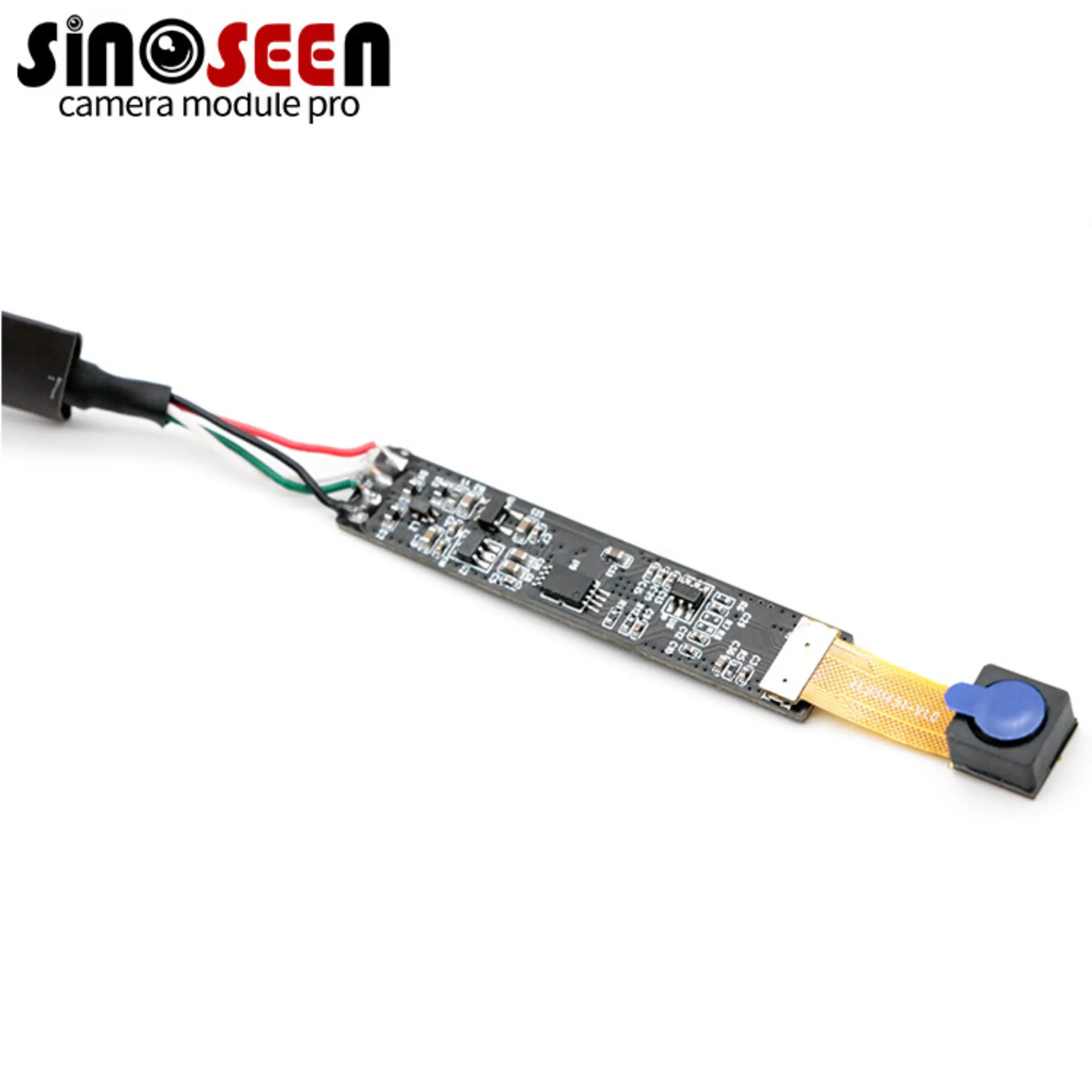
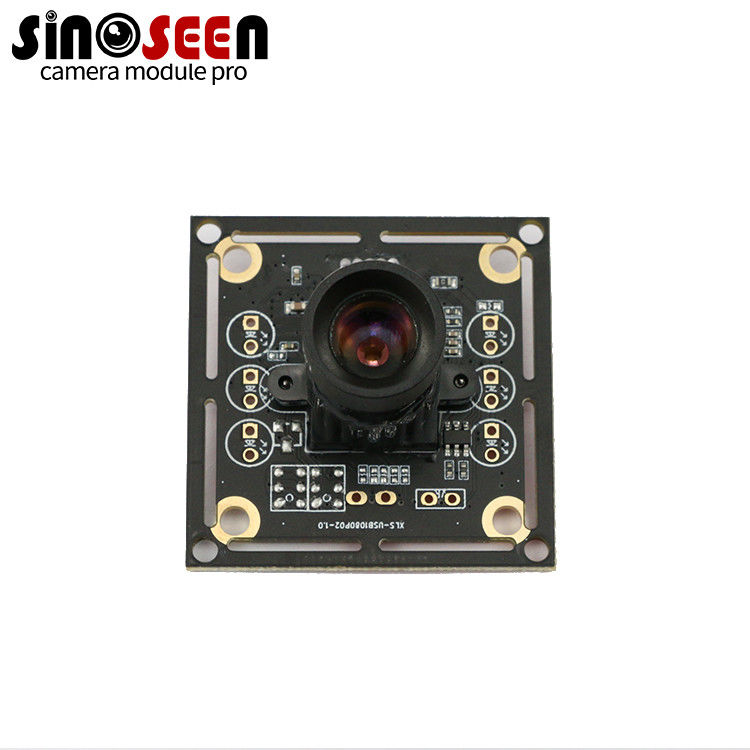
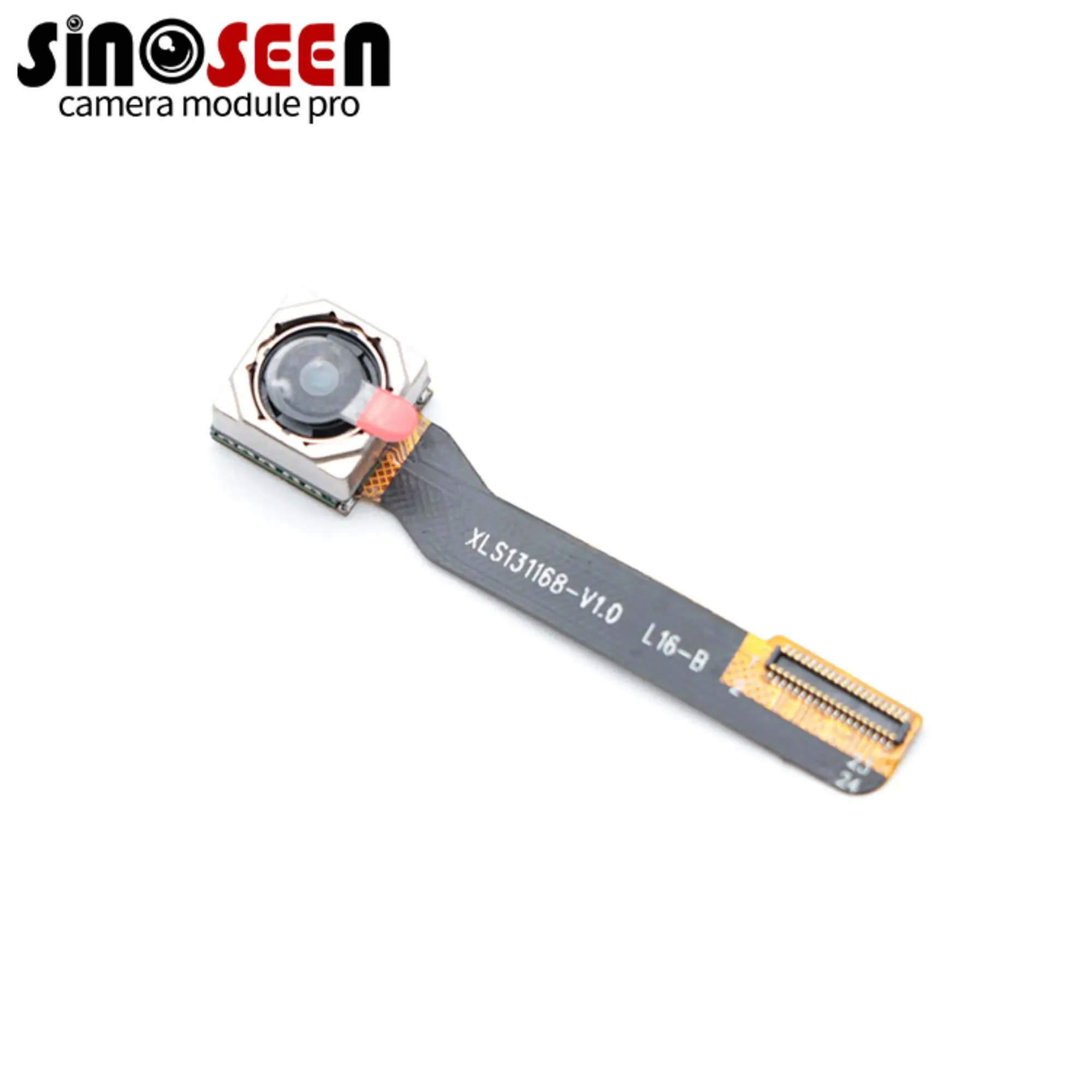
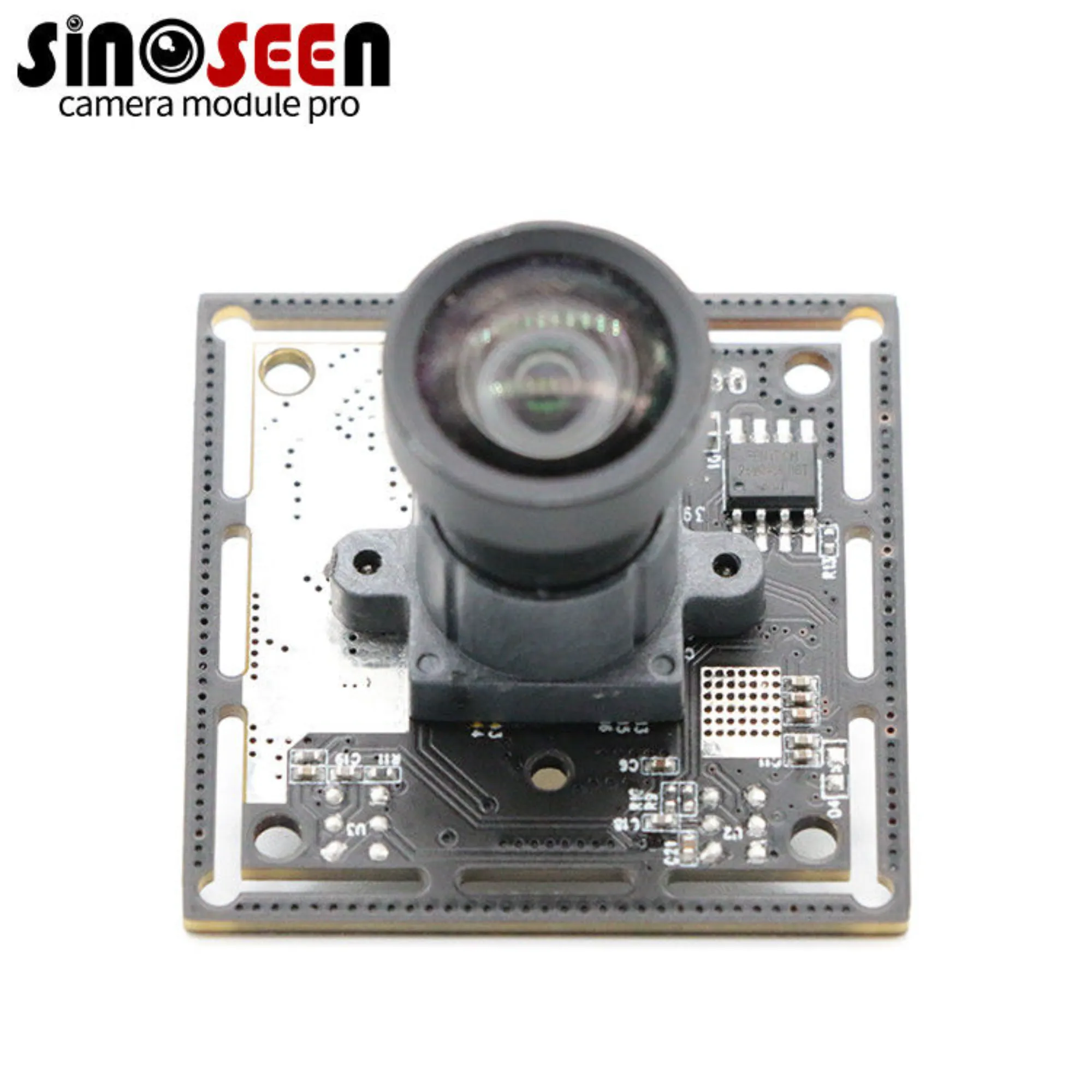
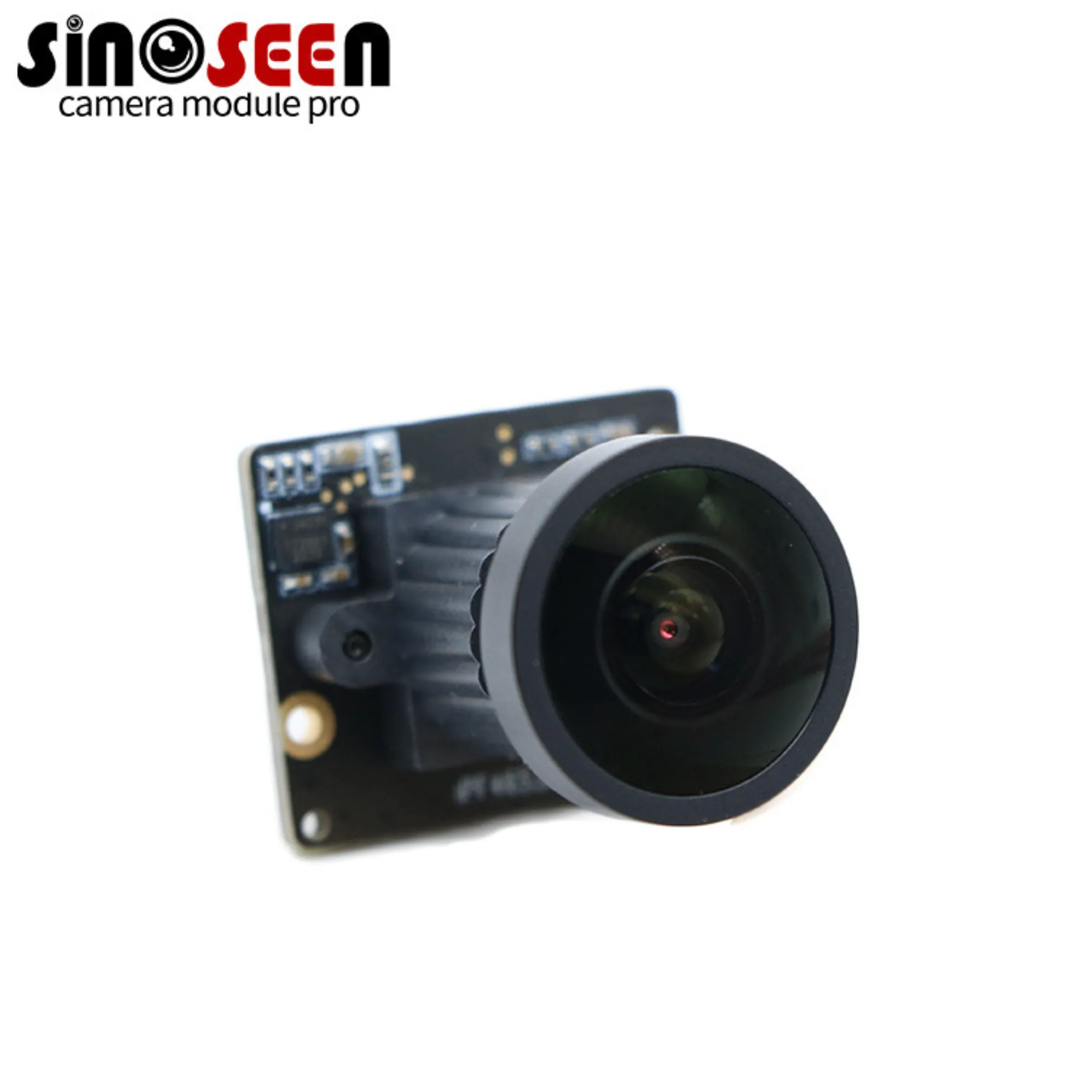
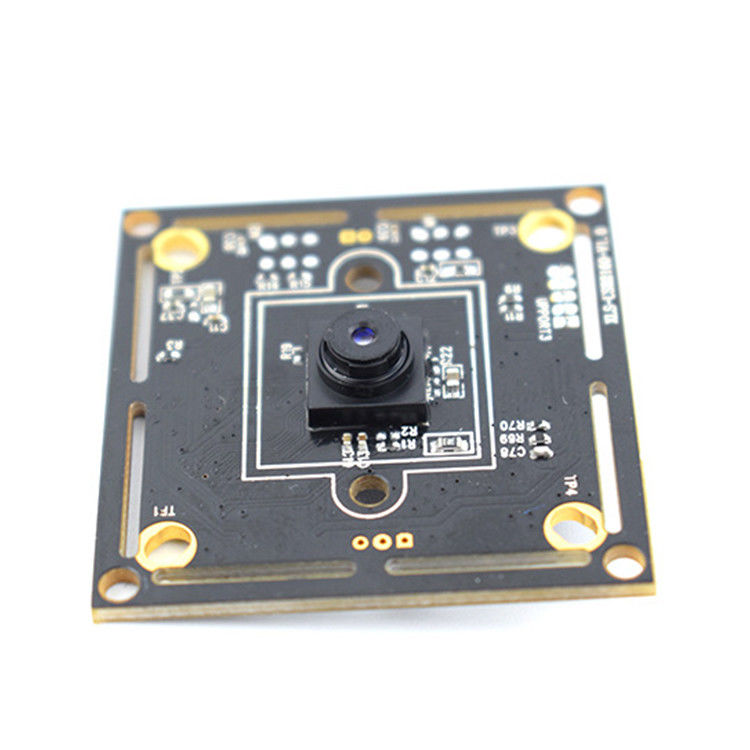
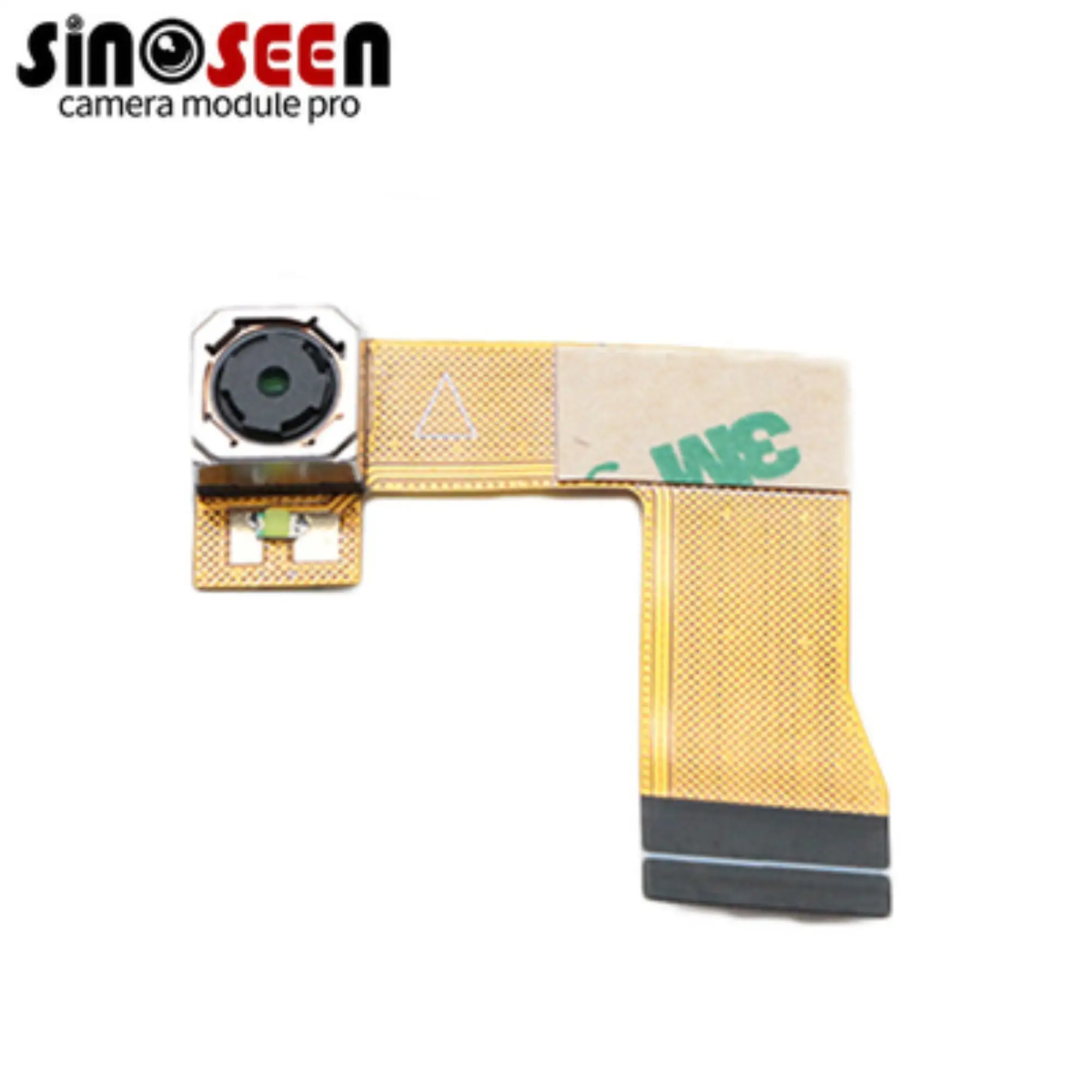
An industrial camera module represents a sophisticated imaging solution engineered specifically for demanding commercial and manufacturing environments. Unlike consumer cameras, these specialized devices deliver exceptional performance under harsh conditions while maintaining consistent image quality for critical applications. The industrial camera module integrates advanced sensor technology with robust mechanical design to capture high-resolution images and video streams essential for quality control, automation, and inspection processes. These modules feature precision optics, specialized sensors, and durable housings that withstand extreme temperatures, vibrations, and electromagnetic interference commonly found in industrial settings. The core functionality revolves around converting optical information into digital data with remarkable accuracy and speed. Modern industrial camera modules incorporate cutting-edge CMOS or CCD sensors that provide superior light sensitivity and dynamic range compared to standard imaging devices. They support various communication protocols including USB, Ethernet, and specialized industrial interfaces for seamless integration into existing systems. The technological architecture includes advanced image processing capabilities, real-time data transmission, and programmable exposure controls that adapt to changing lighting conditions automatically. These modules often feature interchangeable lens systems, allowing operators to customize focal lengths and viewing angles for specific inspection tasks. Temperature compensation mechanisms ensure stable operation across wide environmental ranges, while shock-resistant construction protects sensitive components from mechanical stress. Applications span numerous industries including automotive manufacturing, electronics assembly, pharmaceutical production, food processing, and quality assurance operations. The industrial camera module serves as the visual foundation for machine vision systems, robotic guidance platforms, and automated inspection equipment that drives modern manufacturing efficiency.

New Product Releases

Industrial camera modules provide significant operational benefits that directly impact productivity and cost-effectiveness in manufacturing environments. These devices deliver consistent imaging performance that eliminates guesswork from quality control processes, ensuring every product meets strict specifications before reaching customers. The enhanced reliability means less downtime for equipment maintenance and fewer production delays caused by imaging system failures. Companies experience immediate cost savings through reduced waste generation, as the precise detection capabilities identify defective products early in the production cycle rather than discovering issues during final inspection stages. The superior image resolution and processing speed enable manufacturers to increase throughput while maintaining quality standards, creating a competitive advantage in fast-paced markets. Installation simplicity represents another major benefit, as most industrial camera modules integrate seamlessly with existing automation systems without requiring extensive modifications or specialized expertise. The plug-and-play functionality reduces implementation time from weeks to days, allowing businesses to realize return on investment quickly. Long-term durability translates to lower total cost of ownership, as these modules withstand harsh industrial conditions for years without performance degradation. The extended operational lifespan reduces replacement frequency and minimizes inventory management complexity. Advanced connectivity options enable remote monitoring and diagnostics, allowing technicians to troubleshoot issues without physical access to equipment, thereby reducing maintenance costs and improving system uptime. Real-time data transmission capabilities support immediate decision-making processes, enabling operators to adjust production parameters instantly when quality variations are detected. The scalability factor allows businesses to expand their vision systems gradually as production volumes grow, protecting initial investments while accommodating future needs. Energy efficiency features reduce operational costs by consuming minimal power compared to traditional imaging solutions, contributing to sustainability goals while maintaining peak performance. The standardized interfaces ensure compatibility with various software platforms and control systems, eliminating vendor lock-in concerns and providing flexibility for future upgrades.

Tips And Tricks

Why Choose a High-Performance Embedded Camera Module for AI Applications?

02

Mar

Why Choose a High-Performance Embedded Camera Module for AI Applications?

Artificial intelligence applications demand precision, speed, and reliability in their visual data acquisition systems. An embedded camera module serves as the critical foundation for AI-powered devices, from autonomous vehicles to smart manufacturin...
View More
How to Optimize Low-Light Performance in Custom Camera Module Designs?

02

Mar

How to Optimize Low-Light Performance in Custom Camera Module Designs?

Custom camera module designs face unique challenges when operating in environments with minimal illumination, making low-light performance optimization a critical engineering consideration. Modern applications ranging from security surveillance to au...
View More
How to Integrate a Small Camera Module into Compact Medical Devices?

02

Mar

How to Integrate a Small Camera Module into Compact Medical Devices?

Medical device miniaturization continues to revolutionize healthcare, enabling less invasive procedures and improved patient outcomes. When designing compact medical equipment, integrating a small camera module requires careful consideration of space...
View More
Why do Robotics Manufacturers Prefer High-Speed AI Camera Modules?

02

Mar

Why do Robotics Manufacturers Prefer High-Speed AI Camera Modules?

The robotics industry has experienced unprecedented growth in recent years, with manufacturers increasingly demanding sophisticated vision systems that can process visual data at lightning speed. High-speed AI camera modules have emerged as the corne...
View More

Get In Touch

industrial camera module

Superior Environmental Durability and Reliability

Superior Environmental Durability and Reliability

The exceptional environmental resilience of industrial camera modules sets them apart from conventional imaging solutions, making them indispensable for challenging manufacturing environments. These robust devices operate flawlessly in temperature ranges from minus forty to plus eighty degrees Celsius, ensuring consistent performance regardless of seasonal variations or process-generated heat. The sealed housing design provides comprehensive protection against dust, moisture, and chemical vapors that would quickly damage standard cameras, while shock-resistant construction withstands vibrations and mechanical impacts common in heavy industrial settings. This durability eliminates the frequent replacements and repairs associated with consumer-grade alternatives, significantly reducing maintenance costs and production interruptions. The industrial camera module incorporates specialized coatings and materials that resist corrosion from acidic or alkaline environments, extending operational life even in aggressive chemical processing facilities. Electromagnetic interference shielding prevents signal degradation in environments with high-powered machinery, welding equipment, or radio frequency sources that typically disrupt electronic devices. The fanless cooling design eliminates moving parts that could fail over time while maintaining optimal sensor temperatures for peak image quality. Vibration isolation systems protect delicate optical components from machinery-induced movement, preserving calibration accuracy throughout extended operation periods. The modular construction allows individual component replacement when necessary, reducing total replacement costs and minimizing system downtime. Quality manufacturers subject these modules to rigorous testing protocols that simulate years of continuous operation under extreme conditions, providing confidence in long-term reliability. The industrial-grade connectors feature locking mechanisms and sealed interfaces that prevent accidental disconnection and environmental contamination. This comprehensive protection approach ensures that critical vision systems remain operational during emergency situations or adverse weather conditions, maintaining production continuity when reliability matters most.
Advanced Image Processing and Real-Time Performance

Advanced Image Processing and Real-Time Performance

The sophisticated image processing capabilities built into modern industrial camera modules revolutionize manufacturing quality control by delivering unprecedented speed and accuracy in visual inspection tasks. These systems process high-resolution images at remarkable frame rates, enabling real-time analysis of fast-moving production lines without sacrificing detail or precision. The onboard processing power eliminates bottlenecks associated with external computers, ensuring immediate response times critical for automated sorting and rejection systems. Advanced algorithms automatically adjust exposure settings, white balance, and focus parameters to accommodate varying lighting conditions and product characteristics, maintaining consistent image quality without operator intervention. The industrial camera module integrates sophisticated edge detection, pattern recognition, and dimensional measurement functions that identify defects smaller than human vision can detect reliably. Multi-spectral imaging capabilities reveal internal structures, coating thickness variations, and material composition differences invisible to conventional photography, expanding inspection possibilities beyond surface examinations. The parallel processing architecture handles multiple inspection tasks simultaneously, maximizing throughput while reducing computational overhead on connected systems. Smart triggering mechanisms synchronize image capture with production line timing, ensuring optimal positioning and lighting for each measurement cycle. The built-in calibration routines maintain measurement accuracy over time, automatically compensating for thermal drift and optical variations that affect precision. Real-time data streaming enables immediate feedback to production control systems, allowing instant adjustments to manufacturing parameters when quality variations are detected. The flexible software interfaces support custom algorithm development and integration with existing quality management systems, providing adaptability for unique application requirements. Advanced compression techniques reduce data transmission bandwidth while preserving critical image details necessary for accurate analysis. The modular processing design allows performance scaling based on specific application demands, from basic presence detection to complex three-dimensional measurements requiring intensive computational resources.
Seamless Integration and Future-Proof Connectivity

Seamless Integration and Future-Proof Connectivity

The versatile connectivity options and standardized interfaces of industrial camera modules ensure effortless integration into diverse manufacturing ecosystems while protecting long-term technology investments. These devices support multiple communication protocols simultaneously, including Ethernet, USB, and industrial fieldbus standards, allowing connection to various control systems without additional hardware requirements. The plug-and-play functionality eliminates complex configuration procedures, enabling rapid deployment even in facilities with limited technical expertise or tight installation schedules. Software compatibility spans major operating systems and programming languages, providing flexibility for custom application development and integration with existing enterprise resource planning systems. The industrial camera module incorporates future-ready features like Power over Ethernet capabilities that simplify cabling requirements while reducing installation complexity in space-constrained environments. Standardized mounting interfaces ensure compatibility with existing mechanical fixtures and positioning systems, minimizing modification costs during equipment upgrades. The modular design philosophy allows selective component upgrades without replacing entire systems, protecting initial investments while accommodating evolving technology requirements. Remote configuration capabilities enable system adjustments and diagnostics through network connections, reducing the need for on-site technical visits and associated downtime. The open architecture supports third-party software integration, preventing vendor lock-in situations that could limit future expansion options. Scalable bandwidth management ensures optimal network performance even when multiple camera modules operate simultaneously on shared infrastructure. The backward compatibility features protect existing software investments while enabling gradual migration to newer platforms and capabilities. Documentation standards and developer resources accelerate integration projects by providing comprehensive technical information and code examples for common implementation scenarios. Cloud connectivity options enable centralized monitoring and data analysis across multiple facilities, supporting enterprise-wide quality initiatives and performance optimization strategies. The standardized calibration procedures ensure consistent results across different installations and operators, simplifying training requirements and reducing implementation variability that could affect measurement reliability and system performance outcomes.

Related Search

Get in touch