Innovative Camera Modules for Every Application | Sinoseen

All Categories

compact industrial camera module

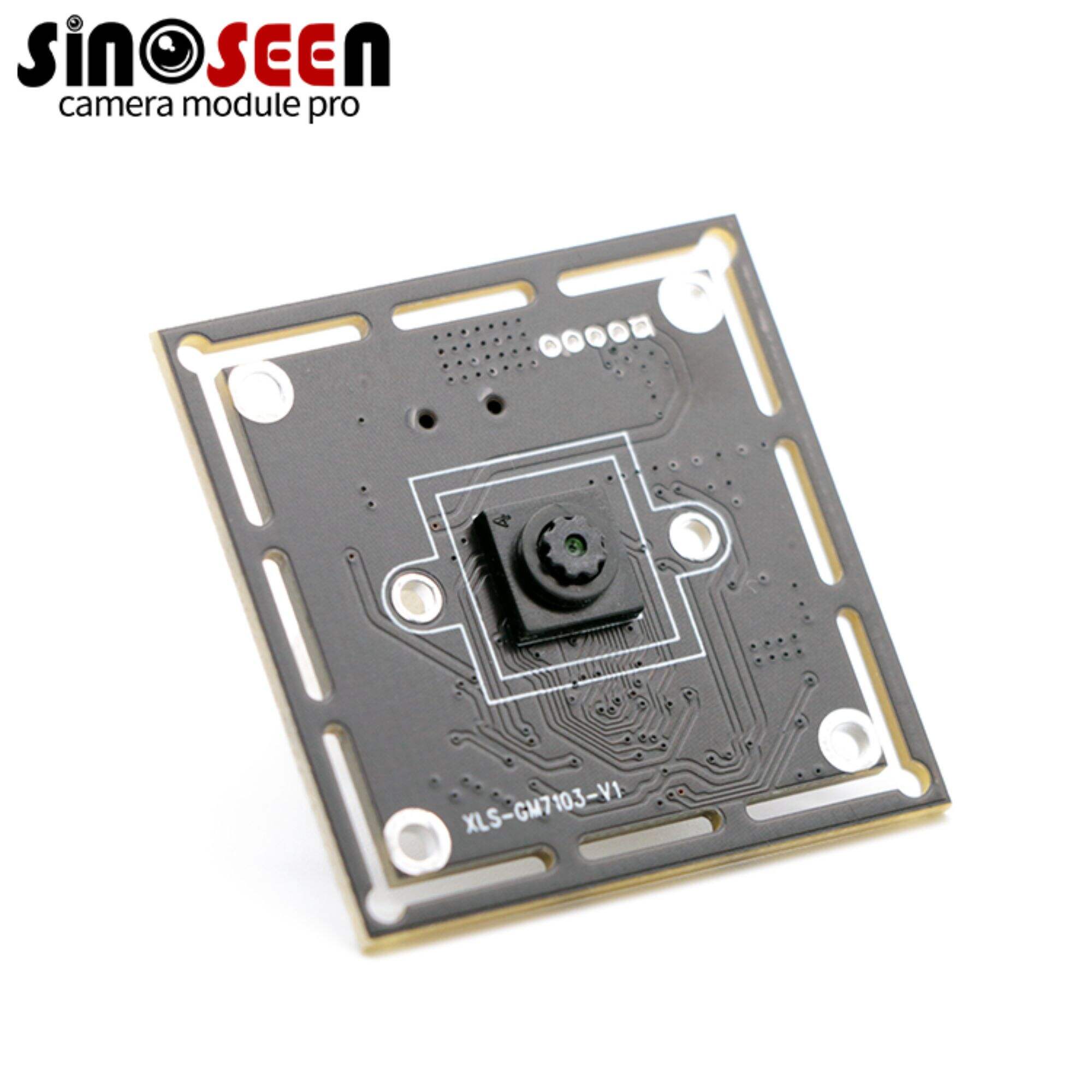
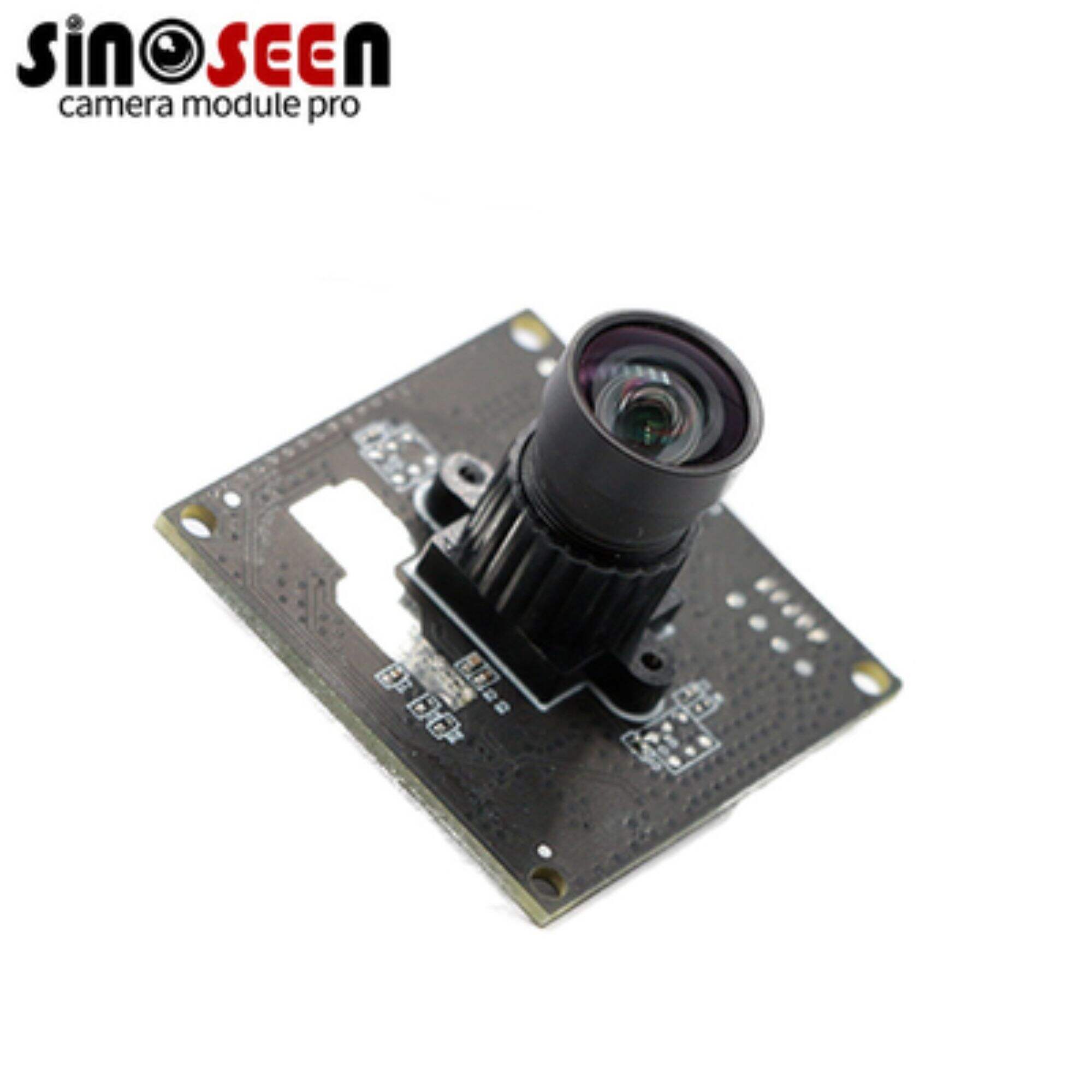
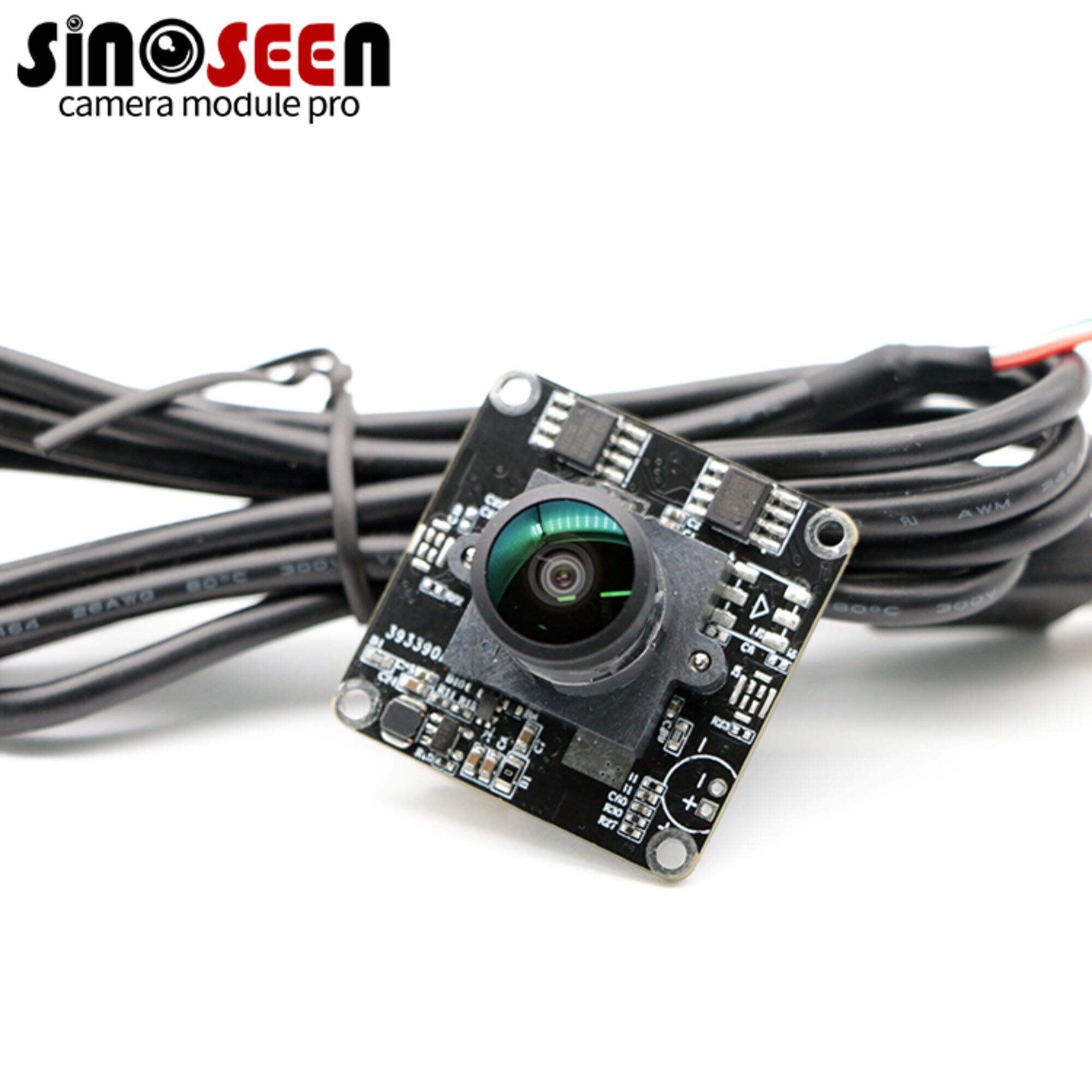
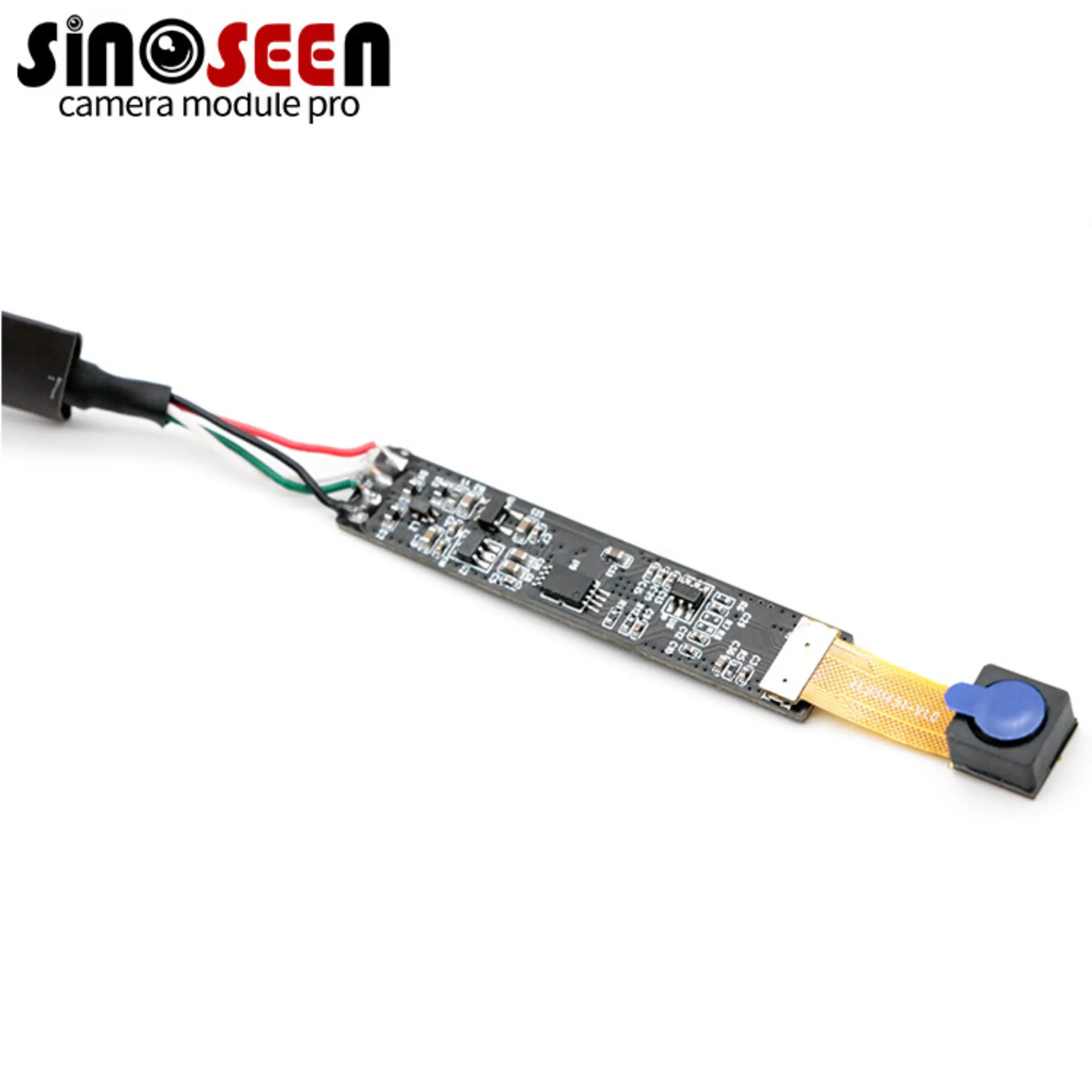
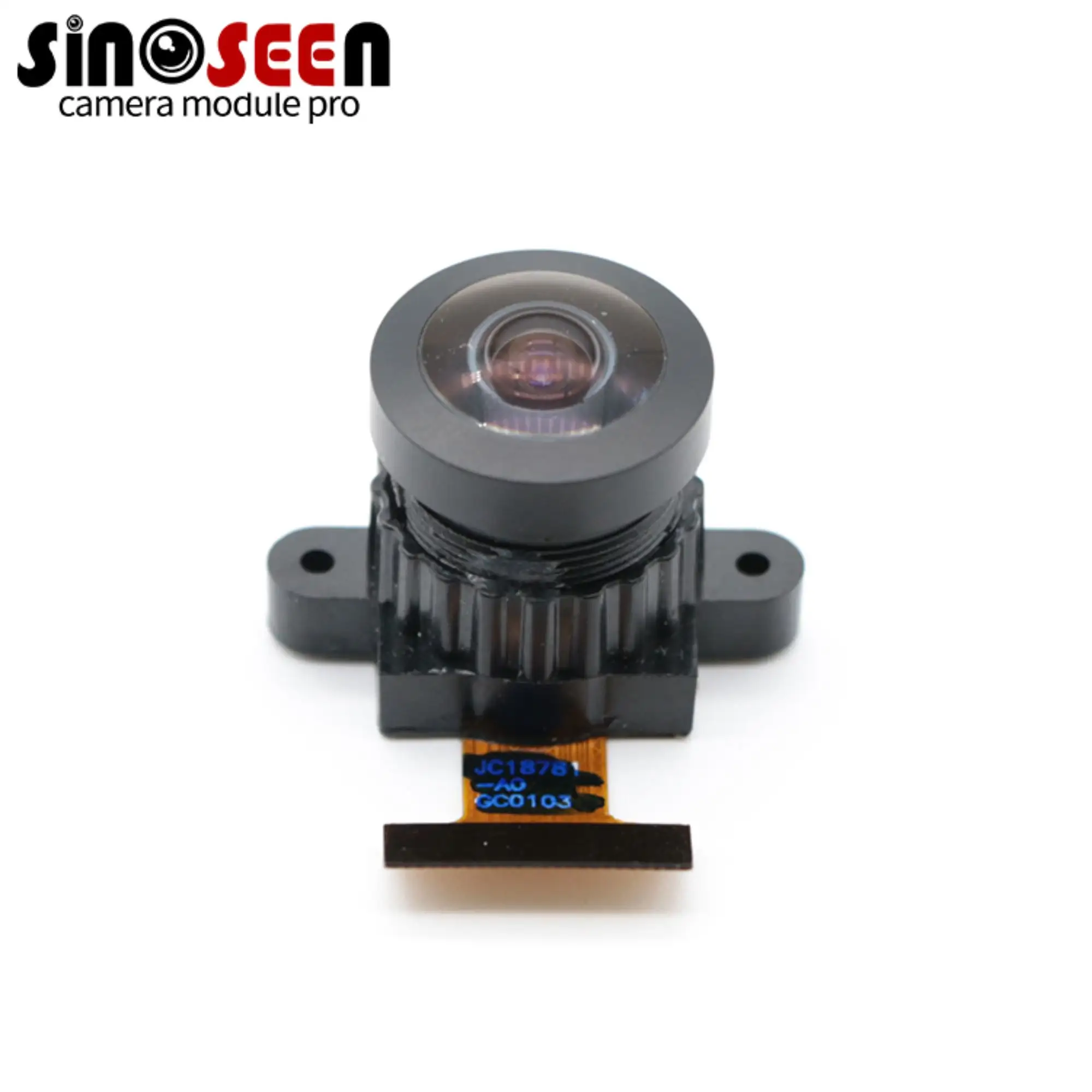
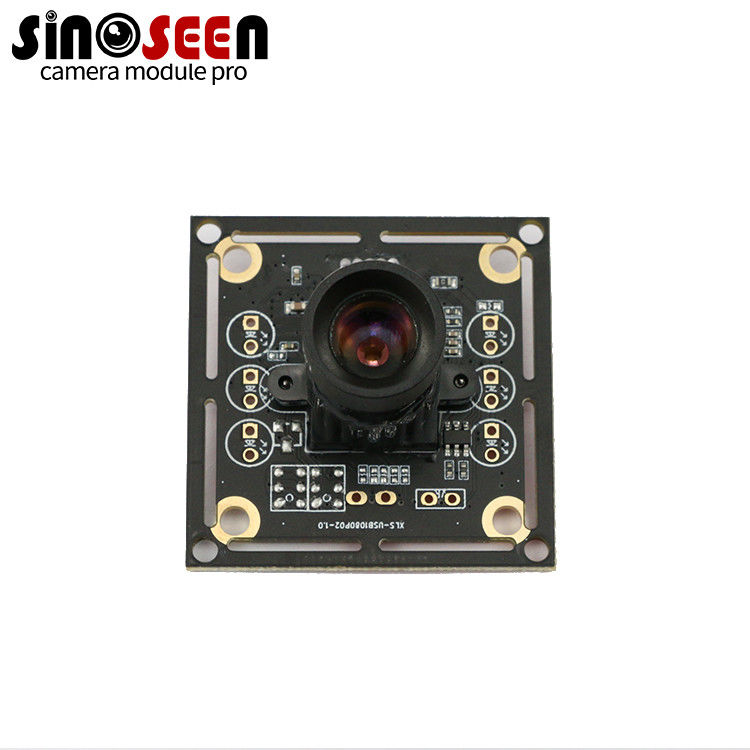
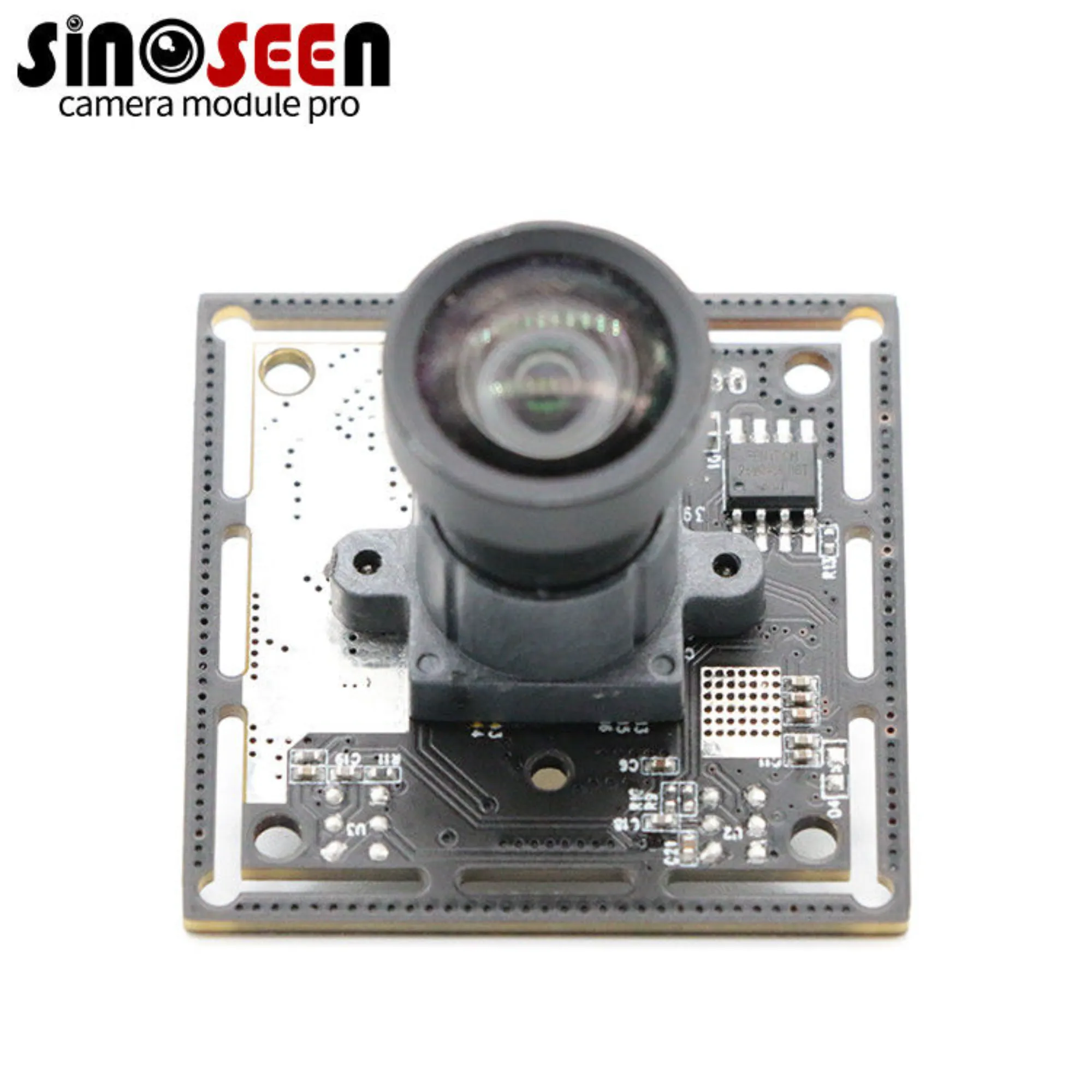
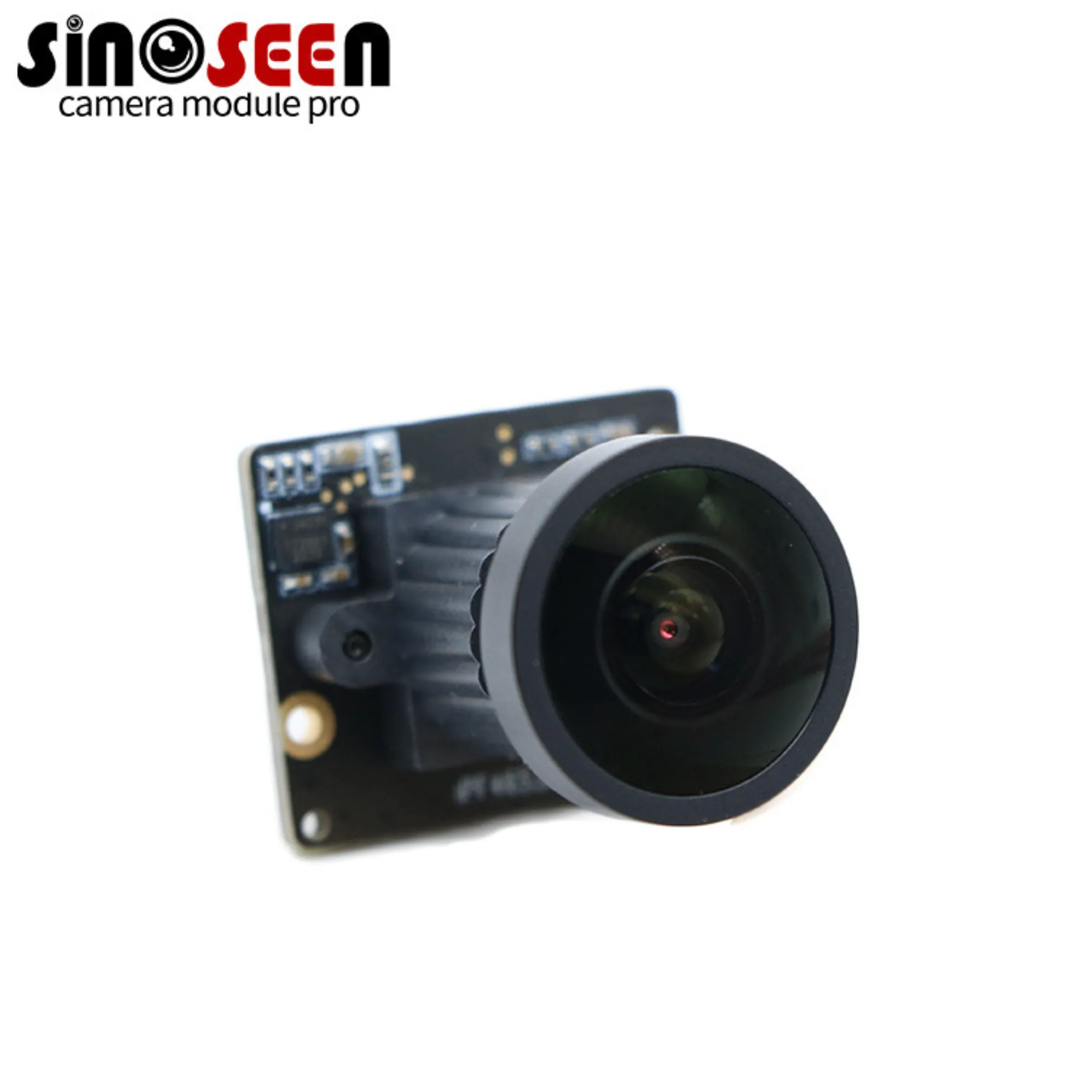
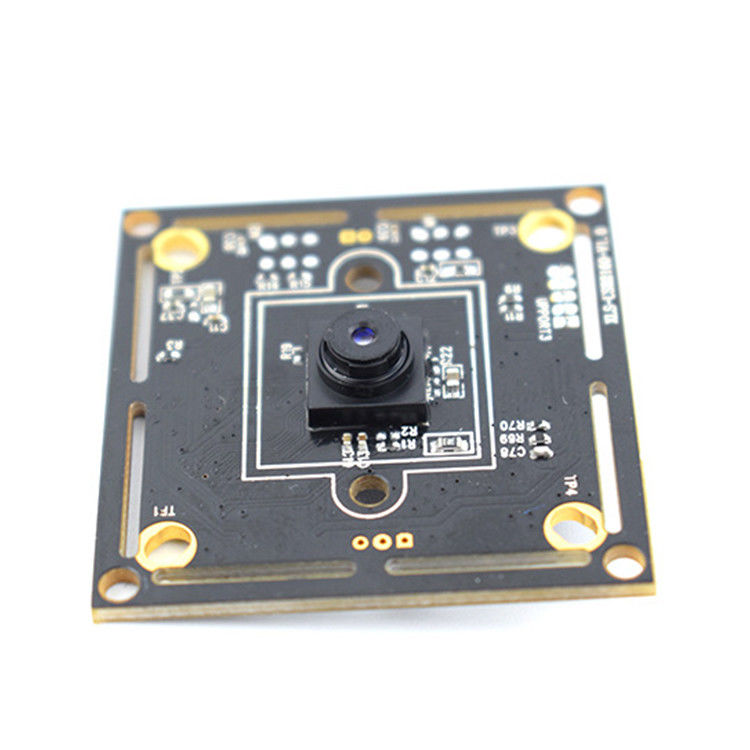
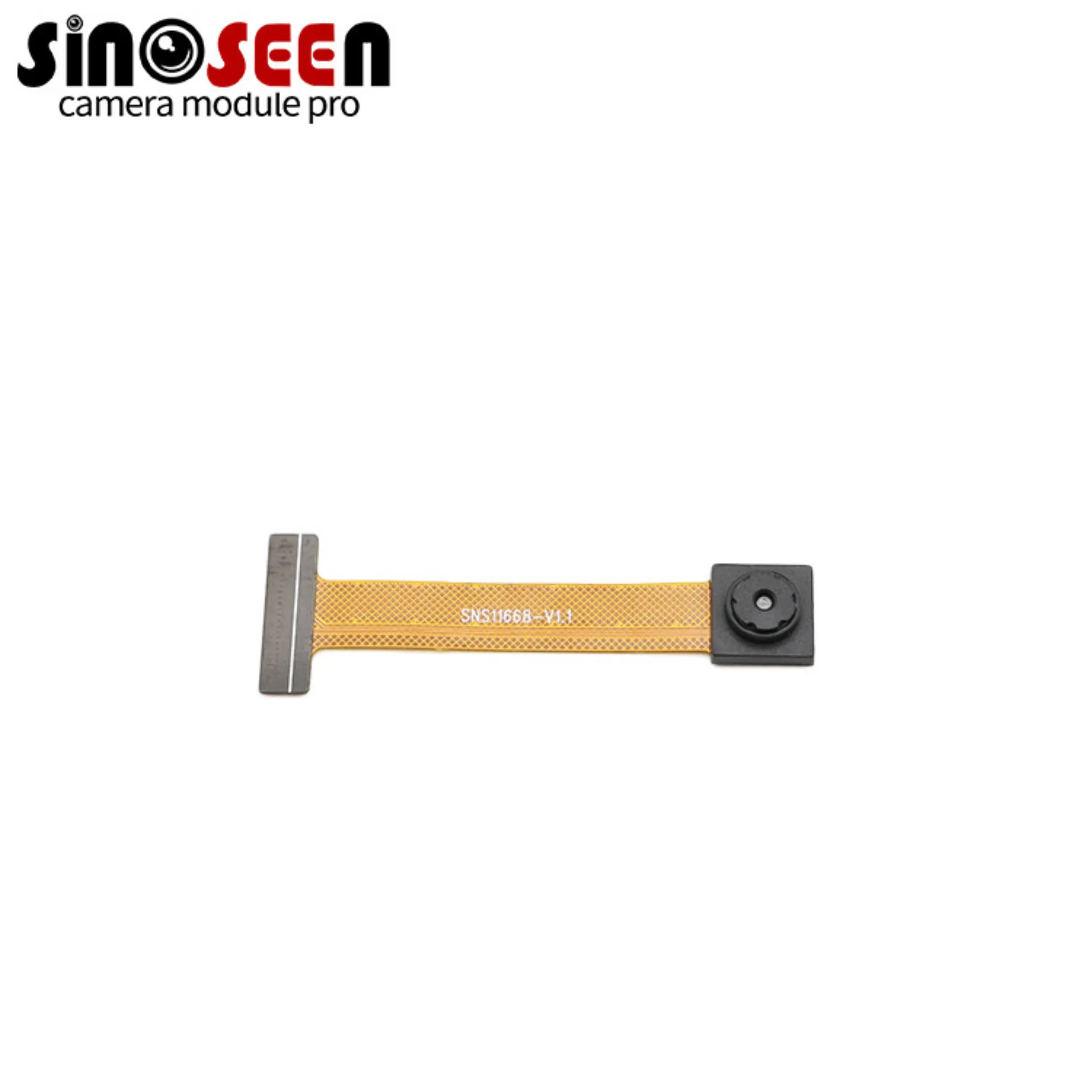
The compact industrial camera module represents a revolutionary advancement in machine vision technology, offering exceptional performance within an incredibly small form factor. These sophisticated imaging devices combine cutting-edge sensor technology with robust construction to deliver professional-grade visual inspection capabilities across diverse industrial environments. Unlike traditional bulky camera systems, the compact industrial camera module integrates seamlessly into space-constrained applications while maintaining superior image quality and reliability. Modern compact industrial camera modules feature high-resolution CMOS sensors that capture detailed images at remarkable speeds, enabling real-time quality control and automated inspection processes. The advanced optical design incorporates precision-engineered lenses that minimize distortion and maximize clarity across the entire field of view. These modules support various communication interfaces including USB 3.0, GigE, and Camera Link, ensuring compatibility with existing industrial automation systems. The rugged housing construction meets stringent IP ratings for dust and moisture resistance, making these camera modules suitable for harsh manufacturing environments. Temperature stability remains consistent across wide operating ranges, typically from -20°C to +70°C, ensuring reliable performance in demanding conditions. The compact industrial camera module utilizes sophisticated image processing algorithms that enhance contrast, reduce noise, and optimize exposure settings automatically. Power consumption remains minimal despite high-performance capabilities, making these modules ideal for battery-powered applications and energy-conscious installations. Integration flexibility allows mounting in confined spaces where conventional cameras cannot operate effectively. The modular design philosophy enables customization for specific applications, including different lens mounts, sensor configurations, and connectivity options to meet unique industrial requirements perfectly.

New Products

Compact industrial camera modules deliver exceptional value through their space-saving design that maximizes installation flexibility without compromising performance quality. These modules occupy significantly less space than traditional industrial cameras, allowing integration into tight manufacturing environments where every millimeter matters for operational efficiency. The reduced footprint enables manufacturers to install multiple camera modules within confined inspection stations, creating comprehensive monitoring systems that capture products from various angles simultaneously. Cost-effectiveness emerges as a primary advantage since these modules eliminate the need for expensive mounting hardware and complex cable management systems required by larger cameras. The simplified installation process reduces labor costs and minimizes production downtime during system upgrades or maintenance procedures. Energy efficiency represents another significant benefit, as compact industrial camera modules consume substantially less power than conventional alternatives while delivering comparable image quality and processing capabilities. This reduced power consumption translates into lower operational costs and enables deployment in remote locations where power availability remains limited. The robust construction withstands vibrations, temperature fluctuations, and environmental contaminants that typically challenge larger camera systems in industrial settings. Maintenance requirements remain minimal due to the solid-state design with no moving parts susceptible to wear and mechanical failure. The plug-and-play functionality simplifies integration with existing automation systems, reducing implementation time and technical complexity for end users. Real-time processing capabilities enable immediate decision-making in quality control applications, preventing defective products from advancing through production lines and reducing waste costs significantly. The versatile mounting options accommodate various installation orientations, including vertical, horizontal, and inverted positions without affecting image quality or system stability. Software compatibility spans multiple operating systems and programming environments, ensuring seamless integration with diverse industrial control systems and existing quality management protocols. The standardized interfaces guarantee long-term compatibility and future-proofing for evolving automation requirements, protecting customer investments while enabling system scalability as production demands increase over time.

Tips And Tricks

Why Choose a High-Performance Embedded Camera Module for AI Applications?

02

Mar

Why Choose a High-Performance Embedded Camera Module for AI Applications?

Artificial intelligence applications demand precision, speed, and reliability in their visual data acquisition systems. An embedded camera module serves as the critical foundation for AI-powered devices, from autonomous vehicles to smart manufacturin...
View More
 How to Select the Right AI Camera Module for Facial Recognition Systems?

02

Mar

How to Select the Right AI Camera Module for Facial Recognition Systems?

Selecting the appropriate AI camera module for facial recognition systems represents a critical decision that directly impacts system performance, accuracy, and overall operational efficiency. Modern facial recognition applications demand sophisticat...
View More
How to Optimize Low-Light Performance in Custom Camera Module Designs?

02

Mar

How to Optimize Low-Light Performance in Custom Camera Module Designs?

Custom camera module designs face unique challenges when operating in environments with minimal illumination, making low-light performance optimization a critical engineering consideration. Modern applications ranging from security surveillance to au...
View More
Why do Robotics Manufacturers Prefer High-Speed AI Camera Modules?

02

Mar

Why do Robotics Manufacturers Prefer High-Speed AI Camera Modules?

The robotics industry has experienced unprecedented growth in recent years, with manufacturers increasingly demanding sophisticated vision systems that can process visual data at lightning speed. High-speed AI camera modules have emerged as the corne...
View More

Get In Touch

compact industrial camera module

Ultra-Compact Design with Maximum Performance Density

Ultra-Compact Design with Maximum Performance Density

The compact industrial camera module achieves an unprecedented balance between miniaturization and performance capability that revolutionizes machine vision applications across manufacturing industries. This remarkable engineering achievement packs professional-grade imaging technology into dimensions smaller than traditional smartphone cameras while maintaining industrial-strength durability and precision. The ultra-compact form factor measures typically less than 30mm in any dimension, yet houses sophisticated CMOS sensors capable of capturing images at resolutions exceeding 12 megapixels with frame rates reaching 120 fps for high-speed inspection applications. The miniaturized optical system incorporates precision-manufactured lenses with advanced coating technologies that eliminate chromatic aberration and maintain sharp focus across the entire image field. This compact industrial camera module design philosophy prioritizes space efficiency without sacrificing essential features like programmable exposure control, gain adjustment, and white balance optimization. The integrated electronics occupy minimal space through advanced chip-on-board technology and multilayer PCB construction that reduces component footprint while enhancing signal integrity and electromagnetic compatibility. The thermal management system efficiently dissipates heat generated by high-performance image sensors and processing circuits, maintaining optimal operating temperatures even in demanding industrial environments. The mechanical housing utilizes lightweight aluminum alloys and engineered plastics that provide exceptional strength-to-weight ratios while protecting sensitive internal components from external impacts and environmental hazards. The compact design enables installation in previously inaccessible locations such as inside robotic end-effectors, within narrow conveyor channels, or embedded directly into production machinery without interfering with normal operations. This space-saving advantage allows manufacturers to implement comprehensive visual inspection systems with multiple camera angles and inspection points that were previously impossible due to physical constraints, significantly improving defect detection rates and overall product quality assurance.
Advanced Integration Capabilities with Universal Compatibility

Advanced Integration Capabilities with Universal Compatibility

The compact industrial camera module excels in seamless integration with existing automation systems through its comprehensive compatibility framework that supports diverse communication protocols and software environments. This universal approach eliminates the typical integration challenges associated with machine vision implementations, enabling rapid deployment across different industrial platforms and control architectures. The module supports multiple industry-standard interfaces including USB 3.0 for high-bandwidth data transfer, Gigabit Ethernet for network-based installations, and specialized protocols like Camera Link and CoaXPress for high-performance applications requiring maximum data throughput. The software compatibility extends across Windows, Linux, and real-time operating systems, ensuring compatibility with existing industrial computers and programmable logic controllers without requiring extensive system modifications. The comprehensive SDK provides programming interfaces for popular development environments including C++, Python, .NET, and LabVIEW, enabling seamless integration with custom applications and existing quality control software platforms. The compact industrial camera module incorporates intelligent auto-configuration features that automatically detect optimal settings for different lighting conditions and inspection requirements, reducing setup time and minimizing the need for specialized machine vision expertise during installation. The plug-and-play functionality extends to lens compatibility, supporting C-mount, CS-mount, and M12 lens systems commonly used in industrial applications, allowing customers to leverage existing optical components and maintain consistency with current inspection setups. The modular architecture supports optional accessories including external triggers, strobe controllers, and I/O modules that extend functionality for complex inspection scenarios requiring precise timing coordination with production machinery. The standardized mounting interfaces comply with industry specifications, ensuring compatibility with existing camera brackets, positioning systems, and protective housings already deployed in manufacturing environments, significantly reducing implementation costs and complexity while maintaining system reliability and performance standards.

Exceptional Environmental Resilience and Reliability

Exceptional Environmental Resilience and Reliability

The compact industrial camera module demonstrates superior environmental resilience through its robust construction and advanced protection systems designed to operate reliably in the harshest industrial conditions. This exceptional durability ensures consistent performance across extreme temperature ranges, high humidity environments, and locations subject to vibration, dust, and chemical exposure that would typically compromise conventional camera systems. The sealed housing design achieves IP65 or higher ingress protection ratings, completely preventing dust infiltration while providing effective protection against water jets and cleaning solutions commonly used in food processing, pharmaceutical, and automotive manufacturing facilities. The temperature stability maintains accurate color reproduction and consistent image quality across operating ranges from -20°C to +70°C, enabling deployment in outdoor applications, cold storage facilities, and high-temperature manufacturing processes without performance degradation. The compact industrial camera module incorporates vibration-resistant mounting systems and shock-absorbing materials that maintain optical alignment even when subjected to continuous mechanical stress from production machinery, conveyor systems, and robotic movement cycles. The advanced image sensor features built-in compensation algorithms that automatically adjust for temperature-induced variations in sensor response, ensuring consistent measurement accuracy and color fidelity throughout extended operation periods. The robust connector systems utilize industrial-grade materials and sealing technologies that prevent moisture intrusion and maintain reliable electrical connections even in corrosive environments or applications involving frequent cable flexing and movement. The solid-state construction eliminates mechanical wear points and moving parts that typically fail in traditional camera systems, significantly extending operational lifespan while reducing maintenance requirements and associated downtime costs. The electromagnetic compatibility design incorporates comprehensive shielding and filtering that prevents interference from industrial electrical equipment, welding systems, and radio frequency sources commonly present in manufacturing environments, ensuring stable operation and consistent image quality regardless of surrounding electromagnetic conditions. This exceptional reliability translates into reduced total cost of ownership through minimized maintenance requirements, extended replacement intervals, and decreased production disruptions caused by equipment failures.

Related Search

Get in touch