Innovative Camera Modules for Every Application | Sinoseen

All Categories

oem camera module

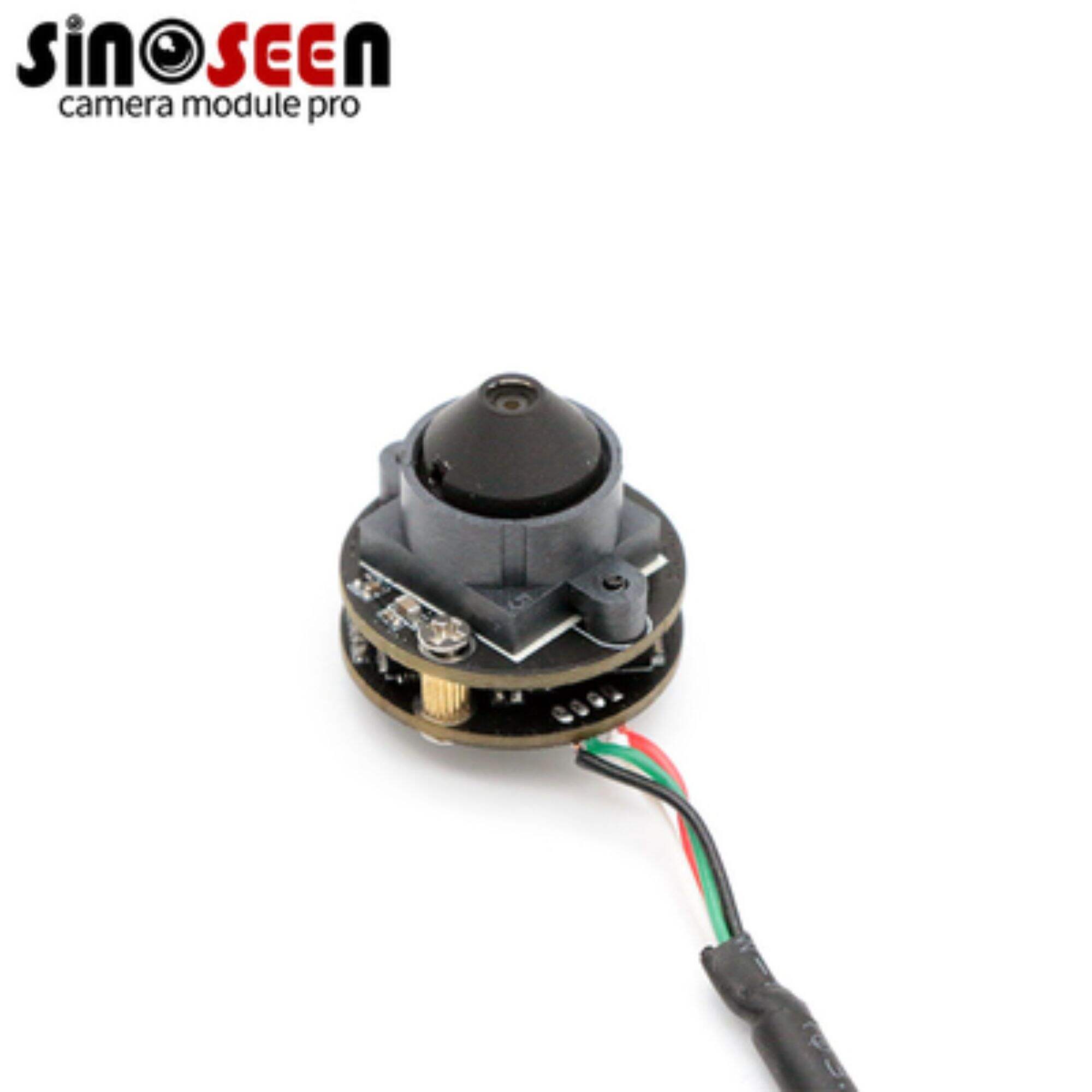
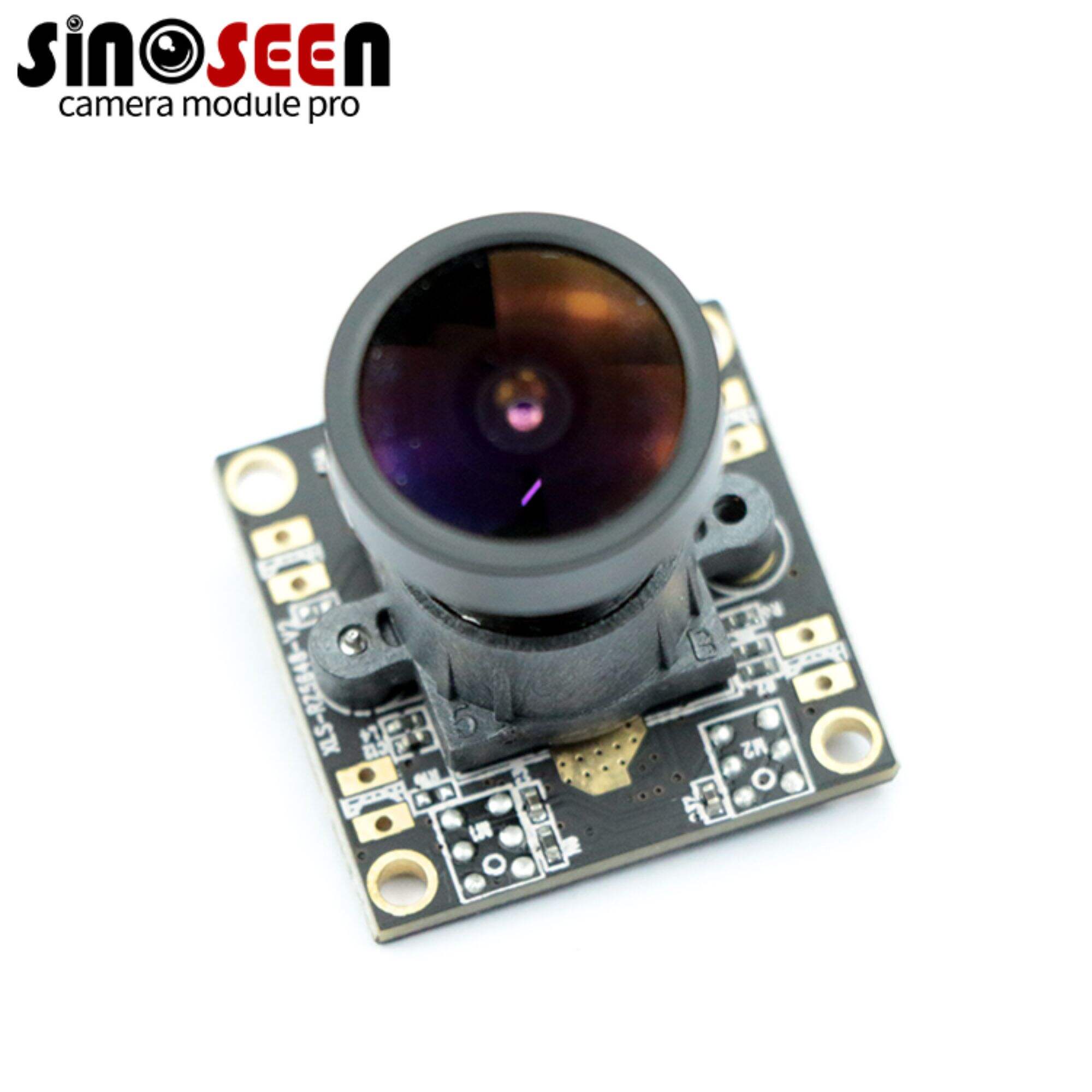
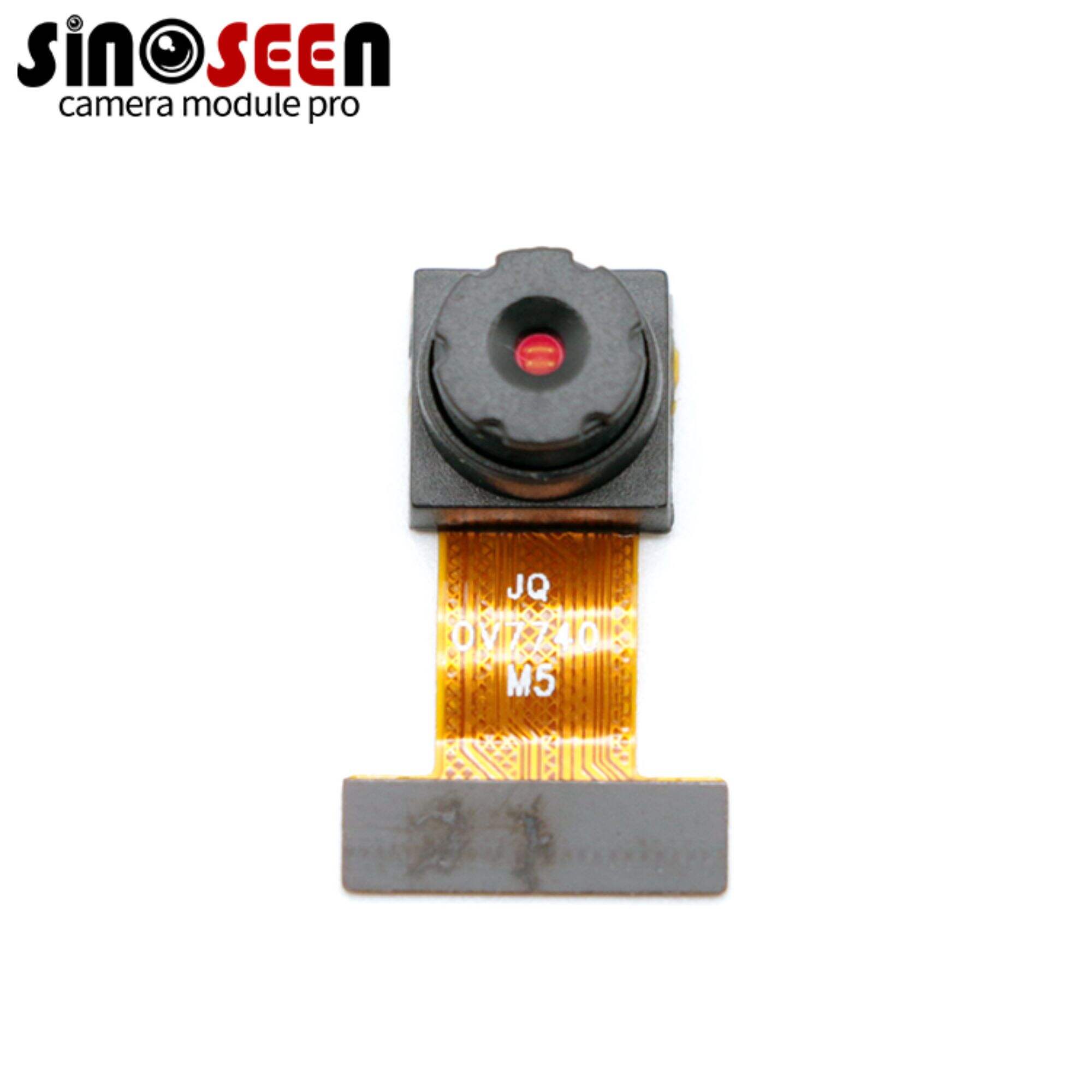
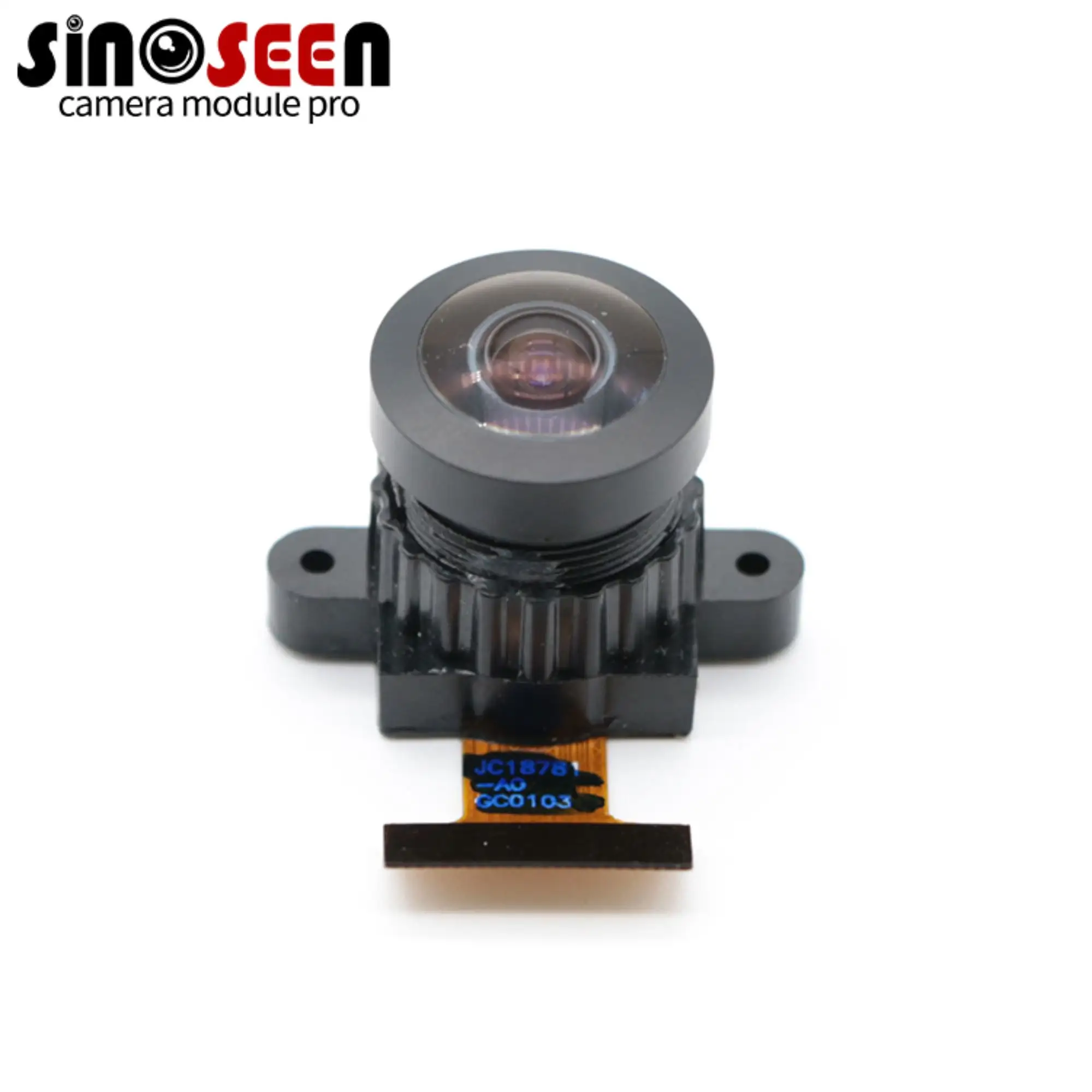
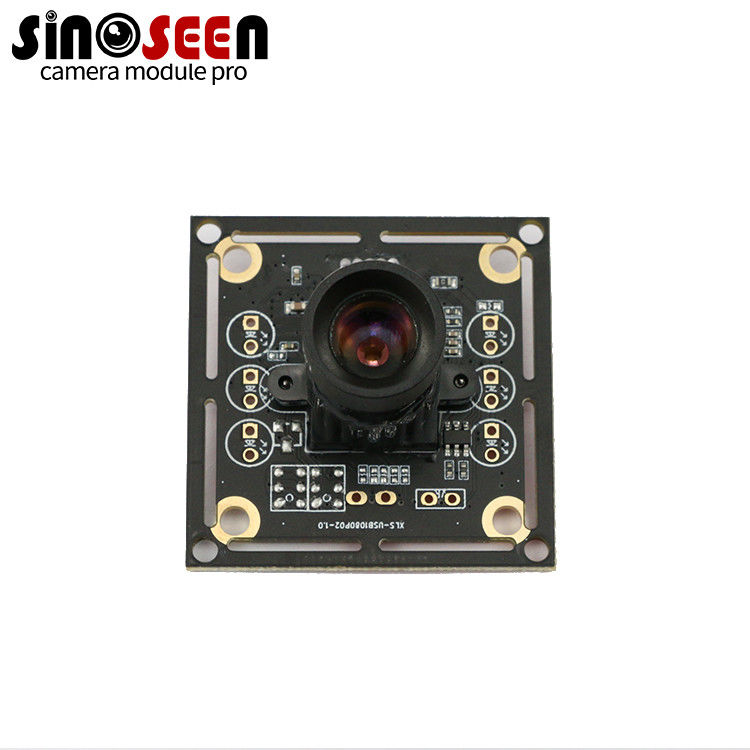
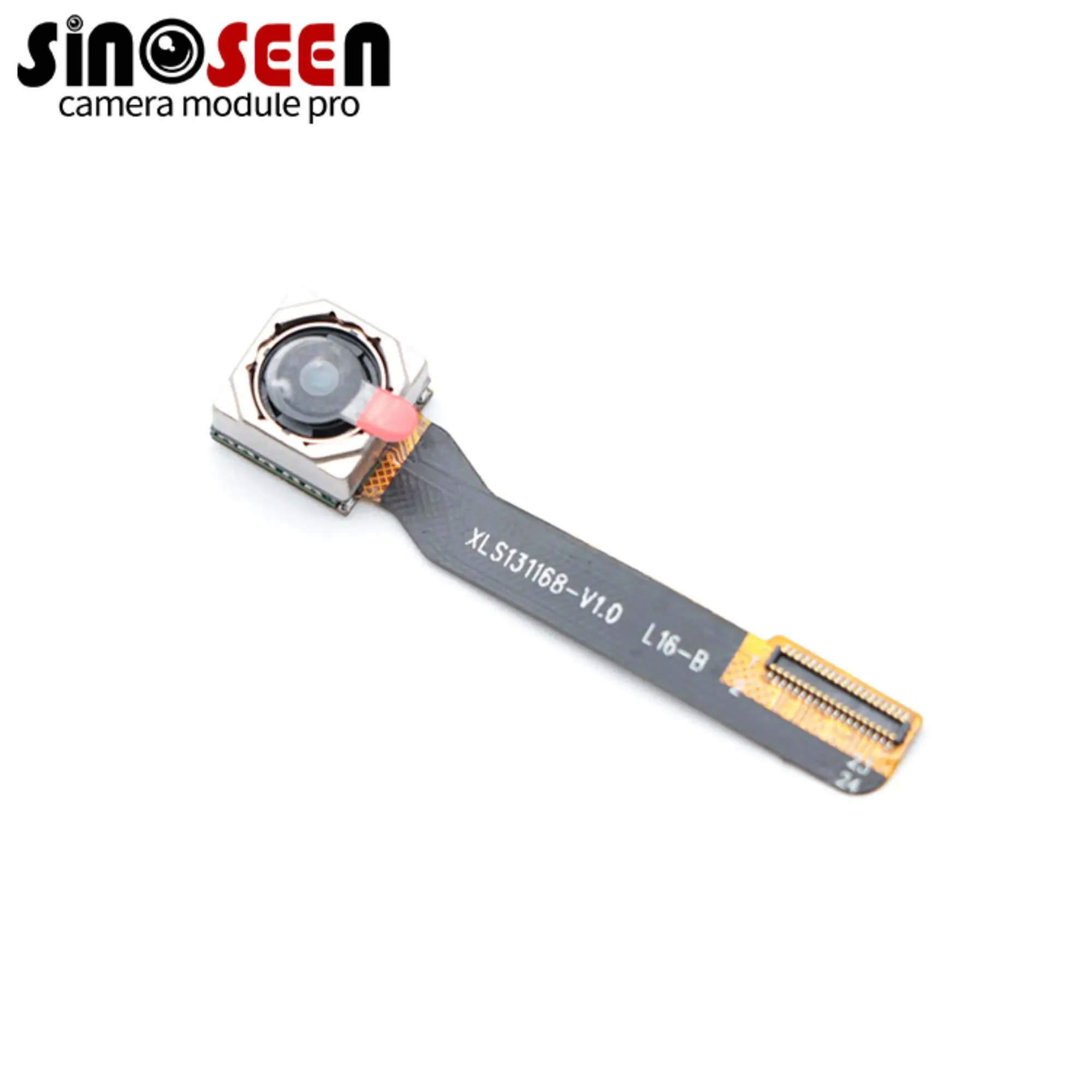
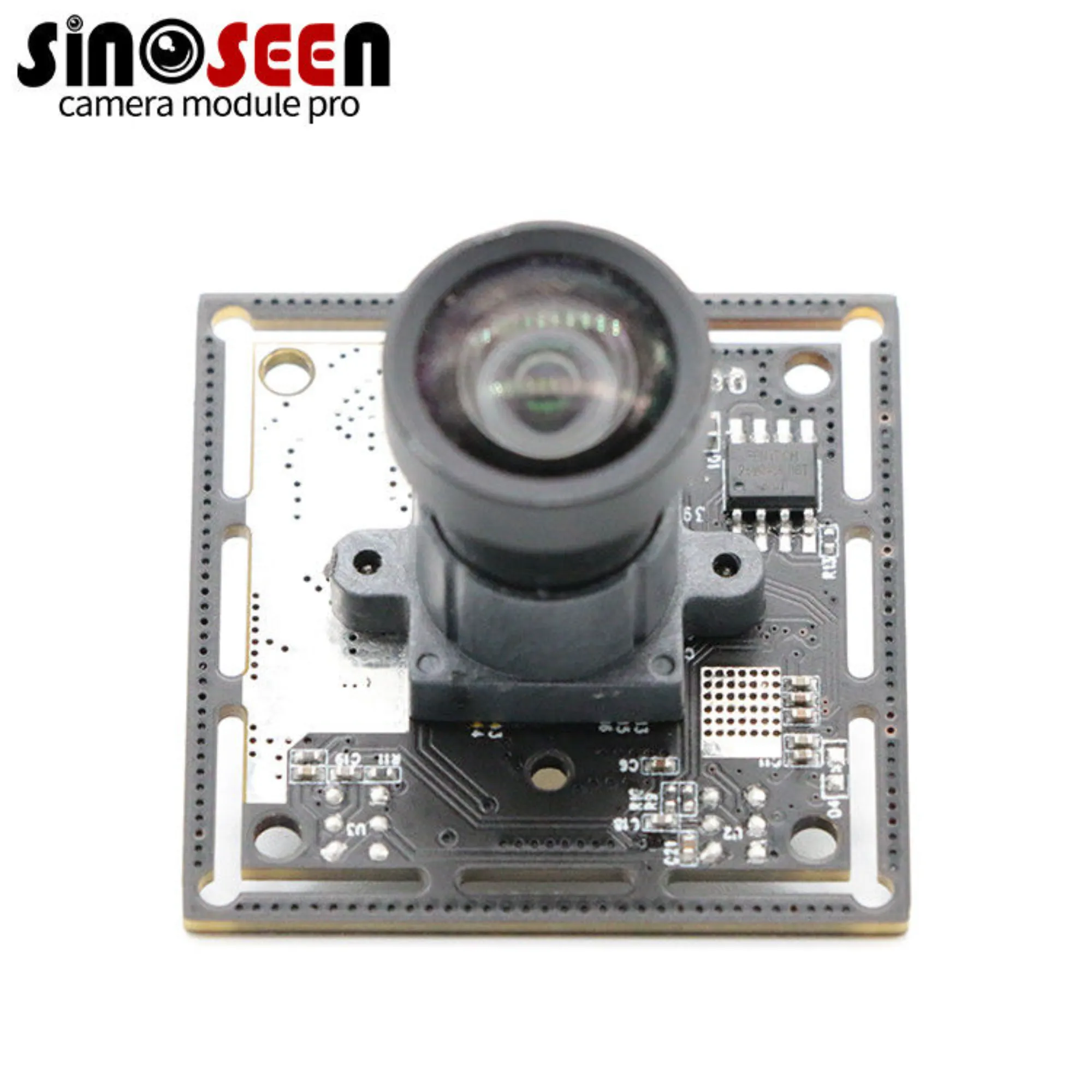
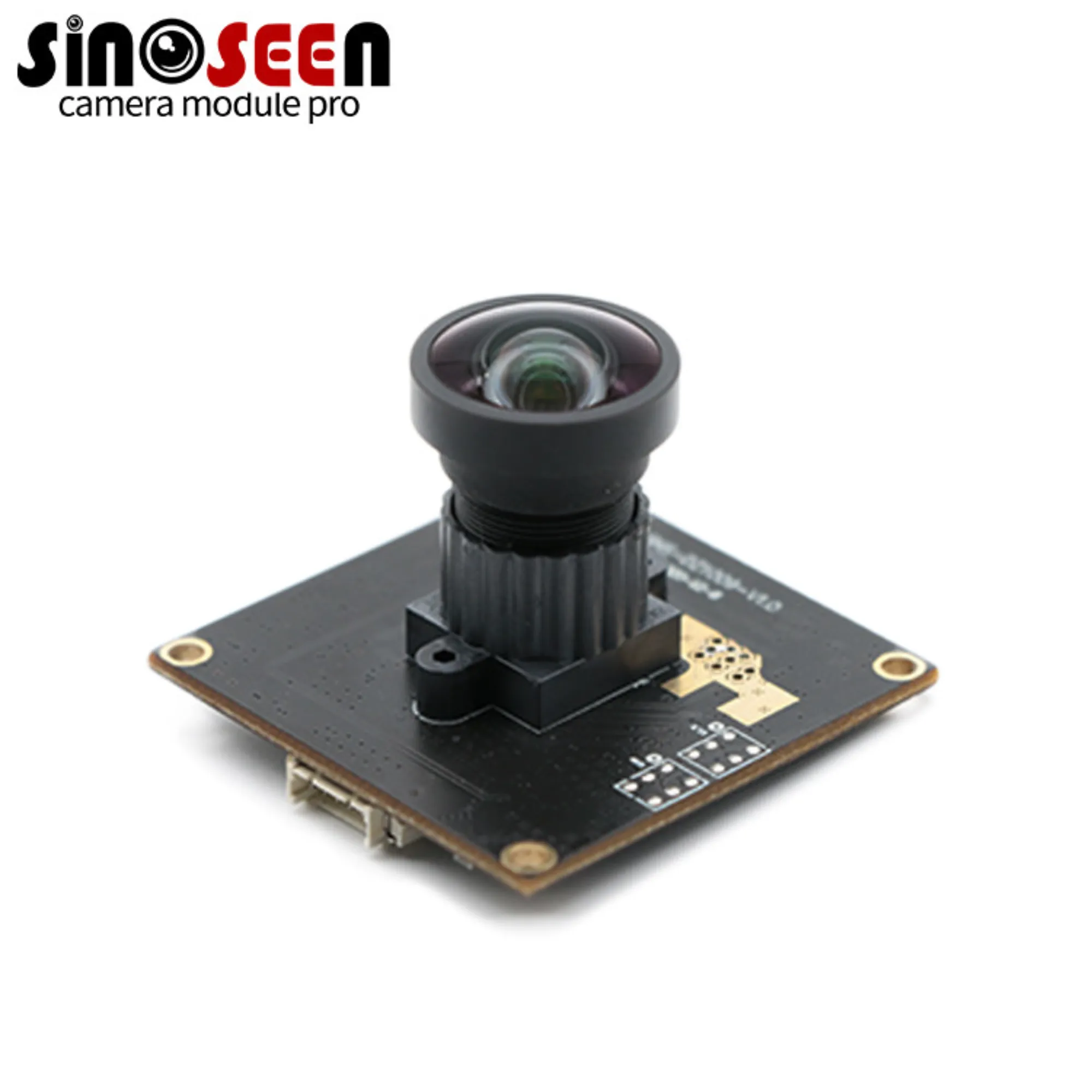
The OEM camera module represents a revolutionary advancement in imaging technology, serving as a compact, integrated solution designed for seamless integration into various electronic devices. This sophisticated component combines high-performance image sensors, precision optics, and intelligent processing capabilities within a single, space-efficient package. Modern OEM camera modules incorporate cutting-edge CMOS sensor technology that delivers exceptional image quality while maintaining low power consumption, making them ideal for battery-powered applications. The module's compact form factor enables manufacturers to create sleeker, more streamlined products without compromising on photographic capabilities. Advanced autofocus mechanisms ensure sharp, crisp images across varying distances, while built-in image stabilization technology minimizes blur from movement or vibration. The OEM camera module features sophisticated digital signal processing that optimizes color accuracy, contrast, and brightness in real-time, delivering professional-quality results even in challenging lighting conditions. These modules support multiple resolution options, from standard definition to ultra-high-definition 4K recording, providing flexibility for diverse application requirements. The integrated lens assembly utilizes premium optical glass elements with anti-reflective coatings to minimize distortion and maximize light transmission. Smart exposure control algorithms automatically adjust settings based on environmental conditions, ensuring optimal image capture without manual intervention. The OEM camera module's robust construction withstands temperature fluctuations, humidity, and mechanical stress, ensuring reliable performance in demanding operational environments. Wide compatibility with standard communication protocols facilitates easy integration with existing system architectures, reducing development time and costs for manufacturers.

New Products

The OEM camera module delivers substantial cost savings for manufacturers by eliminating the need for complex in-house camera development and testing procedures. Companies can significantly reduce their research and development expenses while accelerating product launch timelines through the implementation of proven, tested camera technology. The plug-and-play design simplifies the integration process, allowing engineering teams to focus on core product functionality rather than camera-specific challenges. Quality assurance becomes streamlined since OEM camera modules undergo rigorous factory testing and calibration before shipment, ensuring consistent performance across production batches. The standardized interface design enables rapid prototyping and reduces the complexity of PCB layouts, ultimately lowering manufacturing costs. Supply chain management becomes more efficient as manufacturers can source complete camera solutions from specialized suppliers rather than managing multiple component vendors. The compact footprint of OEM camera modules maximizes available space for other essential components, enabling more efficient product designs and potentially smaller final products. Energy efficiency improvements result from optimized power management circuits that extend battery life in portable devices while maintaining high-performance imaging capabilities. Manufacturers benefit from ongoing technical support and firmware updates provided by OEM suppliers, ensuring products remain current with evolving industry standards. The scalable production capacity of OEM camera module suppliers accommodates varying demand levels, from small-batch specialty products to high-volume consumer electronics. Risk mitigation occurs through established quality control processes and comprehensive warranty programs that protect manufacturers from potential component failures. Faster time-to-market becomes achievable through reduced development cycles, allowing companies to capitalize on market opportunities more effectively. The proven reliability of OEM camera modules reduces post-launch support costs and enhances customer satisfaction through consistent, high-quality imaging performance across diverse applications and operating conditions.

Latest News

 How to Select the Right AI Camera Module for Facial Recognition Systems?

02

Mar

How to Select the Right AI Camera Module for Facial Recognition Systems?

Selecting the appropriate AI camera module for facial recognition systems represents a critical decision that directly impacts system performance, accuracy, and overall operational efficiency. Modern facial recognition applications demand sophisticat...
View More
How to Optimize Low-Light Performance in Custom Camera Module Designs?

02

Mar

How to Optimize Low-Light Performance in Custom Camera Module Designs?

Custom camera module designs face unique challenges when operating in environments with minimal illumination, making low-light performance optimization a critical engineering consideration. Modern applications ranging from security surveillance to au...
View More
How to Integrate a Small Camera Module into Compact Medical Devices?

02

Mar

How to Integrate a Small Camera Module into Compact Medical Devices?

Medical device miniaturization continues to revolutionize healthcare, enabling less invasive procedures and improved patient outcomes. When designing compact medical equipment, integrating a small camera module requires careful consideration of space...
View More
Why do Robotics Manufacturers Prefer High-Speed AI Camera Modules?

02

Mar

Why do Robotics Manufacturers Prefer High-Speed AI Camera Modules?

The robotics industry has experienced unprecedented growth in recent years, with manufacturers increasingly demanding sophisticated vision systems that can process visual data at lightning speed. High-speed AI camera modules have emerged as the corne...
View More

Get In Touch

oem camera module

Advanced Multi-Layer Optical System

Advanced Multi-Layer Optical System

The OEM camera module incorporates a sophisticated multi-layer optical system that represents the pinnacle of miniaturized lens technology, delivering exceptional image quality that rivals traditional camera systems. This innovative optical architecture features precision-engineered glass elements with specialized coatings that maximize light transmission while minimizing unwanted reflections and aberrations. The multi-layer anti-reflective coating significantly reduces lens flare and ghosting effects, ensuring clear, vibrant images even in challenging backlighting situations. Each lens element undergoes meticulous quality control testing to guarantee consistent optical performance across production runs. The aspherical lens design corrects spherical aberrations that typically plague compact camera systems, resulting in sharp images from edge to edge. Advanced chromatic aberration correction eliminates color fringing around high-contrast areas, producing professional-grade image quality. The optical system maintains exceptional performance across the entire zoom range, ensuring consistent image sharpness whether capturing wide-angle landscapes or detailed close-up subjects. Temperature compensation mechanisms prevent focus shifts during operation in varying environmental conditions, maintaining image clarity regardless of operating temperature. The compact optical design achieves remarkable image quality while occupying minimal space within the device housing, enabling manufacturers to create thinner, more elegant products. Ultra-low dispersion glass elements minimize color separation, resulting in accurate color reproduction that faithfully represents the original scene. The precision-aligned optical assembly undergoes automated calibration during manufacturing, ensuring each OEM camera module meets strict performance specifications for resolution, distortion, and chromatic accuracy.
Intelligent Auto-Enhancement Technology

Intelligent Auto-Enhancement Technology

The OEM camera module features groundbreaking intelligent auto-enhancement technology that automatically optimizes image quality through real-time scene analysis and adaptive processing algorithms. This sophisticated system continuously monitors lighting conditions, subject matter, and environmental factors to apply appropriate enhancement settings without user intervention. Advanced artificial intelligence algorithms recognize different scene types, including landscapes, portraits, low-light scenarios, and macro subjects, automatically adjusting processing parameters for optimal results. The dynamic range optimization feature captures detail in both shadow and highlight areas simultaneously, producing balanced exposures that retain information across the entire tonal range. Noise reduction algorithms intelligently distinguish between image detail and unwanted noise, preserving fine textures while eliminating grain in low-light conditions. Color enhancement processing analyzes the scene content to boost saturation selectively, enhancing natural colors while preventing oversaturation of skin tones and other critical elements. The intelligent sharpening system applies edge enhancement precisely where needed, improving perceived image sharpness without creating unnatural artifacts or halos around edges. Automatic white balance correction adapts instantaneously to changing light sources, ensuring accurate color reproduction under fluorescent, incandescent, daylight, and mixed lighting conditions. Motion detection algorithms automatically adjust exposure and processing settings to minimize blur from moving subjects, ensuring sharp capture of dynamic scenes. The learning capability of the enhancement system improves performance over time, adapting to user preferences and common shooting scenarios. Face detection and optimization features automatically enhance skin tones and facial features in portrait photography, producing flattering results consistently. Advanced HDR processing combines multiple exposures seamlessly, creating single images with extended dynamic range that capture detail impossible with conventional single-exposure photography.
Robust Environmental Durability Design

Robust Environmental Durability Design

The OEM camera module demonstrates exceptional environmental durability through comprehensive protection systems designed to ensure reliable operation across extreme conditions and demanding applications. The sealed construction features advanced gasket systems and protective barriers that prevent moisture ingress, dust contamination, and particle infiltration that could compromise optical performance or electronic functionality. Rigorous environmental testing validates performance across temperature ranges from negative forty to positive eighty-five degrees Celsius, ensuring consistent operation in arctic conditions and tropical climates alike. Humidity resistance prevents condensation formation on internal optical surfaces, maintaining image clarity even in high-moisture environments such as coastal areas or industrial facilities. Shock and vibration resistance testing confirms the module's ability to withstand mechanical stress from drops, impacts, and continuous vibration exposure without degrading image quality or electronic performance. The robust mechanical design incorporates reinforced mounting points and flexible circuit connections that absorb mechanical stress while maintaining electrical integrity. Chemical resistance properties protect against exposure to common industrial solvents, cleaning agents, and atmospheric pollutants that might degrade conventional camera systems. UV radiation protection prevents optical element degradation and color shifting that can occur with prolonged exposure to intense sunlight or artificial UV sources. Electromagnetic interference shielding prevents signal corruption from nearby electronic devices, ensuring consistent image quality in complex electronic environments. Thermal management systems dissipate heat effectively, preventing performance degradation during extended operation periods or in high-temperature environments. Salt spray testing validates corrosion resistance for marine applications and coastal installations where salt air exposure poses significant challenges to electronic components. Accelerated aging tests simulate years of normal operation to verify long-term reliability and predict component lifespan under various operating conditions. The comprehensive environmental protection enables deployment in challenging applications including automotive systems, outdoor surveillance, industrial inspection, and aerospace applications where traditional camera modules would fail to provide reliable service.

Related Search

Get in touch