Innovative Camera Modules for Every Application | Sinoseen

All Categories

camera module sensor

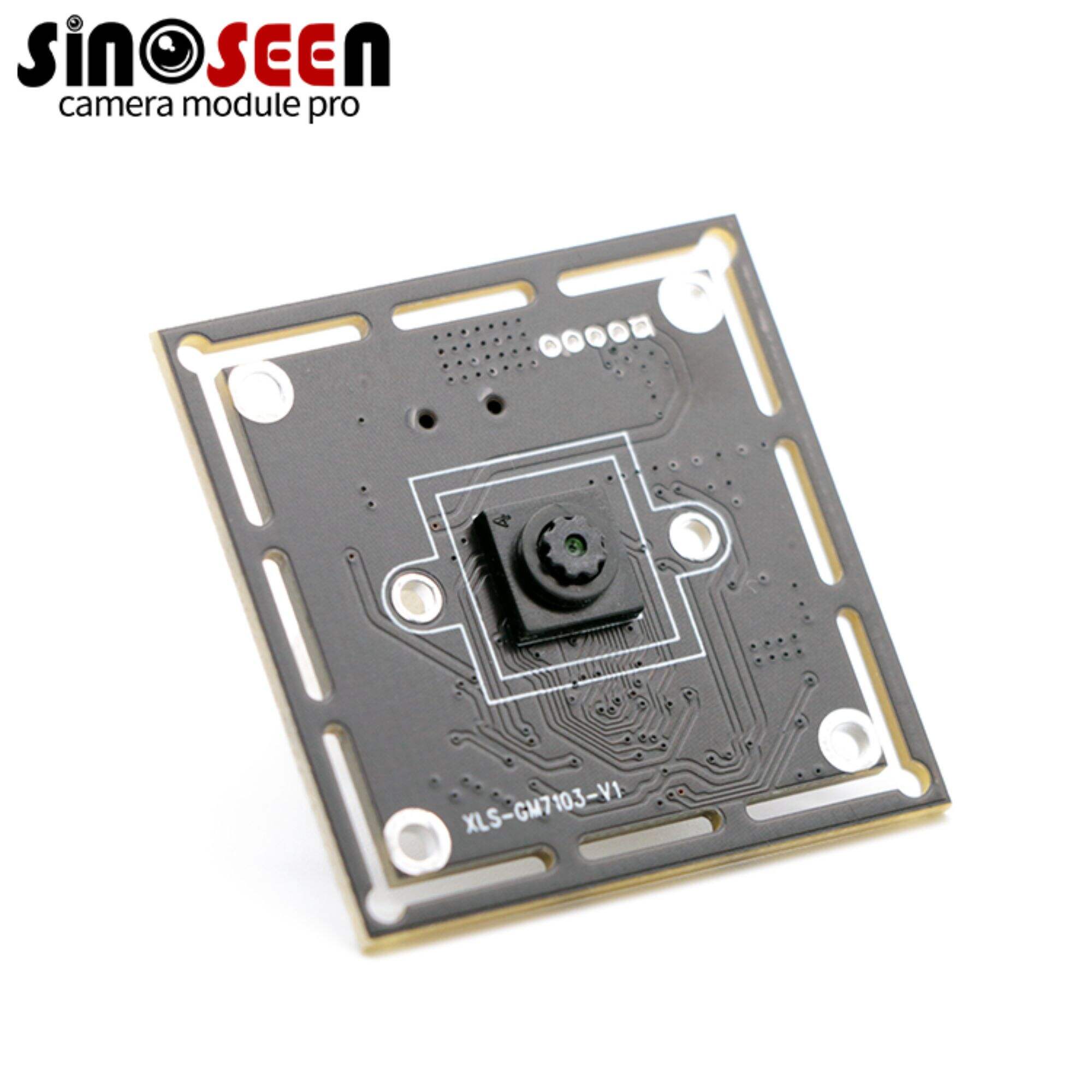
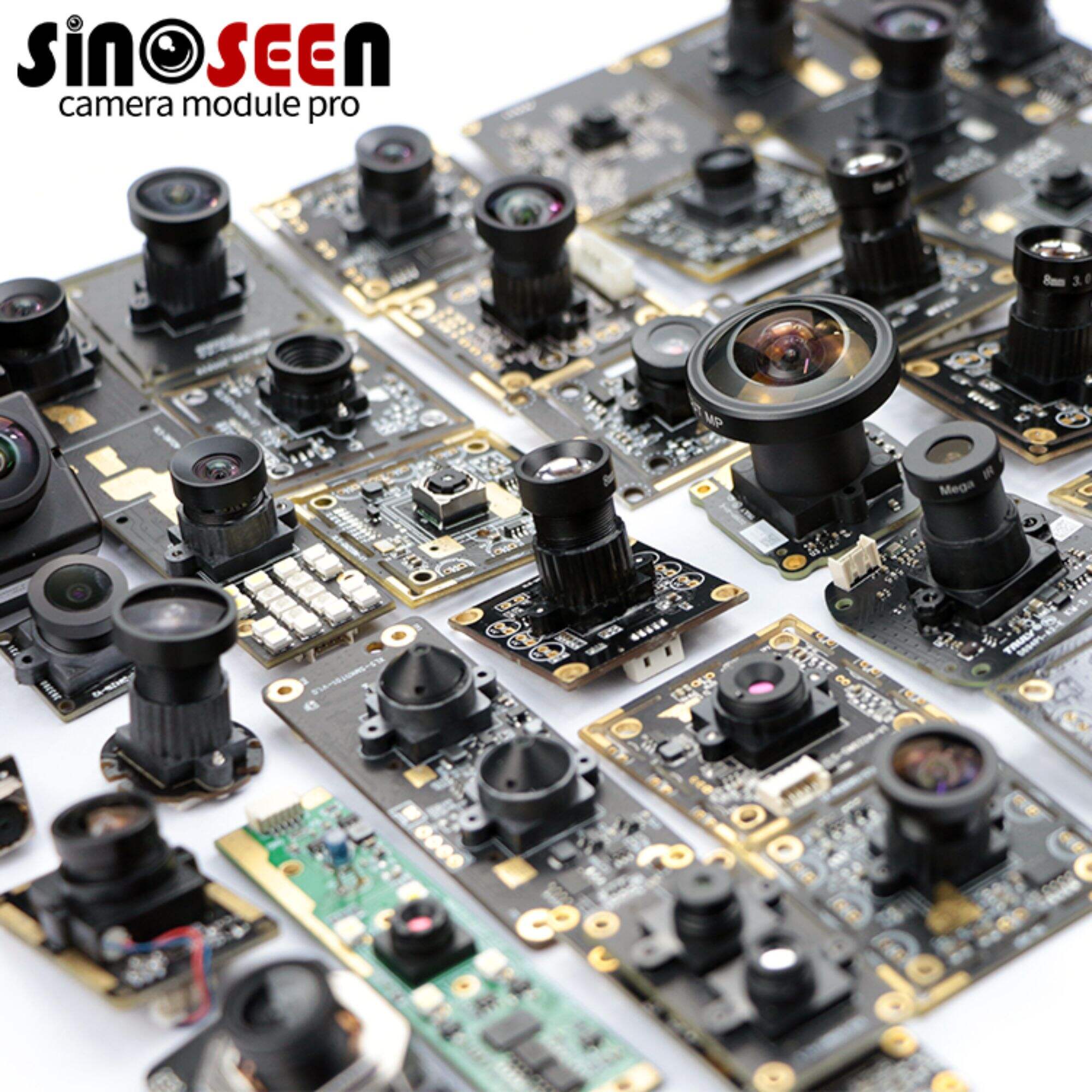
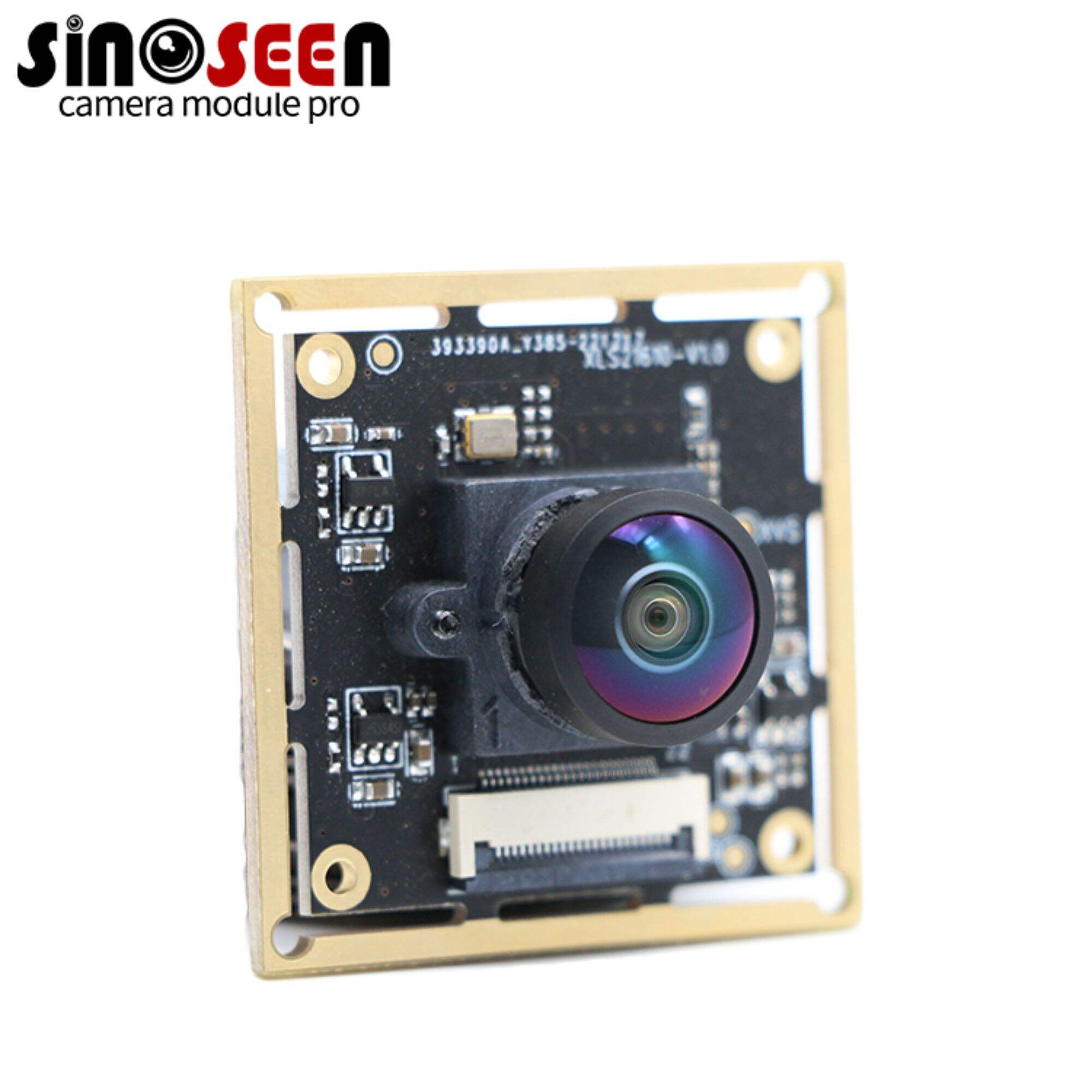
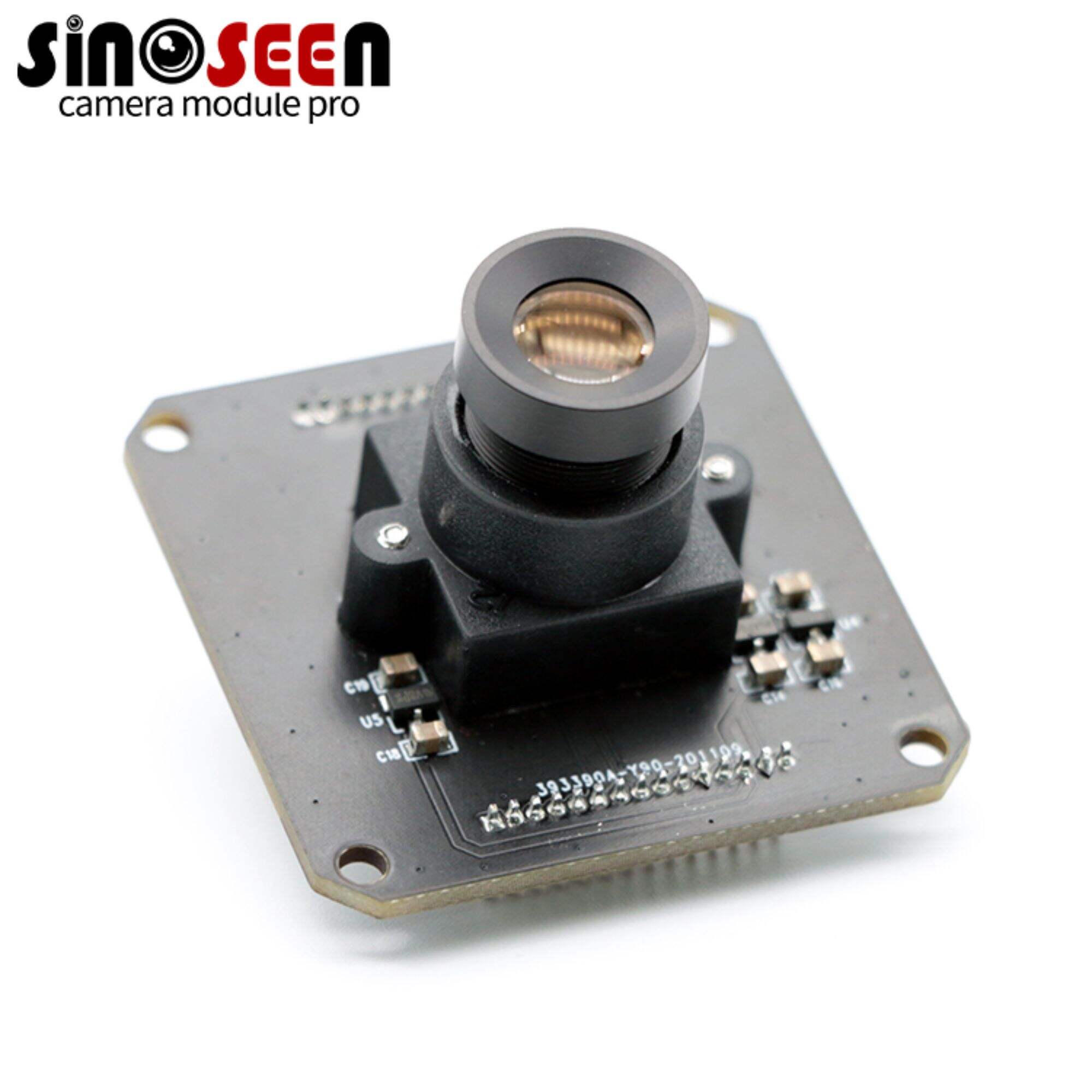
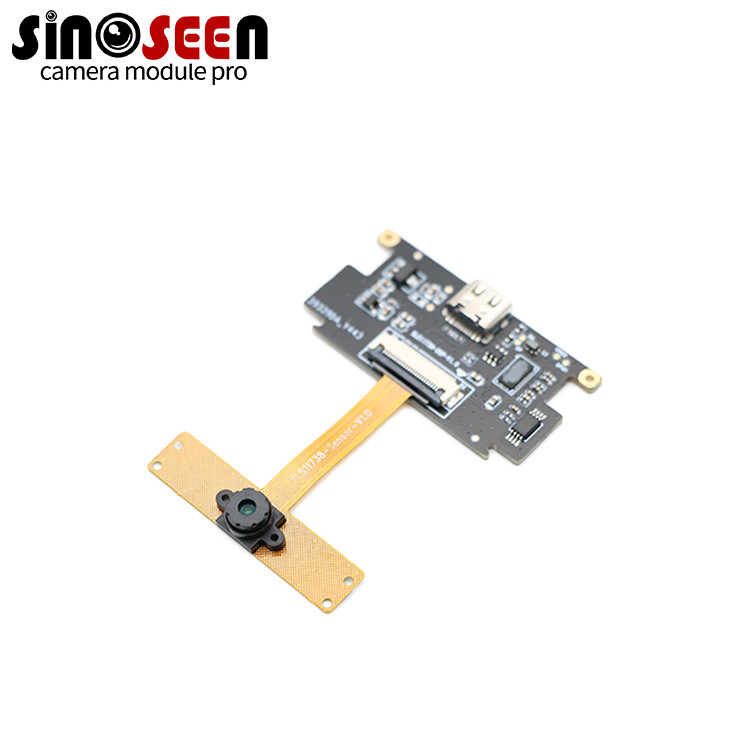
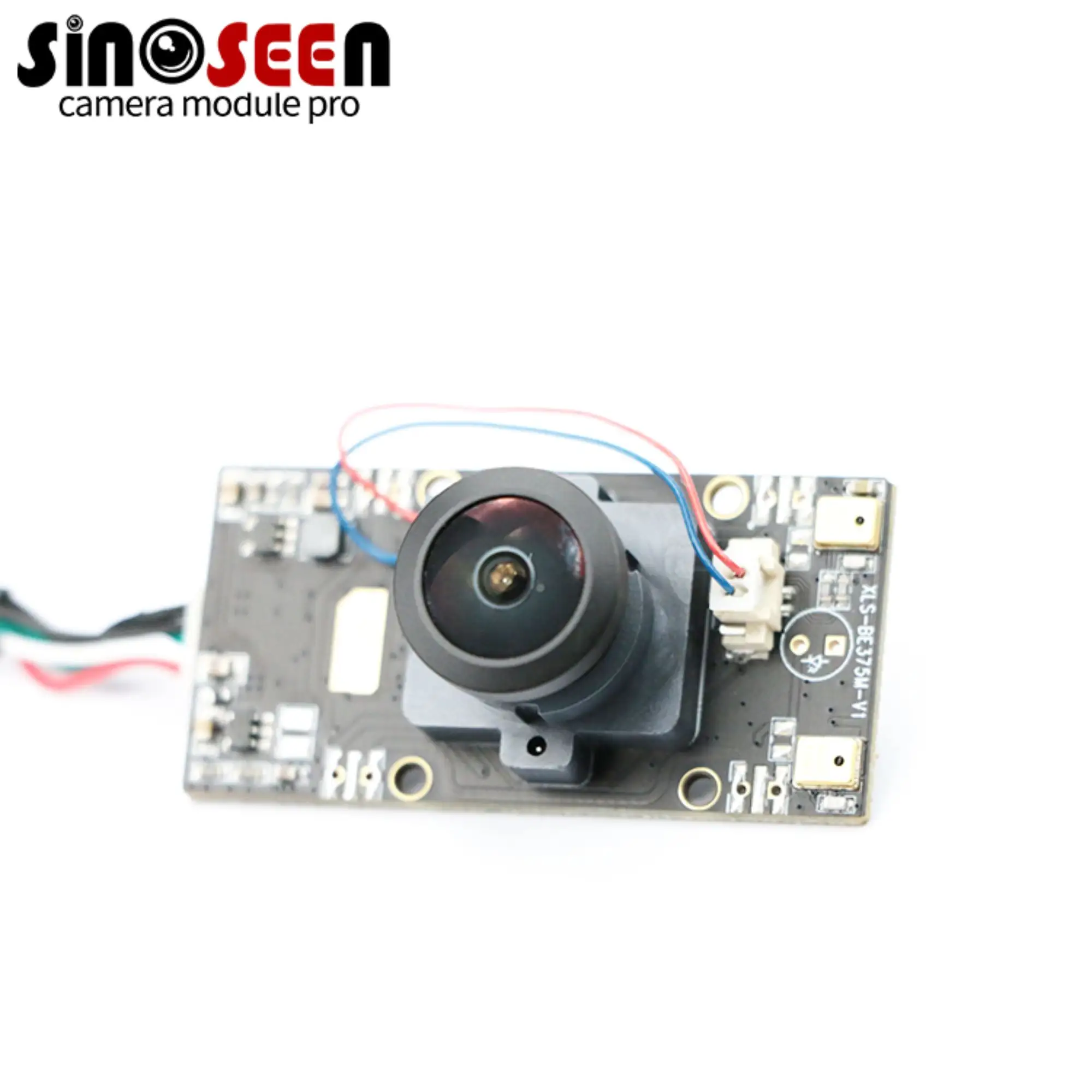
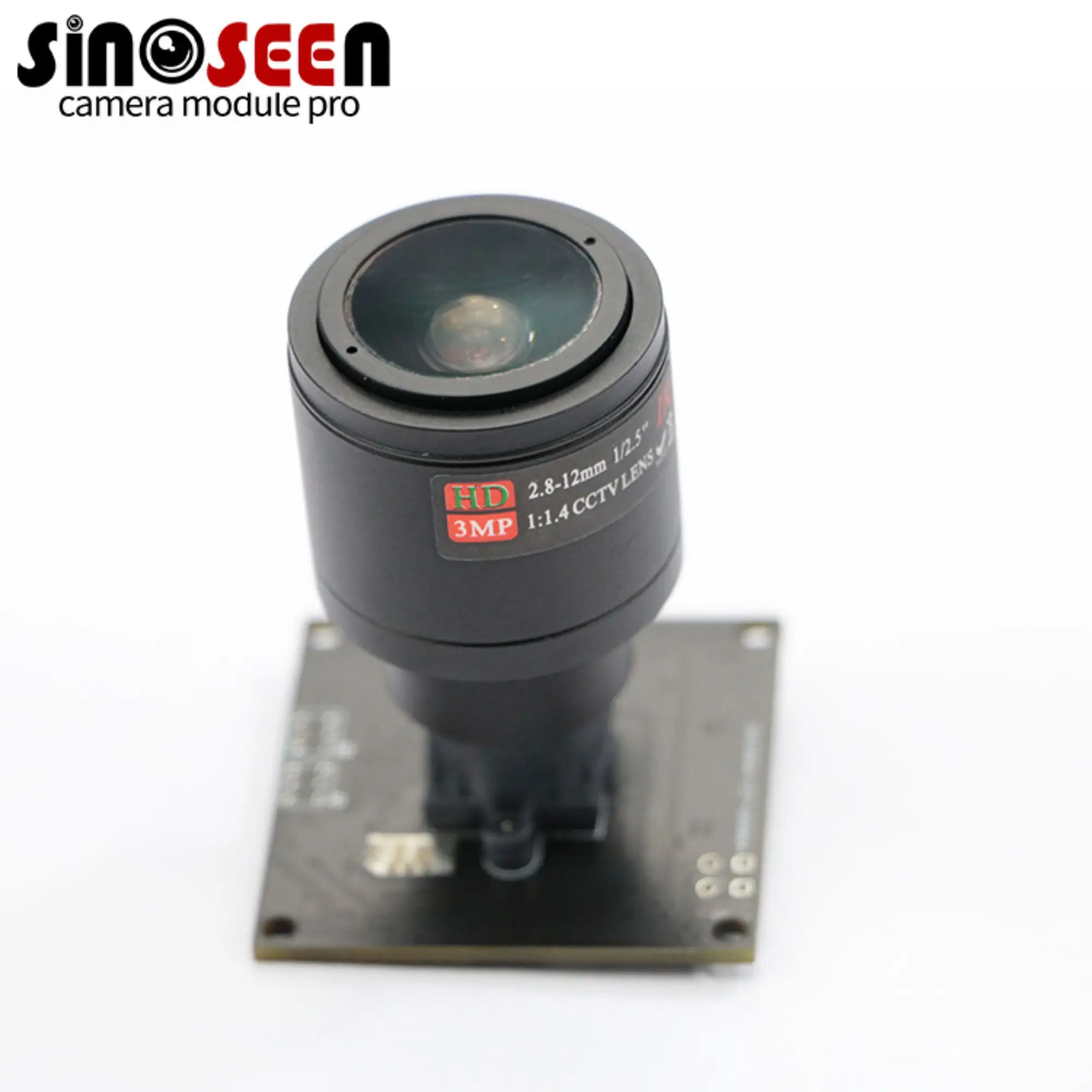
The camera module sensor stands as the fundamental component that transforms optical images into digital data, serving as the cornerstone of modern imaging technology. This sophisticated device captures light through its photodiode array, converting photons into electrical signals that create the digital images we see on our devices. The camera module sensor operates through a complex process of light detection, signal processing, and data conversion, making it essential for smartphones, tablets, security systems, automotive applications, and countless other devices. Modern camera module sensor technology incorporates advanced CMOS (Complementary Metal-Oxide-Semiconductor) architecture, which offers superior power efficiency compared to traditional CCD sensors. The sensor features pixel arrays ranging from basic resolutions to ultra-high-definition formats, with each pixel containing photodiodes that respond to different wavelengths of light. Advanced camera module sensor designs include sophisticated image signal processors that handle noise reduction, color correction, and dynamic range optimization in real-time. The technological features of today's camera module sensor include back-side illumination technology, which improves light sensitivity by repositioning the sensor's circuitry behind the photodiodes. This innovation allows more light to reach the photosensitive areas, resulting in better low-light performance and enhanced image quality. Many camera module sensor units also incorporate phase detection autofocus capabilities, enabling faster and more accurate focusing mechanisms. Applications for camera module sensor technology span across multiple industries, from consumer electronics to medical imaging, industrial inspection systems, and autonomous vehicle navigation. The versatility of the camera module sensor makes it indispensable in smart city infrastructure, where it powers surveillance systems, traffic monitoring, and crowd management solutions. In the automotive sector, the camera module sensor enables advanced driver assistance systems, backup cameras, and emerging autonomous driving technologies that rely on precise visual data interpretation.

New Products

Camera module sensor technology delivers exceptional image quality that transforms how we capture and process visual information in countless applications. The primary advantage lies in the sensor's ability to produce sharp, detailed images with accurate color reproduction across various lighting conditions, ensuring professional-grade results for both casual users and demanding commercial applications. Modern camera module sensor designs offer remarkable low-light performance, allowing users to capture clear images even in challenging environments where traditional sensors would struggle. This capability proves invaluable for security applications, automotive safety systems, and consumer photography where lighting conditions cannot always be controlled. The compact size of today's camera module sensor represents another significant advantage, enabling manufacturers to integrate high-performance imaging capabilities into increasingly smaller devices without compromising functionality. This miniaturization breakthrough allows smartphone manufacturers to include multiple camera module sensor units in a single device, creating versatile photography systems that rival traditional cameras. Energy efficiency stands as a crucial advantage of modern camera module sensor technology, with advanced CMOS designs consuming minimal power while delivering maximum performance. This efficiency extends battery life in portable devices and reduces operating costs in always-on security and monitoring systems. The camera module sensor also provides excellent dynamic range capabilities, capturing both bright highlights and deep shadows in a single exposure, which eliminates the need for multiple shots or complex post-processing techniques. Fast processing speeds represent another key advantage, with modern camera module sensor units capable of capturing high-resolution images and videos at impressive frame rates without lag or delay. This responsiveness proves essential in applications requiring real-time image analysis, such as quality control systems, medical diagnostics, and autonomous vehicle navigation. The reliability and durability of camera module sensor technology ensure consistent performance over extended periods, making them ideal for industrial applications and security systems that operate continuously. Advanced noise reduction capabilities built into modern camera module sensor designs produce clean, professional-looking images even at higher ISO settings, expanding the usable range of the sensor in various lighting conditions. The versatility of camera module sensor technology allows for easy integration into existing systems and applications, with standardized interfaces and comprehensive software support that simplify implementation and reduce development time for manufacturers and system integrators.

Practical Tips

Why Choose a High-Performance Embedded Camera Module for AI Applications?

02

Mar

Why Choose a High-Performance Embedded Camera Module for AI Applications?

Artificial intelligence applications demand precision, speed, and reliability in their visual data acquisition systems. An embedded camera module serves as the critical foundation for AI-powered devices, from autonomous vehicles to smart manufacturin...
View More
 How to Select the Right AI Camera Module for Facial Recognition Systems?

02

Mar

How to Select the Right AI Camera Module for Facial Recognition Systems?

Selecting the appropriate AI camera module for facial recognition systems represents a critical decision that directly impacts system performance, accuracy, and overall operational efficiency. Modern facial recognition applications demand sophisticat...
View More
How to Optimize Low-Light Performance in Custom Camera Module Designs?

02

Mar

How to Optimize Low-Light Performance in Custom Camera Module Designs?

Custom camera module designs face unique challenges when operating in environments with minimal illumination, making low-light performance optimization a critical engineering consideration. Modern applications ranging from security surveillance to au...
View More
Why do Robotics Manufacturers Prefer High-Speed AI Camera Modules?

02

Mar

Why do Robotics Manufacturers Prefer High-Speed AI Camera Modules?

The robotics industry has experienced unprecedented growth in recent years, with manufacturers increasingly demanding sophisticated vision systems that can process visual data at lightning speed. High-speed AI camera modules have emerged as the corne...
View More

Get In Touch

camera module sensor

Advanced Low-Light Performance Revolution

Advanced Low-Light Performance Revolution

The revolutionary low-light performance of modern camera module sensor technology represents a quantum leap forward in imaging capabilities, fundamentally changing what's possible in challenging lighting environments. This breakthrough stems from innovative sensor architecture that maximizes light gathering efficiency through larger pixel sizes, advanced microlens designs, and sophisticated noise reduction algorithms working in perfect harmony. The camera module sensor achieves this remarkable low-light performance through back-side illumination technology, which repositions the sensor's metal wiring behind the photodiodes rather than in front of them, allowing significantly more light to reach the photosensitive areas. This architectural innovation alone can improve light sensitivity by up to 40 percent compared to traditional front-side illuminated sensors. Additionally, the camera module sensor incorporates advanced pixel binning technology, which combines data from multiple adjacent pixels to create a single, brighter pixel with reduced noise levels, effectively transforming the sensor into a high-sensitivity imaging device when lighting conditions demand it. The practical benefits of this enhanced low-light performance extend far beyond consumer photography applications. In security and surveillance systems, the camera module sensor enables clear monitoring and identification capabilities even in near-darkness, reducing the need for external lighting that might compromise covert operations or increase energy costs. Automotive applications benefit tremendously from this technology, as the camera module sensor can capture critical visual information for driver assistance systems during nighttime driving, in poorly lit parking garages, or during adverse weather conditions that reduce visibility. Medical and scientific imaging applications also leverage these low-light capabilities, allowing researchers and practitioners to capture detailed images of sensitive specimens or procedures without the potentially harmful effects of intense illumination. The camera module sensor achieves these remarkable results while maintaining excellent image quality metrics, including natural color reproduction, sharp detail retention, and minimal digital artifacts that might otherwise compromise the integrity of captured images in professional or critical applications.
Ultra-Fast Autofocus and Real-Time Processing

Ultra-Fast Autofocus and Real-Time Processing

The cutting-edge autofocus capabilities and real-time processing power of modern camera module sensor technology deliver unprecedented speed and accuracy that revolutionizes both professional and consumer imaging applications. This advanced camera module sensor incorporates dual-pixel phase detection autofocus technology, where every pixel on the sensor serves a dual purpose as both an imaging element and a phase detection point, creating millions of autofocus points across the entire sensor surface. This innovative approach allows the camera module sensor to achieve focus lock in mere milliseconds, even in challenging conditions such as low light or low contrast scenes where traditional autofocus systems might struggle or fail entirely. The real-time processing capabilities of the camera module sensor extend far beyond simple autofocus functionality, encompassing sophisticated image signal processing that handles multiple complex tasks simultaneously without compromising speed or quality. These processors execute advanced algorithms for noise reduction, color space conversion, lens correction, and dynamic range optimization in real-time, delivering perfectly processed images immediately upon capture without the delays associated with post-processing workflows. The camera module sensor also features intelligent scene recognition capabilities that automatically analyze the content of each frame, adjusting exposure settings, color balance, and focus parameters to optimize image quality for specific shooting conditions such as portraits, landscapes, or macro photography. This real-time intelligence proves invaluable in applications requiring immediate decision-making based on visual input, such as industrial quality control systems that must identify defects on rapidly moving production lines, or autonomous vehicle systems that need to instantly recognize and respond to changing road conditions, traffic signals, or potential hazards. The high-speed burst capture capabilities of the camera module sensor enable users to capture multiple high-resolution images in rapid succession, ensuring that perfect moments are never missed in fast-action scenarios such as sports photography or wildlife observation. Furthermore, the advanced processing power enables sophisticated computational photography techniques such as real-time HDR processing, background blur effects, and multi-frame noise reduction, all executed instantly without requiring powerful external processors or lengthy processing times that might interrupt the user experience or workflow efficiency.
Exceptional Durability and Versatile Integration

Exceptional Durability and Versatile Integration

The robust durability and flexible integration capabilities of modern camera module sensor technology establish it as the preferred choice for demanding applications across multiple industries where reliability and adaptability are paramount concerns. The camera module sensor undergoes rigorous testing and quality assurance processes to ensure consistent performance under extreme environmental conditions, including temperature fluctuations ranging from arctic cold to desert heat, high humidity environments, vibration stress, and exposure to dust and moisture that would compromise lesser imaging solutions. This exceptional durability stems from advanced packaging technologies that protect the sensitive photodiode array and associated circuitry within sealed housings that meet or exceed IP67 waterproof ratings, making the camera module sensor suitable for outdoor surveillance systems, marine applications, and industrial environments where environmental protection is crucial. The versatile integration capabilities of the camera module sensor accommodate a wide range of form factors and mounting configurations, allowing engineers and system designers to incorporate high-quality imaging functionality into virtually any application regardless of space constraints or mechanical requirements. The camera module sensor features standardized interface protocols such as MIPI CSI-2, USB, and Ethernet connectivity options that simplify integration with existing systems and reduce development time and costs for manufacturers seeking to add imaging capabilities to their products. Advanced camera module sensor designs also support multiple lens configurations, from ultra-wide angle to telephoto options, enabling system designers to optimize the imaging solution for specific use cases such as panoramic surveillance, detailed inspection work, or long-distance monitoring applications. The modular nature of modern camera module sensor technology allows for easy scalability, where multiple sensors can be combined to create sophisticated multi-camera systems that capture different perspectives simultaneously or provide redundancy for mission-critical applications where imaging failure could have serious consequences. Additionally, the camera module sensor supports extensive software customization through comprehensive development kits and APIs that enable engineers to fine-tune performance parameters, implement custom image processing algorithms, and integrate the sensor seamlessly with proprietary software systems or third-party applications, ensuring that the imaging solution perfectly matches the specific requirements of each unique application while maintaining the reliability and performance standards expected from professional-grade imaging technology.

Related Search

Get in touch