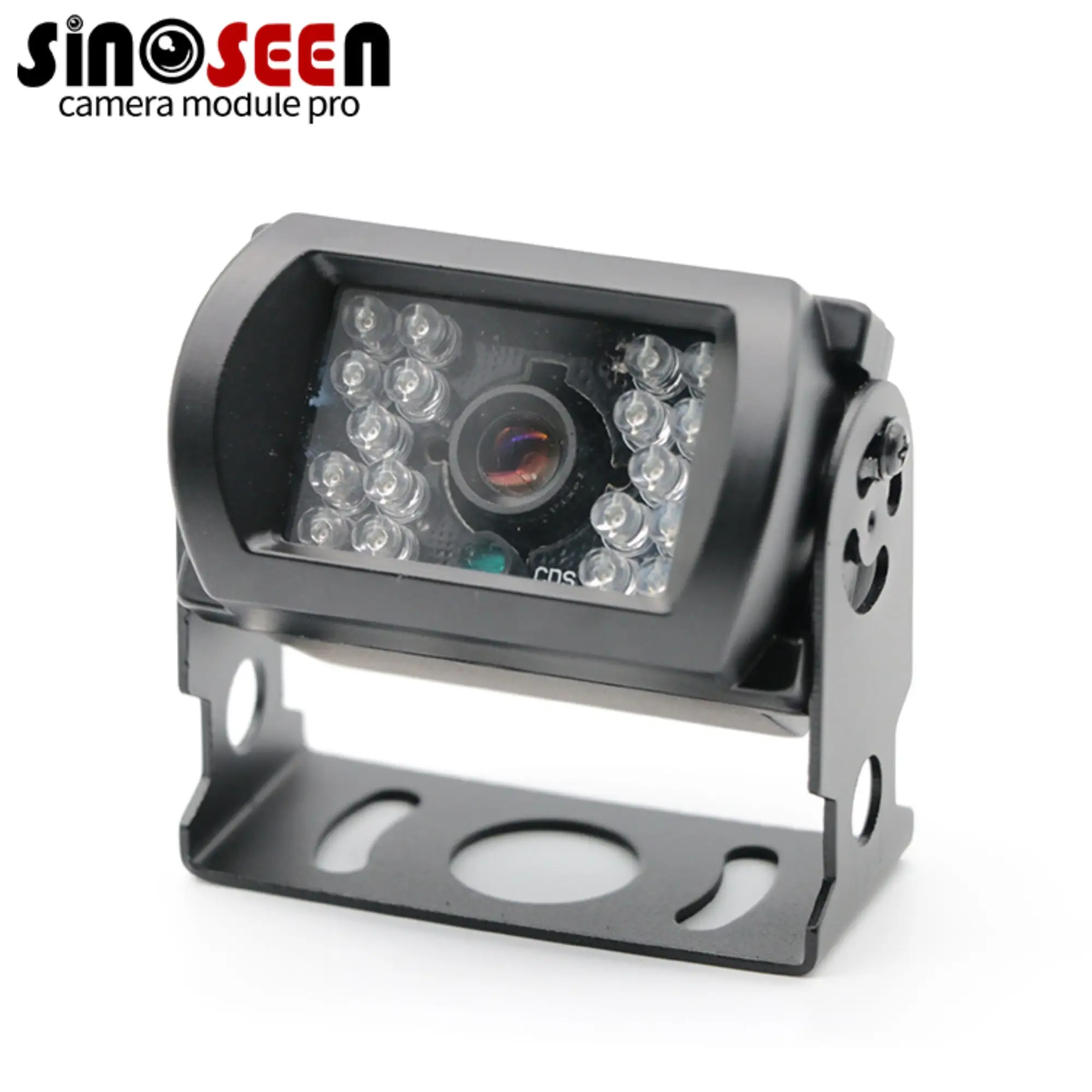
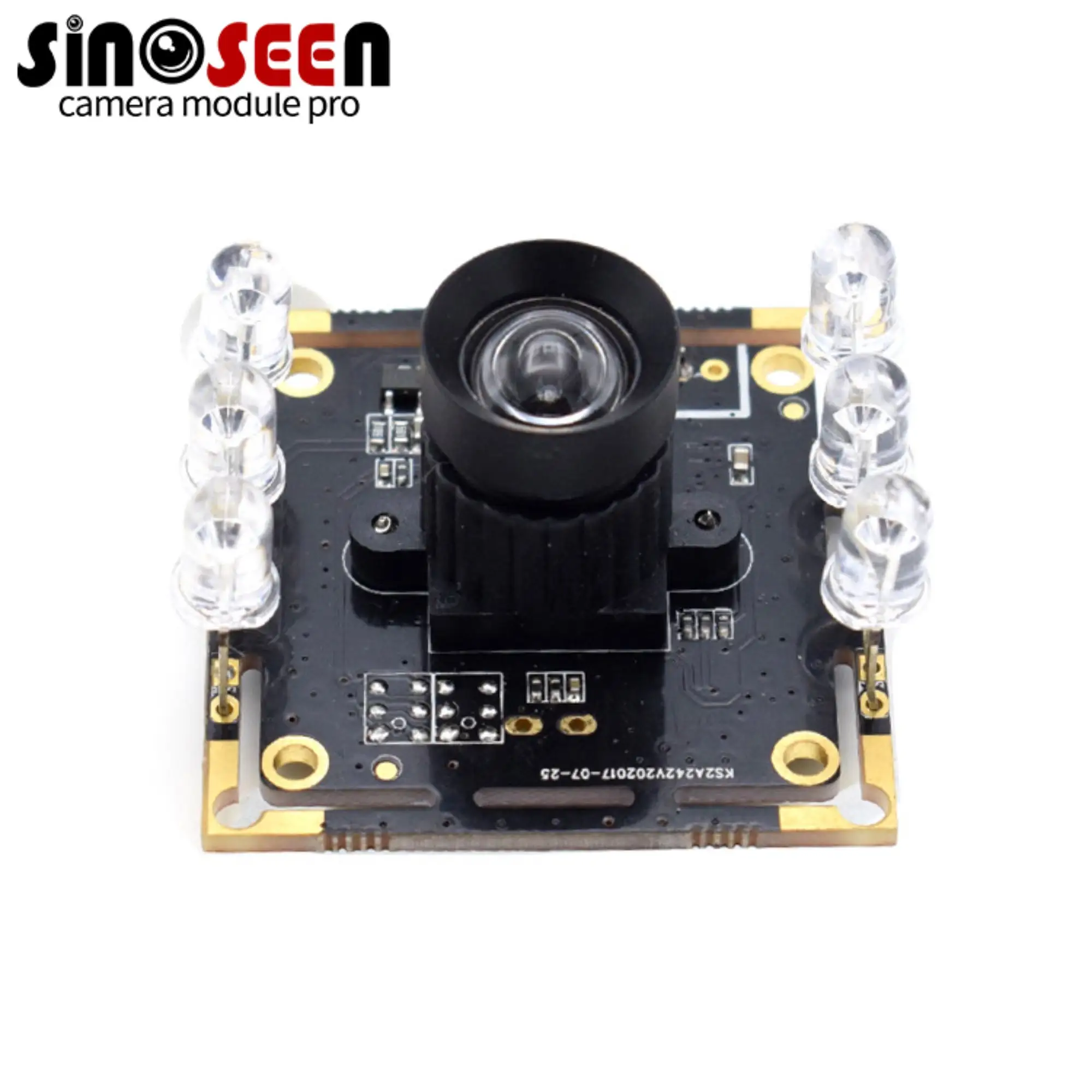
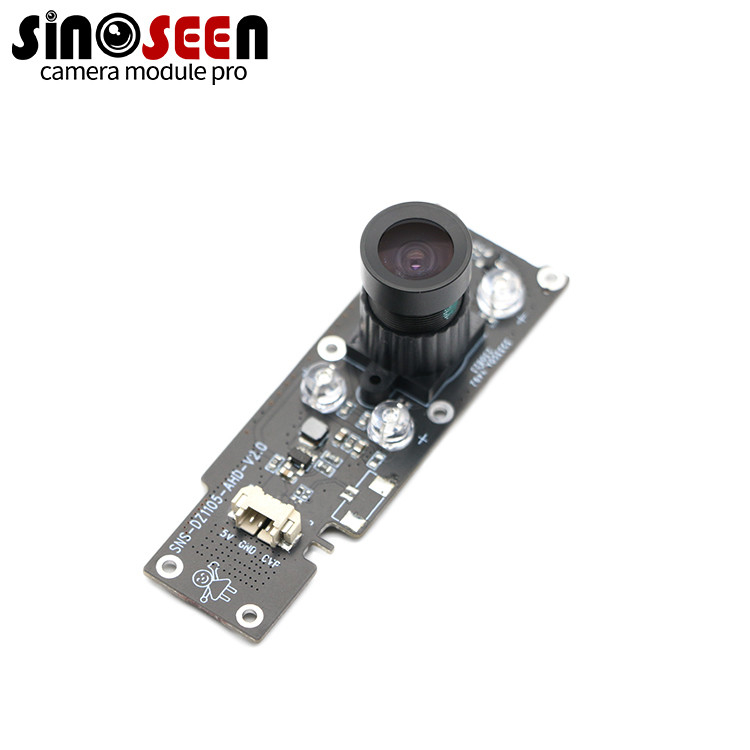
Effortless Integration with Universal USB Connectivity
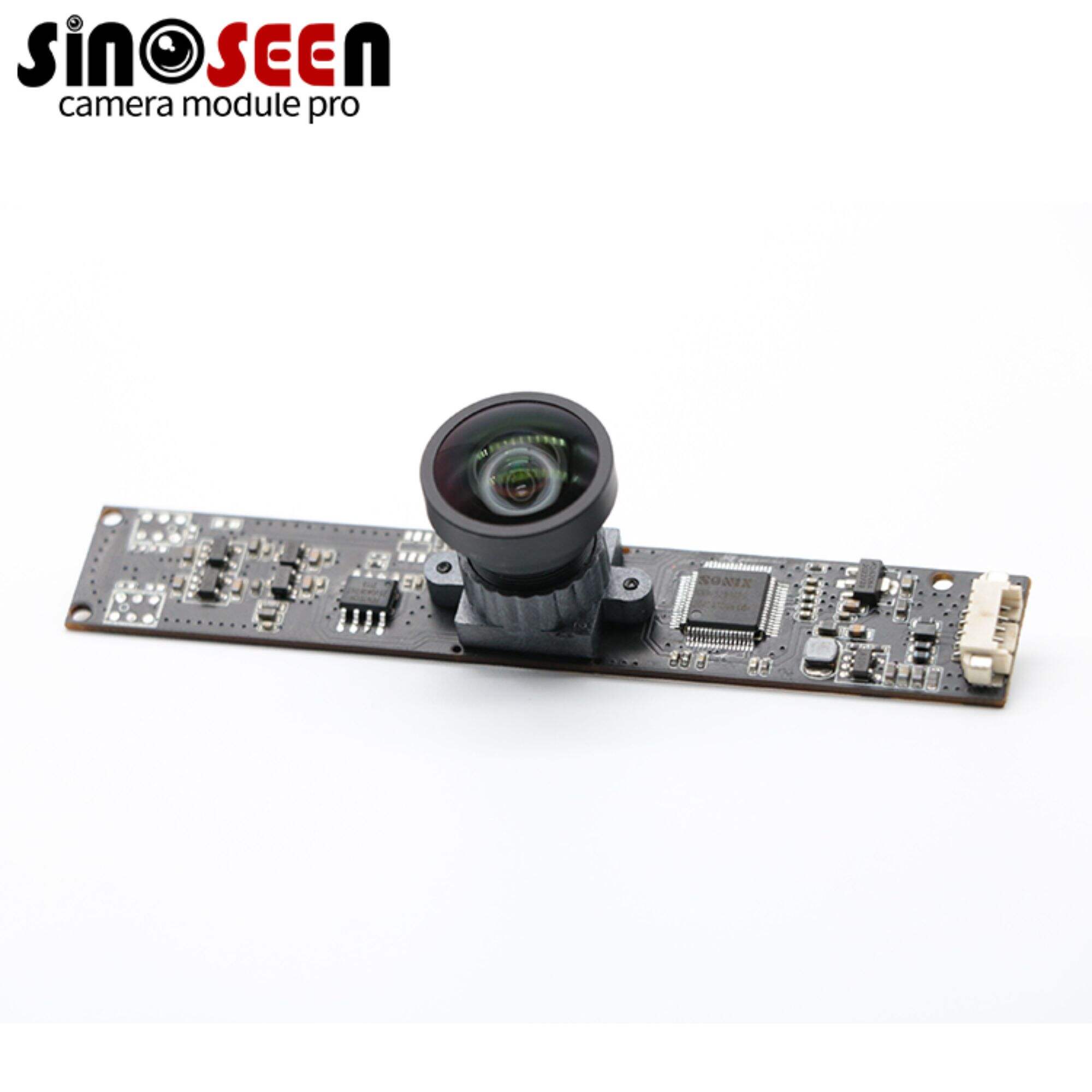
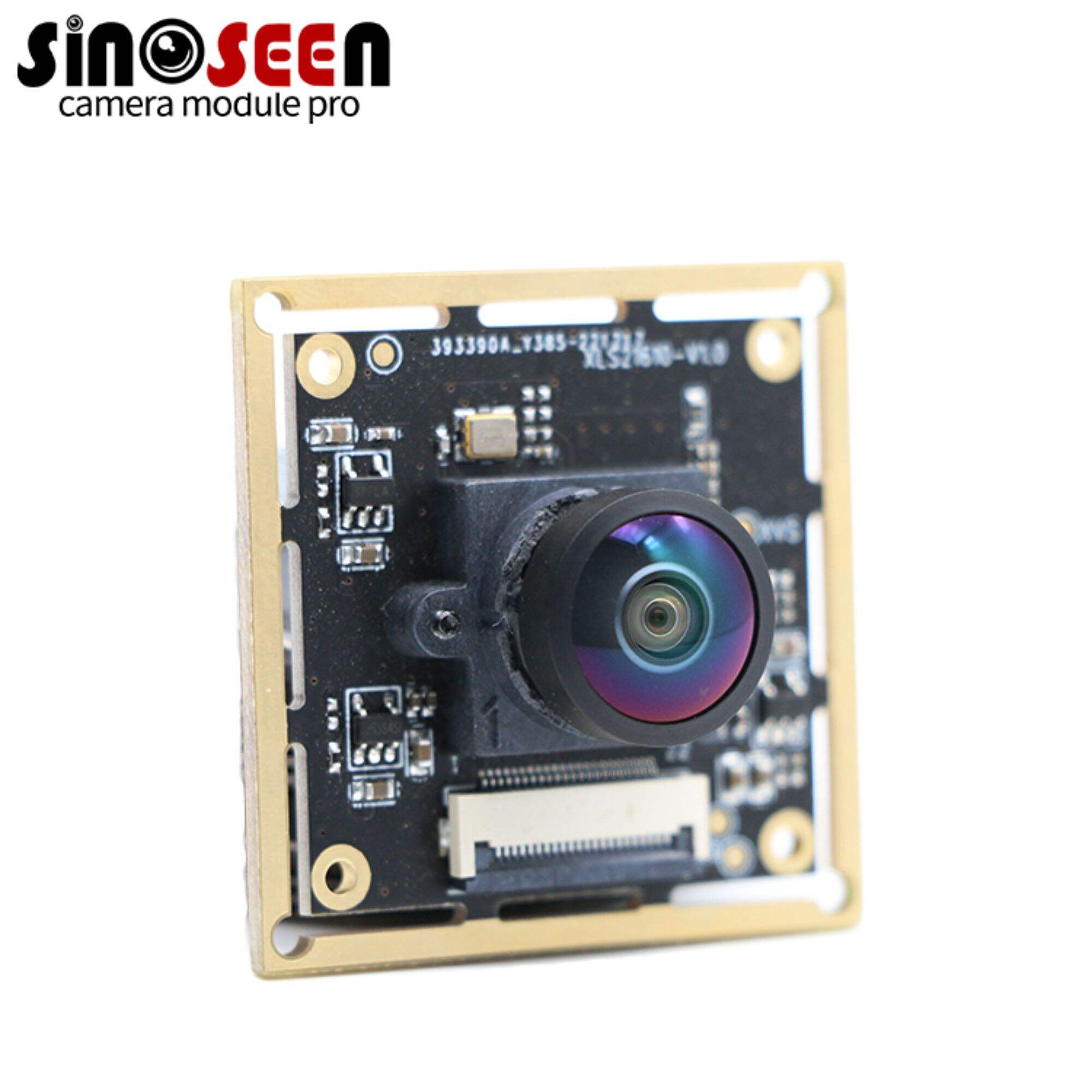
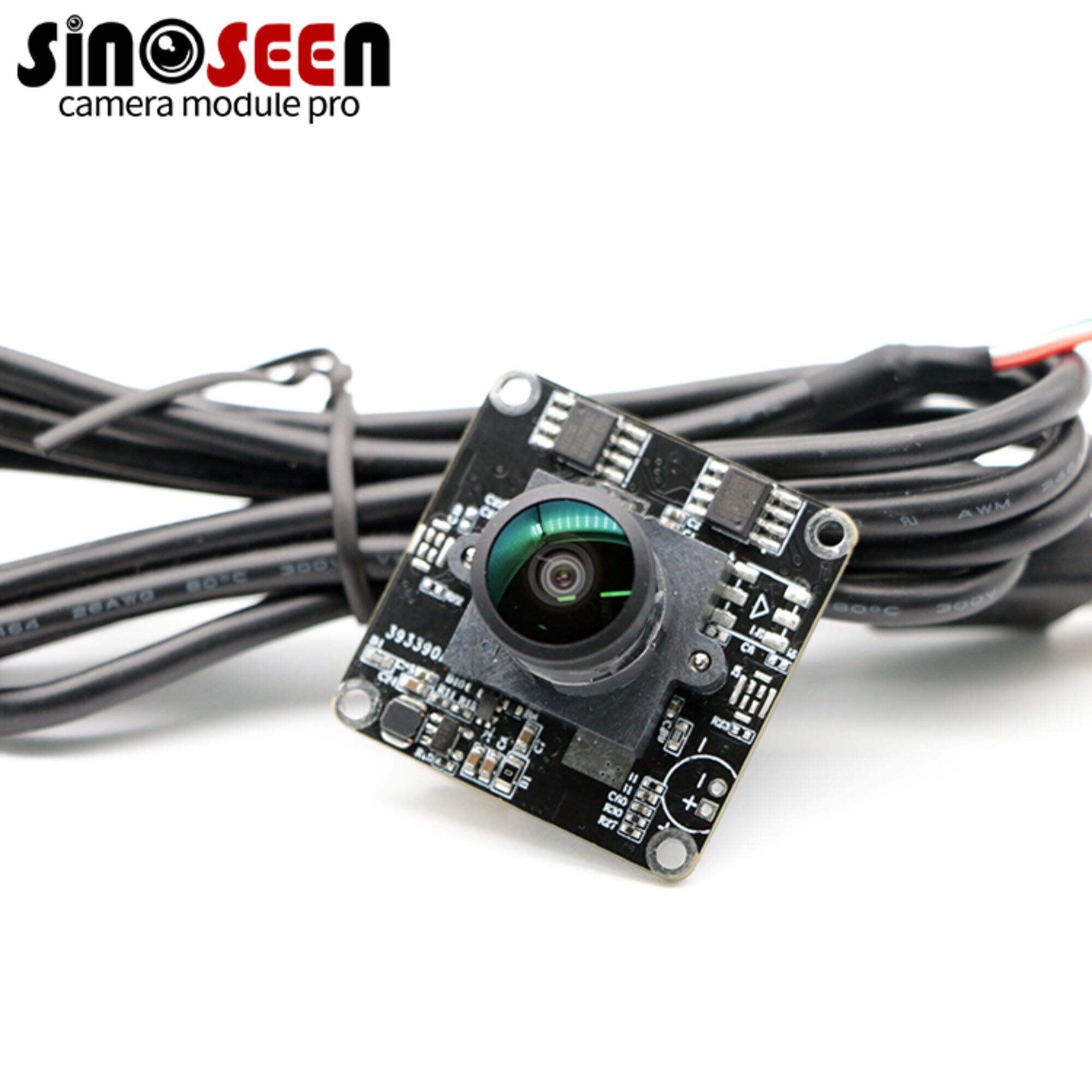
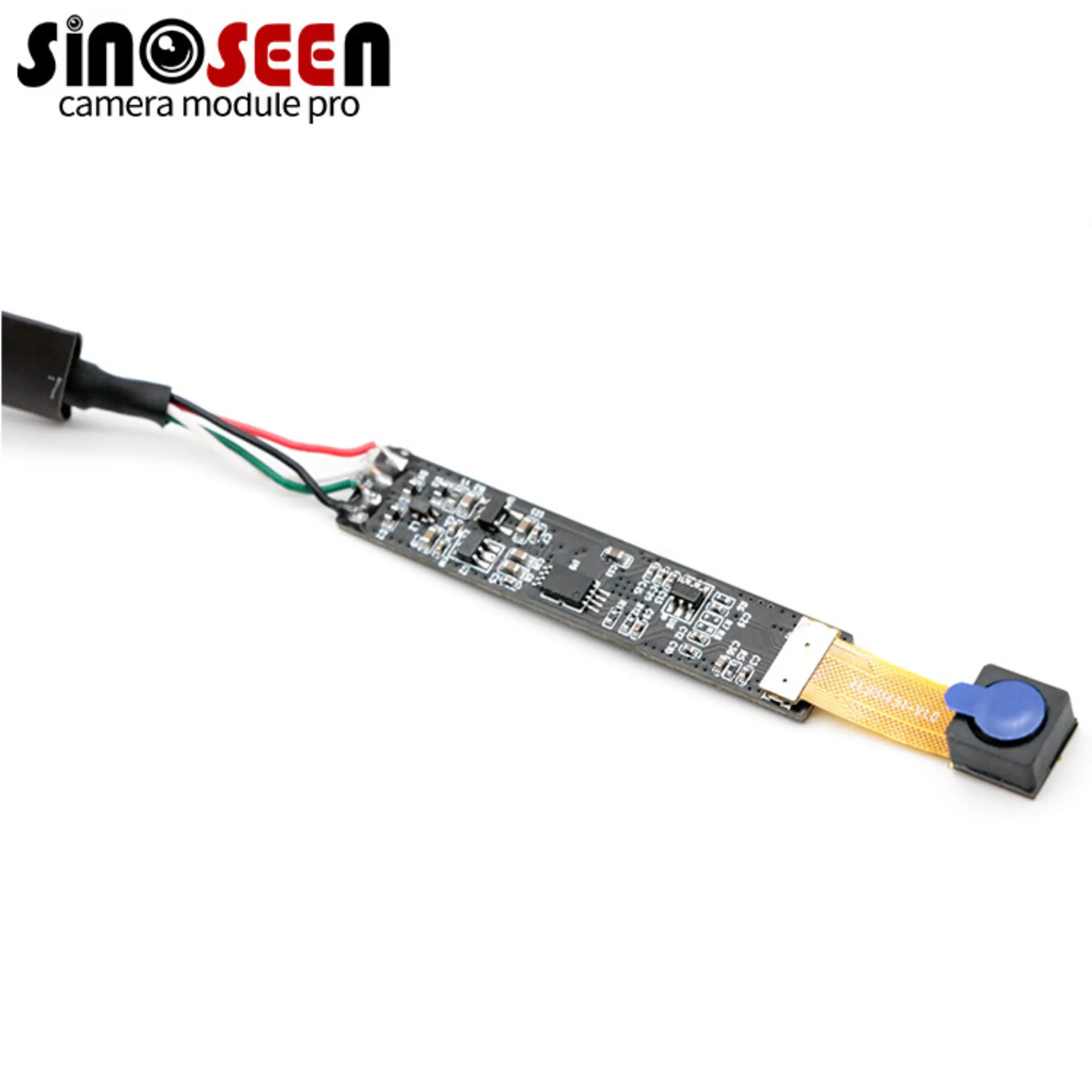
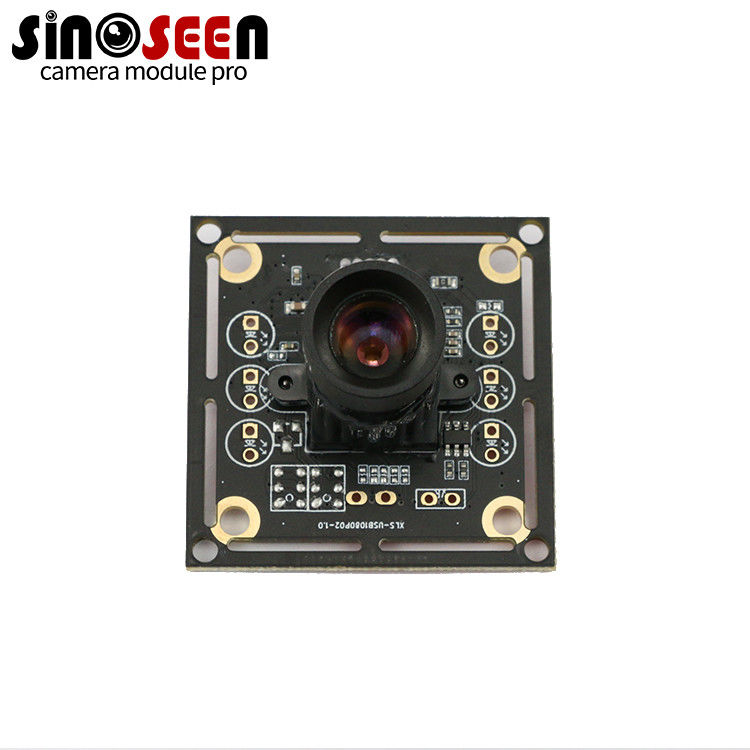
The USB night vision camera module transforms surveillance installation through its revolutionary plug-and-play design that eliminates traditional installation barriers and technical complexities. Unlike conventional security systems requiring specialized wiring, power adapters, and professional installation, this module connects directly to any standard USB port for immediate operation. The universal connectivity supports USB 2.0 and USB 3.0 standards, ensuring compatibility with virtually all modern computers, laptops, tablets, and dedicated recording systems. This standardized approach means users can deploy monitoring solutions within minutes rather than hours or days typically required for traditional camera installations. The single-cable solution carries both power and high-definition video signals, eliminating the need for separate power supplies, extension cords, or complex cable management systems. This streamlined connectivity reduces potential failure points while simplifying troubleshooting and maintenance procedures. The USB night vision camera module supports hot-swapping capabilities, allowing users to disconnect and reconnect devices without system restarts or configuration changes. Multi-platform compatibility extends across Windows, macOS, Linux, and Android systems, providing flexibility for diverse computing environments and user preferences. The standardized USB Video Class (UVC) protocol ensures automatic driver recognition on most operating systems, eliminating manual driver installation procedures that often create compatibility issues. Users can easily relocate the camera by simply unplugging and reconnecting to different USB ports or systems, making it ideal for temporary monitoring applications or flexible security arrangements. The connection stability remains robust even with extended cable runs up to 16 feet using standard USB cables, or longer distances with powered USB hubs and extension solutions. The module draws power efficiently through the USB connection, typically consuming less than 500mA, which falls within standard USB power specifications and ensures compatibility with laptops running on battery power. Advanced models support USB 3.0 SuperSpeed data transfer rates, enabling real-time streaming of high-resolution video without compression artifacts or latency issues that compromise monitoring effectiveness.

 EN
EN
 AR
AR
 DA
DA
 NL
NL
 FI
FI
 FR
FR
 DE
DE
 EL
EL
 HI
HI
 IT
IT
 JA
JA
 KO
KO
 NO
NO
 PL
PL
 PT
PT
 RO
RO
 RU
RU
 ES
ES
 SV
SV
 TL
TL
 IW
IW
 ID
ID
 SR
SR
 VI
VI
 HU
HU
 TH
TH
 TR
TR
 FA
FA
 MS
MS
 IS
IS
 AZ
AZ
 UR
UR
 BN
BN
 HA
HA
 LO
LO
 MR
MR
 MN
MN
 PA
PA
 MY
MY
 SD
SD