Innovative Camera Modules for Every Application | Sinoseen

All Categories

low light night vision camera module

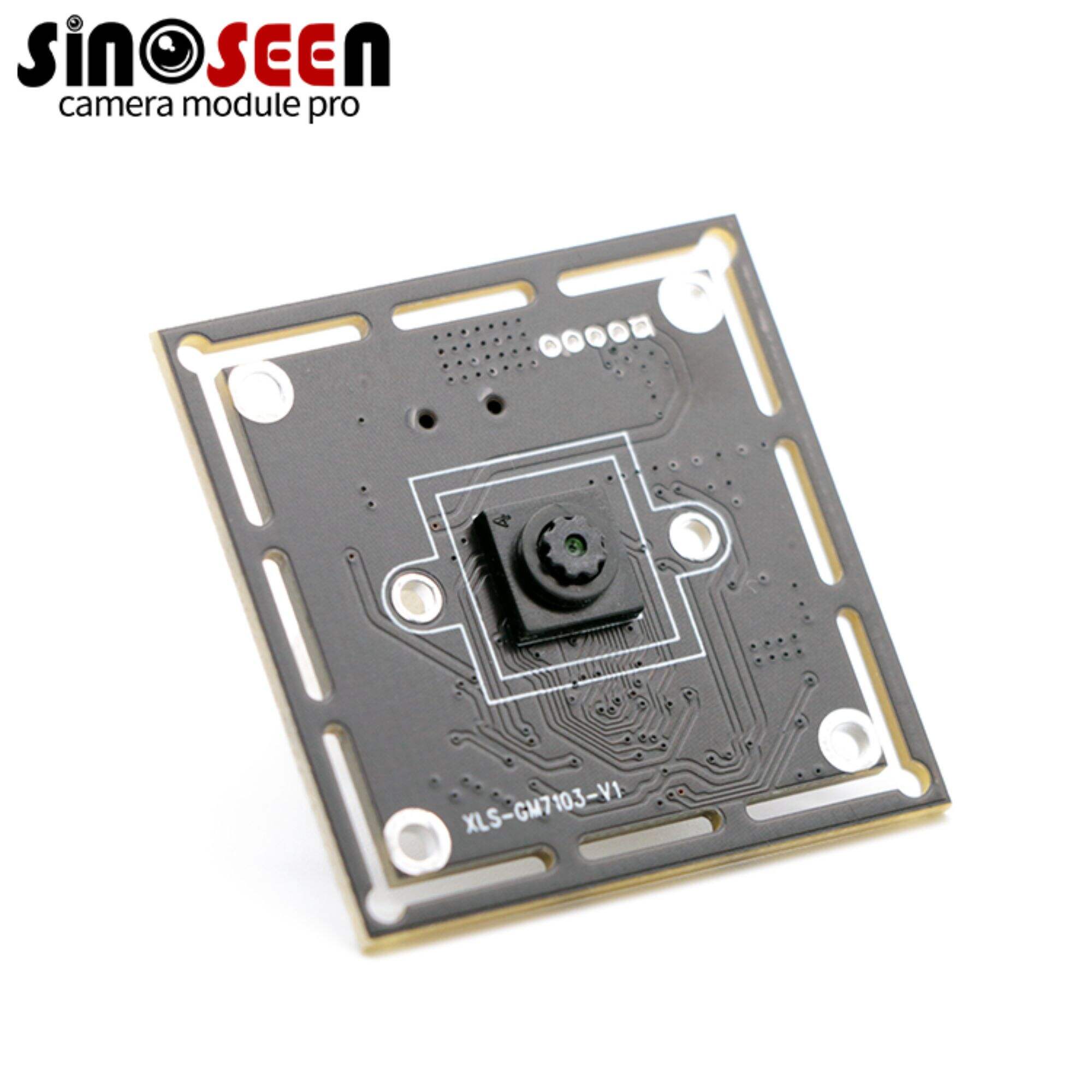
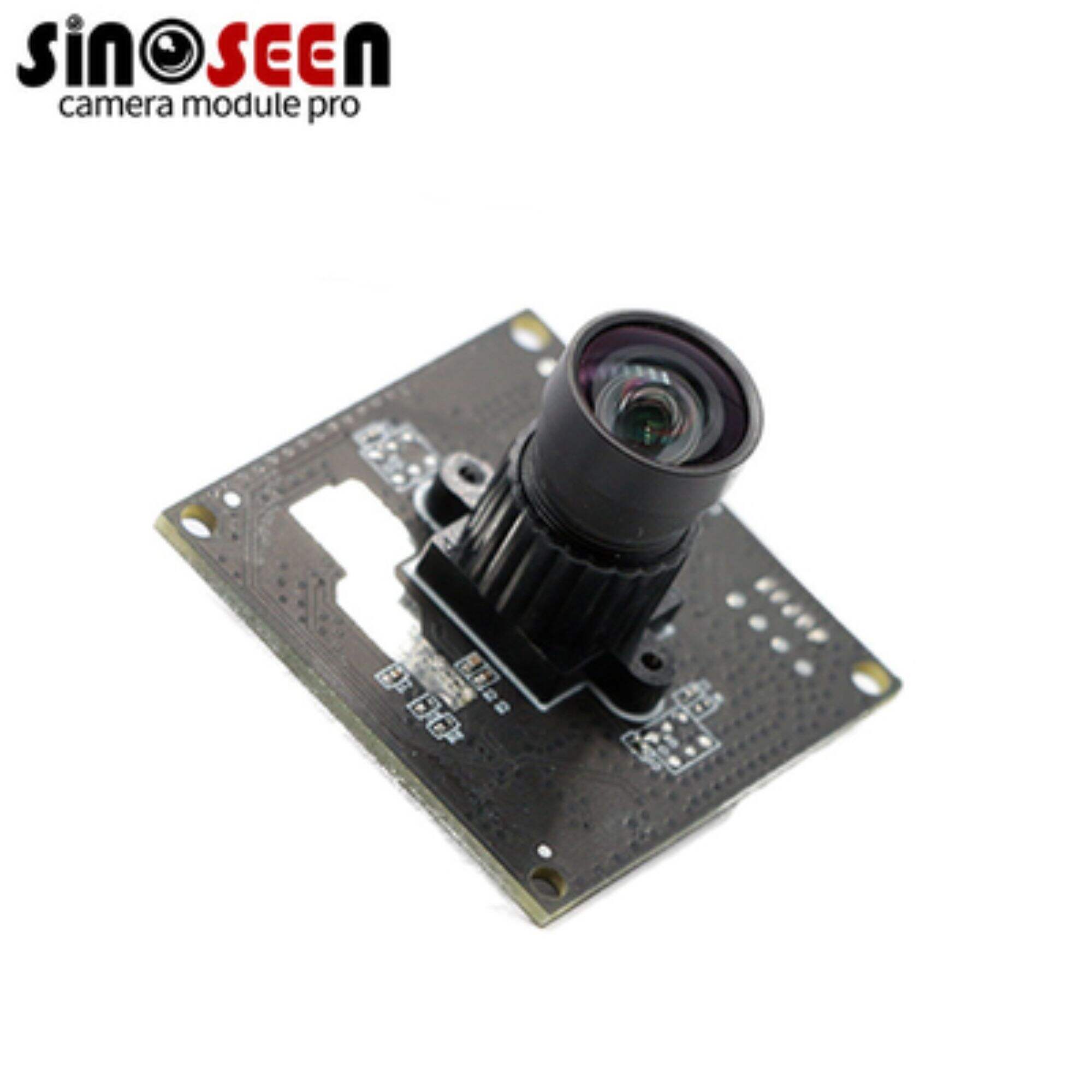
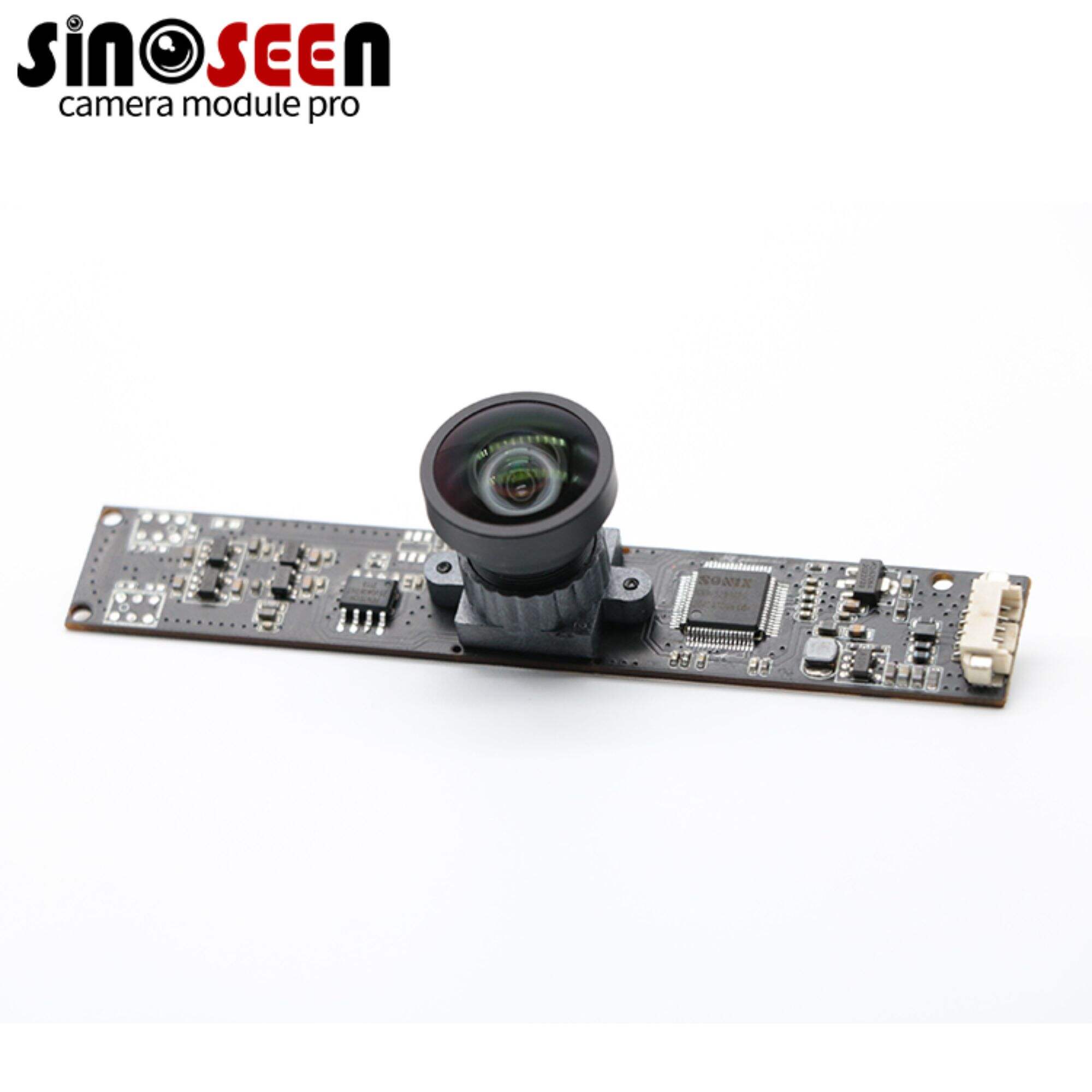
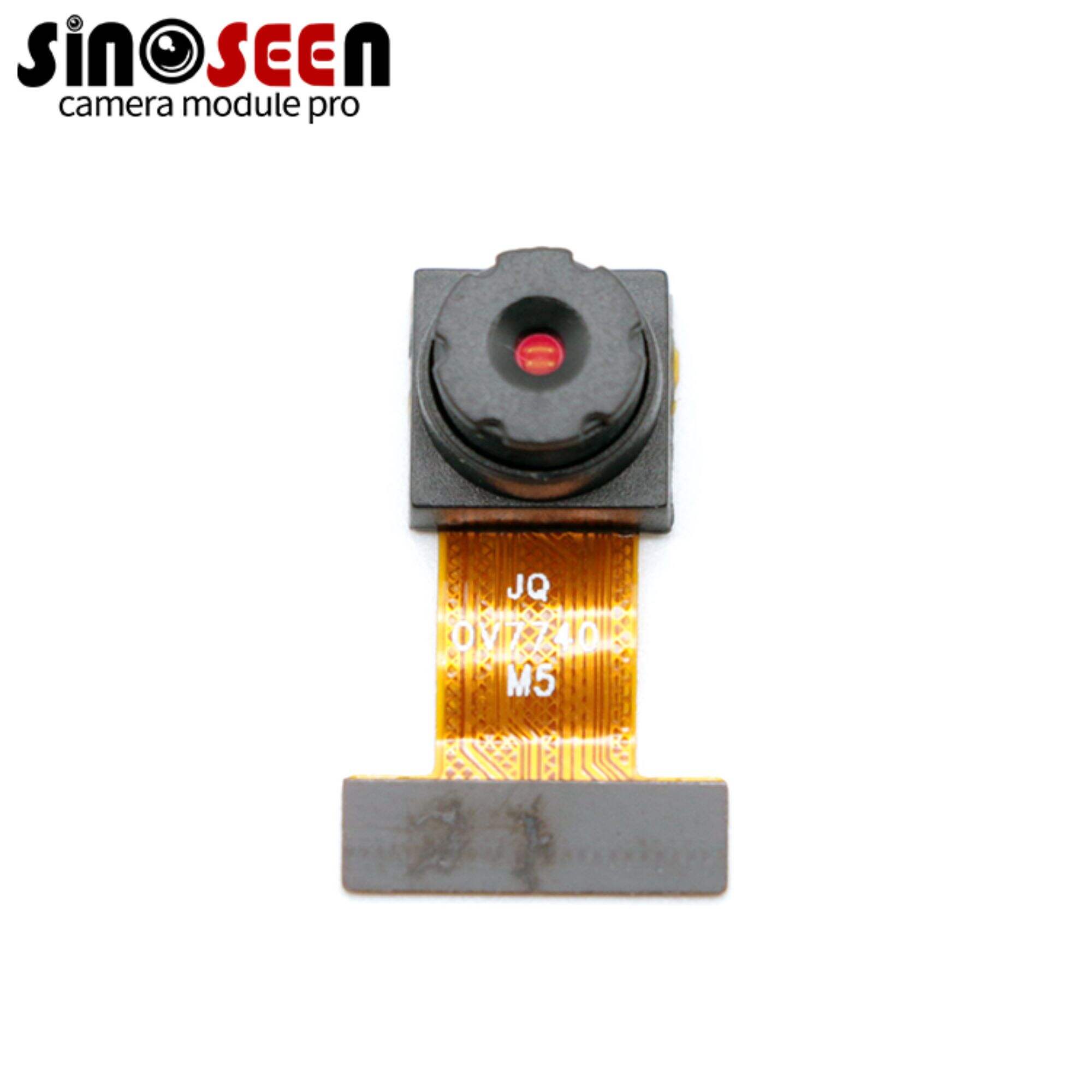
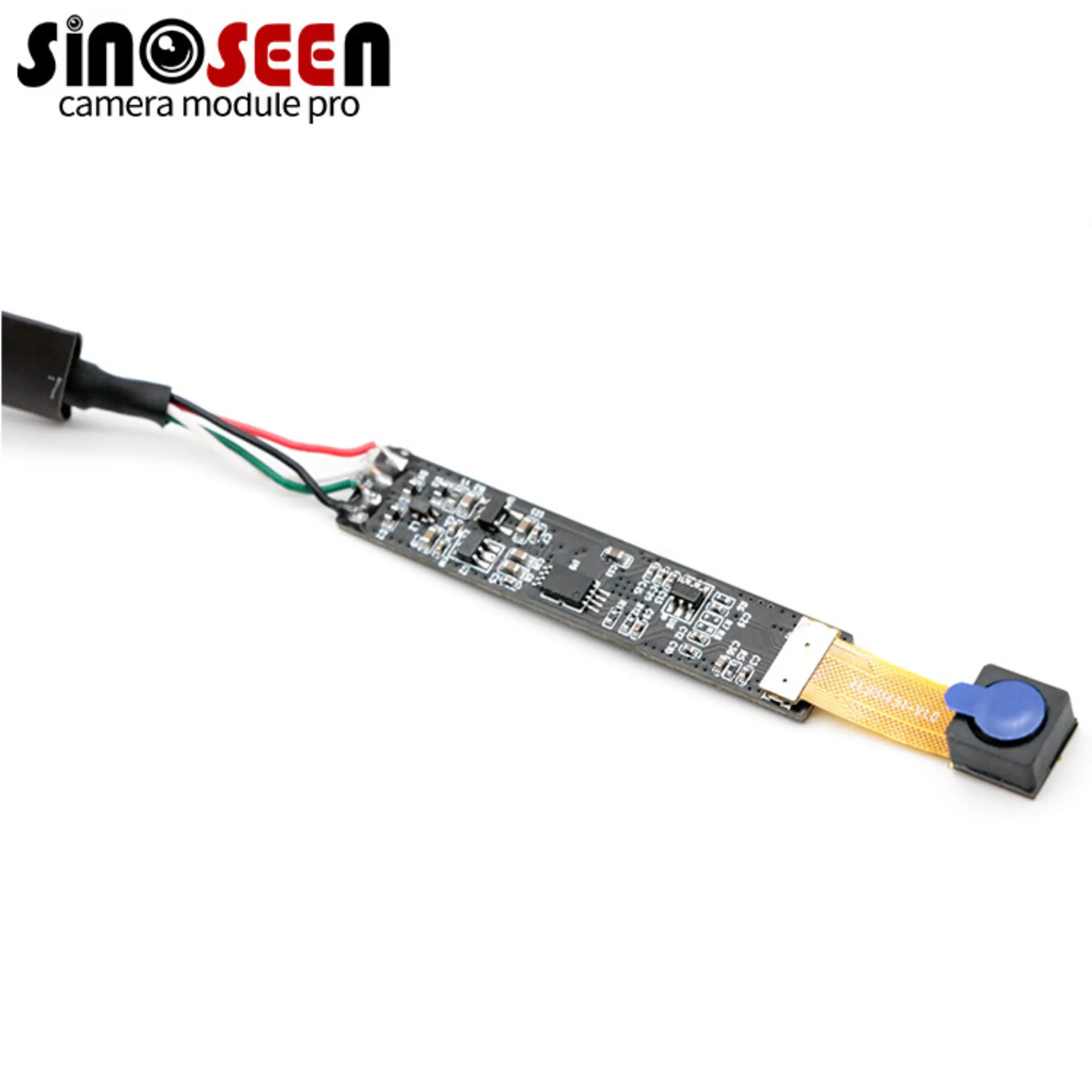
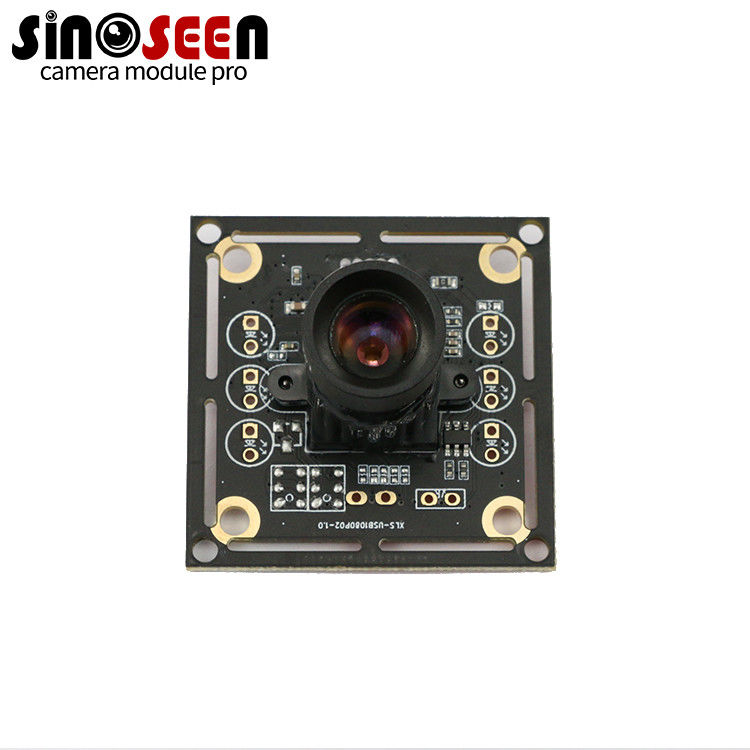
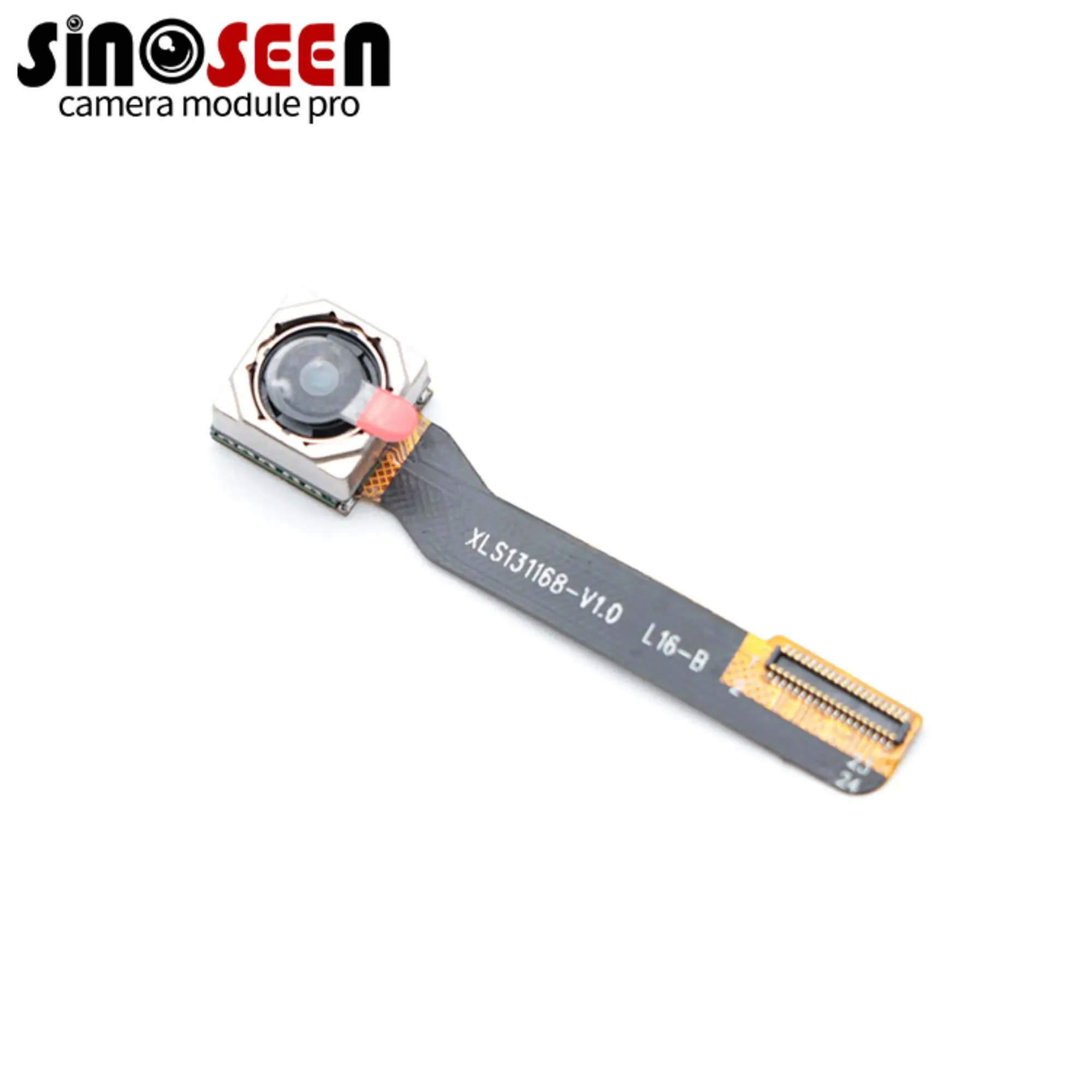
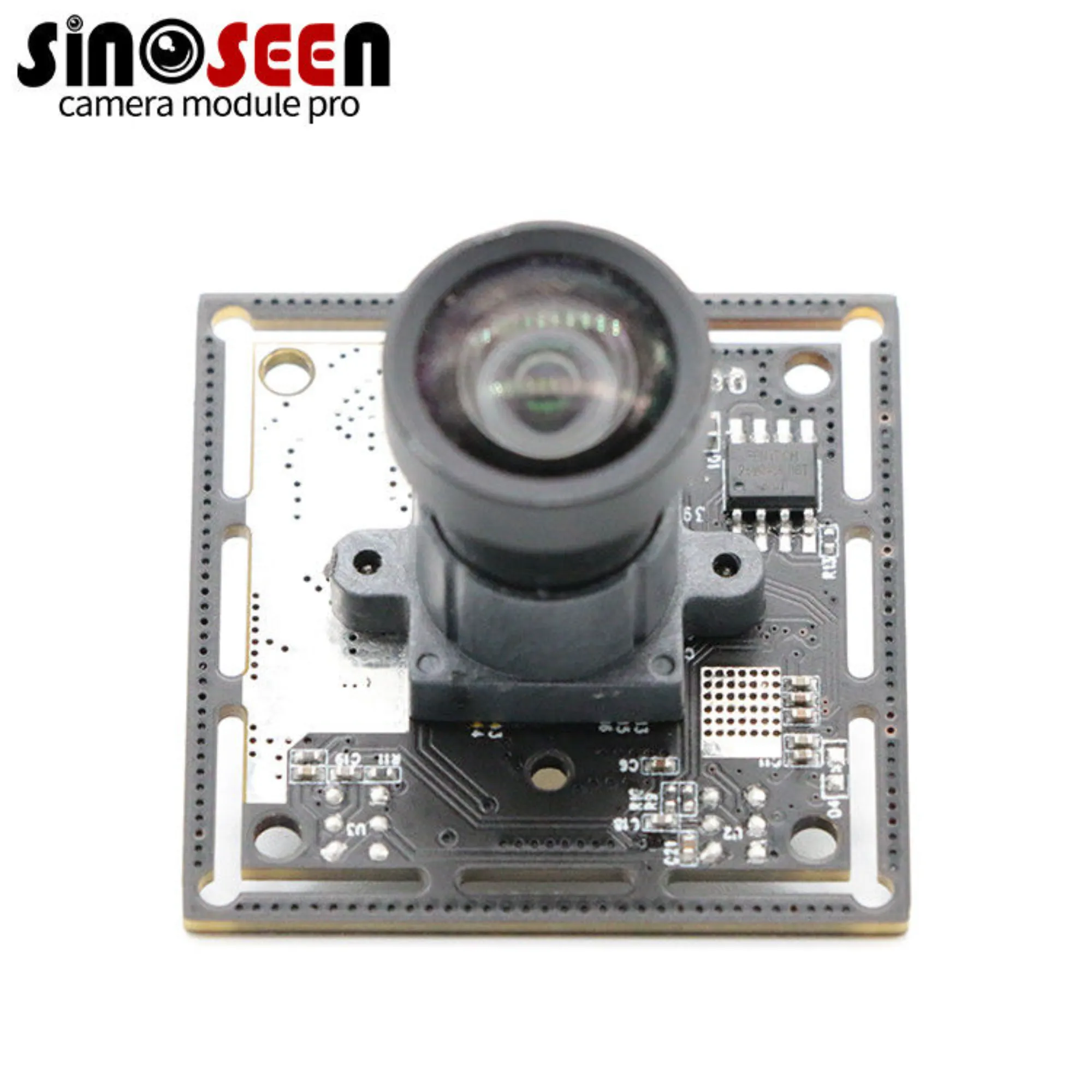
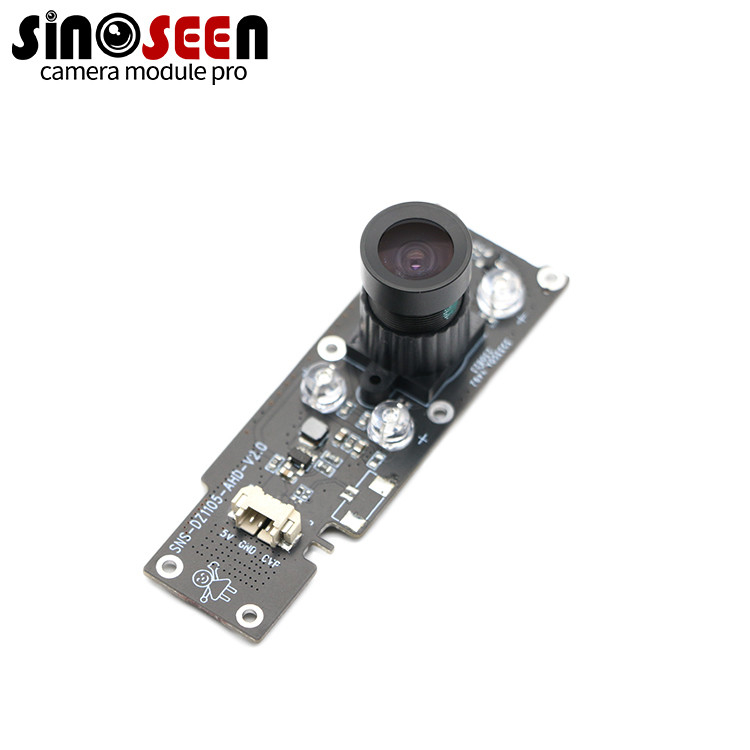
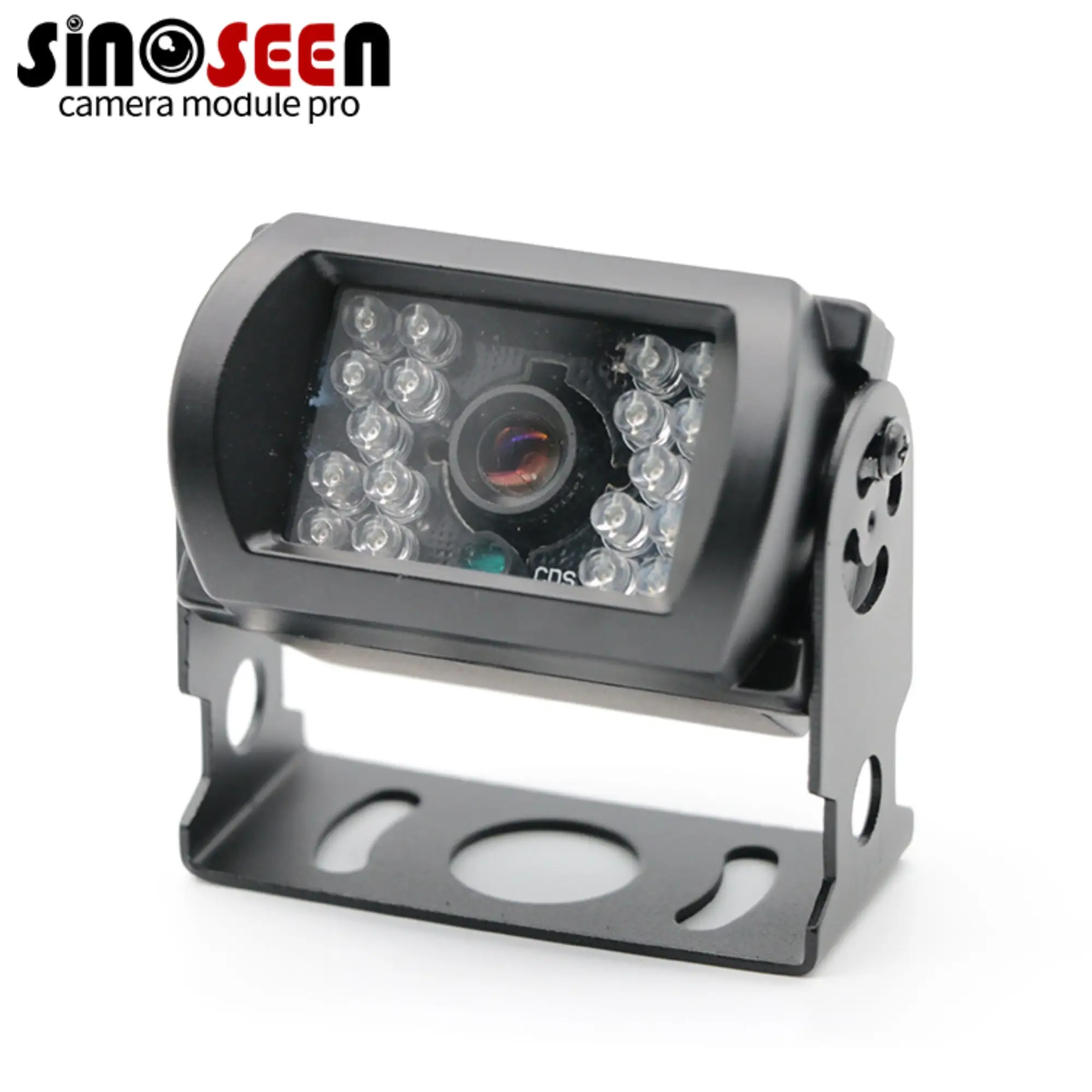
The low light night vision camera module represents a cutting-edge imaging solution designed to capture clear, detailed footage in challenging lighting conditions where traditional cameras fail. This advanced technology combines sophisticated image sensors with intelligent processing algorithms to deliver exceptional performance during nighttime operations and low-light environments. The primary function of this camera module centers on its ability to amplify available light sources, including ambient starlight, moonlight, and minimal artificial illumination, transforming barely visible scenes into crisp, usable imagery. The low light night vision camera module incorporates high-sensitivity CMOS sensors that detect photons more efficiently than standard imaging devices, enabling operators to monitor areas that would otherwise remain invisible to the naked eye. Key technological features include advanced noise reduction capabilities that eliminate graininess commonly associated with night vision equipment, ensuring professional-quality output even in extreme darkness. The module supports multiple resolution options, allowing users to balance image quality with storage requirements based on specific operational needs. Real-time processing capabilities enable immediate viewing and recording, while built-in infrared illumination extends the effective range beyond natural light sources. Applications for the low light night vision camera module span numerous industries and use cases, from residential and commercial security systems to wildlife monitoring and research projects. Law enforcement agencies rely on these modules for surveillance operations, perimeter monitoring, and evidence collection in low-visibility conditions. Military applications include reconnaissance missions, border patrol activities, and tactical operations where stealth and visibility are paramount. The automotive industry integrates these modules into advanced driver assistance systems and autonomous vehicle platforms to enhance safety during nighttime driving. Scientific research facilities utilize the technology for behavioral studies of nocturnal animals and environmental monitoring programs. The compact form factor and versatile mounting options make the low light night vision camera module suitable for both permanent installations and portable deployment scenarios.

New Product Recommendations

The low light night vision camera module delivers remarkable benefits that transform security and surveillance capabilities across various environments and applications. Users experience dramatically improved visibility in darkness, allowing them to monitor areas that would otherwise remain completely obscured from view. This enhanced visibility translates directly into better security outcomes, as potential threats and unusual activities become clearly detectable even in the absence of adequate lighting. The module reduces the need for external lighting infrastructure, eliminating the costs associated with installing and maintaining powerful floodlights or illumination systems that might compromise stealth operations or disturb wildlife in sensitive areas. Energy efficiency represents another significant advantage, as the low light night vision camera module consumes substantially less power than traditional security lighting solutions while providing superior monitoring capabilities. This reduced power consumption extends battery life in remote installations and decreases operational costs over time. The advanced image processing technology built into these modules produces remarkably clear footage with minimal noise and distortion, ensuring that recorded evidence maintains legal admissibility and investigative value. Users appreciate the plug-and-play installation process that requires minimal technical expertise, allowing for rapid deployment in urgent situations or temporary monitoring applications. The weatherproof construction ensures reliable operation in harsh environmental conditions, from extreme temperatures to heavy precipitation, making the low light night vision camera module suitable for year-round outdoor use. Versatile connectivity options enable seamless integration with existing security systems and network infrastructure, allowing operators to incorporate these modules into comprehensive surveillance solutions without extensive system overhauls. The compact design facilitates discreet installation in locations where larger cameras would be impractical or conspicuous, enhancing security effectiveness while maintaining aesthetic considerations. Real-time monitoring capabilities allow security personnel to respond immediately to incidents, potentially preventing crimes or minimizing damage from security breaches. The module's ability to operate effectively without visible light sources provides tactical advantages for covert operations and wildlife observation where artificial illumination would interfere with natural behaviors or alert potential subjects to surveillance activities.

Latest News

Why Choose a High-Performance Embedded Camera Module for AI Applications?

02

Mar

Why Choose a High-Performance Embedded Camera Module for AI Applications?

Artificial intelligence applications demand precision, speed, and reliability in their visual data acquisition systems. An embedded camera module serves as the critical foundation for AI-powered devices, from autonomous vehicles to smart manufacturin...
View More
How to Optimize Low-Light Performance in Custom Camera Module Designs?

02

Mar

How to Optimize Low-Light Performance in Custom Camera Module Designs?

Custom camera module designs face unique challenges when operating in environments with minimal illumination, making low-light performance optimization a critical engineering consideration. Modern applications ranging from security surveillance to au...
View More
How to Integrate a Small Camera Module into Compact Medical Devices?

02

Mar

How to Integrate a Small Camera Module into Compact Medical Devices?

Medical device miniaturization continues to revolutionize healthcare, enabling less invasive procedures and improved patient outcomes. When designing compact medical equipment, integrating a small camera module requires careful consideration of space...
View More
Why do Robotics Manufacturers Prefer High-Speed AI Camera Modules?

02

Mar

Why do Robotics Manufacturers Prefer High-Speed AI Camera Modules?

The robotics industry has experienced unprecedented growth in recent years, with manufacturers increasingly demanding sophisticated vision systems that can process visual data at lightning speed. High-speed AI camera modules have emerged as the corne...
View More

Get In Touch

low light night vision camera module

Revolutionary Low-Light Performance Technology

Revolutionary Low-Light Performance Technology

The low light night vision camera module incorporates breakthrough sensor technology that fundamentally changes how surveillance systems operate in challenging lighting conditions. At the core of this innovation lies an ultra-sensitive CMOS image sensor specifically engineered to detect and amplify minimal light sources that would be imperceptible to conventional cameras. This sensor technology achieves sensitivity levels that exceed traditional security cameras by factors of 100 to 1000, enabling clear image capture in environments with illumination levels as low as 0.01 lux. The sophisticated light amplification process works by collecting available photons from sources such as starlight, distant streetlights, or even reflected moonlight, then processing these weak signals through advanced algorithms that enhance brightness and contrast while maintaining image integrity. This technological breakthrough eliminates the grainy, unclear footage typically associated with night vision equipment, instead delivering sharp, detailed images that rival daylight photography quality. The low light night vision camera module achieves this performance through a combination of larger pixel architecture that captures more light per sensor element, advanced analog-to-digital conversion that preserves subtle tonal variations, and intelligent noise reduction algorithms that distinguish between genuine image data and electronic interference. This technology proves invaluable for security applications where traditional infrared illumination might compromise covert operations or where installing additional lighting would be impractical or prohibited. Wildlife researchers particularly benefit from this capability, as they can observe and document nocturnal animal behaviors without disturbing natural patterns through artificial illumination. The enhanced sensitivity also extends the effective monitoring range significantly, allowing a single camera module to cover larger areas than conventional security cameras, thereby reducing the total number of devices required for comprehensive coverage and lowering overall system costs.
Intelligent Image Processing and Enhancement

Intelligent Image Processing and Enhancement

The low light night vision camera module features sophisticated image processing capabilities that automatically optimize footage quality in real-time, regardless of changing environmental conditions. This intelligent processing system continuously analyzes incoming image data to apply appropriate enhancement algorithms that maximize visibility while preserving natural color representation and detail accuracy. The system employs advanced noise suppression technology that distinguishes between legitimate image information and electronic interference, effectively eliminating the grainy appearance common in low-light footage while maintaining fine detail resolution. Dynamic range optimization ensures that both dark shadows and bright highlights remain visible within the same frame, preventing the loss of critical information that occurs when conventional cameras struggle with high contrast scenes. The processing algorithms adapt automatically to different lighting scenarios, seamlessly transitioning between various enhancement modes as ambient conditions change throughout the night. Color accuracy remains remarkably consistent even in minimal lighting, allowing operators to distinguish between different objects and subjects with greater precision than traditional monochrome night vision systems. The low light night vision camera module incorporates motion-adaptive processing that applies different enhancement strategies for static scenes versus areas with movement, ensuring optimal clarity for both surveillance monitoring and motion detection applications. Edge enhancement algorithms sharpen important details such as facial features, license plates, and other identifying characteristics that prove crucial for security and investigative purposes. The intelligent processing extends to bandwidth optimization, compressing video data efficiently while preserving essential visual information, enabling reliable streaming and recording over network connections with limited capacity. These processing capabilities operate in real-time with minimal latency, ensuring that live monitoring remains effective for immediate response scenarios. The system also includes adaptive exposure control that automatically adjusts sensor sensitivity based on available light levels, preventing oversaturation when sudden illumination appears while maintaining visibility in darker areas of the surveillance zone.
Versatile Integration and Deployment Options

Versatile Integration and Deployment Options

The low light night vision camera module offers exceptional flexibility in installation and integration scenarios, making it suitable for diverse applications ranging from permanent security installations to temporary monitoring deployments. The compact, lightweight design facilitates mounting in confined spaces where traditional security cameras cannot fit, opening new possibilities for comprehensive surveillance coverage in challenging architectural environments. Standard mounting interfaces ensure compatibility with existing camera brackets and positioning systems, allowing users to upgrade their current surveillance infrastructure without requiring specialized installation hardware or extensive modifications. The module supports multiple connectivity options including Ethernet, Wi-Fi, and cellular communications, enabling deployment in remote locations where traditional wired connections are impractical or impossible. Power requirements remain minimal compared to conventional security lighting systems, allowing operation from battery power, solar panels, or low-capacity electrical supplies that would be insufficient for illuminated surveillance solutions. The weatherproof construction meets industrial standards for outdoor operation, withstanding temperature extremes, moisture exposure, and dust infiltration that would damage conventional electronic equipment. Integration with existing security management systems occurs seamlessly through standard protocols and interfaces, allowing operators to incorporate the low light night vision camera module into comprehensive security platforms without software modifications or system overhauls. The module supports various resolution and frame rate configurations, enabling optimization for specific bandwidth limitations, storage requirements, and monitoring objectives. Remote configuration capabilities allow system administrators to adjust camera settings, update firmware, and modify operational parameters without physical access to the installation location. This flexibility proves particularly valuable for installations in hazardous environments, high-security areas, or geographically remote locations where maintenance visits are costly or logistically challenging. The modular design philosophy enables scalable deployments where additional camera modules can be added incrementally as security requirements evolve or coverage areas expand. Professional installation services often appreciate the straightforward setup process that reduces deployment time and minimizes the specialized knowledge required for optimal system configuration, ultimately lowering total cost of ownership for end users.

Related Search

Get in touch