Innovative Camera Modules for Every Application | Sinoseen

All Categories

usb cam module

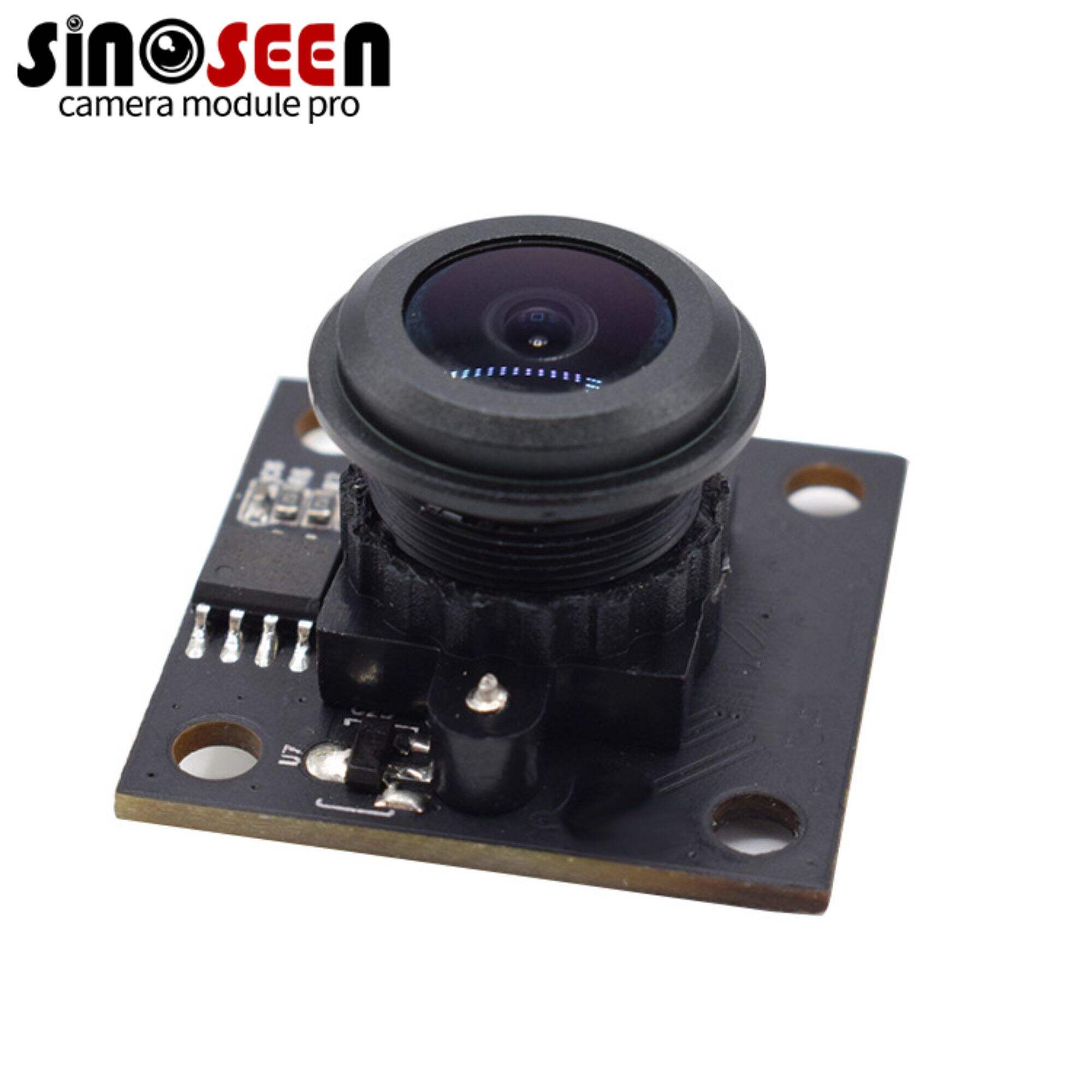
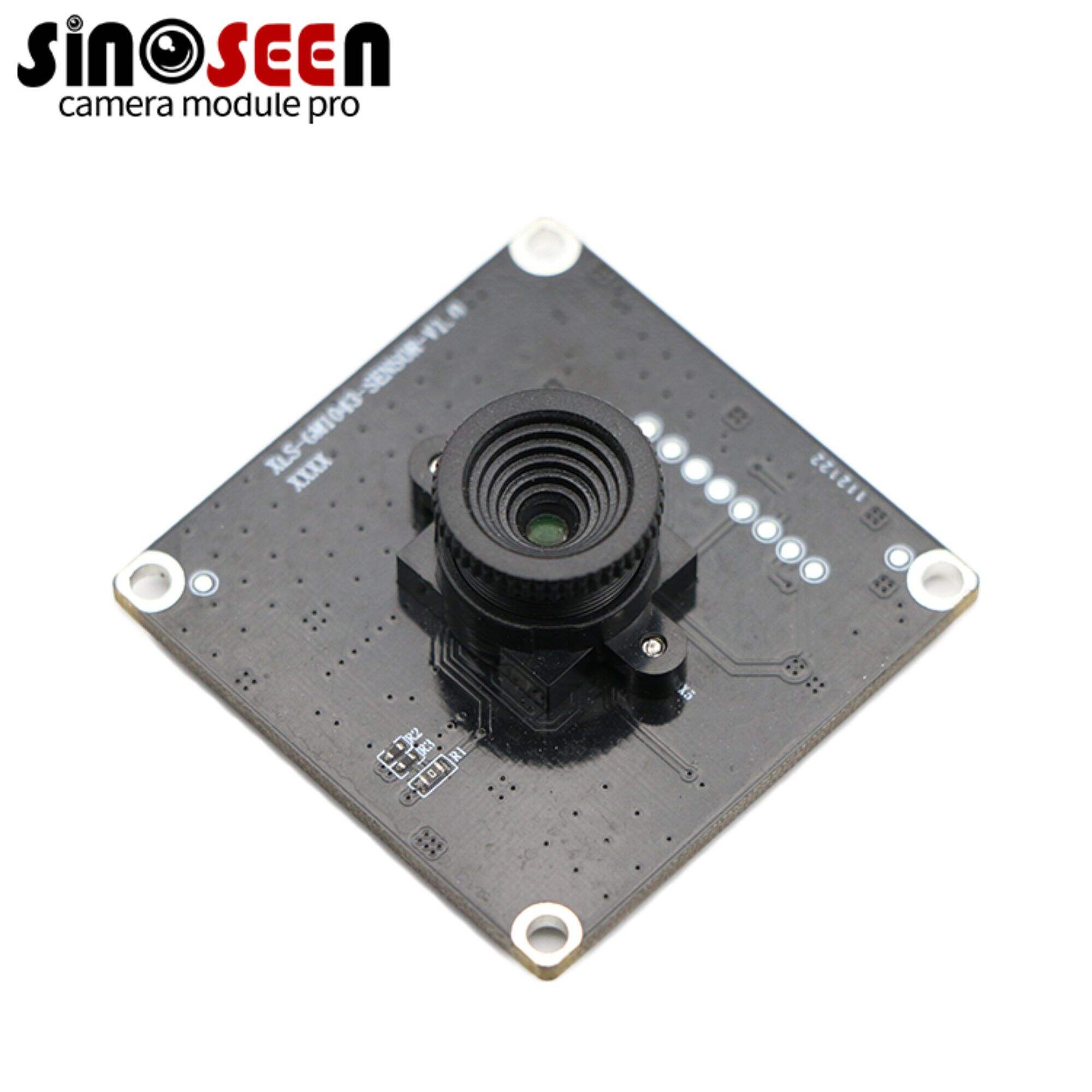
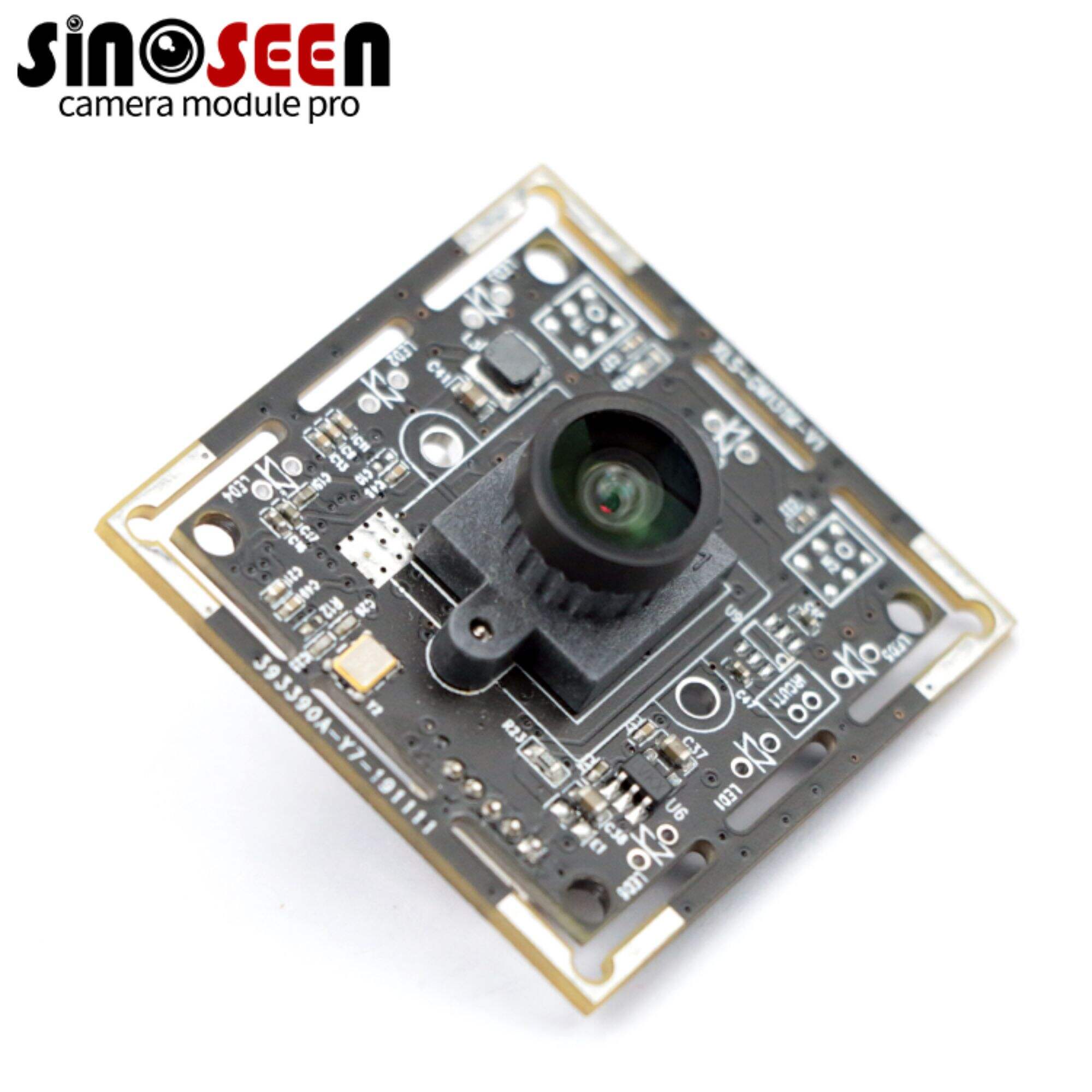
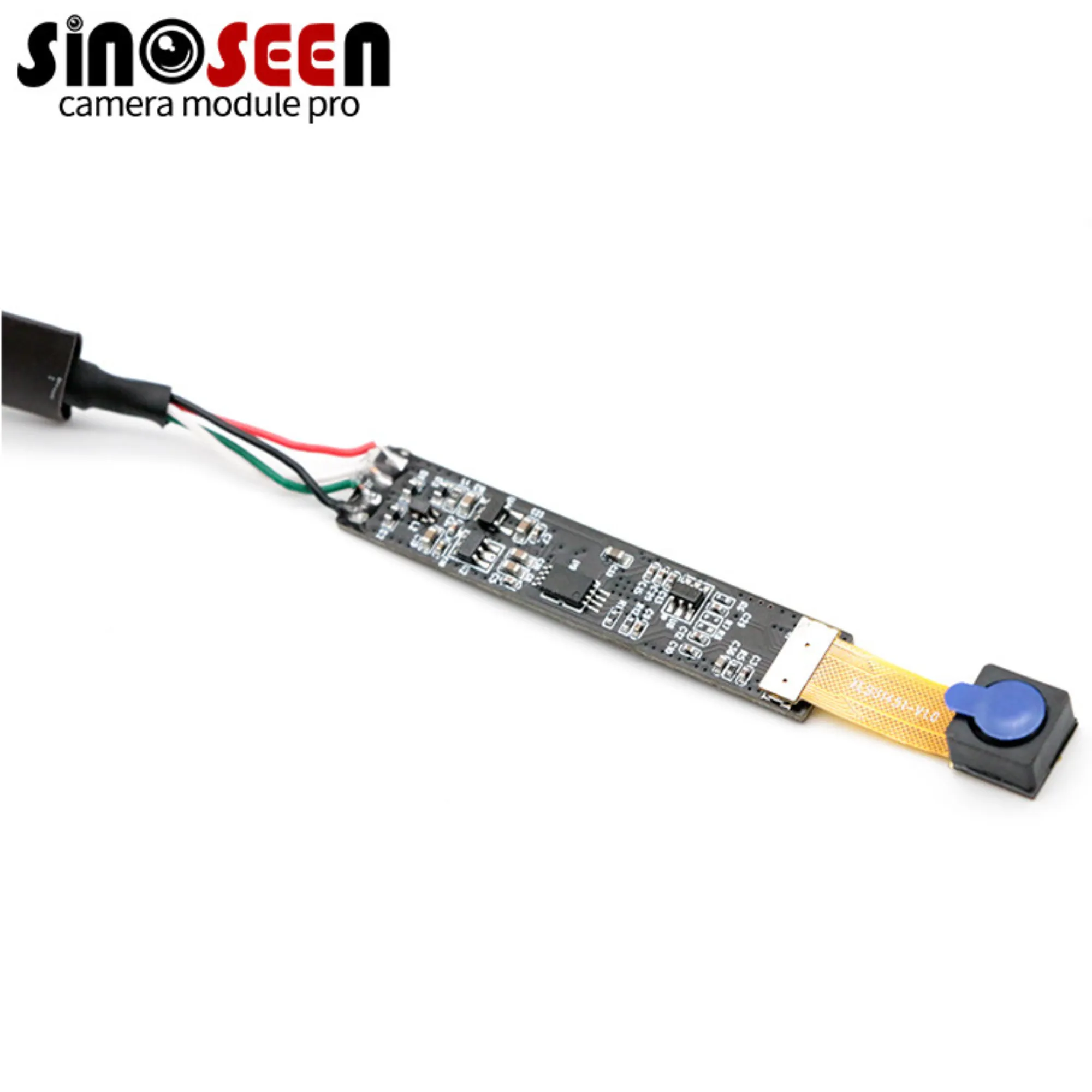
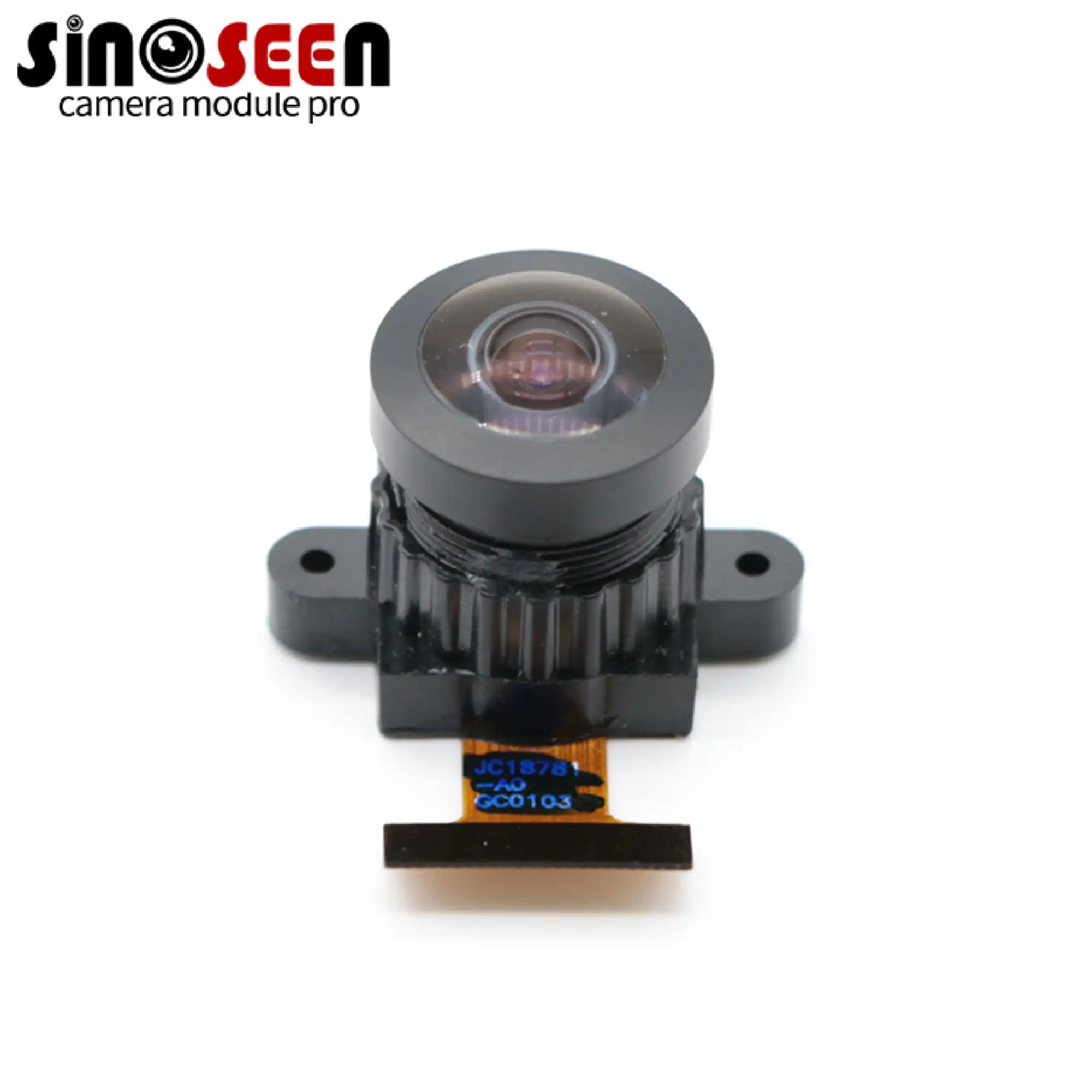
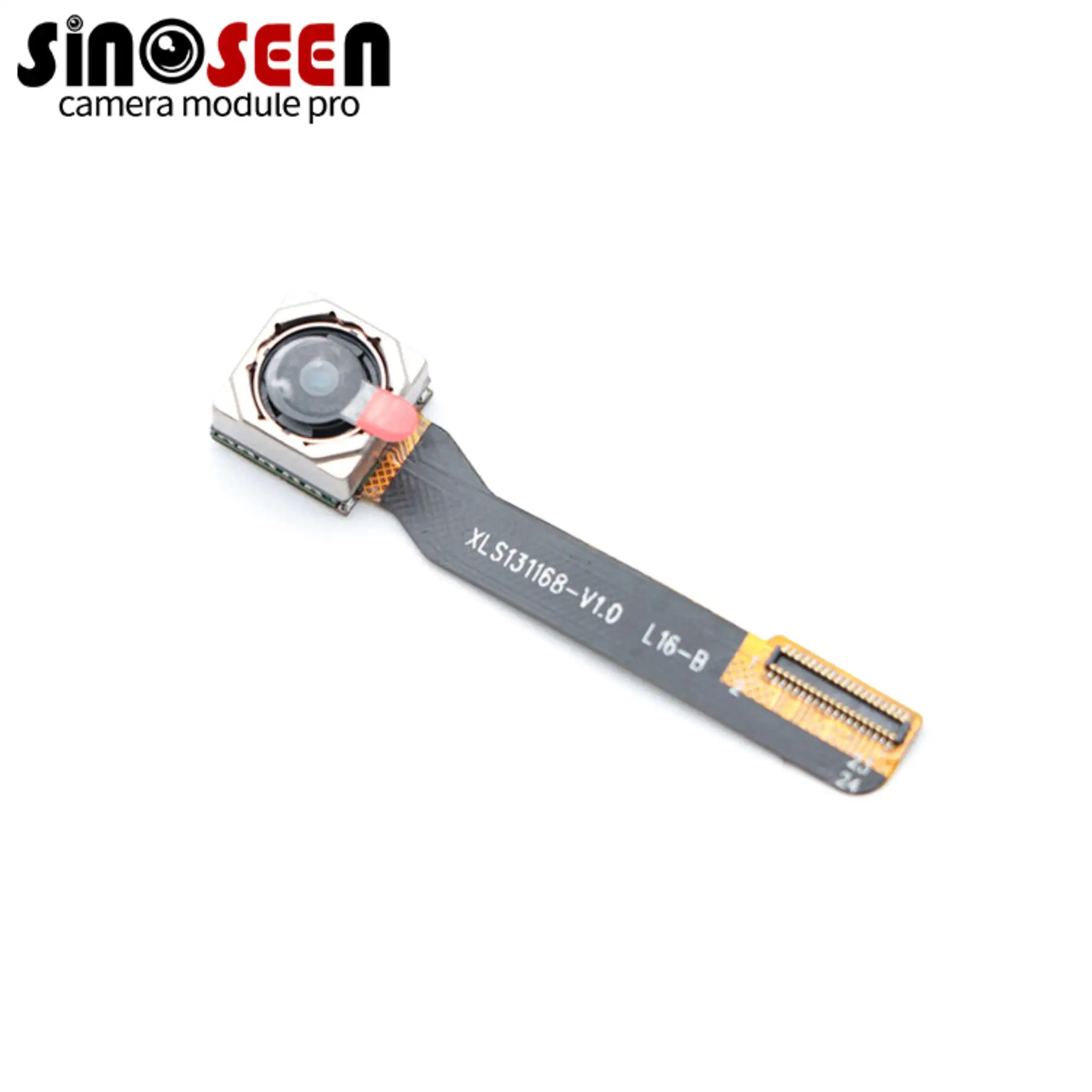
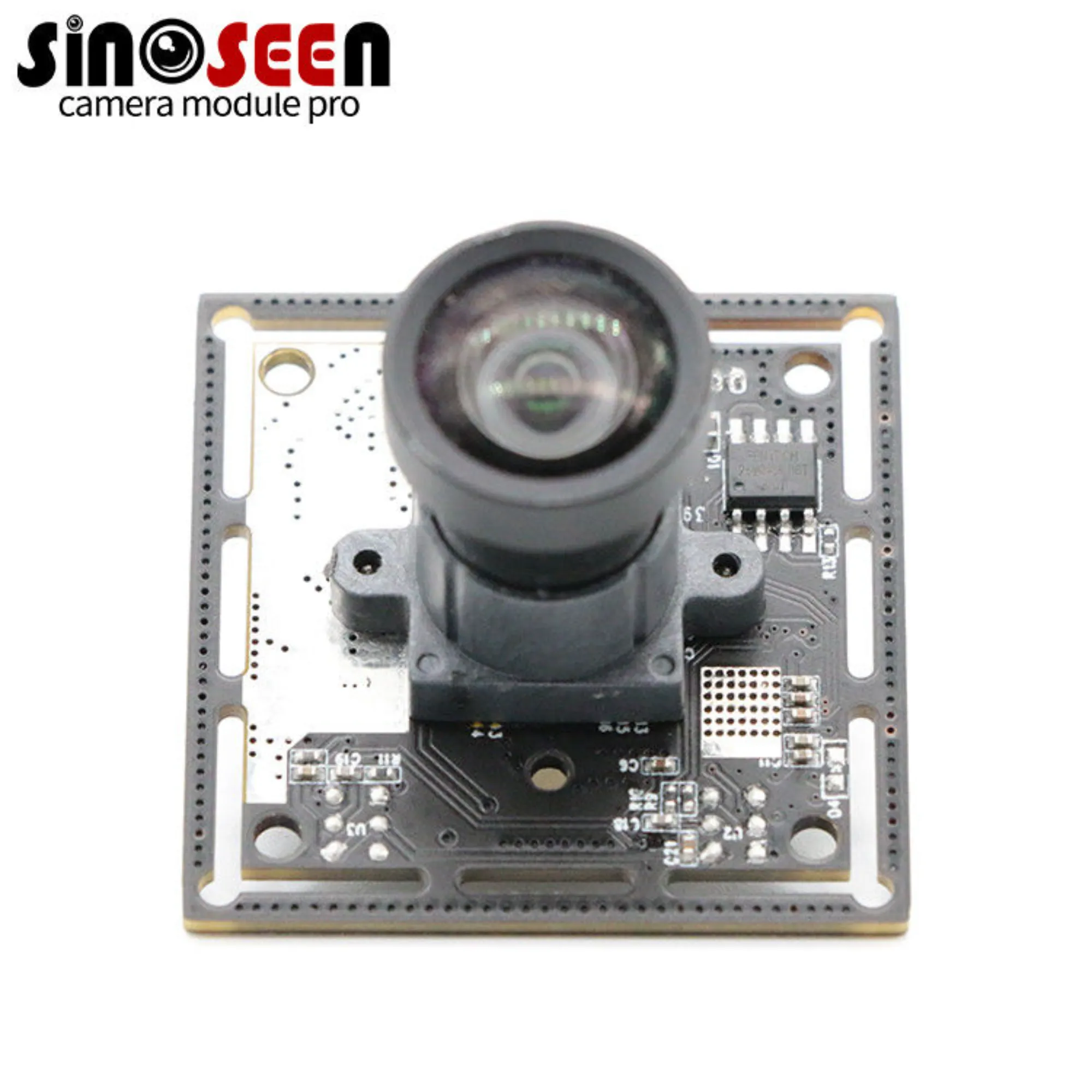
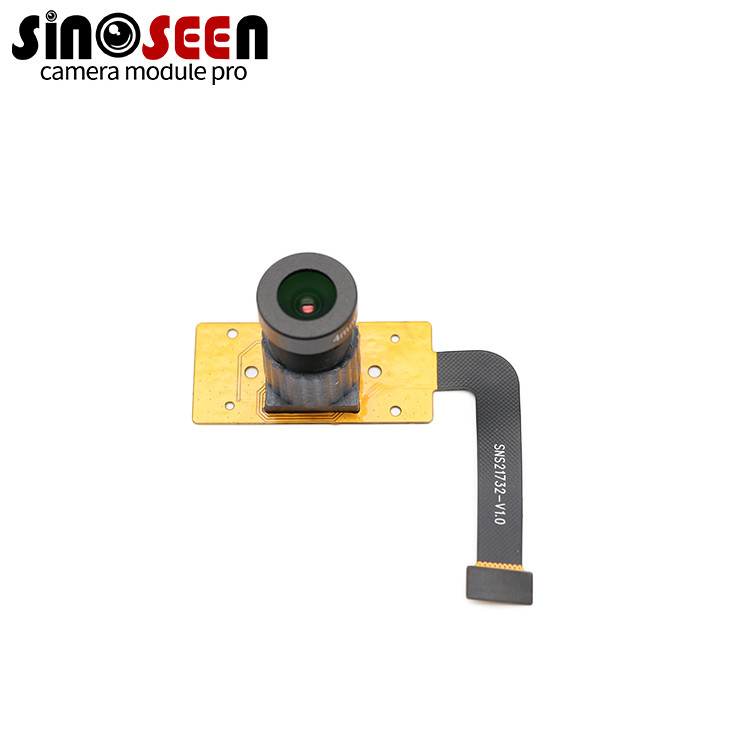
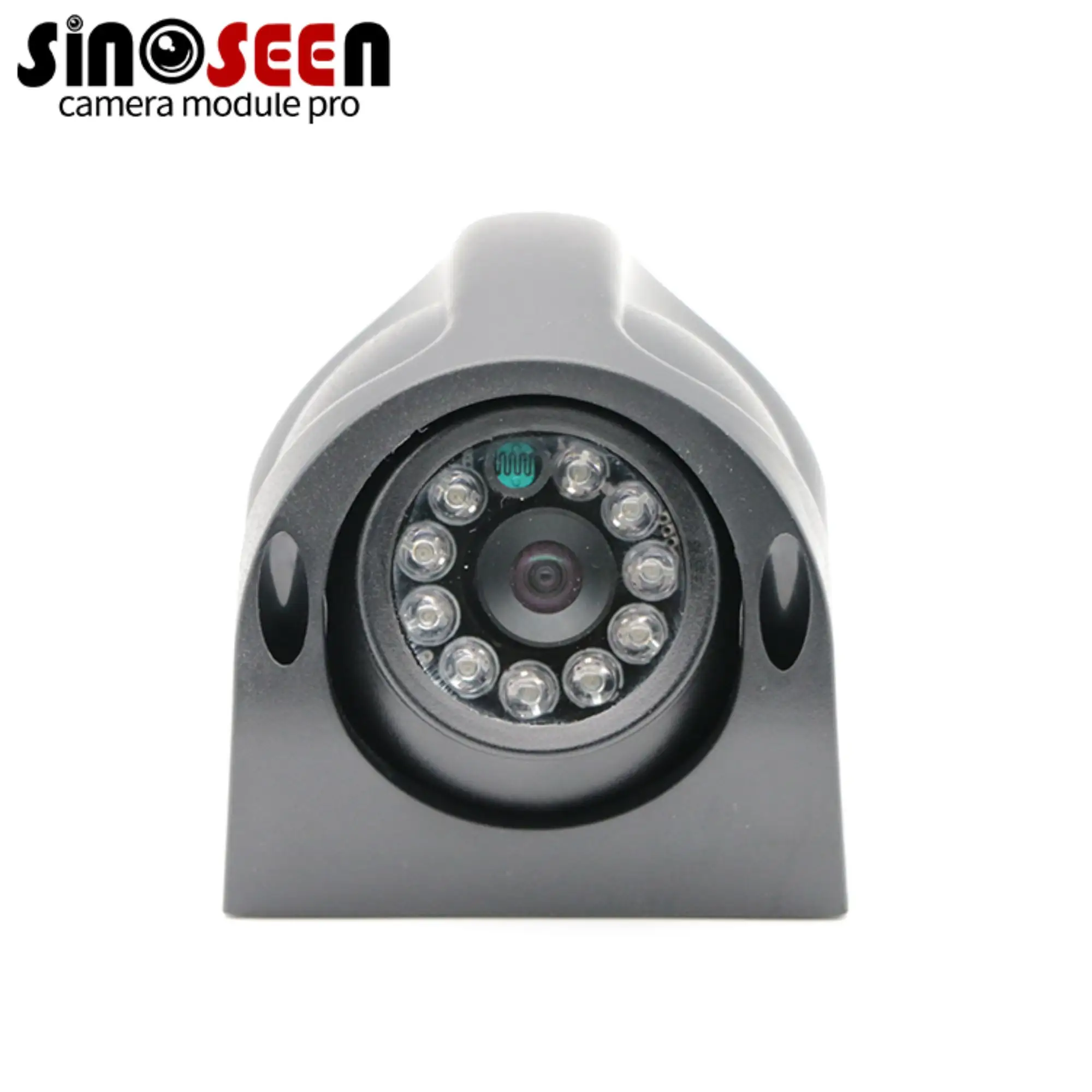
A USB cam module represents a sophisticated yet accessible imaging solution that combines high-quality video capture capabilities with the convenience of plug-and-play connectivity. This compact device integrates a digital camera sensor with USB interface technology, creating a versatile tool suitable for countless applications across consumer, commercial, and industrial sectors. The USB cam module eliminates the complexity traditionally associated with camera integration by providing standardized connectivity that works seamlessly with computers, embedded systems, and mobile devices. Modern USB cam modules incorporate advanced image sensors capable of capturing high-resolution video streams with exceptional clarity and color accuracy. These modules typically feature automatic exposure control, white balance adjustment, and digital noise reduction algorithms that ensure optimal image quality across varying lighting conditions. The technological architecture of a USB cam module centers around its image sensor, which converts light into digital signals, and the integrated USB controller that manages data transmission and device communication. Most contemporary USB cam modules support multiple video formats including MJPEG, H.264, and uncompressed formats, providing flexibility for different bandwidth and quality requirements. The compact form factor of these modules makes them ideal for integration into space-constrained environments while maintaining professional-grade performance standards. Power efficiency remains a critical design consideration, with most USB cam modules drawing minimal current directly from the USB connection, eliminating the need for external power sources. The module's firmware typically includes comprehensive driver support for major operating systems, ensuring broad compatibility without requiring specialized software installations. Advanced USB cam modules may incorporate features such as optical image stabilization, autofocus mechanisms, and built-in microphones for complete multimedia capture solutions. The standardized USB interface protocols enable real-time video streaming with minimal latency, making these modules particularly valuable for applications requiring immediate visual feedback or live broadcasting capabilities.

New Product Recommendations

The USB cam module delivers exceptional value through its remarkable ease of installation and immediate operational capability. Users simply connect the module to any USB port and begin capturing high-quality video within seconds, eliminating lengthy setup procedures and technical complications. This plug-and-play functionality saves countless hours during deployment and reduces the technical expertise required for implementation. The cost-effectiveness of USB cam modules makes professional-grade imaging accessible to businesses and individuals with limited budgets. Compared to traditional camera systems requiring specialized interfaces and additional hardware components, USB cam modules provide comprehensive video capture solutions at a fraction of the cost. The standardized USB interface ensures compatibility across diverse platforms including Windows, macOS, Linux, and Android systems, maximizing investment protection and deployment flexibility. USB cam modules offer superior portability compared to conventional camera setups, allowing users to easily relocate and reconfigure their imaging systems as requirements change. The compact design enables discrete installation in locations where larger cameras would be impractical or aesthetically unacceptable. Power efficiency represents another significant advantage, as USB cam modules operate entirely from USB bus power, eliminating external power adapters and reducing cable management complexity. This self-powered operation simplifies installation in remote locations and reduces overall system complexity. The digital interface provides immunity to electromagnetic interference that commonly affects analog video signals, ensuring consistent image quality in challenging environments. Real-time video processing capabilities enable immediate decision-making based on visual information, crucial for security monitoring, quality control, and interactive applications. USB cam modules support multiple simultaneous connections, allowing users to deploy multiple cameras from a single computer system without requiring specialized capture cards or complex networking infrastructure. The standardized drivers and broad software support mean that USB cam modules integrate seamlessly with popular applications including video conferencing software, streaming platforms, and custom development environments. Maintenance requirements remain minimal due to the solid-state design and absence of moving parts in most models, reducing long-term operational costs and downtime. The scalability of USB-based systems allows for easy expansion as requirements grow, with users adding additional cameras simply by connecting more modules to available ports.

Latest News

Why Choose a High-Performance Embedded Camera Module for AI Applications?

02

Mar

Why Choose a High-Performance Embedded Camera Module for AI Applications?

Artificial intelligence applications demand precision, speed, and reliability in their visual data acquisition systems. An embedded camera module serves as the critical foundation for AI-powered devices, from autonomous vehicles to smart manufacturin...
View More
 How to Select the Right AI Camera Module for Facial Recognition Systems?

02

Mar

How to Select the Right AI Camera Module for Facial Recognition Systems?

Selecting the appropriate AI camera module for facial recognition systems represents a critical decision that directly impacts system performance, accuracy, and overall operational efficiency. Modern facial recognition applications demand sophisticat...
View More
How to Integrate a Small Camera Module into Compact Medical Devices?

02

Mar

How to Integrate a Small Camera Module into Compact Medical Devices?

Medical device miniaturization continues to revolutionize healthcare, enabling less invasive procedures and improved patient outcomes. When designing compact medical equipment, integrating a small camera module requires careful consideration of space...
View More
Why do Robotics Manufacturers Prefer High-Speed AI Camera Modules?

02

Mar

Why do Robotics Manufacturers Prefer High-Speed AI Camera Modules?

The robotics industry has experienced unprecedented growth in recent years, with manufacturers increasingly demanding sophisticated vision systems that can process visual data at lightning speed. High-speed AI camera modules have emerged as the corne...
View More

Get In Touch

usb cam module

Universal Compatibility and Seamless Integration

Universal Compatibility and Seamless Integration

The USB cam module excels in providing unmatched compatibility across diverse computing platforms and operating systems, making it an ideal choice for organizations and individuals seeking flexible imaging solutions. This universal compatibility stems from the module's adherence to standard USB Video Class protocols, which ensure automatic recognition by most modern operating systems without requiring proprietary drivers or specialized software installations. The plug-and-play nature of USB cam modules eliminates the technical barriers that traditionally complicate camera deployments, allowing users to achieve operational status within minutes of connection. This compatibility extends beyond personal computers to include embedded systems, single-board computers, and industrial controllers that support USB connectivity. The standardized interface protocols enable seamless integration with popular software applications ranging from video conferencing platforms to sophisticated image processing suites. Development teams appreciate the straightforward integration process, as USB cam modules can be incorporated into custom applications using standard video capture APIs available in most programming languages. The module's compatibility with various USB specifications including USB 2.0 and USB 3.0 provides flexibility for different bandwidth requirements and system capabilities. Organizations benefit significantly from this universal compatibility when deploying multiple units across diverse hardware environments, as a single USB cam module model can serve various applications without requiring different variants or specialized configurations. The broad compatibility also ensures future-proofing of investments, as USB cam modules remain functional across system upgrades and platform migrations. This versatility reduces inventory complexity for businesses managing multiple installations, as they can standardize on a single USB cam module type while supporting various deployment scenarios. The seamless integration capability extends to cloud-based applications and remote monitoring systems, where USB cam modules can be easily connected to edge computing devices for distributed video processing and analysis applications.
High-Performance Video Capture with Advanced Features

High-Performance Video Capture with Advanced Features

Modern USB cam modules incorporate cutting-edge image sensor technology and sophisticated signal processing capabilities that deliver professional-grade video quality suitable for demanding applications. These modules typically feature high-resolution sensors capable of capturing video streams at resolutions up to 4K and beyond, ensuring crisp detail reproduction for applications requiring precise visual analysis. The advanced image processing algorithms built into USB cam modules automatically optimize exposure settings, color balance, and contrast levels to maintain consistent image quality across varying lighting conditions. This intelligent processing capability proves invaluable in dynamic environments where lighting conditions change frequently, such as outdoor monitoring applications or indoor spaces with variable illumination. The low-light performance of contemporary USB cam modules has improved dramatically through larger pixel designs and enhanced sensor sensitivity, enabling clear video capture in challenging lighting situations where traditional cameras struggle. Frame rate capabilities of modern USB cam modules support high-speed capture requirements, with many models capable of delivering smooth video streams at 60 frames per second or higher, essential for applications involving motion analysis or fast-moving subjects. The digital interface eliminates signal degradation issues common with analog video transmission, ensuring that the full quality of the captured image reaches the processing system without compression artifacts or interference. Advanced USB cam modules incorporate features such as hardware-based video compression using H.264 or H.265 codecs, reducing bandwidth requirements while maintaining superior image quality for streaming and recording applications. The precision optics integrated into quality USB cam modules provide excellent focus capabilities and minimal distortion, crucial for applications requiring accurate measurements or detailed visual inspection. Many USB cam modules also include built-in audio capture capabilities through integrated microphones, providing complete multimedia recording solutions for conferencing, surveillance, and documentation applications. The combination of high-performance imaging and intelligent processing makes USB cam modules suitable for professional applications including medical imaging, industrial quality control, and scientific research where image accuracy and reliability are paramount.
Cost-Effective Solution with Minimal Infrastructure Requirements

Cost-Effective Solution with Minimal Infrastructure Requirements

The USB cam module represents an exceptionally cost-effective approach to implementing professional video capture capabilities without the substantial infrastructure investments typically associated with traditional camera systems. This economic advantage begins with the elimination of specialized capture cards, external power supplies, and complex cabling infrastructures that conventional camera installations require. Organizations can deploy multiple USB cam modules using existing computer systems and standard USB hubs, dramatically reducing both initial capital expenditure and ongoing maintenance costs. The self-contained design of USB cam modules means that each unit includes all necessary components for complete video capture functionality, from the image sensor and processing electronics to the interface controller and protective housing. This integration eliminates the need for separate control units, power distribution systems, and signal conditioning equipment that add complexity and cost to traditional camera installations. The standardized USB interface enables organizations to leverage existing IT infrastructure and support capabilities rather than requiring specialized audio-visual technicians or custom integration services. Power efficiency of USB cam modules translates directly into operational cost savings, as these devices consume minimal power drawn directly from the USB connection, eliminating ongoing electricity costs associated with external power adapters and reducing heat generation that could increase cooling requirements. The plug-and-play installation process significantly reduces deployment time and labor costs, allowing non-technical personnel to install and configure USB cam modules without requiring expensive specialist services. Maintenance costs remain minimal due to the solid-state design and absence of moving mechanical components in most USB cam modules, reducing the likelihood of failure and extending operational lifespan. The modular nature of USB-based systems provides excellent scalability economics, allowing organizations to start with minimal installations and expand incrementally as requirements grow without requiring complete system redesigns. Software licensing costs are often reduced or eliminated entirely, as USB cam modules typically work with free or low-cost applications rather than expensive proprietary software packages. The standardized interface also provides protection against vendor lock-in situations, ensuring that organizations retain flexibility in choosing software solutions and system integrators throughout the lifecycle of their video capture installations.

Related Search

Get in touch