Innovative Camera Modules for Every Application | Sinoseen

All Categories

full hd camera module

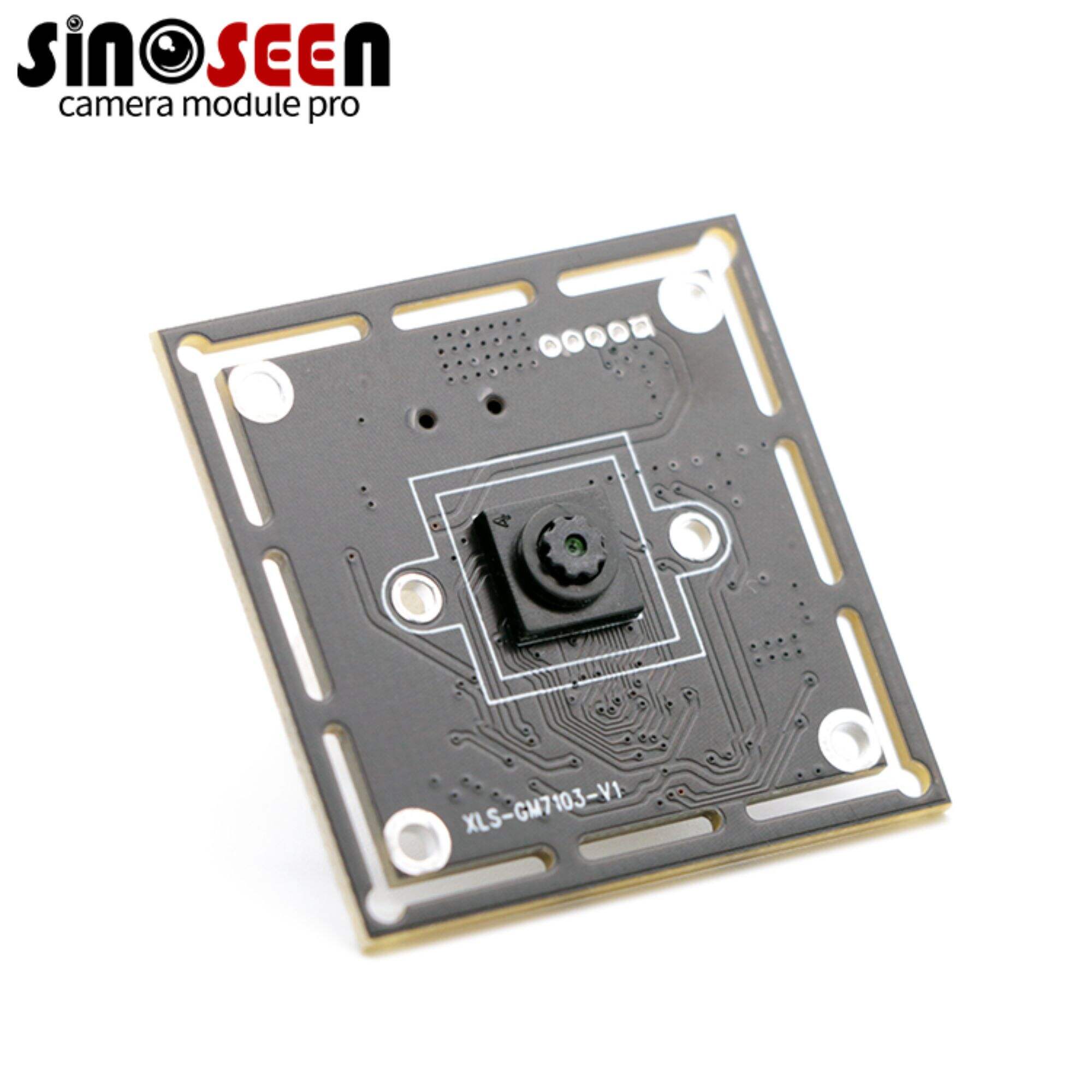
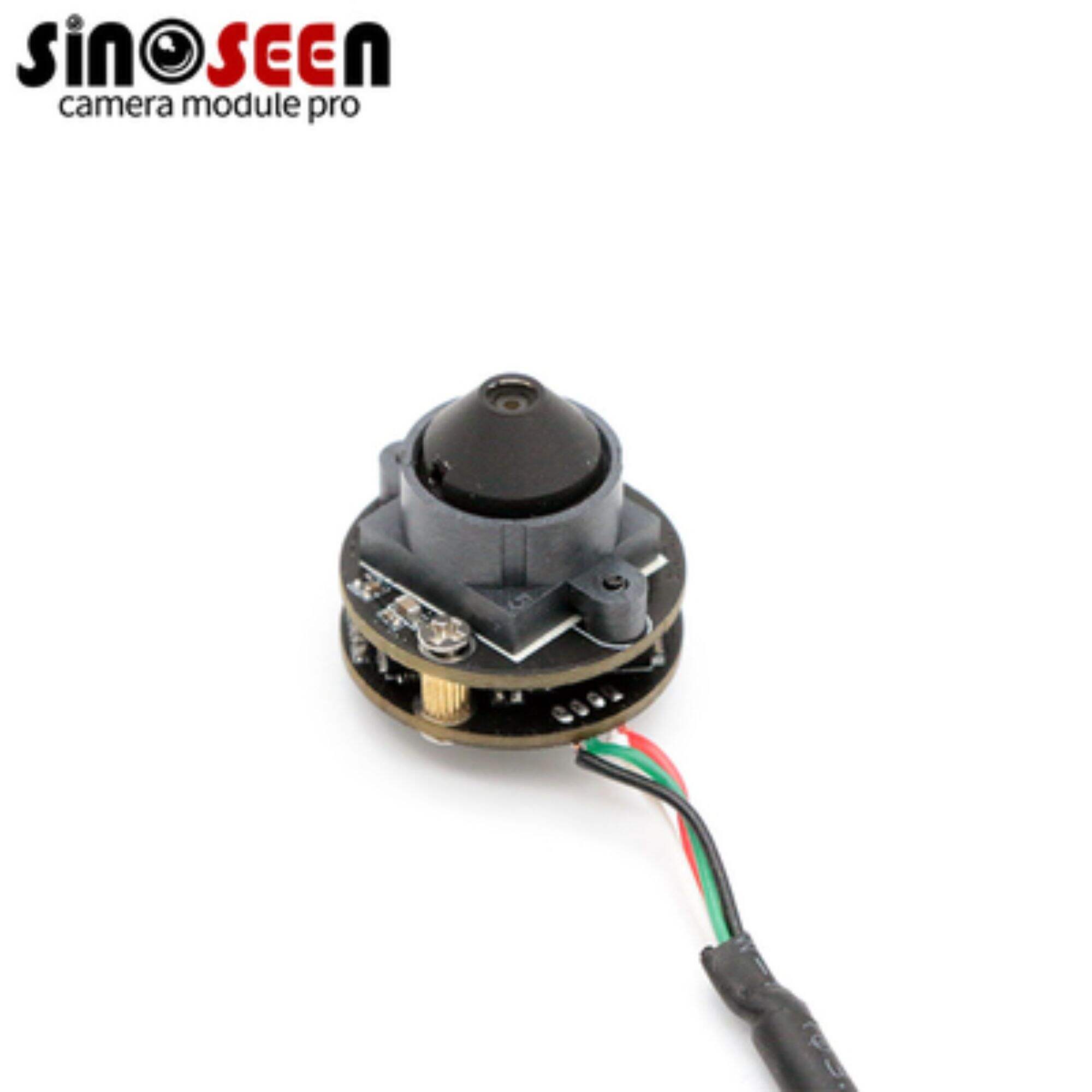
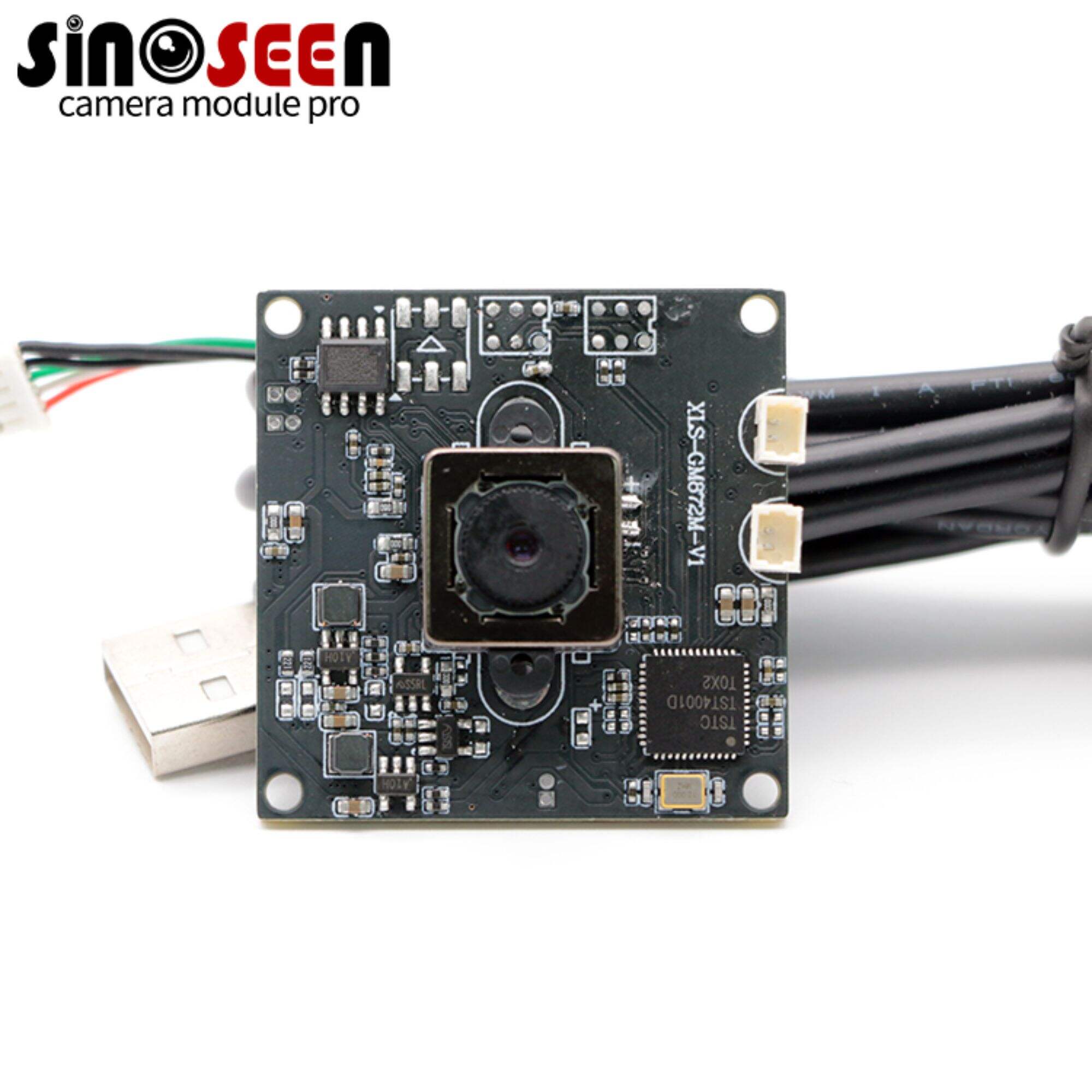
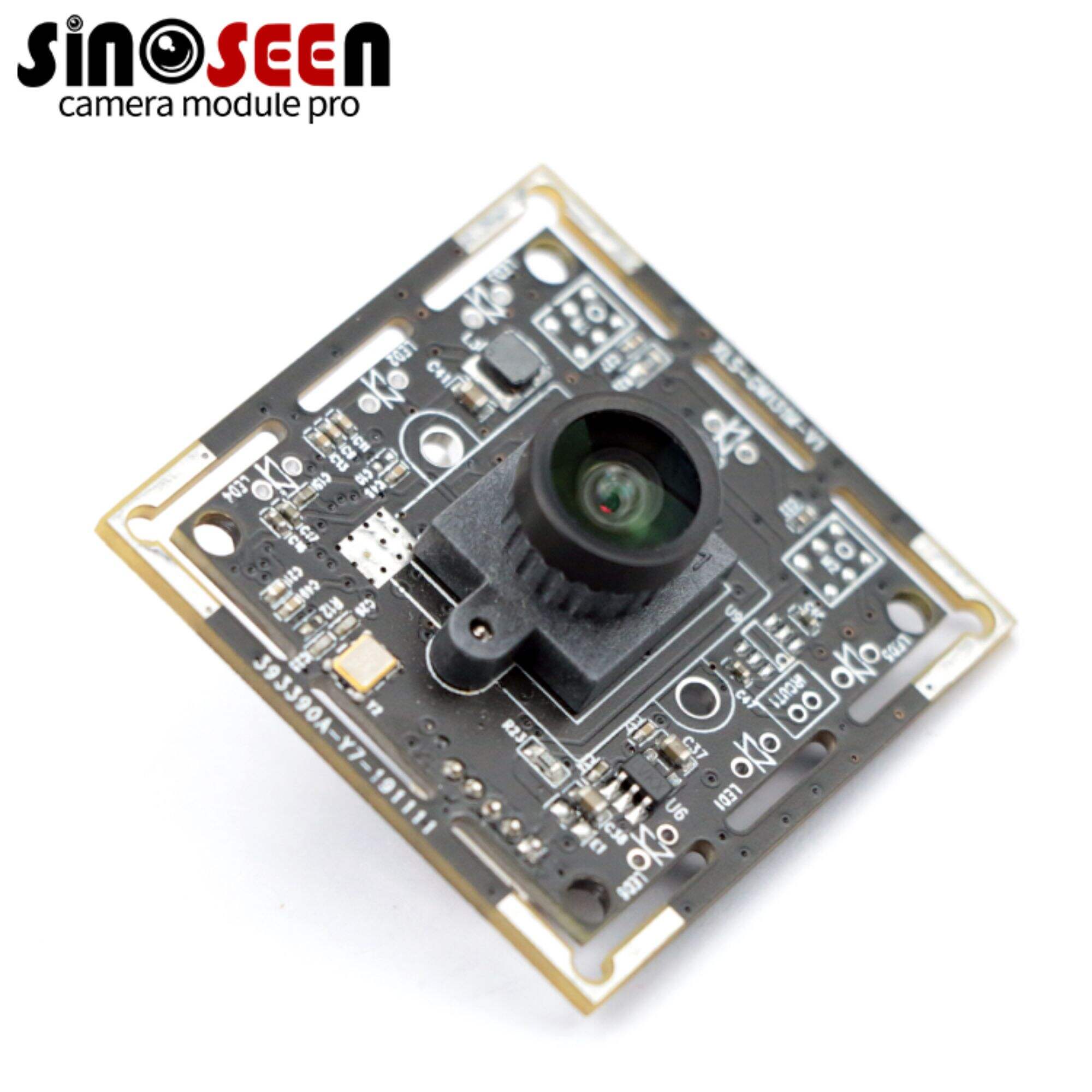
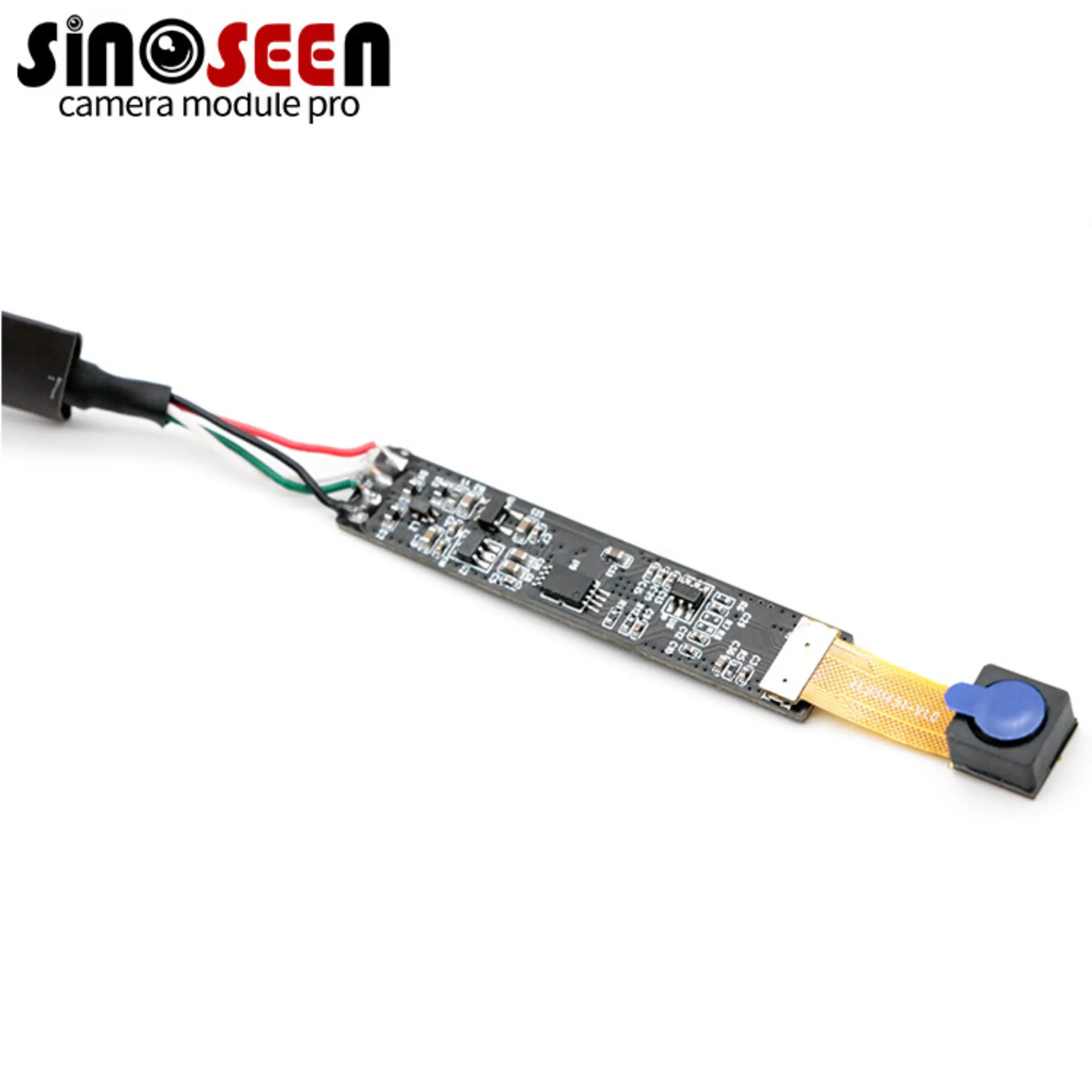
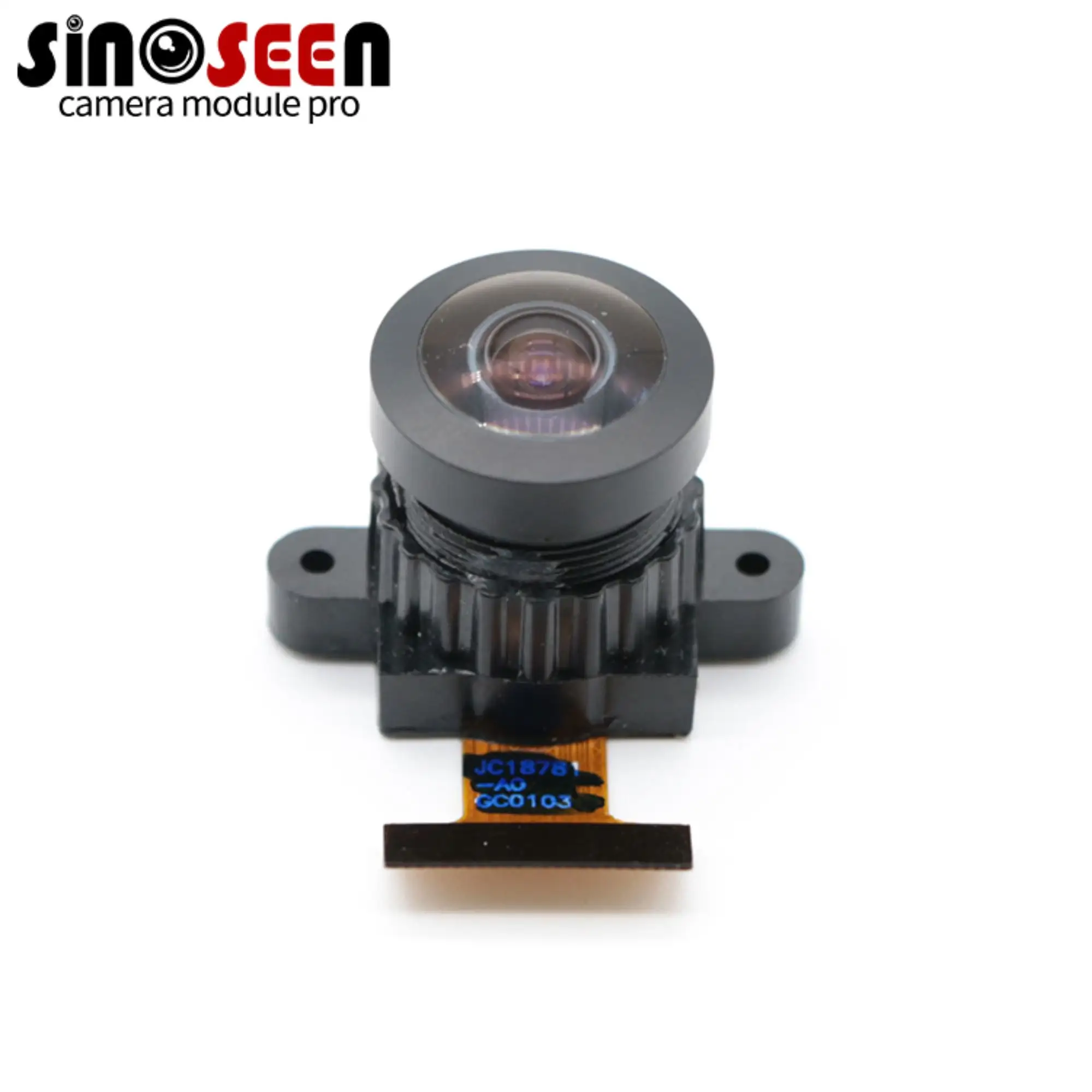
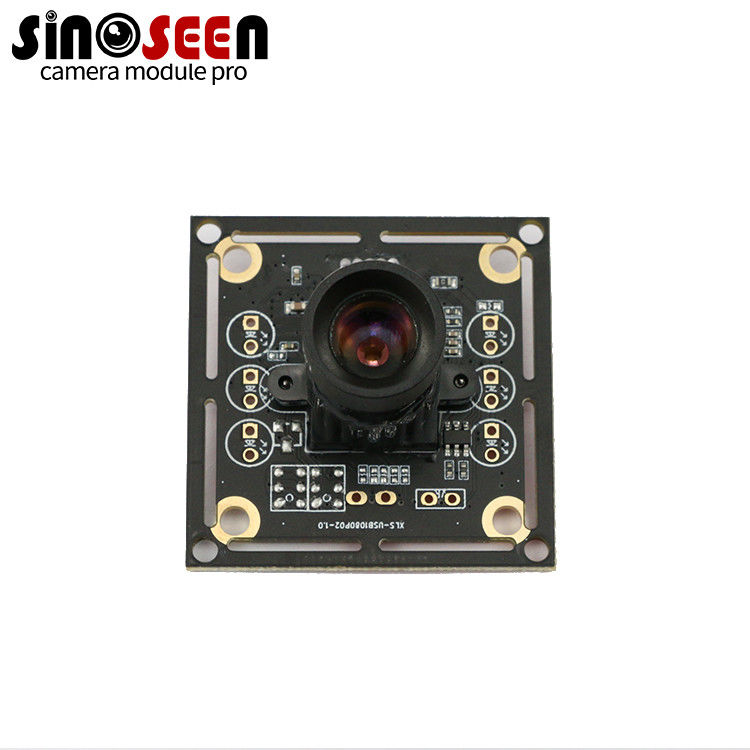
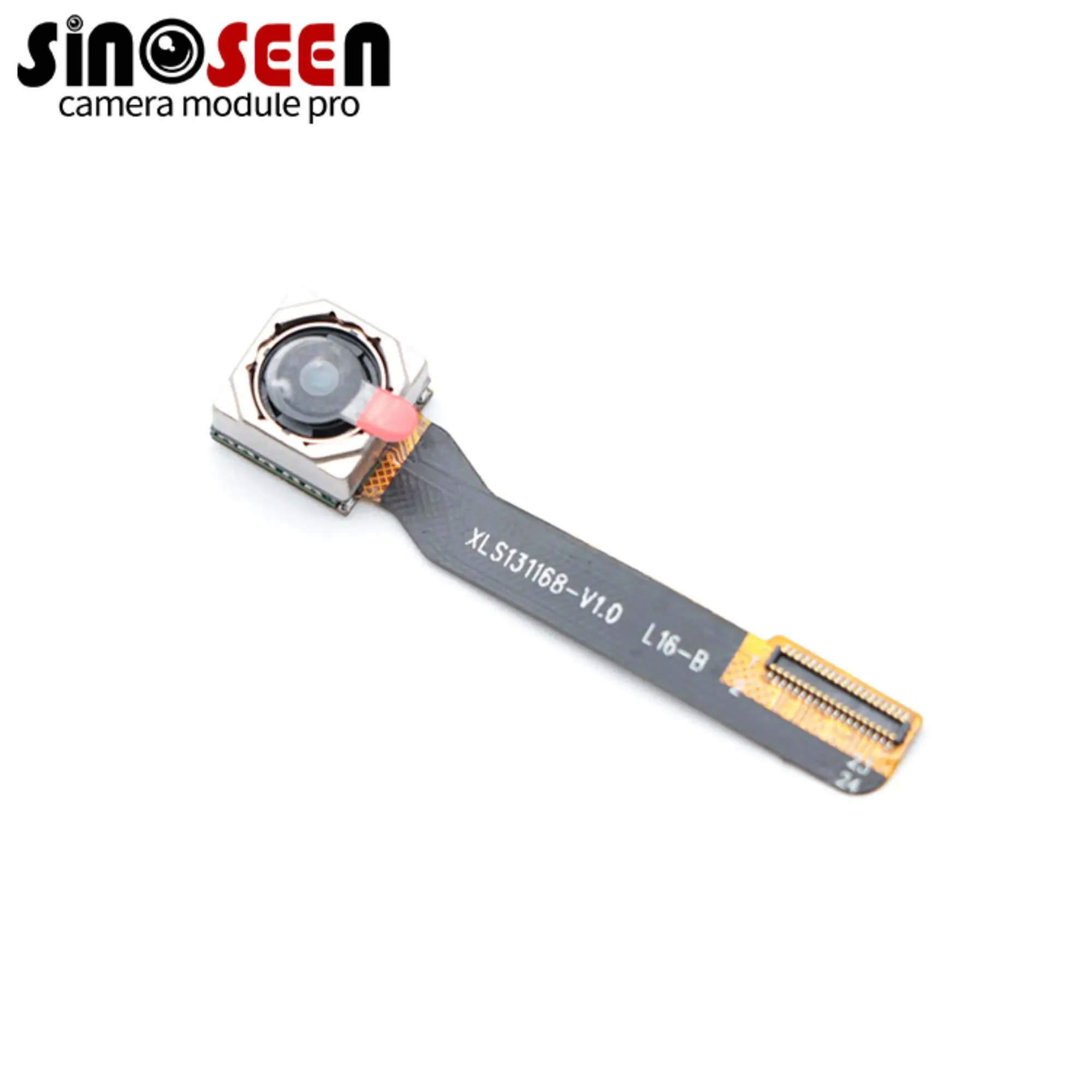
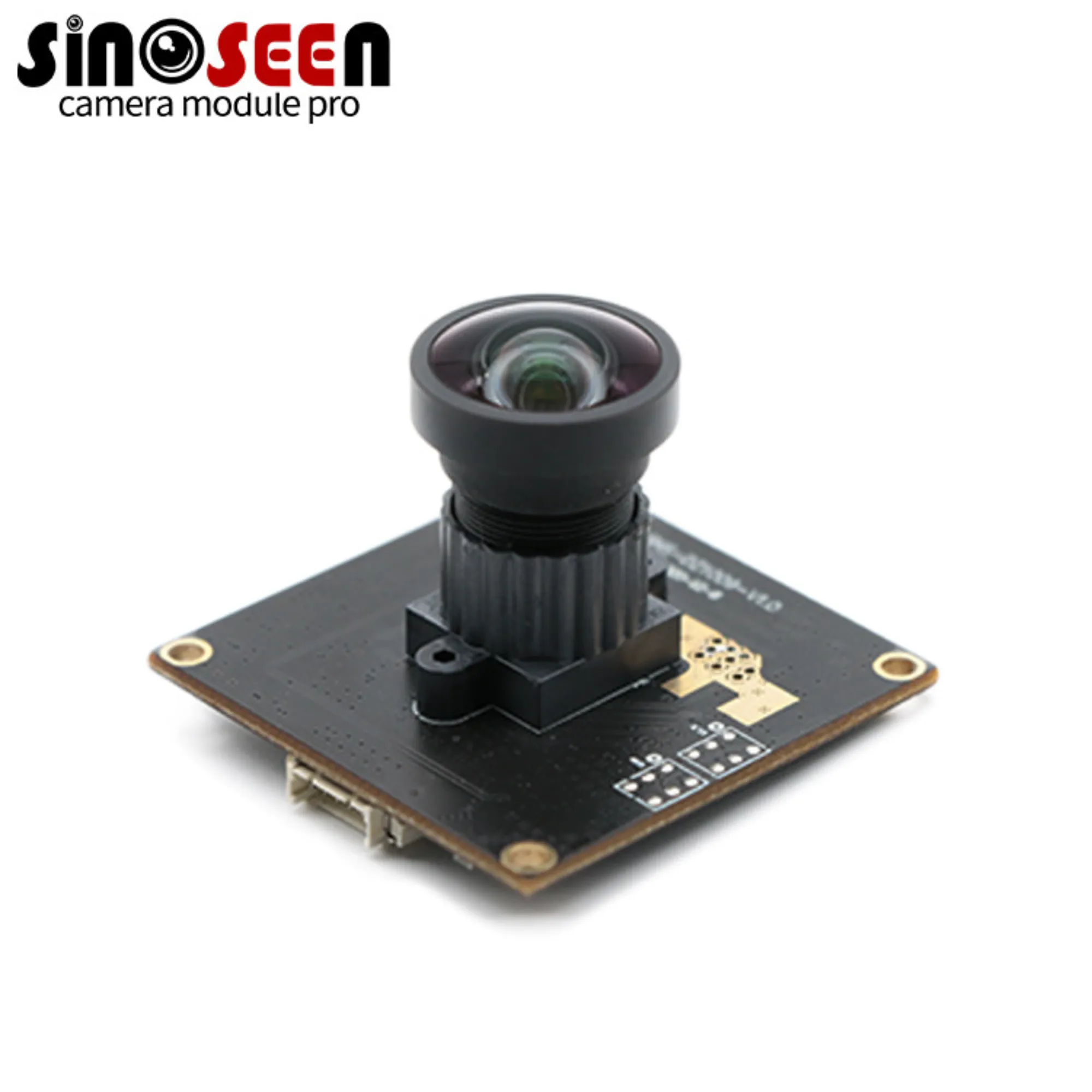
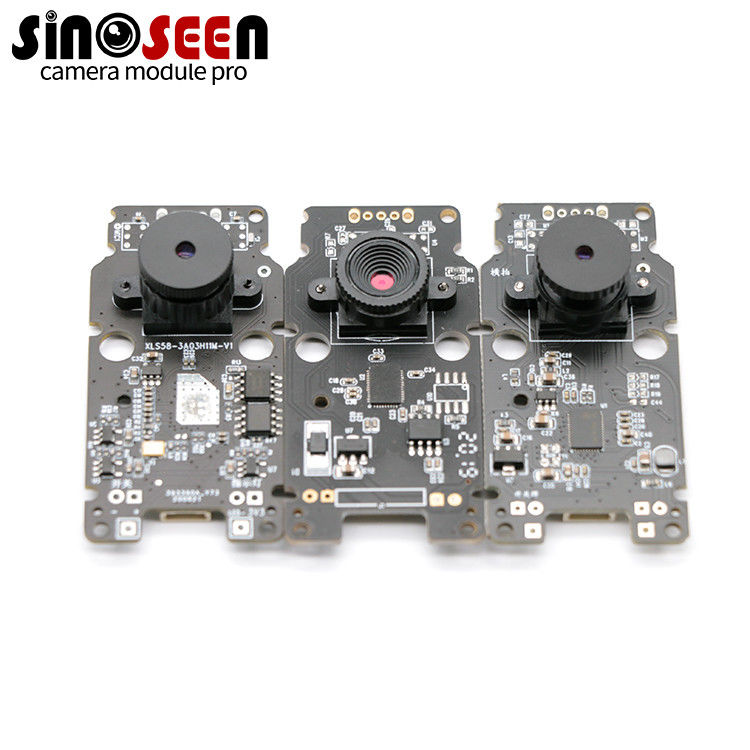
The full hd camera module represents a sophisticated imaging solution that delivers exceptional 1920x1080 pixel resolution for crystal-clear video capture and photography. This compact electronic component integrates advanced CMOS sensor technology with precision optics to provide professional-grade imaging capabilities in a miniaturized form factor. Modern full hd camera modules incorporate multiple technological layers including image signal processors, auto-focus mechanisms, and digital noise reduction algorithms that work seamlessly together to produce superior visual output. These modules typically feature wide dynamic range capabilities, enabling them to capture detailed imagery in both bright and low-light conditions. The integrated lens systems are engineered with multi-element glass construction and anti-reflective coatings to minimize distortion and maximize light transmission. Advanced full hd camera modules include electronic image stabilization technology that compensates for minor movements and vibrations, ensuring smooth video recording even in mobile applications. The compact design allows for easy integration into various devices while maintaining optimal performance standards. These camera modules support multiple video formats including H.264 and H.265 compression standards, enabling efficient storage and transmission of high-quality content. Built-in microprocessors handle complex image processing tasks such as white balance correction, exposure adjustment, and color enhancement in real-time. The full hd camera module architecture includes sophisticated autofocus systems that utilize phase detection or contrast detection methods to ensure sharp image capture. Temperature compensation features maintain consistent performance across varying environmental conditions. The modules incorporate advanced light sensitivity capabilities through larger pixel designs and improved sensor architectures. Digital zoom functionality provides additional versatility without compromising image quality through intelligent interpolation algorithms. These camera modules support various interface standards including USB, MIPI CSI, and parallel interfaces for seamless connectivity with host devices and processing systems.

New Product Recommendations

The full hd camera module delivers remarkable image clarity that transforms ordinary video recording into professional-quality content creation. Users experience significantly enhanced detail reproduction compared to standard definition alternatives, making every captured moment appear vivid and lifelike. This superior resolution capability ensures that important details remain visible even when footage is viewed on large displays or undergoes digital editing processes. The compact design of the full hd camera module makes it incredibly versatile for integration into numerous applications without compromising space constraints. Engineers can easily incorporate these modules into smartphones, tablets, security cameras, automotive systems, and industrial equipment without requiring extensive design modifications. This flexibility reduces development time and costs while enabling manufacturers to add premium imaging capabilities to their products. Energy efficiency stands as another compelling advantage of modern full hd camera modules. Advanced power management systems optimize battery consumption, allowing portable devices to capture extended video content without frequent recharging. This efficiency proves particularly valuable in remote monitoring applications and mobile devices where power conservation is critical. The real-time processing capabilities of full hd camera modules eliminate the need for external processing hardware in many applications. Built-in image signal processors handle complex computational tasks including noise reduction, color correction, and exposure optimization automatically. This integration reduces system complexity and costs while improving overall reliability. Superior low-light performance enables the full hd camera module to capture usable footage in challenging lighting conditions. Advanced sensor designs with larger pixel structures and improved light gathering capabilities ensure clear imagery even in dimly lit environments. This advantage proves invaluable for security applications, automotive cameras, and consumer electronics used in various lighting scenarios. The plug-and-play nature of full hd camera modules simplifies implementation for developers and manufacturers. Standardized interfaces and comprehensive software development kits enable rapid prototyping and deployment. This ease of integration accelerates time-to-market for new products while reducing development costs. Cost-effectiveness emerges as a significant benefit as full hd camera module prices continue to decrease while performance capabilities expand. Volume production and technological advances have made high-quality imaging accessible across various market segments, enabling even budget-conscious applications to incorporate professional-grade video capabilities.

Latest News

Why Choose a High-Performance Embedded Camera Module for AI Applications?

02

Mar

Why Choose a High-Performance Embedded Camera Module for AI Applications?

Artificial intelligence applications demand precision, speed, and reliability in their visual data acquisition systems. An embedded camera module serves as the critical foundation for AI-powered devices, from autonomous vehicles to smart manufacturin...
View More
 How to Select the Right AI Camera Module for Facial Recognition Systems?

02

Mar

How to Select the Right AI Camera Module for Facial Recognition Systems?

Selecting the appropriate AI camera module for facial recognition systems represents a critical decision that directly impacts system performance, accuracy, and overall operational efficiency. Modern facial recognition applications demand sophisticat...
View More
How to Optimize Low-Light Performance in Custom Camera Module Designs?

02

Mar

How to Optimize Low-Light Performance in Custom Camera Module Designs?

Custom camera module designs face unique challenges when operating in environments with minimal illumination, making low-light performance optimization a critical engineering consideration. Modern applications ranging from security surveillance to au...
View More
How to Integrate a Small Camera Module into Compact Medical Devices?

02

Mar

How to Integrate a Small Camera Module into Compact Medical Devices?

Medical device miniaturization continues to revolutionize healthcare, enabling less invasive procedures and improved patient outcomes. When designing compact medical equipment, integrating a small camera module requires careful consideration of space...
View More

Get In Touch

full hd camera module

Advanced Image Processing Technology

Advanced Image Processing Technology

The full hd camera module incorporates state-of-the-art image processing technology that revolutionizes how digital imagery is captured and enhanced. At the core of this technological advancement lies a sophisticated image signal processor that performs millions of calculations per second to optimize every aspect of image quality. This processor analyzes incoming light data and applies complex algorithms to correct distortions, enhance colors, and reduce noise artifacts that typically plague lower-quality imaging systems. The real-time processing capability ensures that users receive immediately optimized results without waiting for post-processing procedures. Advanced demosaicing algorithms convert raw sensor data into full-color images with exceptional accuracy, preserving fine details and natural color gradations that make footage appear professional and engaging. The full hd camera module utilizes multi-frame noise reduction techniques that combine information from multiple consecutive frames to eliminate unwanted visual noise while preserving important image details. This intelligent approach results in cleaner imagery, particularly in challenging lighting conditions where traditional cameras struggle. Automatic white balance correction adapts continuously to changing lighting environments, ensuring consistent color reproduction whether subjects are illuminated by natural sunlight, artificial indoor lighting, or mixed lighting scenarios. Dynamic range optimization stretches the full hd camera module's ability to capture detail in both shadow and highlight regions simultaneously, preventing overexposed bright areas and underexposed dark sections. The integrated tone mapping algorithms intelligently compress high dynamic range scenes into the display-compatible range while maintaining visual appeal and natural appearance. Edge enhancement processing sharpens important image details without introducing artificial artifacts, creating crisp boundaries and well-defined textures that enhance overall image quality. Color space conversion capabilities ensure compatibility with various display standards and broadcast requirements, making the full hd camera module suitable for professional content creation workflows.
Exceptional Build Quality and Durability

Exceptional Build Quality and Durability

The full hd camera module demonstrates outstanding construction quality that ensures reliable performance across demanding operational environments and extended usage periods. Manufacturers employ premium materials and precision engineering techniques to create camera modules that withstand temperature fluctuations, humidity variations, and mechanical stresses commonly encountered in real-world applications. The sensor assembly utilizes high-grade silicon wafers with carefully controlled manufacturing tolerances that guarantee consistent imaging performance throughout the module's operational lifetime. Advanced packaging technologies protect sensitive electronic components from environmental contaminants while maintaining optimal thermal management to prevent performance degradation due to heat buildup. The lens assembly incorporates multi-element glass optics with precision-ground surfaces and anti-reflective coatings that resist scratching and maintain optical clarity over extended periods. These premium glass elements provide superior light transmission compared to plastic alternatives while offering better resistance to temperature-related expansion and contraction that could affect focus accuracy. Robust mechanical mounting systems ensure that the full hd camera module maintains precise alignment between sensor and lens components even when subjected to vibration and impact forces. The internal mechanical structures utilize materials specifically selected for their dimensional stability and resistance to mechanical fatigue. Sealed construction prevents dust and moisture infiltration that could compromise image quality or cause component failures in outdoor or industrial applications. Advanced thermal management features dissipate heat generated by high-speed image processing operations, preventing thermal stress that could damage sensitive semiconductor components. The full hd camera module undergoes rigorous testing procedures that simulate years of operational use under various environmental conditions, ensuring that each unit meets strict reliability standards before shipment. Quality control processes include optical alignment verification, electrical parameter testing, and environmental stress screening that identifies potential weaknesses before products reach customers. This comprehensive approach to build quality results in camera modules that maintain consistent performance characteristics throughout their operational lifetime while minimizing field failures and maintenance requirements.
Versatile Integration and Connectivity Options

Versatile Integration and Connectivity Options

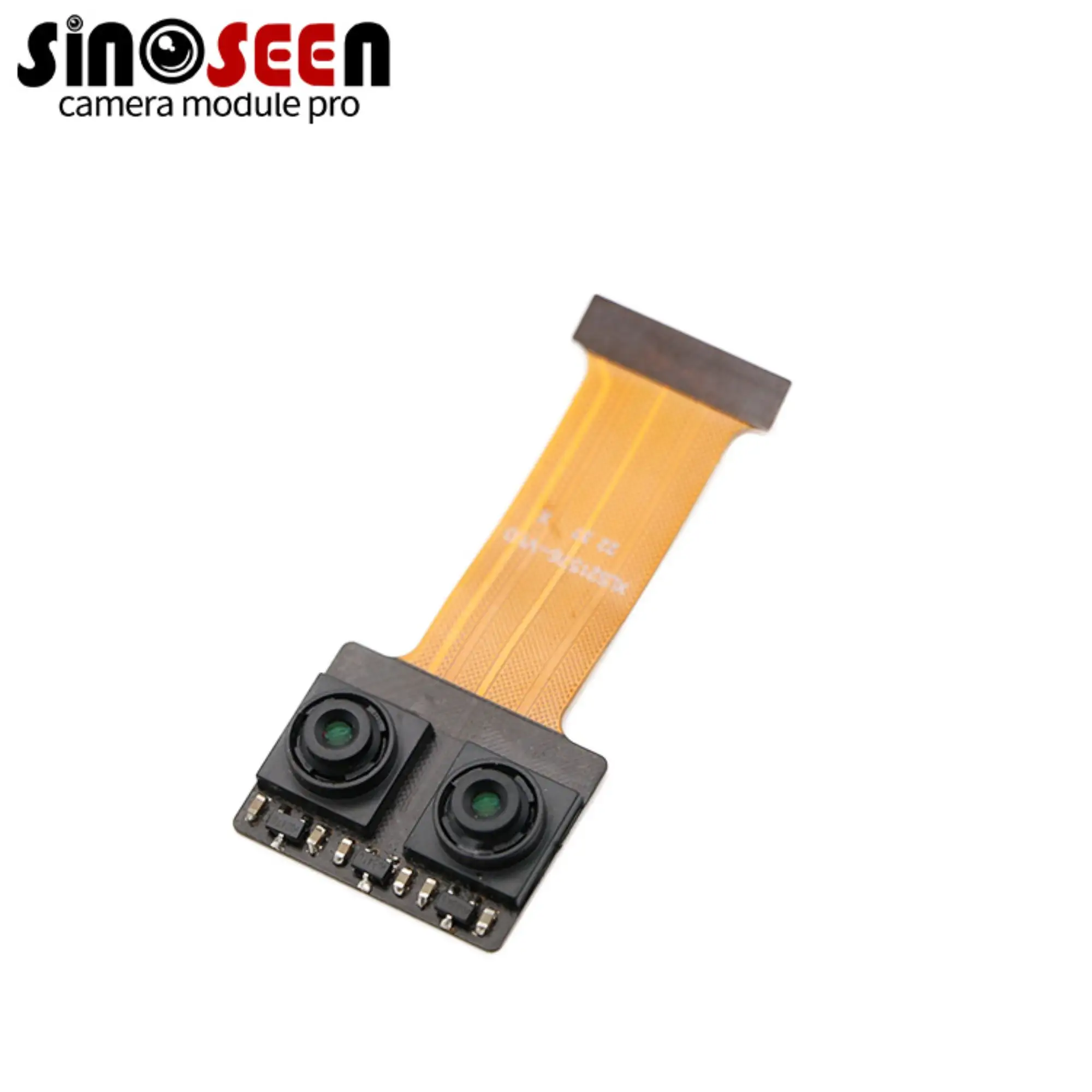
The full hd camera module offers exceptional integration flexibility through comprehensive connectivity options and standardized interfaces that accommodate diverse application requirements across multiple industries and use cases. Modern camera modules support various digital communication protocols including USB 2.0, USB 3.0, MIPI CSI-2, and parallel interfaces, enabling seamless connection with different host processing systems and embedded platforms. This interface diversity ensures that developers can select the most appropriate communication method based on bandwidth requirements, power constraints, and system architecture considerations. The standardized connector systems facilitate rapid prototyping and reduce development time by eliminating the need for custom interface solutions. Software compatibility extends across multiple operating systems including Linux, Windows, Android, and embedded real-time operating systems, providing developers with maximum flexibility in platform selection. Comprehensive software development kits include driver packages, application programming interfaces, and example code that accelerate integration processes and reduce learning curves for development teams. The full hd camera module supports various mounting configurations including board-mount options, cable-connected assemblies, and custom mechanical interfaces that adapt to specific physical constraints and design requirements. Flexible cable lengths and connector orientations accommodate installations where the camera sensor must be positioned remotely from processing electronics. Power supply versatility allows operation from various voltage sources including USB power, battery systems, and external power adapters, making the camera module suitable for both portable and stationary applications. Advanced power management features include sleep modes and dynamic power scaling that optimize energy consumption based on operational requirements. The modular design philosophy enables customization of lens assemblies, sensor configurations, and processing capabilities to meet specific performance targets without requiring complete system redesigns. Field-upgradeable firmware capabilities ensure that camera modules can receive performance enhancements and feature additions throughout their operational lifetime. This upgrade capability protects investments in deployed systems and extends product lifecycles by enabling adaptation to evolving requirements and technological advances.

Related Search

Get in touch