Innovative Camera Modules for Every Application | Sinoseen

All Categories

small machine vision camera module

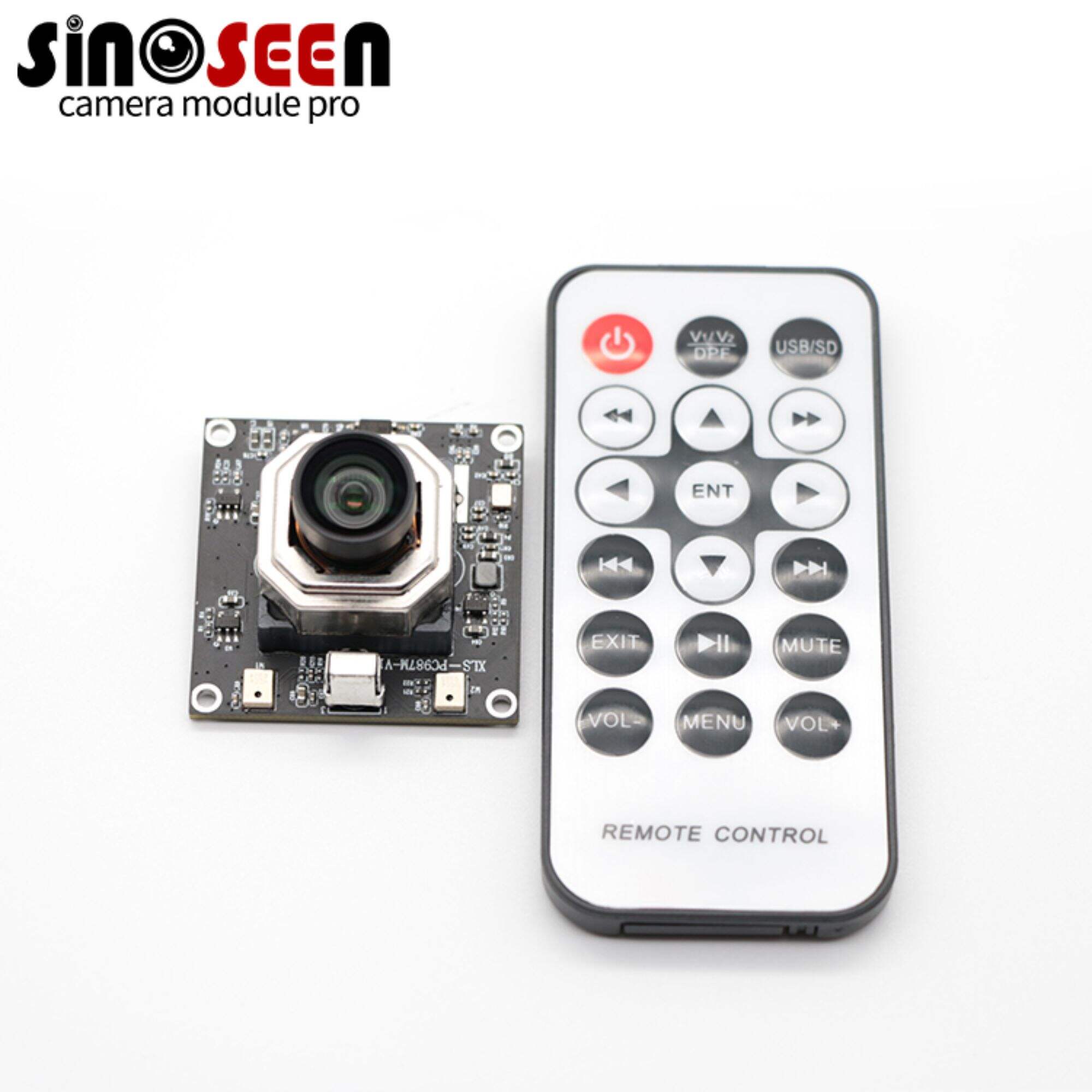
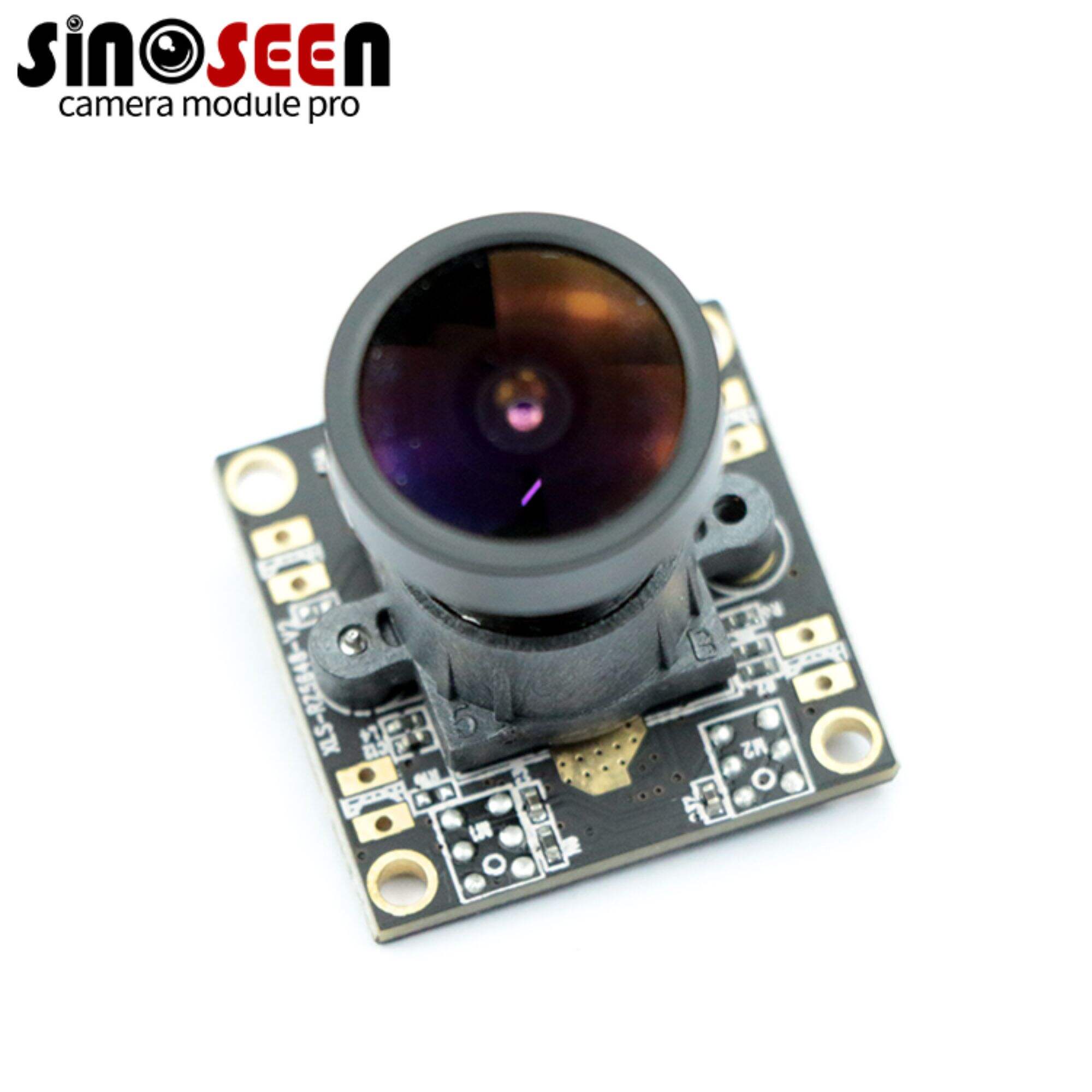
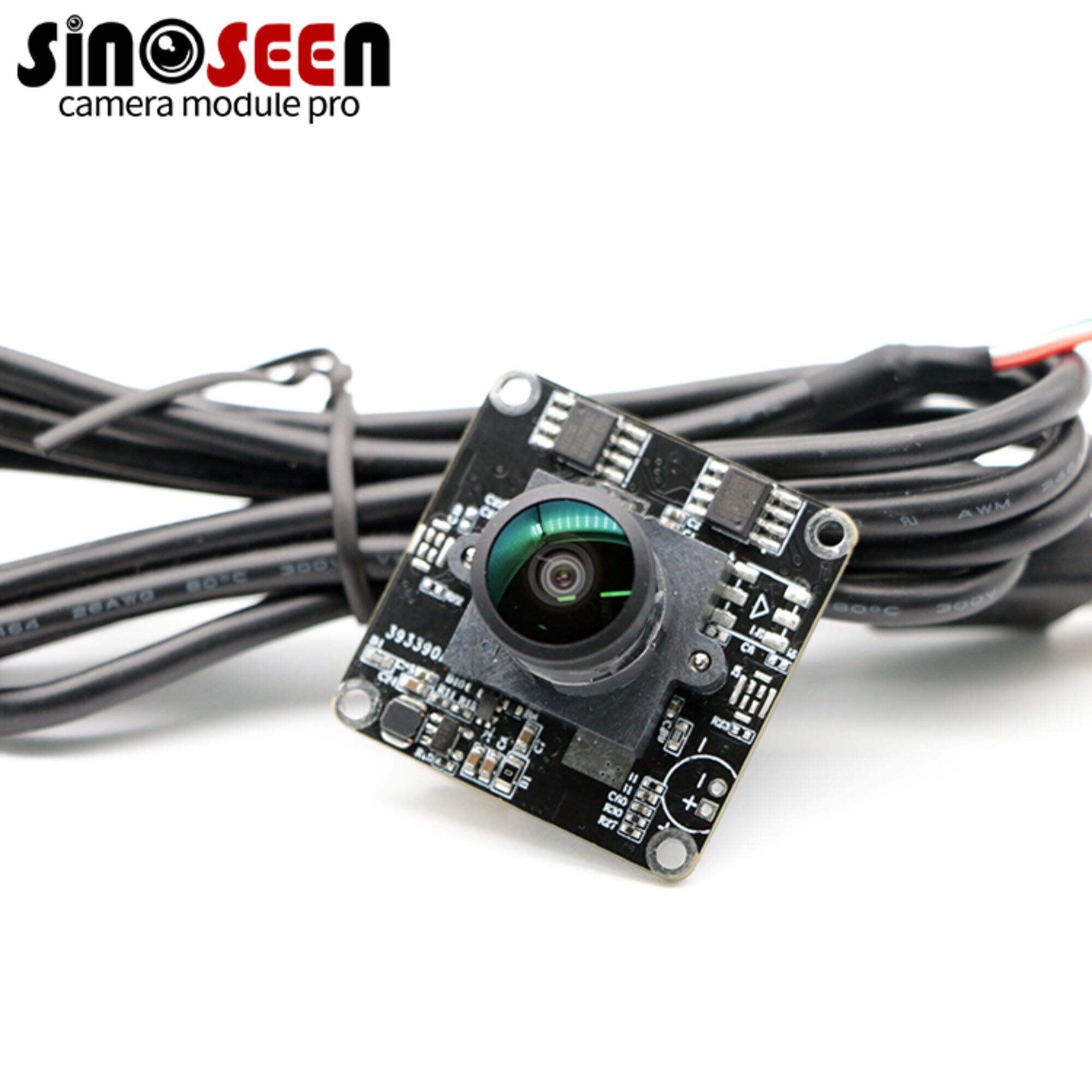
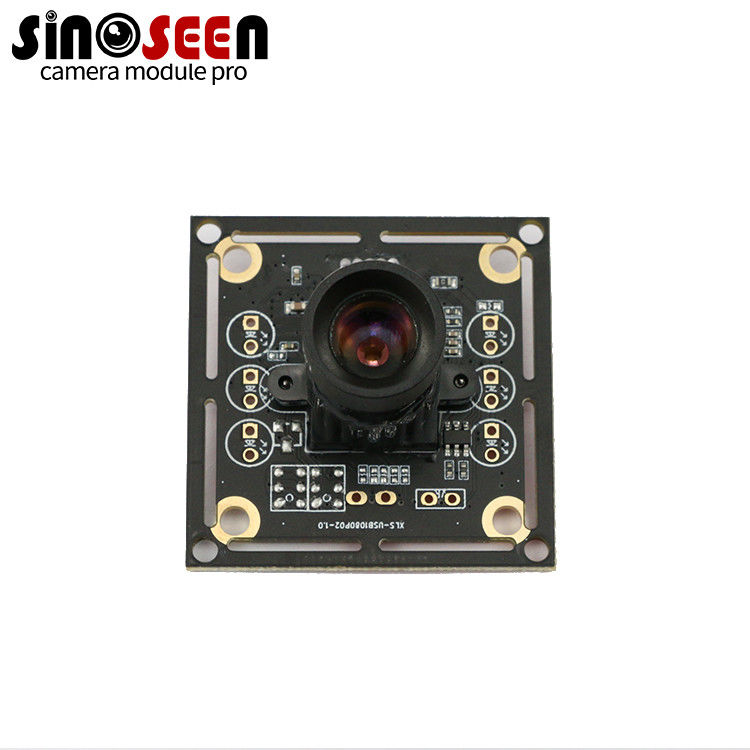
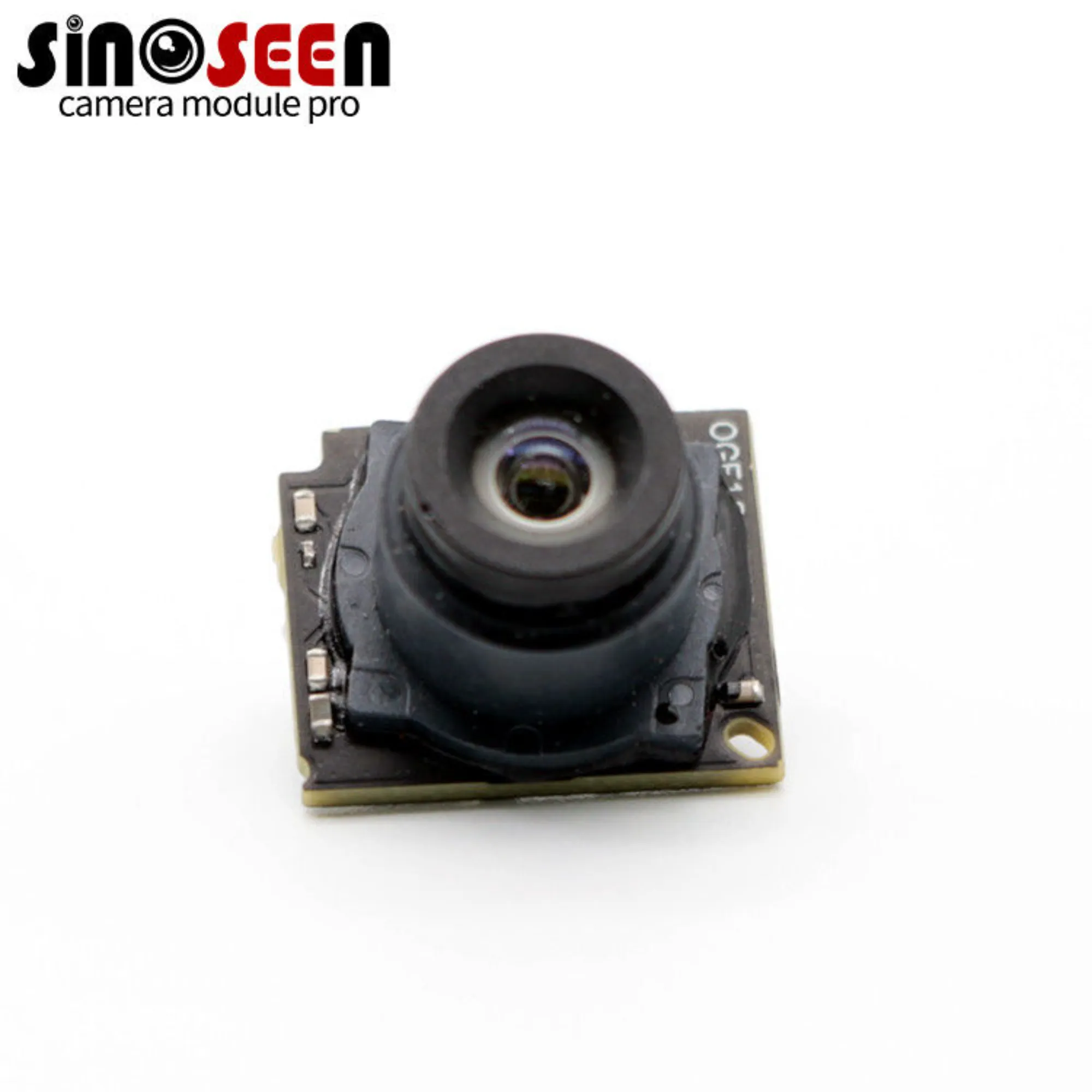
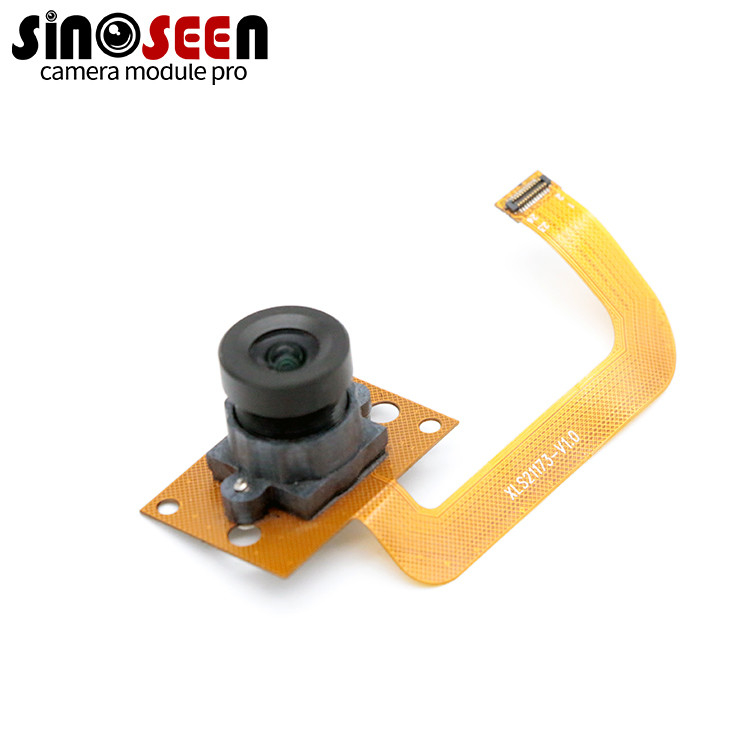
The small machine vision camera module represents a cutting-edge technological solution that revolutionizes how industries capture, process, and analyze visual information. These compact imaging devices integrate advanced optical sensors, sophisticated processing capabilities, and intelligent algorithms into remarkably small form factors, making them ideal for space-constrained applications where traditional cameras cannot operate effectively. The small machine vision camera module serves as the digital eyes of automated systems, enabling precise object detection, quality control, measurement verification, and real-time monitoring across diverse industrial environments. These modules typically feature high-resolution CMOS or CCD sensors that deliver exceptional image quality while maintaining minimal power consumption requirements. The technological architecture incorporates specialized lenses designed for industrial applications, robust housing materials that withstand harsh environmental conditions, and standardized communication interfaces that facilitate seamless integration with existing control systems. Modern small machine vision camera modules support various output formats including USB, Ethernet, and wireless protocols, ensuring compatibility with different automation frameworks. The processing capabilities often include onboard image enhancement, noise reduction, and preliminary analysis functions that reduce computational load on host systems. Many modules feature adjustable focus mechanisms, programmable exposure settings, and customizable trigger modes that adapt to specific application requirements. The compact design philosophy prioritizes space efficiency without compromising performance, typically measuring just a few centimeters in each dimension while delivering professional-grade imaging results. These versatile devices find applications in manufacturing quality assurance, robotic guidance systems, security surveillance, medical imaging equipment, and scientific research instruments. The small machine vision camera module technology continues evolving with improvements in sensor sensitivity, processing speed, and artificial intelligence integration, making them increasingly valuable for modern automation and inspection tasks.

New Products

Small machine vision camera modules deliver significant cost savings compared to traditional imaging systems by eliminating the need for separate processing units and complex installation procedures. Companies can reduce their total implementation expenses while achieving superior performance results through these integrated solutions. The compact size enables installation in previously inaccessible locations, expanding monitoring and inspection capabilities throughout production facilities without requiring major infrastructure modifications or equipment relocations. These modules provide exceptional image clarity and precision that surpasses human visual inspection capabilities, detecting microscopic defects, measuring dimensional accuracy within micrometers, and identifying subtle color variations that would otherwise go unnoticed. The enhanced accuracy translates directly into improved product quality, reduced waste, and higher customer satisfaction ratings. Installation becomes remarkably straightforward with small machine vision camera modules, as their plug-and-play design eliminates complex wiring requirements and lengthy setup procedures that traditionally delay project implementations. Technical staff can deploy multiple units quickly across production lines, enabling rapid scaling of inspection capabilities without extensive downtime or specialized training requirements. The modules operate reliably in challenging industrial environments, withstanding vibrations, temperature fluctuations, dust exposure, and electromagnetic interference that would compromise conventional camera systems. This durability ensures consistent performance and reduces maintenance costs over extended operational periods. Real-time processing capabilities enable immediate decision-making and automatic rejection of defective products, preventing quality issues from progressing through production chains and minimizing costly recalls or customer complaints. The modules integrate seamlessly with existing automation systems through standardized communication protocols, preserving previous investments in control infrastructure while enhancing overall system capabilities. Energy efficiency remains a key advantage, as small machine vision camera modules consume minimal power while delivering continuous operation, contributing to reduced operational costs and environmental sustainability goals. The scalable nature allows businesses to start with single-unit installations and expand gradually based on proven results and changing requirements, providing flexible growth paths without major capital commitments.

Tips And Tricks

How to Optimize Low-Light Performance in Custom Camera Module Designs?

02

Mar

How to Optimize Low-Light Performance in Custom Camera Module Designs?

Custom camera module designs face unique challenges when operating in environments with minimal illumination, making low-light performance optimization a critical engineering consideration. Modern applications ranging from security surveillance to au...
View More
4K Camera Module Supplier for Industrial Imaging Projects

21

Apr

4K Camera Module Supplier for Industrial Imaging Projects

Industrial imaging projects demand precision, reliability, and superior performance that only the right 4K camera module supplier can deliver. When selecting a 4K camera module for mission-critical applications such as machine vision, quality control...
View More
How to Choose a 4K Camera Module Factory Partner

21

Apr

How to Choose a 4K Camera Module Factory Partner

Selecting the right 4K camera module factory partner represents one of the most critical decisions for businesses developing next-generation imaging products. Whether you're designing security systems, automotive applications, medical devices, or con...
View More
ESP32 Camera Module Wholesale for Embedded Vision Buyers

21

Apr

ESP32 Camera Module Wholesale for Embedded Vision Buyers

Embedded vision applications demand sophisticated imaging capabilities, and ESP32 camera modules have emerged as cornerstone components for wholesale buyers developing next-generation products. These versatile modules combine the computational power ...
View More

Get In Touch

small machine vision camera module

Ultra-Compact Design with Professional-Grade Performance

Ultra-Compact Design with Professional-Grade Performance

The small machine vision camera module revolutionizes industrial imaging through its remarkably compact footprint that delivers professional-grade performance previously available only in larger, more expensive systems. This innovative design philosophy addresses critical space constraints found in modern manufacturing environments, where every square centimeter matters for optimal production efficiency. The engineering achievement lies in miniaturizing sophisticated optical components, advanced sensors, and intelligent processing circuits into housing dimensions typically measuring less than 50mm in any direction, while maintaining image quality standards that exceed traditional industrial cameras. The compact architecture enables deployment in tight spaces between machinery, inside robotic arms, within assembly fixtures, and other locations where conventional cameras simply cannot fit. This accessibility opens new possibilities for comprehensive quality monitoring and process optimization that were previously impossible due to physical limitations. The professional performance aspects include high-resolution imaging capabilities that capture fine details essential for precision manufacturing applications, advanced auto-focus mechanisms that ensure sharp images across varying distances, and sophisticated exposure control systems that adapt to changing lighting conditions automatically. The small machine vision camera module incorporates industrial-grade components designed for continuous operation in demanding environments, featuring temperature-resistant electronics, vibration-dampening mounting systems, and protective housings that shield sensitive components from dust, moisture, and chemical exposure. The optical design utilizes premium lens elements that minimize distortion, chromatic aberration, and other image quality issues that could compromise inspection accuracy. Advanced signal processing algorithms enhance image clarity, reduce noise levels, and optimize contrast for reliable feature detection even in challenging lighting conditions. The module supports various output formats and communication protocols, ensuring compatibility with diverse automation systems while maintaining the compact form factor that makes installation practical in space-limited applications. This combination of small size and high performance enables manufacturers to implement comprehensive vision systems throughout their facilities without redesigning existing equipment layouts or investing in costly infrastructure modifications.
Advanced Integration Capabilities with Intelligent Processing

Advanced Integration Capabilities with Intelligent Processing

Small machine vision camera modules feature sophisticated integration capabilities that streamline deployment while delivering intelligent processing functions that enhance operational efficiency across diverse industrial applications. The advanced integration architecture incorporates standardized communication interfaces including USB 3.0, Gigabit Ethernet, and wireless protocols that facilitate seamless connection with existing control systems, programmable logic controllers, and industrial computers without requiring specialized adapters or complex configuration procedures. This connectivity flexibility allows manufacturers to integrate the small machine vision camera module into legacy systems while maintaining full functionality and performance standards. The intelligent processing capabilities represent a significant technological advancement, incorporating onboard computational resources that perform real-time image analysis, feature extraction, pattern recognition, and decision-making functions directly within the module itself. This distributed processing approach reduces network bandwidth requirements, minimizes latency issues, and decreases the computational load on central control systems, enabling more responsive automation and higher throughput rates. The modules support advanced algorithms for dimensional measurement, surface defect detection, optical character recognition, barcode reading, and color analysis, providing comprehensive inspection capabilities within a single compact device. Machine learning integration enables adaptive performance optimization, where the small machine vision camera module learns from operational data to improve detection accuracy, reduce false positives, and adapt to changing production conditions automatically. The software development kit provides comprehensive programming tools that allow customization of inspection parameters, creation of specialized algorithms, and integration with third-party applications through well-documented application programming interfaces. Configuration flexibility enables users to adjust sensitivity settings, define inspection regions, set quality thresholds, and establish communication protocols through intuitive software interfaces that require minimal technical expertise. The modules support multiple trigger modes including continuous scanning, external trigger activation, and software-controlled capture sequences that synchronize with production processes for optimal timing and accuracy. Data logging capabilities record inspection results, performance metrics, and system status information for quality traceability, process optimization, and compliance documentation requirements. The intelligent processing functions include automatic calibration routines that maintain measurement accuracy over time, adaptive lighting compensation that adjusts for environmental variations, and predictive maintenance algorithms that identify potential issues before they impact production quality.

Exceptional Durability and Reliability for Industrial Environments

Exceptional Durability and Reliability for Industrial Environments

The small machine vision camera module demonstrates exceptional durability and reliability specifically engineered for demanding industrial environments where consistent performance under challenging conditions determines operational success and profitability. The robust construction utilizes aerospace-grade materials including reinforced aluminum housings, hardened glass optical windows, and military-specification electronic components that withstand extreme temperature variations ranging from -20°C to +70°C without performance degradation or calibration drift. The environmental protection rating meets IP67 standards, ensuring complete protection against dust ingress and water immersion that commonly occur in manufacturing facilities, outdoor installations, and chemical processing environments. Vibration resistance capabilities enable reliable operation in high-frequency mechanical environments such as stamping operations, conveyor systems, and robotic applications where conventional cameras would quickly fail due to component loosening or optical misalignment. The small machine vision camera module incorporates shock-dampening mounting systems and flexible cable management solutions that absorb mechanical stresses while maintaining precise optical alignment essential for accurate measurements and defect detection. Electromagnetic interference shielding protects sensitive electronic circuits from industrial equipment that generates high-frequency noise, ensuring consistent image quality and communication reliability even in electrically noisy environments filled with motor drives, welding equipment, and radio frequency devices. The thermal management system utilizes passive cooling techniques and heat-spreading technologies that maintain optimal operating temperatures without requiring external cooling fans or ventilation systems that would increase maintenance requirements and introduce additional failure points. Extended operational lifespan exceeds 50,000 hours of continuous operation under normal industrial conditions, providing exceptional return on investment through reduced replacement costs and minimal maintenance requirements. The reliability engineering includes redundant circuit protection, surge suppression systems, and fault-tolerant communication protocols that maintain operation even when subjected to power fluctuations, electrical transients, and network disruptions common in industrial facilities. Quality assurance testing includes accelerated aging protocols, environmental stress screening, and burn-in procedures that identify potential failures before deployment, ensuring only the most reliable units reach customer facilities. The small machine vision camera module undergoes rigorous validation testing including temperature cycling, humidity exposure, vibration testing, and electromagnetic compatibility verification to ensure consistent performance across diverse installation environments. Predictive maintenance capabilities monitor internal component health, track performance trends, and provide early warning indicators before potential failures occur, enabling proactive maintenance scheduling that minimizes unexpected downtime and production disruptions.

Related Search

Get in touch