
 EN
EN
 AR
AR
 DA
DA
 NL
NL
 FI
FI
 FR
FR
 DE
DE
 EL
EL
 HI
HI
 IT
IT
 JA
JA
 KO
KO
 NO
NO
 PL
PL
 PT
PT
 RO
RO
 RU
RU
 ES
ES
 SV
SV
 TL
TL
 IW
IW
 ID
ID
 SR
SR
 VI
VI
 HU
HU
 TH
TH
 TR
TR
 FA
FA
 MS
MS
 IS
IS
 AZ
AZ
 UR
UR
 BN
BN
 HA
HA
 LO
LO
 MR
MR
 MN
MN
 PA
PA
 MY
MY
 SD
SD
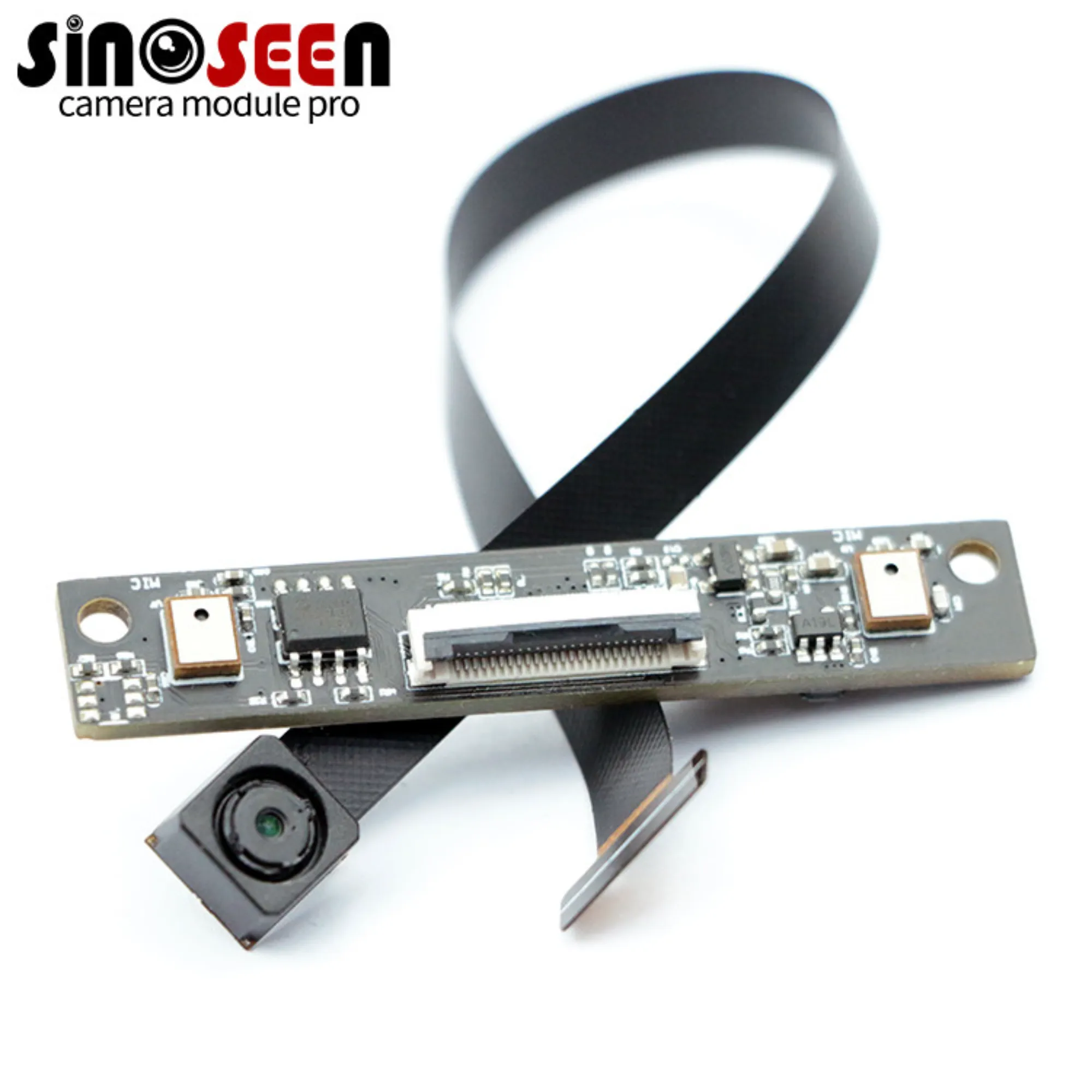
Selecting the right 4K camera module factory partner represents one of the most critical decisions for businesses developing next-generation imaging products. Whether you're designing security systems, automotive applications, medical devices, or consumer electronics, the quality and reliability of your 4K camera module directly impacts your product's market success and customer satisfaction.

The complexity of modern 4K camera module manufacturing requires a factory partner with specialized expertise, advanced production capabilities, and proven quality systems. This comprehensive guide examines the essential factors to evaluate when choosing a manufacturing partner, from technical capabilities and quality certifications to supply chain reliability and long-term partnership potential.
Understanding 4K Camera Module Manufacturing Requirements
Technical Specifications and Performance Standards
A qualified 4K camera module factory must demonstrate mastery of ultra-high-definition imaging technology, including precise sensor alignment, advanced optics manufacturing, and sophisticated image signal processing. The factory should possess deep understanding of pixel density requirements, with 4K resolution demanding at least 8.3 megapixels arranged in a 3840 x 2160 configuration. Manufacturing precision becomes critical when working with such high pixel densities, as even minor alignment errors can significantly impact image quality.
Look for factories that can provide detailed technical documentation about their 4K camera module production processes, including optical bench testing procedures, sensor calibration methods, and quality control checkpoints. The manufacturing partner should demonstrate capability in handling various sensor technologies, from CMOS to CCD sensors, depending on your specific application requirements. Advanced factories often maintain clean room environments with Class 10,000 or better specifications to prevent contamination during sensitive assembly processes.
Consider the factory's experience with different 4K camera module form factors, including compact modules for mobile applications, larger modules for professional equipment, and specialized configurations for industrial or automotive use. The manufacturing partner should understand the unique challenges associated with thermal management, electromagnetic interference shielding, and mechanical stability requirements specific to 4K imaging systems.
Quality Control and Testing Capabilities
Rigorous quality control represents a fundamental requirement for any 4K camera module manufacturing partnership. The factory should maintain comprehensive testing protocols that verify optical performance, electrical functionality, and mechanical durability under various operating conditions. Standard testing procedures should include resolution verification, color accuracy assessment, low-light performance evaluation, and thermal cycling tests to ensure consistent performance across temperature ranges.
Evaluate the factory's automated testing equipment and measurement capabilities, particularly for critical parameters like modulation transfer function, signal-to-noise ratio, and chromatic aberration. Advanced manufacturing partners invest in sophisticated optical test equipment that can accurately measure 4K camera module performance parameters and provide detailed quality reports for each production batch. The testing infrastructure should support both incoming component inspection and final product validation.
The manufacturing partner should demonstrate statistical process control implementation, with documented procedures for identifying and addressing quality variations before they impact production yields. Look for factories that maintain detailed quality databases, enabling trend analysis and proactive quality improvement initiatives throughout the 4K camera module production lifecycle.
Evaluating Manufacturing Capacity and Scalability
Production Volume Capabilities
Understanding the factory's production capacity for 4K camera module manufacturing is essential for ensuring they can meet your current and future volume requirements. Evaluate both current production capabilities and planned expansion capacity, as 4K camera module demand continues growing across multiple market segments. The manufacturing partner should provide clear information about daily, weekly, and monthly production capacities, along with lead times for different order quantities.
Consider the factory's experience managing production ramp-up scenarios, particularly for new 4K camera module designs or configurations. Successful manufacturing partners maintain flexible production lines that can accommodate design changes, volume fluctuations, and urgent delivery requirements without compromising quality standards. The factory should demonstrate ability to scale production efficiently while maintaining consistent quality metrics throughout volume increases.
Assess the manufacturing partner's capacity allocation strategies and customer prioritization policies. Understanding how the factory manages competing demands from multiple customers helps predict your access to production capacity during peak demand periods or supply chain disruptions. The 4K camera module manufacturing requires specialized equipment and expertise, making capacity planning particularly important for long-term partnership success.
Supply Chain Management and Component Sourcing
A robust supply chain represents a critical factor in 4K camera module manufacturing success, particularly given the complexity of components required for high-performance imaging systems. The manufacturing partner should maintain diversified supplier relationships for key components including image sensors, lenses, circuit boards, and specialized connectors. Evaluate the factory's supplier qualification processes and ongoing supplier performance monitoring systems.
Consider the manufacturing partner's inventory management strategies and component forecasting capabilities. 4K camera module production requires careful coordination of component availability, particularly for specialized sensors and optical elements that may have extended lead times. The factory should demonstrate proactive supply chain risk management, including backup supplier identification and strategic inventory positioning for critical components.
Assess the manufacturing partner's relationships with key technology providers and component suppliers in the imaging industry. Strong supplier relationships often provide access to latest component technologies, favorable pricing terms, and priority allocation during supply constraints. The factory should provide transparency about their supply chain structure and demonstrate ability to maintain component traceability throughout the 4K camera module production process.
Assessing Technical Expertise and Innovation Capabilities
Engineering Support and Design Collaboration
The ideal 4K camera module factory partner provides comprehensive engineering support beyond basic manufacturing services. Look for manufacturing partners with dedicated application engineering teams that can assist with product optimization, design for manufacturability recommendations, and technical problem-solving throughout the development process. The factory should demonstrate experience collaborating with customers on complex 4K camera module integration challenges.
Evaluate the manufacturing partner's design capabilities, particularly for custom 4K camera module configurations or specialized applications. The engineering team should understand optical design principles, sensor integration requirements, and system-level performance optimization. Strong manufacturing partners often maintain optical simulation capabilities and prototype development services to support customer innovation initiatives.
Consider the factory's track record in developing 4K camera module solutions for various industries and applications. Experience across multiple market segments demonstrates versatility and deep understanding of different performance requirements and regulatory standards. The manufacturing partner should provide references and case studies illustrating successful collaboration on challenging 4K camera module projects.
Research and Development Investment
A forward-thinking 4K camera module manufacturing partner invests significantly in research and development activities to stay current with rapidly evolving imaging technologies. Evaluate the factory's R&D capabilities, including dedicated research facilities, advanced testing equipment, and partnerships with technology providers or research institutions. The manufacturing partner should demonstrate commitment to continuous improvement and technology advancement.
Assess the factory's innovation pipeline and planned technology developments relevant to 4K camera module manufacturing. Leading manufacturing partners often participate in industry standardization efforts and maintain awareness of emerging technologies that could impact future product requirements. The R&D investment should align with your long-term technology roadmap and market positioning objectives.
Consider the manufacturing partner's intellectual property portfolio and technology licensing arrangements. A strong IP position often indicates significant R&D investment and can provide competitive advantages in 4K camera module performance or manufacturing efficiency. The factory should demonstrate respect for customer intellectual property while contributing their own technological expertise to partnership success.
Quality Certifications and Regulatory Compliance
Industry Standards and Certifications
Quality certifications provide essential validation of a 4K camera module factory's manufacturing processes and quality management systems. Look for manufacturing partners that maintain ISO 9001 certification as a foundation for quality management, along with industry-specific certifications such as ISO/TS 16949 for automotive applications or ISO 13485 for medical devices if relevant to your market segments.
Evaluate the factory's compliance with environmental standards, including RoHS directive compliance for hazardous substance restrictions and WEEE directive compliance for electronic waste management. Many 4K camera module applications require strict environmental compliance, particularly for products sold in European markets or other regions with stringent environmental regulations. The manufacturing partner should maintain current certification documentation and demonstrate ongoing compliance monitoring.
Consider additional quality standards relevant to your specific application, such as IPC standards for electronic assembly or optical industry standards for imaging system performance. The manufacturing partner should understand regulatory requirements for your target markets and maintain appropriate certifications to support product compliance throughout the 4K camera module lifecycle.
Testing Laboratory Accreditation
Accredited testing capabilities provide additional assurance of 4K camera module quality and performance consistency. Look for manufacturing partners that maintain testing laboratory accreditation from recognized bodies such as A2LA, NVLAP, or equivalent international accreditation organizations. Accredited testing demonstrates the factory's commitment to measurement accuracy and testing procedure standardization.
Evaluate the scope of accredited testing capabilities, particularly for measurements critical to 4K camera module performance such as optical resolution, color accuracy, and electrical characteristics. The manufacturing partner should provide clear documentation of testing procedures and measurement uncertainties for key performance parameters. Accredited testing capabilities can reduce your need for independent verification testing and accelerate product development timelines.
Consider the manufacturing partner's participation in industry proficiency testing programs and measurement comparison activities. These programs provide additional validation of testing accuracy and demonstrate the factory's commitment to measurement quality. The testing laboratory should maintain calibration schedules for critical measurement equipment and provide traceability to national or international measurement standards.
Financial Stability and Partnership Considerations
Financial Health and Business Stability
Assessing the financial stability of your potential 4K camera module manufacturing partner is crucial for ensuring long-term partnership success and supply security. Request financial information including annual revenues, profitability trends, and debt-to-equity ratios to evaluate overall business health. A financially stable manufacturing partner is more likely to maintain consistent quality standards and invest in necessary equipment upgrades or capacity expansions.
Consider the manufacturing partner's customer diversification and market presence across different industry segments. A well-diversified customer base reduces risk associated with market fluctuations in any single industry segment and provides more stable business foundation for long-term 4K camera module manufacturing partnership. Evaluate the factory's growth trajectory and market position within the imaging industry.
Assess the manufacturing partner's investment in facility improvements, equipment upgrades, and technology development. Ongoing capital investment demonstrates commitment to maintaining competitive manufacturing capabilities and quality standards. The factory should provide information about planned investments relevant to 4K camera module manufacturing capabilities and capacity expansion.
Communication and Project Management
Effective communication represents a critical success factor for complex 4K camera module manufacturing partnerships. Evaluate the factory's project management capabilities, including dedicated account management, regular progress reporting, and proactive issue resolution processes. The manufacturing partner should demonstrate clear communication protocols and responsive customer service throughout the product lifecycle.
Consider language capabilities and cultural compatibility factors that could impact partnership effectiveness. International manufacturing partnerships benefit from strong English communication skills and understanding of Western business practices. The factory should provide dedicated technical contacts who can effectively communicate complex 4K camera module specifications and manufacturing requirements.
Assess the manufacturing partner's information systems and data sharing capabilities. Modern manufacturing partnerships require efficient information exchange for design files, quality data, production schedules, and delivery tracking. The factory should maintain secure systems for protecting confidential information while providing necessary visibility into production processes and quality metrics.
FAQ
What are the most important technical qualifications to look for in a 4K camera module factory?
The most critical technical qualifications include clean room manufacturing facilities, precision optical assembly equipment, automated testing systems for 4K resolution verification, and experienced engineering teams with expertise in high-resolution imaging systems. The factory should demonstrate capability in sensor alignment accuracy within micron tolerances and comprehensive quality control processes specific to ultra-high-definition imaging requirements.
How can I verify the quality standards of a potential 4K camera module manufacturing partner?
Verify quality standards through factory audits, review of quality certifications such as ISO 9001, examination of testing equipment and procedures, and evaluation of customer references and case studies. Request sample products for independent testing and review quality control documentation including statistical process control data and continuous improvement records. Consider third-party quality assessments when available.
What production capacity considerations are essential for 4K camera module manufacturing partnerships?
Essential capacity considerations include current production volume capabilities, scalability for future growth, lead time requirements, and capacity allocation policies during high-demand periods. Evaluate the factory's track record managing production ramp-up scenarios and their ability to maintain quality standards during volume increases. Consider backup capacity options and the manufacturer's customer prioritization strategies.
How important is geographical location when choosing a 4K camera module factory partner?
Geographical location affects shipping costs, lead times, communication efficiency, and regulatory compliance requirements. Consider proximity to your design centers for collaboration effectiveness, shipping time to your assembly facilities or customers, and local regulatory environment for quality standards and intellectual property protection. Balance cost advantages with logistical considerations and partnership management requirements for optimal results.
Table of Contents
- Understanding 4K Camera Module Manufacturing Requirements
- Evaluating Manufacturing Capacity and Scalability
- Assessing Technical Expertise and Innovation Capabilities
- Quality Certifications and Regulatory Compliance
- Financial Stability and Partnership Considerations
-
FAQ
- What are the most important technical qualifications to look for in a 4K camera module factory?
- How can I verify the quality standards of a potential 4K camera module manufacturing partner?
- What production capacity considerations are essential for 4K camera module manufacturing partnerships?
- How important is geographical location when choosing a 4K camera module factory partner?