Innovative Camera Modules for Every Application | Sinoseen

All Categories

miniature camera module

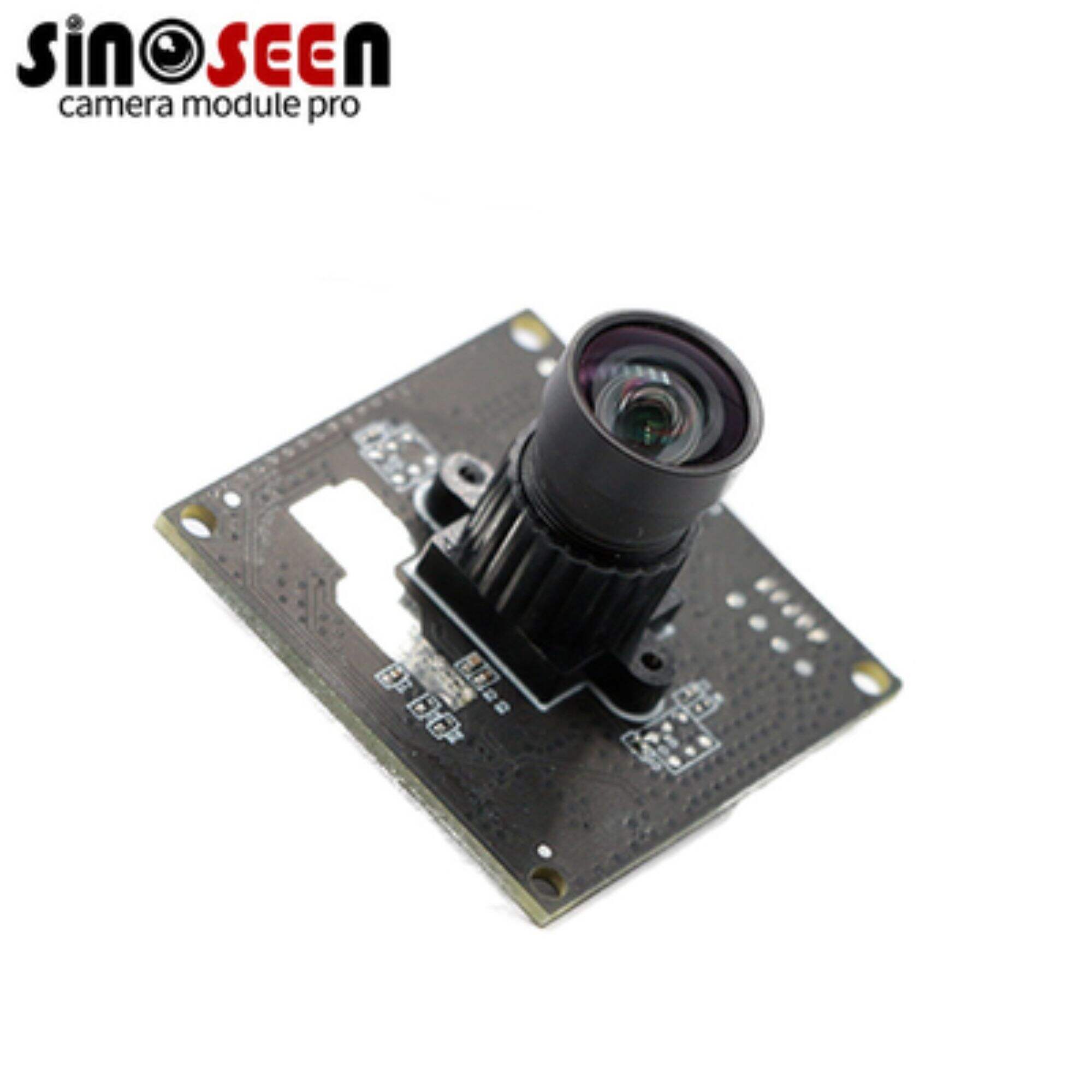
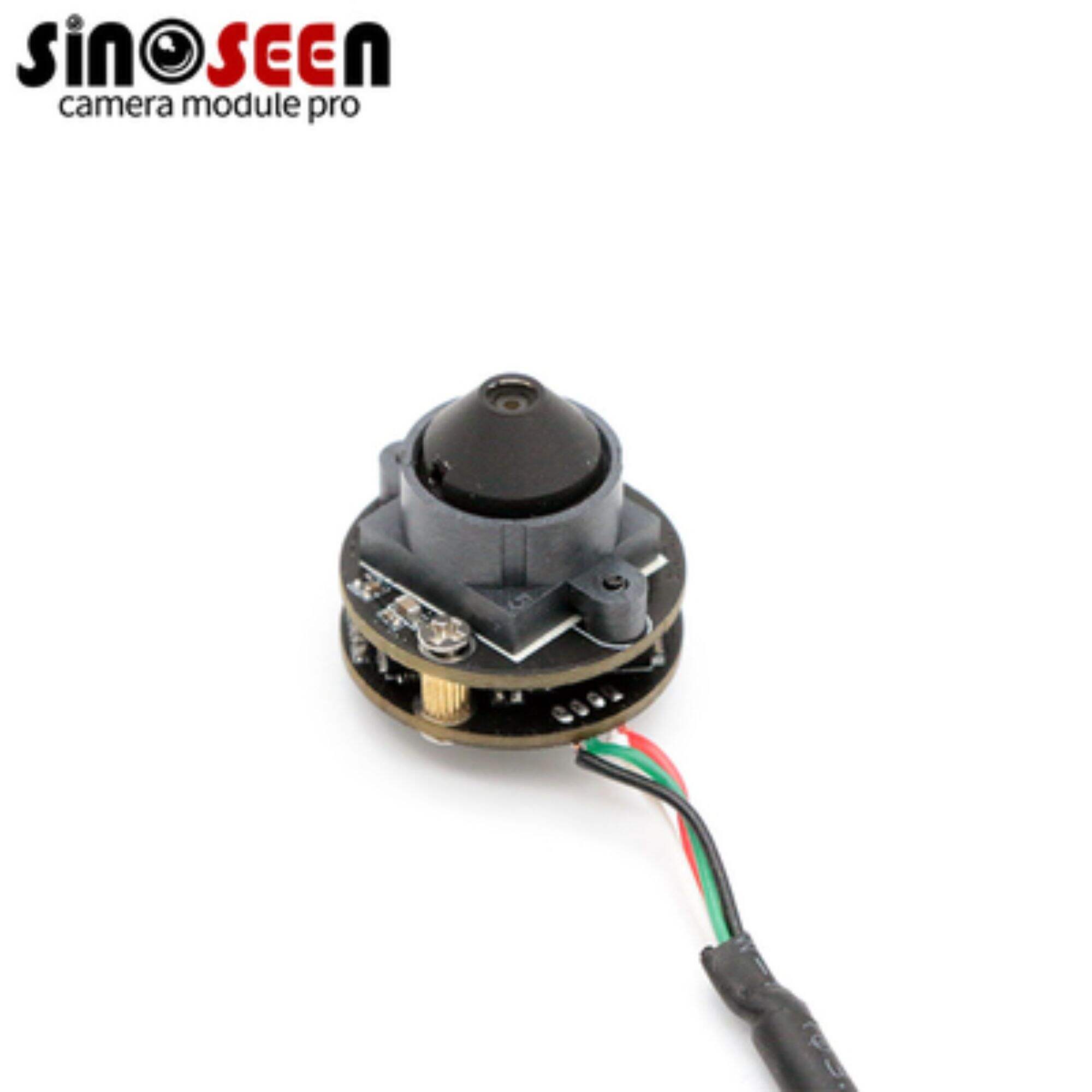
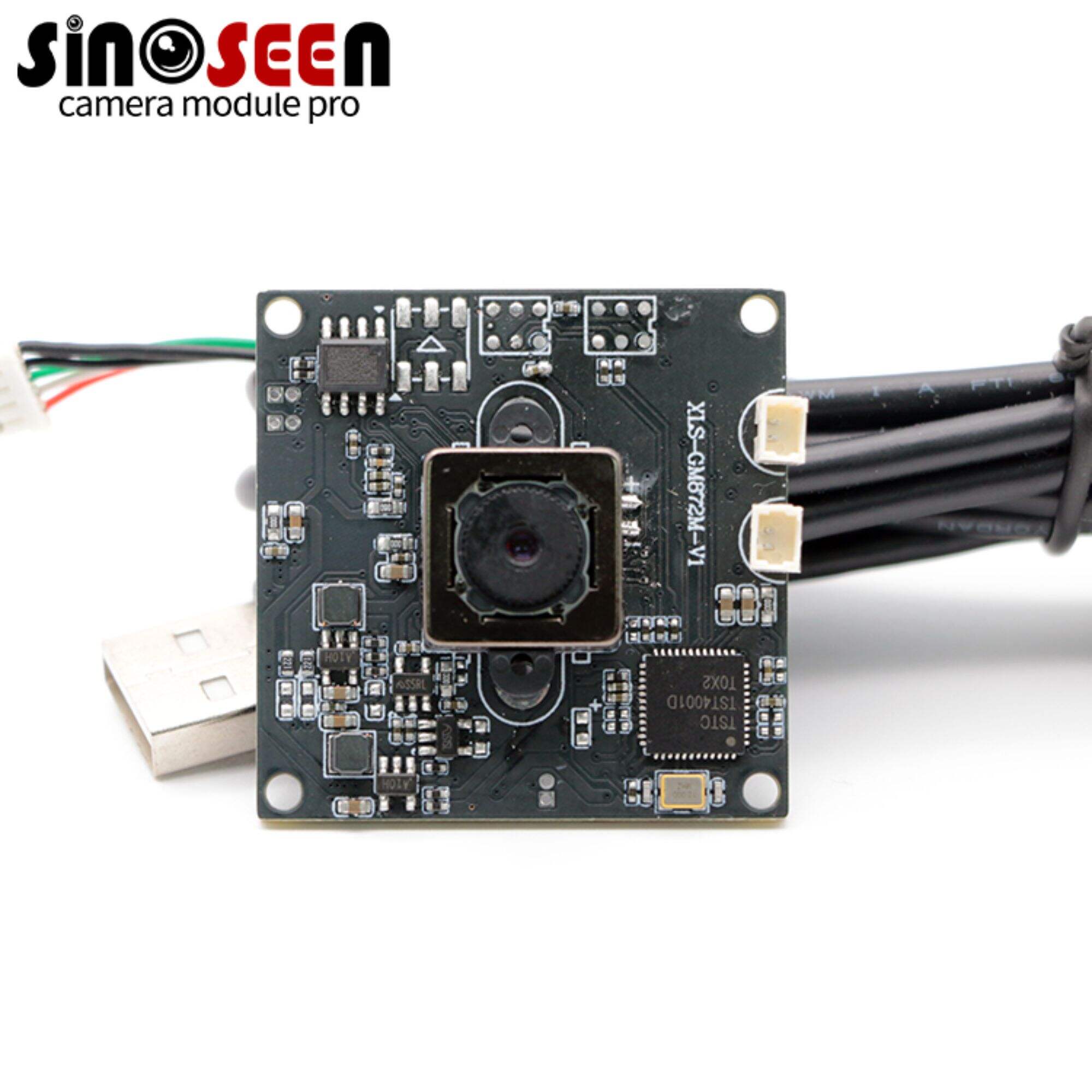
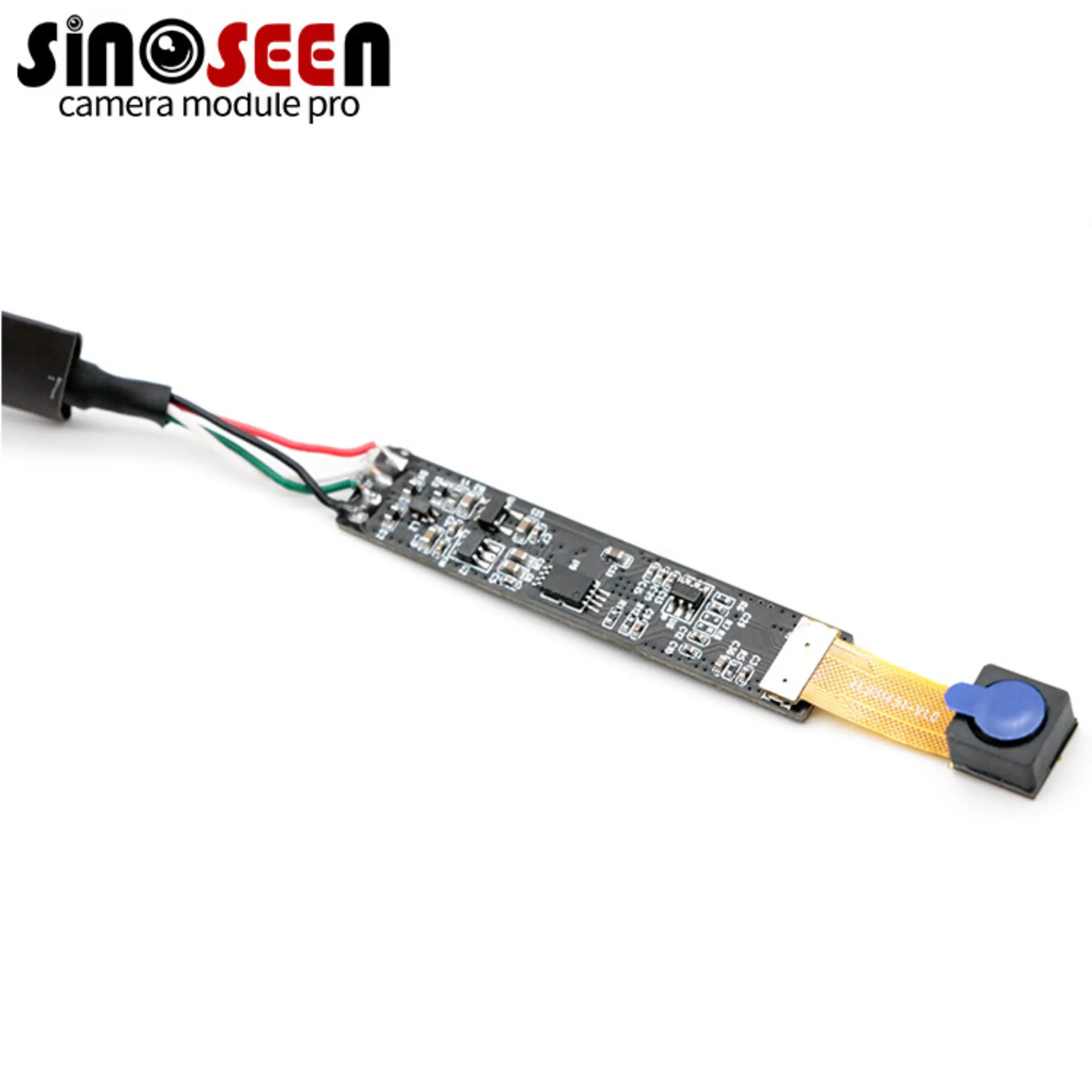
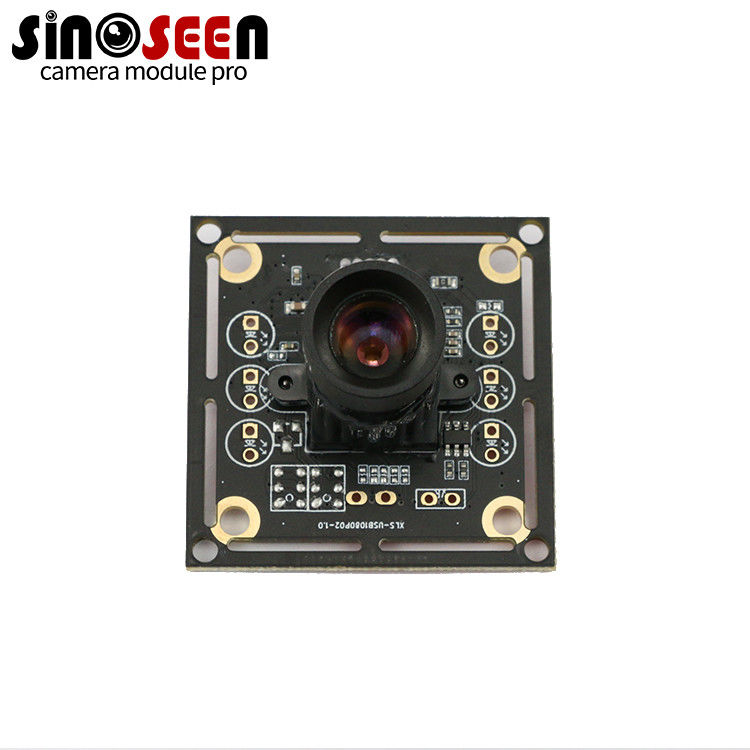
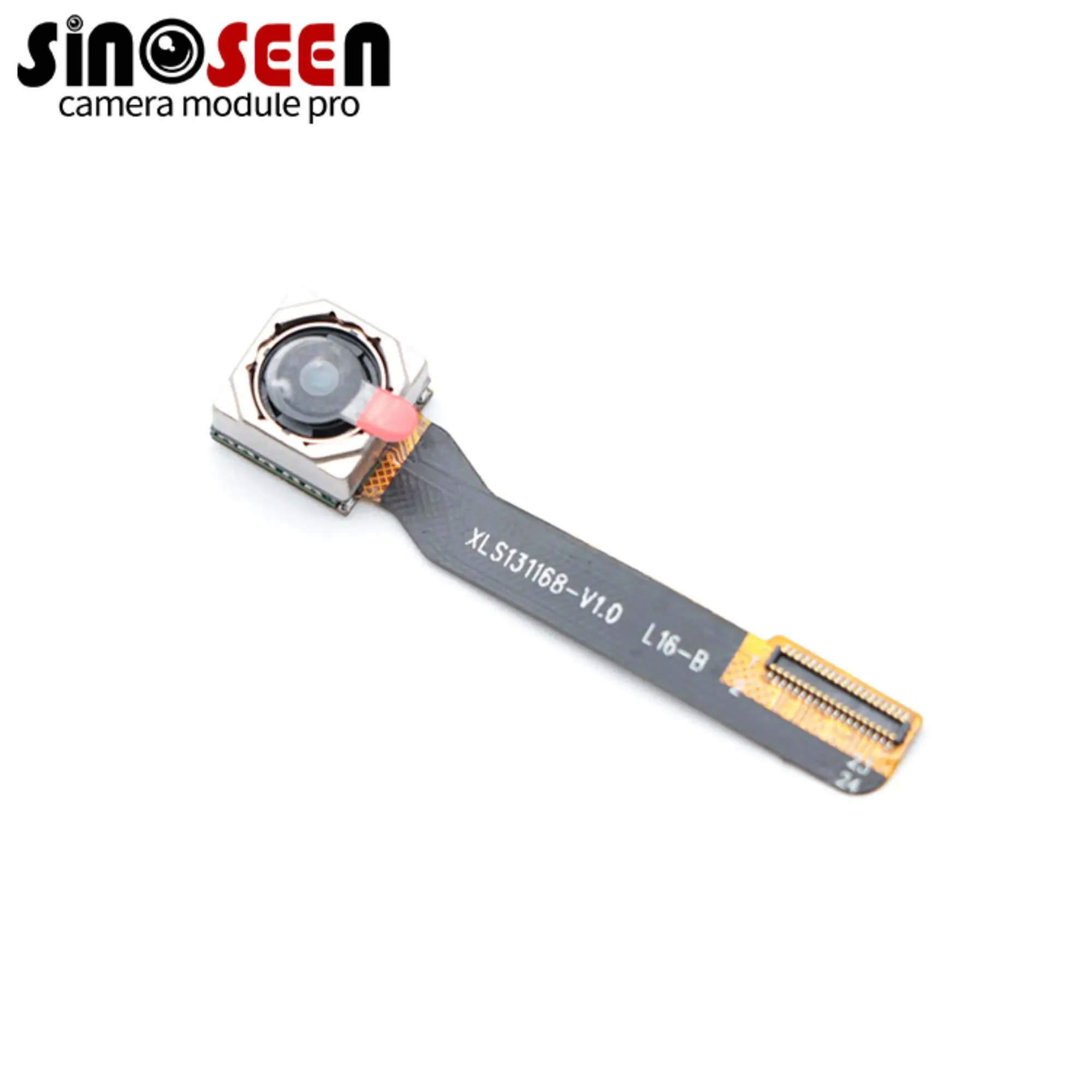
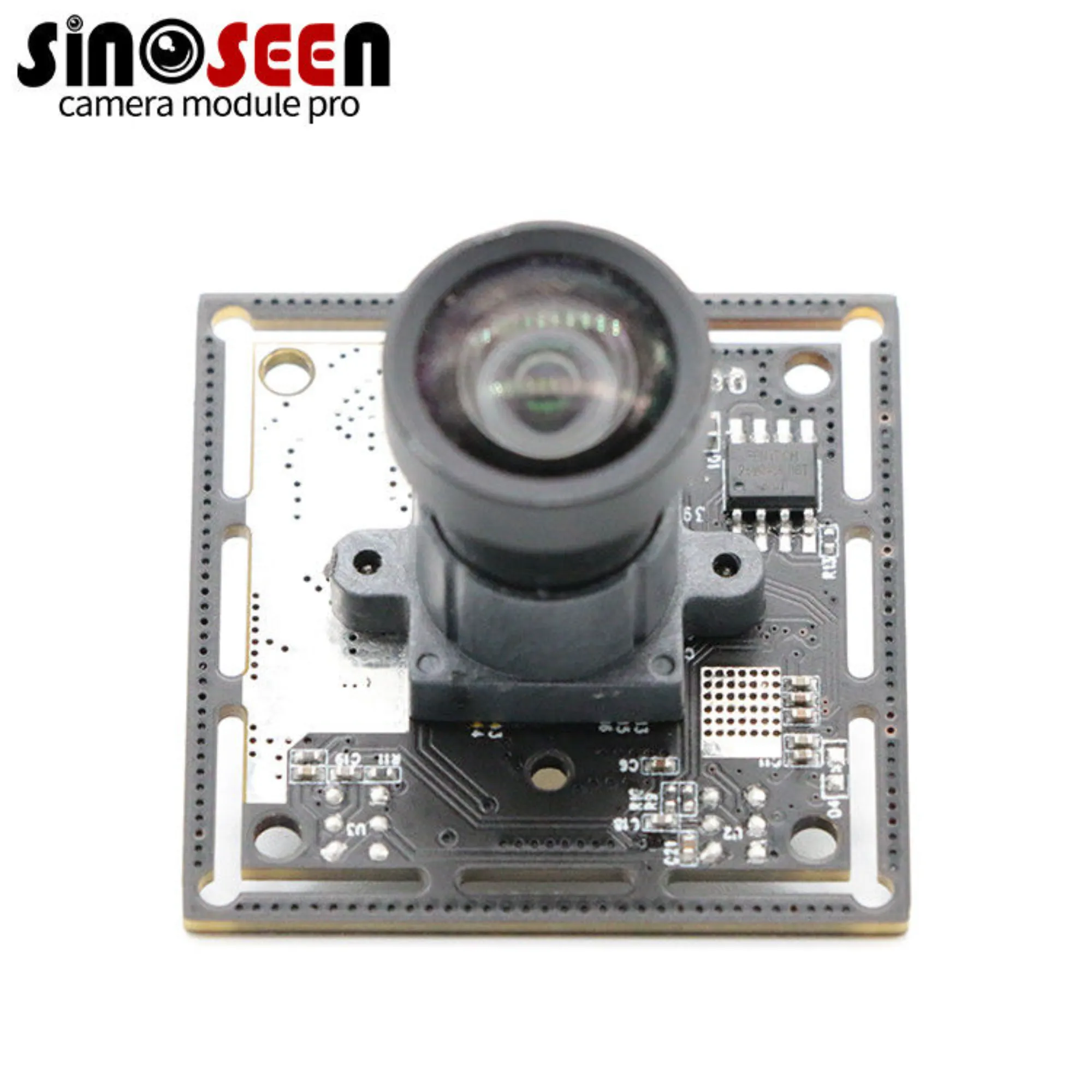
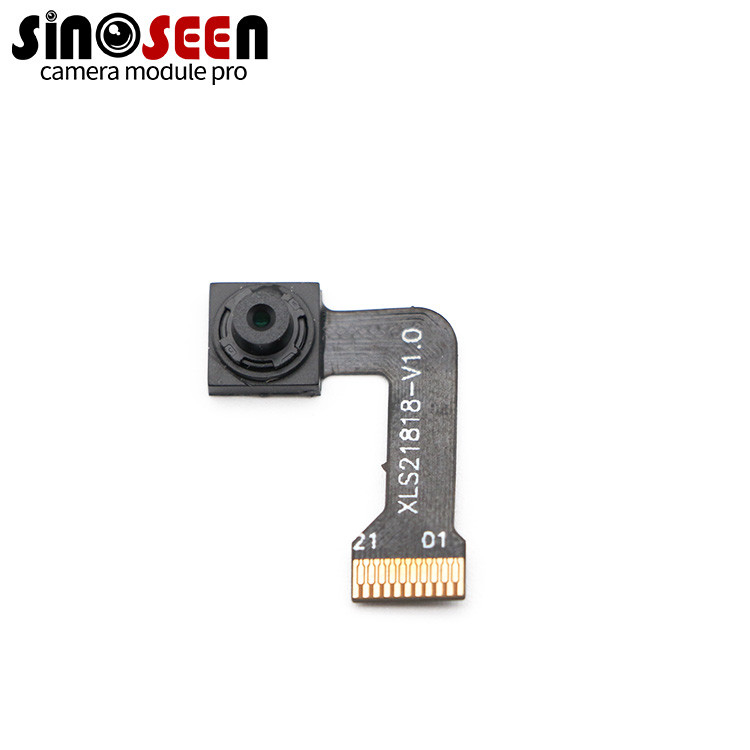
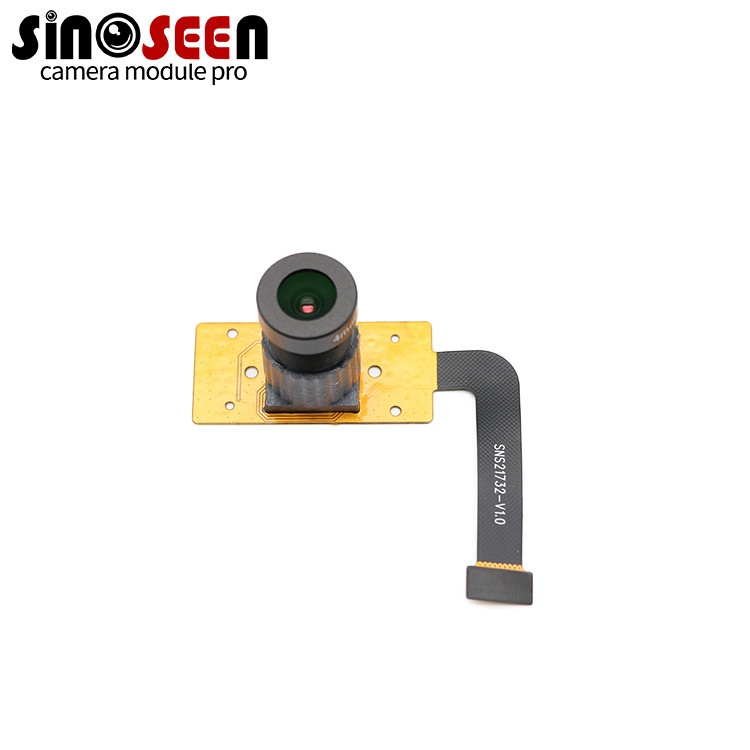
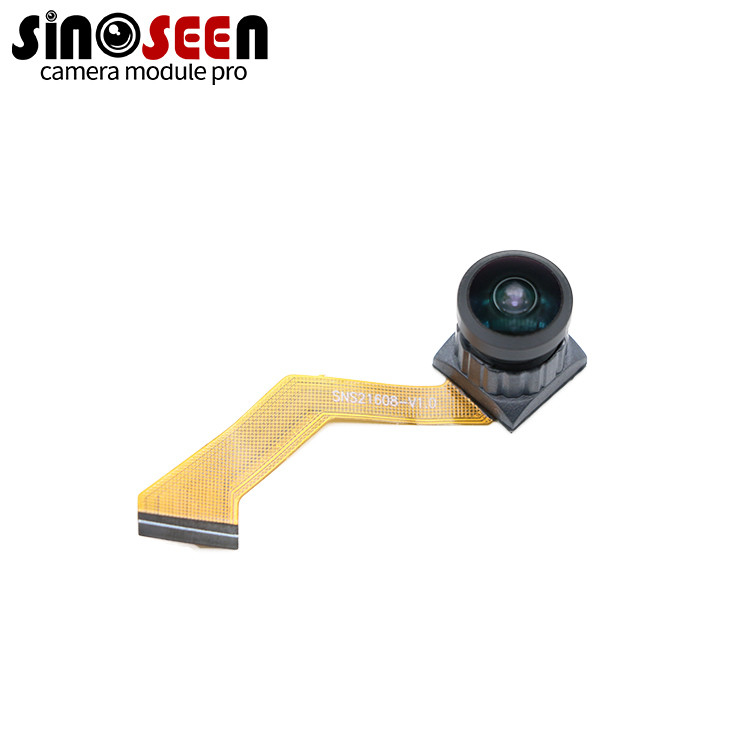
The miniature camera module represents a revolutionary advancement in imaging technology, combining sophisticated optical components with cutting-edge electronics in an incredibly compact form factor. This innovative device integrates high-resolution image sensors, precision lenses, and advanced signal processing capabilities into a package that typically measures just a few millimeters in diameter and height. The miniature camera module serves as the foundation for countless modern applications, from smartphones and tablets to medical devices and automotive systems. At its core, the miniature camera module consists of several critical components working in perfect harmony. The image sensor, often a CMOS or CCD chip, captures light and converts it into digital signals with remarkable precision. Advanced lens systems focus incoming light onto the sensor while maintaining exceptional image quality despite the constrained physical dimensions. Sophisticated image signal processors enhance captured images through noise reduction, color correction, and automatic exposure adjustments. The technological features of the miniature camera module showcase remarkable engineering achievements. High pixel density sensors deliver crystal-clear images that rival traditional larger cameras. Advanced autofocus mechanisms ensure sharp images across varying distances, while optical image stabilization compensates for unwanted movement. Low-light performance capabilities enable clear imaging in challenging conditions through enhanced sensitivity and noise reduction algorithms. Digital zoom functionality provides versatility without sacrificing image quality, and high-speed capture modes support video recording at various frame rates. Applications for the miniature camera module span numerous industries and use cases. Consumer electronics manufacturers integrate these modules into smartphones, laptops, and tablets to enable photography, video calling, and augmented reality experiences. Medical professionals utilize miniature camera modules in endoscopic procedures, surgical instruments, and diagnostic equipment. Automotive applications include backup cameras, driver monitoring systems, and advanced driver assistance features. Security and surveillance systems benefit from discreet monitoring capabilities, while industrial applications encompass quality control, robotic vision, and inspection systems.

New Products

The miniature camera module delivers exceptional value through its remarkable space efficiency, making it the perfect solution for applications where size constraints are critical. Unlike traditional bulky camera systems, this compact technology fits seamlessly into tight spaces without compromising functionality or performance. Manufacturers can design sleeker products while maintaining superior imaging capabilities, giving them a significant competitive advantage in today's market. The reduced footprint enables innovative product designs that were previously impossible with larger camera components. Cost efficiency represents another major advantage of the miniature camera module. The streamlined manufacturing process and integrated design significantly reduce production costs compared to assembling separate optical components. This cost reduction translates directly into savings for manufacturers and ultimately benefits end consumers through more affordable products. The economies of scale achieved through mass production further enhance the cost advantages, making high-quality imaging accessible across various price points and market segments. Power consumption optimization stands out as a crucial benefit for battery-powered devices. The miniature camera module incorporates advanced power management features that extend device battery life while maintaining excellent image quality. Smart power modes automatically adjust consumption based on usage patterns, ensuring optimal performance when needed and conserving energy during idle periods. This efficiency proves especially valuable in portable devices where battery life directly impacts user satisfaction and product usability. Installation and integration simplicity provide significant advantages for product developers and manufacturers. The miniature camera module features standardized interfaces and mounting systems that streamline the integration process into various devices and applications. Plug-and-play compatibility reduces development time and costs while minimizing the risk of integration issues. Comprehensive software development kits and technical support further accelerate product development cycles, enabling faster time-to-market for new products. Reliability and durability characteristics ensure consistent performance across diverse operating conditions. The miniature camera module undergoes rigorous testing to withstand temperature variations, humidity, shock, and vibration. Advanced packaging protects sensitive components from environmental factors while maintaining optical clarity and electronic functionality. This robust construction reduces warranty claims and enhances customer satisfaction through dependable long-term performance. Quality assurance protocols guarantee consistent image quality and functionality across production batches, providing manufacturers with confidence in their supply chain reliability.

Latest News

Why Choose a High-Performance Embedded Camera Module for AI Applications?

02

Mar

Why Choose a High-Performance Embedded Camera Module for AI Applications?

Artificial intelligence applications demand precision, speed, and reliability in their visual data acquisition systems. An embedded camera module serves as the critical foundation for AI-powered devices, from autonomous vehicles to smart manufacturin...
View More
How to Optimize Low-Light Performance in Custom Camera Module Designs?

02

Mar

How to Optimize Low-Light Performance in Custom Camera Module Designs?

Custom camera module designs face unique challenges when operating in environments with minimal illumination, making low-light performance optimization a critical engineering consideration. Modern applications ranging from security surveillance to au...
View More
How to Integrate a Small Camera Module into Compact Medical Devices?

02

Mar

How to Integrate a Small Camera Module into Compact Medical Devices?

Medical device miniaturization continues to revolutionize healthcare, enabling less invasive procedures and improved patient outcomes. When designing compact medical equipment, integrating a small camera module requires careful consideration of space...
View More
Why do Robotics Manufacturers Prefer High-Speed AI Camera Modules?

02

Mar

Why do Robotics Manufacturers Prefer High-Speed AI Camera Modules?

The robotics industry has experienced unprecedented growth in recent years, with manufacturers increasingly demanding sophisticated vision systems that can process visual data at lightning speed. High-speed AI camera modules have emerged as the corne...
View More

Get In Touch

miniature camera module

Ultra-Compact Design with Maximum Performance

Ultra-Compact Design with Maximum Performance

The miniature camera module achieves an extraordinary balance between size reduction and performance optimization that sets new standards in imaging technology. This remarkable engineering achievement delivers professional-grade image quality in a package that measures just millimeters in each dimension, revolutionizing how designers approach product development across multiple industries. The ultra-compact design incorporates advanced miniaturization techniques that compress traditional camera components without sacrificing essential functionality or image clarity. Sophisticated optical engineering enables the miniature camera module to maintain exceptional lens quality despite severe space constraints. Advanced aspherical lens elements correct optical aberrations while minimizing thickness, and precision manufacturing ensures perfect alignment of all optical components. Multi-layer anti-reflective coatings reduce unwanted reflections and enhance light transmission, contributing to superior image quality that rivals much larger camera systems. The compact sensor technology utilizes cutting-edge pixel architecture to maximize light sensitivity and dynamic range within the constrained physical space. This design philosophy enables seamless integration into products where space is at a premium, such as ultra-thin smartphones, compact medical devices, and miniaturized security systems. The reduced form factor opens new possibilities for product innovation, allowing designers to create sleeker profiles and more attractive aesthetics without compromising imaging capabilities. Manufacturing precision ensures consistent quality across millions of units, with automated assembly processes maintaining tight tolerances essential for optimal optical performance. The miniature camera module's compact design also contributes to improved heat dissipation characteristics, as the smaller thermal mass responds quickly to temperature changes and requires less power for thermal management. This thermal efficiency translates into more stable performance and extended operational life. The ultra-compact design methodology extends beyond mere size reduction to encompass intelligent component integration that eliminates redundant elements and optimizes signal paths for maximum efficiency and minimum electromagnetic interference.
Advanced Image Processing and Smart Features

Advanced Image Processing and Smart Features

The miniature camera module incorporates sophisticated image processing capabilities that deliver professional-quality results through intelligent algorithms and real-time optimization techniques. This advanced processing power transforms raw sensor data into stunning images that meet demanding quality standards across diverse applications and lighting conditions. The integrated digital signal processor employs machine learning algorithms to automatically adjust camera settings for optimal results in every situation. Smart exposure control analyzes scene content to prevent overexposure and underexposure, while intelligent white balance ensures accurate color reproduction under various lighting conditions. Advanced noise reduction algorithms preserve fine details while eliminating unwanted artifacts, resulting in clean, crisp images even in challenging low-light environments. The miniature camera module features sophisticated autofocus systems that deliver lightning-fast focusing performance with exceptional accuracy. Phase detection and contrast detection technologies work together to achieve precise focus in milliseconds, ensuring sharp images regardless of subject movement or distance changes. Continuous autofocus tracking maintains sharp focus on moving subjects, making the module ideal for video applications and dynamic photography scenarios. Real-time image enhancement capabilities automatically optimize images as they are captured, eliminating the need for post-processing in many applications. Intelligent scene recognition identifies different shooting scenarios and applies appropriate enhancements, such as landscape mode for outdoor scenes or portrait mode for people photography. High dynamic range processing captures multiple exposures simultaneously and combines them into a single image with exceptional detail in both shadows and highlights. The advanced processing capabilities extend to video functionality, supporting high-definition recording with smooth frame rates and excellent image stabilization. Digital zoom maintains image quality through sophisticated interpolation algorithms, while temporal noise reduction ensures clean video output even in challenging lighting conditions. The smart features include facial recognition, object tracking, and gesture detection capabilities that enable innovative user interfaces and enhanced functionality in various applications.
Versatile Applications and Industry Integration

Versatile Applications and Industry Integration

The miniature camera module demonstrates exceptional versatility through its seamless integration across diverse industries and applications, providing customized solutions that meet specific requirements while maintaining consistent high-quality performance standards. This adaptability makes it an invaluable component for manufacturers seeking reliable imaging solutions across various market segments and use cases. In consumer electronics, the miniature camera module enables innovative features in smartphones, tablets, and laptops that enhance user experiences and create new interaction paradigms. Front-facing cameras support video conferencing and selfie photography, while rear cameras capture high-resolution photos and videos with professional-quality results. The compact size allows for multiple camera configurations, enabling advanced features such as depth sensing, wide-angle photography, and optical zoom capabilities that were previously impossible in portable devices. Medical applications benefit tremendously from the miniature camera module's ability to provide clear visualization in minimally invasive procedures. Endoscopic cameras deliver crisp images that help surgeons navigate complex procedures with precision and confidence. Dental imaging systems utilize the compact size to access difficult-to-reach areas while maintaining excellent image quality for accurate diagnosis and treatment planning. Surgical microscopes and diagnostic equipment integrate these modules to provide real-time visualization that enhances medical professionals' capabilities and improves patient outcomes. Automotive integration represents a rapidly growing application area where the miniature camera module contributes to enhanced safety and convenience features. Backup cameras provide clear rear visibility to prevent accidents during parking and reversing maneuvers. Driver monitoring systems track alertness and attention levels to prevent accidents caused by fatigue or distraction. Advanced driver assistance systems utilize multiple camera modules to enable features such as lane departure warnings, collision avoidance, and automated parking assistance. Industrial applications leverage the miniature camera module's precision and reliability for quality control, inspection, and automation processes. Machine vision systems inspect products for defects and ensure consistent quality standards in manufacturing environments. Robotic systems use camera modules for navigation, object recognition, and precise manipulation tasks. The versatility extends to security and surveillance applications where discreet monitoring capabilities provide effective protection without compromising aesthetics or drawing unwanted attention to camera locations.

Related Search

Get in touch