Innovative Camera Modules for Every Application | Sinoseen

All Categories

low illumination camera module

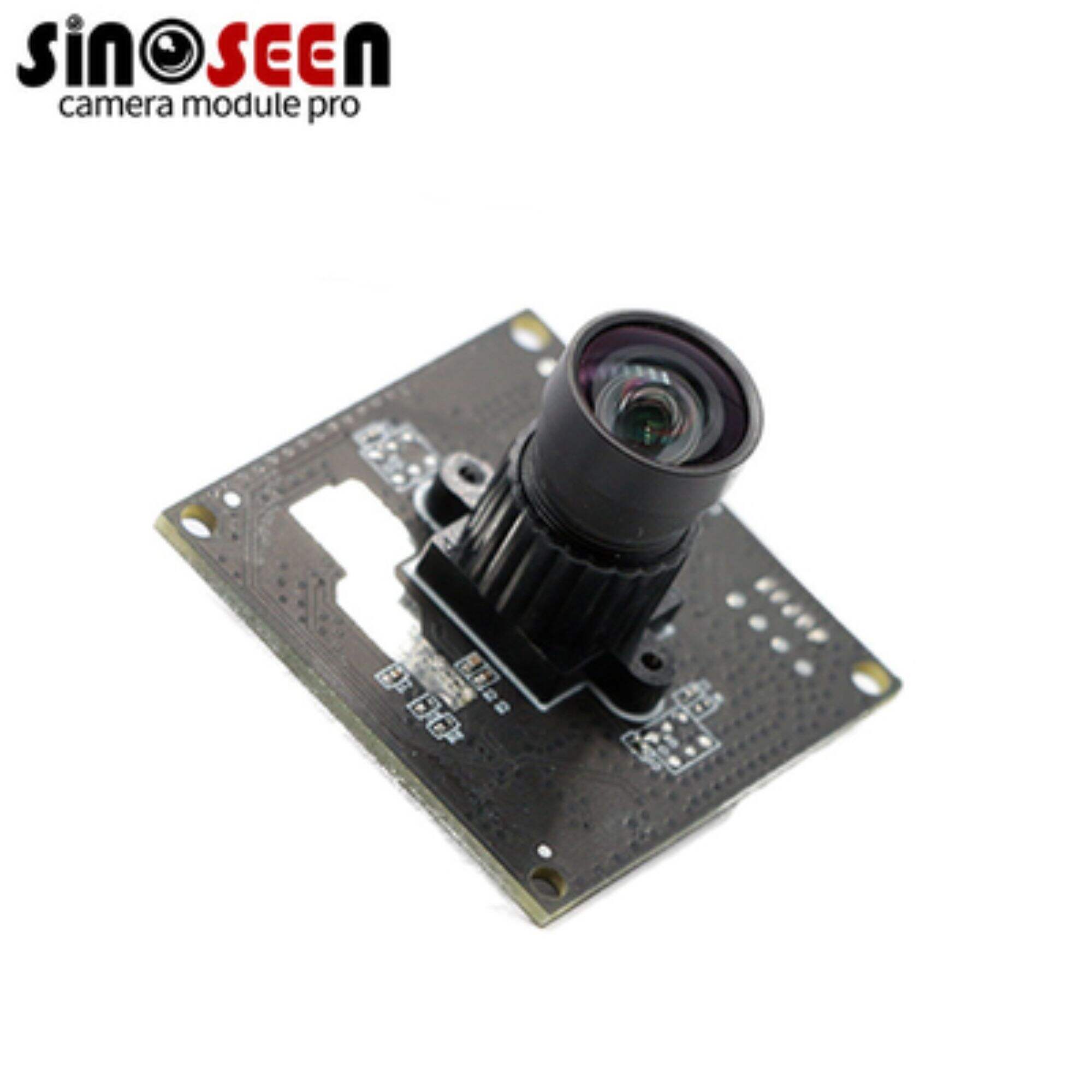
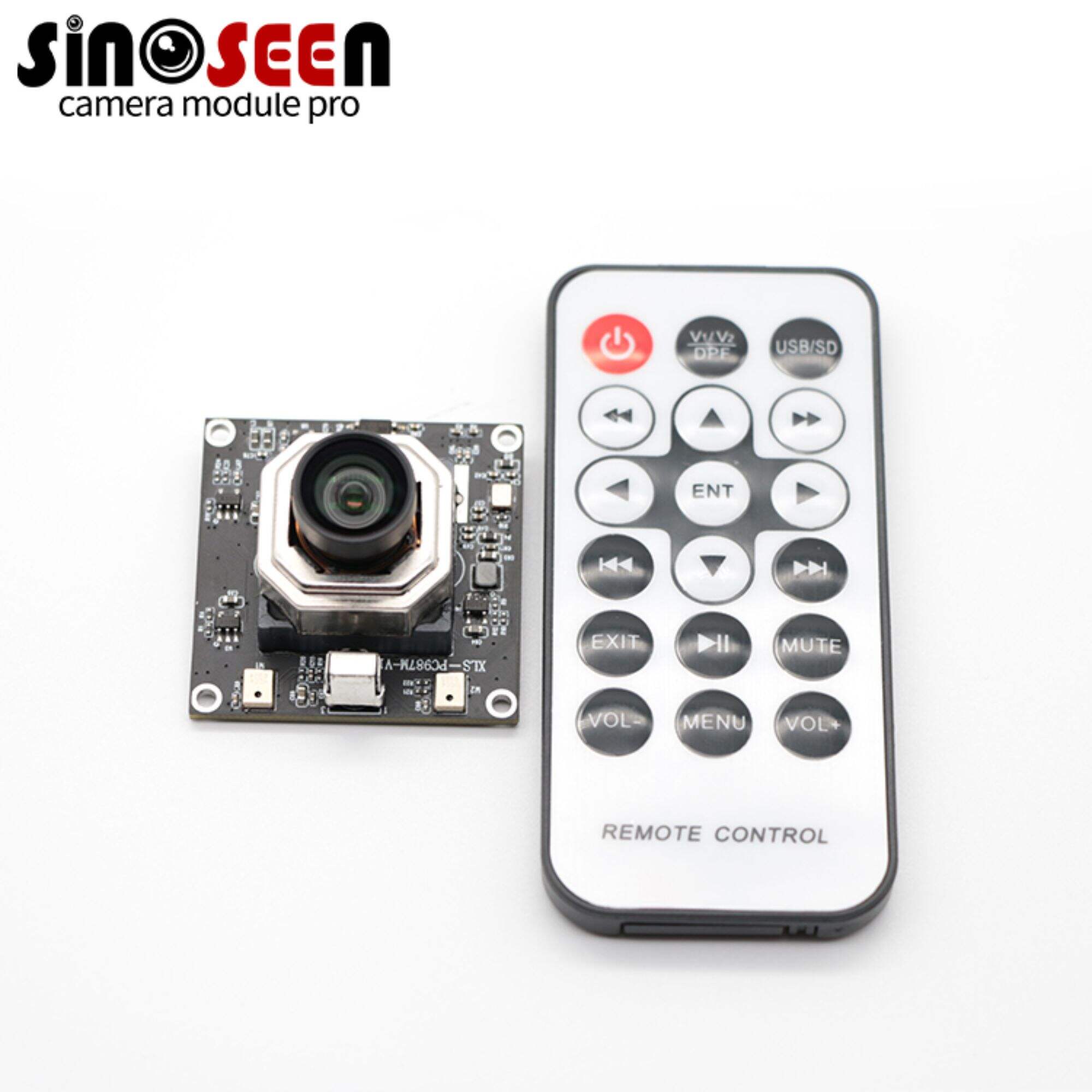
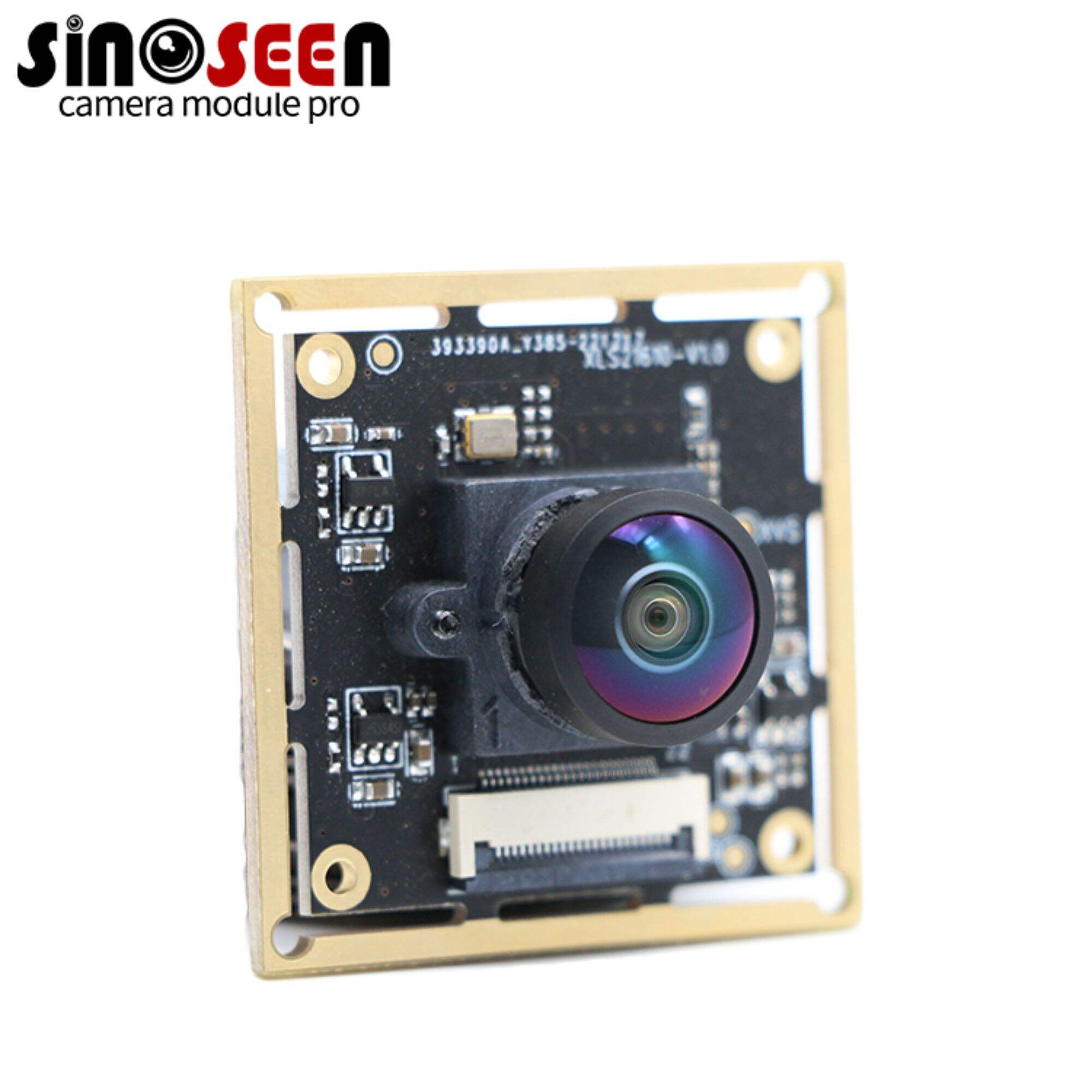
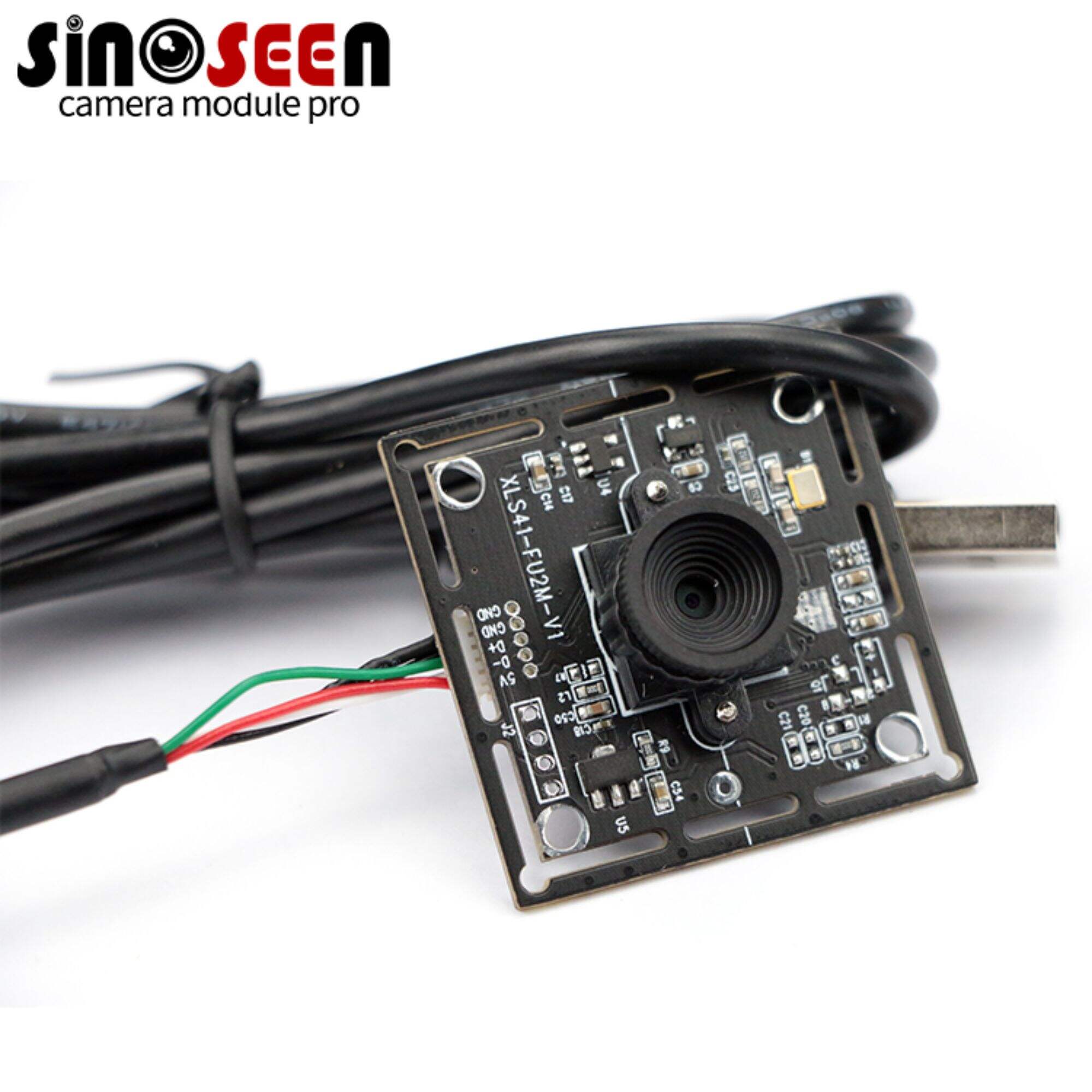
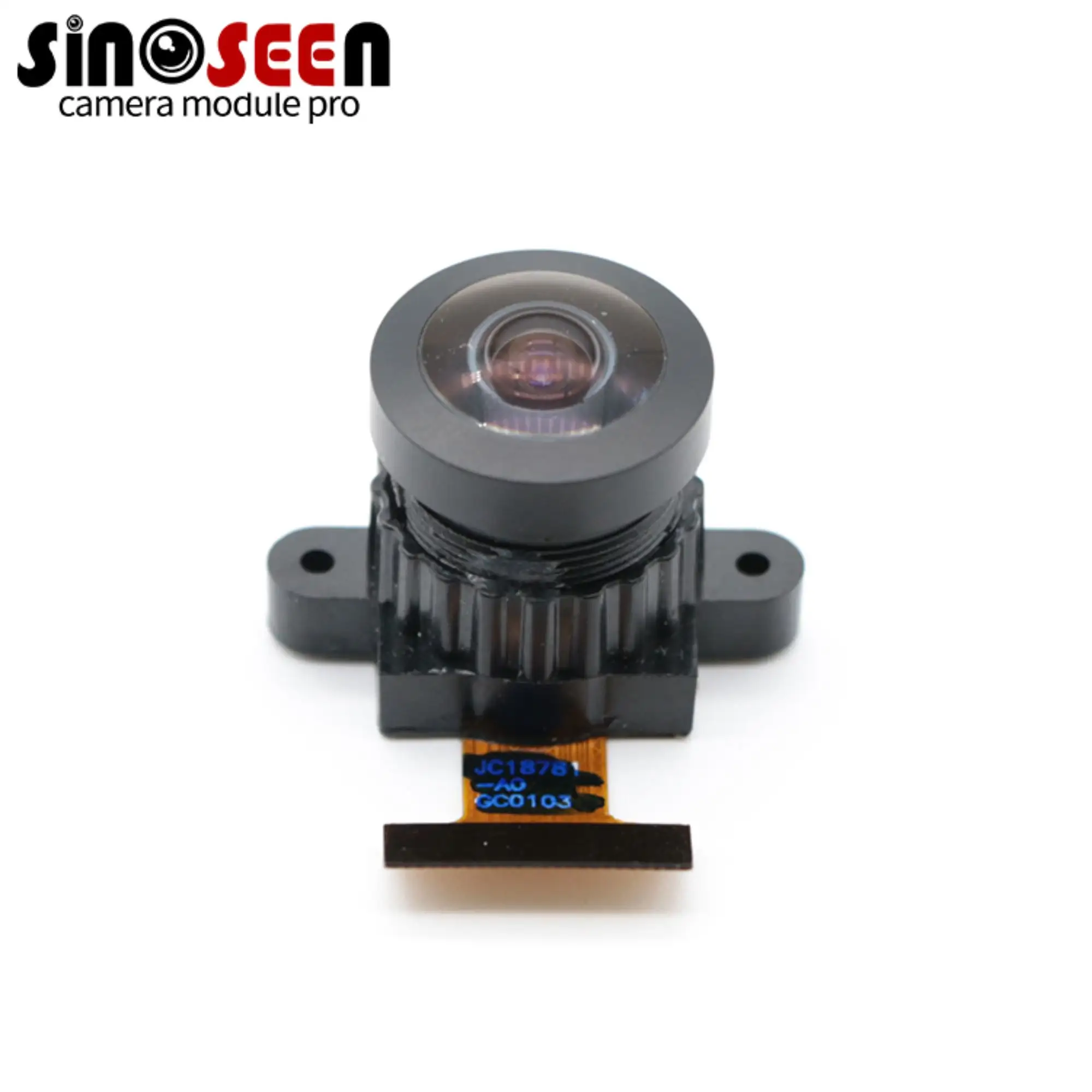
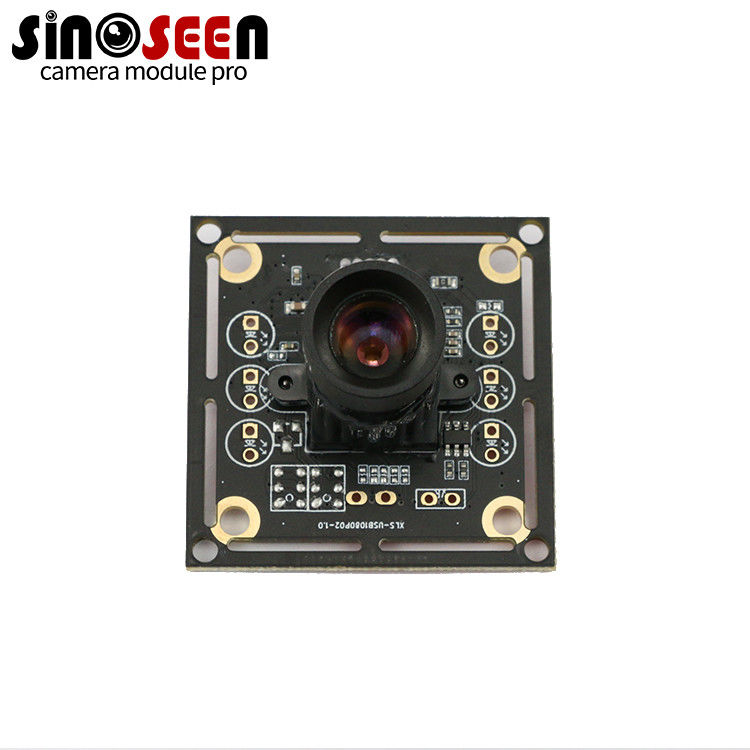
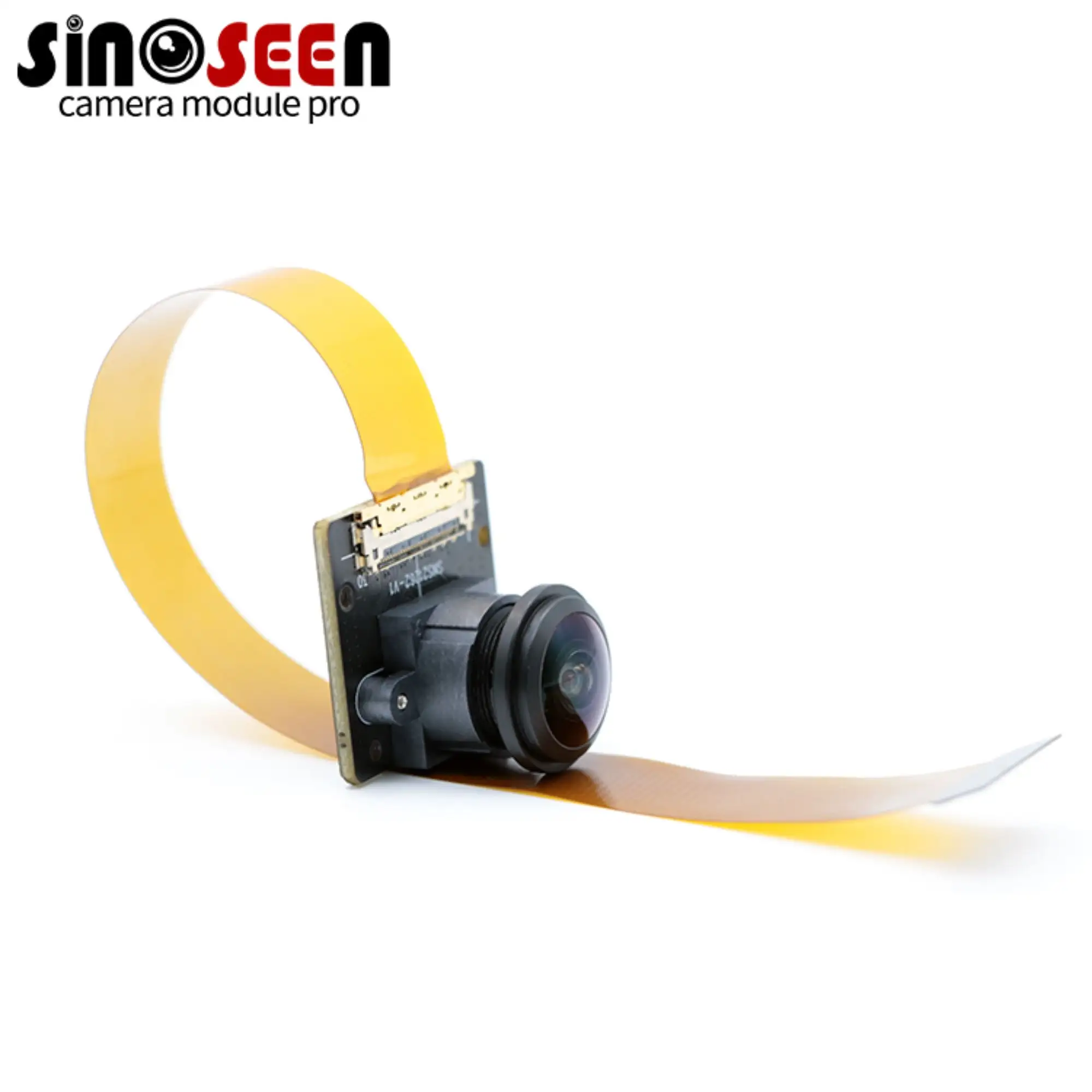
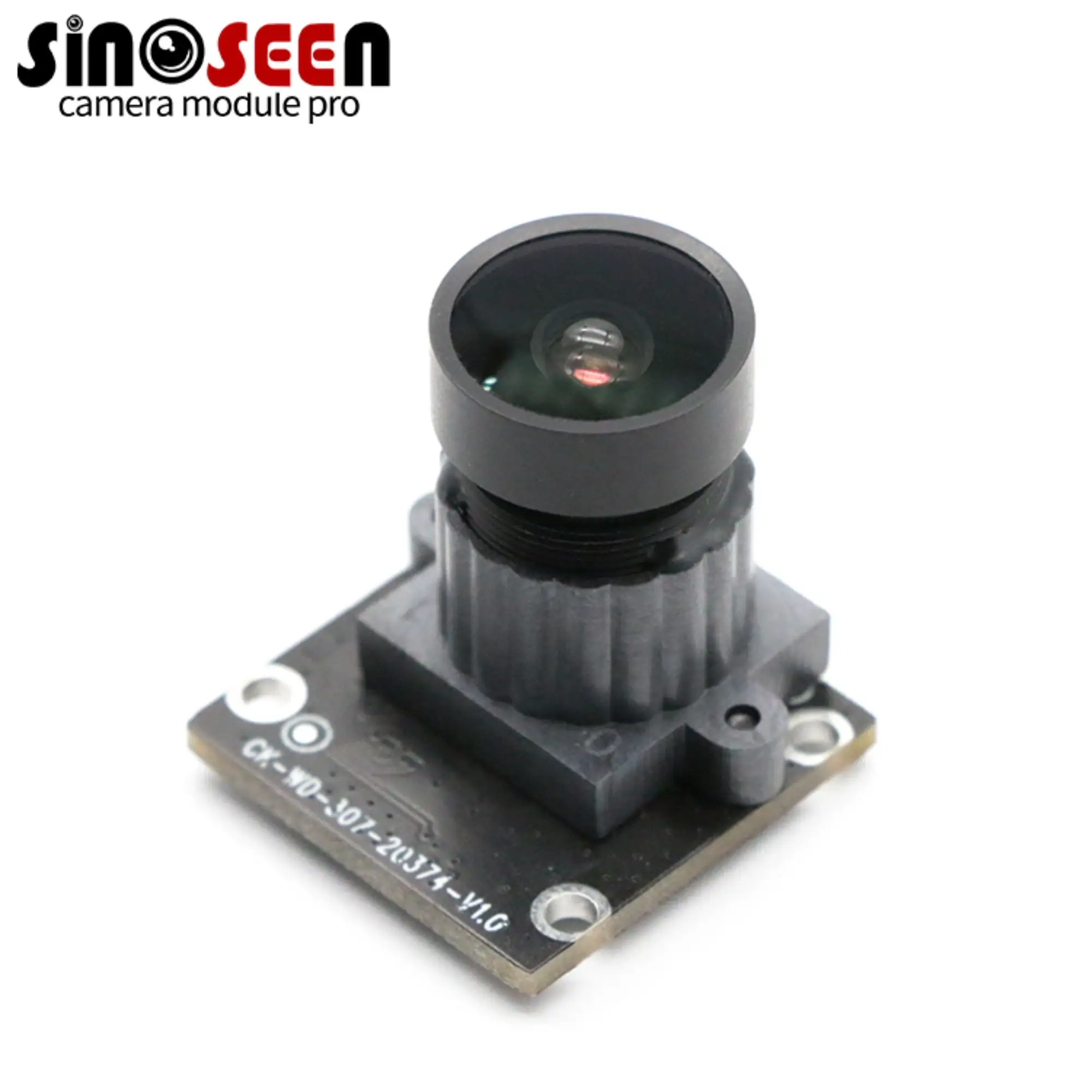
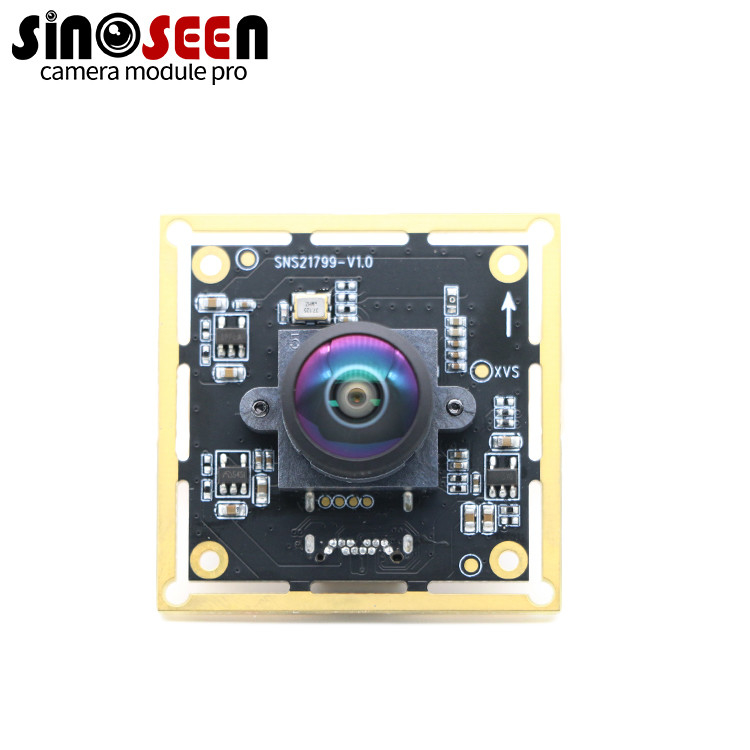
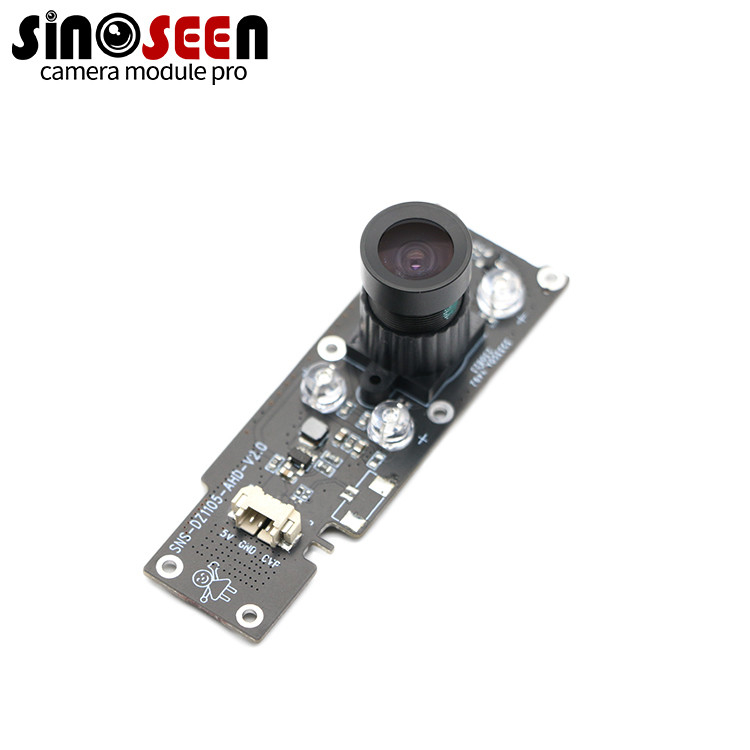
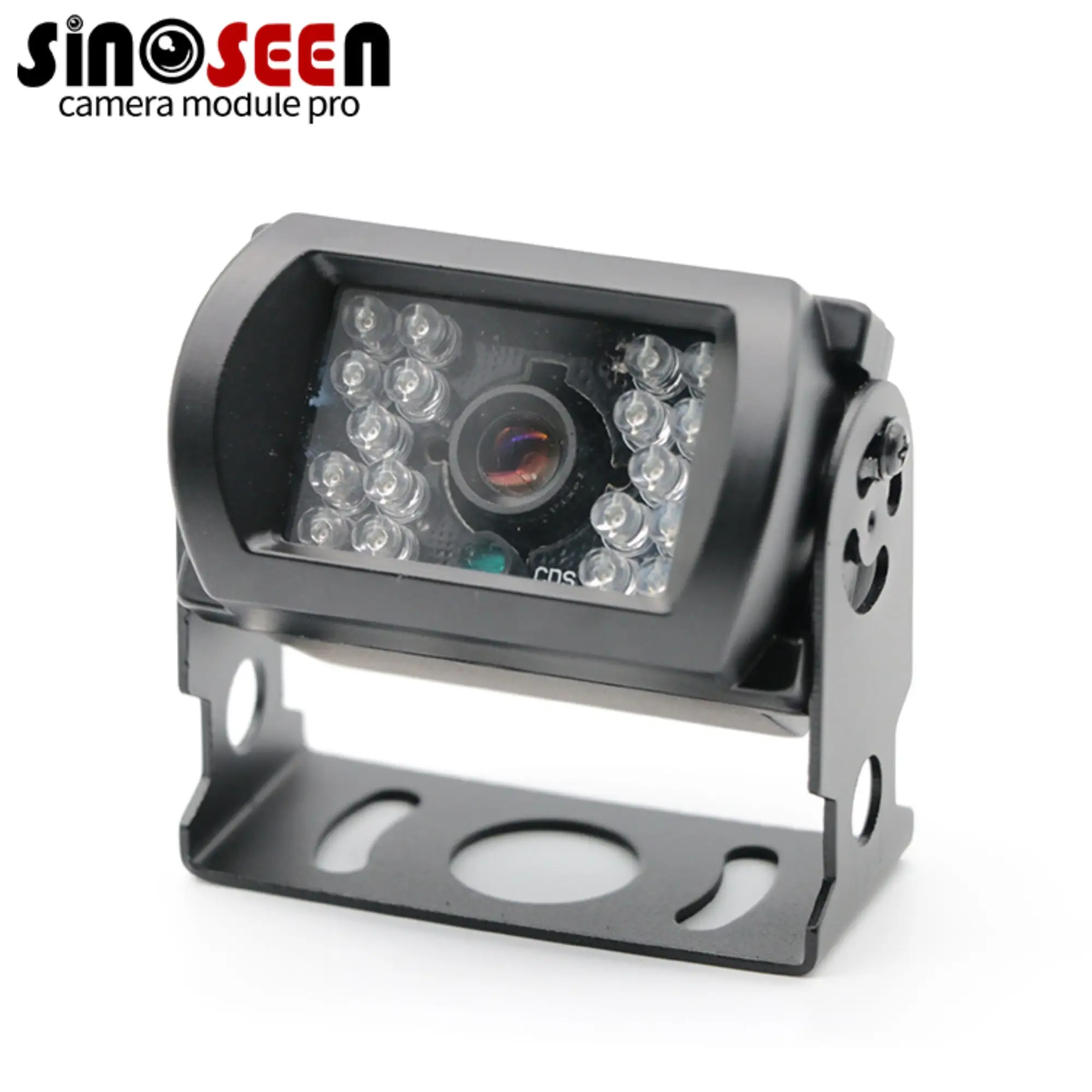
A low illumination camera module represents a cutting-edge imaging solution designed to capture high-quality video and photographs in challenging lighting conditions where standard cameras struggle to perform. This advanced technology incorporates specialized sensors, enhanced optics, and sophisticated image processing algorithms to deliver exceptional visual clarity even in near-darkness environments. The low illumination camera module serves as an essential component in various surveillance, security, and monitoring applications where consistent image quality remains crucial regardless of lighting variations throughout the day and night. These modules typically feature larger pixel sizes, improved light-gathering capabilities, and advanced noise reduction technologies that work together to maximize sensitivity to available light sources. The core functionality of a low illumination camera module centers on its ability to amplify minimal light signals while maintaining image integrity and reducing digital noise that commonly affects standard imaging devices in dim conditions. Modern low illumination camera modules utilize sophisticated complementary metal-oxide-semiconductor sensors or charge-coupled device technology specifically optimized for low-light performance. The technological architecture includes specialized lens coatings, infrared sensitivity enhancements, and real-time image processing capabilities that automatically adjust exposure settings, gain levels, and color correction parameters based on ambient lighting conditions. These modules often incorporate features such as wide dynamic range capabilities, automatic gain control, and adaptive noise filtering to ensure optimal image quality across varying illumination scenarios. Additionally, many low illumination camera modules support multiple output formats, flexible mounting options, and seamless integration with existing security systems and monitoring platforms, making them versatile solutions for both commercial and residential applications where reliable imaging performance in low-light environments is essential.

New Product Recommendations

The low illumination camera module offers significant advantages that make it an indispensable tool for modern security and surveillance applications. First and foremost, these modules provide exceptional image quality in conditions where traditional cameras fail completely, enabling continuous monitoring capabilities regardless of environmental lighting changes. This consistent performance eliminates blind spots in security coverage and ensures that critical areas remain under surveillance twenty-four hours a day without compromising image clarity or detail recognition. The enhanced sensitivity of low illumination camera modules means that users can capture clear footage with minimal artificial lighting requirements, resulting in reduced energy consumption and lower operational costs over time. This energy efficiency translates to substantial cost savings for businesses and organizations that operate extensive surveillance networks across multiple locations. Another major advantage lies in the improved detection capabilities that these modules provide, allowing security personnel to identify potential threats, suspicious activities, and important details even when ambient lighting conditions would normally make such observations impossible. The advanced image processing capabilities built into these modules automatically optimize brightness, contrast, and color balance, reducing the need for manual adjustments and ensuring that recorded footage remains usable for evidence purposes or detailed analysis. The versatility of low illumination camera modules extends beyond security applications, making them valuable for wildlife monitoring, traffic surveillance, industrial inspection processes, and medical imaging scenarios where precise visual documentation is required in challenging lighting environments. These modules typically offer superior durability and reliability compared to standard camera systems, with many models featuring weather-resistant housings and components designed to withstand harsh environmental conditions including extreme temperatures, humidity, and vibration. The integration capabilities of modern low illumination camera modules allow for seamless connection with existing infrastructure, network systems, and software platforms, minimizing installation complexity and reducing overall implementation costs. Furthermore, the real-time processing capabilities ensure immediate image optimization without delays, enabling instant decision-making based on current visual information rather than waiting for post-processing improvements that might delay critical response times in security situations.

Tips And Tricks

 How to Select the Right AI Camera Module for Facial Recognition Systems?

02

Mar

How to Select the Right AI Camera Module for Facial Recognition Systems?

Selecting the appropriate AI camera module for facial recognition systems represents a critical decision that directly impacts system performance, accuracy, and overall operational efficiency. Modern facial recognition applications demand sophisticat...
View More
How to Optimize Low-Light Performance in Custom Camera Module Designs?

02

Mar

How to Optimize Low-Light Performance in Custom Camera Module Designs?

Custom camera module designs face unique challenges when operating in environments with minimal illumination, making low-light performance optimization a critical engineering consideration. Modern applications ranging from security surveillance to au...
View More
ESP32 Camera Module Manufacturer for Smart Device Projects

21

Apr

ESP32 Camera Module Manufacturer for Smart Device Projects

Finding the right ESP32 camera module manufacturer is crucial for smart device projects that demand reliable imaging solutions, seamless integration capabilities, and consistent performance across diverse applications. The ESP32 camera module has bec...
View More
ESP32 Camera Module Wholesale for Embedded Vision Buyers

21

Apr

ESP32 Camera Module Wholesale for Embedded Vision Buyers

Embedded vision applications demand sophisticated imaging capabilities, and ESP32 camera modules have emerged as cornerstone components for wholesale buyers developing next-generation products. These versatile modules combine the computational power ...
View More

Get In Touch

low illumination camera module

Superior Light Sensitivity Technology

Superior Light Sensitivity Technology

The revolutionary light sensitivity technology embedded within low illumination camera modules represents a quantum leap forward in imaging capabilities, fundamentally transforming how surveillance and monitoring systems operate in challenging lighting environments. This advanced technology utilizes specially engineered sensor architectures that maximize photon capture efficiency while minimizing signal degradation, enabling these modules to produce remarkably clear images even when available light levels drop to fractions of what standard cameras require for basic functionality. The sophisticated pixel design incorporates larger photodiodes and optimized microlens arrays that collect and focus even the smallest amounts of available light onto the sensor surface, effectively amplifying weak light signals through advanced analog and digital processing techniques. This enhanced sensitivity extends far beyond simple brightness amplification, incorporating intelligent algorithms that distinguish between useful image information and background noise, ensuring that the final output maintains exceptional clarity and detail preservation even in near-total darkness conditions. The technology also features adaptive gain control systems that automatically adjust sensitivity levels based on real-time lighting analysis, preventing image oversaturation during sudden lighting changes while maintaining optimal performance during gradual transitions from daylight to darkness. Additionally, the advanced sensor technology supports extended spectral sensitivity, allowing the low illumination camera module to utilize near-infrared light sources that remain invisible to the human eye but provide additional illumination for enhanced imaging capabilities. This comprehensive approach to light sensitivity ensures that security professionals, researchers, and monitoring specialists can rely on consistent, high-quality visual information regardless of environmental lighting challenges, making these modules indispensable tools for critical applications where visual documentation and real-time monitoring cannot be compromised by darkness or poor lighting conditions.
Advanced Noise Reduction Capabilities

Advanced Noise Reduction Capabilities

The sophisticated noise reduction capabilities integrated into low illumination camera modules represent a critical technological advancement that sets these devices apart from conventional imaging solutions, ensuring that image quality remains exceptional even when operating under extreme low-light conditions where electronic noise typically overwhelms useful visual information. This advanced noise reduction system employs multiple layers of filtering and processing techniques, beginning with hardware-level noise suppression that occurs directly at the sensor level, followed by real-time digital signal processing that identifies and eliminates various types of noise interference including thermal noise, shot noise, and readout noise that commonly plague imaging devices in challenging environments. The intelligent noise reduction algorithms utilize machine learning capabilities to distinguish between actual image content and unwanted noise artifacts, preserving important visual details while aggressively filtering out distracting elements that would otherwise compromise image clarity and usability. This sophisticated processing approach ensures that fine details, facial features, text, and other critical visual elements remain clearly visible and identifiable even when the low illumination camera module operates at maximum sensitivity levels in near-darkness conditions. The multi-stage noise reduction process also incorporates temporal filtering techniques that analyze multiple consecutive frames to identify and eliminate random noise patterns while preserving legitimate motion and scene changes, resulting in smoother video output with reduced flicker and improved overall visual stability. Furthermore, the advanced noise reduction system adapts dynamically to changing environmental conditions, automatically adjusting filtering parameters based on current lighting levels, temperature variations, and scene complexity to maintain optimal noise suppression without sacrificing image sharpness or color accuracy. This comprehensive approach to noise management ensures that security footage, surveillance recordings, and monitoring data captured by the low illumination camera module maintain professional quality standards suitable for detailed analysis, evidence documentation, and reliable identification purposes regardless of the challenging lighting conditions present during image acquisition.
Seamless Integration and Versatile Applications

Seamless Integration and Versatile Applications

The exceptional integration capabilities and versatile application potential of low illumination camera modules make them invaluable solutions for diverse industries and specialized use cases where reliable imaging performance in challenging lighting conditions is absolutely essential for operational success. These modules feature comprehensive connectivity options including standard video outputs, network interfaces, and digital communication protocols that ensure seamless compatibility with existing infrastructure, security systems, and monitoring platforms without requiring extensive modifications or costly system overhauls. The flexible mounting options and compact form factors enable installation in virtually any environment, from discrete indoor surveillance positions to rugged outdoor monitoring stations where space constraints and environmental protection requirements demand innovative engineering solutions. Professional security installations benefit tremendously from the plug-and-play integration capabilities of these modules, allowing security specialists to upgrade existing camera systems with enhanced low-light performance while maintaining full compatibility with current recording equipment, network video recorders, and centralized monitoring software platforms. Beyond traditional security applications, low illumination camera modules excel in specialized fields such as wildlife research and conservation efforts, where researchers require reliable documentation of nocturnal animal behavior without disturbing natural habitats through artificial lighting that might alter observed behaviors or disrupt ecosystem balance. Industrial applications leverage these modules for quality control processes, equipment monitoring, and safety surveillance in manufacturing environments where adequate lighting may be impractical or impossible due to operational constraints, hazardous conditions, or energy conservation requirements. Medical and scientific research applications utilize the precise imaging capabilities of low illumination camera modules for laboratory analysis, microscopy enhancement, and diagnostic procedures where subtle visual details must be captured and preserved under controlled lighting conditions that minimize specimen damage or experimental interference. The automotive industry incorporates these modules into advanced driver assistance systems and autonomous vehicle technologies, where reliable night vision capabilities are crucial for safe navigation and obstacle detection during low-visibility driving conditions, demonstrating the broad applicability and technological significance of low illumination camera modules across multiple industries and specialized applications.

Related Search

Get in touch