Versatile Installation and Remote Monitoring Capabilities
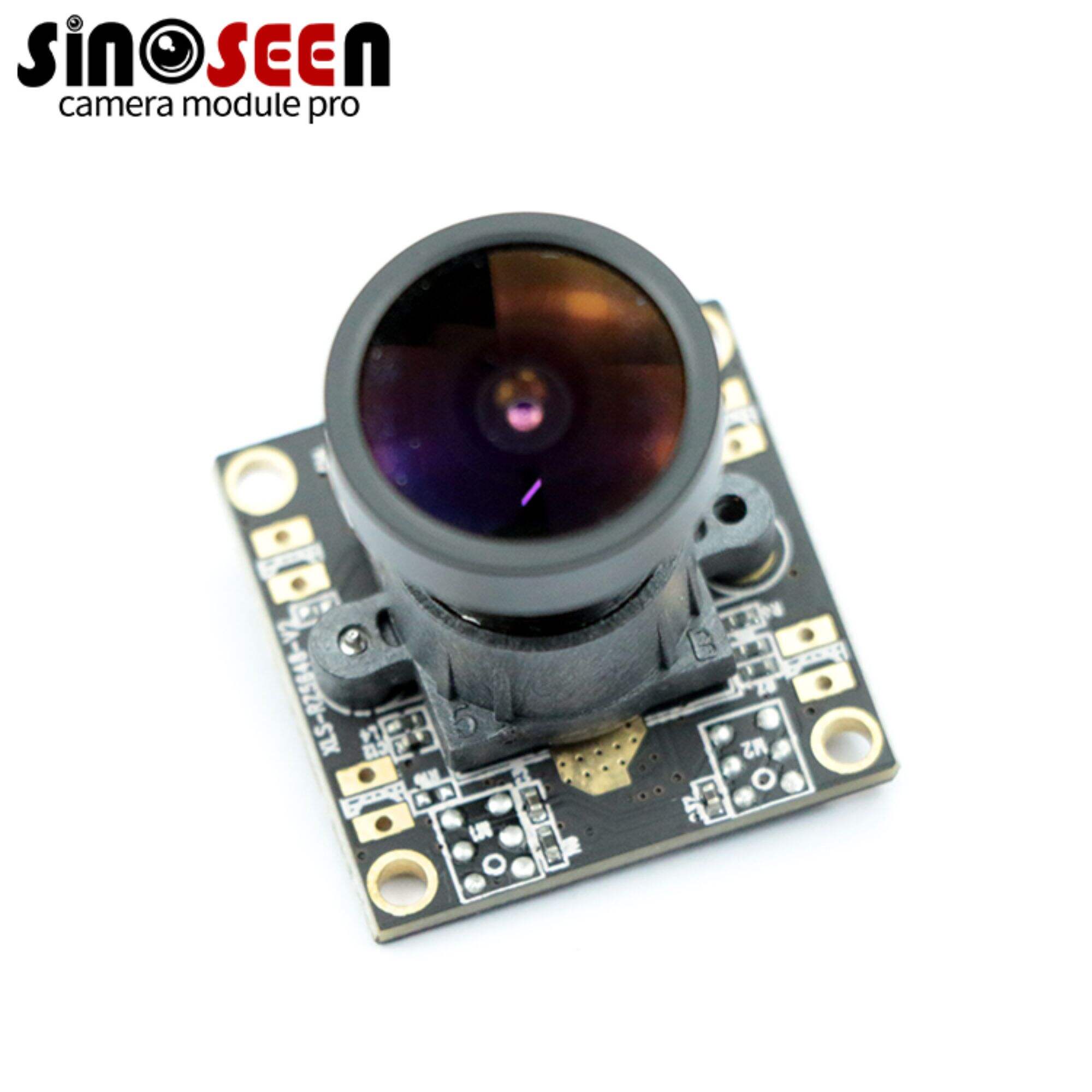
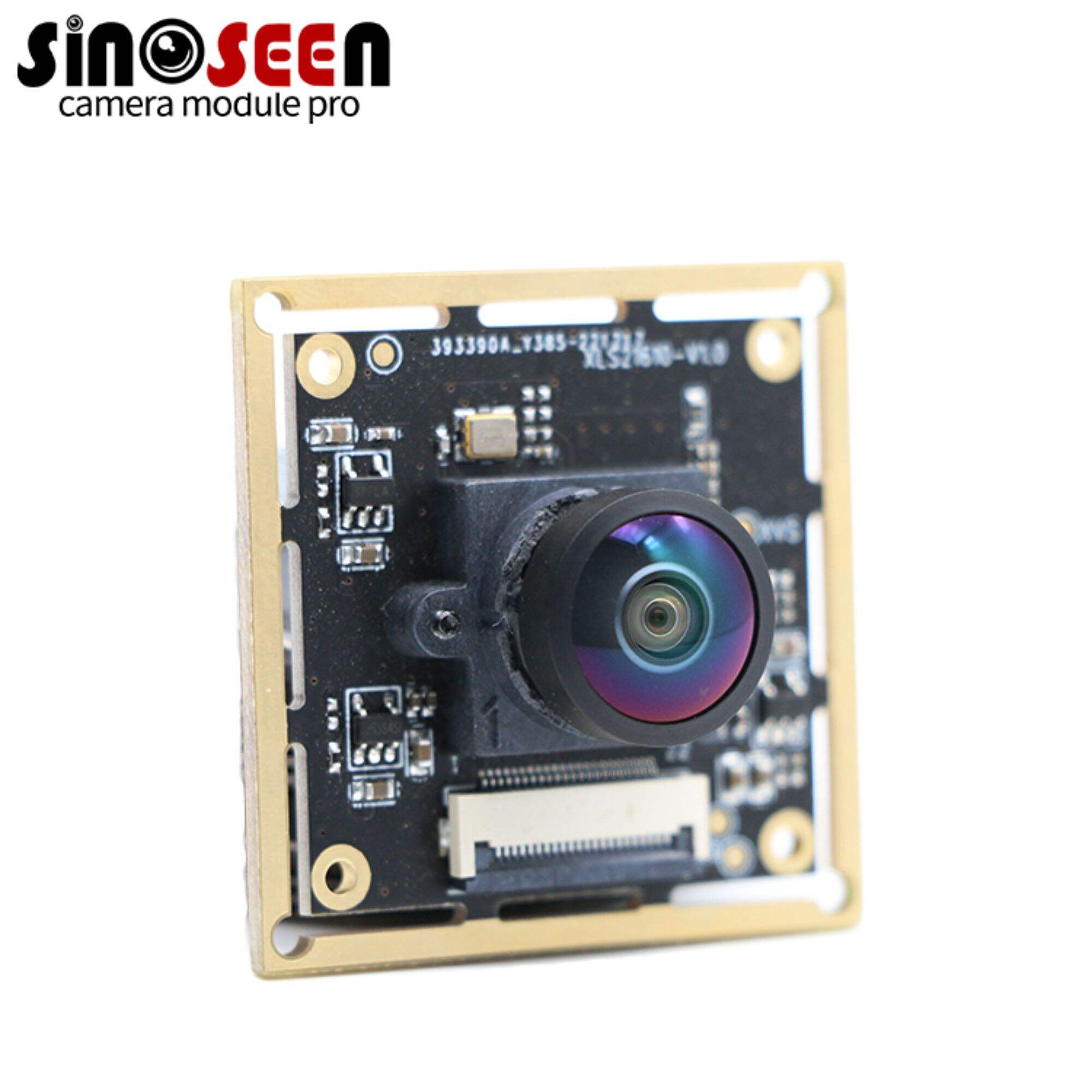
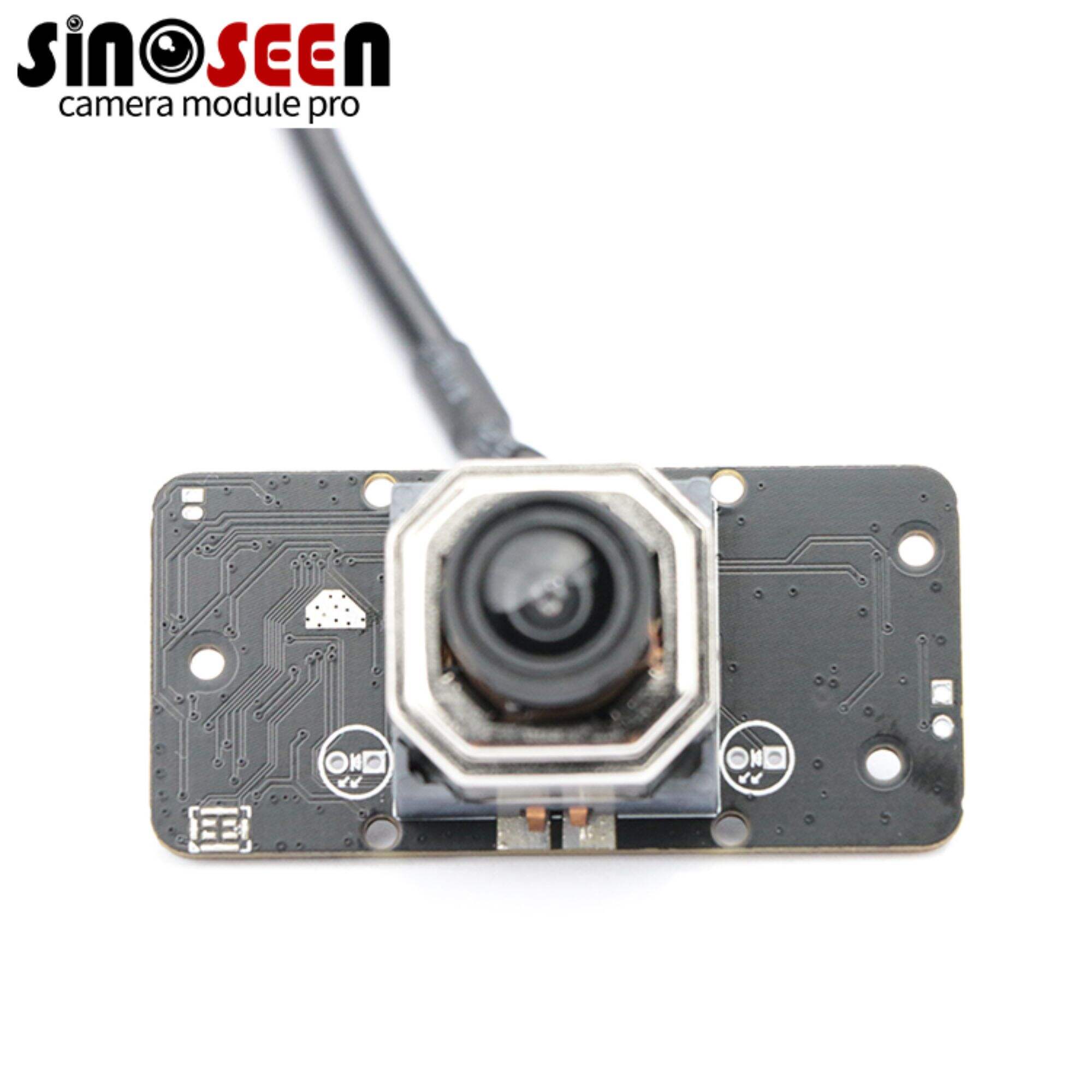
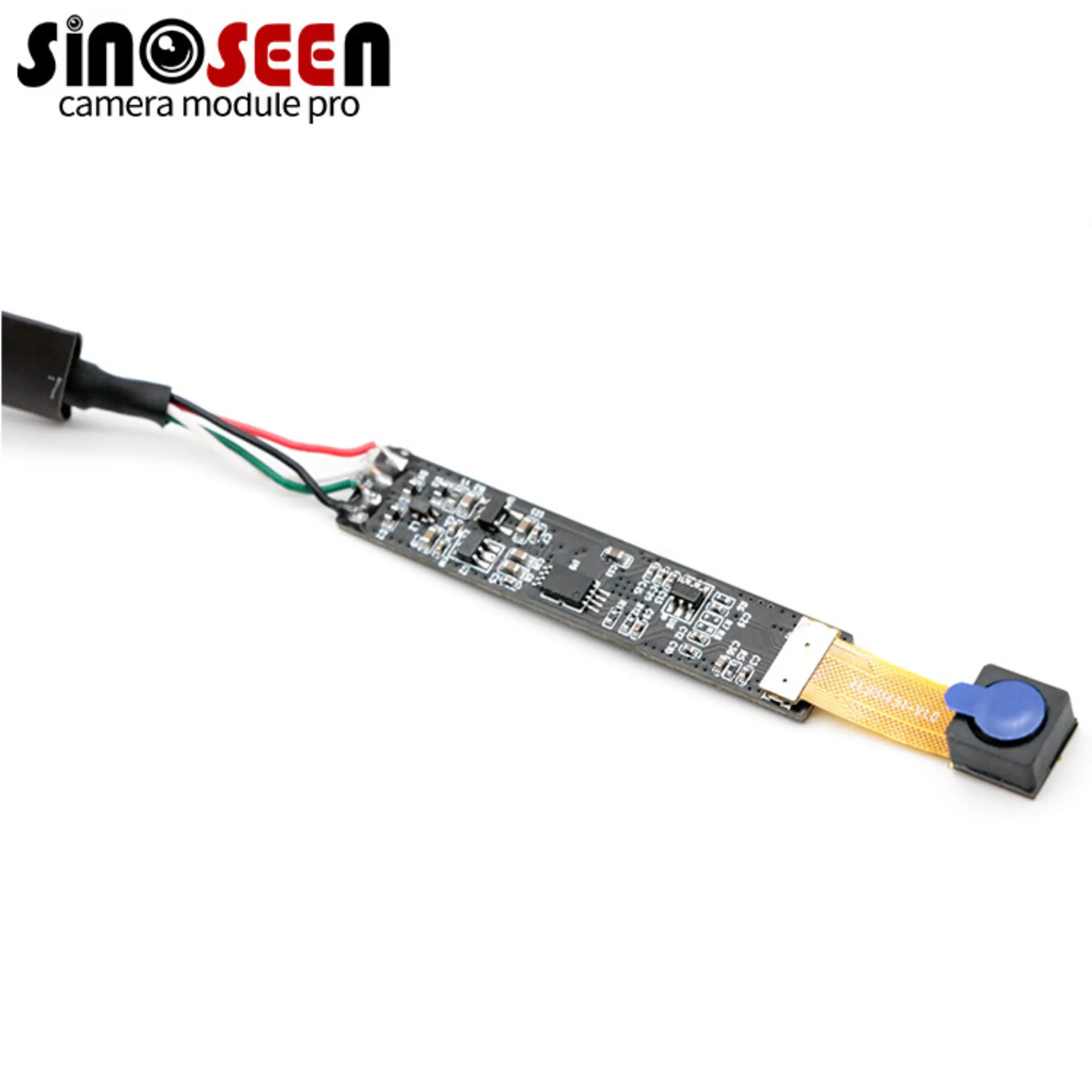
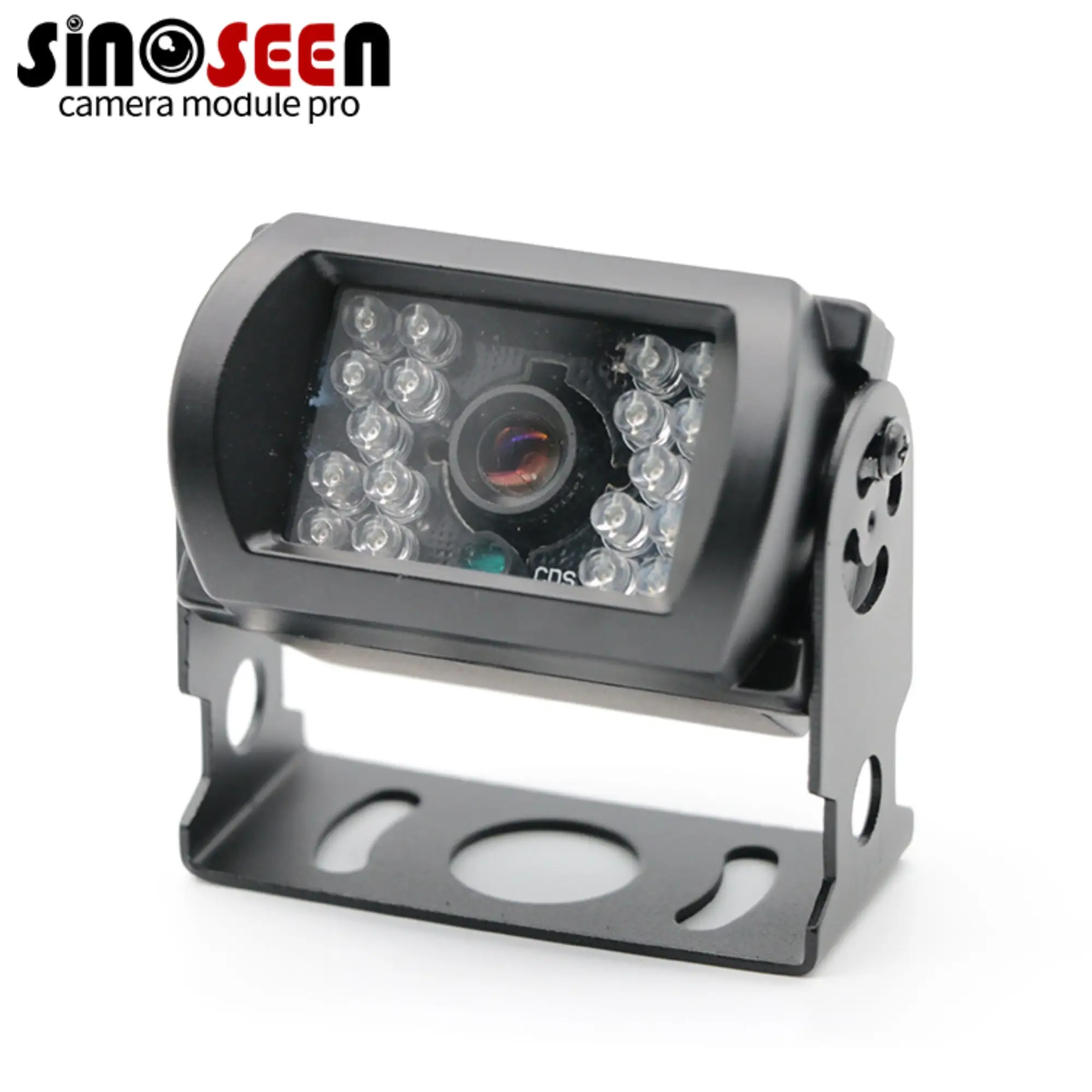
The installation flexibility of a modern day night vision camera accommodates virtually any security scenario, from discrete residential monitoring to comprehensive commercial surveillance networks. These cameras feature universal mounting systems compatible with wall, ceiling, pole, and bracket installations, with adjustable positioning mechanisms that provide 360-degree rotation and precise angle adjustment for optimal coverage of specific areas. Weatherproof ratings typically exceed IP66 standards, ensuring reliable operation in extreme conditions including heavy rain, snow, dust storms, and temperature ranges from -40°F to 140°F, making them suitable for harsh industrial environments, coastal installations with salt air exposure, and desert climates with extreme temperature variations. The day night vision camera supports multiple connectivity options including wired Ethernet, Wi-Fi wireless connection, and cellular data transmission for remote locations without traditional internet infrastructure, providing installation flexibility that accommodates any property configuration or existing network setup. Power options include standard AC adapters, Power over Ethernet systems that provide both data and power through a single cable, and solar panel compatibility for completely off-grid installations in remote monitoring applications. Remote monitoring capabilities transform smartphones and computers into powerful security command centers, enabling live viewing, recorded footage playback, motion alert notifications, and camera control functions from anywhere with internet connectivity. Multi-camera management systems allow simultaneous monitoring of multiple day night vision camera units through unified interfaces, providing comprehensive property oversight through centralized dashboards that display real-time feeds, system status, and alert notifications. Cloud storage integration automatically uploads footage to secure remote servers, ensuring evidence preservation even if local equipment is damaged or stolen, while local storage options include high-capacity hard drives and network-attached storage systems for organizations requiring on-site data control and extended retention periods.

 EN
EN
 AR
AR
 DA
DA
 NL
NL
 FI
FI
 FR
FR
 DE
DE
 EL
EL
 HI
HI
 IT
IT
 JA
JA
 KO
KO
 NO
NO
 PL
PL
 PT
PT
 RO
RO
 RU
RU
 ES
ES
 SV
SV
 TL
TL
 IW
IW
 ID
ID
 SR
SR
 VI
VI
 HU
HU
 TH
TH
 TR
TR
 FA
FA
 MS
MS
 IS
IS
 AZ
AZ
 UR
UR
 BN
BN
 HA
HA
 LO
LO
 MR
MR
 MN
MN
 PA
PA
 MY
MY
 SD
SD