Innovative Camera Modules for Every Application | Sinoseen

All Categories

custom small camera module

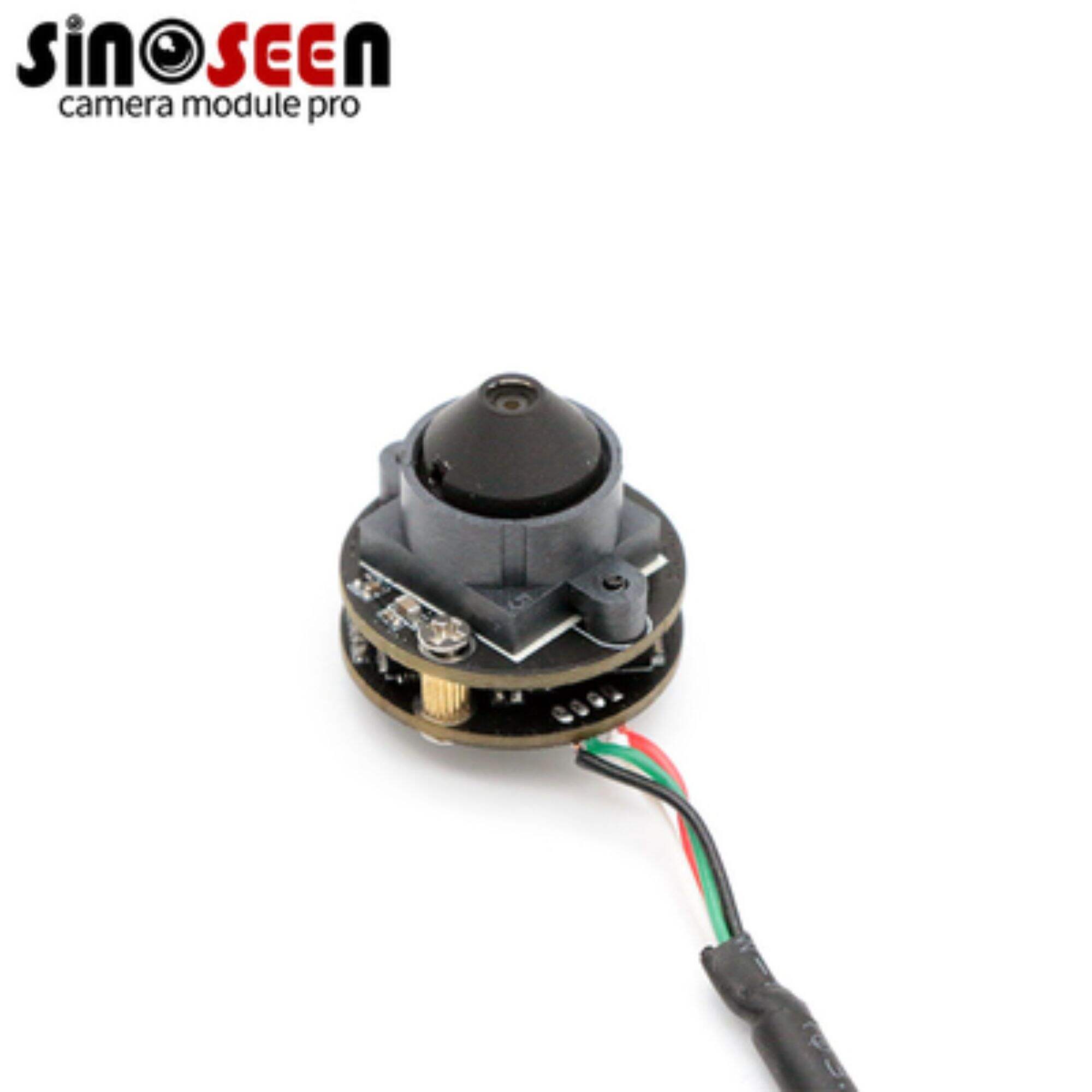
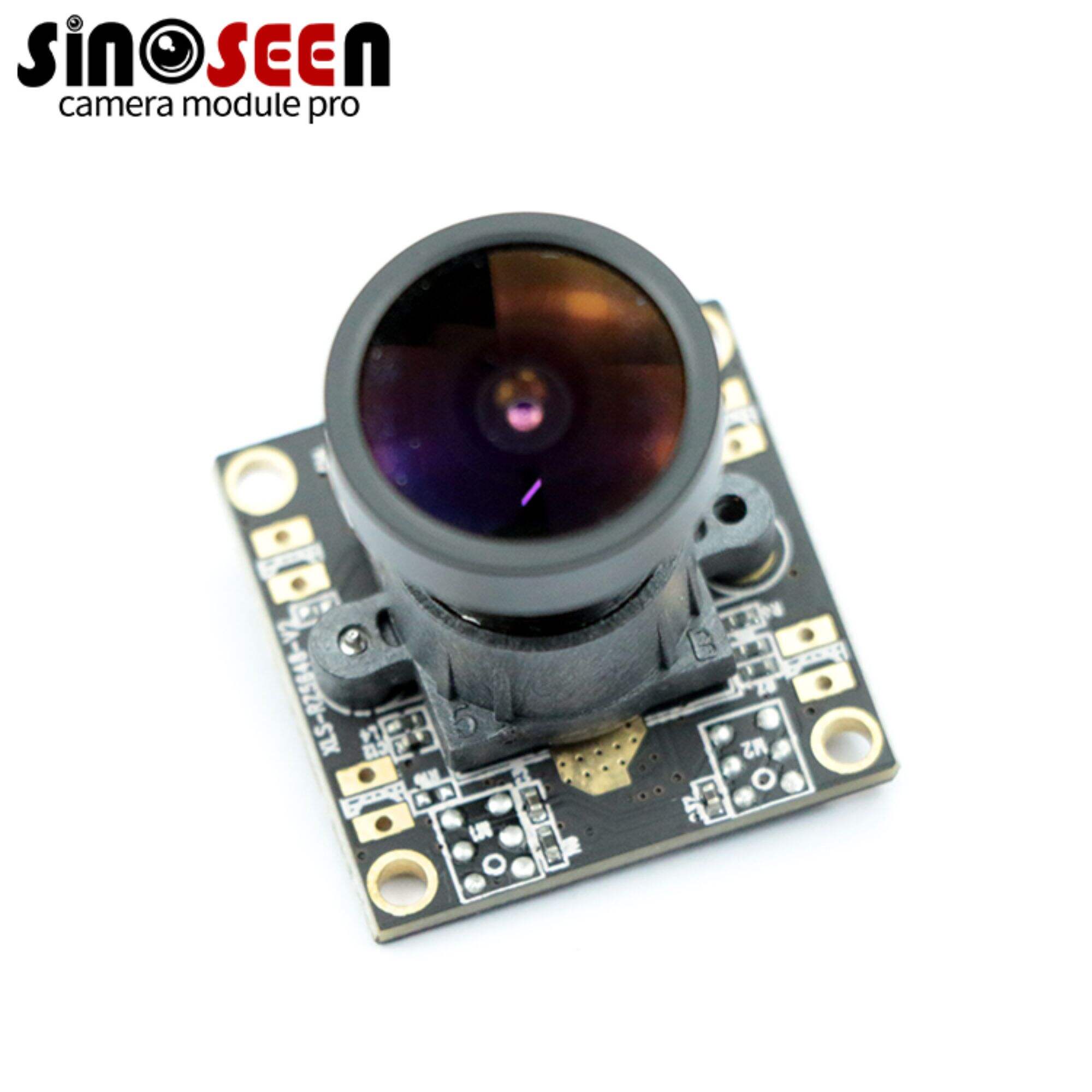
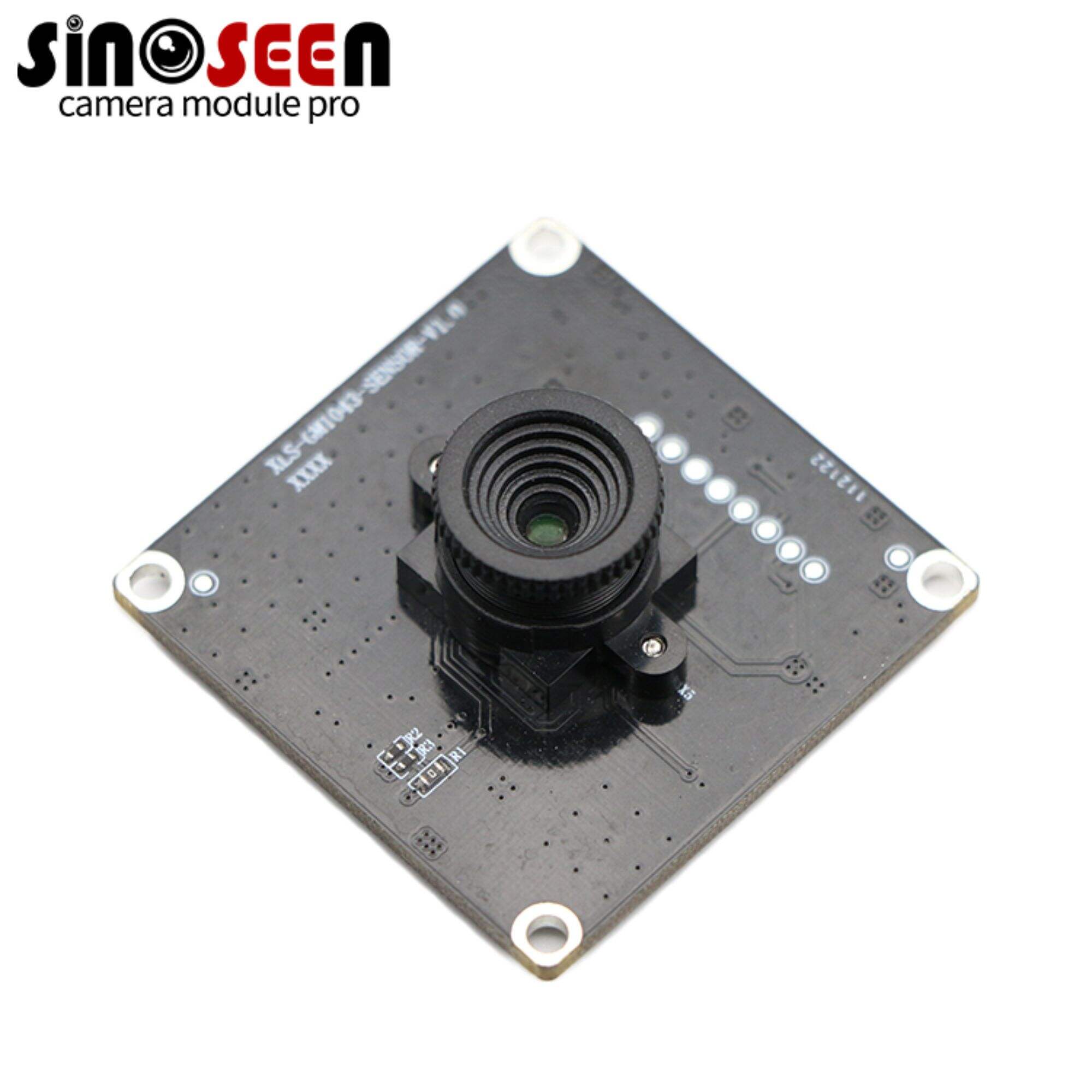
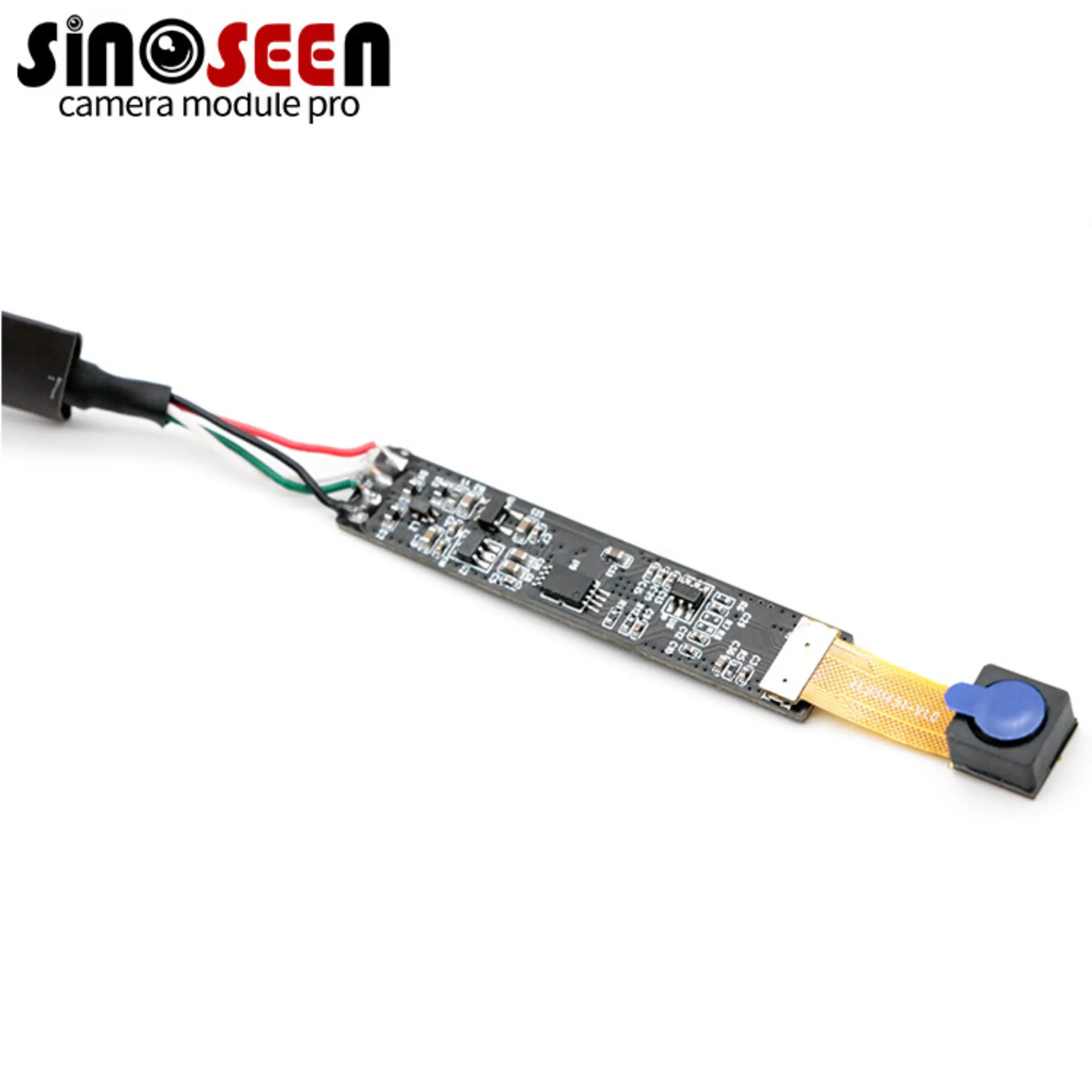
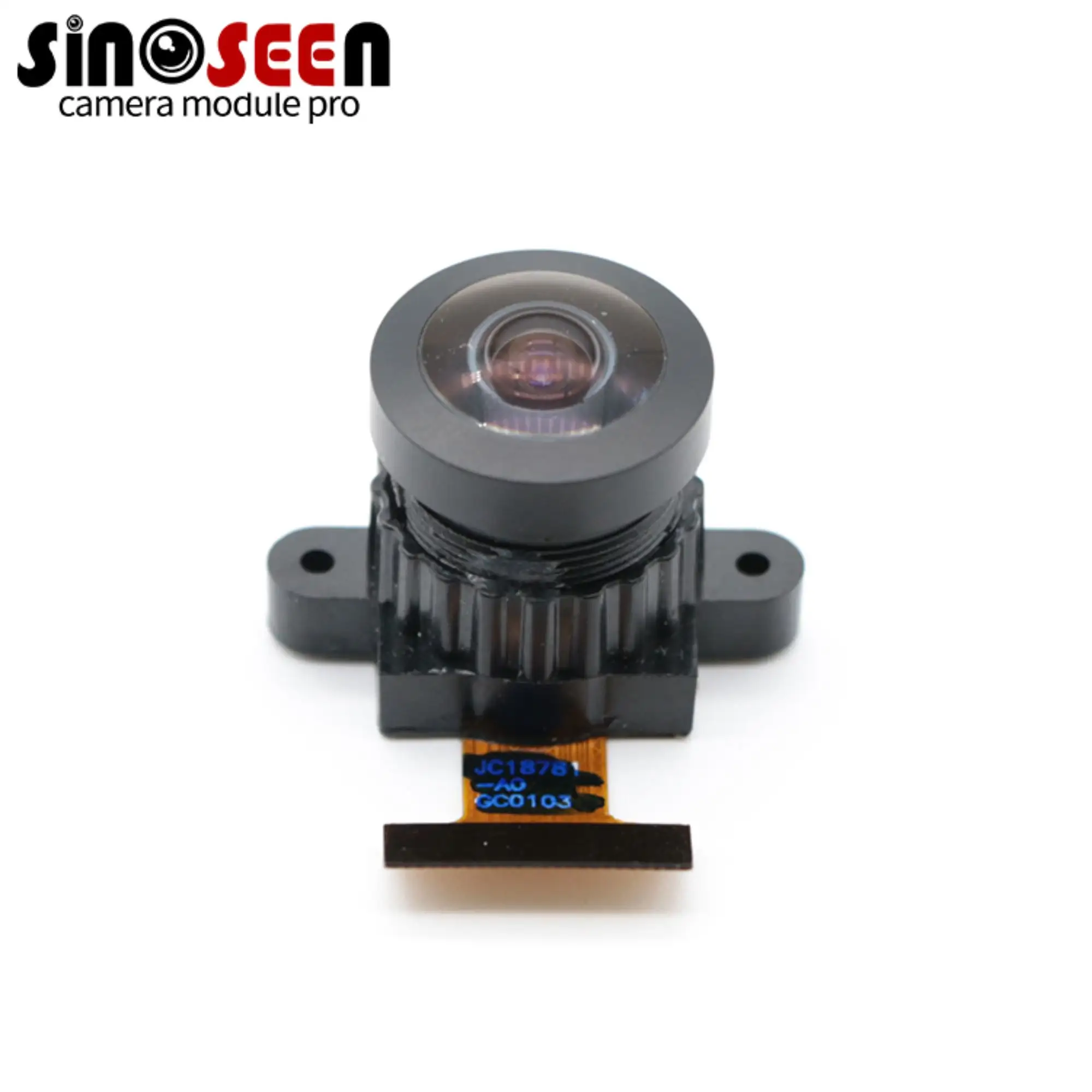
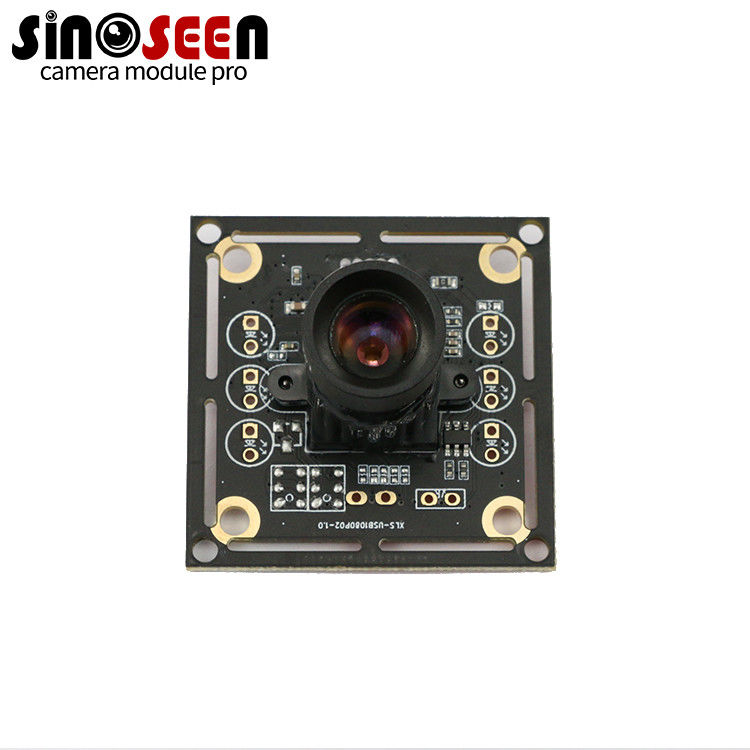
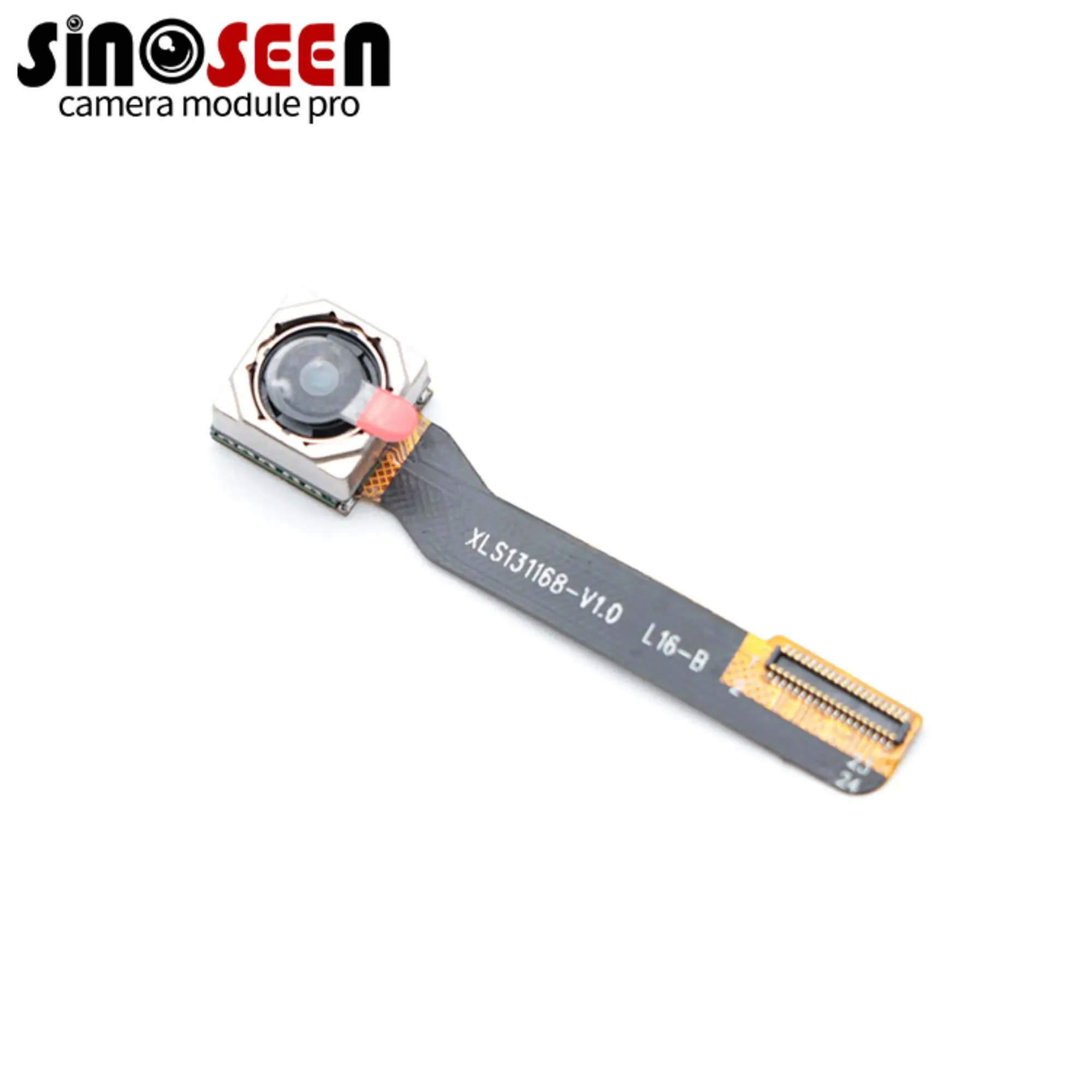
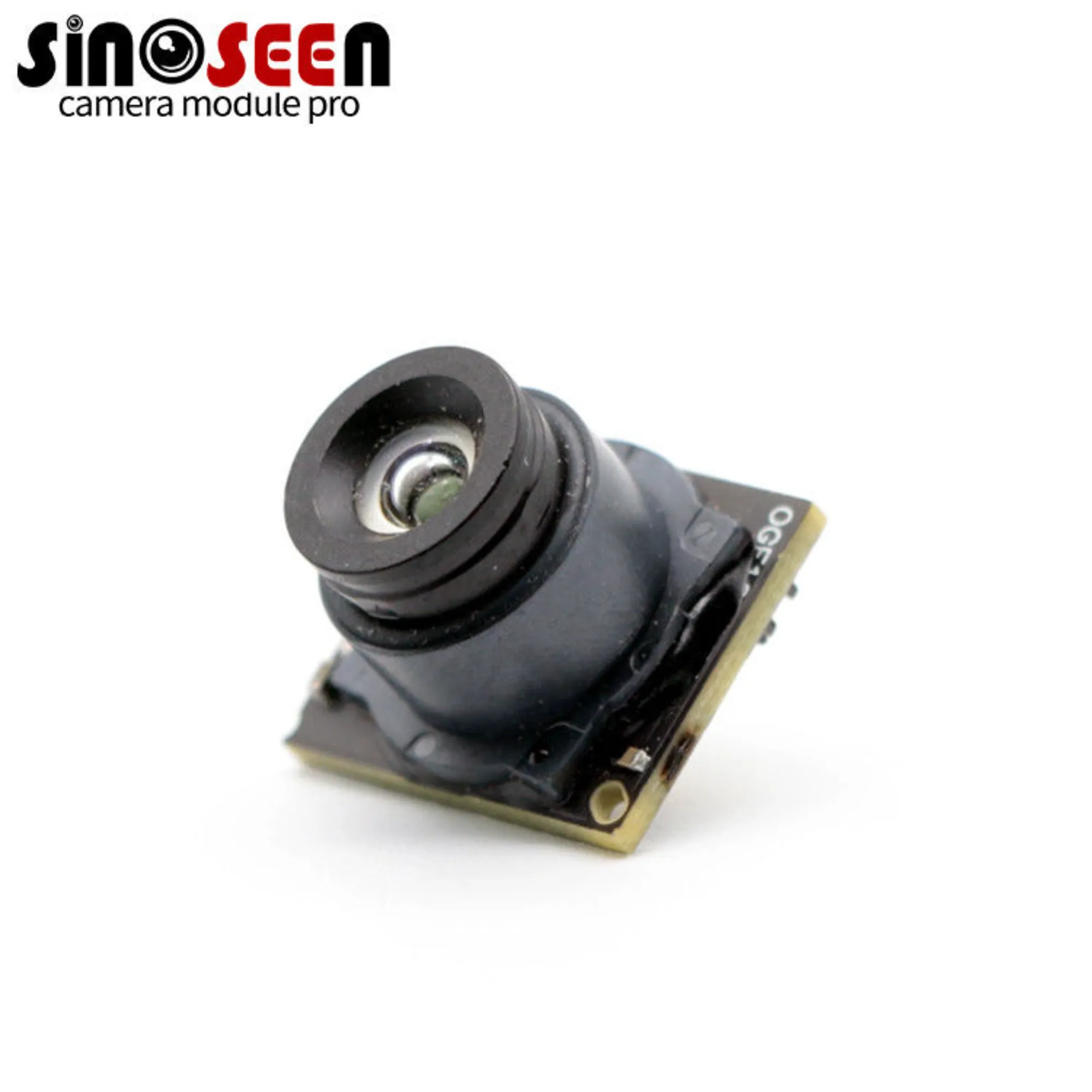
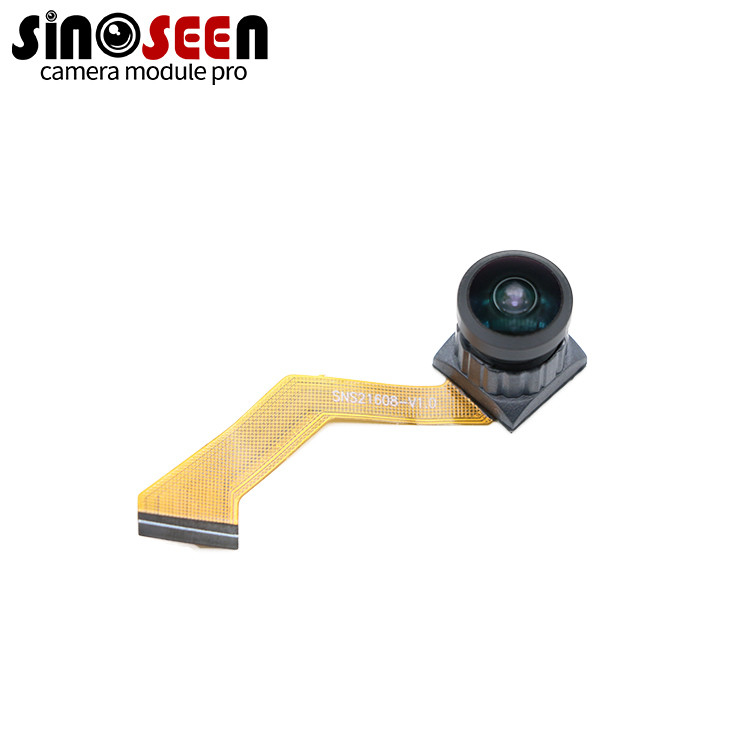
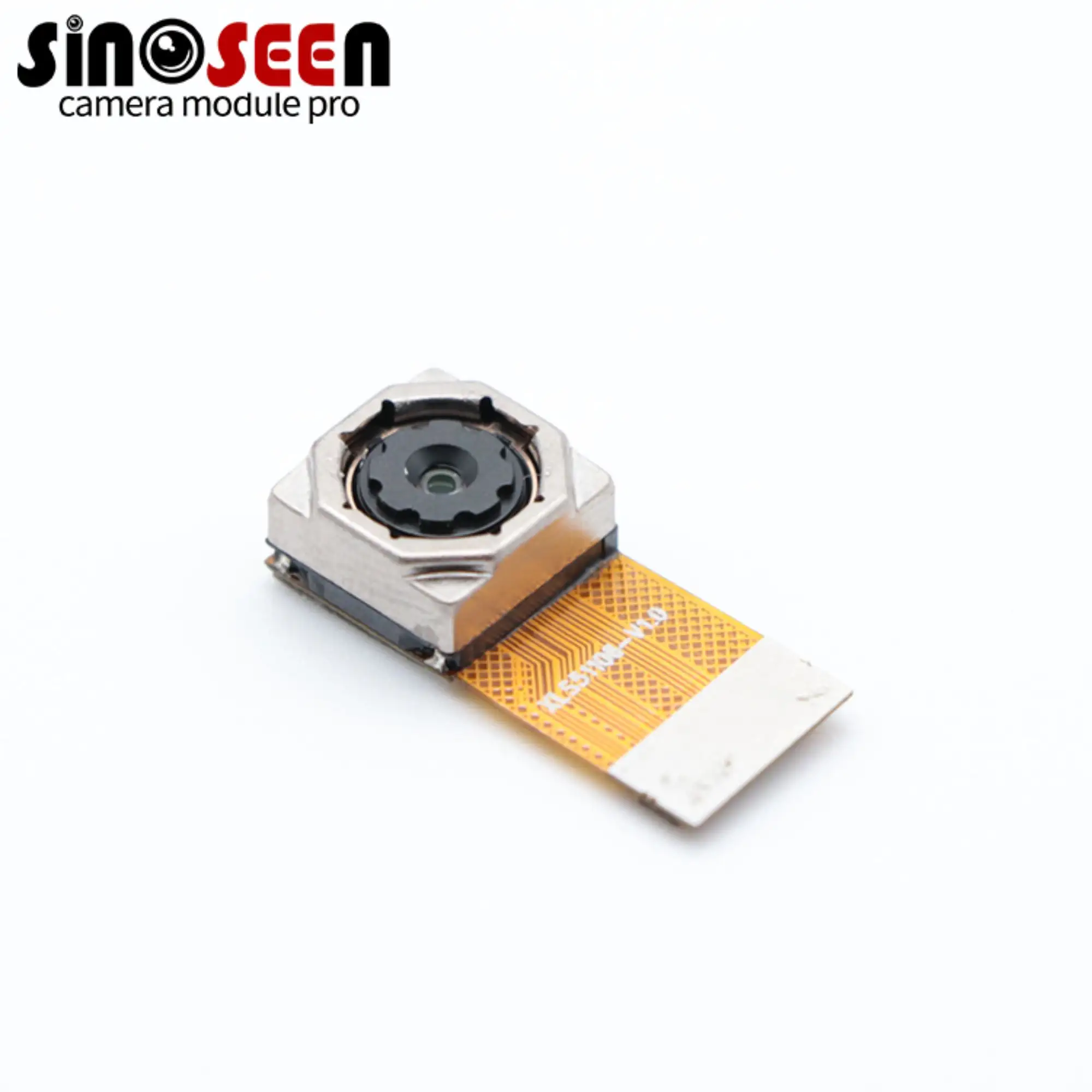
The custom small camera module represents a revolutionary advancement in imaging technology, designed specifically to meet the diverse needs of modern electronic devices and specialized applications. These compact imaging solutions combine cutting-edge sensor technology with miniaturized optics to deliver exceptional performance in remarkably small form factors. At its core, a custom small camera module integrates high-resolution image sensors, precision-engineered lenses, and sophisticated image processing capabilities into a unified package that can be tailored to specific requirements. The main functions encompass high-definition video recording, still image capture, real-time streaming, and advanced computational photography features. The technological architecture incorporates state-of-the-art CMOS sensors that provide excellent low-light performance while maintaining energy efficiency. The optical system utilizes multi-element lens designs with anti-reflective coatings to minimize distortion and maximize image clarity. Advanced image signal processing algorithms enhance color accuracy, reduce noise, and optimize exposure control automatically. These modules support various output formats and communication protocols, making them highly versatile for integration into different systems. Applications span across numerous industries including medical devices, automotive systems, security surveillance, consumer electronics, industrial automation, and Internet of Things devices. In medical applications, these custom small camera modules enable minimally invasive procedures through endoscopic systems and surgical robotics. Automotive implementations include backup cameras, driver monitoring systems, and autonomous vehicle perception. Security applications benefit from discrete surveillance capabilities and facial recognition systems. Consumer electronics integration ranges from smartphones and tablets to smart home devices and wearable technology. The customization aspect allows manufacturers to specify exact dimensions, performance parameters, interface requirements, and environmental specifications to match their particular application needs perfectly.

Popular Products

Custom small camera modules deliver substantial benefits that make them indispensable for modern product development across multiple industries. The primary advantage lies in their exceptional space efficiency, allowing manufacturers to integrate high-quality imaging capabilities into products with severe size constraints without compromising performance. These modules significantly reduce development time and costs by providing ready-to-integrate solutions that eliminate the need for extensive optical design and sensor selection processes. The customization flexibility ensures that each module perfectly matches specific application requirements, from operating temperature ranges to unique mounting configurations. Power consumption optimization represents another critical advantage, as these modules are engineered to operate efficiently within battery-powered devices while delivering consistent performance. The standardized interfaces and communication protocols simplify integration processes, reducing engineering complexity and accelerating time-to-market for new products. Quality control benefits from factory calibration and testing, ensuring consistent performance across production runs and eliminating field reliability issues. Cost advantages emerge from volume production capabilities and streamlined supply chain management, making high-quality imaging accessible for various budget requirements. Performance benefits include superior image quality compared to generic solutions, with optimized optical designs that maximize resolution and minimize aberrations. Environmental durability ensures reliable operation across temperature extremes, humidity variations, and mechanical stress conditions. The plug-and-play nature of these modules reduces system integration complexity, allowing engineers to focus on core product functionality rather than imaging subsystem development. Software compatibility with standard imaging libraries and development frameworks accelerates application development and reduces programming overhead. Technical support and documentation provided by manufacturers ensure smooth implementation and troubleshooting processes. Long-term availability commitments protect product lifecycles and reduce obsolescence risks. The modular approach enables easy upgrades and feature enhancements without requiring complete system redesigns. Manufacturing scalability accommodates both prototype development and high-volume production requirements seamlessly.

Tips And Tricks

Why Choose a High-Performance Embedded Camera Module for AI Applications?

02

Mar

Why Choose a High-Performance Embedded Camera Module for AI Applications?

Artificial intelligence applications demand precision, speed, and reliability in their visual data acquisition systems. An embedded camera module serves as the critical foundation for AI-powered devices, from autonomous vehicles to smart manufacturin...
View More
 How to Select the Right AI Camera Module for Facial Recognition Systems?

02

Mar

How to Select the Right AI Camera Module for Facial Recognition Systems?

Selecting the appropriate AI camera module for facial recognition systems represents a critical decision that directly impacts system performance, accuracy, and overall operational efficiency. Modern facial recognition applications demand sophisticat...
View More
How to Optimize Low-Light Performance in Custom Camera Module Designs?

02

Mar

How to Optimize Low-Light Performance in Custom Camera Module Designs?

Custom camera module designs face unique challenges when operating in environments with minimal illumination, making low-light performance optimization a critical engineering consideration. Modern applications ranging from security surveillance to au...
View More
How to Integrate a Small Camera Module into Compact Medical Devices?

02

Mar

How to Integrate a Small Camera Module into Compact Medical Devices?

Medical device miniaturization continues to revolutionize healthcare, enabling less invasive procedures and improved patient outcomes. When designing compact medical equipment, integrating a small camera module requires careful consideration of space...
View More

Get In Touch

custom small camera module

Ultra-Compact Design with Maximum Performance Density

Ultra-Compact Design with Maximum Performance Density

The ultra-compact design of custom small camera modules represents a breakthrough in miniaturization technology that delivers maximum performance within minimal physical constraints. These modules achieve remarkable size reductions through innovative packaging techniques, advanced semiconductor fabrication processes, and precision optical engineering that maintains image quality while shrinking overall dimensions. The compact form factor enables integration into previously impossible applications where space limitations would have excluded traditional camera systems entirely. Medical device manufacturers benefit tremendously from this miniaturization, as it allows for the development of less invasive diagnostic tools and surgical instruments that provide clear visualization without requiring large incisions or cumbersome equipment. Consumer electronics manufacturers leverage this compact design to create sleeker, more portable devices that maintain advanced imaging capabilities without bulk. The engineering achievement behind this miniaturization involves sophisticated thermal management systems that prevent overheating in confined spaces, ensuring stable operation even during extended use periods. Advanced lens technologies, including aspheric elements and diffractive optics, maximize optical performance while minimizing physical size requirements. The integration of image stabilization technologies within these compact modules provides steady, clear imagery even in challenging conditions where traditional larger systems might struggle with vibration or movement. Manufacturing precision at microscopic scales ensures that each component fits perfectly within the tight tolerances required for optimal performance. The compact design also reduces material usage and transportation costs, contributing to more sustainable product development practices. Quality assurance processes specifically designed for miniaturized components ensure that performance standards are maintained despite the challenging size constraints. The ultra-compact nature of these modules opens new market opportunities for innovative product categories that were previously technically unfeasible due to size limitations.
Advanced Customization Capabilities for Specialized Applications

Advanced Customization Capabilities for Specialized Applications

The advanced customization capabilities of custom small camera modules provide manufacturers with unprecedented flexibility to create imaging solutions perfectly tailored to their specific application requirements and performance objectives. This customization extends far beyond simple dimensional adjustments to encompass comprehensive optical, electrical, and mechanical modifications that optimize performance for particular use cases. Optical customization includes specialized lens coatings for enhanced performance in specific lighting conditions, custom focal lengths for unique field-of-view requirements, and specialized filters for applications requiring specific spectral responses. Electrical customization encompasses interface modifications, power consumption optimization, and signal processing adaptations that ensure seamless integration with existing system architectures. Mechanical customization addresses unique mounting requirements, environmental protection needs, and form factor constraints that standard modules cannot accommodate effectively. The customization process involves collaborative engineering sessions where application requirements are analyzed in detail to determine optimal configurations for maximum performance and reliability. Thermal management customization ensures reliable operation in extreme temperature environments, from arctic outdoor surveillance to high-temperature industrial monitoring applications. Communication protocol customization enables direct integration with proprietary systems and legacy equipment without requiring additional interface hardware. Software customization includes specialized image processing algorithms, compression optimization, and feature extraction capabilities tailored to specific analytical requirements. Quality assurance protocols are customized to match application-specific reliability standards and testing requirements, ensuring that modules meet stringent performance criteria. Documentation and support materials are customized to address specific integration challenges and provide targeted technical guidance. Production customization accommodates varying volume requirements, from small-batch specialized applications to high-volume consumer products. The comprehensive customization approach ensures that each solution delivers optimal value by eliminating unnecessary features while enhancing critical performance parameters for the intended application.
Superior Image Quality with Intelligent Processing Features

Superior Image Quality with Intelligent Processing Features

Superior image quality combined with intelligent processing features distinguishes custom small camera modules as premium imaging solutions that deliver professional-grade results in compact form factors. The image quality excellence stems from carefully selected high-performance sensors that capture fine details with exceptional clarity across diverse lighting conditions, from bright daylight to challenging low-light environments. Advanced optical systems incorporate multiple lens elements with sophisticated anti-reflective coatings that minimize flare and ghosting while maximizing light transmission efficiency. The intelligent processing capabilities utilize powerful image signal processors that apply real-time enhancements including noise reduction, dynamic range optimization, and color correction algorithms. These processing features adapt automatically to changing conditions, ensuring consistent image quality without manual adjustments or intervention. Machine learning algorithms integrated into the processing pipeline provide advanced capabilities such as scene recognition, object detection, and automatic focus tracking that enhance usability and performance. The superior image quality is maintained across the entire operational temperature range through sophisticated thermal compensation algorithms that adjust sensor parameters to counteract temperature-induced variations. High-speed processing capabilities enable rapid capture sequences and real-time video streaming without compromising image quality or introducing latency issues. Advanced compression algorithms optimize file sizes while preserving critical image details, enabling efficient storage and transmission of high-quality content. The intelligent processing features include adaptive exposure control that optimizes image brightness and contrast automatically, ensuring optimal results in varying lighting conditions. Color accuracy is maintained through sophisticated color management systems that provide true-to-life reproduction across different illumination sources. Edge enhancement algorithms sharpen fine details without introducing artifacts, while anti-aliasing techniques prevent moiré patterns and other visual distortions. The combination of hardware excellence and intelligent software processing creates imaging solutions that consistently exceed expectations for quality and performance in challenging applications.

Related Search

Get in touch