Innovative Camera Modules for Every Application | Sinoseen

All Categories

machine vision sensor

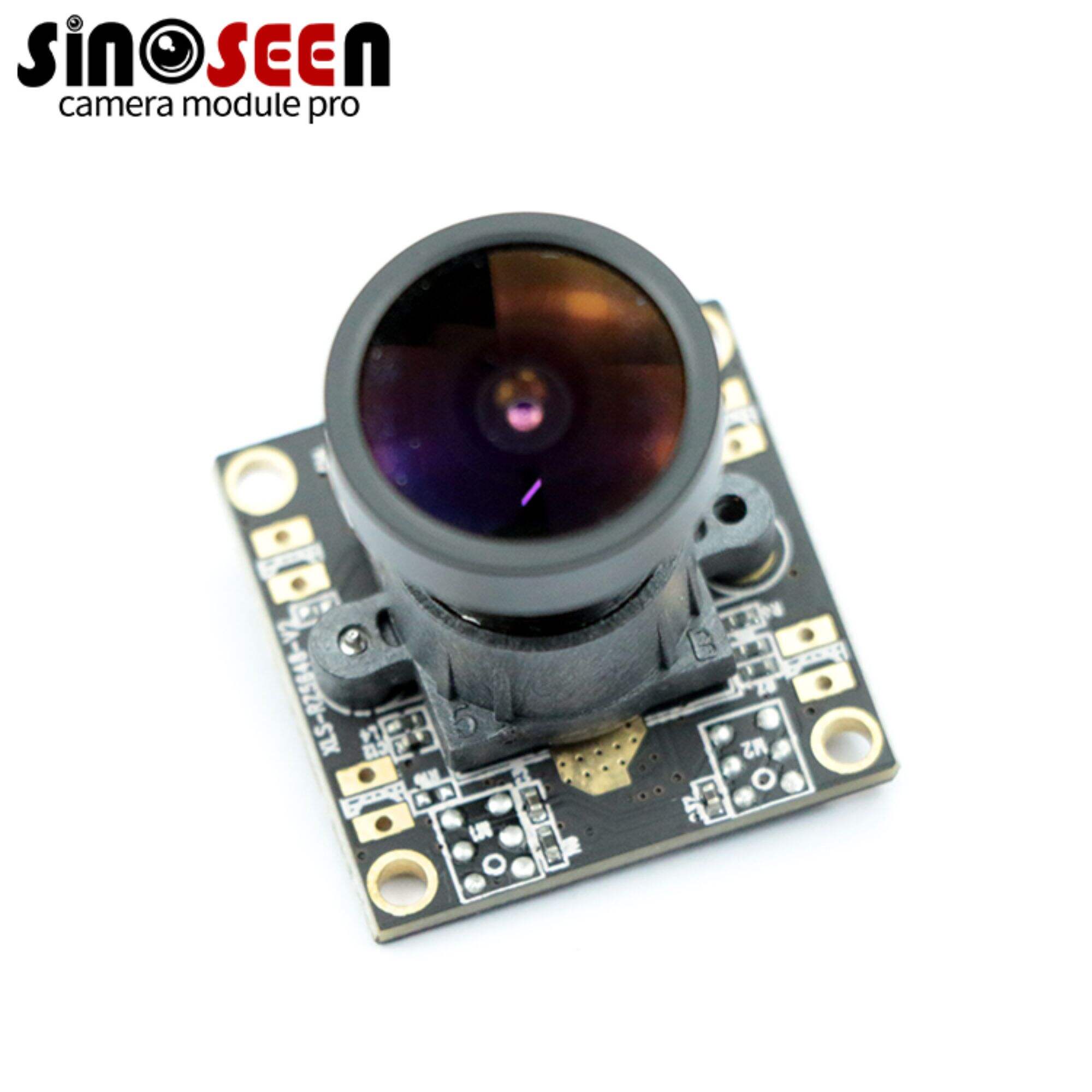
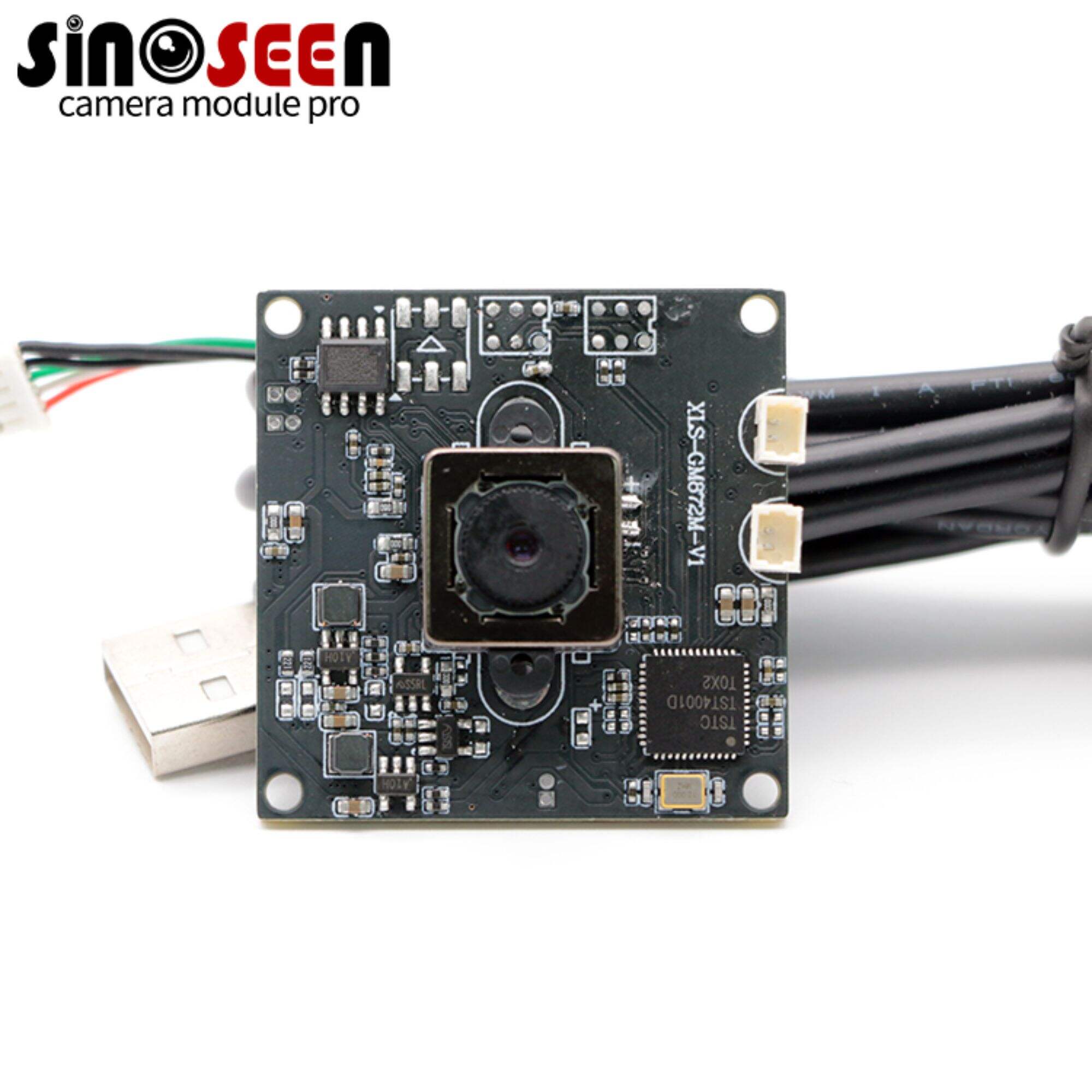
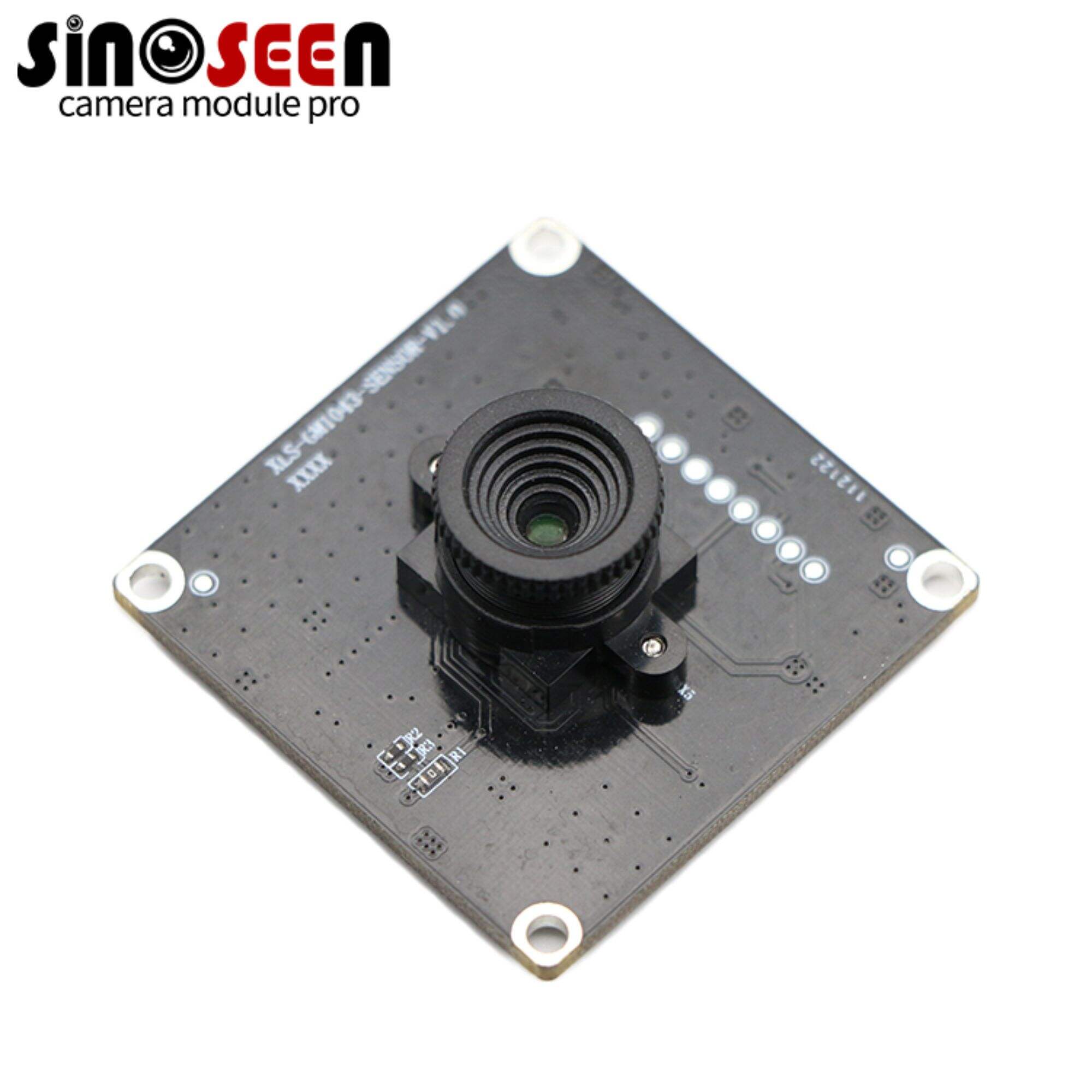
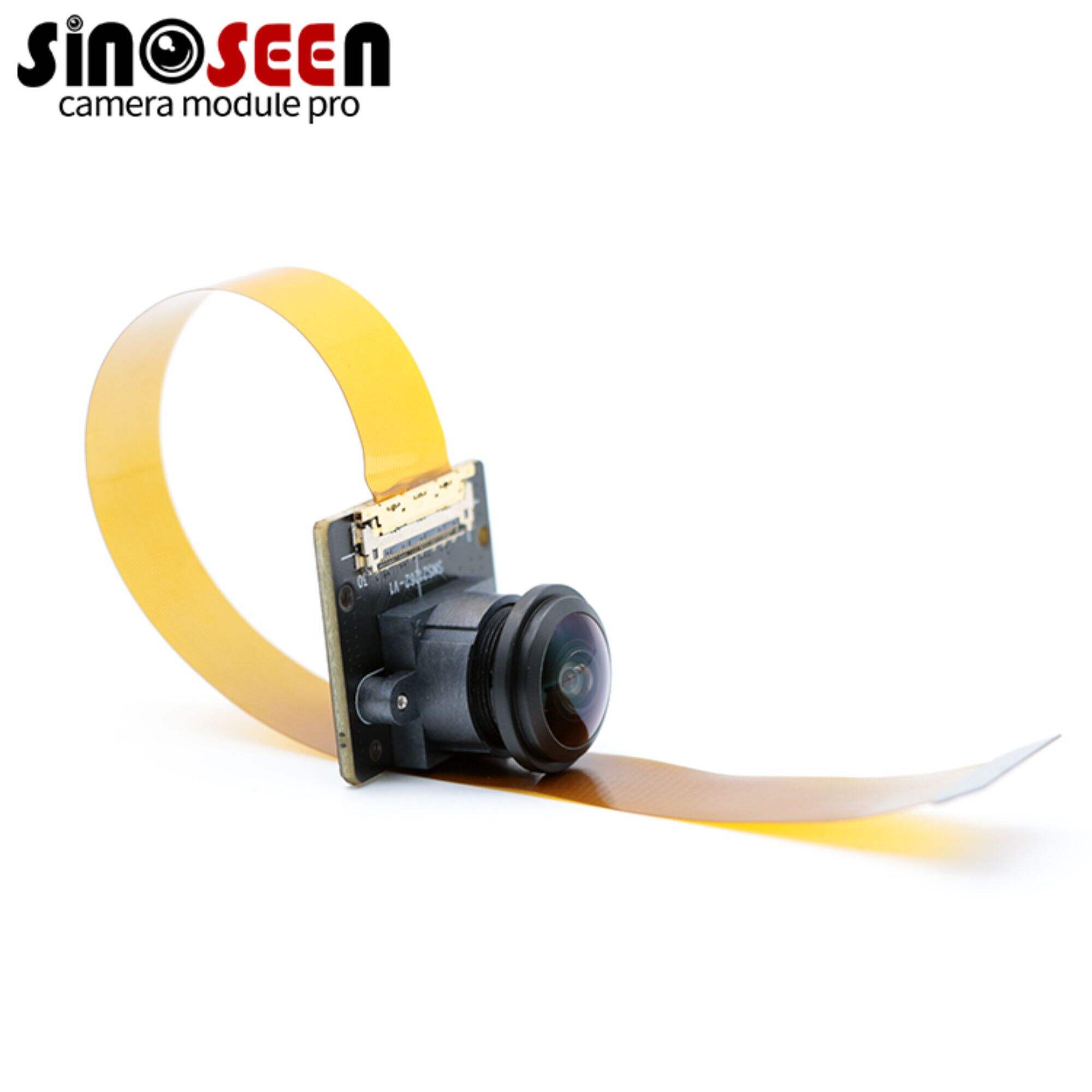
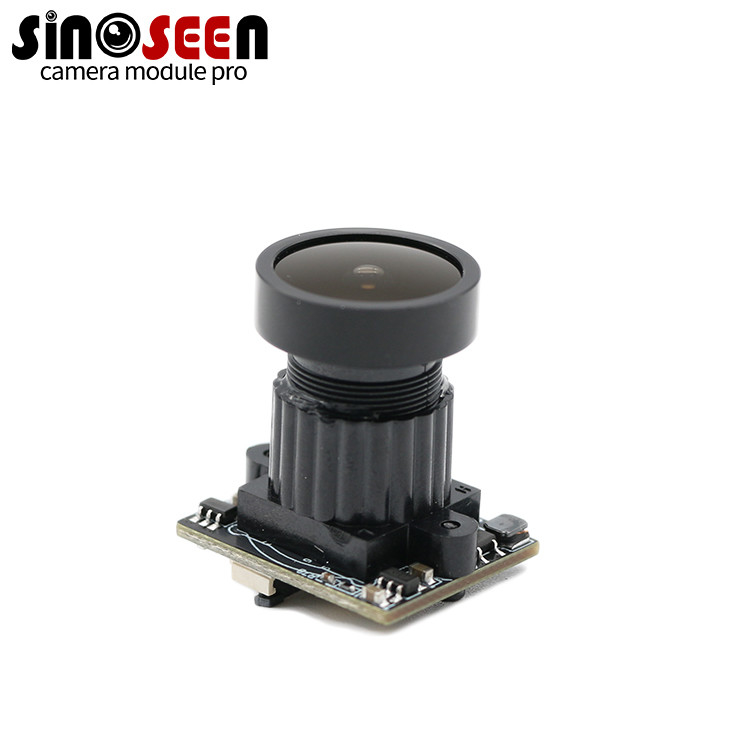
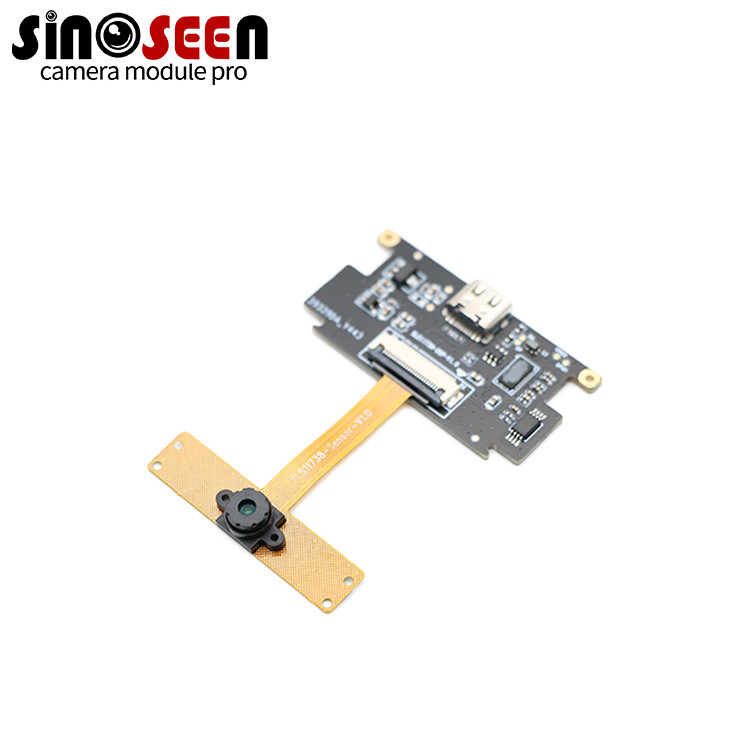
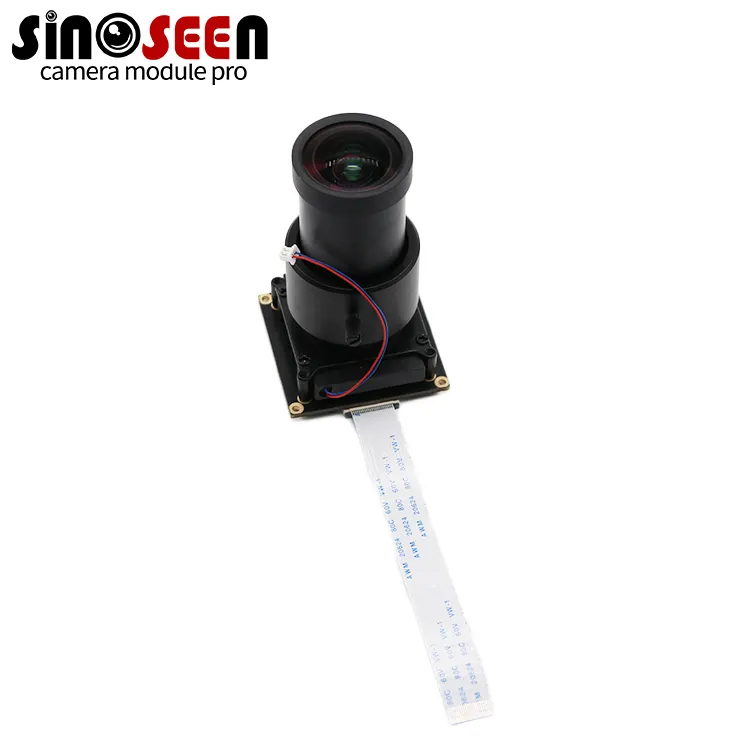
A machine vision sensor represents cutting-edge technology that combines advanced optical systems with intelligent processing capabilities to deliver automated inspection and measurement solutions. This sophisticated device captures high-resolution images and processes them in real-time, enabling precise detection, measurement, and quality control across diverse industrial applications. The machine vision sensor integrates multiple components including high-performance cameras, specialized lighting systems, and powerful processing units that work together seamlessly. Modern machine vision sensor technology incorporates artificial intelligence algorithms and deep learning capabilities, allowing these systems to adapt and improve their performance over time. The core functionality revolves around converting visual information into actionable data, making it possible to automate complex inspection tasks that previously required human intervention. These sensors excel at detecting defects, measuring dimensions, verifying assembly processes, and ensuring product quality with unprecedented accuracy and speed. The technological architecture of a machine vision sensor includes advanced image processing algorithms, pattern recognition software, and machine learning capabilities that enable sophisticated analysis of visual data. Industrial-grade machine vision sensor systems are designed to withstand harsh manufacturing environments while maintaining consistent performance. The integration capabilities allow seamless connection with existing production systems, programmable logic controllers, and enterprise resource planning software. Real-time processing ensures immediate feedback and decision-making, enabling rapid response to quality issues or process variations. The versatility of machine vision sensor technology makes it suitable for applications ranging from simple presence detection to complex three-dimensional measurements. Advanced calibration features ensure consistent accuracy across different operating conditions and product variations. The user-friendly interfaces and configuration tools make implementation straightforward, reducing setup time and training requirements for operators and maintenance personnel.

Popular Products

Machine vision sensor technology delivers exceptional accuracy that surpasses human inspection capabilities, eliminating subjective interpretation and reducing error rates significantly. This precision translates directly into improved product quality and reduced waste, providing substantial cost savings for manufacturing operations. The speed advantage of machine vision sensor systems enables inspection of products at full production line speeds, eliminating bottlenecks and maintaining optimal throughput rates. Unlike human inspectors who experience fatigue and inconsistency, machine vision sensor technology provides reliable performance throughout extended operating periods. The consistency factor proves crucial for maintaining uniform quality standards across all production shifts and operating conditions. Cost-effectiveness emerges as operators reduce labor requirements while simultaneously improving inspection thoroughness and reliability. Machine vision sensor systems excel at detecting subtle defects that human eyes might miss, particularly in repetitive inspection tasks where attention may wane over time. The data collection capabilities provide valuable insights into production trends, quality patterns, and process optimization opportunities. Integration flexibility allows machine vision sensor technology to adapt to existing production lines without requiring extensive modifications or downtime. Remote monitoring capabilities enable operators to oversee multiple inspection points from centralized locations, improving efficiency and reducing staffing requirements. The scalability of machine vision sensor solutions accommodates growing production demands and evolving quality requirements. Maintenance requirements remain minimal compared to mechanical inspection systems, reducing operational costs and improving system availability. Training requirements for operators decrease significantly as machine vision sensor systems provide intuitive interfaces and automated decision-making capabilities. The documentation capabilities create comprehensive inspection records that support quality audits, compliance requirements, and continuous improvement initiatives. Environmental tolerance ensures reliable operation across various temperature, humidity, and lighting conditions commonly found in industrial settings. Return on investment typically occurs within months due to reduced labor costs, improved quality, and decreased waste generation. The flexibility to reprogram inspection parameters quickly accommodates product changes and new quality requirements without hardware modifications.

Tips And Tricks

Why Choose a High-Performance Embedded Camera Module for AI Applications?

02

Mar

Why Choose a High-Performance Embedded Camera Module for AI Applications?

Artificial intelligence applications demand precision, speed, and reliability in their visual data acquisition systems. An embedded camera module serves as the critical foundation for AI-powered devices, from autonomous vehicles to smart manufacturin...
View More
 How to Select the Right AI Camera Module for Facial Recognition Systems?

02

Mar

How to Select the Right AI Camera Module for Facial Recognition Systems?

Selecting the appropriate AI camera module for facial recognition systems represents a critical decision that directly impacts system performance, accuracy, and overall operational efficiency. Modern facial recognition applications demand sophisticat...
View More
How to Optimize Low-Light Performance in Custom Camera Module Designs?

02

Mar

How to Optimize Low-Light Performance in Custom Camera Module Designs?

Custom camera module designs face unique challenges when operating in environments with minimal illumination, making low-light performance optimization a critical engineering consideration. Modern applications ranging from security surveillance to au...
View More
Why do Robotics Manufacturers Prefer High-Speed AI Camera Modules?

02

Mar

Why do Robotics Manufacturers Prefer High-Speed AI Camera Modules?

The robotics industry has experienced unprecedented growth in recent years, with manufacturers increasingly demanding sophisticated vision systems that can process visual data at lightning speed. High-speed AI camera modules have emerged as the corne...
View More

Get In Touch

machine vision sensor

Advanced AI-Powered Pattern Recognition

Advanced AI-Powered Pattern Recognition

The machine vision sensor incorporates state-of-the-art artificial intelligence algorithms that revolutionize traditional inspection methods through sophisticated pattern recognition capabilities. This technology enables the system to learn and adapt to complex visual patterns, distinguishing between acceptable variations and actual defects with remarkable precision. The AI-powered machine vision sensor processes thousands of images per minute, analyzing each one against learned patterns and predetermined quality criteria. Deep learning algorithms continuously improve the system's accuracy by analyzing historical data and identifying subtle correlations that traditional rule-based systems might overlook. The pattern recognition functionality excels at handling natural variations in products while maintaining strict quality standards, reducing false rejections and improving overall efficiency. Machine vision sensor technology with AI capabilities can adapt to new product variations without extensive reprogramming, simply by training the system with representative samples. This adaptability proves invaluable in dynamic manufacturing environments where product specifications frequently change or new variants are introduced. The intelligent algorithms can differentiate between cosmetic issues and functional defects, allowing manufacturers to implement appropriate quality standards for different market segments. The machine vision sensor's AI capabilities extend beyond simple pass-fail decisions, providing detailed analysis of defect types, locations, and severity levels. This comprehensive data enables proactive quality improvements and helps identify root causes of production issues. The learning algorithms continuously refine their performance based on feedback from quality control personnel and production outcomes. Advanced neural networks within the machine vision sensor can process complex three-dimensional features and surface characteristics that traditional inspection methods cannot reliably assess. The AI-powered system maintains consistent performance across varying lighting conditions, product orientations, and environmental factors that typically challenge conventional inspection systems.
Real-Time Processing and Instant Decision Making

Real-Time Processing and Instant Decision Making

The machine vision sensor delivers unprecedented speed through real-time processing capabilities that enable instant decision-making at production line speeds. This advanced processing power allows the system to capture, analyze, and respond to visual information within milliseconds, ensuring zero impact on production throughput while maintaining comprehensive inspection coverage. The real-time architecture of the machine vision sensor utilizes parallel processing techniques and optimized algorithms to handle multiple inspection tasks simultaneously without compromising accuracy or speed. High-speed cameras integrated within the machine vision sensor capture images at rates exceeding thousands of frames per second, ensuring complete coverage even for rapidly moving products. The processing algorithms are specifically optimized for industrial applications, prioritizing speed and reliability while maintaining the detailed analysis required for quality control. Edge computing capabilities within the machine vision sensor eliminate latency associated with cloud-based processing, ensuring immediate responses to quality issues. The instant feedback mechanism enables automatic rejection of defective products, preventing quality issues from progressing further down the production line. Real-time data visualization provides operators with immediate insights into production quality trends and potential issues requiring attention. The machine vision sensor's processing power scales automatically based on inspection complexity and production demands, maintaining consistent performance across varying operational conditions. Advanced buffering and queue management ensure smooth operation during peak processing periods without losing critical inspection data. The system's ability to process multiple product streams simultaneously makes it ideal for complex manufacturing environments with diverse product lines. Immediate alarm generation and notification systems alert operators to quality trends or system issues before they impact production quality. The real-time capabilities extend to integration with production control systems, enabling automatic adjustments to manufacturing parameters based on inspection results. Predictive analytics built into the machine vision sensor processing algorithms can identify potential quality issues before they manifest as actual defects.
Seamless Integration and Scalable Architecture

Seamless Integration and Scalable Architecture

The machine vision sensor features comprehensive integration capabilities that seamlessly connect with existing manufacturing systems, enterprise software, and industrial networks without requiring extensive infrastructure modifications. This integration-friendly design enables manufacturers to implement advanced inspection capabilities while leveraging existing investments in automation and control systems. The modular architecture of the machine vision sensor supports flexible deployment scenarios, from standalone inspection stations to complex multi-point inspection networks spanning entire production facilities. Standard communication protocols ensure compatibility with programmable logic controllers, human-machine interfaces, and manufacturing execution systems commonly used in industrial environments. The machine vision sensor's open architecture supports custom software development and integration with specialized quality management systems, enabling tailored solutions for unique manufacturing requirements. Cloud connectivity options allow remote monitoring, data analysis, and system management from any location with internet access, supporting modern distributed manufacturing operations. The scalable design accommodates growth from single-point inspections to comprehensive quality monitoring networks without requiring complete system replacements. Database integration capabilities enable seamless data flow between the machine vision sensor and enterprise resource planning systems, supporting comprehensive quality tracking and reporting. The system's API framework facilitates integration with third-party software applications and custom automation solutions, maximizing flexibility and functionality. Network redundancy features ensure continuous operation even during communication interruptions or system maintenance activities. The machine vision sensor supports both wired and wireless connectivity options, providing deployment flexibility in challenging industrial environments. Centralized management tools enable simultaneous configuration and monitoring of multiple machine vision sensor installations from a single interface. The integration framework includes comprehensive security features protecting sensitive production data and preventing unauthorized system access. Automated software updates and remote configuration capabilities minimize maintenance requirements and system downtime. The machine vision sensor's integration capabilities extend to mobile devices and tablets, enabling field personnel to access system status and inspection data from anywhere within the facility.

Related Search

Get in touch