Innovative Camera Modules for Every Application | Sinoseen

All Categories

cmos image sensor module

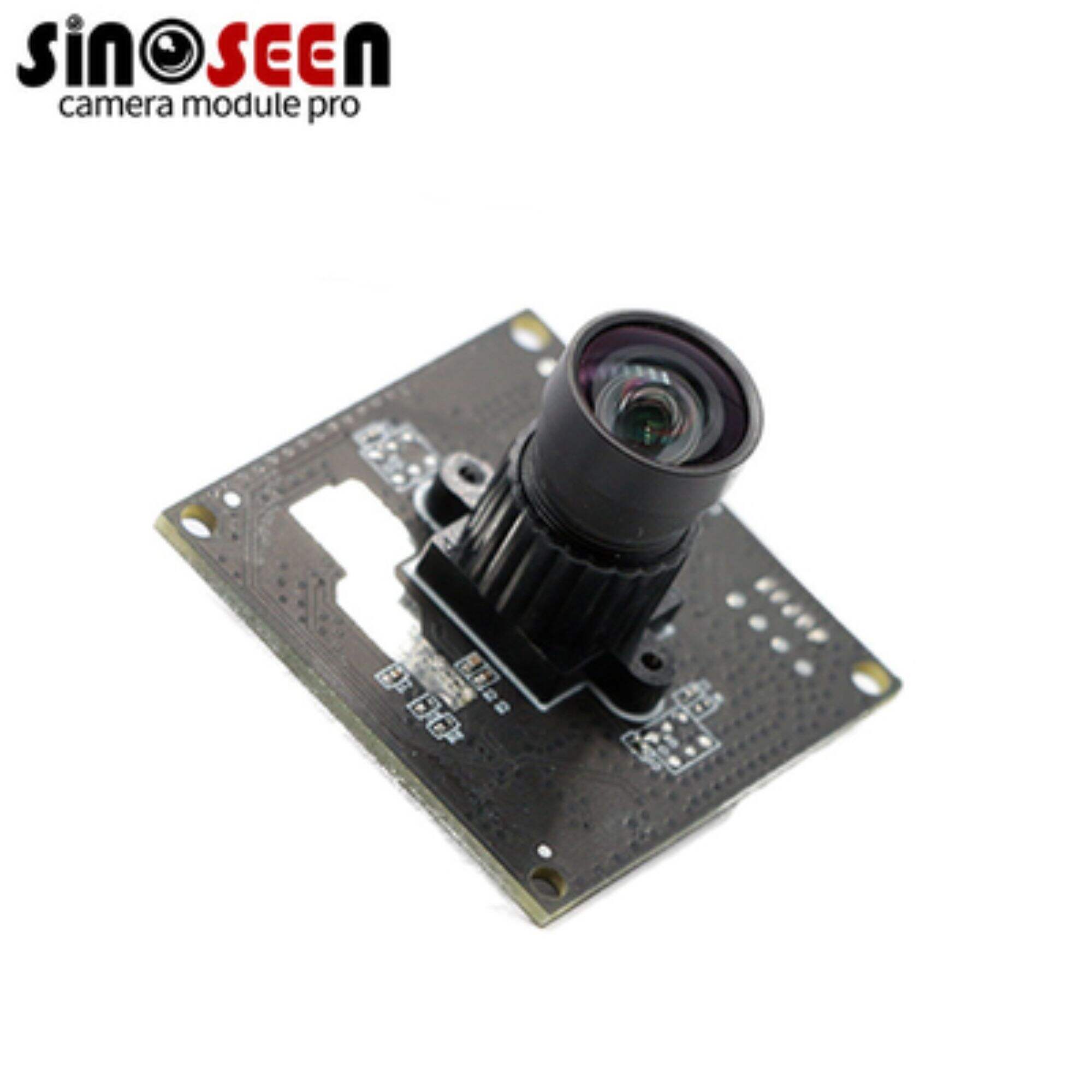
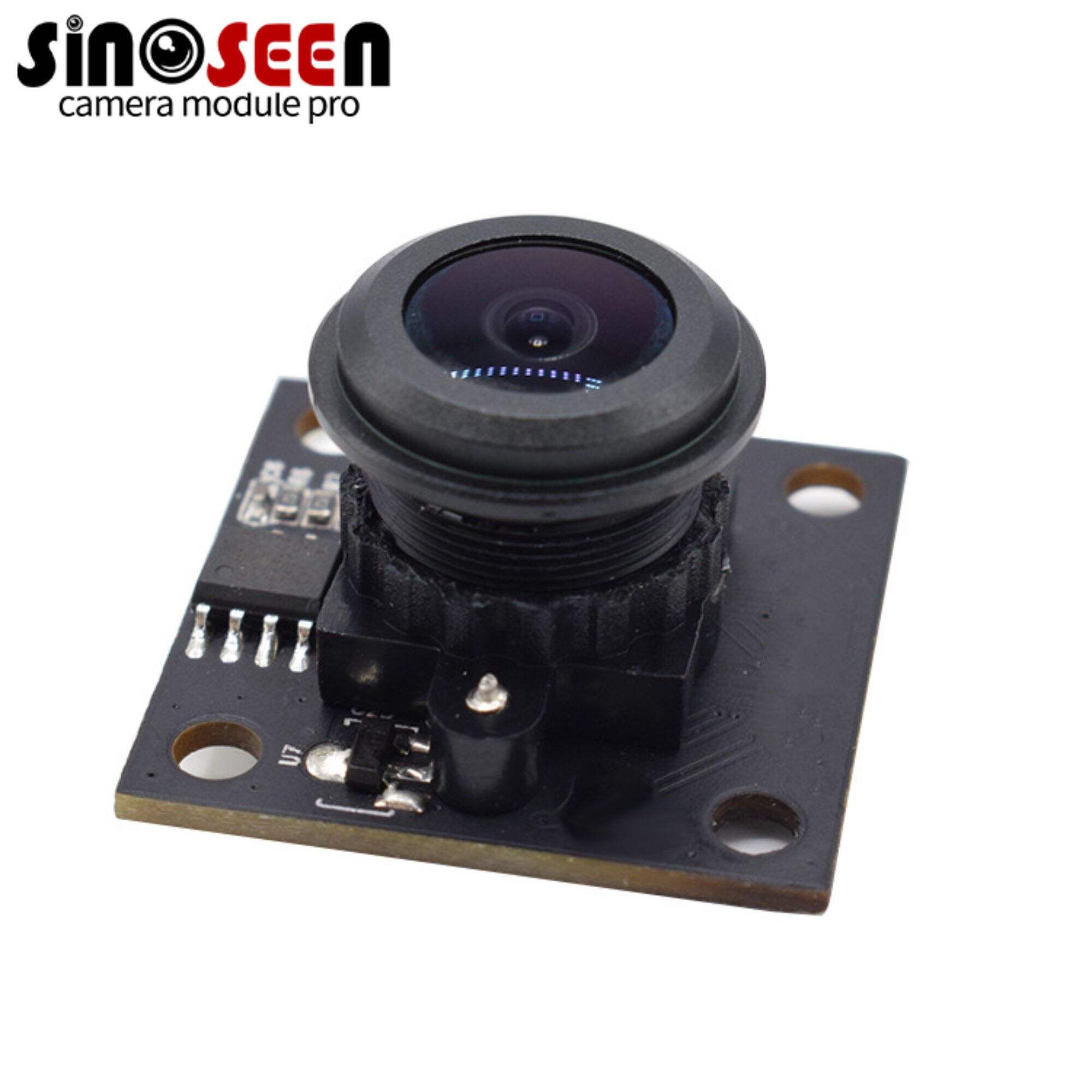
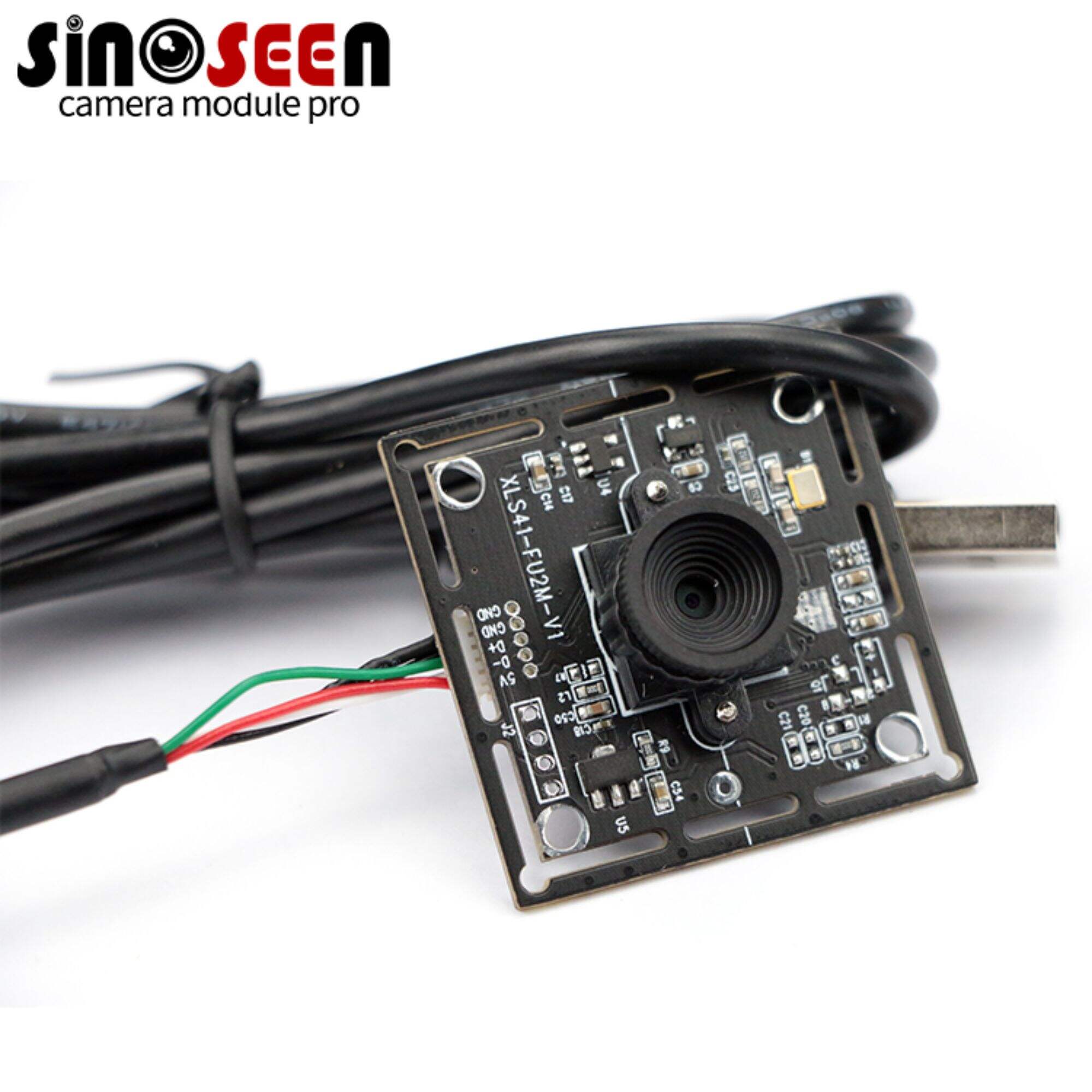
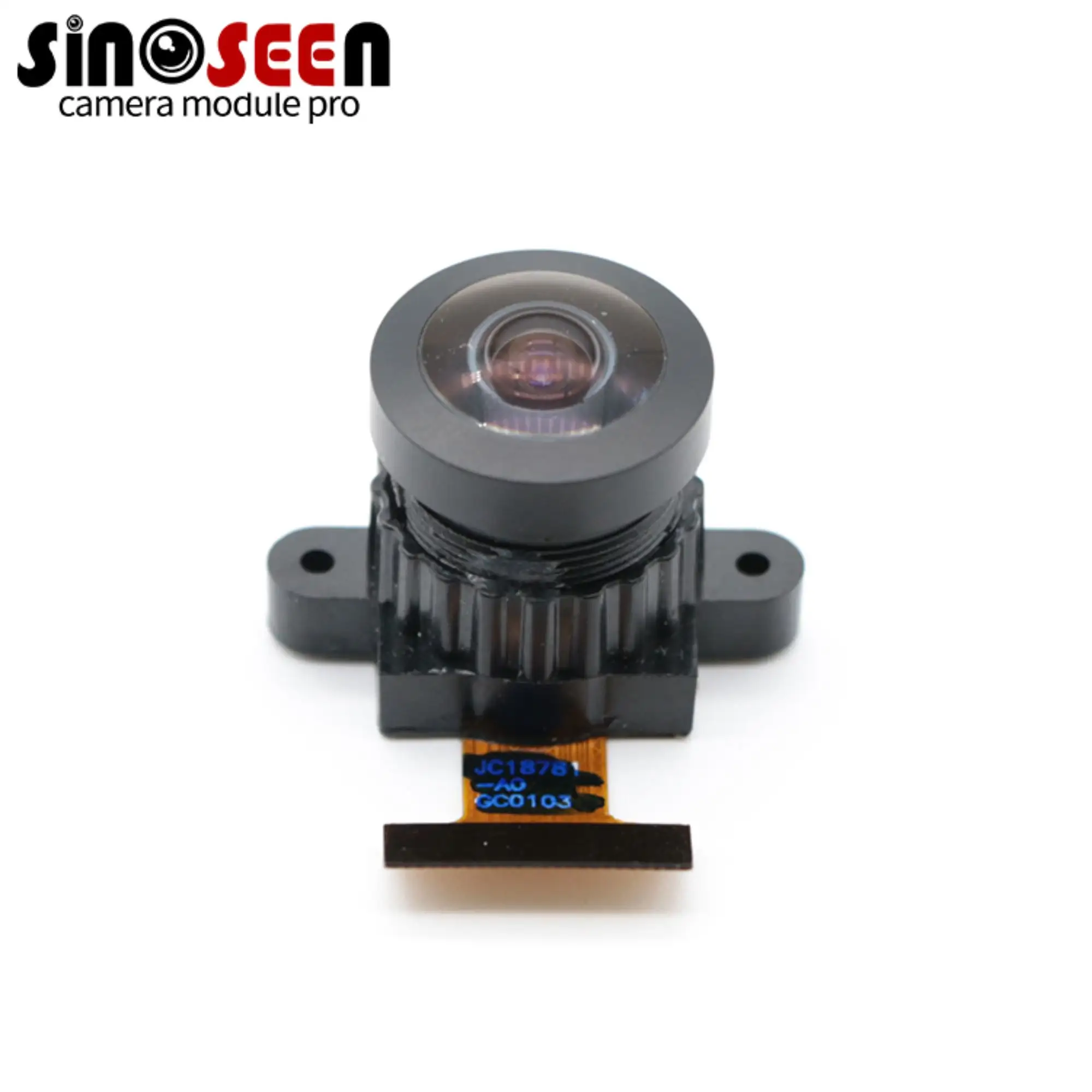
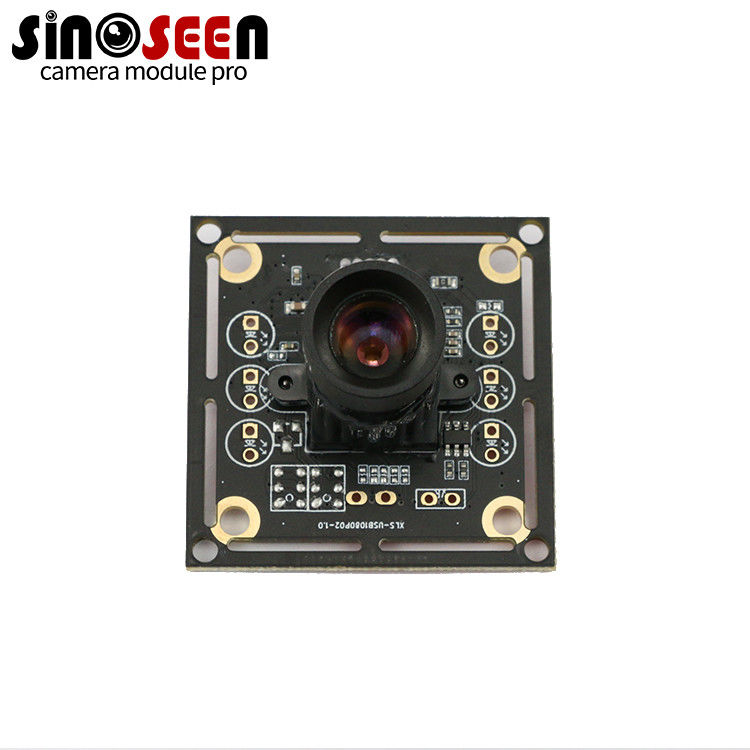
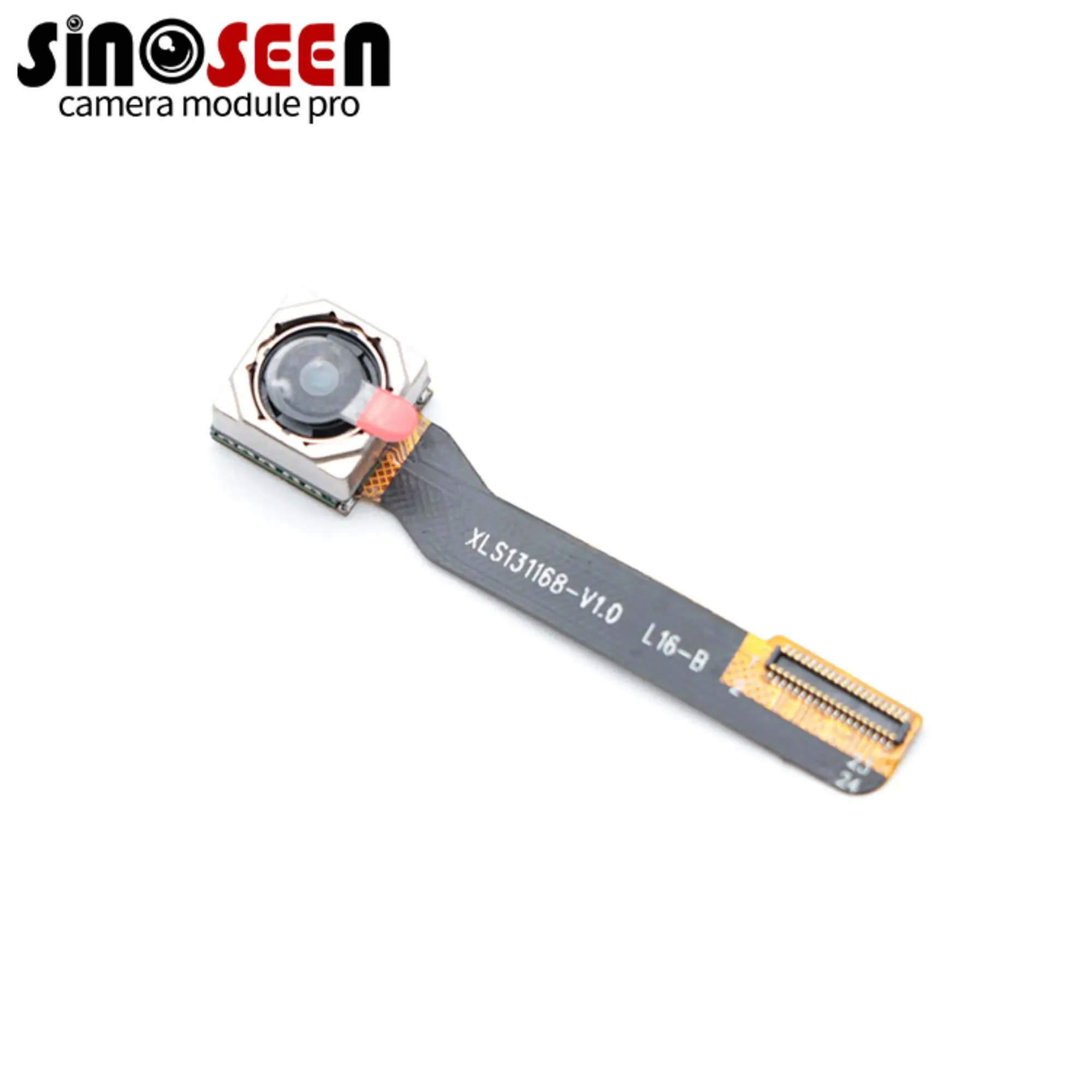
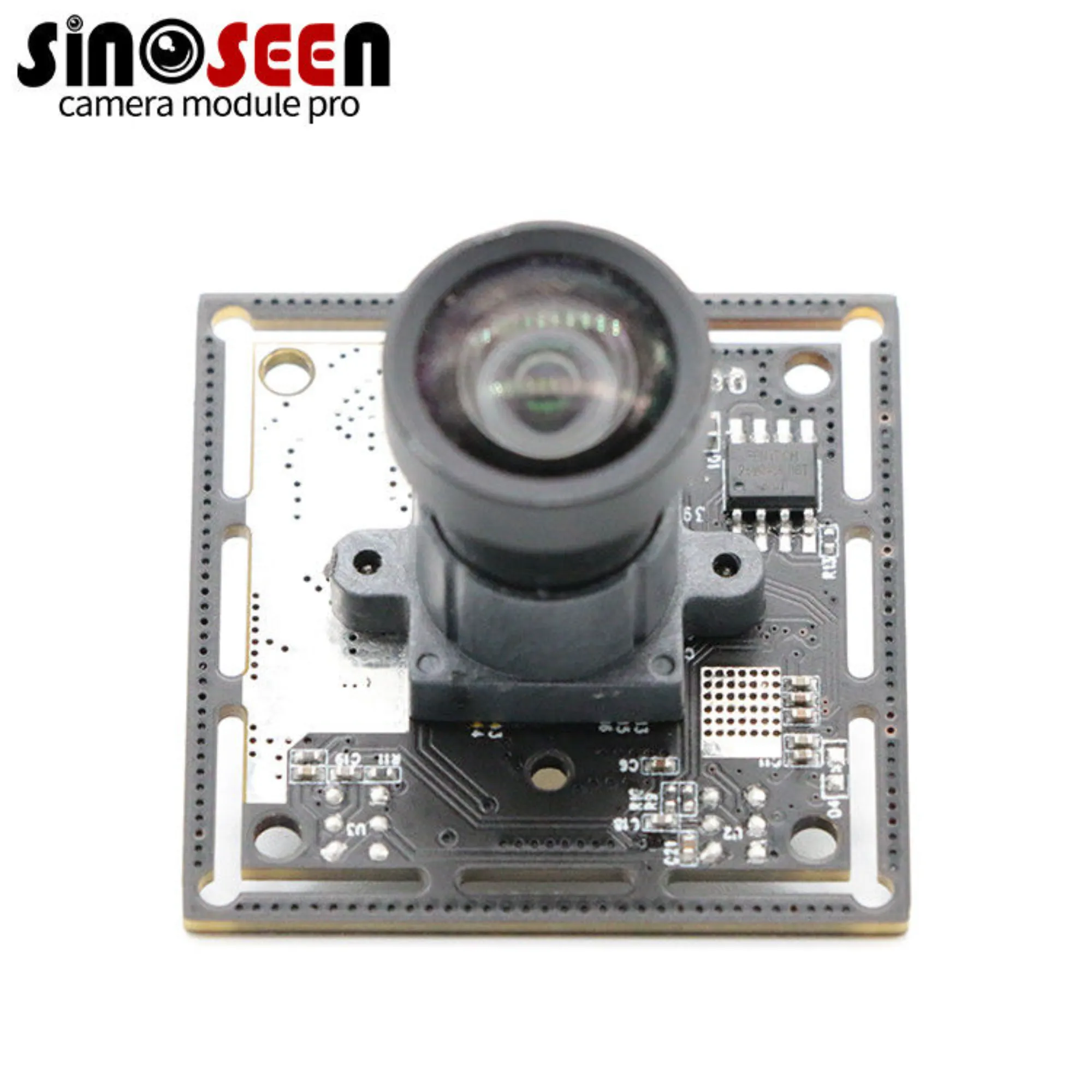
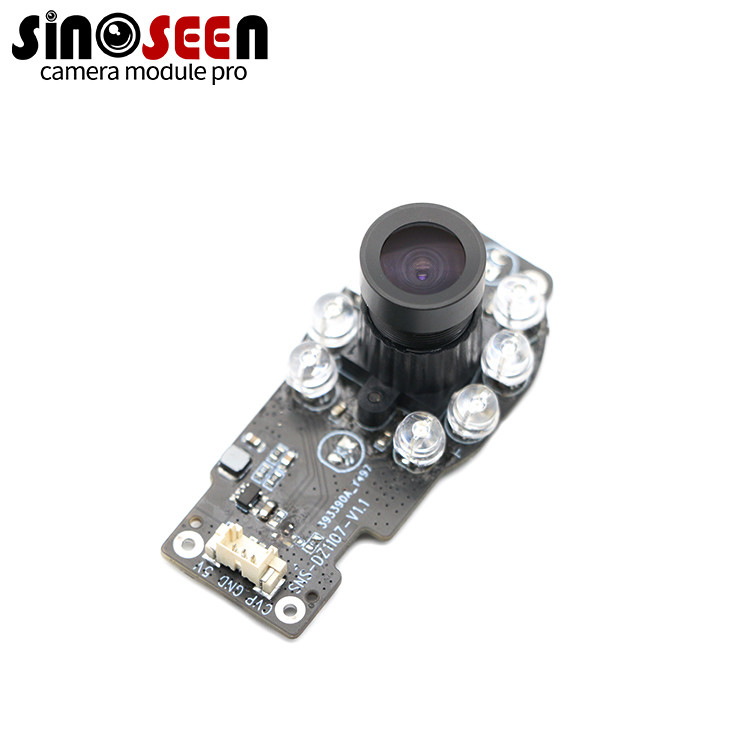
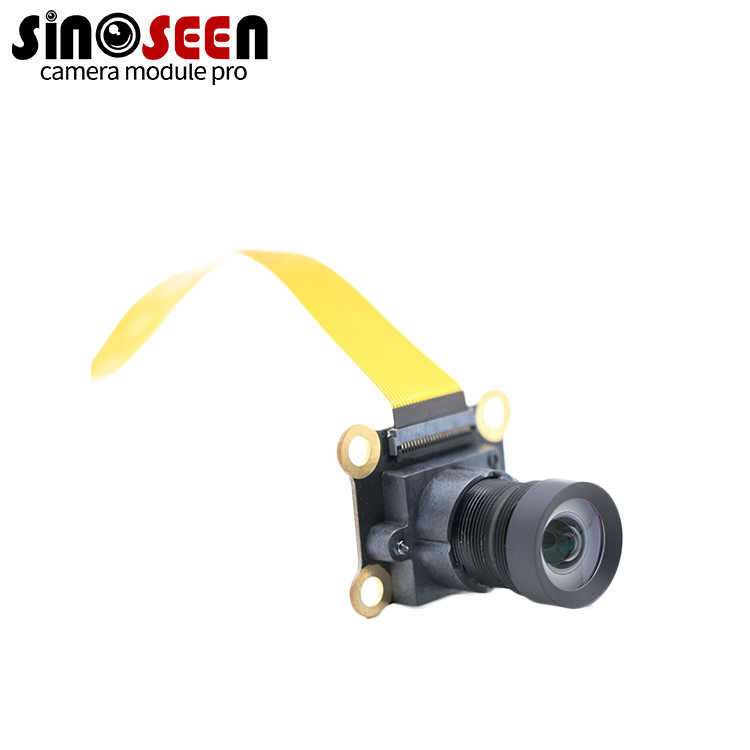
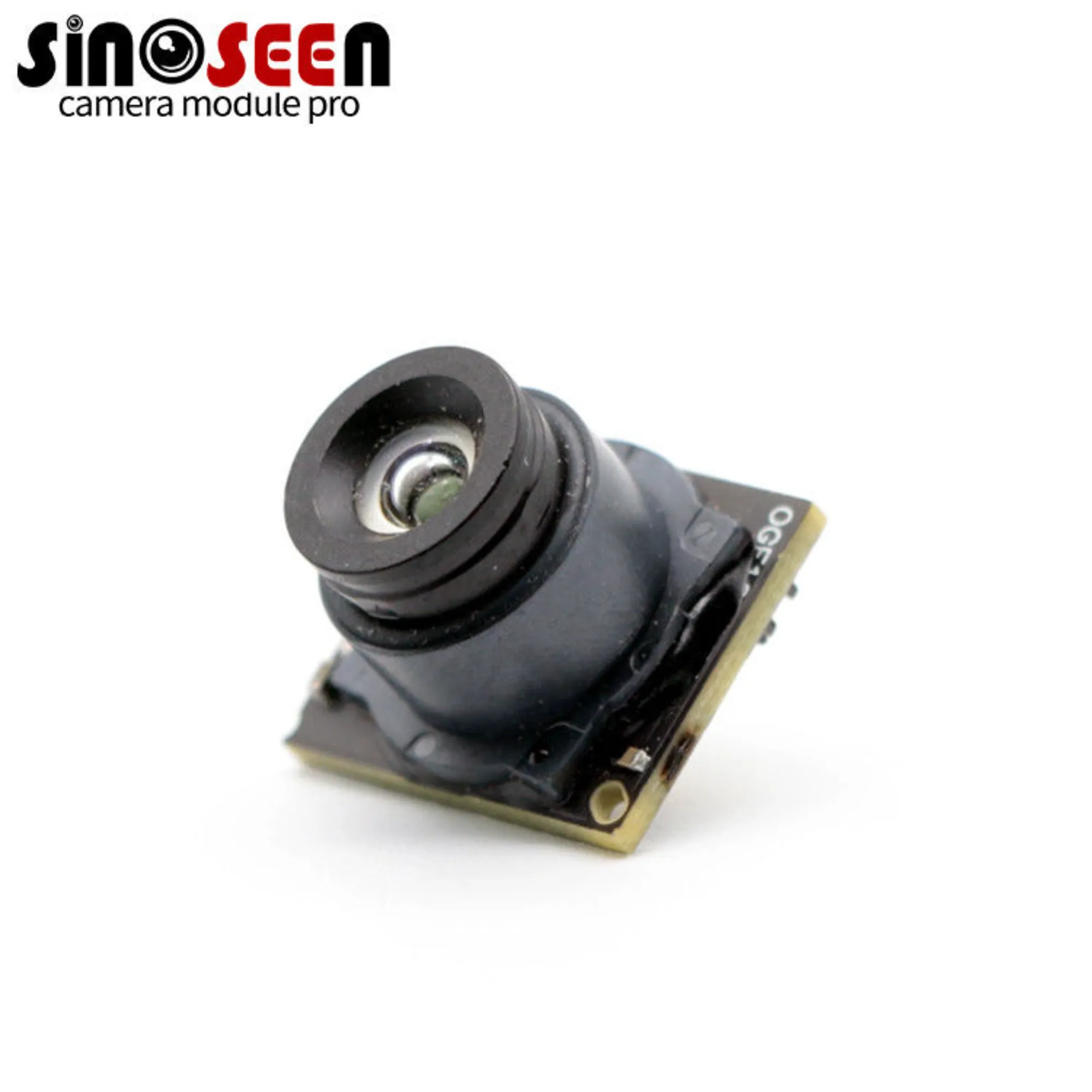
A CMOS image sensor module represents a sophisticated electronic component that captures light and converts it into digital signals for image processing. This advanced technology integrates complementary metal-oxide-semiconductor fabrication techniques to create highly efficient imaging solutions. The CMOS image sensor module combines photodiodes, amplifiers, and analog-to-digital converters on a single chip, enabling compact and versatile imaging capabilities. These modules serve as the cornerstone of modern digital photography and video recording systems. The primary function of a CMOS image sensor module involves converting optical information into electrical signals through photoelectric conversion. When light photons strike the sensor surface, they generate electrical charges proportional to light intensity. The module then processes these charges through sophisticated circuitry to produce digital image data. Key technological features include pixel arrays with varying resolutions, integrated signal processing capabilities, and programmable exposure controls. Modern CMOS image sensor modules offer exceptional flexibility through configurable frame rates, exposure times, and gain settings. The technology supports both global and rolling shutter mechanisms, accommodating different application requirements. Advanced modules incorporate noise reduction algorithms, automatic exposure control, and white balance correction directly within the sensor architecture. Applications span numerous industries including consumer electronics, automotive systems, medical devices, security surveillance, and industrial automation. Smartphones, tablets, and digital cameras rely heavily on CMOS image sensor modules for high-quality image capture. Automotive manufacturers integrate these modules into backup cameras, lane departure warning systems, and autonomous driving technologies. Medical equipment utilizes specialized CMOS image sensor modules for endoscopy, microscopy, and diagnostic imaging applications. The versatility of CMOS image sensor modules makes them essential components in IoT devices, smart home systems, and professional broadcasting equipment. Their compact form factor and low power consumption enable integration into space-constrained applications while maintaining superior image quality standards.

Popular Products

CMOS image sensor modules deliver remarkable energy efficiency compared to traditional imaging technologies, consuming significantly less power during operation. This efficiency stems from the ability to shut down unused pixels and circuits when not actively capturing images. Users benefit from extended battery life in portable devices, reduced heat generation, and lower overall system power requirements. The technology enables always-on imaging capabilities in battery-powered applications without compromising operational longevity. Manufacturing costs remain substantially lower for CMOS image sensor modules due to standard semiconductor fabrication processes. This cost advantage translates directly to more affordable end products for consumers while maintaining professional-grade imaging performance. The economies of scale in CMOS production allow manufacturers to offer competitive pricing without sacrificing quality or functionality. Integration capabilities represent another significant advantage, as CMOS image sensor modules combine multiple functions within a single package. Built-in analog-to-digital converters eliminate the need for external components, reducing system complexity and board space requirements. On-chip signal processing capabilities handle noise reduction, color correction, and image enhancement automatically. This integration simplifies product development cycles and accelerates time-to-market for new devices. Speed performance excels with CMOS image sensor modules, offering rapid readout capabilities and minimal lag between image capture and processing. High-speed applications benefit from frame rates exceeding traditional sensor technologies, enabling smooth video recording and real-time image analysis. The technology supports variable frame rates, allowing users to optimize performance based on specific application requirements. Size advantages make CMOS image sensor modules ideal for miniaturized applications where space constraints are critical. The compact footprint enables integration into smartphones, wearable devices, and embedded systems without compromising functionality. Flexibility in sensor configurations allows manufacturers to select optimal resolutions and form factors for specific use cases. Digital output compatibility eliminates analog signal degradation issues common in traditional imaging systems. Direct digital communication ensures signal integrity across longer transmission distances and reduces electromagnetic interference susceptibility. The robust digital interface simplifies system integration and enables remote sensor control capabilities.

Tips And Tricks

 How to Select the Right AI Camera Module for Facial Recognition Systems?

02

Mar

How to Select the Right AI Camera Module for Facial Recognition Systems?

Selecting the appropriate AI camera module for facial recognition systems represents a critical decision that directly impacts system performance, accuracy, and overall operational efficiency. Modern facial recognition applications demand sophisticat...
View More
How to Optimize Low-Light Performance in Custom Camera Module Designs?

02

Mar

How to Optimize Low-Light Performance in Custom Camera Module Designs?

Custom camera module designs face unique challenges when operating in environments with minimal illumination, making low-light performance optimization a critical engineering consideration. Modern applications ranging from security surveillance to au...
View More
How to Integrate a Small Camera Module into Compact Medical Devices?

02

Mar

How to Integrate a Small Camera Module into Compact Medical Devices?

Medical device miniaturization continues to revolutionize healthcare, enabling less invasive procedures and improved patient outcomes. When designing compact medical equipment, integrating a small camera module requires careful consideration of space...
View More
Why do Robotics Manufacturers Prefer High-Speed AI Camera Modules?

02

Mar

Why do Robotics Manufacturers Prefer High-Speed AI Camera Modules?

The robotics industry has experienced unprecedented growth in recent years, with manufacturers increasingly demanding sophisticated vision systems that can process visual data at lightning speed. High-speed AI camera modules have emerged as the corne...
View More

Get In Touch

cmos image sensor module

Superior Low-Light Performance and Dynamic Range

Superior Low-Light Performance and Dynamic Range

The CMOS image sensor module excels in challenging lighting conditions through advanced pixel architecture and sophisticated signal processing capabilities. Modern CMOS sensors utilize large pixel designs and backside illumination technology to maximize light capture efficiency, resulting in exceptional low-light performance that surpasses traditional imaging solutions. The enhanced sensitivity allows users to capture clear, detailed images in dimly lit environments without requiring additional lighting equipment or flash photography. This capability proves invaluable for security surveillance applications operating during nighttime hours, medical imaging procedures requiring minimal illumination, and consumer photography in indoor or evening settings. The dynamic range capabilities of CMOS image sensor modules enable simultaneous capture of bright and dark areas within the same scene, preserving detail across the entire tonal spectrum. This wide dynamic range eliminates the need for multiple exposures or complex post-processing techniques to achieve balanced imagery. Professional photographers and videographers benefit from reduced workflow complexity while maintaining creative control over their final output. The technology incorporates advanced noise reduction algorithms directly within the sensor architecture, minimizing unwanted artifacts that typically plague low-light imaging. These built-in processing capabilities ensure clean, professional-quality results without requiring external noise reduction software or specialized equipment. Manufacturing precision in CMOS image sensor modules guarantees consistent performance across large production volumes, ensuring reliable low-light capabilities in every unit. Quality control measures during fabrication verify each sensor meets stringent performance standards for sensitivity and dynamic range specifications. Users can depend on predictable imaging results regardless of environmental conditions or extended operational periods. The combination of hardware optimization and intelligent software processing creates a synergistic effect that maximizes imaging performance while minimizing power consumption and system complexity.
Rapid Response Time and High-Speed Capabilities

Rapid Response Time and High-Speed Capabilities

CMOS image sensor modules deliver exceptional speed performance through innovative readout architectures and parallel processing capabilities that significantly outperform traditional imaging technologies. The ability to access individual pixels or pixel groups independently enables rapid frame capture rates essential for high-speed applications including sports photography, industrial inspection, and scientific research. Users benefit from minimal rolling shutter effects and reduced motion blur when capturing fast-moving subjects or operating in dynamic environments. The parallel readout architecture allows simultaneous data extraction from multiple pixel regions, dramatically reducing the time required for complete frame acquisition. This speed advantage translates to improved user experiences in consumer applications such as burst photography, slow-motion video recording, and real-time image analysis. Professional applications leverage these high-speed capabilities for quality control processes, automated inspection systems, and precise motion tracking requirements. Variable frame rate functionality within CMOS image sensor modules provides users with unprecedented flexibility to optimize performance based on specific operational needs. The technology supports seamless transitions between different capture modes without interrupting system operation or requiring complex reconfiguration procedures. This adaptability proves essential for applications requiring both high-resolution static imaging and high-speed video capture within the same device. Advanced timing control mechanisms ensure precise synchronization between multiple CMOS image sensor modules operating simultaneously, enabling sophisticated multi-camera systems for 3D imaging, stereo vision, and panoramic photography applications. The synchronized operation maintains consistent exposure timing and color reproduction across all sensors, resulting in seamless image stitching and accurate depth perception calculations. Real-time processing capabilities integrated within CMOS image sensor modules enable immediate image analysis and decision-making without external processing delays. This immediate response capability supports autonomous systems, robotics applications, and interactive user interfaces that require instantaneous visual feedback for optimal performance and user satisfaction.
Cost-Effective Integration and Scalable Solutions

Cost-Effective Integration and Scalable Solutions

The CMOS image sensor module provides exceptional value through streamlined integration processes that reduce overall system development costs while delivering professional-grade imaging capabilities. Standard semiconductor manufacturing techniques enable high-volume production with consistent quality control, resulting in competitive pricing that makes advanced imaging technology accessible across diverse market segments. This cost effectiveness extends beyond initial purchase price to include reduced development time, simplified supply chain management, and lower total cost of ownership throughout the product lifecycle. The modular design philosophy inherent in CMOS image sensor modules facilitates easy integration into existing product architectures without requiring extensive redesign efforts or specialized engineering expertise. Standardized interfaces and communication protocols ensure compatibility with common microcontrollers, processing units, and development platforms used throughout the electronics industry. This compatibility reduces technical barriers and accelerates product development cycles, enabling faster market entry and improved competitive positioning. Scalability represents a fundamental strength of CMOS image sensor modules, supporting applications ranging from basic surveillance cameras to sophisticated medical imaging equipment without requiring significant architectural changes. Manufacturers can leverage the same core technology across multiple product lines while customizing specific parameters such as resolution, sensitivity, and form factor to meet targeted market requirements. This scalability reduces inventory complexity and enables economies of scale that benefit both manufacturers and end users. Comprehensive software support accompanying CMOS image sensor modules includes driver libraries, development tools, and reference designs that simplify implementation processes for engineering teams. These resources eliminate the need for extensive custom software development while providing flexibility for application-specific optimizations. The availability of proven software solutions reduces project risk and ensures reliable performance in demanding operational environments. Long-term availability commitments from CMOS image sensor module manufacturers provide stability for product designs requiring extended production lifecycles. This reliability proves essential for automotive, medical, and industrial applications where component obsolescence can create significant costs and operational disruptions. Users benefit from predictable supply chains and consistent performance specifications throughout multi-year product lifecycles, enabling confident long-term planning and investment decisions.

Related Search

Get in touch