Innovative Camera Modules for Every Application | Sinoseen

All Categories

low power camera module

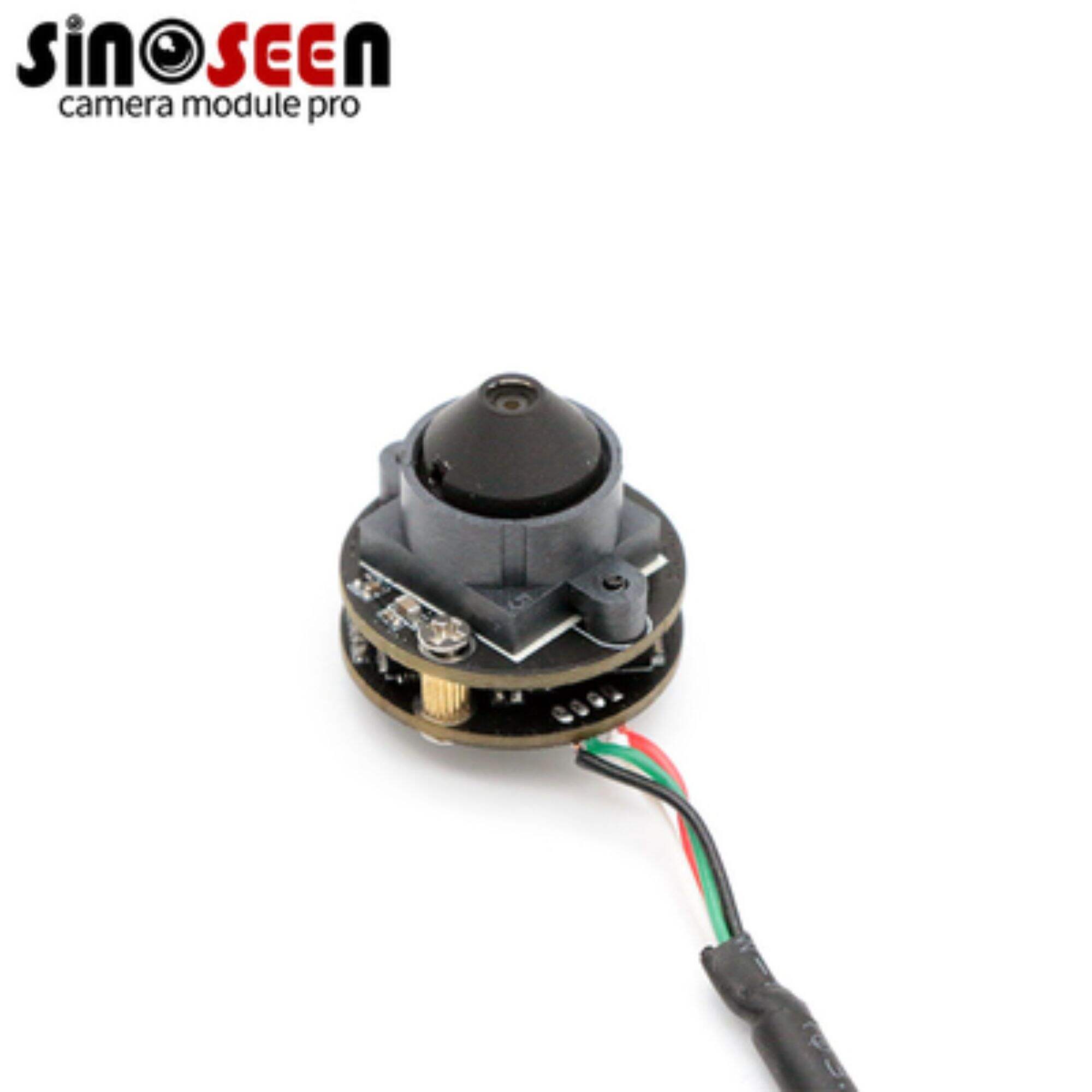
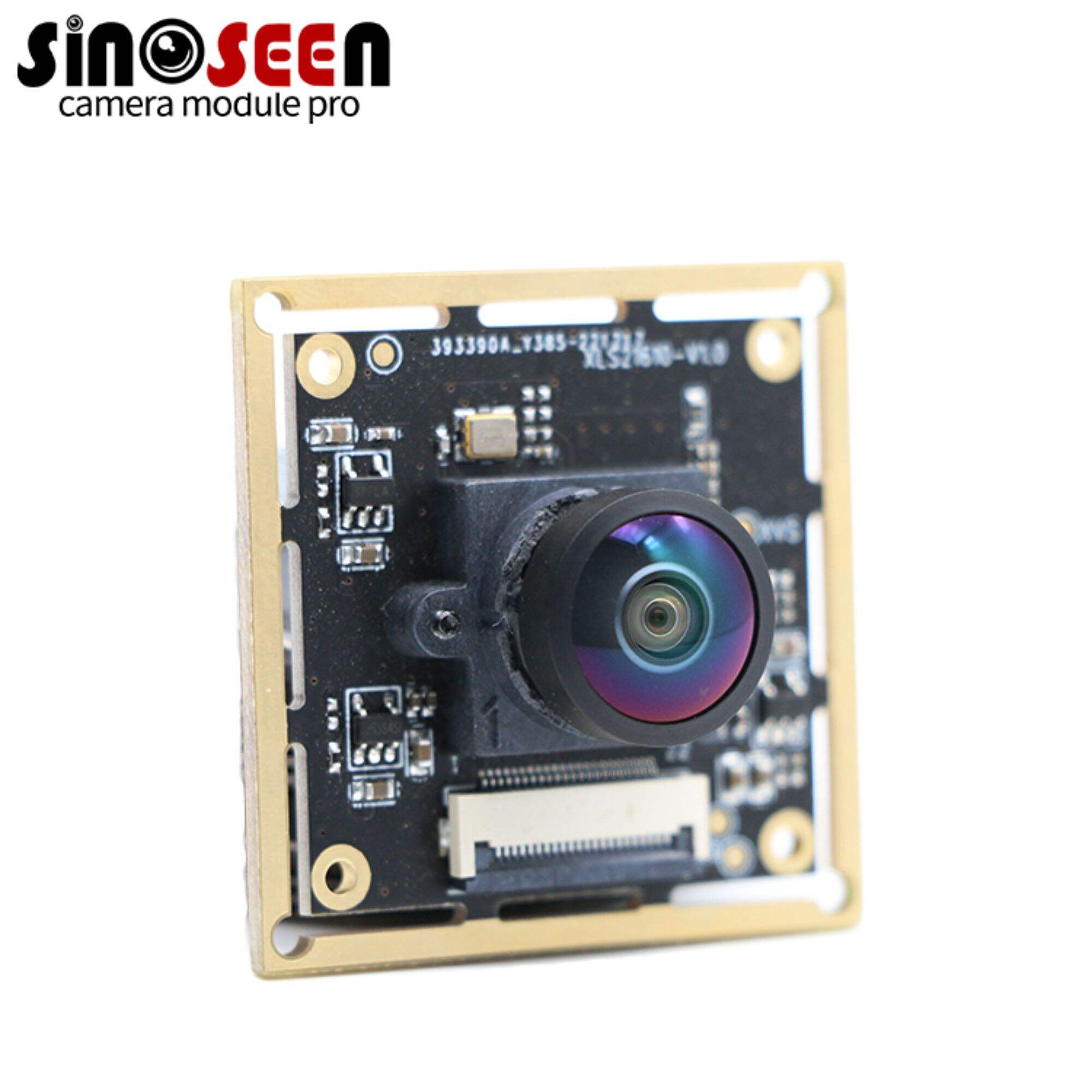
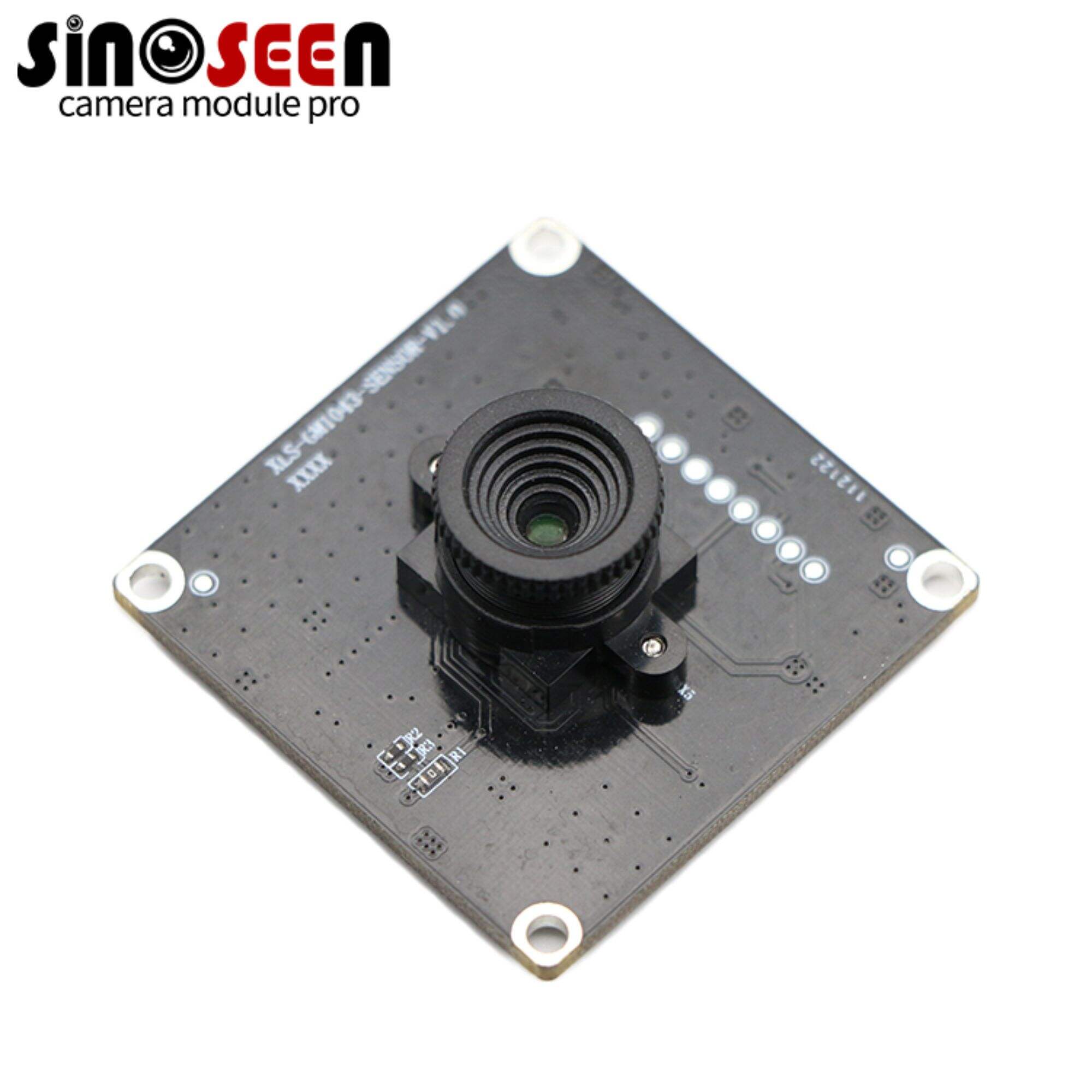
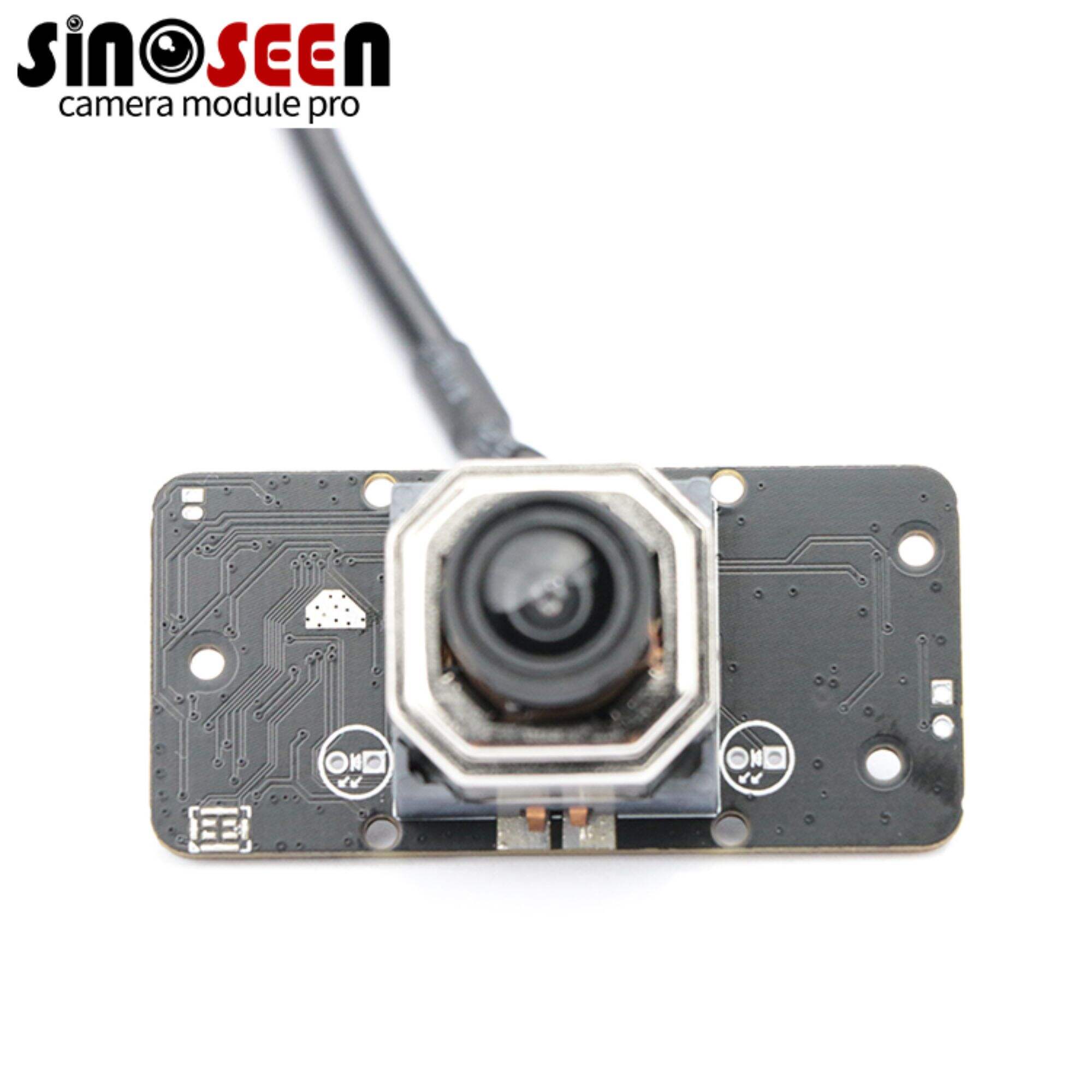
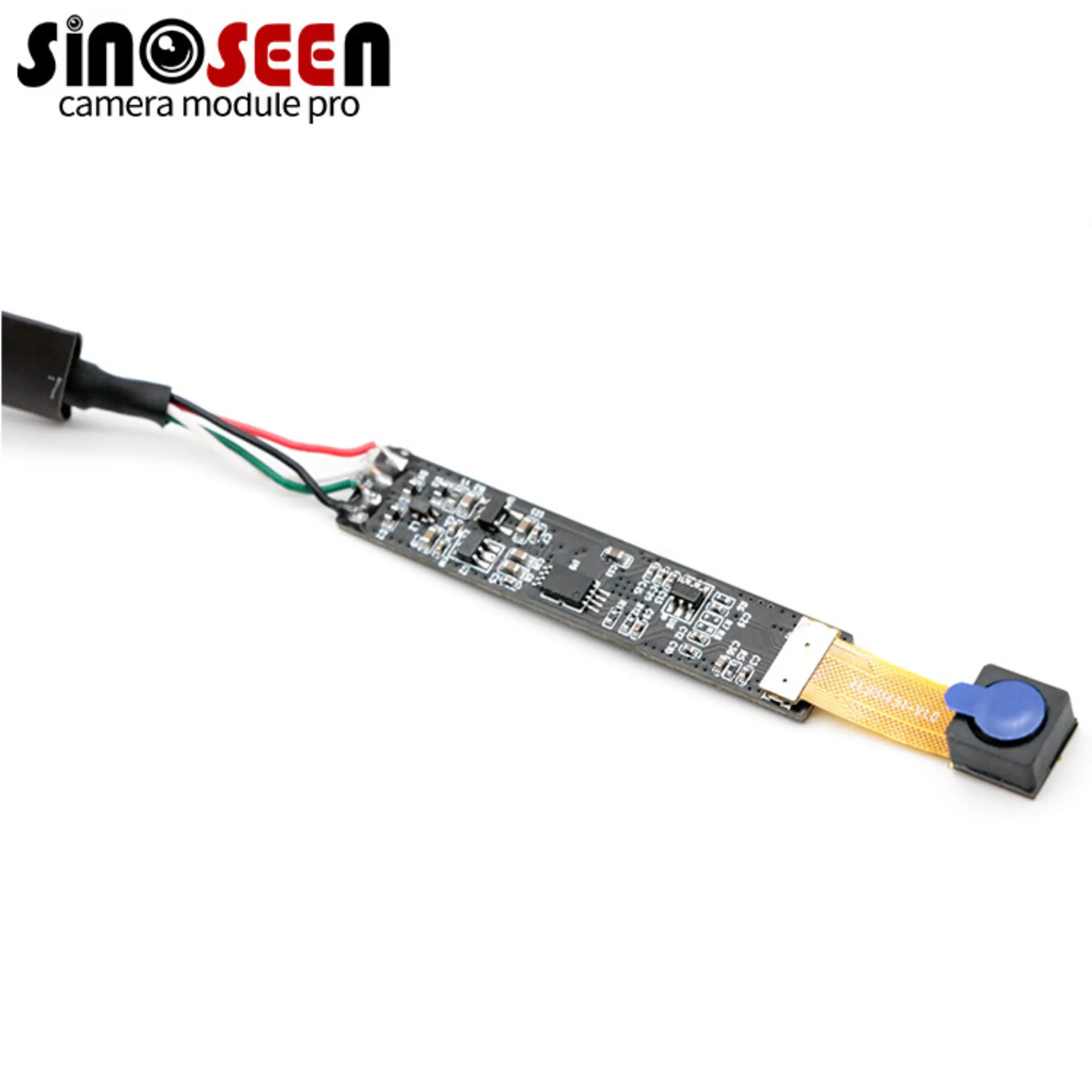
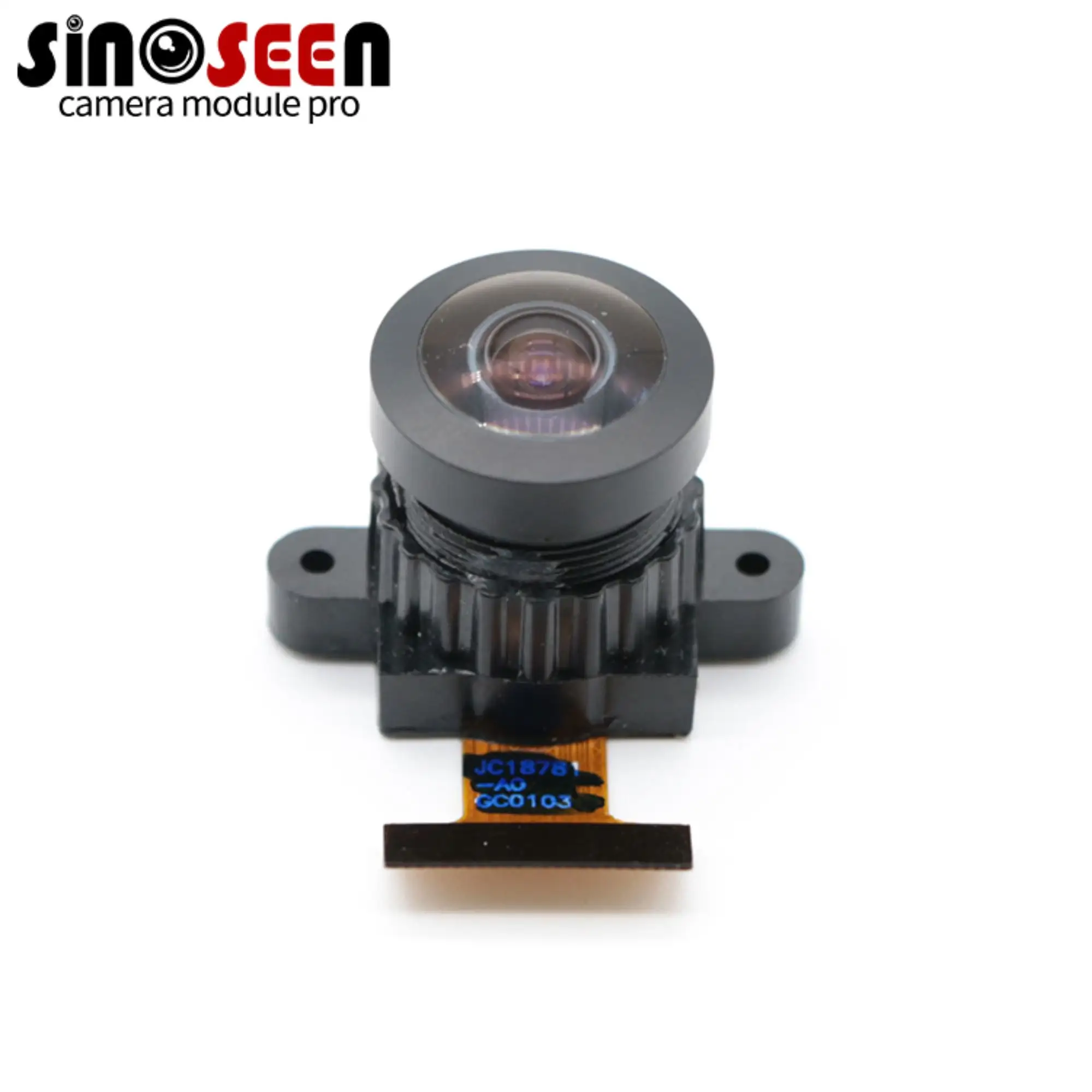
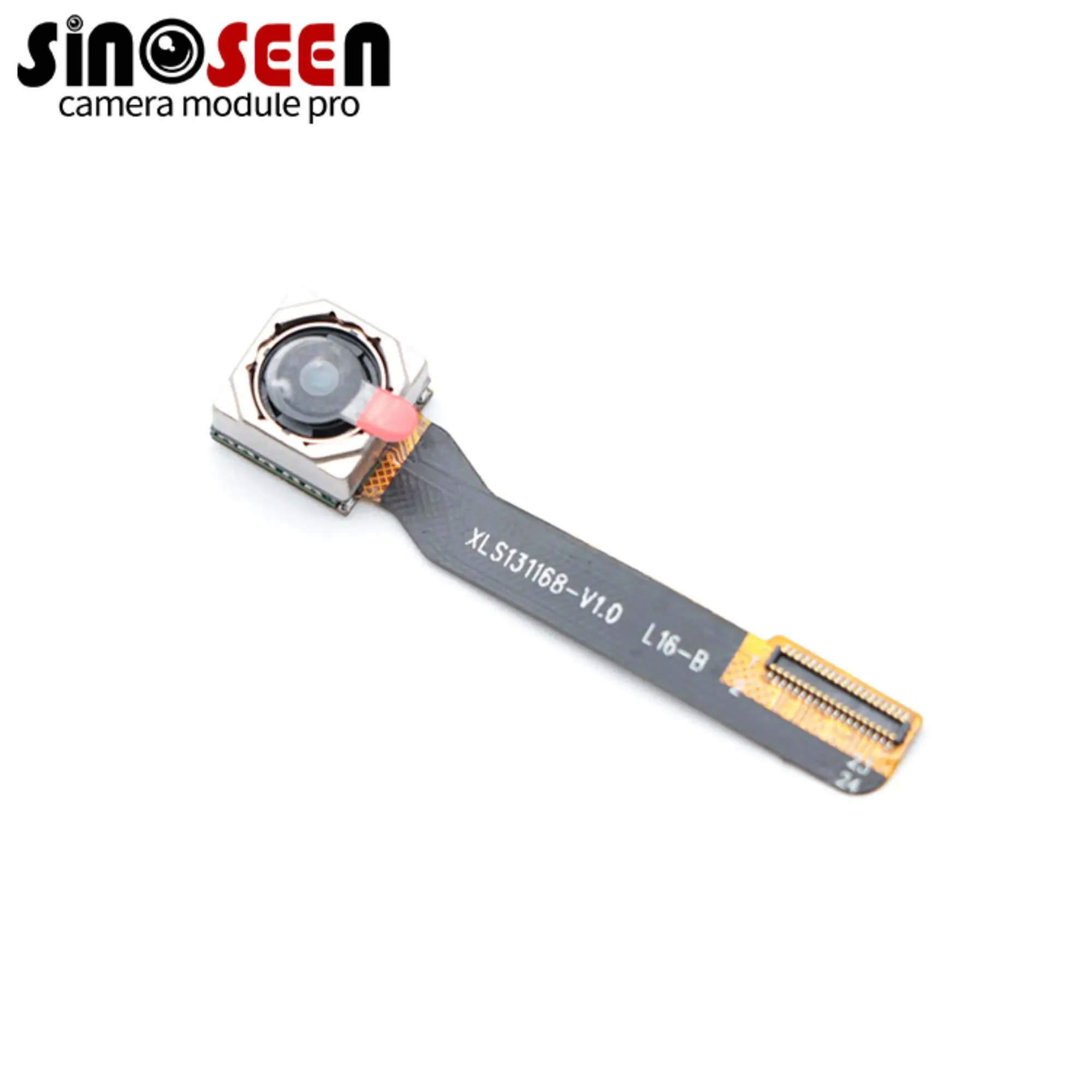
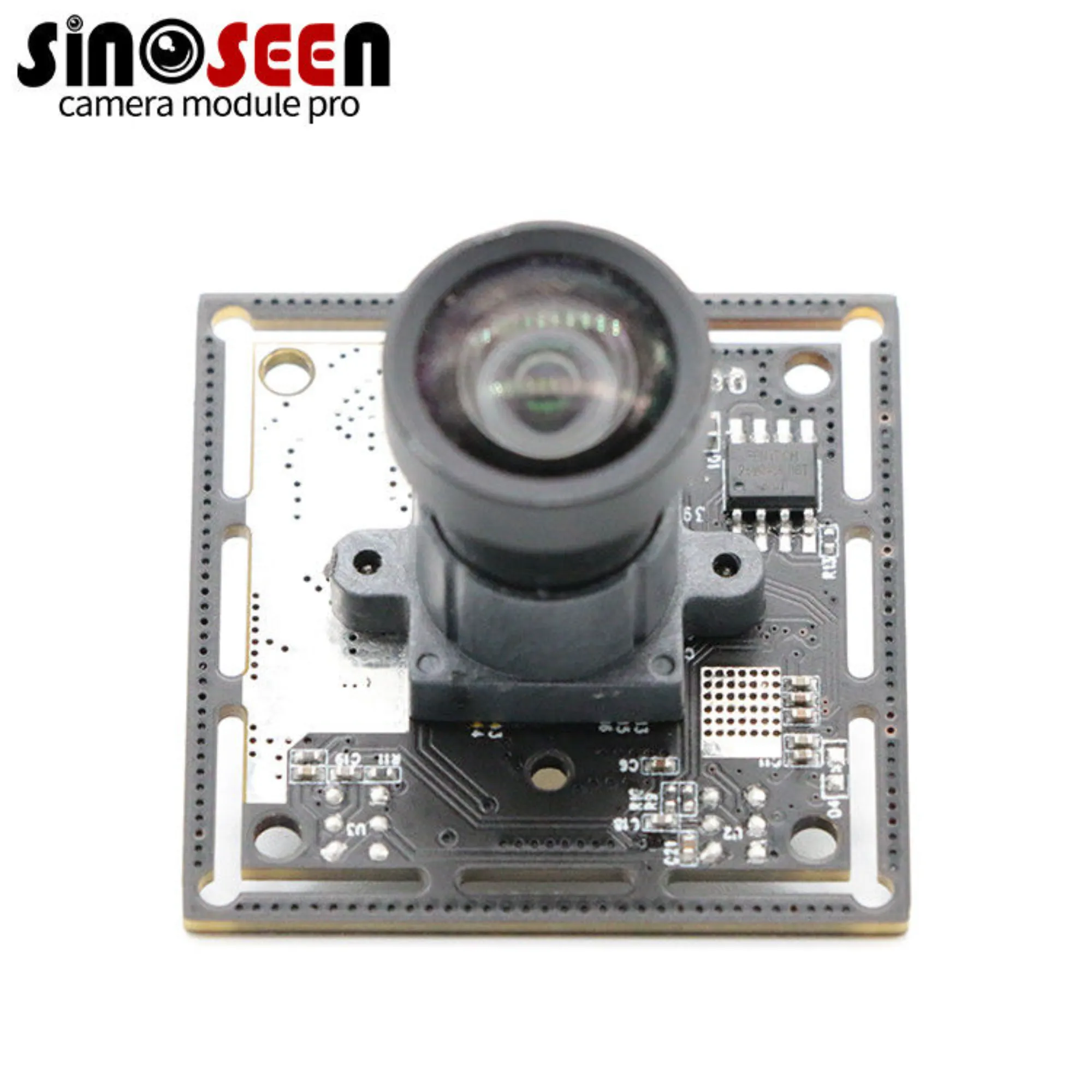
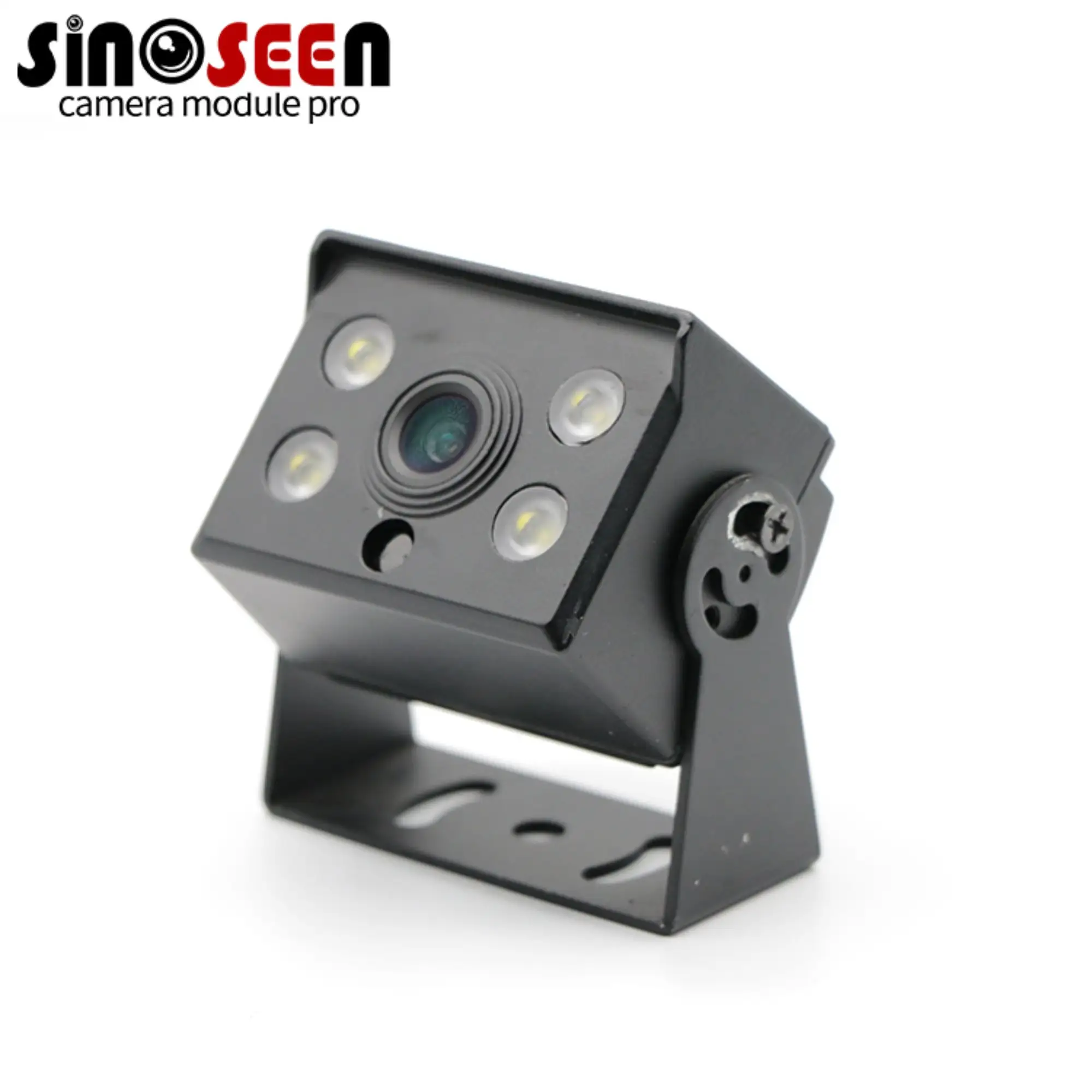
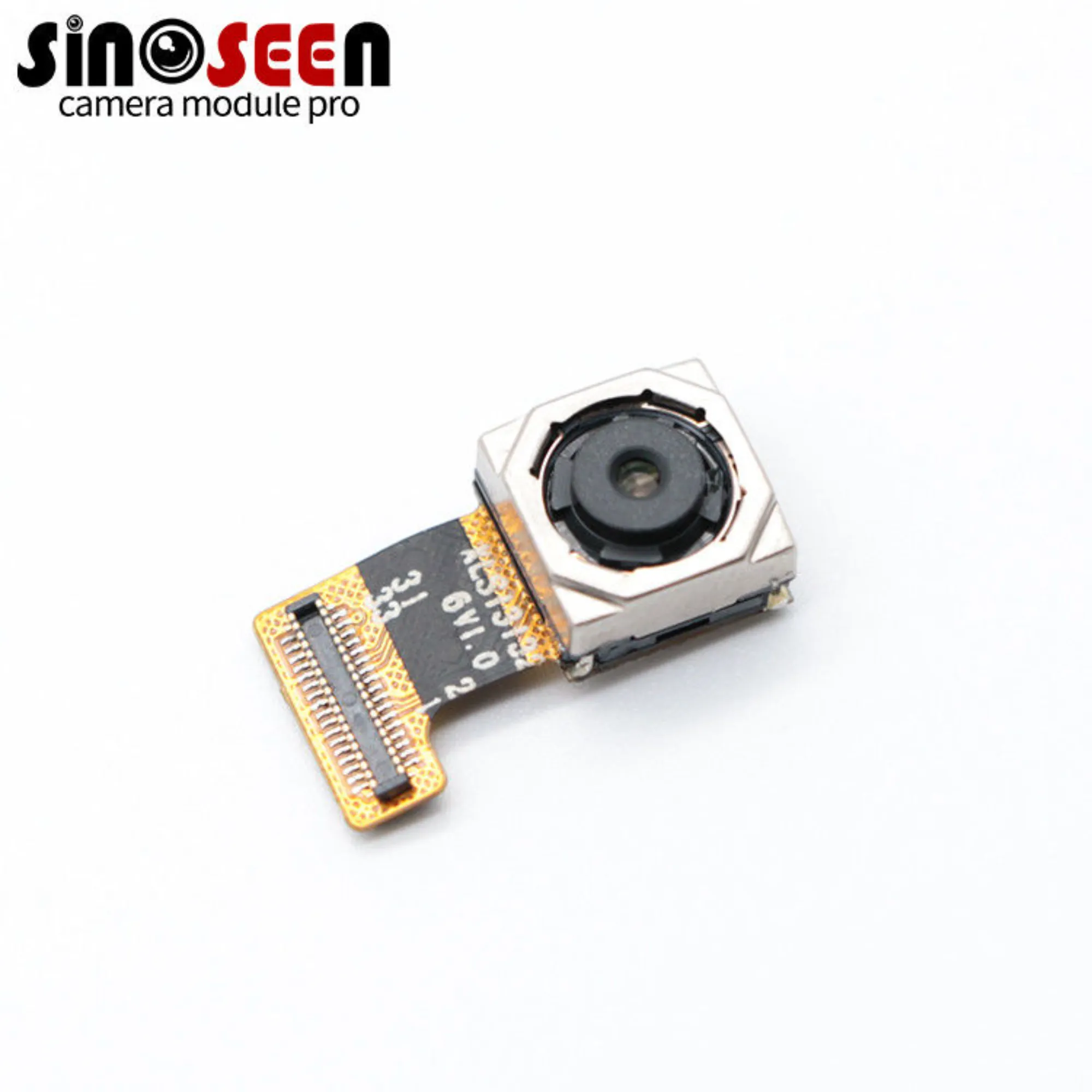
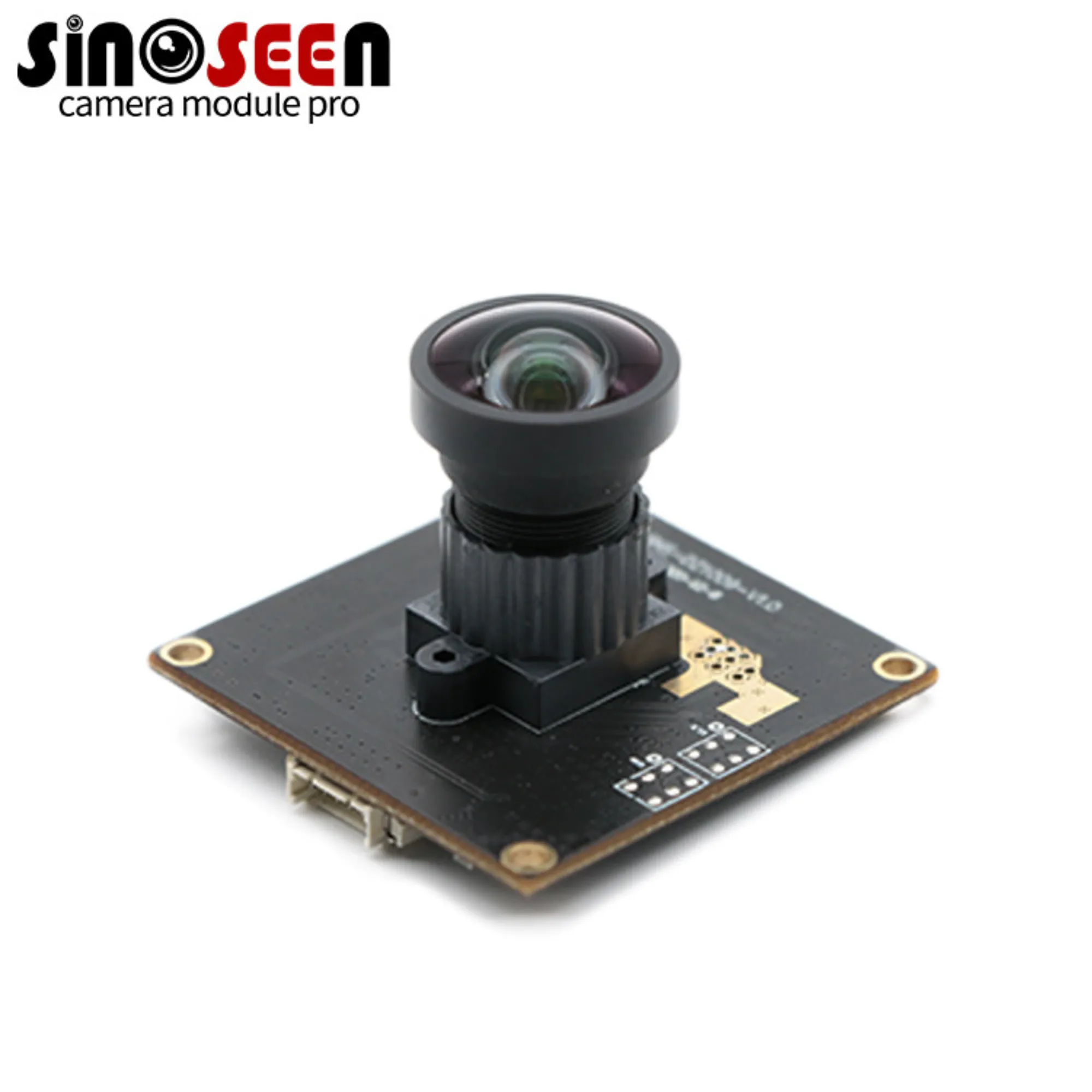
The low power camera module represents a revolutionary advancement in imaging technology, designed specifically to meet the demanding requirements of modern electronic devices where energy efficiency is paramount. These sophisticated imaging systems combine cutting-edge sensor technology with intelligent power management algorithms to deliver exceptional performance while consuming minimal electrical energy. A low power camera module typically integrates a high-quality image sensor, advanced signal processing capabilities, and optimized lens systems within a compact form factor that can seamlessly integrate into various electronic applications. The primary functions of these modules encompass high-resolution image capture, video recording, real-time image processing, and wireless data transmission, all while maintaining remarkably low power consumption levels. The technological architecture of a low power camera module incorporates several innovative features including dynamic voltage scaling, adaptive frame rate control, intelligent sleep modes, and selective pixel activation. These modules utilize advanced CMOS sensor technology that enables superior light sensitivity and reduced noise levels even in challenging lighting conditions. The integrated image signal processor optimizes color reproduction, contrast enhancement, and automatic exposure control while minimizing computational overhead. Power management circuits continuously monitor system demands and automatically adjust operational parameters to achieve optimal energy efficiency without compromising image quality. Modern low power camera modules support various communication protocols including USB, SPI, I2C, and wireless connectivity options such as WiFi and Bluetooth. Applications for these versatile imaging solutions span across numerous industries including consumer electronics, automotive systems, security surveillance, medical devices, industrial automation, and Internet of Things implementations. In consumer electronics, low power camera modules enable extended battery life in smartphones, tablets, laptops, and wearable devices. Automotive applications benefit from these modules in dash cameras, backup cameras, driver monitoring systems, and advanced driver assistance systems where continuous operation is essential.

Popular Products

The adoption of low power camera modules brings numerous compelling advantages that directly translate into practical benefits for end users and device manufacturers. Energy efficiency stands as the most significant advantage, allowing devices to operate for extended periods without frequent battery replacements or charging cycles. This extended operational time proves invaluable in remote monitoring applications, wildlife cameras, and portable security systems where access to power sources may be limited. Users experience improved device reliability and reduced maintenance requirements, resulting in lower total cost of ownership over the product lifecycle. The compact design of low power camera modules enables manufacturers to create sleeker, more portable devices without sacrificing imaging capabilities. This miniaturization advantage allows for innovative product designs and improved user convenience, particularly in handheld devices and wearable technology. Heat generation represents another critical advantage, as these modules produce significantly less thermal output compared to traditional camera systems. Reduced heat generation improves overall system stability, prevents thermal damage to sensitive components, and eliminates the need for complex cooling systems. This thermal efficiency proves especially beneficial in enclosed environments or applications where temperature control is challenging. Cost effectiveness emerges as a substantial advantage through reduced power infrastructure requirements and lower operational expenses. Devices utilizing low power camera modules require smaller batteries, simpler power management systems, and less robust charging circuits, resulting in reduced manufacturing costs and improved profit margins. The versatility of these modules enables integration into diverse applications without extensive modifications, reducing development time and engineering costs. Performance consistency represents another key advantage, as low power camera modules maintain stable operation across varying environmental conditions and power states. Users benefit from reliable image quality regardless of battery levels or ambient temperature fluctuations. The intelligent power management features automatically optimize performance parameters, ensuring consistent results without manual intervention. Additionally, these modules support rapid wake-up times from sleep modes, enabling instant image capture when needed while preserving energy during idle periods.

Tips And Tricks

Why Choose a High-Performance Embedded Camera Module for AI Applications?

02

Mar

Why Choose a High-Performance Embedded Camera Module for AI Applications?

Artificial intelligence applications demand precision, speed, and reliability in their visual data acquisition systems. An embedded camera module serves as the critical foundation for AI-powered devices, from autonomous vehicles to smart manufacturin...
View More
 How to Select the Right AI Camera Module for Facial Recognition Systems?

02

Mar

How to Select the Right AI Camera Module for Facial Recognition Systems?

Selecting the appropriate AI camera module for facial recognition systems represents a critical decision that directly impacts system performance, accuracy, and overall operational efficiency. Modern facial recognition applications demand sophisticat...
View More
How to Integrate a Small Camera Module into Compact Medical Devices?

02

Mar

How to Integrate a Small Camera Module into Compact Medical Devices?

Medical device miniaturization continues to revolutionize healthcare, enabling less invasive procedures and improved patient outcomes. When designing compact medical equipment, integrating a small camera module requires careful consideration of space...
View More
Why do Robotics Manufacturers Prefer High-Speed AI Camera Modules?

02

Mar

Why do Robotics Manufacturers Prefer High-Speed AI Camera Modules?

The robotics industry has experienced unprecedented growth in recent years, with manufacturers increasingly demanding sophisticated vision systems that can process visual data at lightning speed. High-speed AI camera modules have emerged as the corne...
View More

Get In Touch

low power camera module

Revolutionary Energy Efficiency Technology

Revolutionary Energy Efficiency Technology

The low power camera module incorporates groundbreaking energy efficiency technology that fundamentally transforms how imaging devices consume and manage electrical power. This innovative approach utilizes advanced power gating techniques that selectively activate only the necessary circuit components during image capture operations, while maintaining inactive circuits in ultra-low power states. The intelligent power management system continuously monitors operational requirements and dynamically adjusts voltage levels, clock frequencies, and processing loads to match actual demand. This sophisticated power optimization reduces energy consumption by up to seventy percent compared to conventional camera modules without compromising image quality or functionality. The module implements multiple power domains that can be independently controlled, allowing precise energy allocation based on specific operational modes. During standby periods, the system enters deep sleep states where power consumption drops to mere microamps, extending battery life significantly. The wake-up mechanism responds instantly to trigger signals, ensuring zero lag time for critical image capture moments. Advanced sensor pixel technology enables selective activation of sensor regions, capturing only relevant image areas while keeping unused pixels dormant. This selective sensing capability proves particularly valuable in motion detection applications where only specific zones require monitoring. The power management algorithms learn from usage patterns and optimize energy distribution accordingly, creating personalized efficiency profiles that maximize operational time. Temperature compensation circuits maintain optimal power efficiency across varying environmental conditions, preventing performance degradation in extreme temperatures. The low power camera module also features programmable power states that allow developers to customize energy consumption based on specific application requirements, providing flexibility without sacrificing efficiency. These technological innovations make the module ideal for battery-powered devices, solar-powered systems, and applications where energy harvesting is utilized, ensuring reliable operation even with limited power sources.
Superior Image Quality with Minimal Resource Requirements

Superior Image Quality with Minimal Resource Requirements

The low power camera module delivers exceptional image quality through innovative sensor technology and optimized processing algorithms that operate efficiently within minimal resource constraints. Advanced pixel architecture incorporates larger photosites and improved light-gathering capabilities, enabling superior low-light performance while consuming less power than traditional imaging sensors. The integrated image signal processor utilizes hardware-accelerated algorithms for noise reduction, color correction, and dynamic range enhancement, achieving professional-grade results without the computational overhead typically associated with high-quality image processing. Multi-frame noise reduction techniques combine multiple exposures intelligently, producing clean, detailed images even in challenging lighting conditions while minimizing processing power requirements. The module supports various resolution modes and compression standards, allowing users to balance image quality with power consumption based on specific application needs. Adaptive quality control automatically adjusts processing intensity based on scene complexity and available power resources, ensuring consistent output quality regardless of operational constraints. Advanced lens correction algorithms compensate for optical distortions, chromatic aberrations, and vignetting effects through efficient mathematical models that require minimal computational resources. The sensor incorporates backside illumination technology that maximizes light sensitivity while reducing electrical noise, enabling shorter exposure times and lower power consumption. Real-time histogram analysis optimizes exposure parameters automatically, preventing overexposure and underexposure conditions that could compromise image quality. The module supports high dynamic range capture through innovative exposure bracketing techniques that efficiently merge multiple exposures without significant power penalties. Color science algorithms reproduce accurate, vibrant colors while maintaining natural skin tones and preserving fine details in both highlights and shadows. The integrated autofocus system utilizes contrast detection and phase detection methods to achieve rapid, precise focusing while consuming minimal power during focus hunting and maintaining operations.
Versatile Integration and Connectivity Solutions

Versatile Integration and Connectivity Solutions

The low power camera module provides comprehensive integration flexibility and connectivity options designed to simplify implementation across diverse applications while maintaining optimal power efficiency throughout operation. The module features a standardized interface architecture that supports multiple communication protocols including MIPI CSI, USB, SPI, and I2C, enabling seamless integration with various host processors and microcontrollers without requiring extensive hardware modifications. Plug-and-play compatibility ensures rapid deployment in existing systems, reducing development time and engineering costs significantly. The compact form factor and standardized mounting options accommodate space-constrained applications while providing mechanical stability and reliable electrical connections. Advanced driver software packages support popular operating systems and development platforms, offering comprehensive APIs and sample code that accelerate application development processes. The module incorporates intelligent buffering systems that manage data flow efficiently, preventing bottlenecks while minimizing power consumption during high-throughput operations. Wireless connectivity options including WiFi and Bluetooth enable remote monitoring and control capabilities without additional hardware requirements, expanding application possibilities for IoT implementations and smart device integration. The integrated memory management system optimizes data storage and retrieval operations, reducing external memory requirements while maintaining responsive performance. Flexible triggering mechanisms support various activation methods including motion detection, scheduled capture, external signals, and remote commands, providing versatility for automated systems and user-controlled applications. The module supports real-time streaming capabilities with adaptive bitrate control that automatically adjusts transmission parameters based on network conditions and power availability. Configuration interfaces allow extensive customization of operational parameters through software control, enabling fine-tuning for specific application requirements without hardware modifications. Multiple video format support ensures compatibility with various display systems and recording devices, eliminating conversion overhead and associated power consumption. The robust design incorporates environmental protection features that maintain reliable operation across temperature extremes, humidity variations, and vibration conditions typically encountered in industrial and outdoor applications.

Related Search

Get in touch