Innovative Camera Modules for Every Application | Sinoseen

All Categories

esp32 wireless camera module

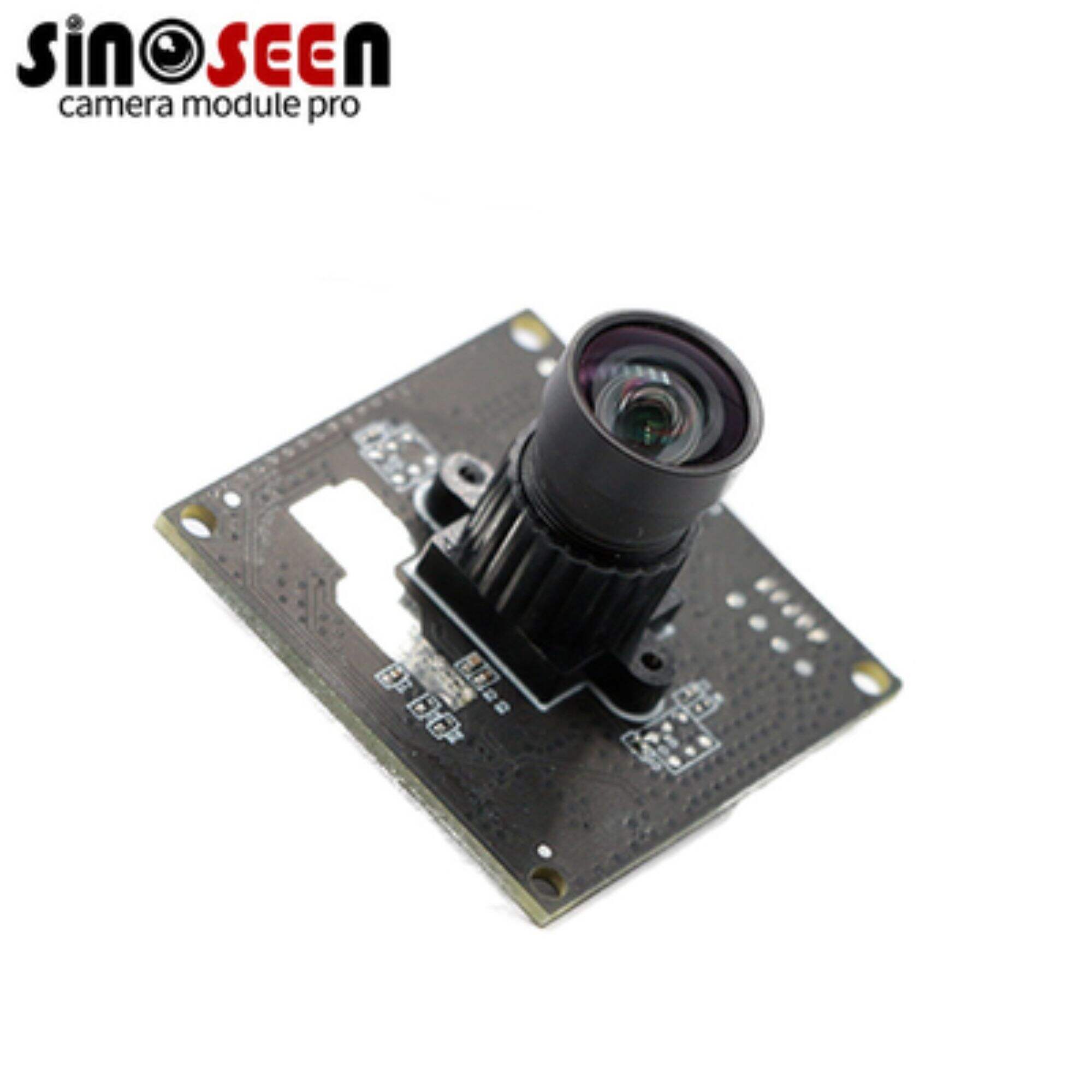
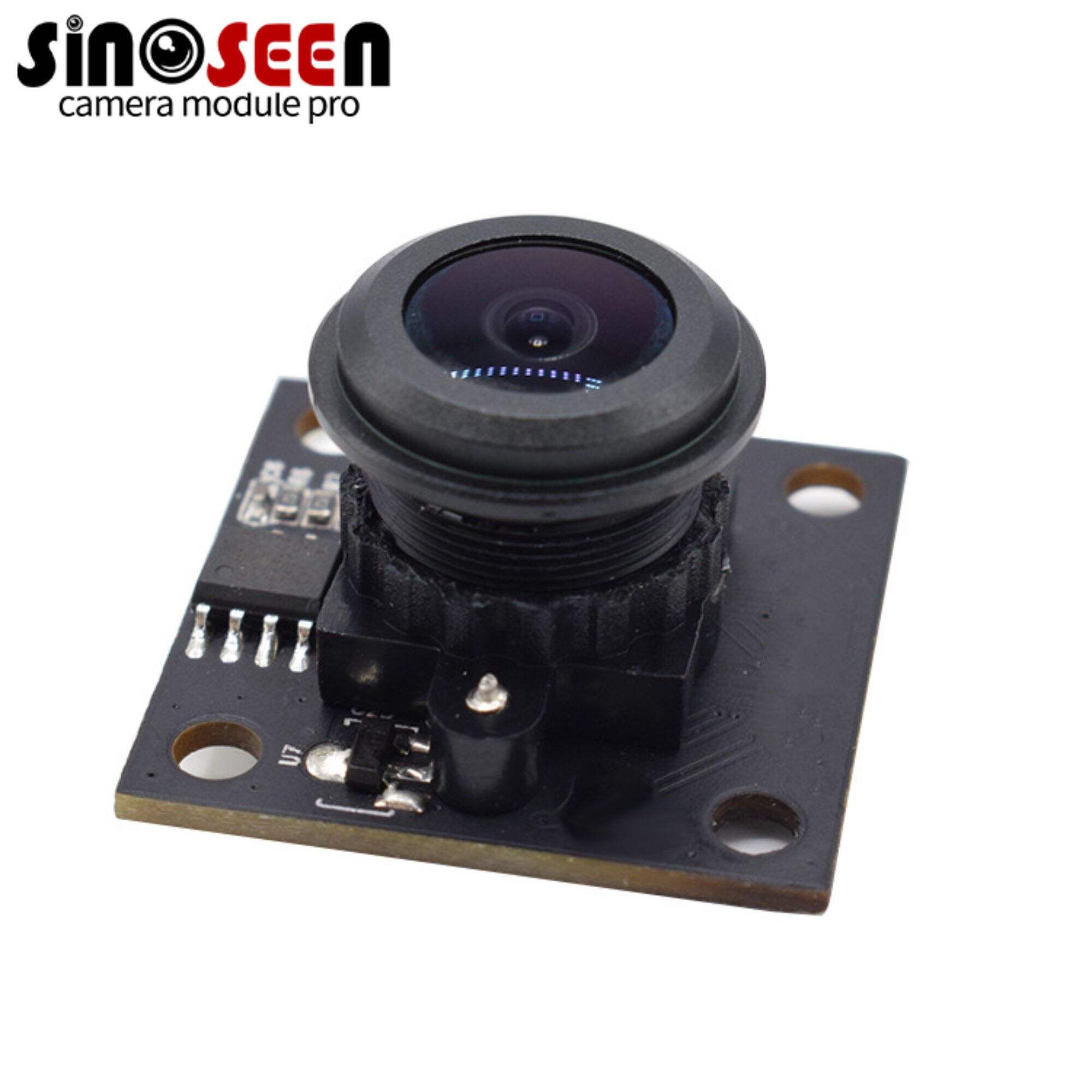
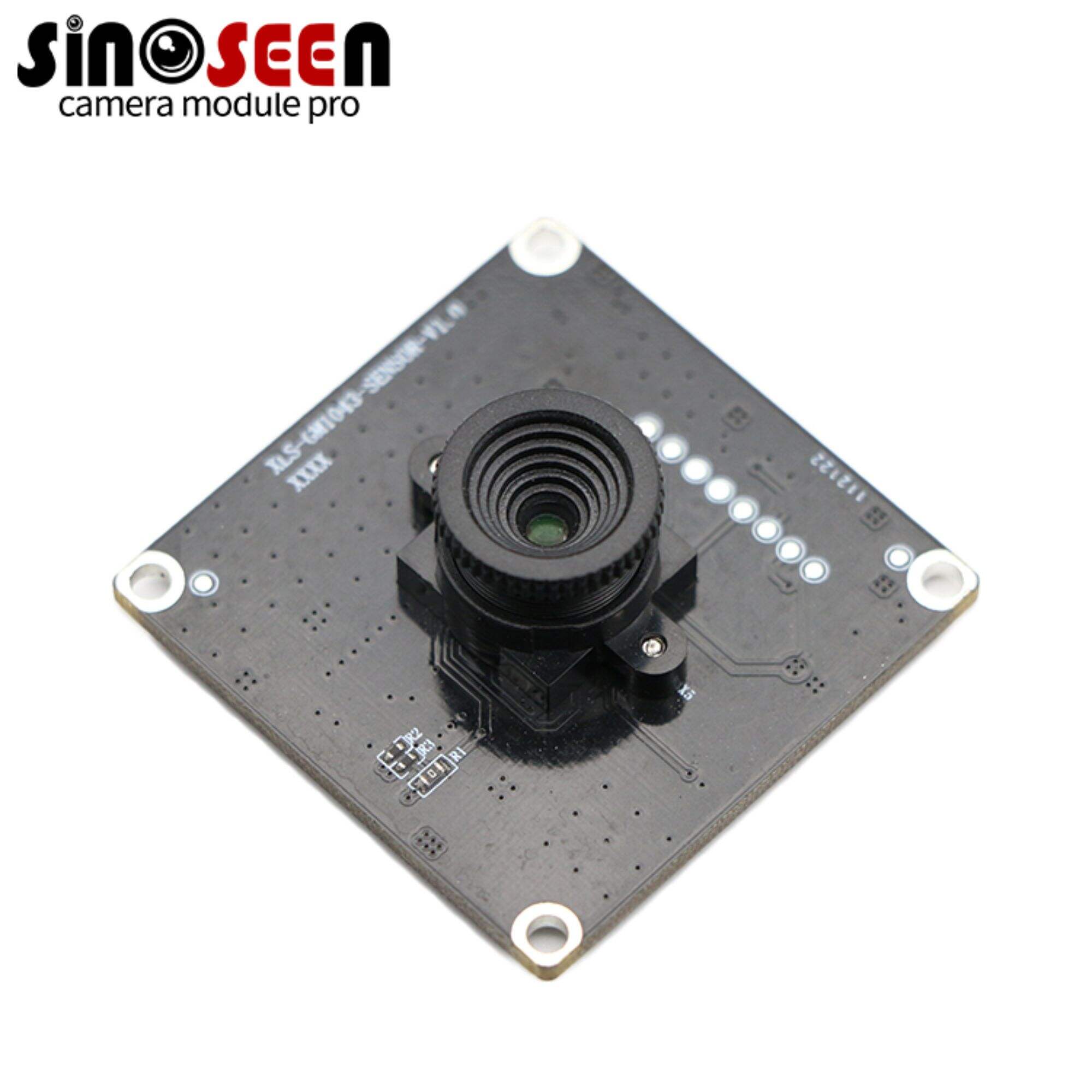
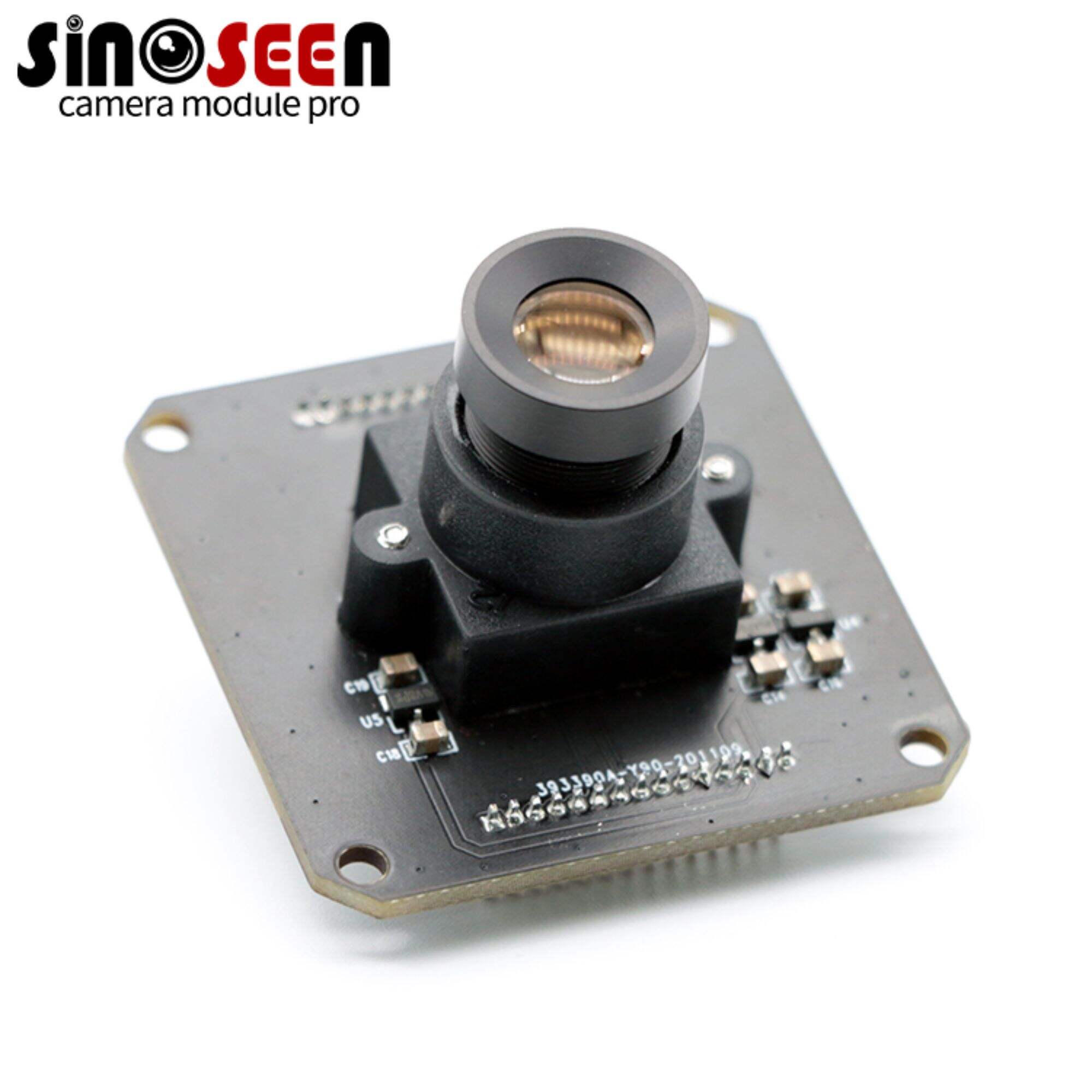
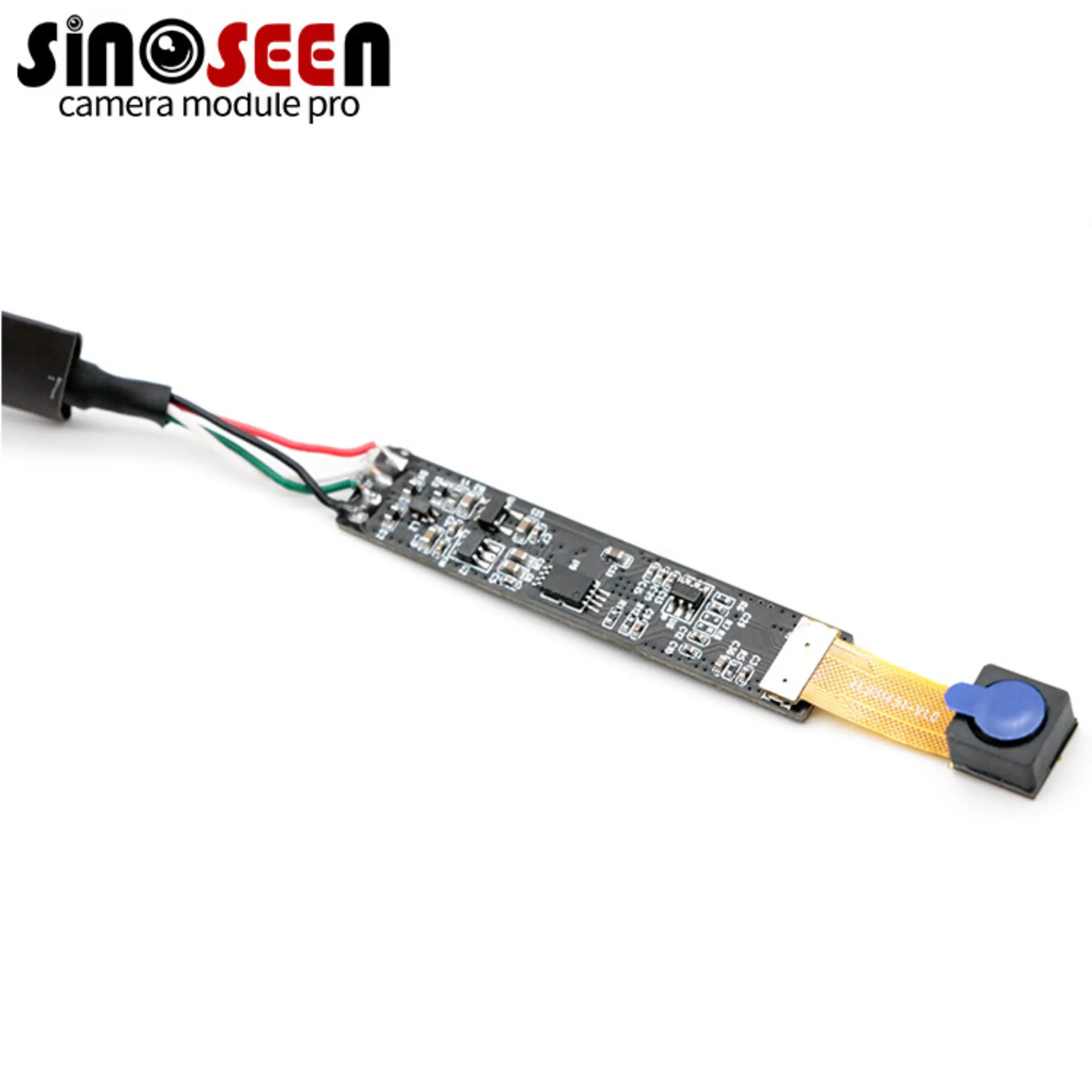
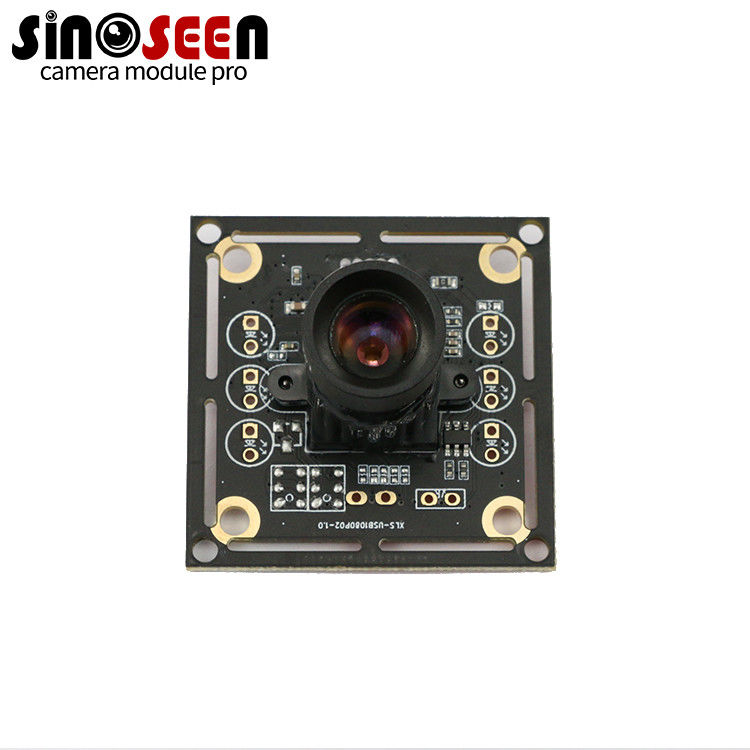
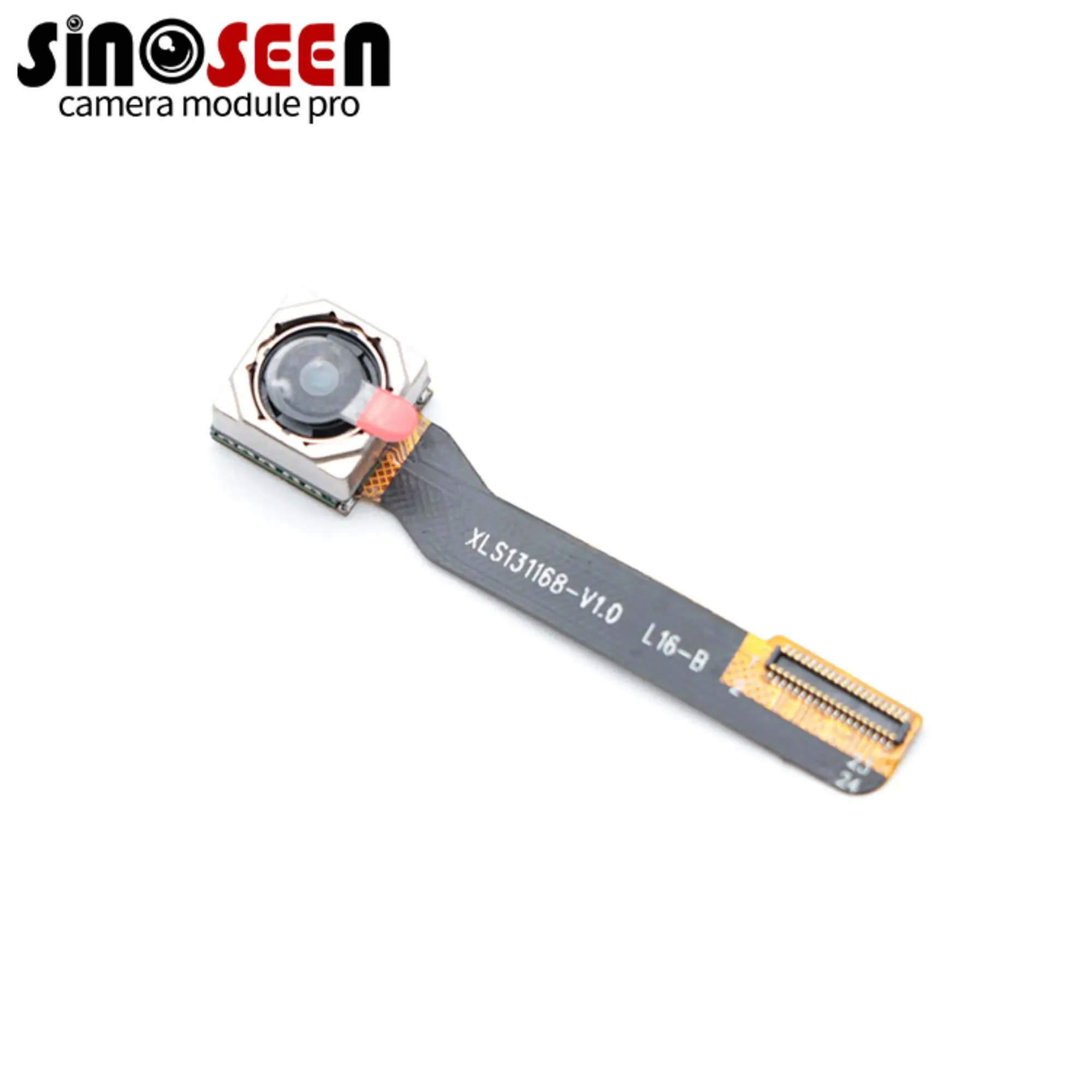
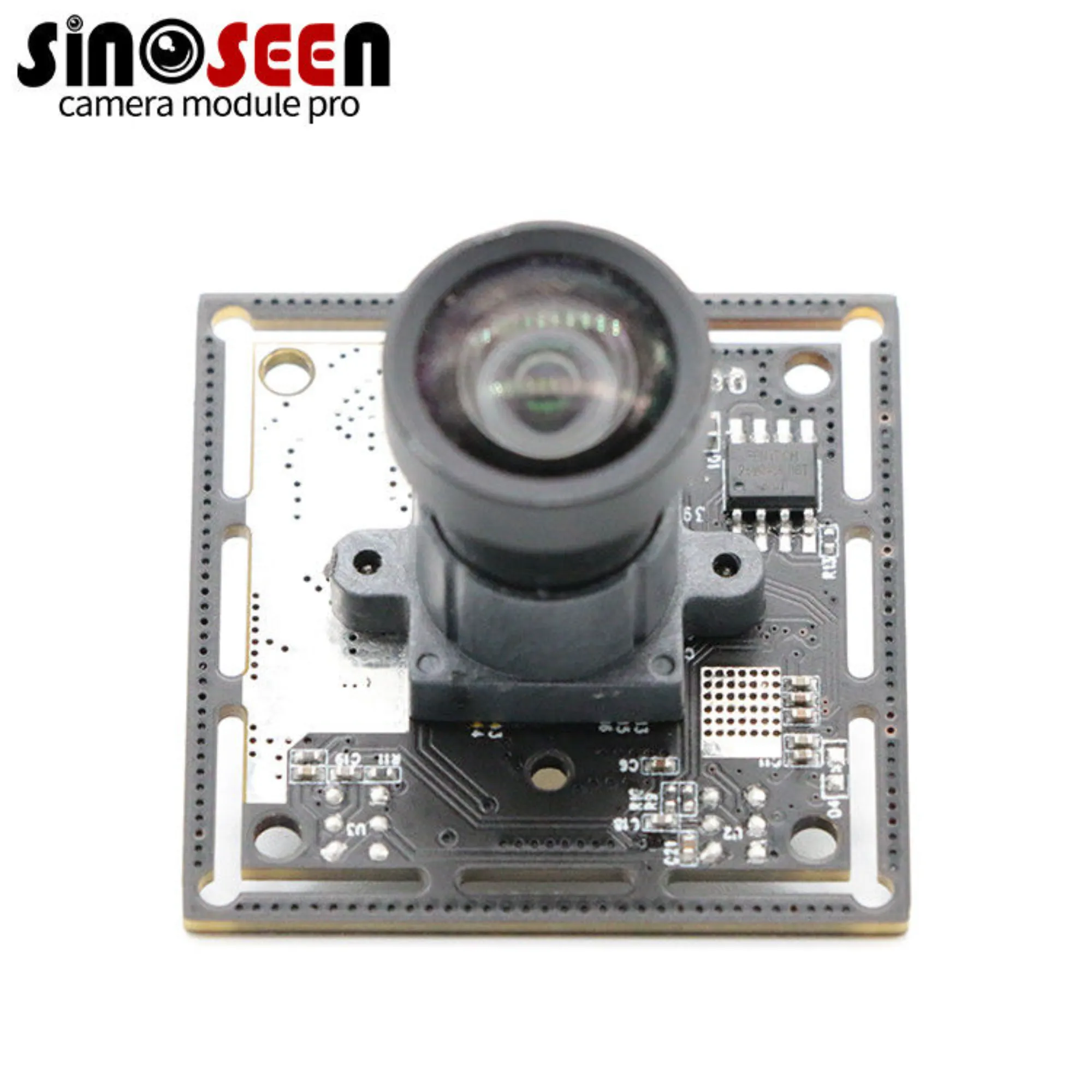
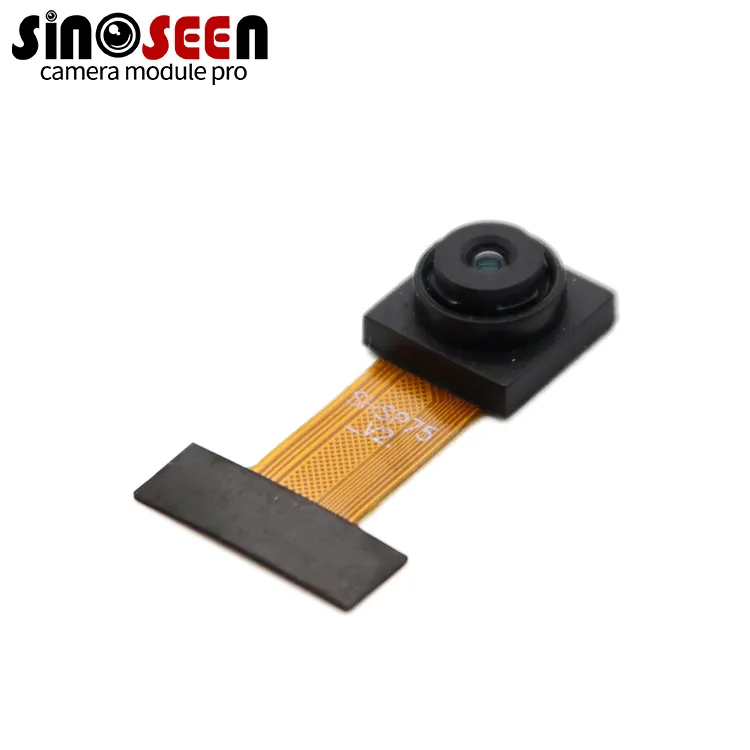
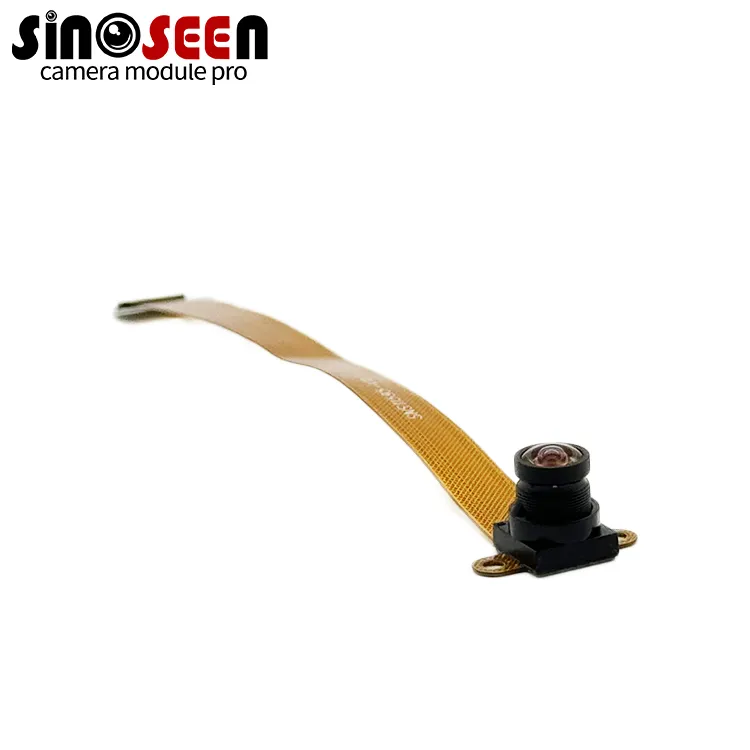
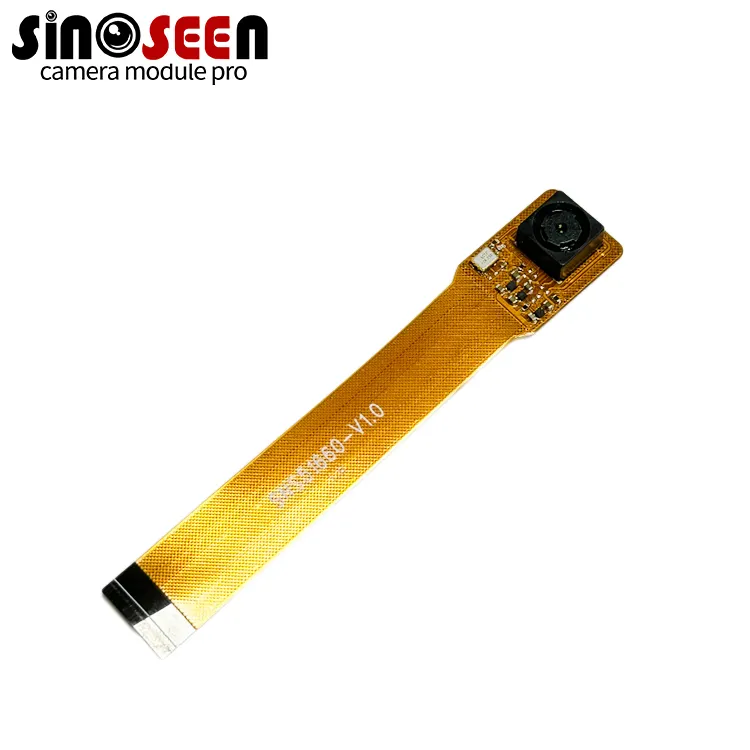
The ESP32 wireless camera module represents a revolutionary advancement in IoT imaging technology, combining powerful microcontroller capabilities with high-quality camera functionality in a compact, versatile package. This innovative device integrates the renowned ESP32 system-on-chip with sophisticated imaging sensors, creating a comprehensive solution for wireless video streaming, photography, and surveillance applications. The ESP32 wireless camera module operates on dual-core processors running at up to 240MHz, providing exceptional computational power for real-time image processing and wireless transmission. Its built-in Wi-Fi and Bluetooth connectivity enables seamless integration into existing networks and IoT ecosystems. The module supports various camera sensors, typically featuring resolutions ranging from VGA to 5MP, with some variants supporting up to 8MP for crystal-clear image capture. The ESP32 wireless camera module excels in video streaming capabilities, supporting multiple formats including MJPEG, H.264, and raw image formats. Its programmable nature allows developers to customize functionality through the Arduino IDE, ESP-IDF framework, or MicroPython, making it accessible to both beginners and advanced users. The device incorporates advanced features such as face detection, motion detection, and customizable image processing algorithms. Power efficiency remains a cornerstone of the ESP32 wireless camera module design, featuring multiple sleep modes and power management options that extend battery life significantly. The module supports various storage options including SD card slots and cloud storage integration, ensuring flexible data management solutions. Its compact form factor and GPIO pins enable easy integration into diverse projects, from home automation systems to industrial monitoring applications. The ESP32 wireless camera module also supports over-the-air updates, allowing remote firmware upgrades and feature enhancements without physical access to the device.

Popular Products

The ESP32 wireless camera module delivers exceptional value through its comprehensive feature set and user-friendly design, making it an ideal choice for both hobbyists and professional developers. One primary advantage lies in its cost-effectiveness compared to traditional IP cameras, offering similar functionality at a fraction of the price while maintaining superior customization options. The module's dual-core architecture ensures smooth multitasking capabilities, allowing simultaneous video streaming, data processing, and wireless communication without performance degradation. Users benefit from the ESP32 wireless camera module's extensive connectivity options, including Wi-Fi 802.11b/g/n, Bluetooth 4.2, and various wired interfaces, providing flexibility in network integration and device communication. The open-source ecosystem surrounding the ESP32 wireless camera module empowers users with access to thousands of code examples, libraries, and community-driven projects, accelerating development time and reducing learning curves. Its low power consumption characteristics make the ESP32 wireless camera module perfect for battery-powered applications, with intelligent sleep modes extending operational periods significantly compared to conventional camera systems. The module's compact design eliminates space constraints common with traditional camera setups, enabling deployment in tight spaces and discrete installations. Real-time image processing capabilities distinguish the ESP32 wireless camera module from basic camera sensors, providing on-device analytics, filtering, and enhancement without requiring external processing units. Users appreciate the module's plug-and-play compatibility with popular development platforms, reducing setup complexity and enabling rapid prototyping. The ESP32 wireless camera module supports multiple concurrent connections, allowing simultaneous access from various devices and platforms without compromising performance. Security features including WPA2/WPA3 encryption, secure boot, and flash encryption protect sensitive data and prevent unauthorized access. The module's temperature tolerance and robust construction ensure reliable operation in challenging environmental conditions, making it suitable for outdoor and industrial applications where traditional cameras might fail.

Practical Tips

Why Choose a High-Performance Embedded Camera Module for AI Applications?

02

Mar

Why Choose a High-Performance Embedded Camera Module for AI Applications?

Artificial intelligence applications demand precision, speed, and reliability in their visual data acquisition systems. An embedded camera module serves as the critical foundation for AI-powered devices, from autonomous vehicles to smart manufacturin...
View More
How to Optimize Low-Light Performance in Custom Camera Module Designs?

02

Mar

How to Optimize Low-Light Performance in Custom Camera Module Designs?

Custom camera module designs face unique challenges when operating in environments with minimal illumination, making low-light performance optimization a critical engineering consideration. Modern applications ranging from security surveillance to au...
View More
How to Integrate a Small Camera Module into Compact Medical Devices?

02

Mar

How to Integrate a Small Camera Module into Compact Medical Devices?

Medical device miniaturization continues to revolutionize healthcare, enabling less invasive procedures and improved patient outcomes. When designing compact medical equipment, integrating a small camera module requires careful consideration of space...
View More
Why do Robotics Manufacturers Prefer High-Speed AI Camera Modules?

02

Mar

Why do Robotics Manufacturers Prefer High-Speed AI Camera Modules?

The robotics industry has experienced unprecedented growth in recent years, with manufacturers increasingly demanding sophisticated vision systems that can process visual data at lightning speed. High-speed AI camera modules have emerged as the corne...
View More

Get In Touch

esp32 wireless camera module

Advanced Dual-Core Processing Power

Advanced Dual-Core Processing Power

The ESP32 wireless camera module stands out in the market due to its exceptional dual-core processing architecture, featuring two Xtensa LX6 32-bit processors operating at frequencies up to 240MHz. This powerful configuration enables the module to handle complex computational tasks while maintaining smooth video streaming and wireless communication simultaneously. Unlike single-core alternatives, the ESP32 wireless camera module can dedicate one core to camera operations and image processing while the second core manages network communications, user interface interactions, and background tasks. This parallel processing capability ensures consistent performance even under heavy workloads, preventing the frame drops and latency issues commonly experienced with less powerful camera modules. The advanced processing power of the ESP32 wireless camera module enables real-time implementation of sophisticated algorithms including face detection, motion tracking, and automated image enhancement features. Developers can leverage this computational strength to create intelligent camera systems that respond dynamically to environmental changes, automatically adjusting exposure, focus, and color balance for optimal image quality. The module's processing capabilities extend to support multiple video formats and compression standards, allowing users to choose between high-quality uncompressed streams for professional applications or efficient compressed formats for bandwidth-limited scenarios. Memory management becomes significantly more effective with the dual-core design, as the ESP32 wireless camera module can allocate dedicated memory spaces for different operations, reducing conflicts and improving overall system stability. The processing power also enables advanced networking features such as simultaneous access point and station modes, allowing the module to create its own network while remaining connected to existing infrastructure. This flexibility proves invaluable in scenarios where network reliability is crucial or where the ESP32 wireless camera module needs to operate in environments with limited connectivity options.
Seamless Wireless Connectivity and Integration

Seamless Wireless Connectivity and Integration

The ESP32 wireless camera module revolutionizes connectivity through its comprehensive wireless communication capabilities, featuring built-in Wi-Fi 802.11b/g/n and Bluetooth 4.2 technologies that eliminate the need for additional communication modules or complex wiring installations. This integrated approach simplifies deployment across various environments while reducing overall system costs and complexity. The Wi-Fi functionality of the ESP32 wireless camera module supports both station and access point modes, enabling flexible network configurations that adapt to specific deployment requirements. Users can configure the module to connect to existing wireless networks for seamless integration into smart home systems, or set it up as an independent access point for direct device communication in areas without established network infrastructure. The robust wireless performance ensures stable connections even in challenging RF environments, with support for various encryption protocols including WPA2 and WPA3 for enhanced security. Bluetooth connectivity adds another dimension to the ESP32 wireless camera module's versatility, enabling direct pairing with smartphones, tablets, and other Bluetooth-enabled devices for configuration, control, and data transfer. This dual connectivity approach proves particularly valuable in applications requiring both internet connectivity and local device interaction. The module's wireless capabilities extend to support advanced networking features such as mesh networking, allowing multiple ESP32 wireless camera modules to form self-healing networks that maintain connectivity even if individual nodes fail. Over-the-air update functionality represents another significant advantage, enabling remote firmware updates and feature additions without requiring physical access to deployed units. This capability proves invaluable for maintaining large-scale deployments or devices installed in difficult-to-reach locations. The ESP32 wireless camera module also supports various IoT protocols including MQTT, HTTP, and WebSocket, facilitating integration with popular cloud platforms and home automation systems. Network configuration becomes straightforward through web-based interfaces or mobile applications, allowing non-technical users to set up and manage camera networks without specialized knowledge.
Flexible Programming and Customization Options

Flexible Programming and Customization Options

The ESP32 wireless camera module offers unparalleled programming flexibility through support for multiple development environments and programming languages, making it accessible to developers with varying skill levels and preferences. This versatility stems from comprehensive support for the Arduino IDE, which provides a familiar environment for hobbyists and beginners, alongside the more advanced ESP-IDF framework that offers professional-grade development tools and extensive hardware control capabilities. The ESP32 wireless camera module's compatibility with MicroPython adds another layer of accessibility, enabling rapid prototyping and development using a high-level scripting language that simplifies complex operations. This multi-platform support ensures that developers can choose their preferred tools while leveraging the full capabilities of the hardware. The open-source nature of the ESP32 wireless camera module ecosystem fosters continuous innovation, with thousands of community-contributed libraries, examples, and projects available for immediate implementation or customization. Developers can access pre-built functions for common camera operations, network communications, and user interface elements, significantly reducing development time and complexity. The module's extensive GPIO availability enables integration with various sensors, actuators, and peripheral devices, transforming the ESP32 wireless camera module into the central hub of comprehensive monitoring and control systems. Custom firmware development becomes straightforward through well-documented APIs and extensive code examples covering everything from basic camera operations to advanced computer vision algorithms. The ESP32 wireless camera module supports real-time operating systems, enabling developers to create sophisticated multitasking applications with precise timing control and resource management. Machine learning capabilities can be integrated through frameworks like TensorFlow Lite, enabling on-device AI processing for applications such as object recognition, anomaly detection, and intelligent scene analysis. The module's flash memory can store custom web interfaces, configuration files, and application data, creating fully self-contained systems that operate independently of external servers. Version control integration and collaborative development tools ensure that complex projects can be managed effectively across development teams, while extensive debugging and profiling tools help optimize performance and identify potential issues before deployment.

Related Search

Get in touch