Exceptional Flexibility and Customization Options
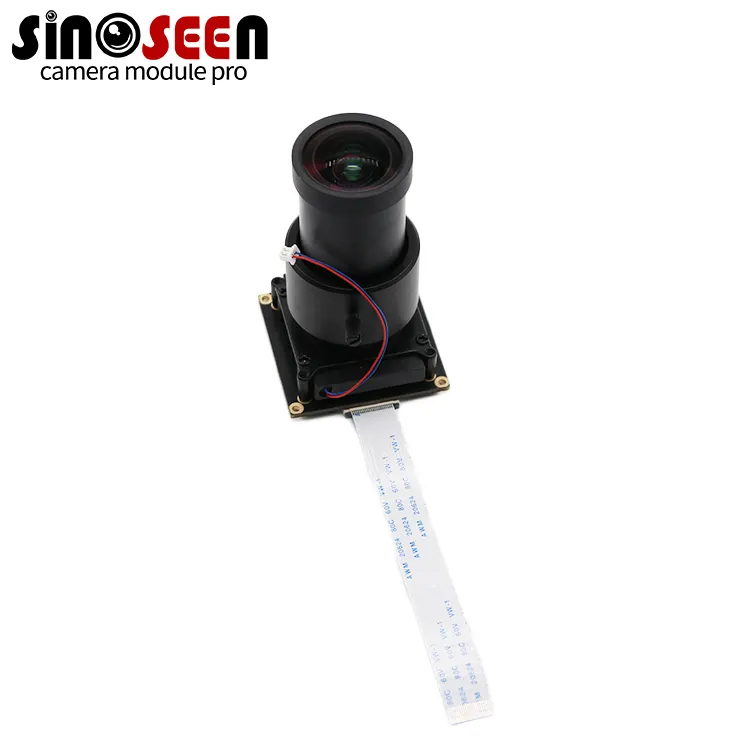
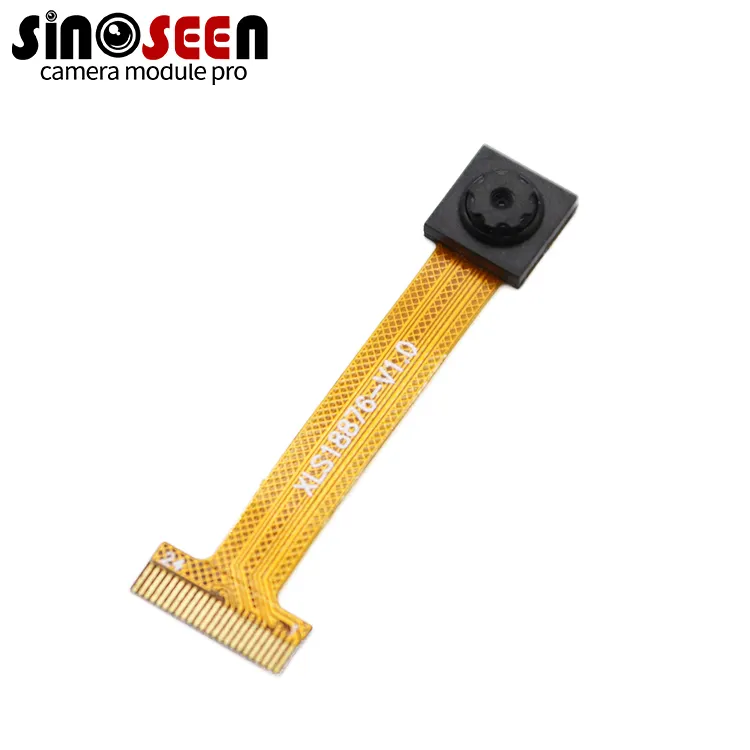
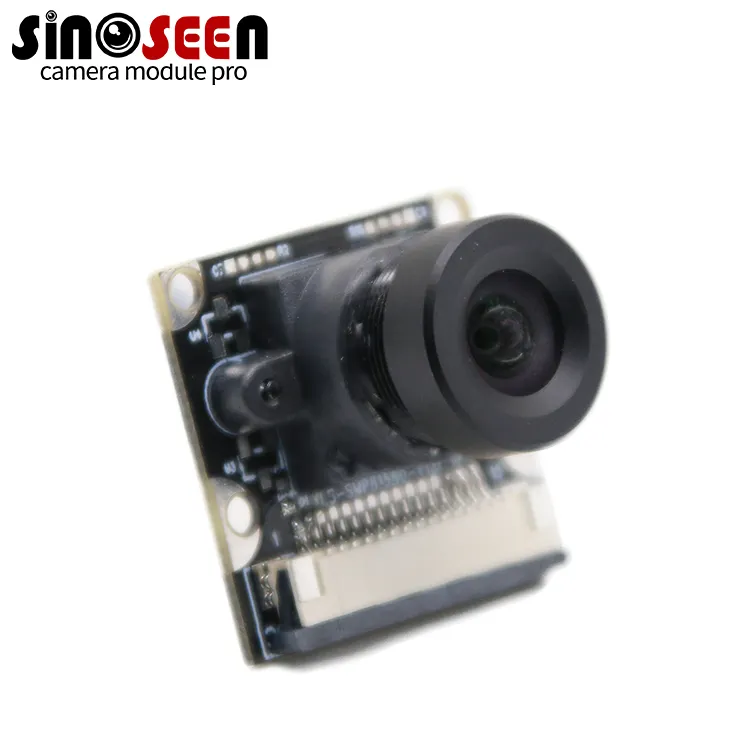
The esp cam module stands out in the market due to its exceptional flexibility and extensive customization options, empowering developers to create tailored solutions that meet specific project requirements and constraints. The Arduino IDE compatibility provides a familiar development environment for millions of makers and engineers worldwide, significantly reducing the learning curve for newcomers while offering advanced features for experienced developers. This accessibility ensures that users can quickly transition from concept to working prototype without investing time in learning proprietary development tools or complex programming frameworks. The ESP-IDF framework offers professional-grade development capabilities for users requiring advanced functionality and optimization, providing direct hardware access and real-time operating system features. Multiple programming language support includes C++, Python, and JavaScript options, accommodating diverse developer preferences and existing skillsets within development teams. The esp cam module's GPIO pins provide extensive expansion possibilities, enabling connection of additional sensors, displays, motors, and control devices. These general-purpose input/output pins support various communication protocols including I2C, SPI, and UART, facilitating integration with a vast ecosystem of electronic components and modules. PWM output capabilities enable precise control of servo motors, LED brightness, and other analog devices, expanding the module's utility beyond simple camera functionality. Interrupt-driven programming allows responsive system behavior, enabling the esp cam module to react instantly to external events such as motion sensors, buttons, or network messages. Flexible power supply options accommodate various deployment scenarios, from USB-powered desktop applications to battery-operated remote installations. The module operates efficiently across a wide voltage range, ensuring compatibility with different power sources and enabling energy optimization strategies. Deep sleep modes dramatically reduce power consumption during inactive periods, making the esp cam module suitable for solar-powered or battery-operated applications where energy conservation is critical. Customizable image parameters include resolution selection, compression ratios, color saturation, brightness adjustment, and contrast control, allowing users to optimize image quality for specific applications and transmission constraints. The module supports multiple simultaneous image formats, enabling applications that require both high-resolution storage and low-resolution streaming capabilities. Memory allocation flexibility allows developers to balance image quality, processing speed, and available RAM based on application priorities and hardware limitations. Custom firmware development enables complete control over module behavior, allowing integration of proprietary algorithms and specialized functionality not available in standard implementations.

 EN
EN
 AR
AR
 DA
DA
 NL
NL
 FI
FI
 FR
FR
 DE
DE
 EL
EL
 HI
HI
 IT
IT
 JA
JA
 KO
KO
 NO
NO
 PL
PL
 PT
PT
 RO
RO
 RU
RU
 ES
ES
 SV
SV
 TL
TL
 IW
IW
 ID
ID
 SR
SR
 VI
VI
 HU
HU
 TH
TH
 TR
TR
 FA
FA
 MS
MS
 IS
IS
 AZ
AZ
 UR
UR
 BN
BN
 HA
HA
 LO
LO
 MR
MR
 MN
MN
 PA
PA
 MY
MY
 SD
SD