Innovative Camera Modules for Every Application | Sinoseen

All Categories

esp 32s cam

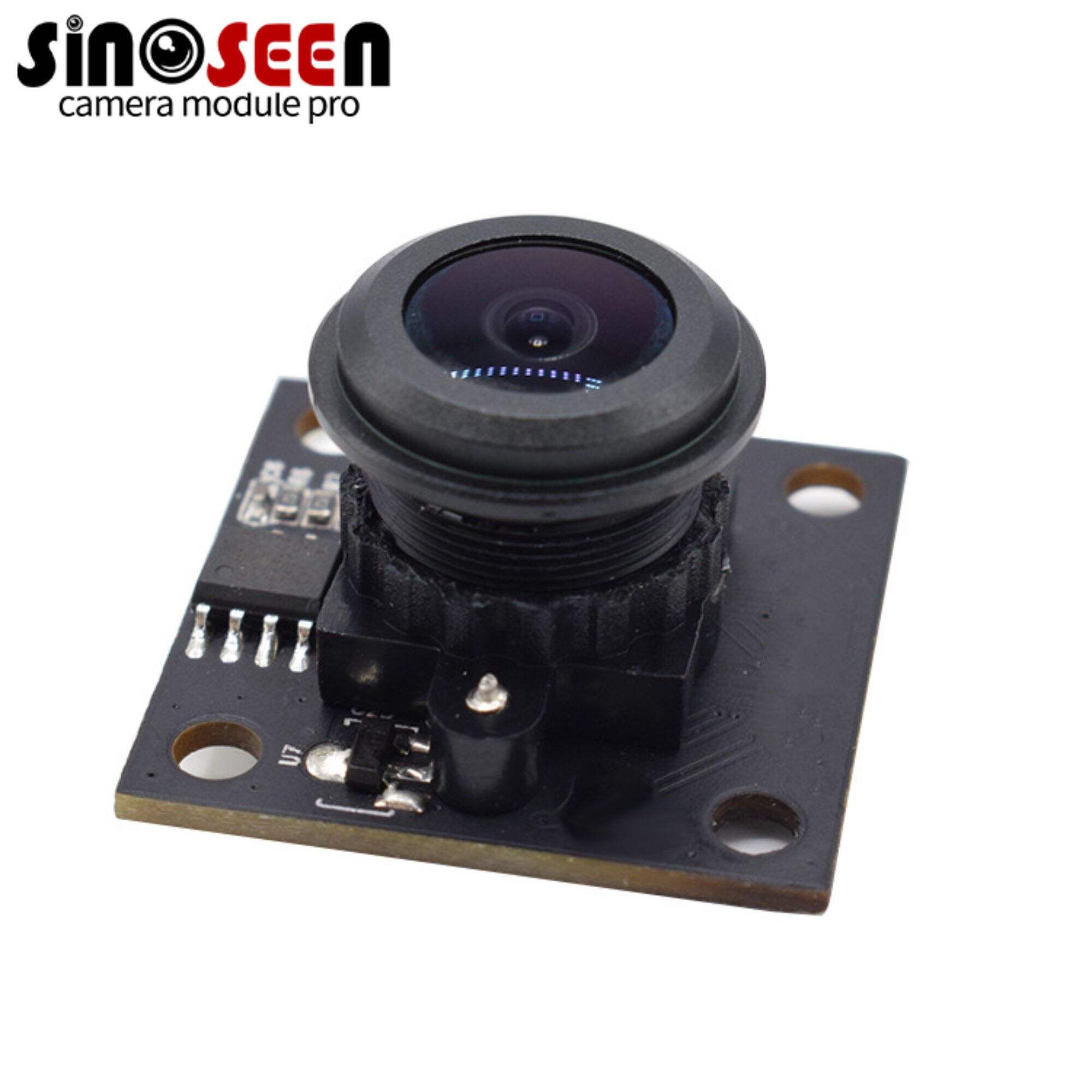
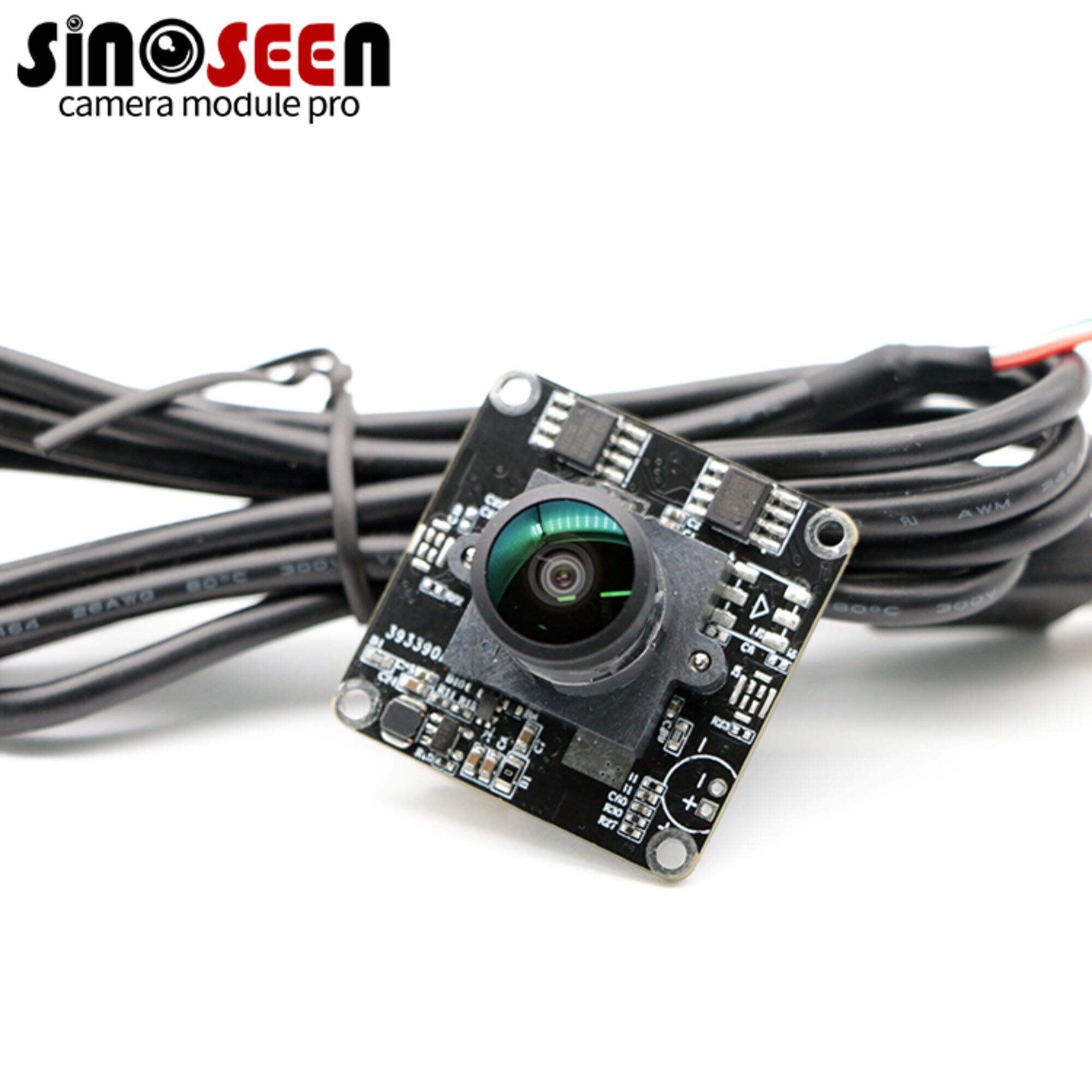
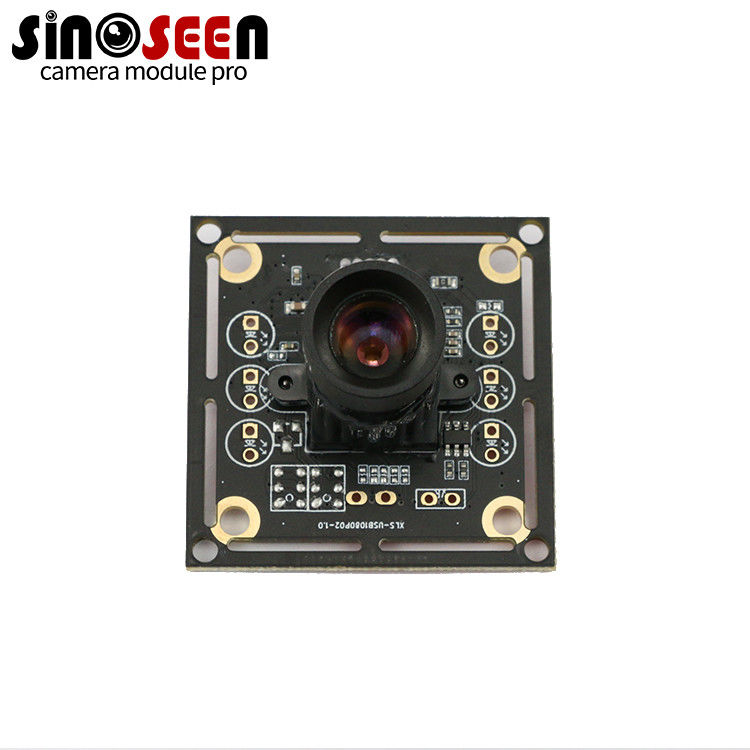
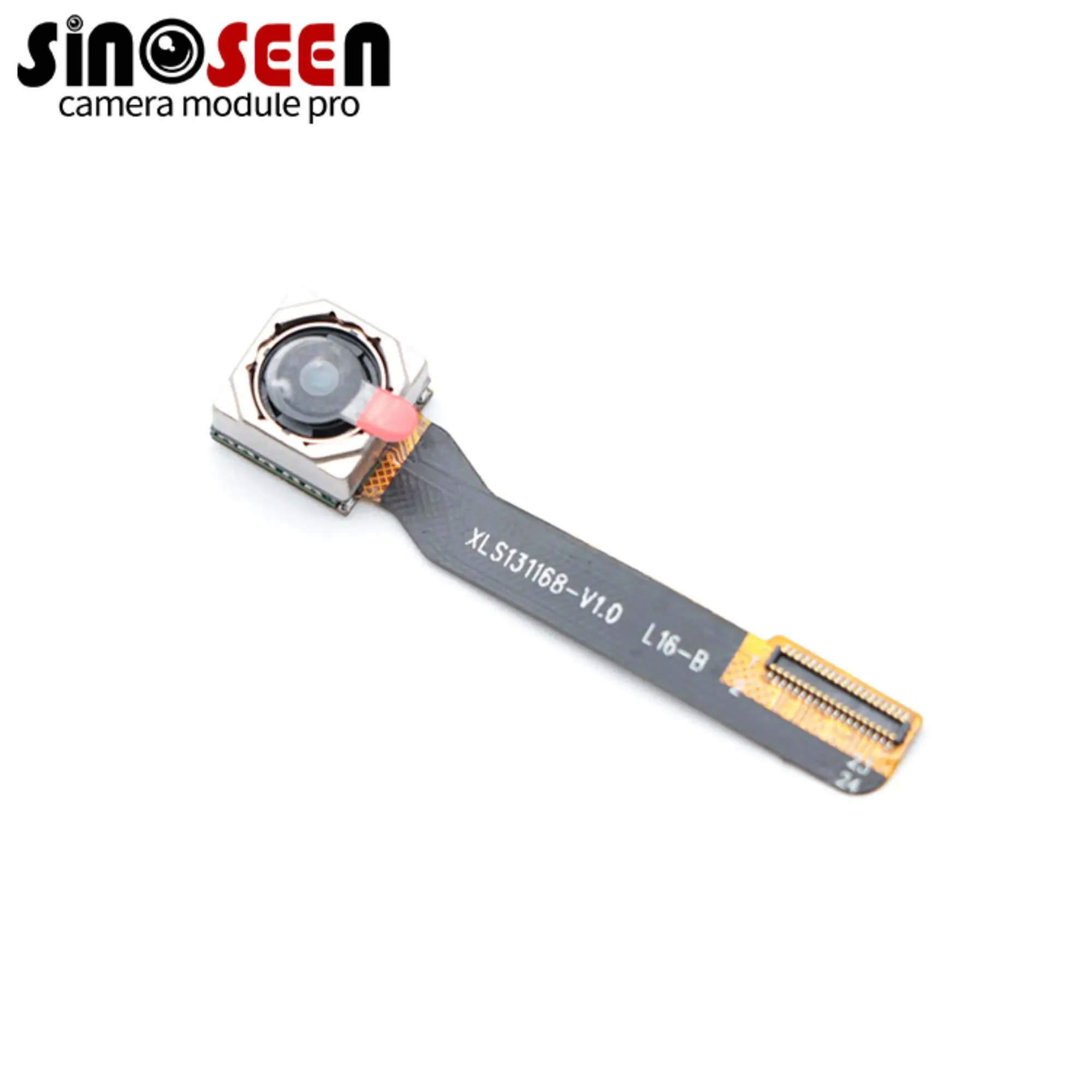
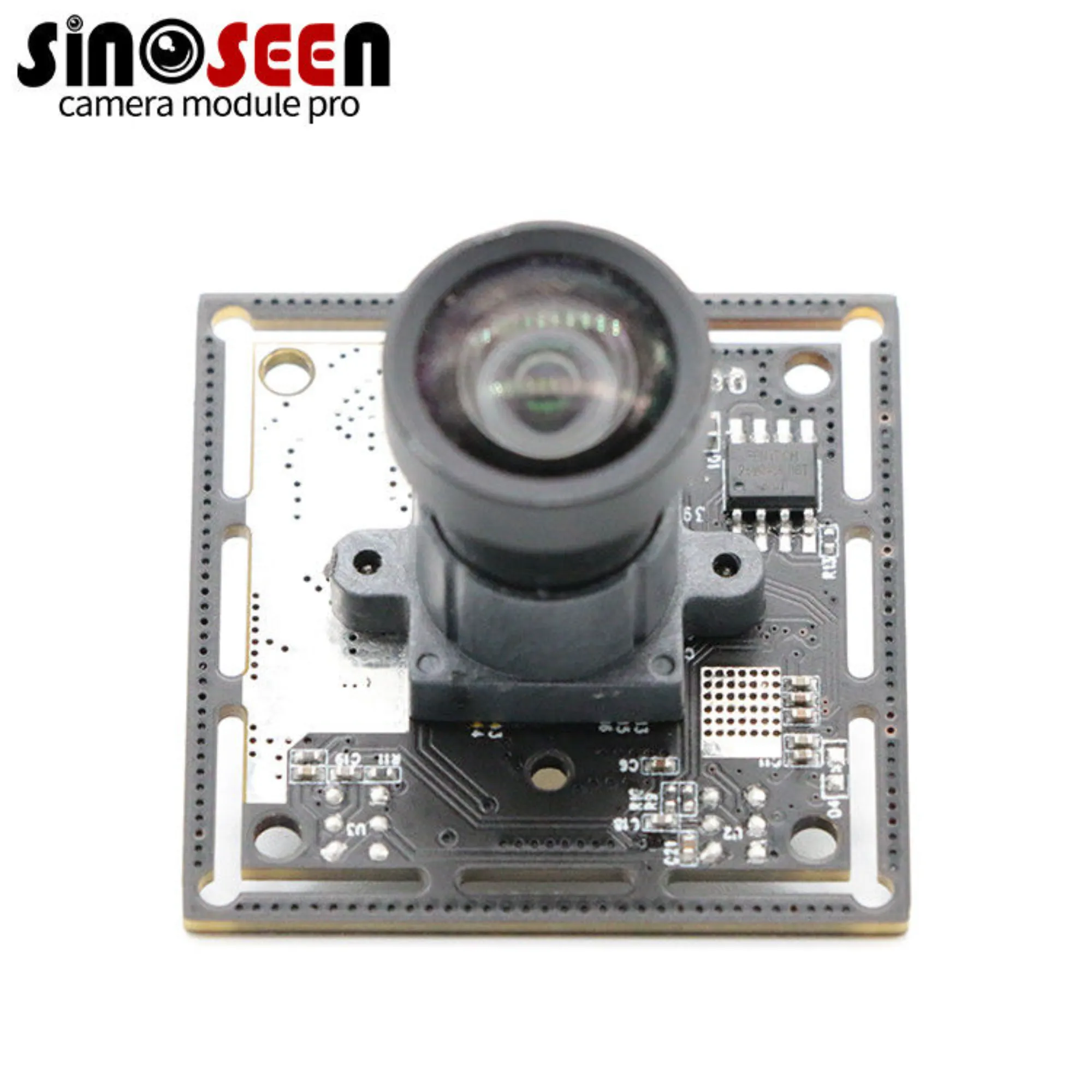
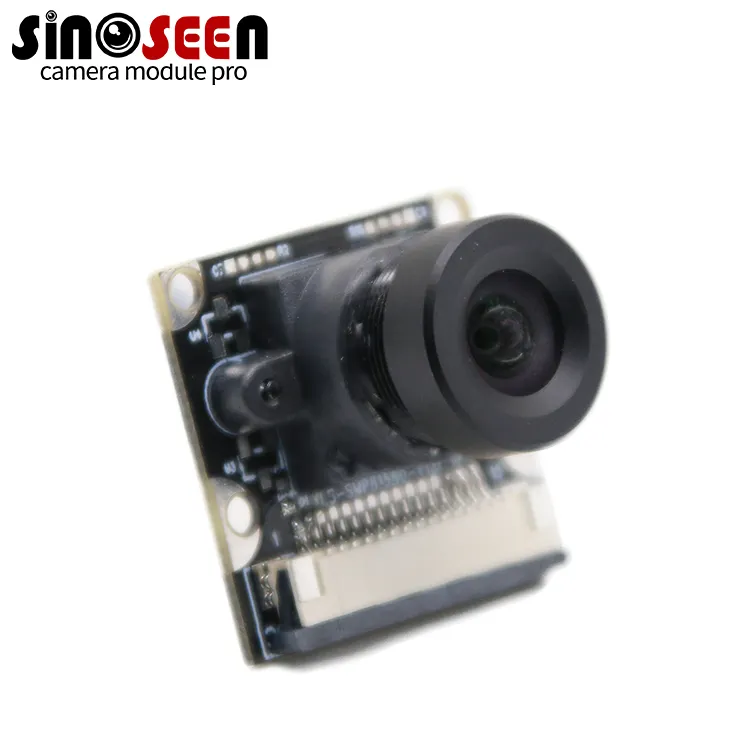
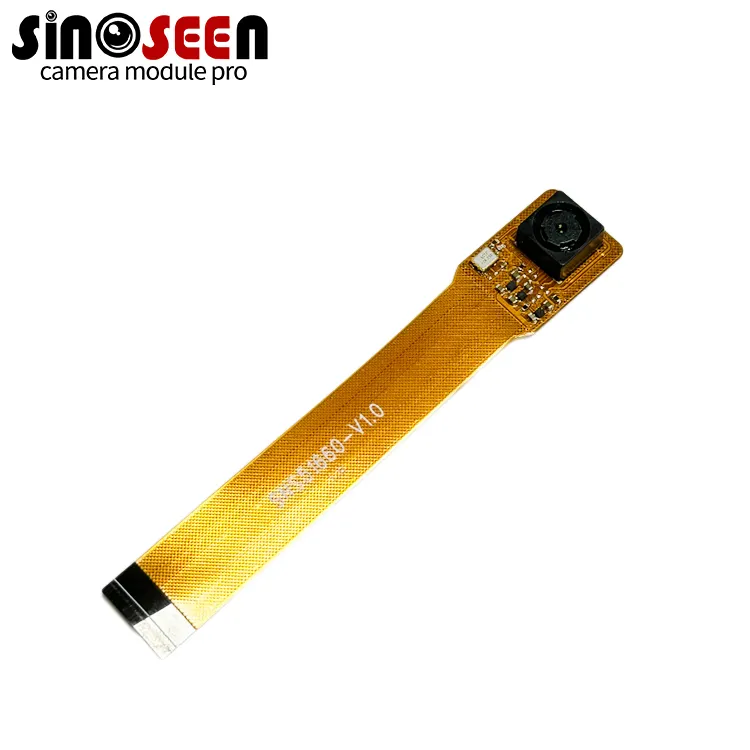
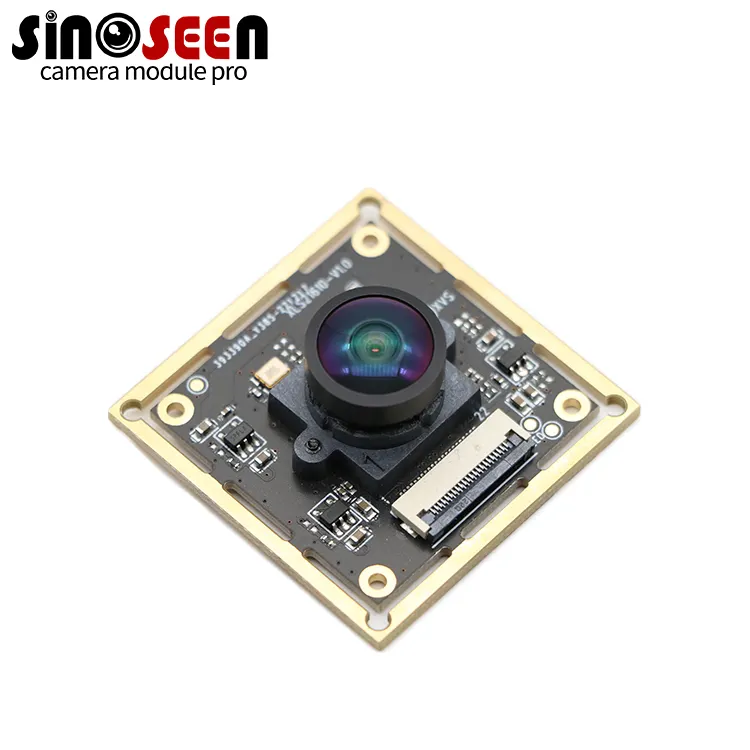
The ESP 32S CAM represents a revolutionary advancement in the world of compact camera modules, combining powerful microcontroller capabilities with high-quality imaging functionality. This innovative device integrates the robust ESP32-S processor with a sophisticated camera sensor, creating a versatile platform for numerous Internet of Things applications. The ESP 32S CAM operates as a standalone unit capable of capturing images, recording video, and transmitting data wirelessly through built-in Wi-Fi and Bluetooth connectivity. The module features a compact form factor that makes it ideal for space-constrained projects while maintaining professional-grade performance standards. At its core, the ESP 32S CAM utilizes a dual-core Tensilica LX6 processor running at 240MHz, providing substantial computational power for real-time image processing and data handling. The integrated camera sensor supports various resolutions, including VGA, SVGA, and higher definitions up to 2 megapixels, ensuring crisp and clear image quality for diverse applications. The device incorporates multiple GPIO pins, enabling seamless integration with external sensors, actuators, and other electronic components. Advanced power management features allow the ESP 32S CAM to operate efficiently in battery-powered scenarios, making it suitable for remote monitoring applications. The module supports multiple programming environments, including Arduino IDE, ESP-IDF, and MicroPython, providing flexibility for developers with different skill levels and preferences. Built-in flash memory and PSRAM ensure adequate storage for firmware and temporary data buffering during operation. The ESP 32S CAM excels in wireless communication protocols, supporting both 2.4GHz Wi-Fi standards and Bluetooth Low Energy, enabling seamless connectivity to cloud platforms, mobile applications, and local networks for real-time data transmission and remote control capabilities.

New Product Recommendations

The ESP 32S CAM delivers exceptional value through its comprehensive feature set and user-friendly design approach. Users benefit from significant cost savings compared to traditional camera systems, as this single module eliminates the need for separate microcontrollers, camera sensors, and wireless communication components. The integrated design reduces complexity and development time, allowing projects to move from concept to implementation quickly and efficiently. Installation becomes remarkably straightforward with the ESP 32S CAM, requiring minimal technical expertise and basic programming knowledge to achieve professional results. The module operates reliably in various environmental conditions, withstanding temperature fluctuations and humidity variations that would challenge conventional camera setups. Power consumption optimization ensures extended battery life in portable applications, reducing maintenance requirements and operational costs over time. The ESP 32S CAM provides exceptional flexibility through its programmable nature, allowing users to customize functionality according to specific project requirements without hardware modifications. Real-time image processing capabilities enable immediate decision-making and automated responses, enhancing system efficiency and reducing response times. Wireless connectivity eliminates the need for complex wiring installations, reducing setup costs and improving system scalability. The module supports over-the-air updates, ensuring that devices remain current with the latest features and security enhancements without physical access. Multiple resolution options accommodate different bandwidth and storage requirements, optimizing performance for specific use cases. The ESP 32S CAM integrates seamlessly with popular cloud platforms, enabling remote monitoring and control from anywhere in the world. GPIO expansion capabilities allow for sensor integration and actuator control, creating comprehensive monitoring and automation systems. The active development community provides extensive resources, tutorials, and code examples, accelerating project development and troubleshooting processes. Manufacturing quality ensures consistent performance across multiple units, making the ESP 32S CAM suitable for both prototype development and production deployment scenarios.

Tips And Tricks

 How to Select the Right AI Camera Module for Facial Recognition Systems?

02

Mar

How to Select the Right AI Camera Module for Facial Recognition Systems?

Selecting the appropriate AI camera module for facial recognition systems represents a critical decision that directly impacts system performance, accuracy, and overall operational efficiency. Modern facial recognition applications demand sophisticat...
View More
How to Optimize Low-Light Performance in Custom Camera Module Designs?

02

Mar

How to Optimize Low-Light Performance in Custom Camera Module Designs?

Custom camera module designs face unique challenges when operating in environments with minimal illumination, making low-light performance optimization a critical engineering consideration. Modern applications ranging from security surveillance to au...
View More
How to Integrate a Small Camera Module into Compact Medical Devices?

02

Mar

How to Integrate a Small Camera Module into Compact Medical Devices?

Medical device miniaturization continues to revolutionize healthcare, enabling less invasive procedures and improved patient outcomes. When designing compact medical equipment, integrating a small camera module requires careful consideration of space...
View More
Why do Robotics Manufacturers Prefer High-Speed AI Camera Modules?

02

Mar

Why do Robotics Manufacturers Prefer High-Speed AI Camera Modules?

The robotics industry has experienced unprecedented growth in recent years, with manufacturers increasingly demanding sophisticated vision systems that can process visual data at lightning speed. High-speed AI camera modules have emerged as the corne...
View More

Get In Touch

esp 32s cam

Advanced Wireless Connectivity and Cloud Integration

Advanced Wireless Connectivity and Cloud Integration

The ESP 32S CAM transforms traditional surveillance and monitoring approaches through its sophisticated wireless communication capabilities and seamless cloud integration features. This remarkable device eliminates the constraints of wired connections, offering dual-band Wi-Fi connectivity that ensures stable and high-speed data transmission across various network environments. The integrated Bluetooth Low Energy functionality expands connectivity options, enabling direct communication with mobile devices, tablets, and other Bluetooth-enabled equipment without requiring intermediate network infrastructure. Users experience unprecedented flexibility in deployment locations, as the ESP 32S CAM operates effectively in areas where traditional wired camera systems would be impractical or impossible to install. The module automatically connects to available Wi-Fi networks using stored credentials, maintaining continuous connectivity even after power cycles or temporary network interruptions. Cloud platform compatibility extends beyond basic image upload functionality, supporting real-time streaming, automated backup services, and intelligent data analytics through popular services like AWS IoT, Google Cloud IoT, and Microsoft Azure IoT Hub. Advanced security protocols protect data transmission through WPA2 encryption and SSL/TLS secure connections, ensuring that sensitive imagery and personal information remain protected during wireless transmission. The ESP 32S CAM supports multiple concurrent connections, allowing simultaneous access from various devices and applications without performance degradation. Remote configuration capabilities enable users to adjust camera settings, update firmware, and modify operational parameters from anywhere in the world through web interfaces or dedicated mobile applications. Automated notification systems can trigger alerts based on motion detection, image analysis results, or scheduled events, keeping users informed of important developments in real-time. The wireless architecture significantly reduces installation complexity and costs, eliminating the need for extensive cable runs, conduit installations, and specialized networking equipment typically required for conventional surveillance systems.
Powerful Real-Time Image Processing and AI Capabilities

Powerful Real-Time Image Processing and AI Capabilities

The ESP 32S CAM distinguishes itself through exceptional computational power that enables sophisticated real-time image processing and artificial intelligence applications directly on the device. The dual-core processor architecture dedicates processing resources efficiently between camera operations and analytical functions, ensuring smooth performance even during intensive computational tasks. Advanced image processing algorithms run locally on the ESP 32S CAM, providing immediate analysis results without requiring external servers or cloud processing delays. This capability proves invaluable for time-critical applications where milliseconds matter, such as security monitoring, quality control inspections, and automated sorting systems. The module supports various image enhancement techniques including noise reduction, contrast adjustment, brightness optimization, and color correction, ensuring optimal image quality across different lighting conditions and environmental scenarios. Motion detection algorithms operate continuously in the background, conserving bandwidth and storage space by triggering recording or transmission only when significant movement occurs within the camera's field of view. Face recognition capabilities enable personalized responses and access control applications, while object detection algorithms can identify specific items, vehicles, or animals within captured images. Edge computing functionality reduces dependency on internet connectivity and cloud services, allowing the ESP 32S CAM to operate autonomously in remote locations or areas with limited network access. Custom algorithm development becomes possible through the flexible programming environment, enabling specialized applications tailored to unique industry requirements or research projects. Machine learning model deployment directly on the ESP 32S CAM brings artificial intelligence capabilities to edge devices, supporting applications like predictive maintenance, anomaly detection, and automated quality assurance. The processing power accommodates multiple simultaneous algorithms, enabling complex decision-making processes based on combined analytical results. Real-time data fusion capabilities integrate camera input with information from connected sensors, creating comprehensive monitoring systems that respond intelligently to environmental changes and operational conditions.
Versatile Development Environment and Rapid Prototyping Support

Versatile Development Environment and Rapid Prototyping Support

The ESP 32S CAM excels as a development platform through its comprehensive programming support and rapid prototyping capabilities that accelerate project development from initial concept to final deployment. Multiple integrated development environments accommodate programmers with varying skill levels and preferences, including the popular Arduino IDE for beginners, ESP-IDF for advanced developers, and MicroPython for rapid scripting applications. Extensive library support provides pre-written functions for camera control, image processing, wireless communication, and sensor integration, dramatically reducing development time and complexity. The module's compatibility with existing Arduino ecosystem components enables developers to leverage thousands of available shields, sensors, and accessories without additional hardware modifications. Comprehensive documentation and code examples guide users through implementation processes, covering everything from basic camera setup to advanced computer vision applications. The ESP 32S CAM supports over-the-air programming, allowing firmware updates and code modifications without physical device access, which proves essential for deployed systems in remote or inaccessible locations. Debugging capabilities include serial monitoring, wireless debugging, and real-time variable inspection, enabling efficient troubleshooting and optimization during development phases. The flexible GPIO configuration supports various communication protocols including I2C, SPI, UART, and PWM, facilitating integration with virtually any electronic component or sensor system. Modular programming approaches enable code reusability across multiple projects, reducing development effort for subsequent implementations. The ESP 32S CAM accommodates both standalone applications and integrated system designs, adapting to project requirements ranging from simple monitoring devices to complex automation controllers. Community-driven development ensures continuous improvement and feature expansion, with regular updates incorporating user feedback and emerging technology trends. Professional development tools support advanced features like real-time operating systems, task scheduling, and memory management optimization, enabling enterprise-grade application development. The platform supports rapid iteration cycles through quick compilation, upload, and testing processes, allowing developers to experiment with ideas and implement changes efficiently during the creative development process.

Related Search

Get in touch