Versatile Development Platform and Integration Flexibility
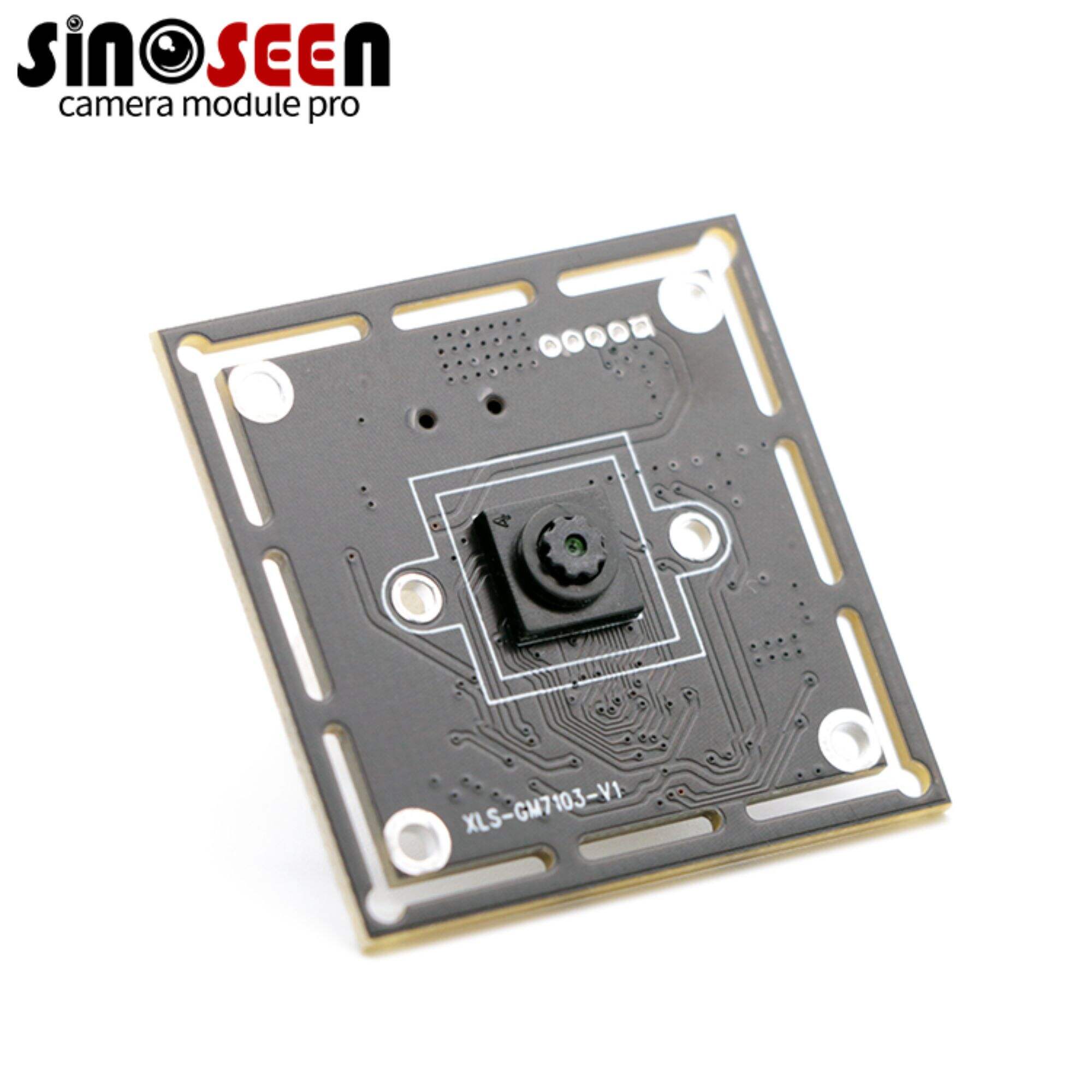
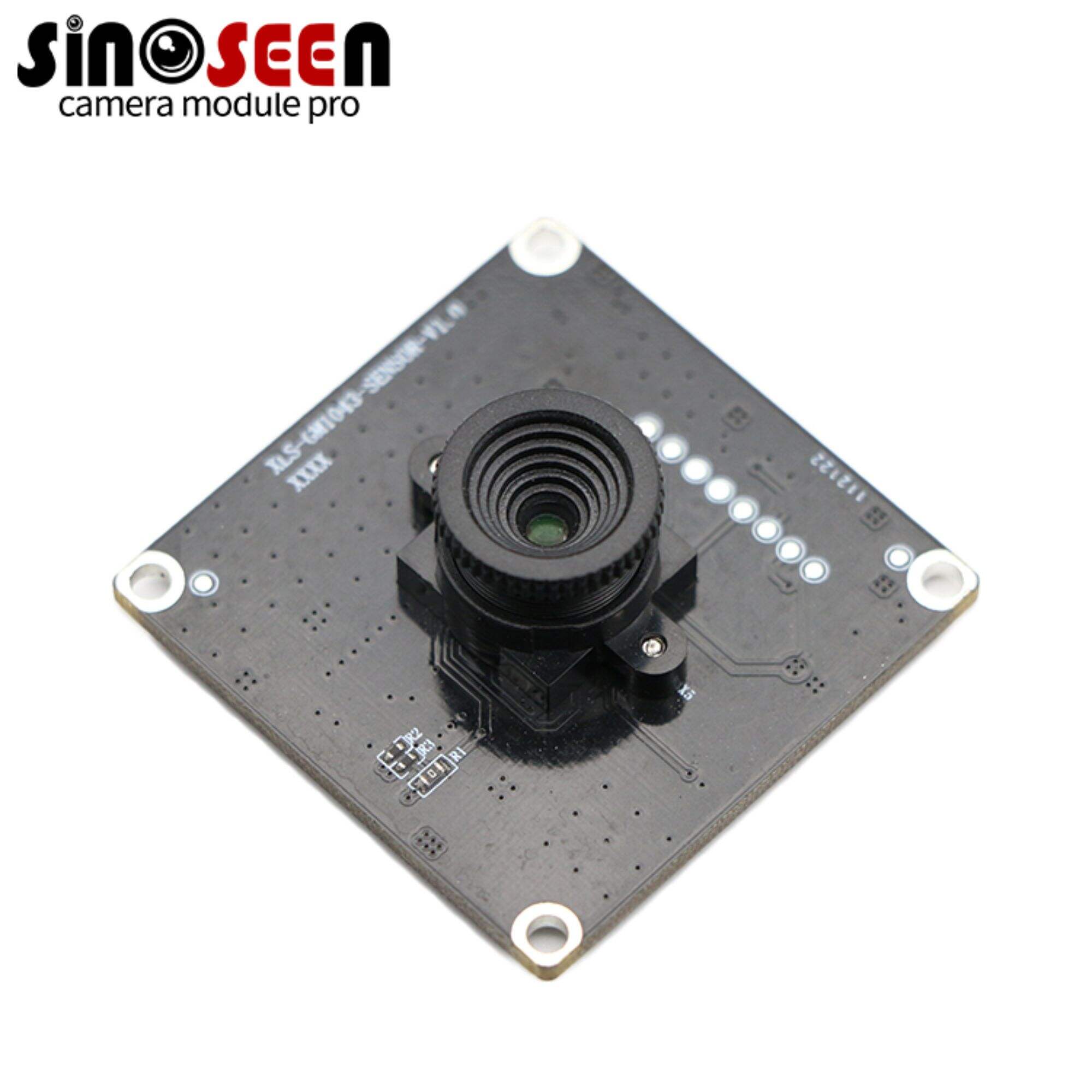
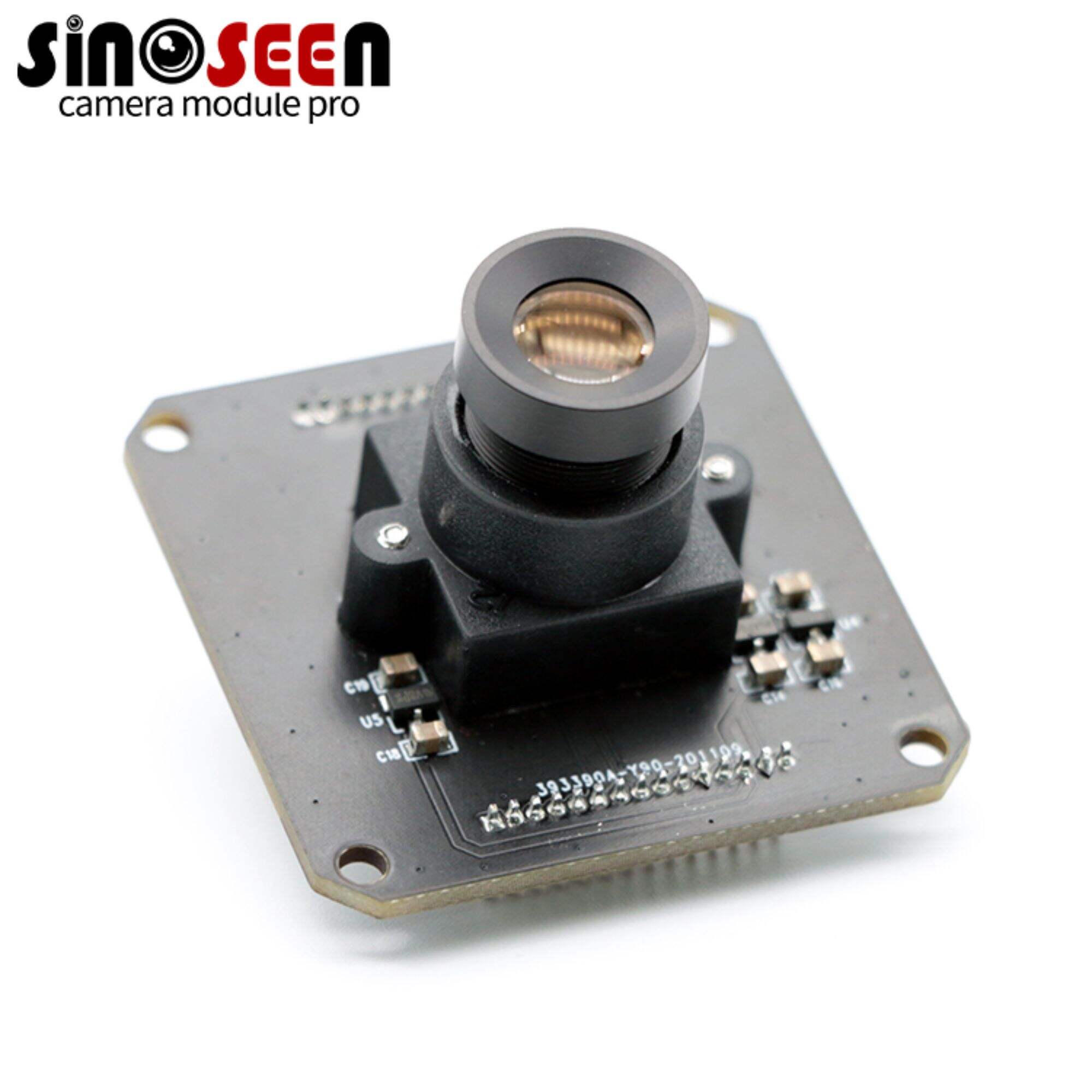
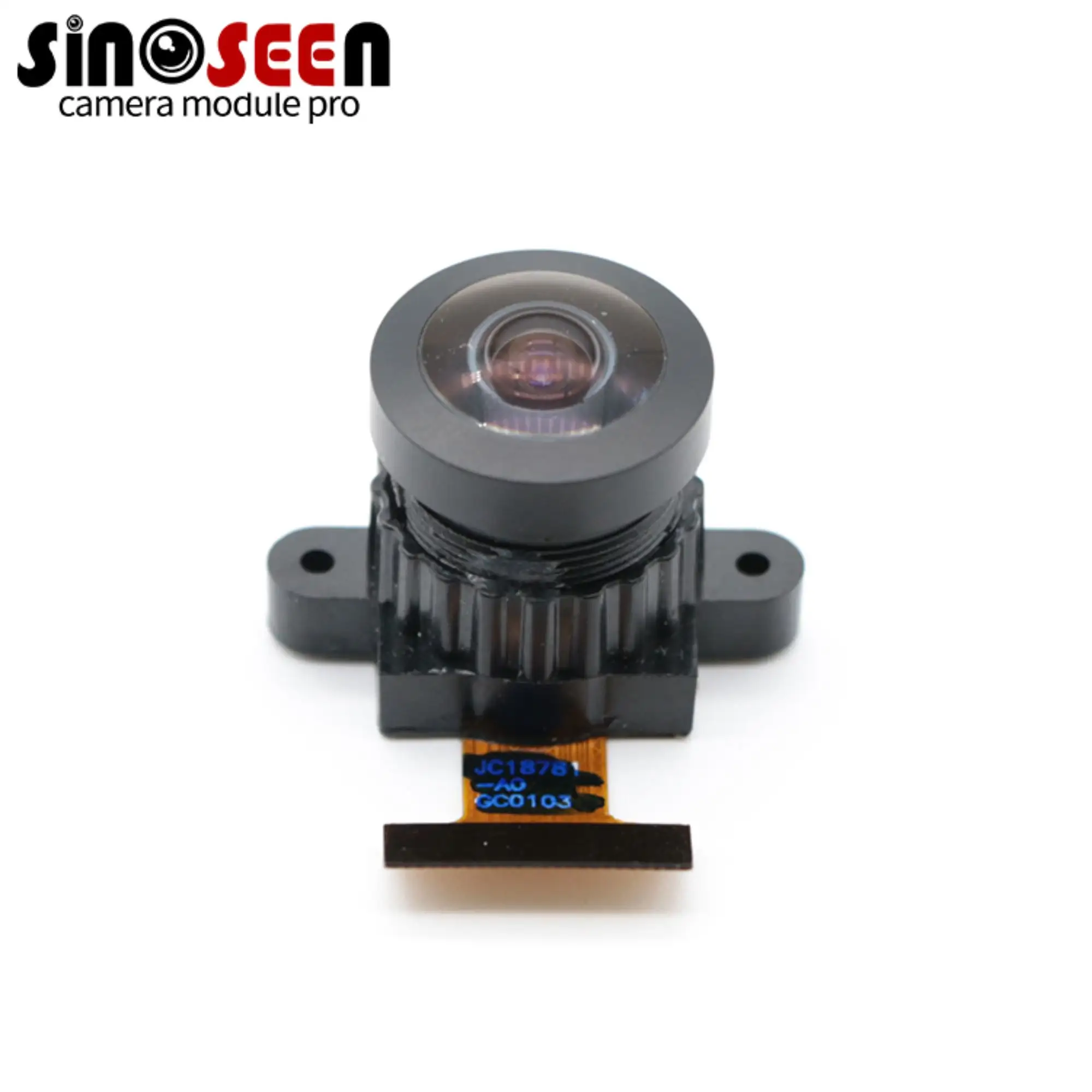
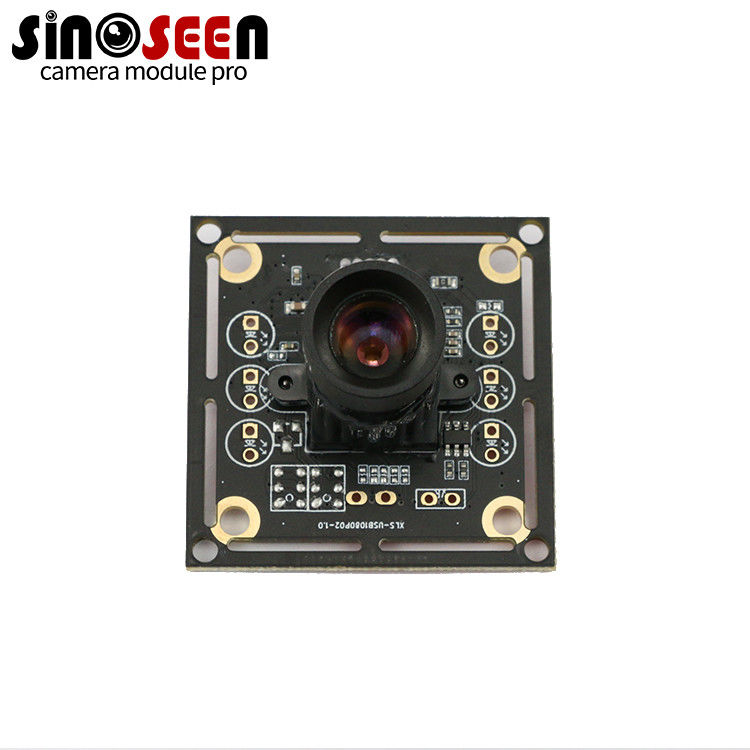
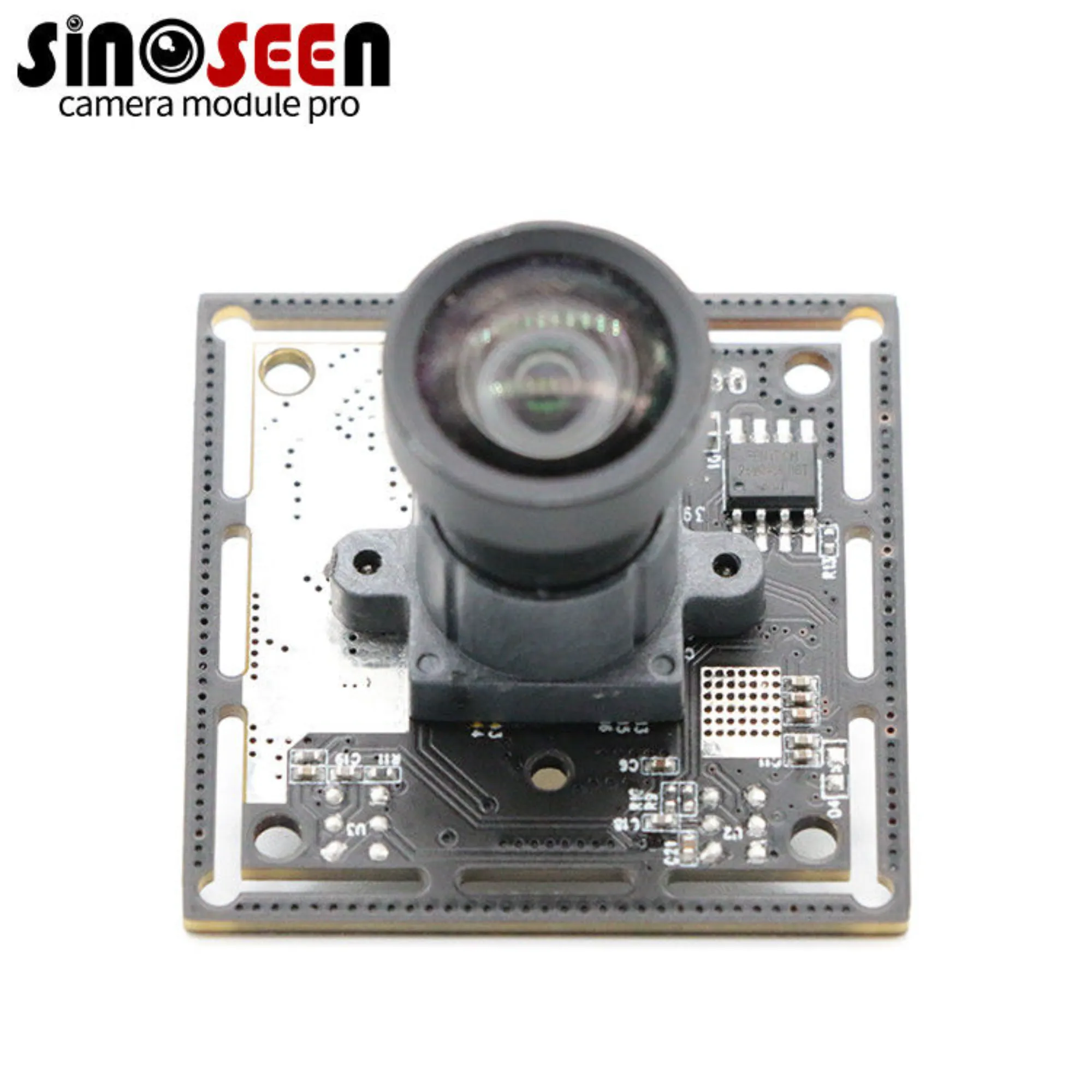
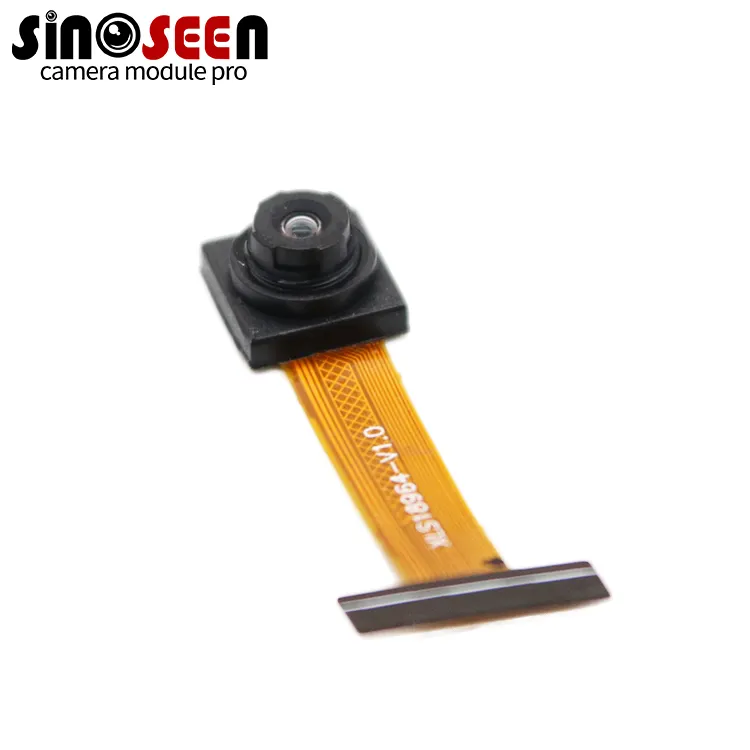
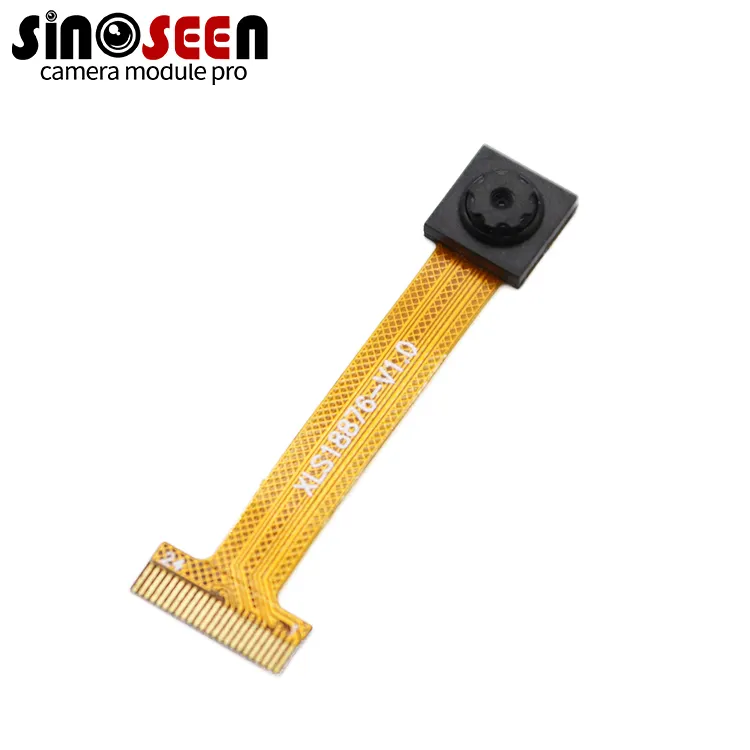
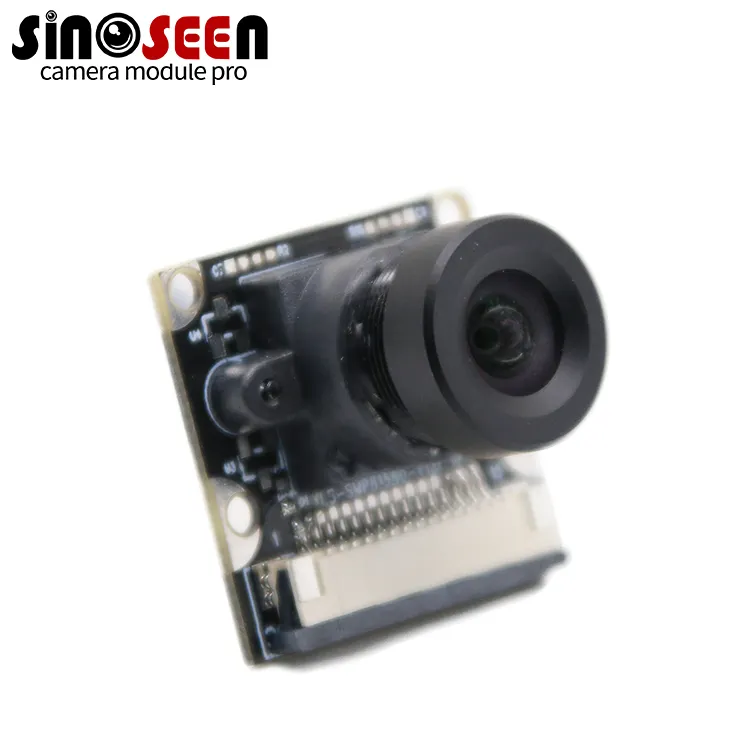
The camera ESP32 serves as an exceptionally versatile development platform that accommodates diverse project requirements through its comprehensive hardware interfaces and extensive software ecosystem. Multiple GPIO pins provide abundant connectivity options for integrating additional sensors, actuators, and peripheral devices, enabling complex multi-functional systems built around the core camera ESP32 platform. The development environment supports multiple programming languages including C++, Python, and Arduino IDE, allowing developers to choose familiar tools and frameworks that accelerate project development timelines. Extensive library support provides pre-built functions for common tasks such as image processing, wireless communication, and sensor integration, reducing development complexity and improving code reliability. The camera ESP32 offers flexible power management options including deep sleep modes and dynamic frequency scaling, enabling optimal energy consumption for various application requirements. Multiple communication interfaces including SPI, I2C, and UART facilitate seamless integration with existing systems and third-party components without requiring complex interface adaptations. The modular design philosophy of the camera ESP32 enables rapid prototyping and iterative development approaches that reduce time-to-market for commercial products. Comprehensive documentation and community support provide extensive resources for troubleshooting, optimization, and feature enhancement throughout the development lifecycle. The camera ESP32 supports over-the-air updates and remote configuration management, enabling continuous improvement and customization of deployed systems without requiring physical access. Cross-platform compatibility ensures that applications developed for the camera ESP32 can integrate with diverse operating systems and cloud platforms seamlessly. Scalable architecture allows individual camera ESP32 units to function independently or as part of larger distributed systems, providing flexibility for future expansion and system evolution. The development platform includes simulation tools and debugging capabilities that streamline the development process and improve code quality before deployment. Integration APIs enable seamless connectivity with popular IoT platforms, cloud services, and enterprise systems, facilitating rapid deployment in existing technology ecosystems.

 EN
EN
 AR
AR
 DA
DA
 NL
NL
 FI
FI
 FR
FR
 DE
DE
 EL
EL
 HI
HI
 IT
IT
 JA
JA
 KO
KO
 NO
NO
 PL
PL
 PT
PT
 RO
RO
 RU
RU
 ES
ES
 SV
SV
 TL
TL
 IW
IW
 ID
ID
 SR
SR
 VI
VI
 HU
HU
 TH
TH
 TR
TR
 FA
FA
 MS
MS
 IS
IS
 AZ
AZ
 UR
UR
 BN
BN
 HA
HA
 LO
LO
 MR
MR
 MN
MN
 PA
PA
 MY
MY
 SD
SD