Innovative Camera Modules for Every Application | Sinoseen

All Categories

esp32 with camera module

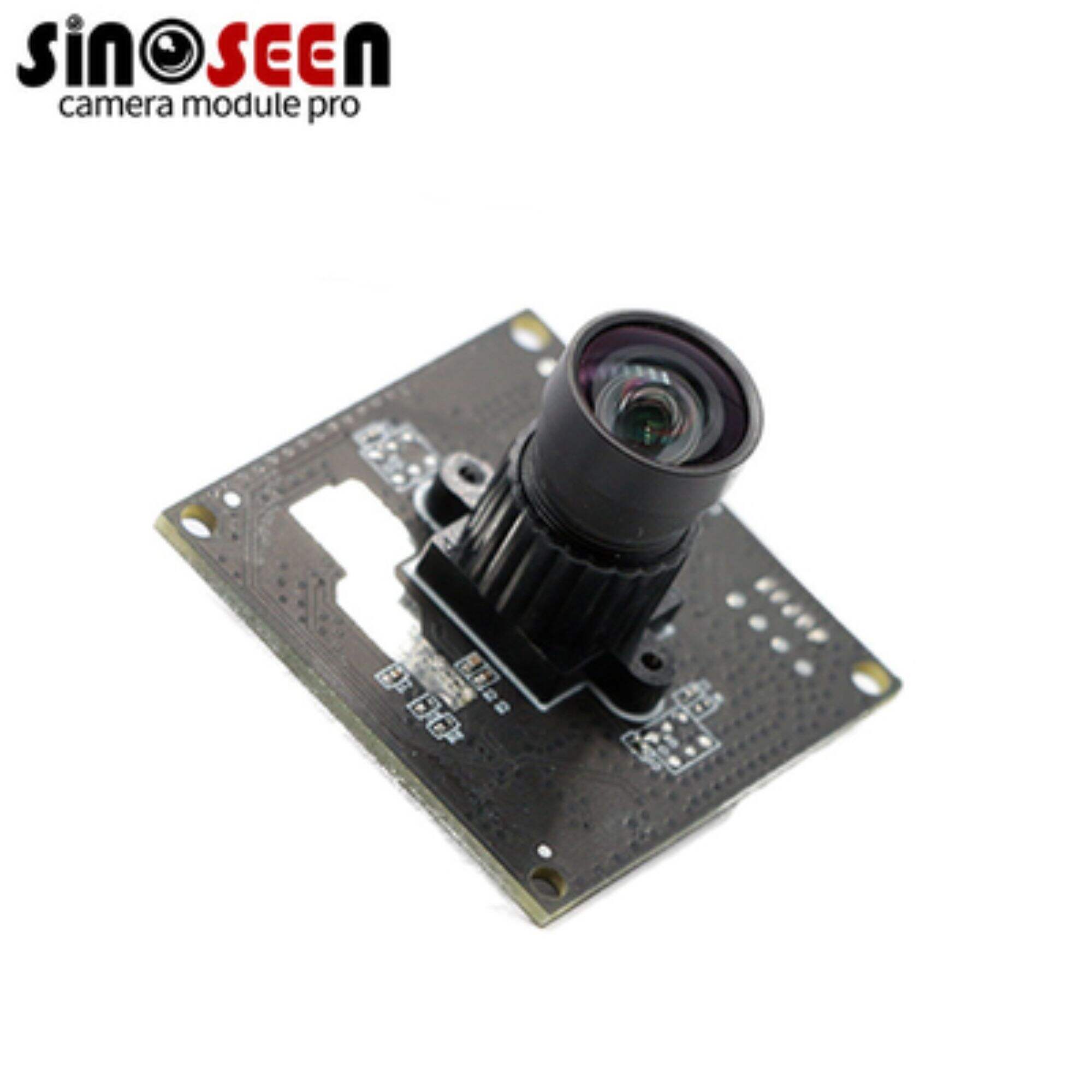
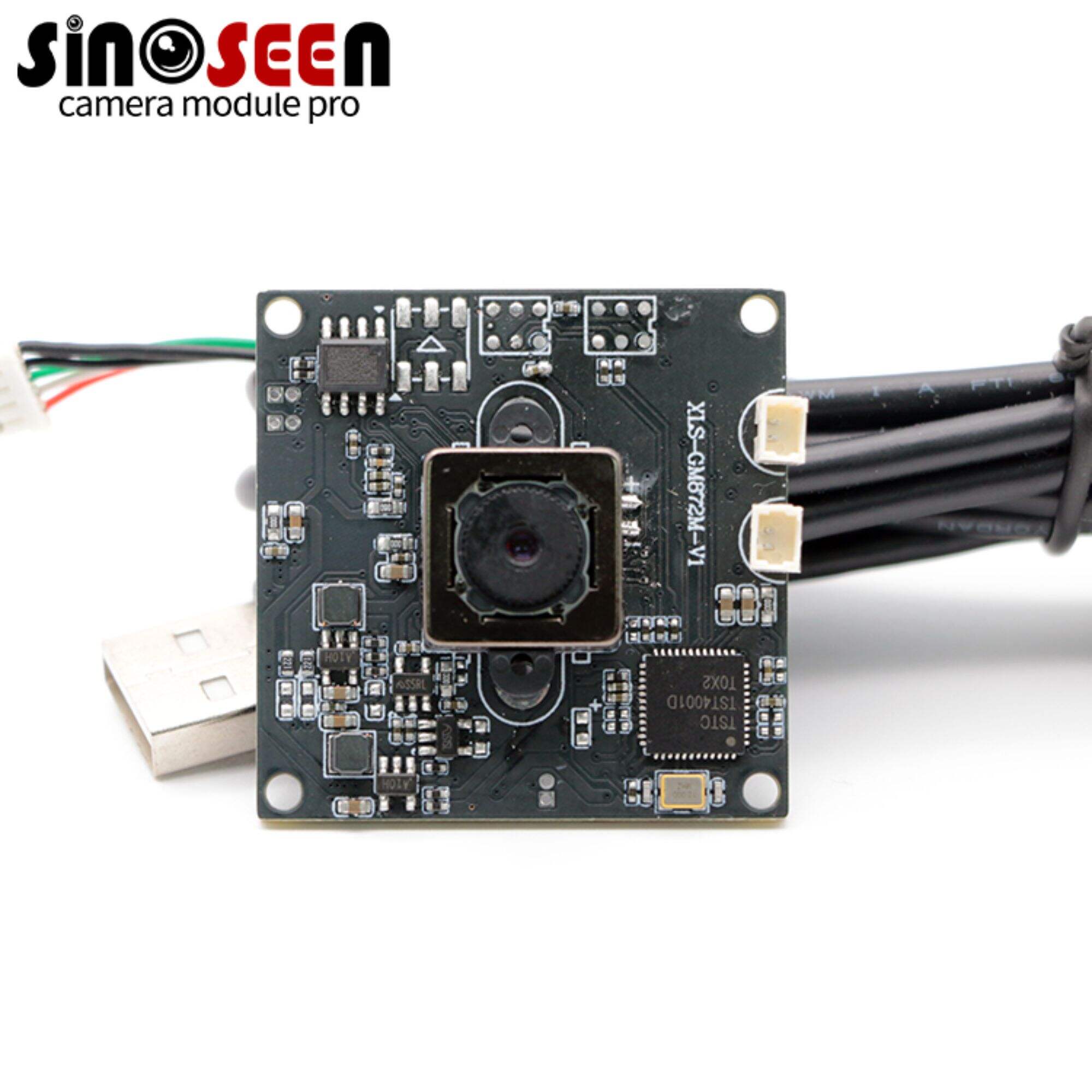
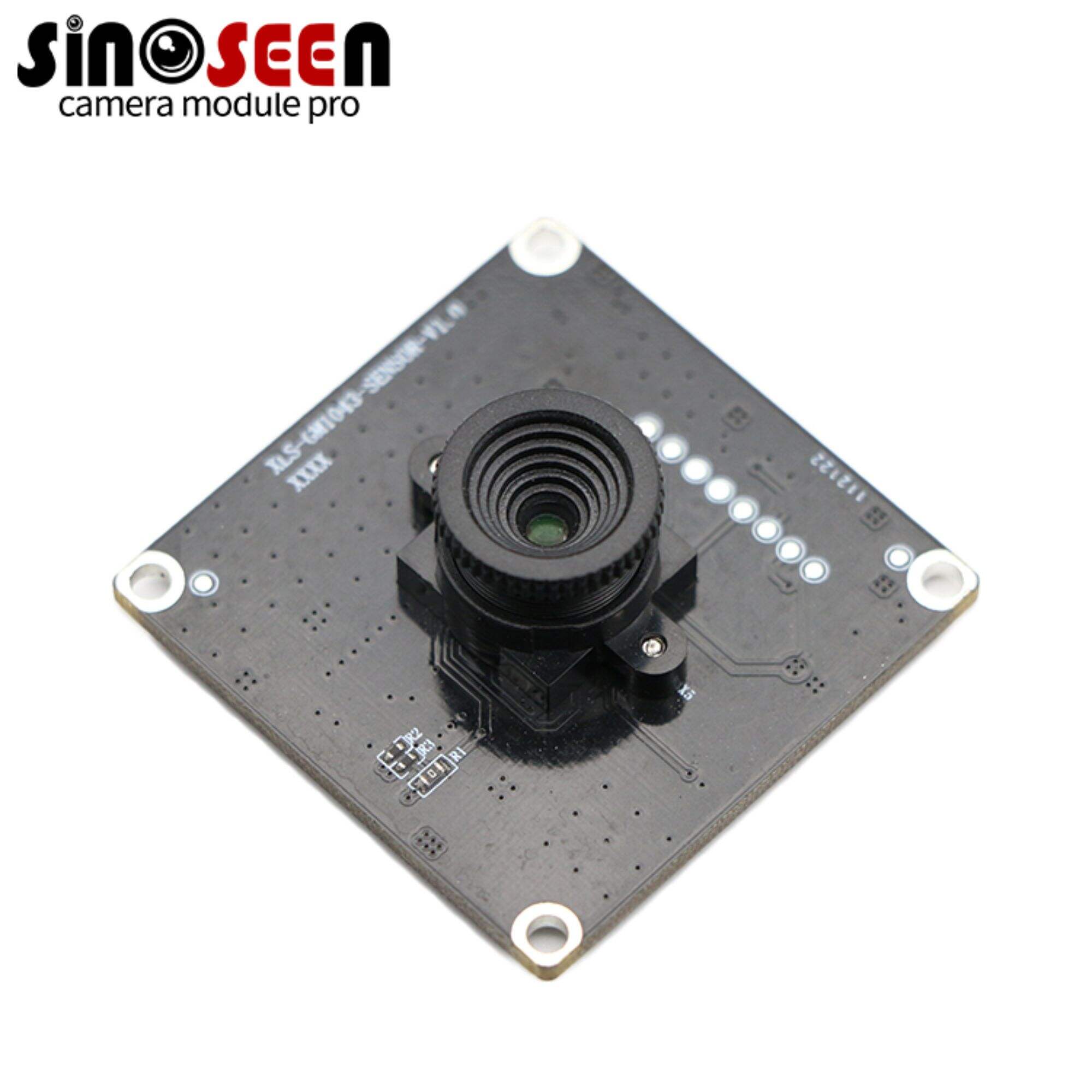
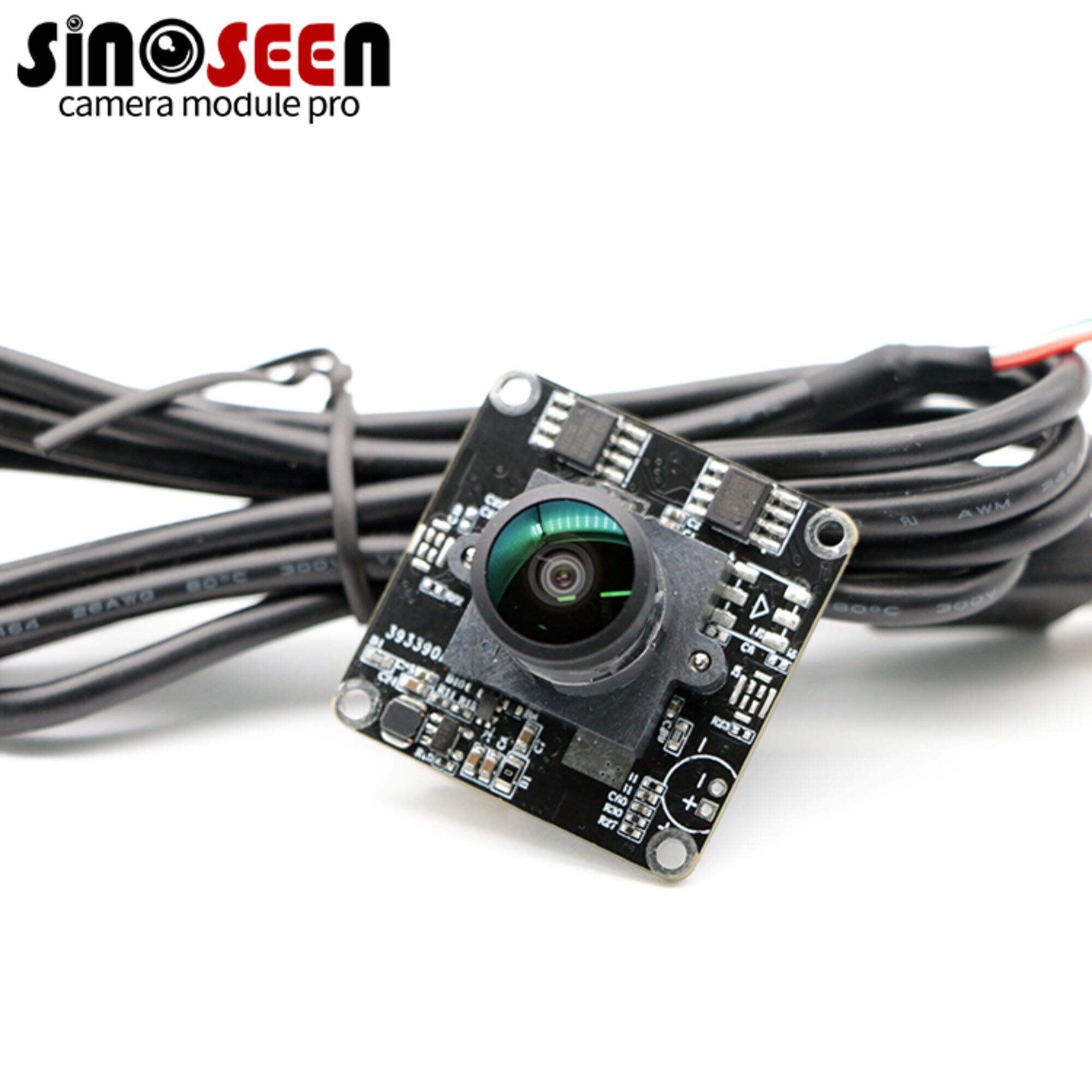
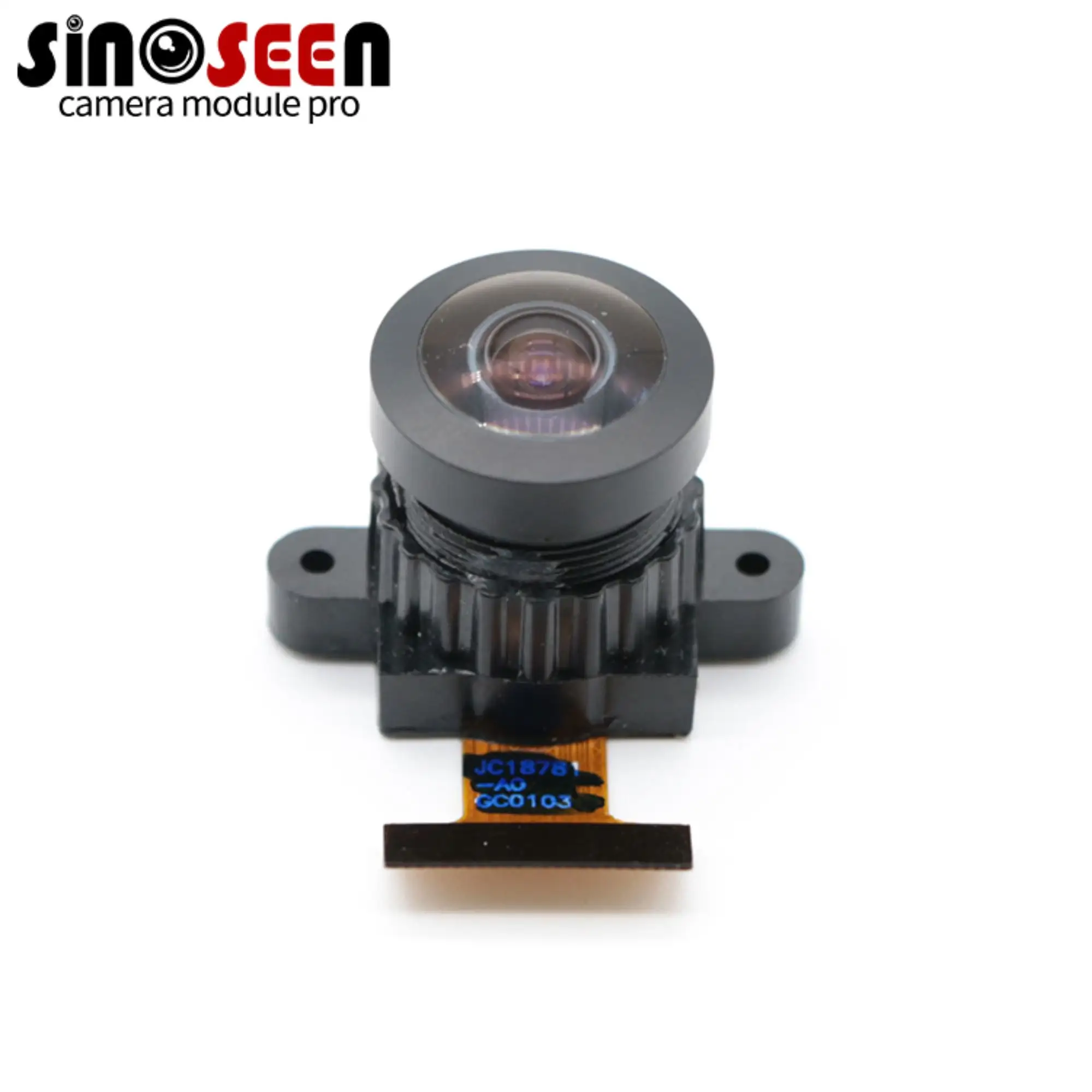
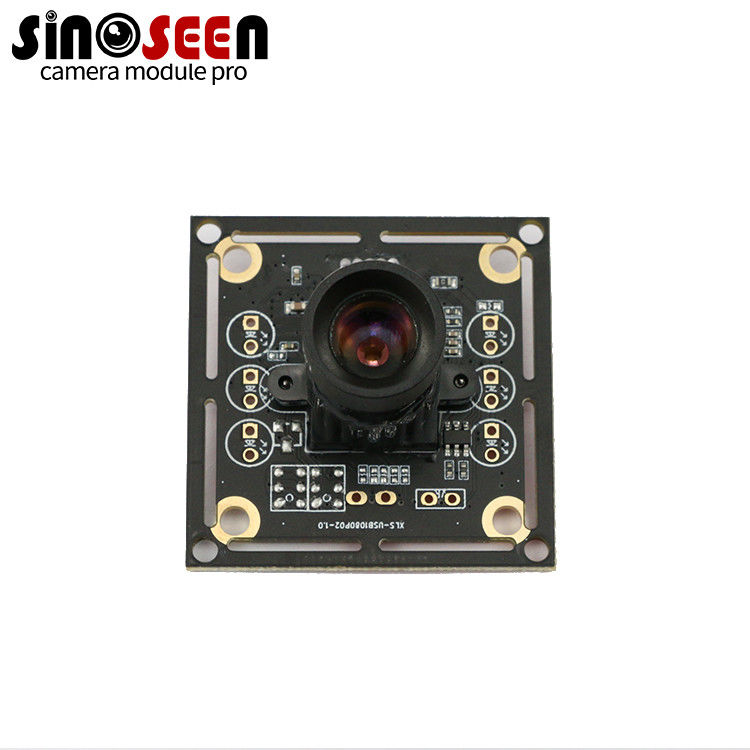
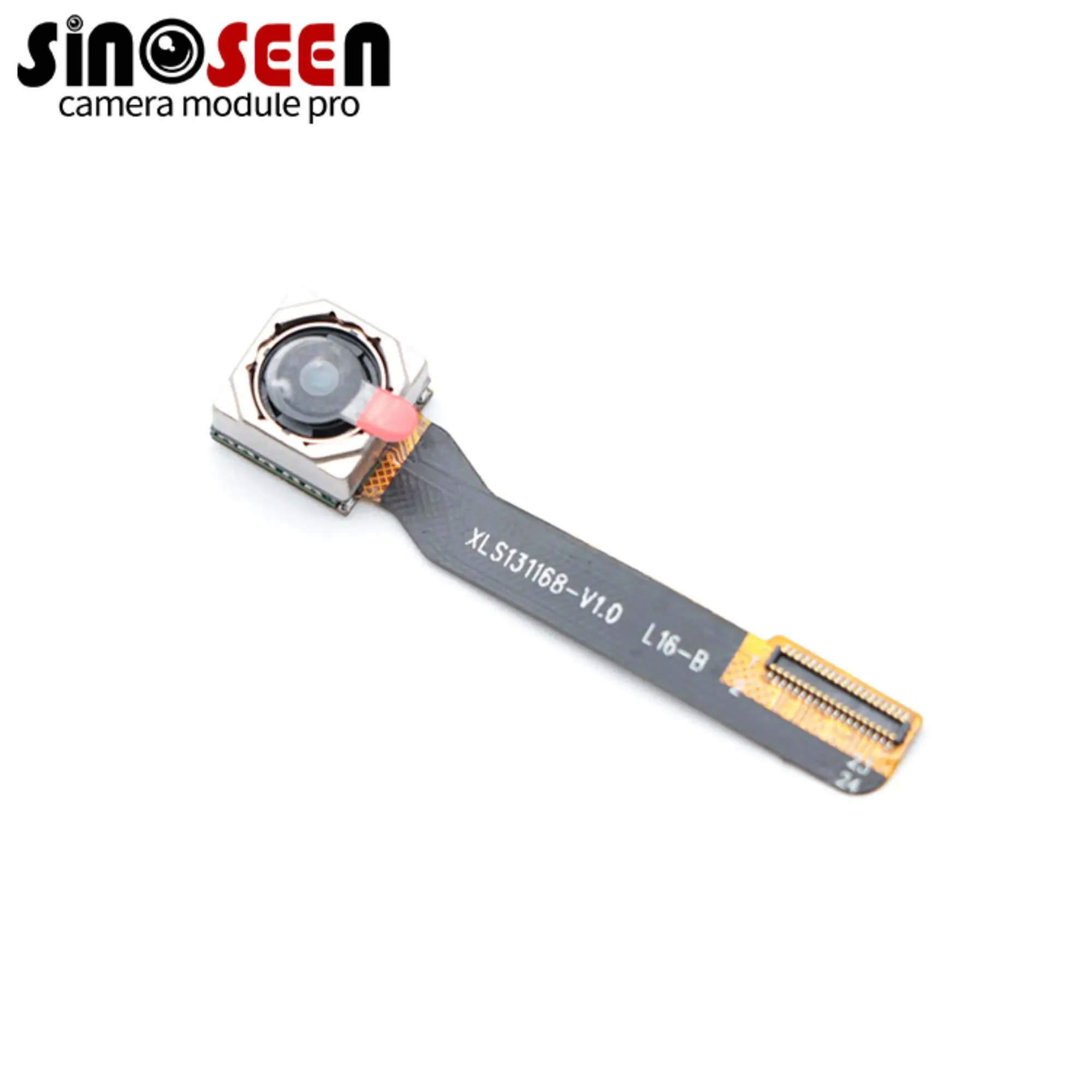
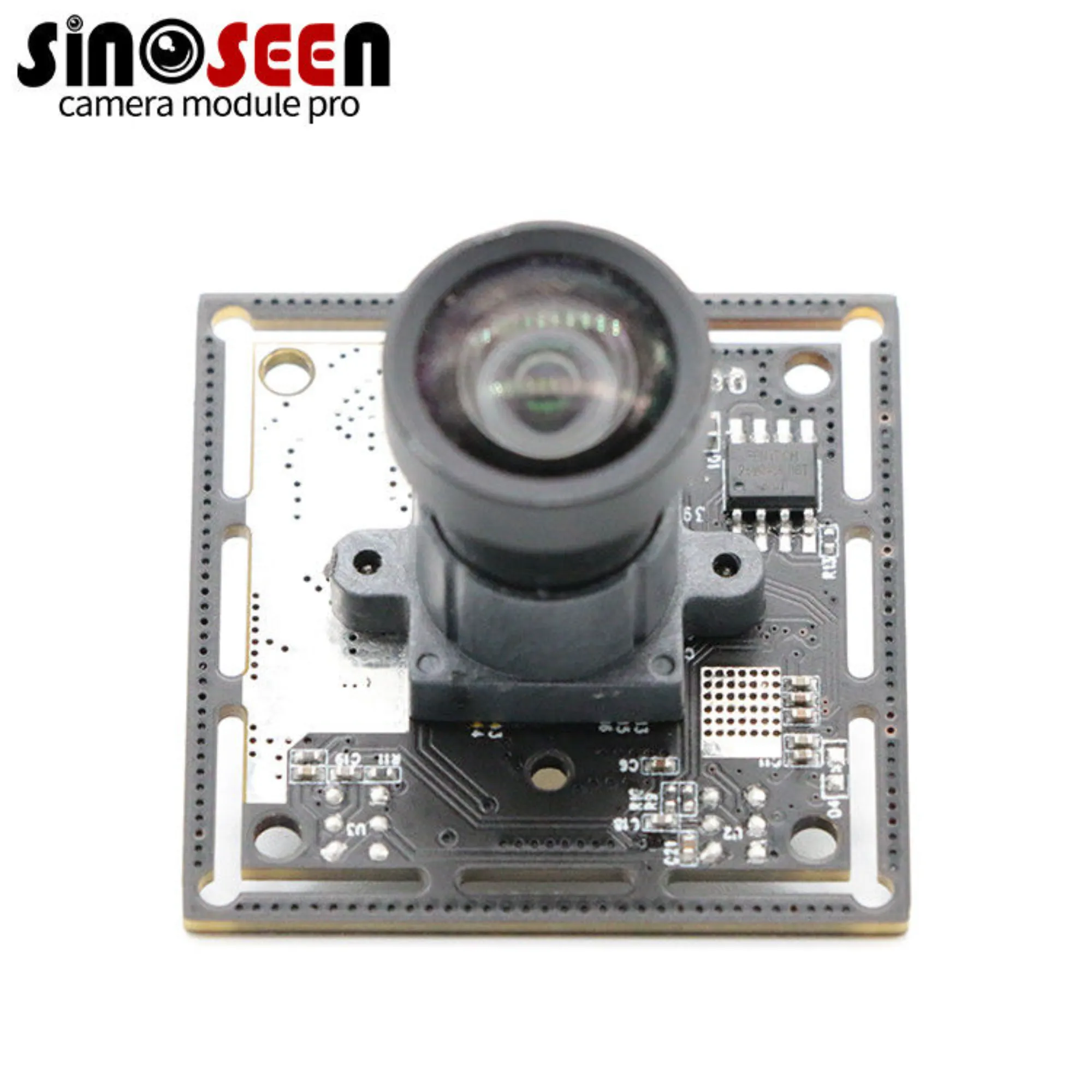
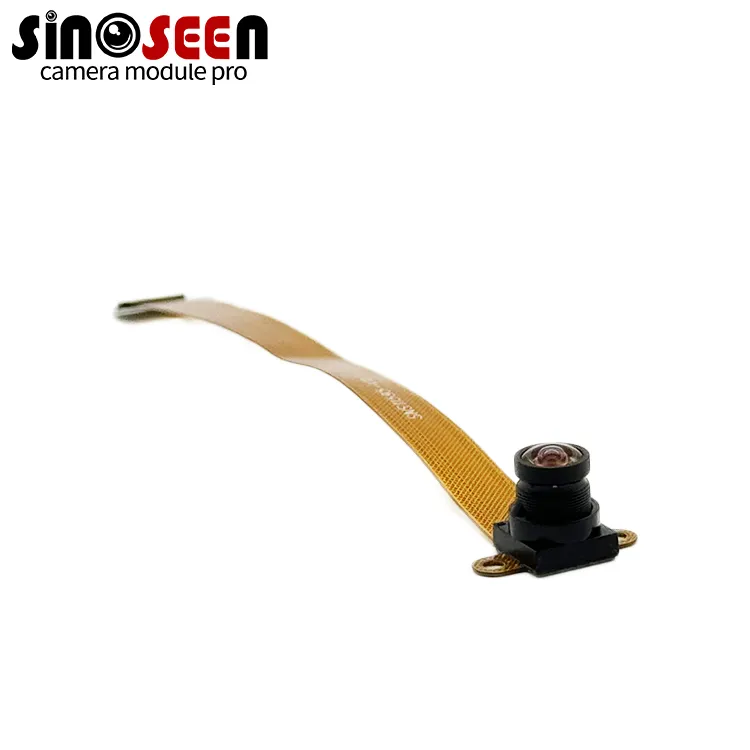
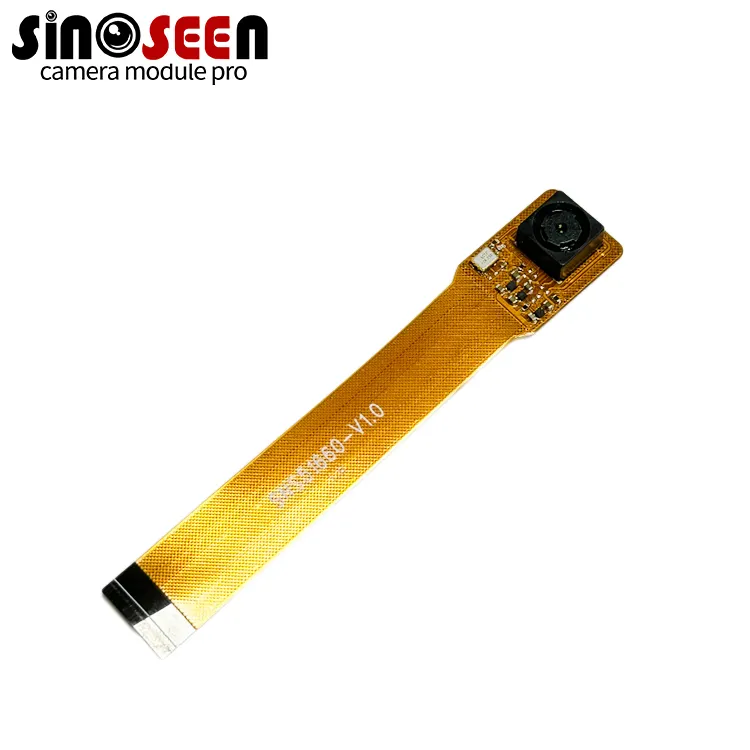
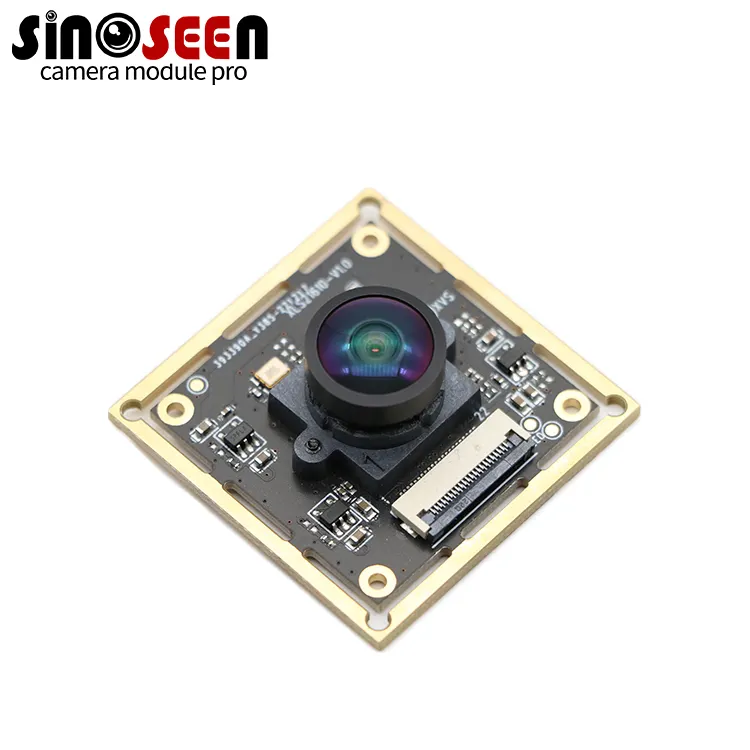
The ESP32 with camera module represents a revolutionary leap in affordable IoT development, combining powerful microcontroller capabilities with integrated image capture functionality. This versatile development board merges the robust ESP32 microcontroller with a compact camera sensor, creating an all-in-one solution for computer vision projects and smart surveillance applications. The ESP32 with camera module operates on a dual-core Tensilica LX6 processor running at up to 240MHz, providing substantial computational power for real-time image processing tasks. Built-in Wi-Fi and Bluetooth connectivity enable seamless wireless communication, allowing developers to transmit captured images and video streams across networks effortlessly. The camera component typically features a 2-megapixel OV2640 sensor capable of capturing JPEG images and streaming video at various resolutions up to 1600x1200 pixels. Memory specifications include 520KB SRAM and 4MB flash storage, with expandable storage options through microSD card slots on many variants. The ESP32 with camera module supports multiple programming environments including Arduino IDE, ESP-IDF, and MicroPython, making it accessible to developers with varying skill levels. GPIO pins provide extensive interfacing capabilities for connecting additional sensors, actuators, and display modules. Power consumption optimization features enable battery-powered applications, with deep sleep modes reducing current draw to microamperes. The compact form factor, typically measuring around 40mm x 27mm, makes integration into space-constrained projects straightforward. Advanced features include face detection algorithms, motion detection capabilities, and customizable image processing filters. The ESP32 with camera module excels in applications ranging from home security systems and pet monitoring to industrial quality control and environmental sensing. Its affordability, combined with comprehensive functionality, has democratized computer vision development, enabling hobbyists and professionals alike to create sophisticated imaging solutions without extensive hardware expertise or significant financial investment.

New Product Releases

The ESP32 with camera module delivers exceptional value through its cost-effective design, eliminating the need for separate microcontroller and camera components while maintaining professional-grade performance standards. This integration reduces overall project costs by up to 60% compared to traditional multi-component setups, making advanced computer vision accessible to budget-conscious developers and educational institutions. The unified architecture simplifies wiring complexity, reducing potential failure points and streamlining the development process significantly. Wireless connectivity stands as another major advantage, with built-in Wi-Fi enabling remote monitoring and control capabilities without additional hardware requirements. Users can access live camera feeds from anywhere with internet connectivity, creating powerful remote surveillance and monitoring solutions. Bluetooth functionality adds versatility for local device communication and sensor integration, expanding project possibilities exponentially. The ESP32 with camera module offers remarkable programming flexibility, supporting multiple development environments and programming languages to accommodate diverse developer preferences and expertise levels. Arduino IDE compatibility ensures easy adoption for beginners, while ESP-IDF provides advanced users with comprehensive low-level control capabilities. This flexibility accelerates development cycles and reduces learning curves for teams transitioning between different project requirements. Real-time image processing capabilities distinguish the ESP32 with camera module from simpler alternatives, enabling on-device analysis without cloud dependency. Face detection, motion sensing, and custom algorithm implementation occur locally, reducing latency and improving system responsiveness while maintaining privacy and security standards. Low power consumption characteristics make the ESP32 with camera module ideal for battery-operated applications, with intelligent sleep modes extending operational periods to weeks or months on single charges. This efficiency opens possibilities for remote environmental monitoring, wildlife observation, and portable security applications where power access remains limited. Compact dimensions and lightweight design facilitate integration into existing systems and enable creative mounting solutions. The small footprint allows installation in discrete locations while maintaining full functionality, perfect for covert monitoring applications or space-constrained industrial environments. Community support and extensive documentation accelerate problem-solving and feature implementation, with thousands of code examples and tutorials available online. This collaborative ecosystem reduces development time and provides solutions for common challenges, ensuring project success regardless of initial experience levels.

Tips And Tricks

 How to Select the Right AI Camera Module for Facial Recognition Systems?

02

Mar

How to Select the Right AI Camera Module for Facial Recognition Systems?

Selecting the appropriate AI camera module for facial recognition systems represents a critical decision that directly impacts system performance, accuracy, and overall operational efficiency. Modern facial recognition applications demand sophisticat...
View More
How to Optimize Low-Light Performance in Custom Camera Module Designs?

02

Mar

How to Optimize Low-Light Performance in Custom Camera Module Designs?

Custom camera module designs face unique challenges when operating in environments with minimal illumination, making low-light performance optimization a critical engineering consideration. Modern applications ranging from security surveillance to au...
View More
How to Integrate a Small Camera Module into Compact Medical Devices?

02

Mar

How to Integrate a Small Camera Module into Compact Medical Devices?

Medical device miniaturization continues to revolutionize healthcare, enabling less invasive procedures and improved patient outcomes. When designing compact medical equipment, integrating a small camera module requires careful consideration of space...
View More
Why do Robotics Manufacturers Prefer High-Speed AI Camera Modules?

02

Mar

Why do Robotics Manufacturers Prefer High-Speed AI Camera Modules?

The robotics industry has experienced unprecedented growth in recent years, with manufacturers increasingly demanding sophisticated vision systems that can process visual data at lightning speed. High-speed AI camera modules have emerged as the corne...
View More

Get In Touch

esp32 with camera module

Advanced Wireless Connectivity and Remote Access Capabilities

Advanced Wireless Connectivity and Remote Access Capabilities

The ESP32 with camera module transforms traditional static camera systems into dynamic, connected devices through its sophisticated wireless communication features. Built-in Wi-Fi functionality operates across both 2.4GHz networks with support for 802.11 b/g/n standards, ensuring compatibility with existing infrastructure while delivering reliable data transmission rates up to 150Mbps. This connectivity enables real-time video streaming, remote configuration management, and instant notification delivery, creating truly intelligent monitoring solutions. The integrated wireless capabilities eliminate complex wiring requirements and enable flexible installation in locations where traditional cabled connections prove impractical or expensive. Remote access functionality allows users to view live camera feeds, adjust settings, and receive alerts from smartphones, tablets, or computers regardless of geographic location. This capability proves invaluable for home security applications, allowing homeowners to monitor properties while traveling, or for business owners maintaining oversight of multiple locations simultaneously. The ESP32 with camera module supports secure connection protocols including WPA2 encryption, ensuring data transmission remains protected from unauthorized access. Advanced networking features include access point mode, enabling the device to create its own wireless network for direct connection scenarios, and station mode for integration into existing network infrastructure. Bluetooth Low Energy (BLE) connectivity adds another dimension to device interaction, facilitating energy-efficient communication with mobile devices and IoT sensors. This dual-connectivity approach enables sophisticated automation scenarios where camera activation triggers based on proximity detection or environmental sensor readings. The wireless architecture supports over-the-air (OTA) firmware updates, ensuring devices remain current with latest features and security patches without physical access requirements. Cloud integration capabilities enable automatic image backup, advanced analytics processing, and machine learning model deployment, extending device functionality beyond basic capture and transmission. Network redundancy features automatically switch between available connections, maintaining system reliability even when primary networks experience disruptions. The ESP32 with camera module's wireless capabilities scale effectively from single-device installations to complex multi-node networks, supporting mesh networking configurations for extended coverage areas and improved reliability through redundant communication paths.
Comprehensive Programming Flexibility and Development Environment Support

Comprehensive Programming Flexibility and Development Environment Support

The ESP32 with camera module stands out through its exceptional programming versatility, accommodating developers across all skill levels and project requirements through support for multiple programming environments and languages. Arduino IDE compatibility provides beginners with familiar, simplified programming interfaces while maintaining access to advanced camera functionality through well-documented libraries and extensive code examples. This accessibility democratizes computer vision development, enabling students, hobbyists, and professionals to create sophisticated imaging applications without extensive embedded systems expertise. The visual programming approach reduces development complexity while maintaining powerful functionality, allowing rapid prototyping and iterative design processes. ESP-IDF (Espressif IoT Development Framework) offers advanced developers comprehensive low-level control over hardware resources, enabling optimization for specific performance requirements and custom functionality implementation. This professional-grade development environment supports complex multi-threading applications, custom bootloader development, and advanced power management strategies. MicroPython support brings high-level programming capabilities to the ESP32 with camera module, enabling rapid development cycles and simplified debugging processes while maintaining real-time performance for most applications. The interpreted language approach facilitates interactive development and testing, particularly valuable for educational environments and rapid prototyping scenarios. Cross-platform development tools ensure consistent functionality across Windows, macOS, and Linux environments, eliminating platform-specific constraints that might limit team collaboration or development workflow flexibility. Extensive library ecosystems provide pre-built solutions for common computer vision tasks including face detection, motion analysis, image filtering, and object recognition algorithms. These libraries accelerate development timelines while ensuring robust, tested functionality that meets professional standards. The ESP32 with camera module supports custom firmware development, enabling specialized applications that require unique functionality or integration with proprietary systems. This flexibility proves essential for industrial applications where standard solutions cannot meet specific operational requirements or security standards. Version control integration and collaborative development features support team-based projects, enabling distributed development teams to work efficiently on complex camera-based applications. Documentation quality and community support excellence ensure developers can quickly resolve challenges and implement advanced features, with comprehensive tutorials, code samples, and troubleshooting guides readily available through official channels and community contributions.
Superior Image Processing Performance and Quality Features

Superior Image Processing Performance and Quality Features

The ESP32 with camera module delivers professional-grade image processing capabilities through its optimized hardware architecture and advanced software algorithms, setting new standards for affordable computer vision solutions. The integrated OV2640 camera sensor captures high-quality images up to 2 megapixels with excellent color reproduction and dynamic range, suitable for applications requiring detailed visual analysis or professional presentation standards. Multiple resolution options ranging from 96x96 pixels for ultra-low bandwidth applications to 1600x1200 for high-detail capture provide flexibility to match specific project requirements while optimizing storage and transmission efficiency. Real-time image processing occurs directly on the ESP32 with camera module, eliminating dependency on external processing units and reducing system complexity significantly. Built-in face detection algorithms operate at impressive speeds, identifying and tracking human faces with accuracy rates exceeding 95% under normal lighting conditions. This capability enables sophisticated security applications, automated attendance systems, and interactive display technologies without requiring additional computational resources. Motion detection functionality provides intelligent triggering capabilities, reducing false alarms while ensuring reliable detection of relevant activity within monitored areas. Customizable sensitivity settings and detection zone configuration allow fine-tuning for specific environmental conditions and application requirements. Advanced image enhancement features including automatic exposure control, white balance adjustment, and noise reduction algorithms ensure optimal image quality across varying lighting conditions and environmental factors. These automated adjustments eliminate manual configuration requirements while maintaining consistent output quality, essential for applications requiring reliable visual documentation or analysis. The ESP32 with camera module supports various image formats including JPEG compression with adjustable quality settings, enabling optimization between image quality and file size based on specific application needs. Raw image data access allows custom processing algorithm implementation, enabling specialized applications requiring unique analysis or enhancement techniques. Frame rate capabilities reach up to 60fps at lower resolutions, suitable for real-time monitoring applications or smooth video streaming requirements. Buffer management and memory optimization features prevent frame drops and ensure consistent performance even during intensive processing operations. Integration capabilities with machine learning frameworks enable on-device inference for object classification, pattern recognition, and anomaly detection applications. This local processing maintains privacy while reducing latency and bandwidth requirements, crucial for responsive automated systems and privacy-sensitive applications where cloud processing remains unsuitable or prohibited.

Related Search

Get in touch