Kết nối không dây liền mạch và tích hợp đám mây
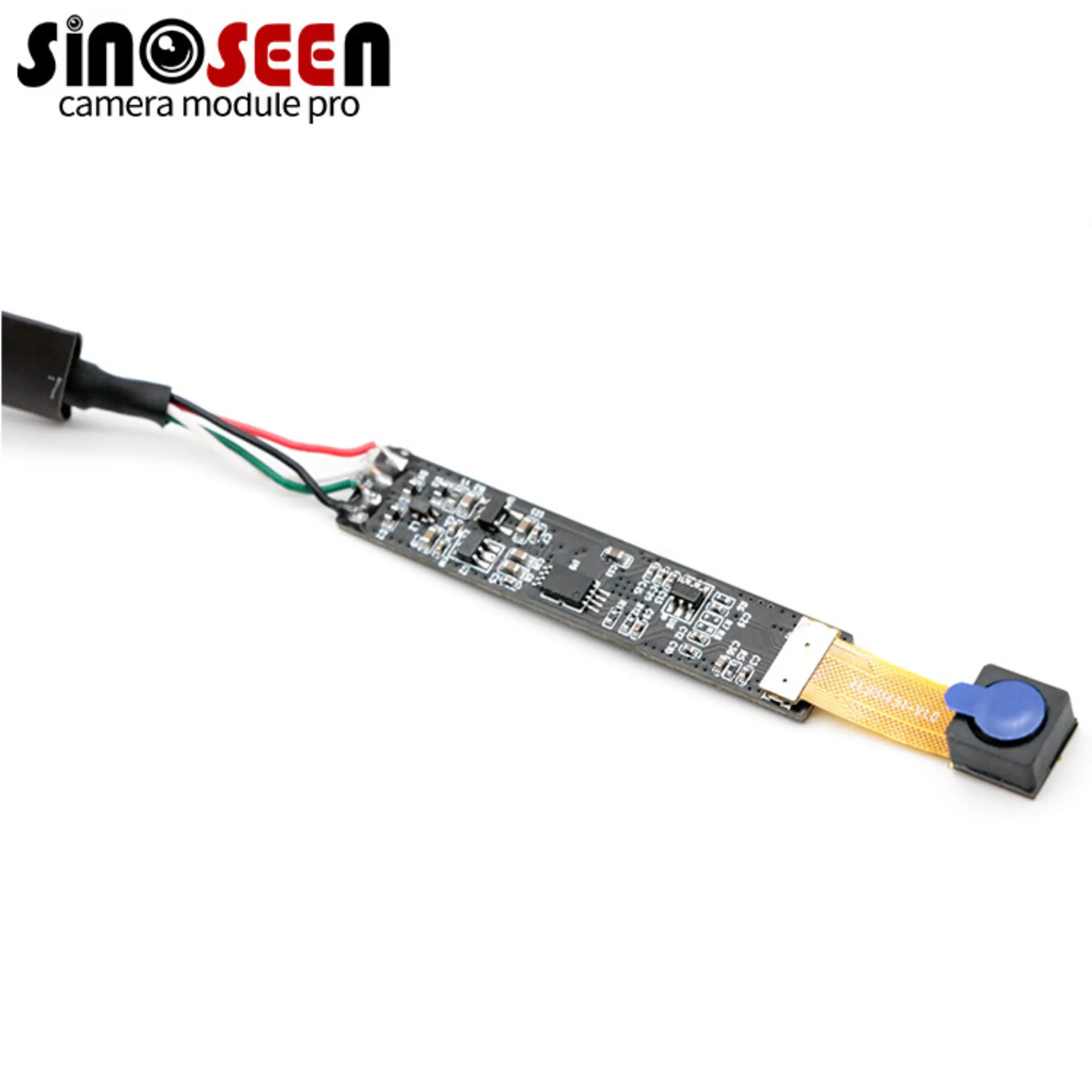
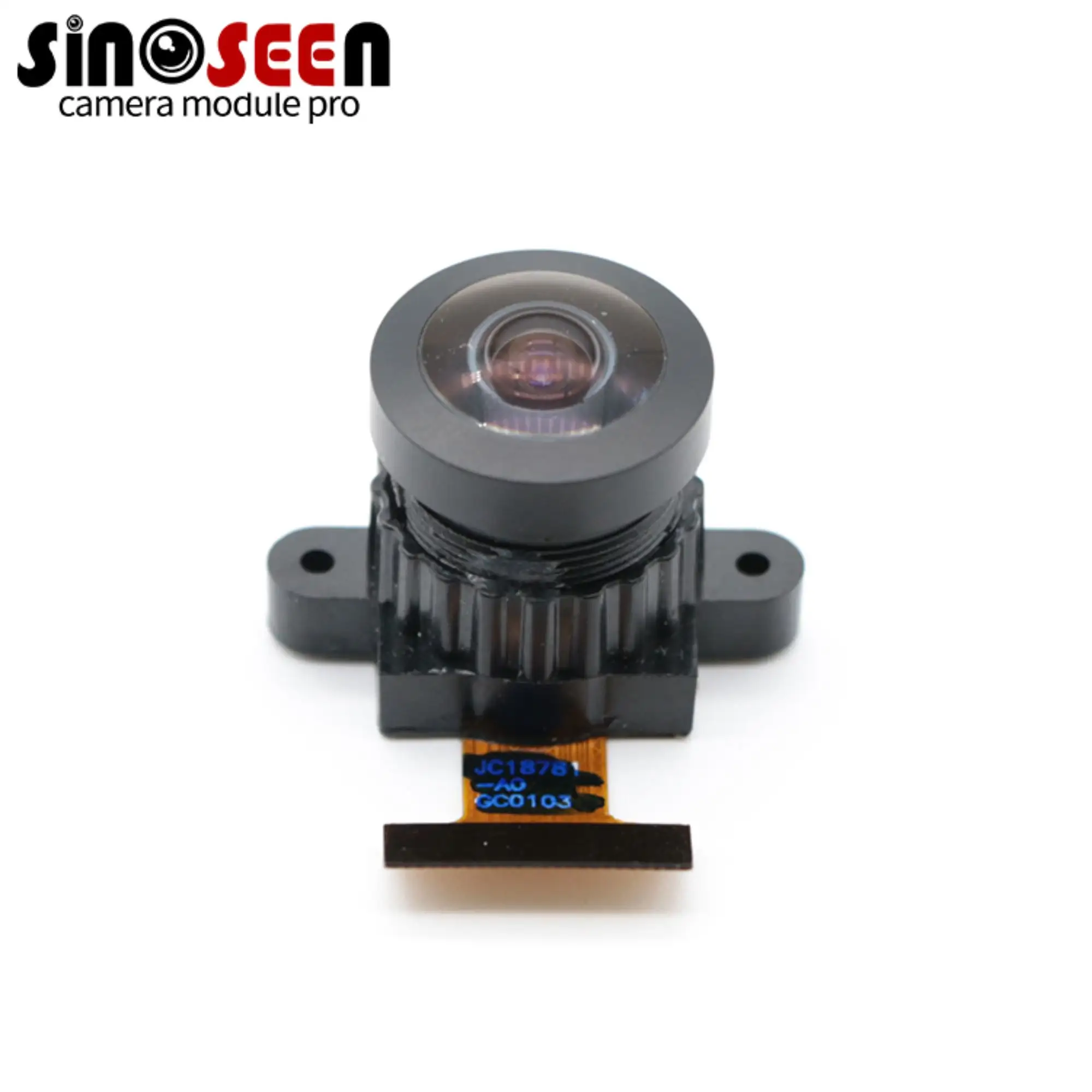
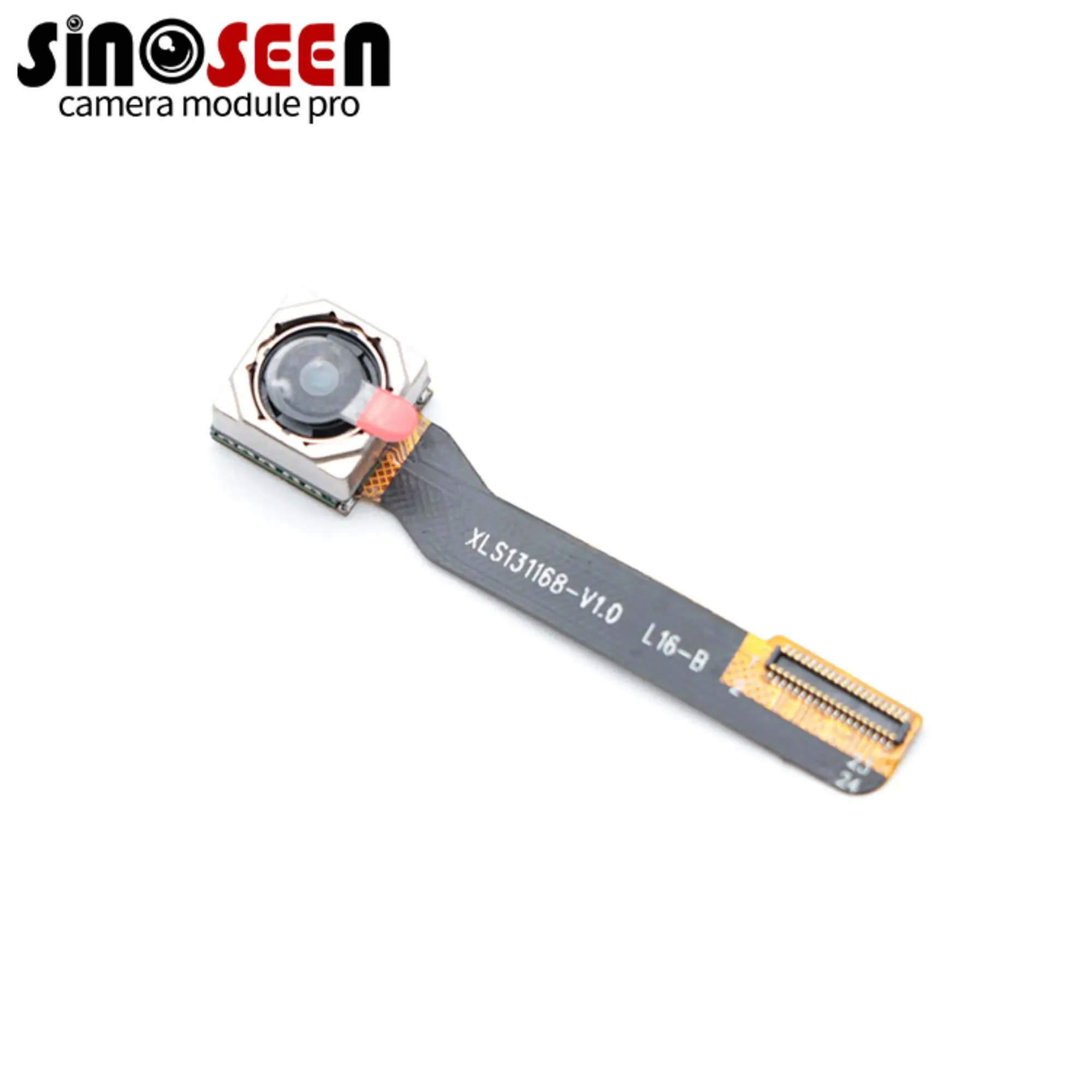
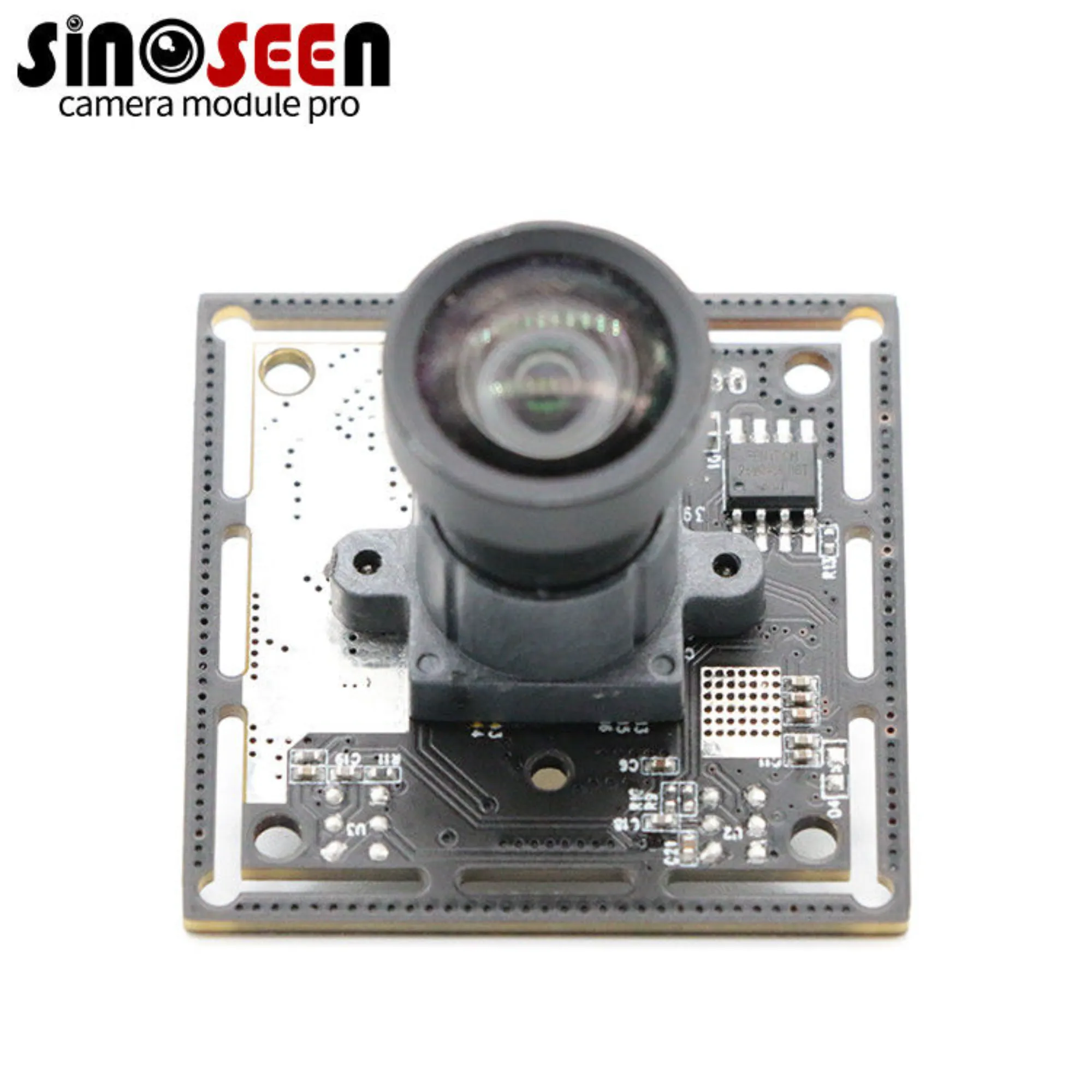
Module xử lý hình ảnh ESP32 nổi bật với khả năng giao tiếp không dây, tích hợp kết nối Wi-Fi băng tần kép hỗ trợ cả tần số 2.4GHz và 5GHz để tối ưu hiệu suất mạng và giảm nhiễu. Khả năng kết nối tiên tiến này cho phép tích hợp liền mạch với cơ sở hạ tầng mạng hiện có, đồng thời cung cấp khả năng truyền dữ liệu tốc độ cao đáng tin cậy để truyền phát hình ảnh theo thời gian thực và quản lý hệ thống từ xa. Chức năng Bluetooth Low Energy bổ sung cho khả năng Wi-Fi, cho phép ghép nối và cấu hình thiết bị cục bộ mà không cần truy cập mạng, rất cần thiết cho các kịch bản triển khai và bảo trì tại hiện trường. Kiến trúc không dây của module hỗ trợ nhiều kết nối đồng thời, cho phép truyền phát dữ liệu đồng thời đến nhiều điểm cuối khác nhau, bao gồm các ứng dụng di động, bảng điều khiển web và dịch vụ lưu trữ đám mây. Các giao thức bảo mật tiên tiến, bao gồm mã hóa WPA3 và các lớp bảo mật socket TLS/SSL, bảo vệ dữ liệu hình ảnh trong quá trình truyền tải, đảm bảo tuân thủ quyền riêng tư và ngăn chặn truy cập trái phép vào hình ảnh nhạy cảm. Khả năng tích hợp đám mây tạo điều kiện thuận lợi cho việc đồng bộ hóa tự động với các nền tảng IoT phổ biến như Amazon AWS, Microsoft Azure và Google Cloud Platform, cho phép phân tích phức tạp và xử lý học máy trong môi trường điện toán phân tán. Module xử lý hình ảnh ESP32 hỗ trợ cập nhật firmware qua mạng, cho phép bảo trì từ xa và nâng cao tính năng mà không cần truy cập vật lý vào các thiết bị đã triển khai. Khả năng này vô cùng hữu ích cho các hệ thống lắp đặt ở vùng xa hoặc các triển khai quy mô lớn, nơi việc cập nhật thủ công không khả thi hoặc tốn kém. Khả năng mạng lưới dạng lưới cho phép nhiều mô-đun tạo thành các mạng truyền thông mạnh mẽ, mở rộng vùng phủ sóng và cung cấp các đường dẫn dữ liệu dự phòng cho các ứng dụng quan trọng. Các giao thức truyền dẫn thích ứng của mô-đun tự động điều chỉnh tốc độ dữ liệu và mức độ nén dựa trên điều kiện mạng, duy trì hiệu suất tối ưu trong các kịch bản băng thông khác nhau. Các giao thức truyền phát trực tuyến thời gian thực được tối ưu hóa cho nền tảng ESP32 giảm thiểu độ trễ đồng thời tối đa hóa chất lượng hình ảnh, điều cần thiết cho các ứng dụng tương tác và hệ thống giám sát nhạy cảm về thời gian. Việc tích hợp với các nền tảng tự động hóa nhà thông minh phổ biến và hệ thống điều khiển công nghiệp trở nên dễ dàng thông qua các giao thức truyền thông tiêu chuẩn và tài liệu API toàn diện, cho phép triển khai nhanh chóng trong các môi trường ứng dụng đa dạng.

 EN
EN
 AR
AR
 DA
DA
 NL
NL
 FI
FI
 FR
FR
 DE
DE
 EL
EL
 HI
HI
 IT
IT
 JA
JA
 KO
KO
 NO
NO
 PL
PL
 PT
PT
 RO
RO
 RU
RU
 ES
ES
 SV
SV
 TL
TL
 IW
IW
 ID
ID
 SR
SR
 VI
VI
 HU
HU
 TH
TH
 TR
TR
 FA
FA
 MS
MS
 IS
IS
 AZ
AZ
 UR
UR
 BN
BN
 HA
HA
 LO
LO
 MR
MR
 MN
MN
 PA
PA
 MY
MY
 SD
SD