Innovative Camera Modules for Every Application | Sinoseen

All Categories

esp camera module

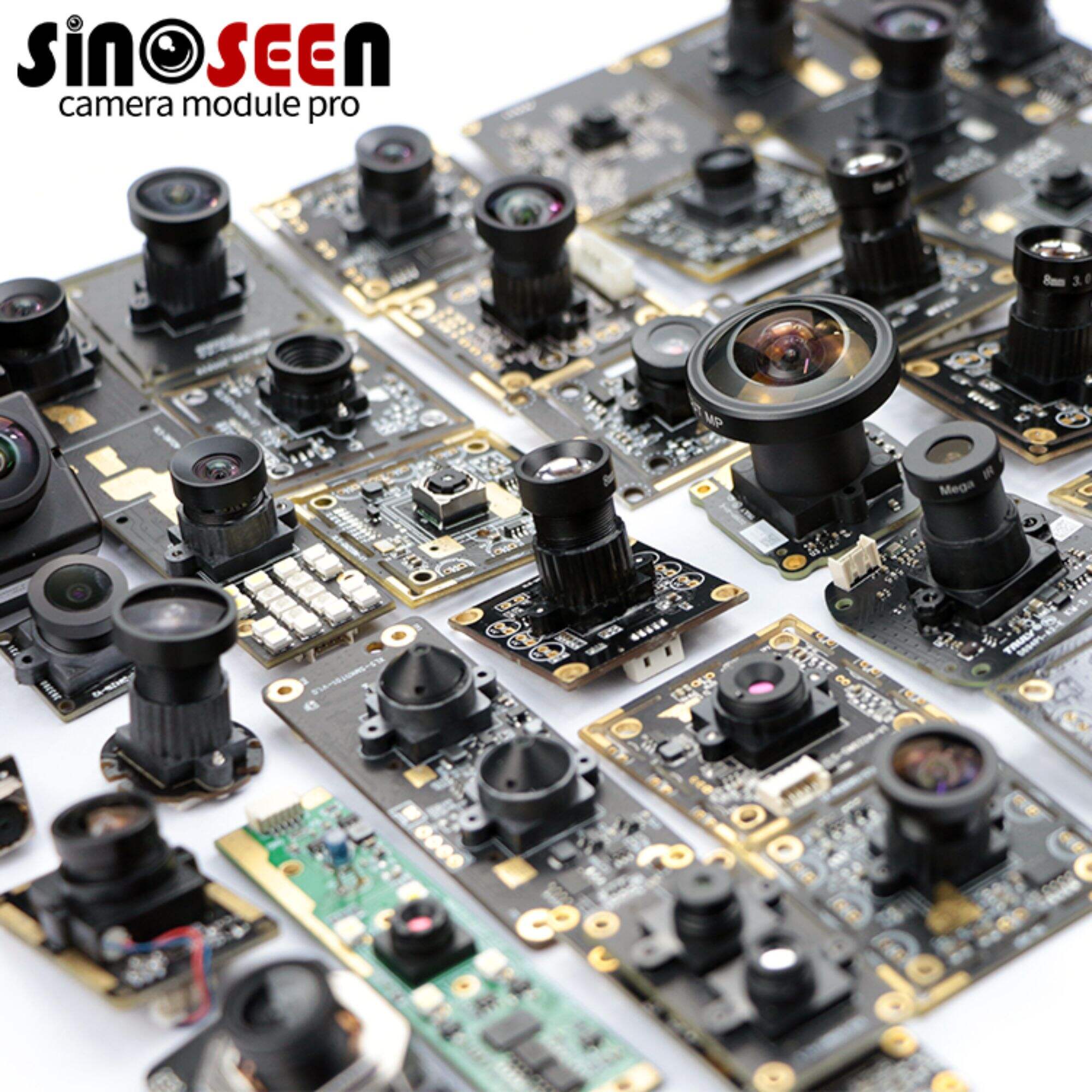
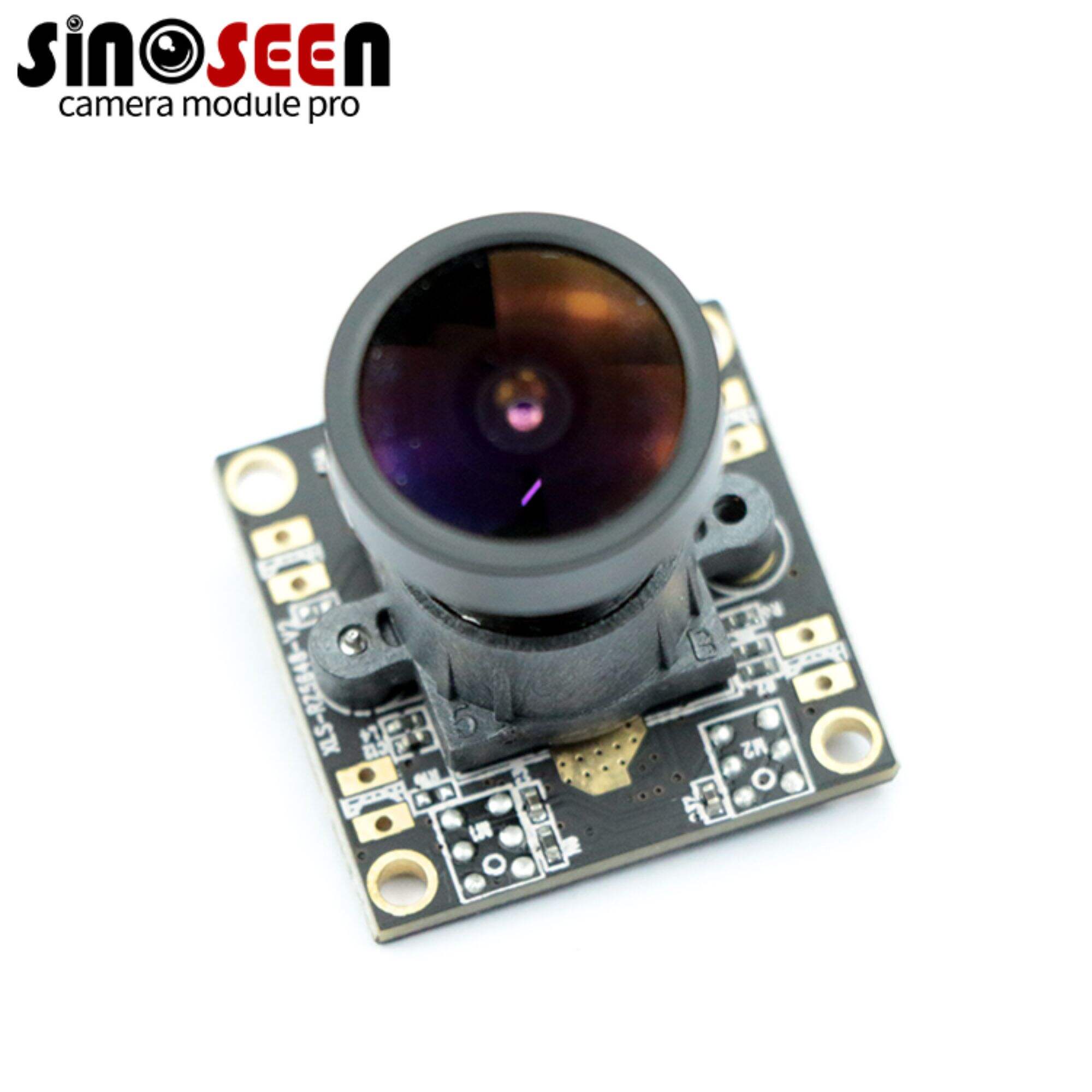
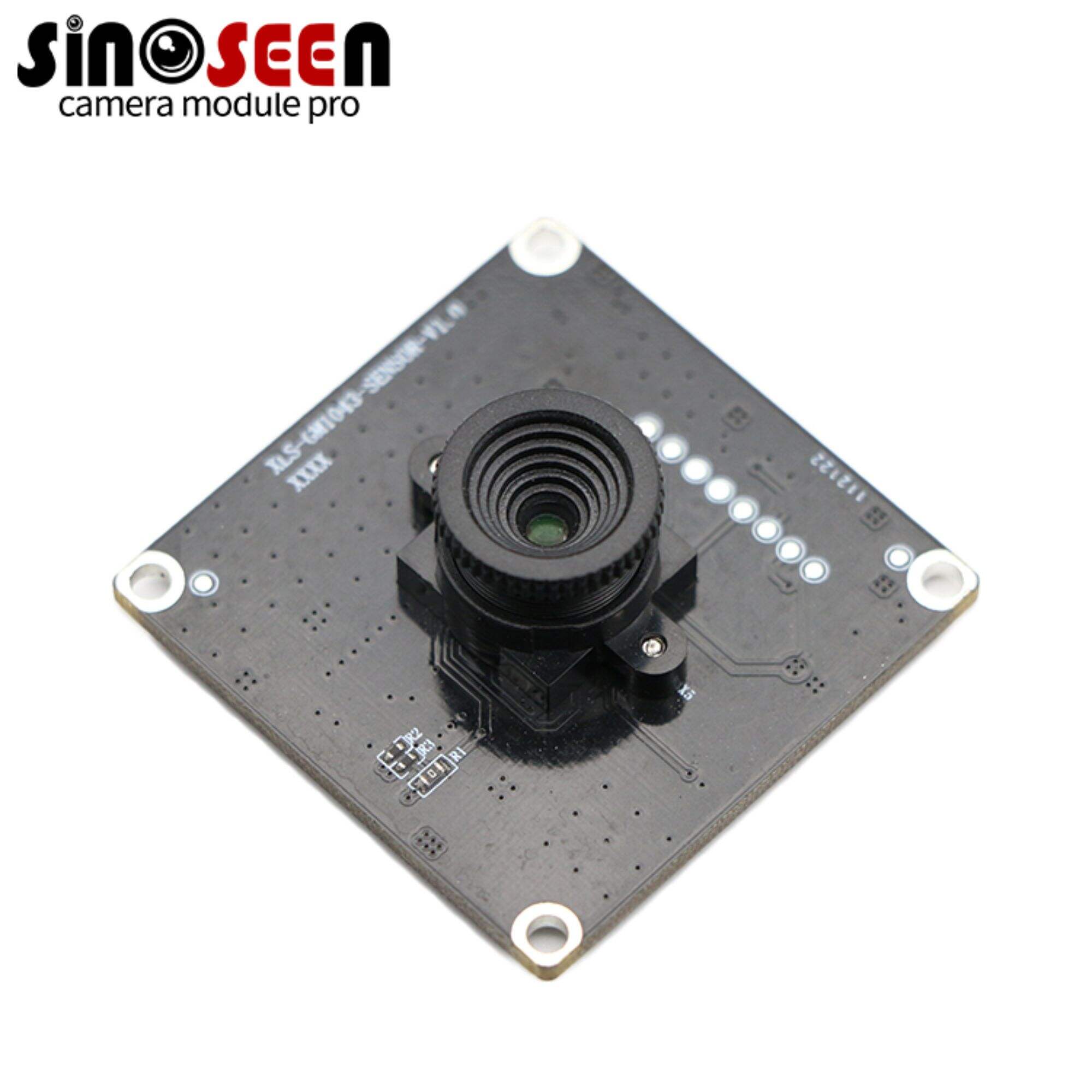
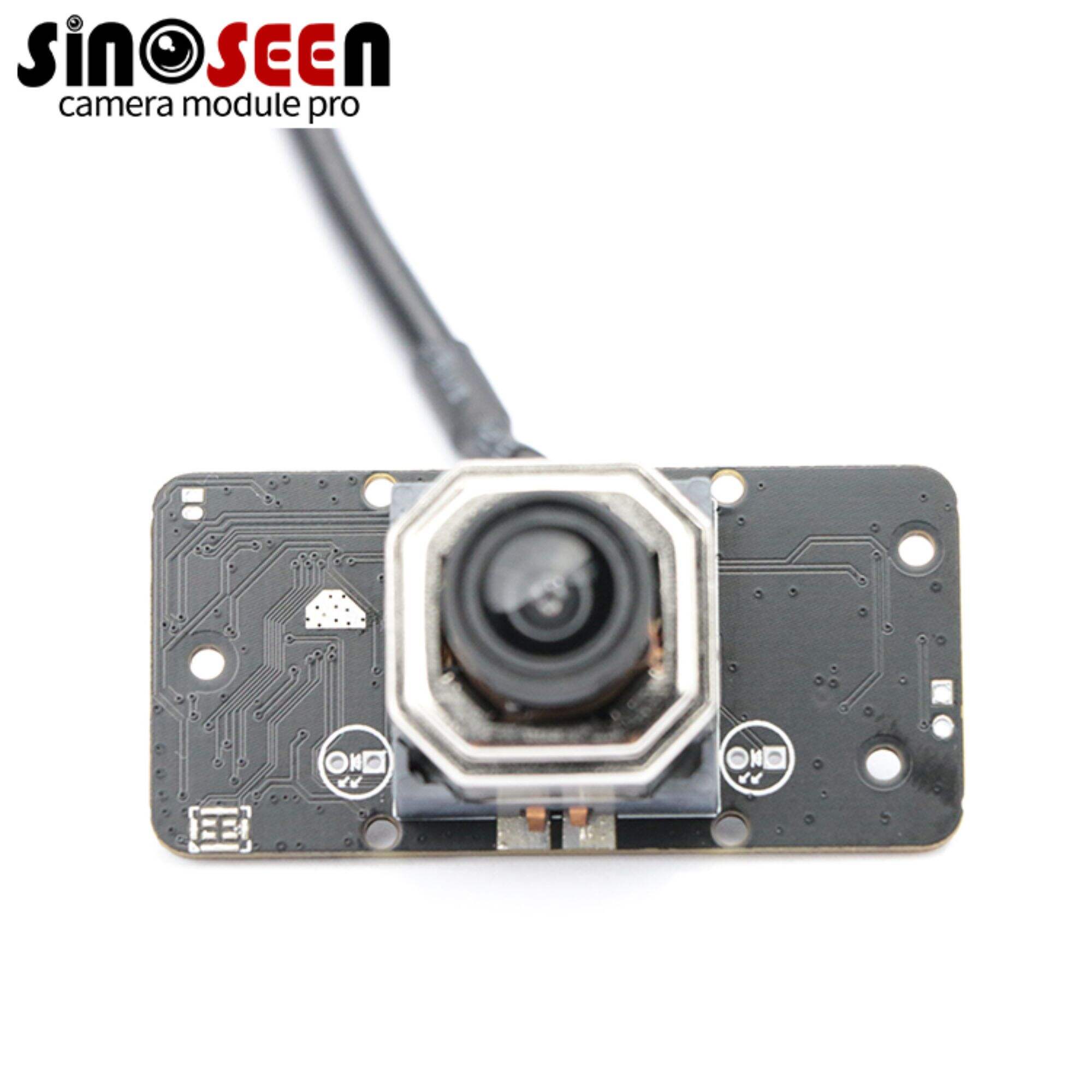
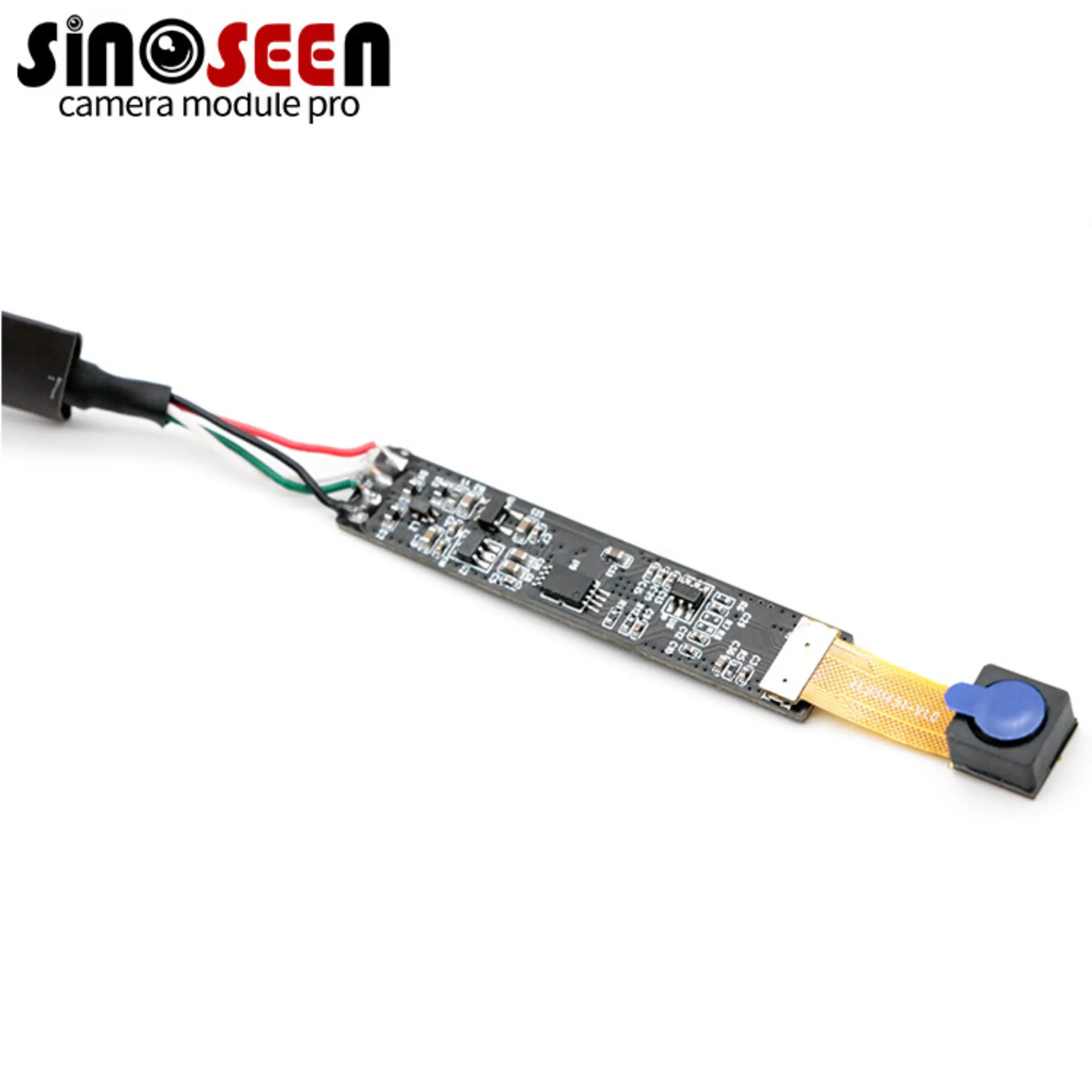
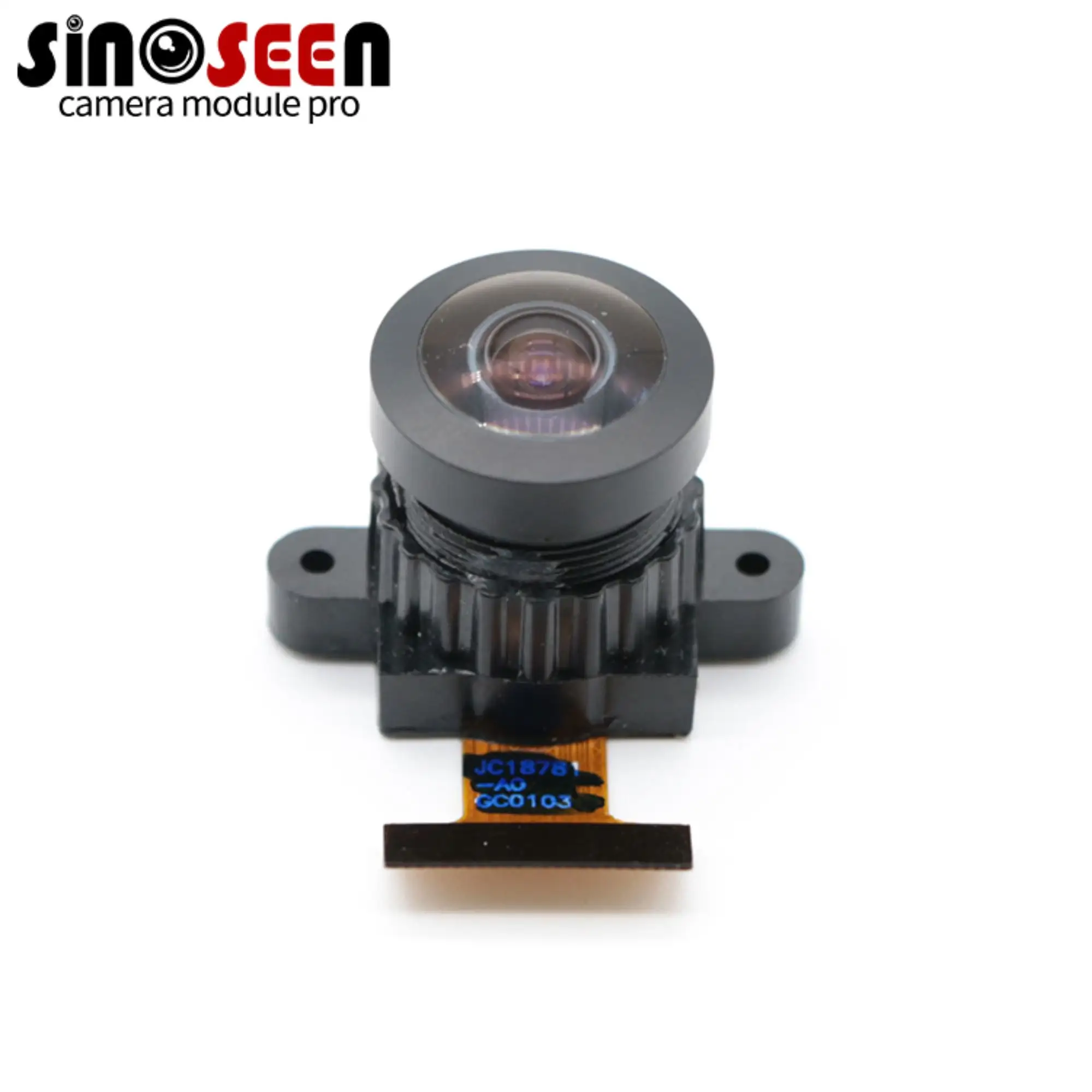
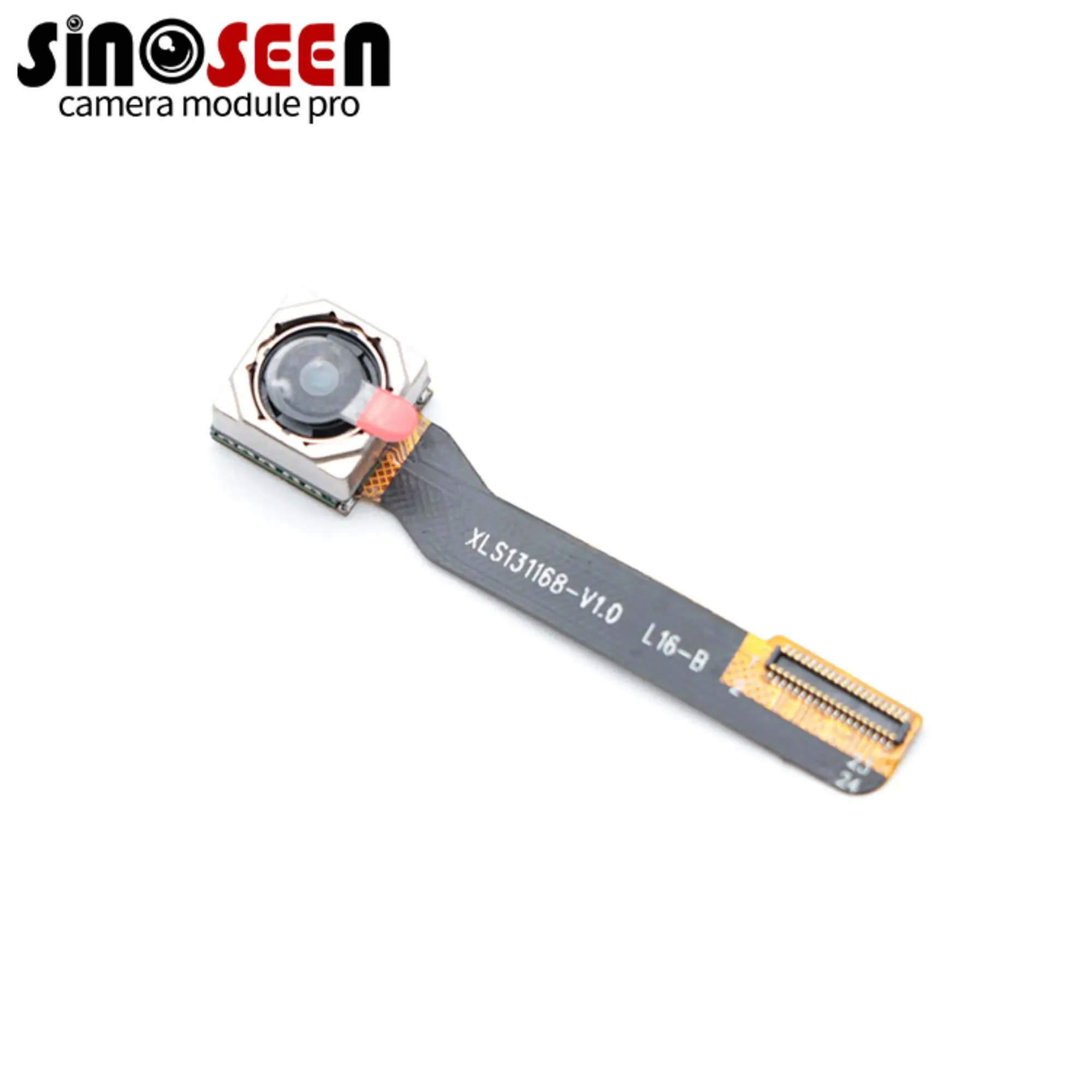
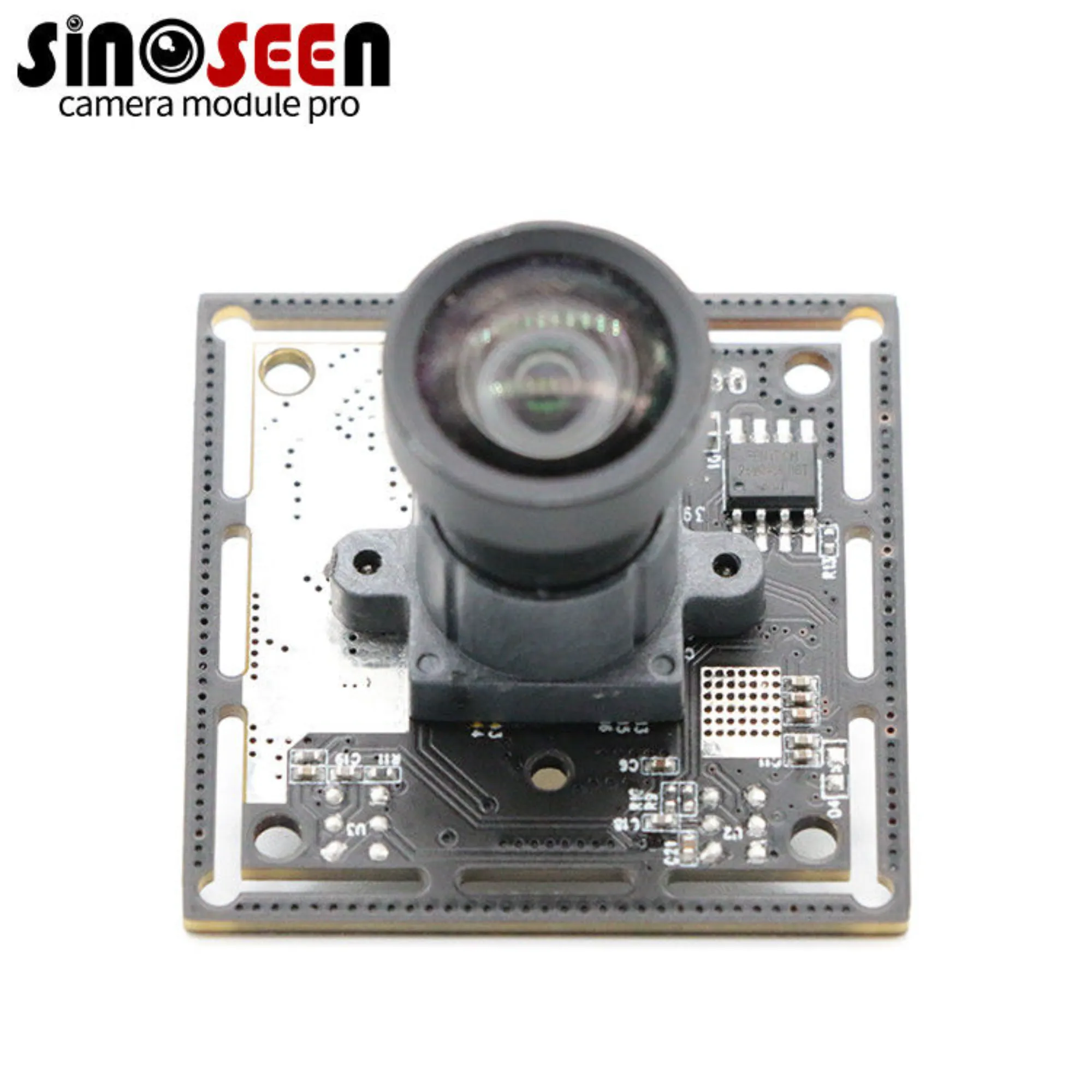
The esp camera module represents a revolutionary breakthrough in embedded vision technology, combining the powerful ESP32 microcontroller with high-quality imaging capabilities. This compact yet sophisticated device integrates seamlessly into Internet of Things projects, providing developers and engineers with an affordable solution for adding visual intelligence to their applications. The esp camera module features a built-in camera sensor capable of capturing high-resolution images and streaming video content in real-time. At its core, the module utilizes the ESP32-CAM development board, which incorporates WiFi and Bluetooth connectivity alongside robust processing power. The camera sensor typically supports various resolutions, ranging from VGA to high-definition formats, ensuring flexibility for different project requirements. The esp camera module operates on low power consumption principles, making it ideal for battery-powered applications and remote monitoring systems. Its technological architecture includes onboard flash memory for storing captured images and program code, while the integrated antenna ensures reliable wireless communication. The module supports multiple programming environments, including Arduino IDE and ESP-IDF, allowing developers to choose their preferred development platform. Advanced features of the esp camera module include motion detection capabilities, automatic exposure control, and configurable image quality settings. The device can function as both a standalone camera system and as part of larger networked installations. Applications for the esp camera module span across numerous industries and use cases. Security surveillance systems benefit from its wireless connectivity and remote access capabilities, enabling real-time monitoring without complex wiring installations. Home automation projects leverage the module for smart doorbell systems, pet monitoring, and environmental observation. Industrial applications include quality control inspection, equipment monitoring, and automated documentation processes. Educational institutions use the esp camera module for teaching computer vision concepts and IoT development. The module excels in prototype development due to its cost-effective nature and extensive community support, making it accessible for both hobbyists and professional developers seeking rapid deployment solutions.

New Product Recommendations

The esp camera module delivers exceptional value through its combination of affordability and advanced functionality, making professional-grade imaging technology accessible to developers at every level. This cost-effectiveness stems from the integration of multiple components into a single compact unit, eliminating the need for separate microcontroller, camera sensor, and connectivity modules. Users save significant development time and reduce project complexity by utilizing this all-in-one solution. The wireless connectivity built into the esp camera module provides unprecedented flexibility for deployment scenarios. Unlike traditional wired camera systems, this module can be installed in remote locations without requiring extensive cable infrastructure. The WiFi capability enables real-time image transmission to cloud servers, mobile applications, or local networks, while Bluetooth functionality allows for close-range device pairing and configuration. This wireless freedom translates to lower installation costs and greater placement options for end users. Power efficiency stands as another major advantage of the esp camera module, with intelligent sleep modes and optimized power management extending battery life significantly. The module can operate for months on a single battery charge when configured for periodic image capture, making it perfect for wildlife monitoring, remote sensing, and temporary surveillance applications. Users benefit from reduced maintenance requirements and lower operational costs compared to traditional power-hungry camera systems. The extensive software ecosystem surrounding the esp camera module accelerates development cycles and reduces time-to-market for commercial applications. Pre-built libraries and code examples enable rapid prototyping, while comprehensive documentation ensures smooth integration processes. The active community provides continuous support and innovative solutions, giving users access to collective knowledge and troubleshooting assistance. Scalability represents a crucial advantage for businesses planning to deploy multiple units. The esp camera module supports over-the-air updates, allowing for remote firmware upgrades and feature enhancements without physical access to devices. This capability reduces long-term maintenance costs and enables continuous improvement of deployed systems. The standardized programming interfaces ensure compatibility across different versions, protecting development investments and simplifying inventory management for commercial deployments.

Tips And Tricks

Why Choose a High-Performance Embedded Camera Module for AI Applications?

02

Mar

Why Choose a High-Performance Embedded Camera Module for AI Applications?

Artificial intelligence applications demand precision, speed, and reliability in their visual data acquisition systems. An embedded camera module serves as the critical foundation for AI-powered devices, from autonomous vehicles to smart manufacturin...
View More
 How to Select the Right AI Camera Module for Facial Recognition Systems?

02

Mar

How to Select the Right AI Camera Module for Facial Recognition Systems?

Selecting the appropriate AI camera module for facial recognition systems represents a critical decision that directly impacts system performance, accuracy, and overall operational efficiency. Modern facial recognition applications demand sophisticat...
View More
How to Integrate a Small Camera Module into Compact Medical Devices?

02

Mar

How to Integrate a Small Camera Module into Compact Medical Devices?

Medical device miniaturization continues to revolutionize healthcare, enabling less invasive procedures and improved patient outcomes. When designing compact medical equipment, integrating a small camera module requires careful consideration of space...
View More
Why do Robotics Manufacturers Prefer High-Speed AI Camera Modules?

02

Mar

Why do Robotics Manufacturers Prefer High-Speed AI Camera Modules?

The robotics industry has experienced unprecedented growth in recent years, with manufacturers increasingly demanding sophisticated vision systems that can process visual data at lightning speed. High-speed AI camera modules have emerged as the corne...
View More

Get In Touch

esp camera module

Advanced Wireless Integration and Connectivity Excellence

Advanced Wireless Integration and Connectivity Excellence

The esp camera module sets itself apart through its sophisticated wireless integration capabilities that combine dual-band WiFi connectivity with Bluetooth functionality in a single, compact package. This advanced connectivity suite enables seamless integration into existing network infrastructures while providing multiple communication pathways for different operational scenarios. The WiFi implementation supports both 2.4GHz frequency bands with robust signal strength and extended range capabilities, ensuring reliable data transmission even in challenging environments. The module automatically handles network authentication protocols, including WPA2 security standards, providing enterprise-grade security for sensitive imaging applications. Users benefit from the plug-and-play network integration that requires minimal configuration while maintaining professional-level security standards. The Bluetooth Low Energy functionality complements the WiFi capabilities by enabling efficient device pairing and local configuration management. This dual-connectivity approach allows the esp camera module to maintain constant network connection for data transmission while simultaneously supporting local device management through mobile applications. The intelligent connectivity management automatically switches between communication modes based on signal strength and power consumption requirements, optimizing performance for each specific use case. Remote access capabilities through the wireless connection enable users to monitor and control their esp camera module from anywhere in the world through internet connectivity. This global accessibility transforms traditional surveillance and monitoring applications by eliminating geographical limitations and enabling real-time response to detected events. The module supports secure remote firmware updates and configuration changes, ensuring long-term functionality and security without requiring physical access to installed devices. Cloud integration features allow automatic backup and storage of captured images and video content, providing users with reliable data preservation and easy access across multiple devices and platforms.
Exceptional Image Quality and Processing Power

Exceptional Image Quality and Processing Power

The esp camera module delivers professional-grade image quality through its advanced sensor technology and intelligent processing algorithms that rival much more expensive imaging solutions. The integrated camera sensor captures crisp, detailed images with excellent color reproduction and dynamic range, ensuring that critical details are preserved even in challenging lighting conditions. The module supports multiple resolution settings, from efficient low-resolution modes for continuous monitoring to high-definition capture for detailed documentation, giving users complete control over image quality versus storage requirements. Advanced automatic exposure control continuously adjusts camera settings based on ambient lighting conditions, eliminating the need for manual configuration while ensuring optimal image quality throughout varying environmental conditions. The esp camera module incorporates sophisticated image processing capabilities that enhance captured content in real-time. Built-in noise reduction algorithms minimize grain and artifacts, particularly in low-light situations, while automatic white balance correction ensures accurate color representation across different lighting environments. These processing enhancements occur within the module itself, reducing the computational load on external systems and enabling immediate image optimization without requiring additional hardware or software components. The powerful ESP32 processor handles complex computer vision tasks directly on the device, including motion detection, face recognition, and object tracking capabilities. This edge processing approach reduces network bandwidth requirements while improving response times for time-critical applications. Users benefit from immediate threat detection and alert generation without relying on cloud-based processing services, ensuring consistent performance regardless of internet connectivity status. Video streaming capabilities of the esp camera module support real-time transmission with adjustable frame rates and compression settings, allowing users to balance image quality with bandwidth limitations. The module can simultaneously capture high-resolution still images while maintaining continuous video streams, providing comprehensive coverage for security and monitoring applications. This dual-mode operation ensures that users never miss critical moments while maintaining detailed documentation of important events.
Unmatched Versatility and Easy Integration

Unmatched Versatility and Easy Integration

The esp camera module excels in versatility through its comprehensive compatibility with multiple development environments and programming languages, making it accessible to developers with varying technical backgrounds and project requirements. The module seamlessly integrates with popular platforms including Arduino IDE, PlatformIO, and ESP-IDF, allowing developers to choose their preferred development environment without compromising functionality or performance. This flexibility extends to programming languages, with support for C++, Python, and JavaScript implementations, enabling rapid development regardless of team expertise. The standardized GPIO interface provides extensive expansion possibilities, allowing users to connect additional sensors, actuators, and display modules to create comprehensive IoT solutions. The esp camera module serves as a central hub for complex projects that require visual input combined with environmental monitoring, user interaction, or automated control systems. Pre-built mounting options and compact form factor enable integration into existing enclosures and systems without requiring custom mechanical design, reducing development costs and accelerating deployment timelines. Educational applications benefit enormously from the esp camera module's approachable learning curve and extensive documentation resources. Students and educators can explore computer vision concepts, IoT development, and embedded programming through hands-on projects that produce tangible, impressive results. The module's affordability makes it feasible for educational institutions to provide individual units for each student, enabling personal experimentation and learning without budget constraints. Commercial deployment scenarios demonstrate the esp camera module's professional reliability and scalability potential. The module supports enterprise-level features including secure authentication, encrypted data transmission, and centralized device management, making it suitable for production environments with strict security and reliability requirements. Mass deployment capabilities include automated provisioning, remote configuration management, and coordinated firmware updates across multiple devices, simplifying large-scale installations and reducing ongoing maintenance overhead for system administrators and technical teams.

Related Search

Get in touch