Nền tảng phát triển toàn diện và khả năng tích hợp linh hoạt
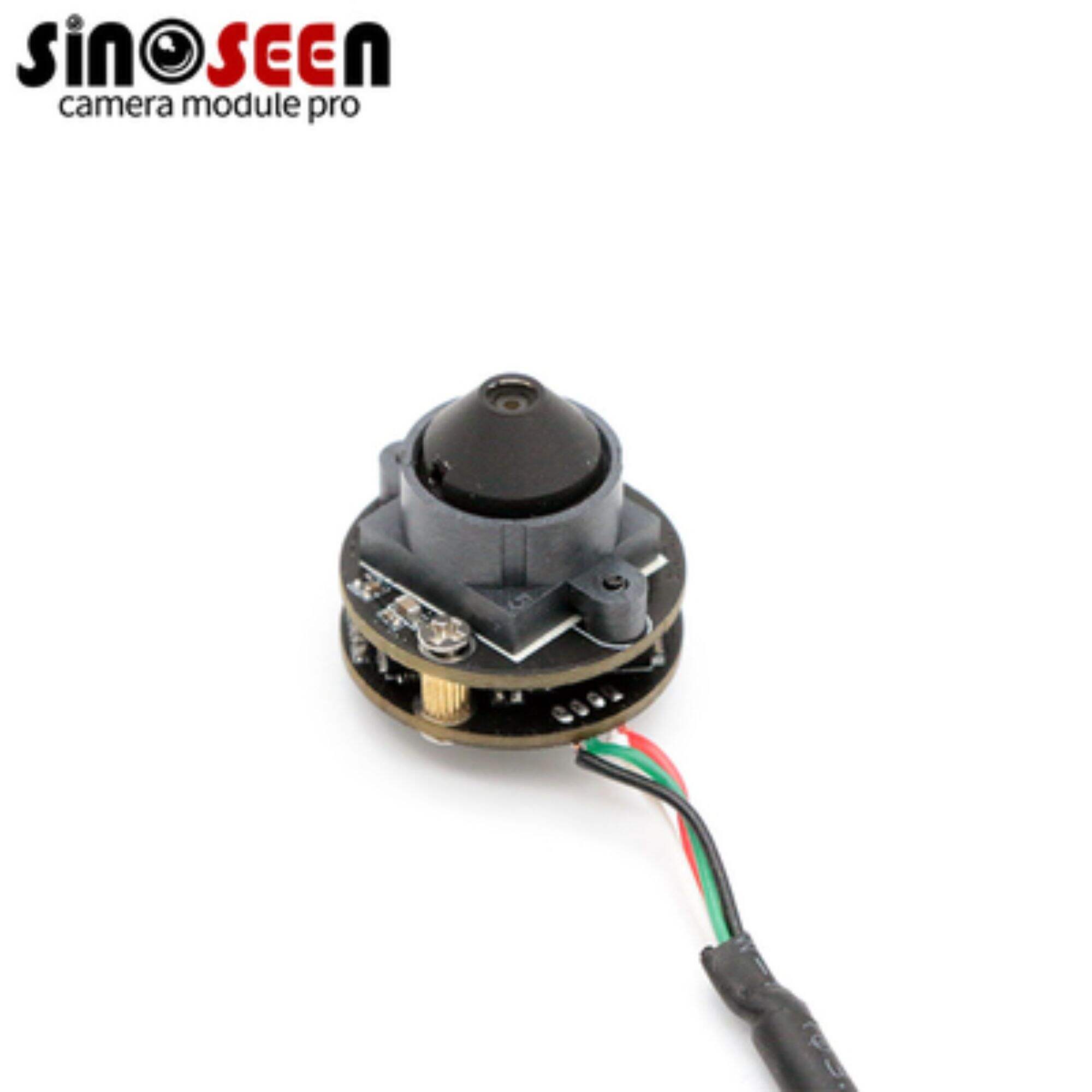
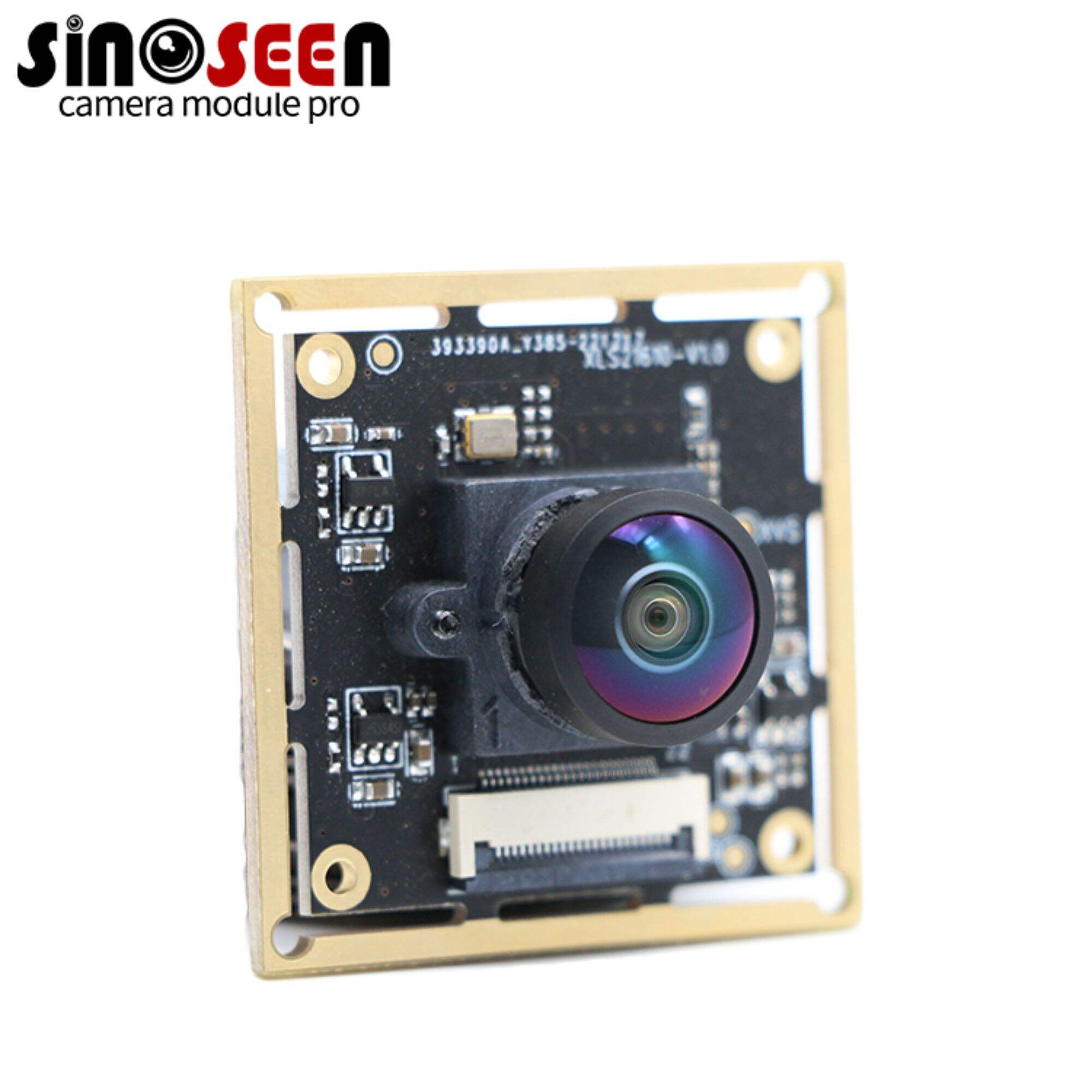
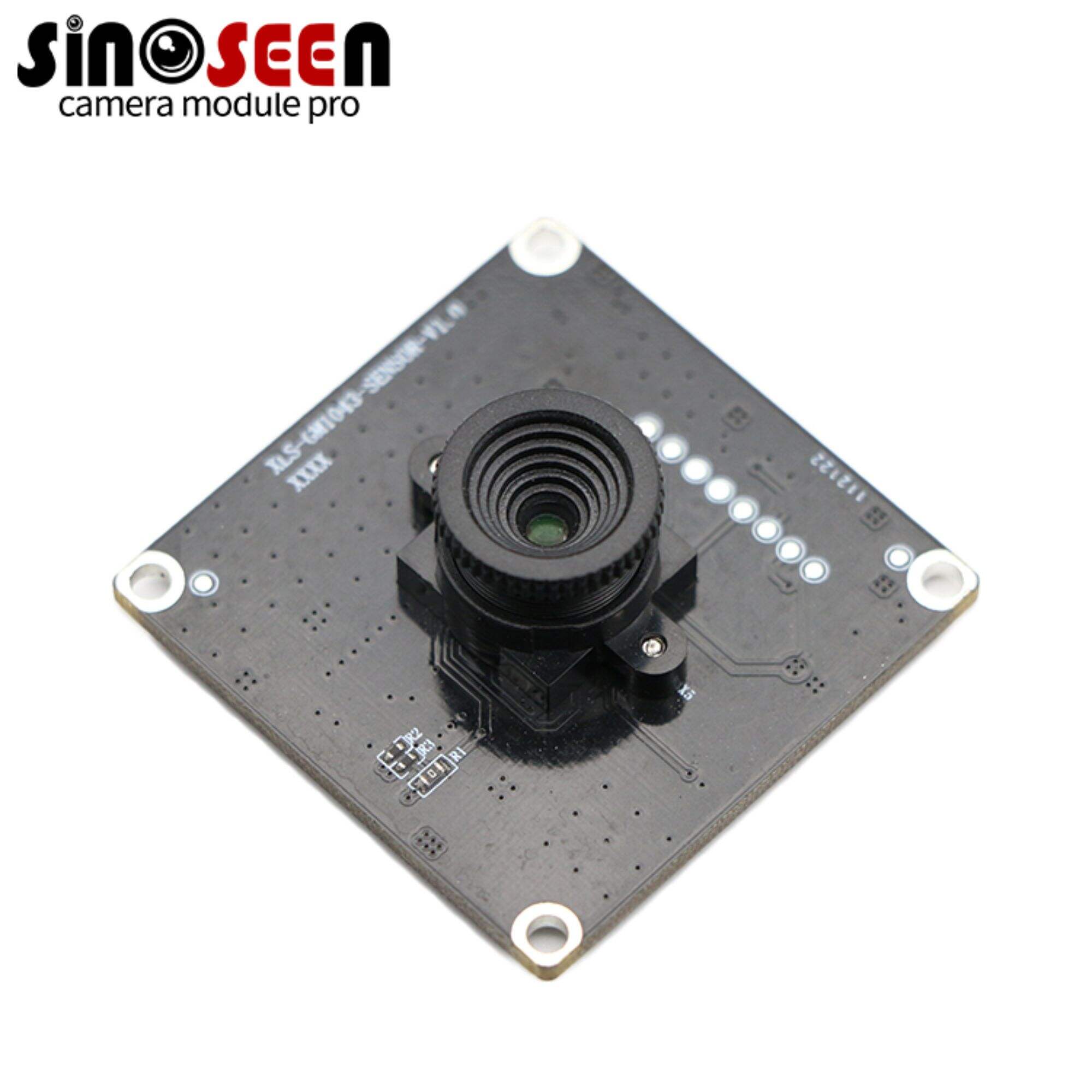
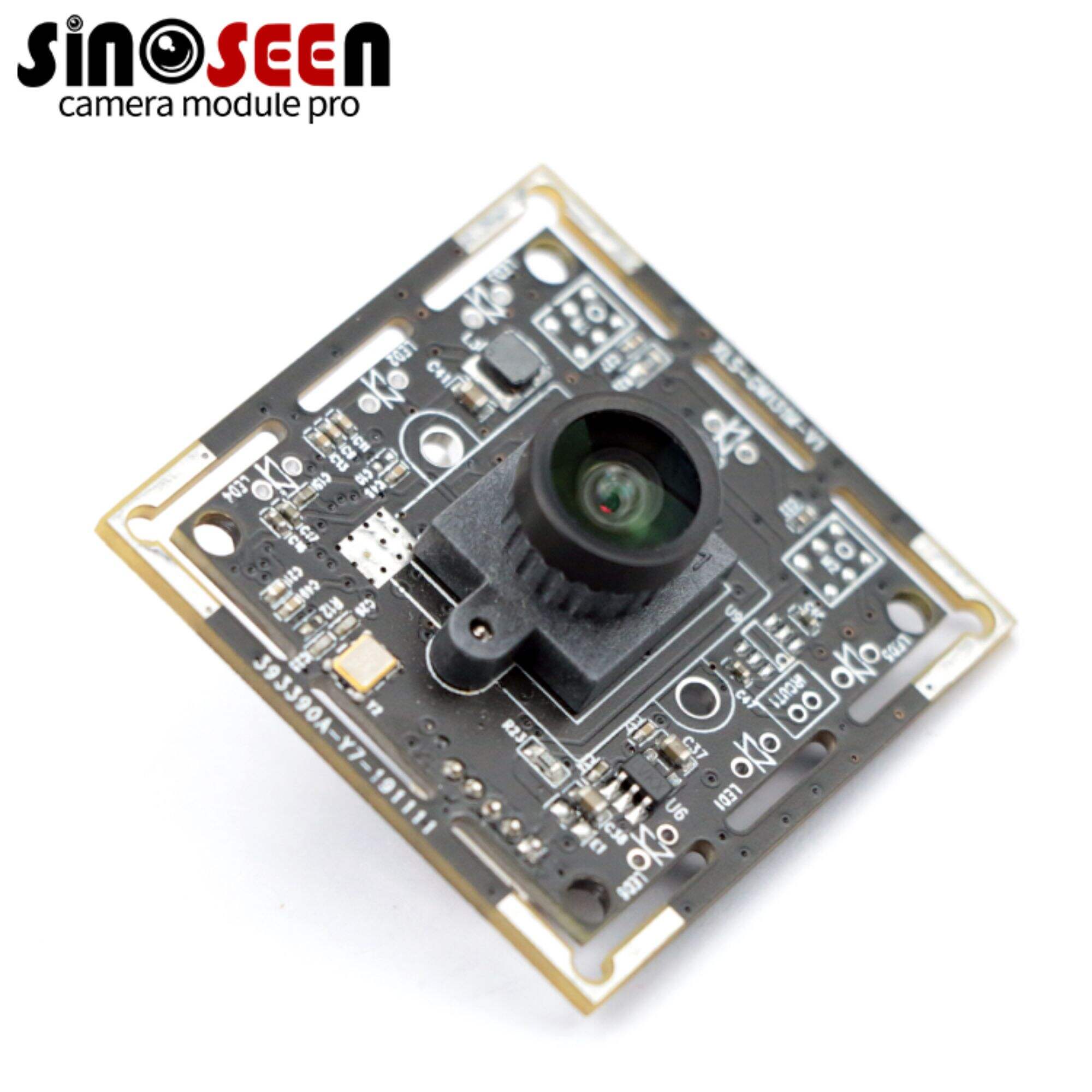
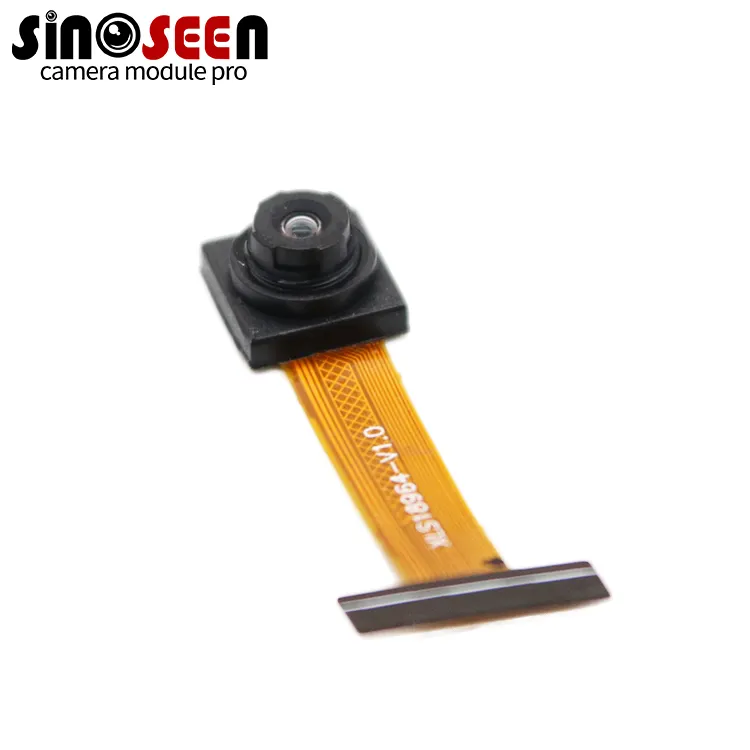
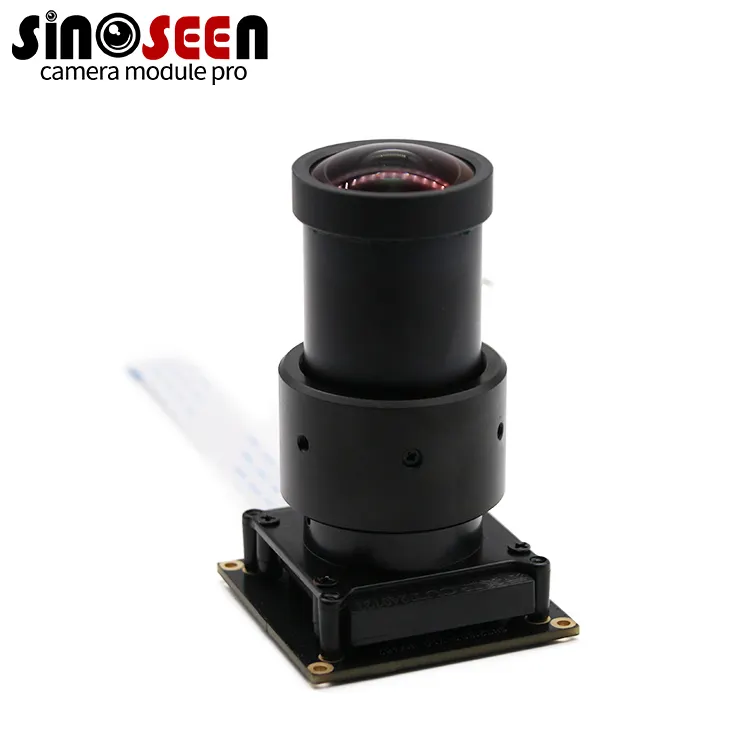
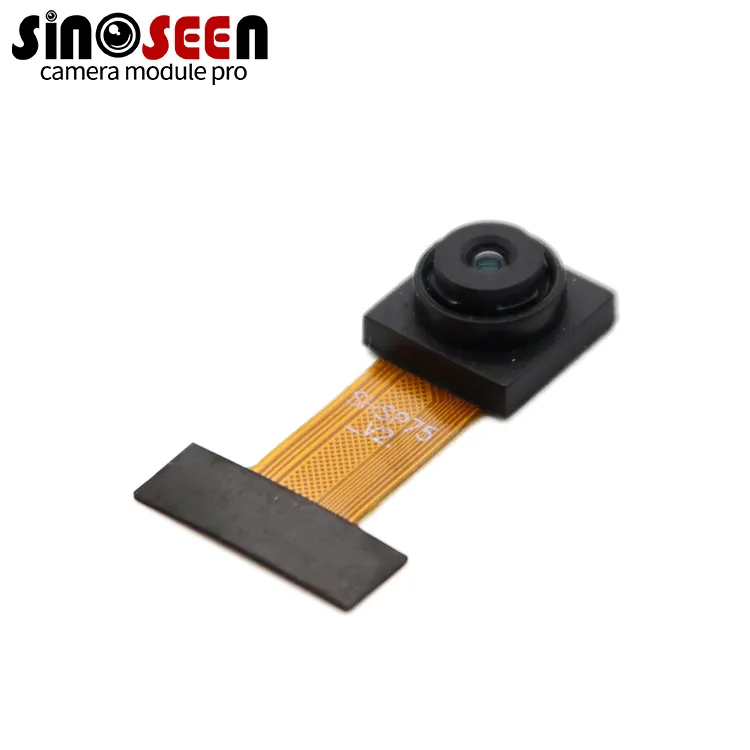
Mô-đun camera WiFi ESP32 hoạt động như một nền tảng phát triển hoàn chỉnh, trao quyền cho kỹ sư, người đam mê và chuyên gia tạo ra các ứng dụng xử lý hình ảnh tinh vi với mức độ dễ dàng và linh hoạt chưa từng có. Cách tiếp cận toàn diện này kết hợp khả năng phần cứng mạnh mẽ cùng hỗ trợ phần mềm rộng rãi, tạo nên một hệ sinh thái thúc đẩy nhanh quá trình phát triển dự án và rút ngắn thời gian đưa sản phẩm ra thị trường đối với các ứng dụng thương mại. Mô-đun hỗ trợ nhiều môi trường lập trình, bao gồm IDE Arduino phổ biến dành cho người mới bắt đầu, ESP-IDF dành cho phát triển nâng cao và MicroPython dành cho chế tạo mẫu nhanh, đảm bảo khả năng tiếp cận ở mọi trình độ kỹ năng và sở thích phát triển khác nhau. Số lượng chân GPIO dồi dào cho phép kết nối với nhiều cảm biến, cơ cấu chấp hành và thiết bị ngoại vi, biến mô-đun camera WiFi ESP32 thành trung tâm điều khiển cho các hệ thống IoT phức tạp. Người dùng có thể tích hợp cảm biến nhiệt độ, bộ phát hiện chuyển động, đèn LED báo hiệu, động cơ servo và vô số thành phần khác để xây dựng các thiết bị đa chức năng, vượt xa khả năng chụp ảnh cơ bản. Kiến trúc lõi kép của mô-đun cung cấp đủ sức mạnh xử lý để thực hiện đồng thời các tác vụ camera, truyền thông không dây, xử lý dữ liệu cảm biến và quản lý giao diện người dùng mà không làm giảm hiệu năng. Các công cụ và thư viện phát triển mã nguồn mở đẩy nhanh quá trình phát triển ứng dụng bằng cách cung cấp các mô-đun mã đã được kiểm thử sẵn cho các chức năng phổ biến như tạo máy chủ web, quản lý hệ thống tập tin và các giao thức truyền thông mạng. Mô-đun camera WiFi ESP32 hỗ trợ cập nhật firmware từ xa (OTA), cho phép bảo trì phần mềm và bổ sung tính năng từ xa mà không cần truy cập vật lý vào các thiết bị đã triển khai. Khả năng này đặc biệt quý giá trong các triển khai quy mô lớn, nơi việc cập nhật thủ công sẽ tốn kém và mất nhiều thời gian một cách không thể chấp nhận được. Việc tích hợp với các nền tảng điện toán đám mây phổ biến như Amazon AWS, Google Cloud và Microsoft Azure cho phép lưu trữ dữ liệu quy mô lớn, phân tích nâng cao và khả năng học máy — từ đó biến các mô-đun camera cơ bản thành các hệ thống giám sát thông minh. Tính tương thích của mô-đun với giao thức MQTT giúp dễ dàng tích hợp vào các hệ thống tự động hóa gia đình, mạng giám sát công nghiệp và các nền tảng IoT, tạo ra kết nối liền mạch với hạ tầng hiện có. Tài liệu hướng dẫn chi tiết, tài nguyên hướng dẫn thực hành và sự hỗ trợ tích cực từ cộng đồng đảm bảo rằng các nhà phát triển có thể nhanh chóng khắc phục các thách thức kỹ thuật và triển khai các tính năng tinh vi mà không cần đầu tư nhiều thời gian và chi phí cho nghiên cứu & phát triển.

 EN
EN
 AR
AR
 DA
DA
 NL
NL
 FI
FI
 FR
FR
 DE
DE
 EL
EL
 HI
HI
 IT
IT
 JA
JA
 KO
KO
 NO
NO
 PL
PL
 PT
PT
 RO
RO
 RU
RU
 ES
ES
 SV
SV
 TL
TL
 IW
IW
 ID
ID
 SR
SR
 VI
VI
 HU
HU
 TH
TH
 TR
TR
 FA
FA
 MS
MS
 IS
IS
 AZ
AZ
 UR
UR
 BN
BN
 HA
HA
 LO
LO
 MR
MR
 MN
MN
 PA
PA
 MY
MY
 SD
SD