Innovative Camera Modules for Every Application | Sinoseen

All Categories

oem small camera module

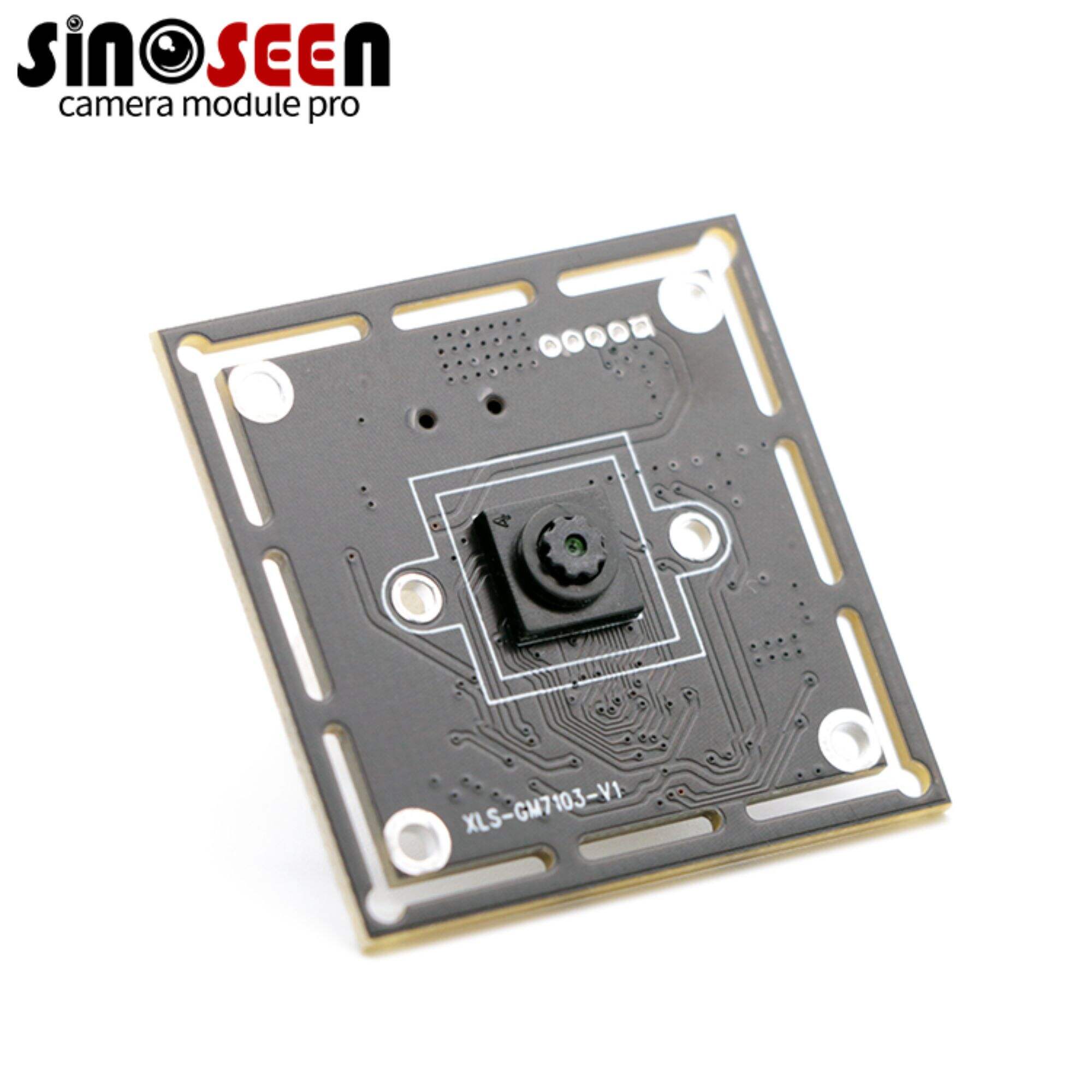
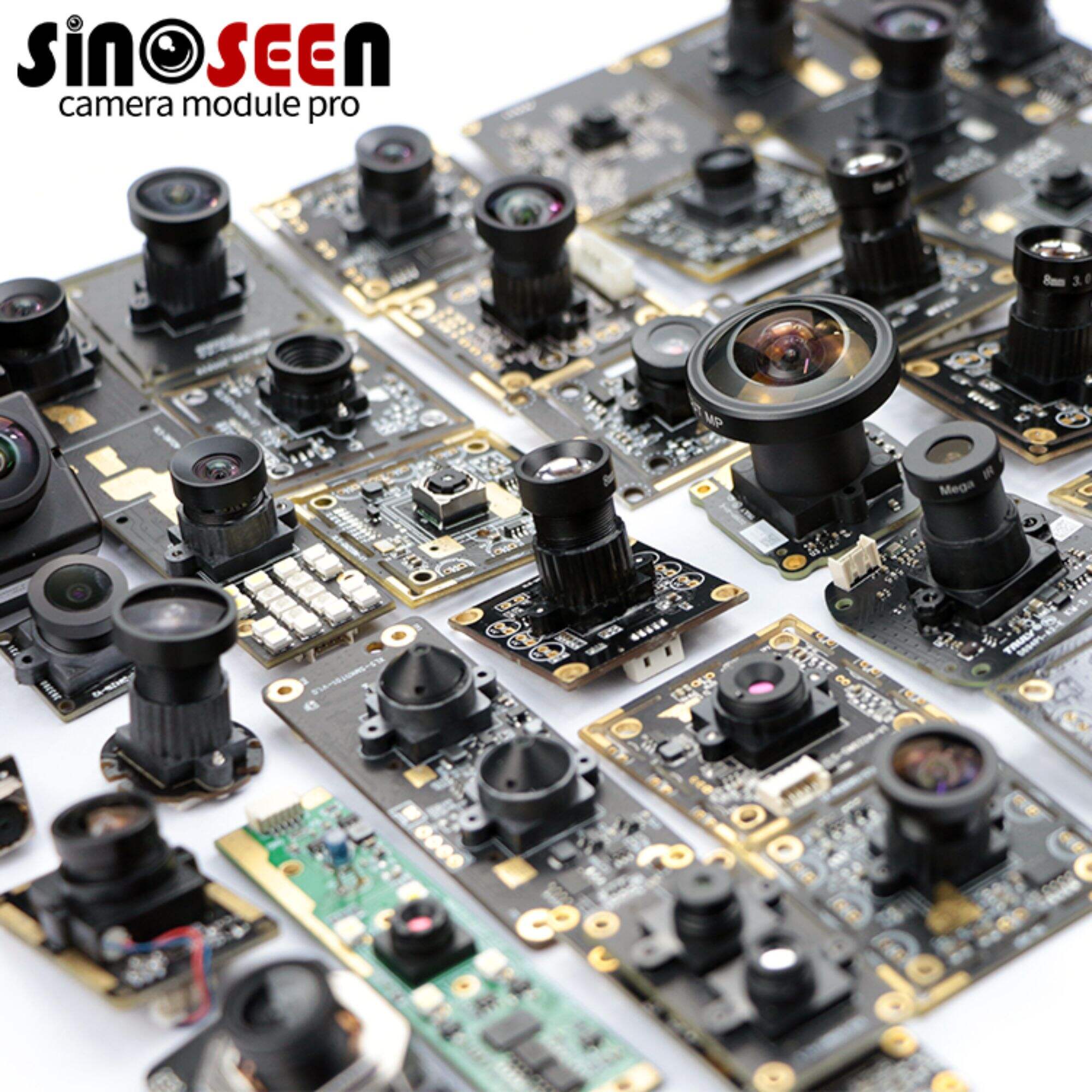
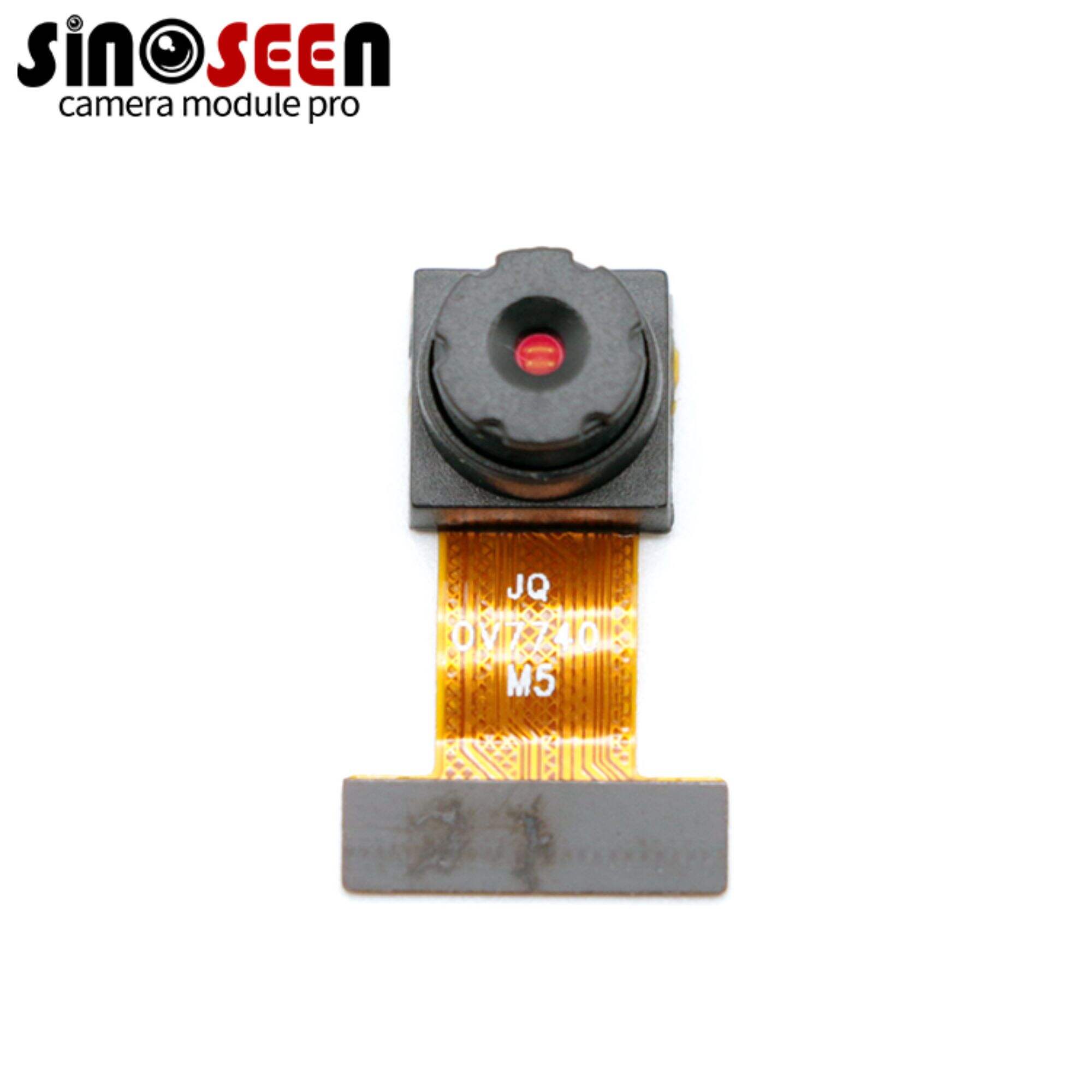
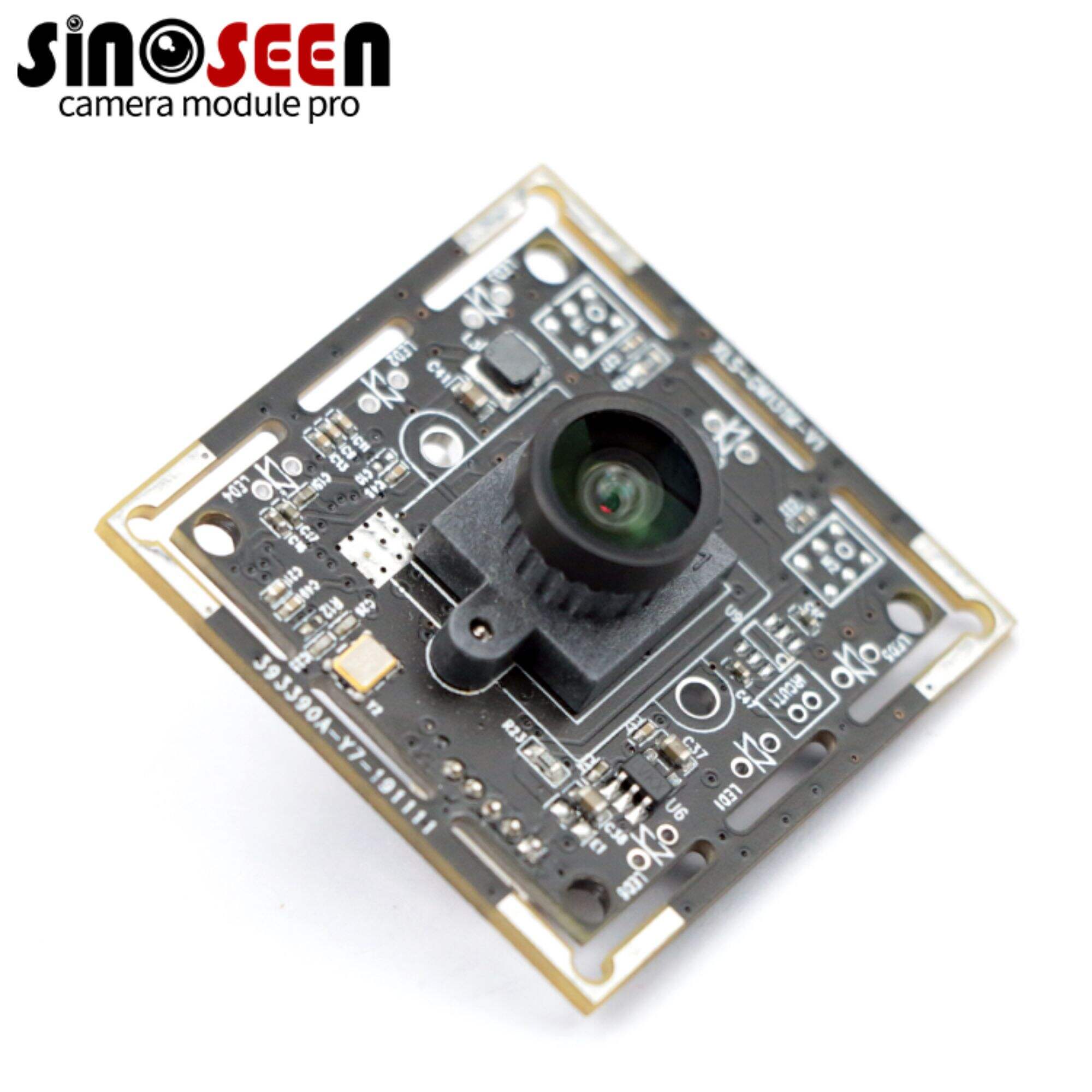
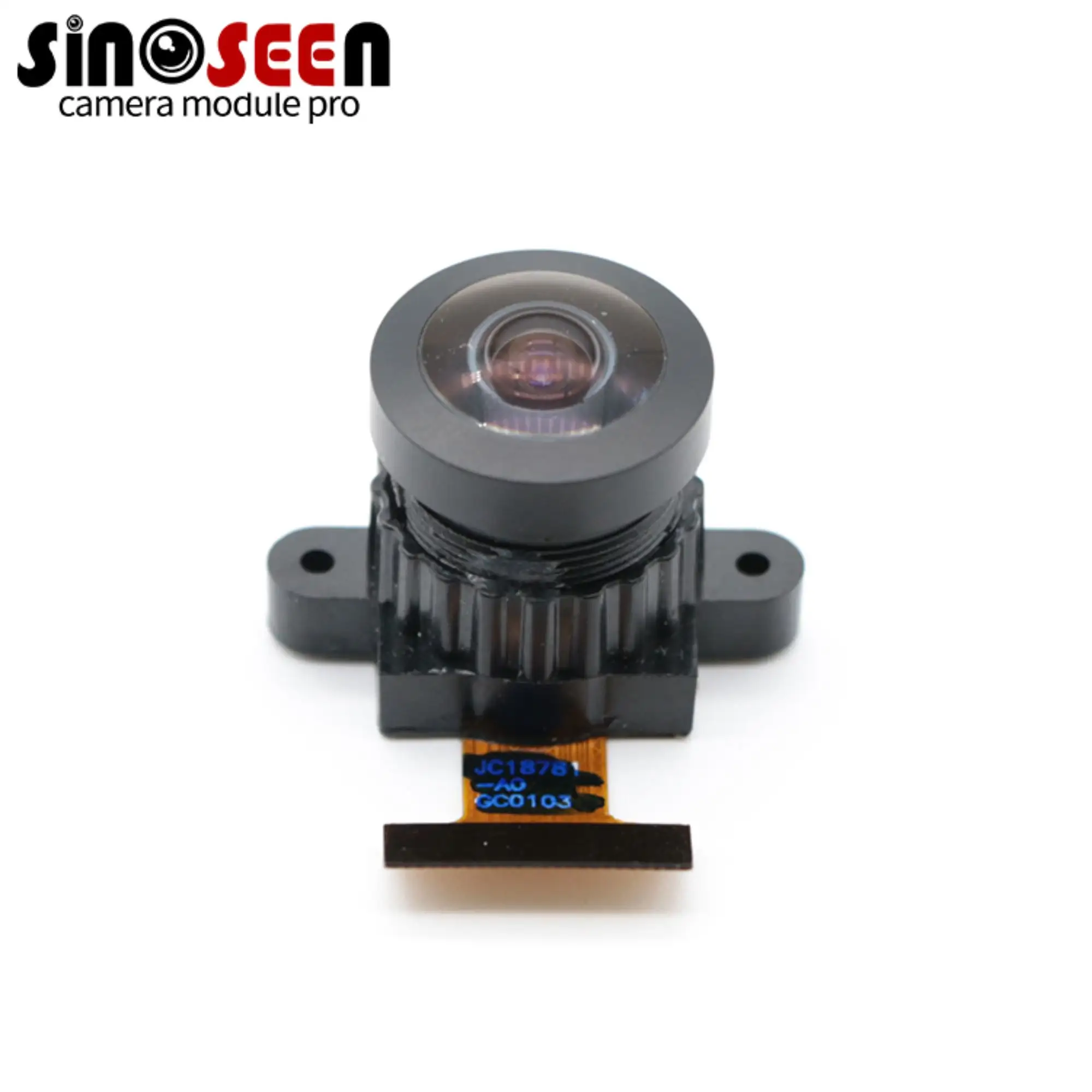
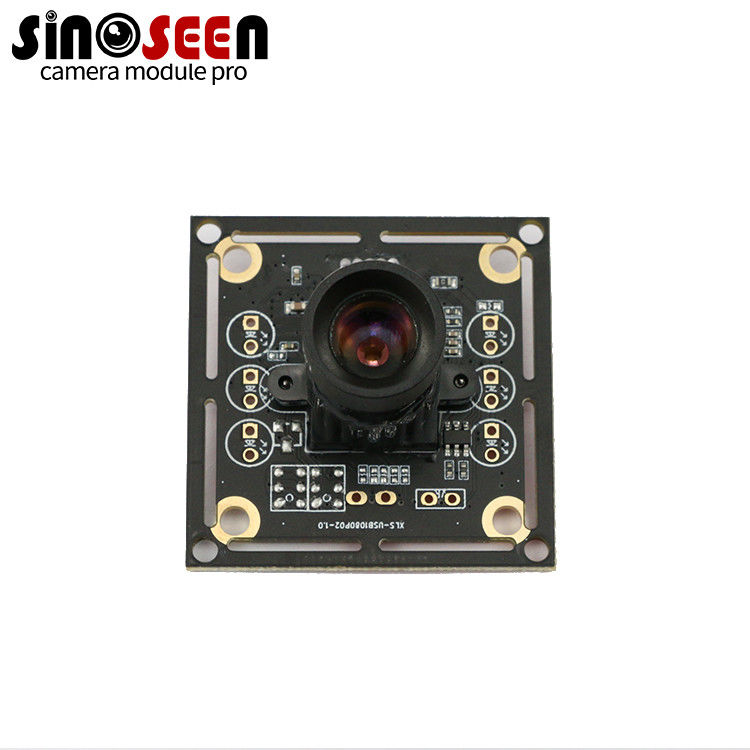
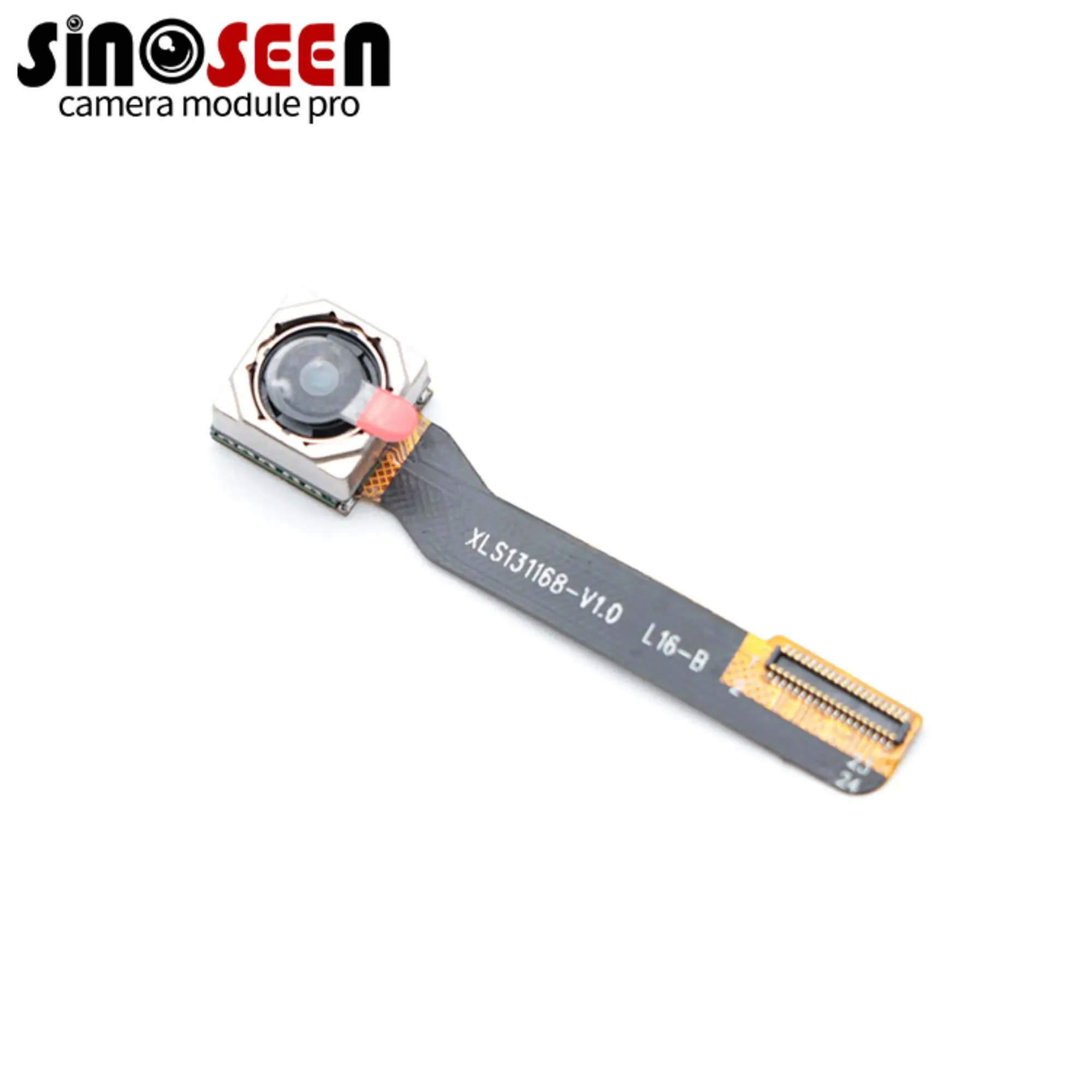
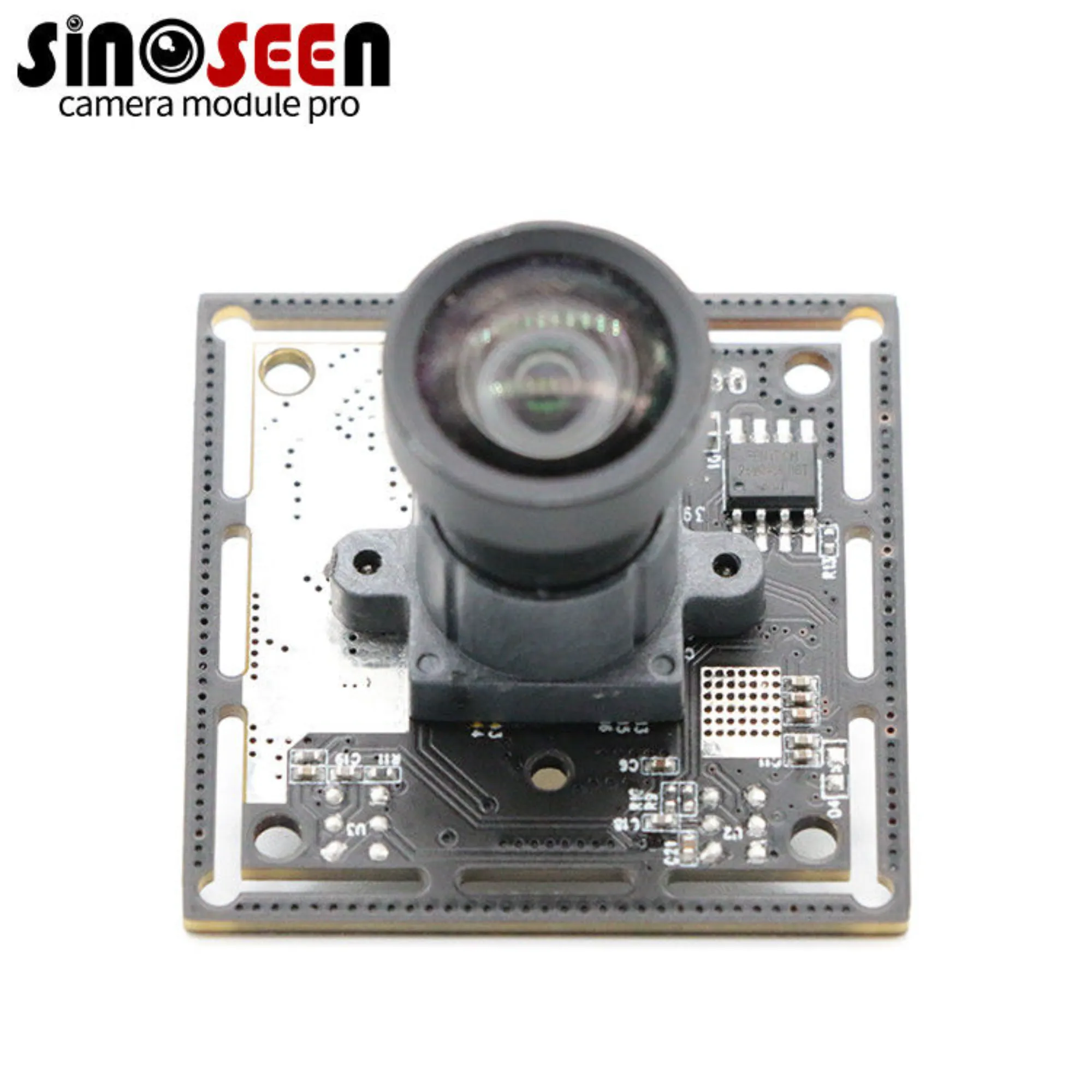
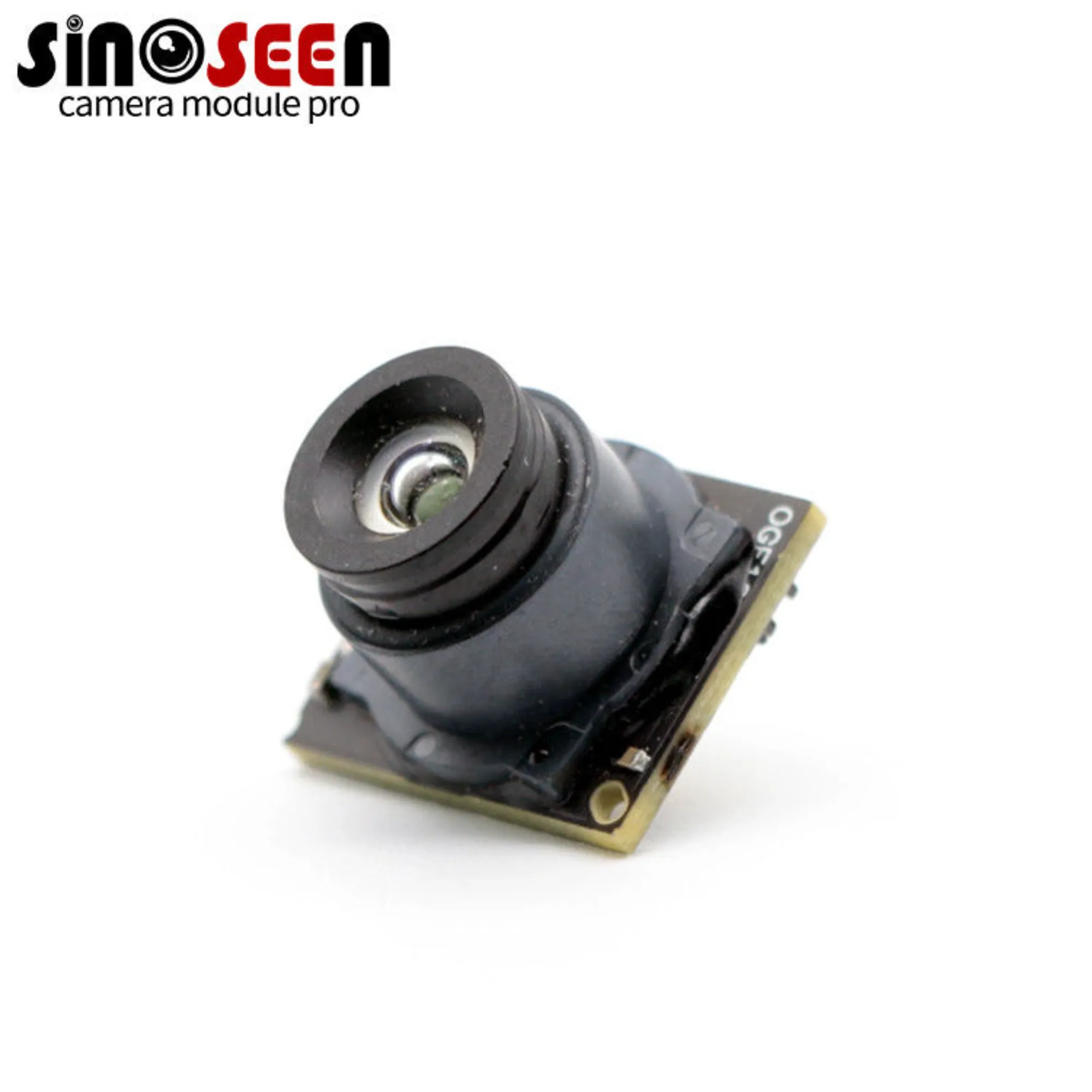
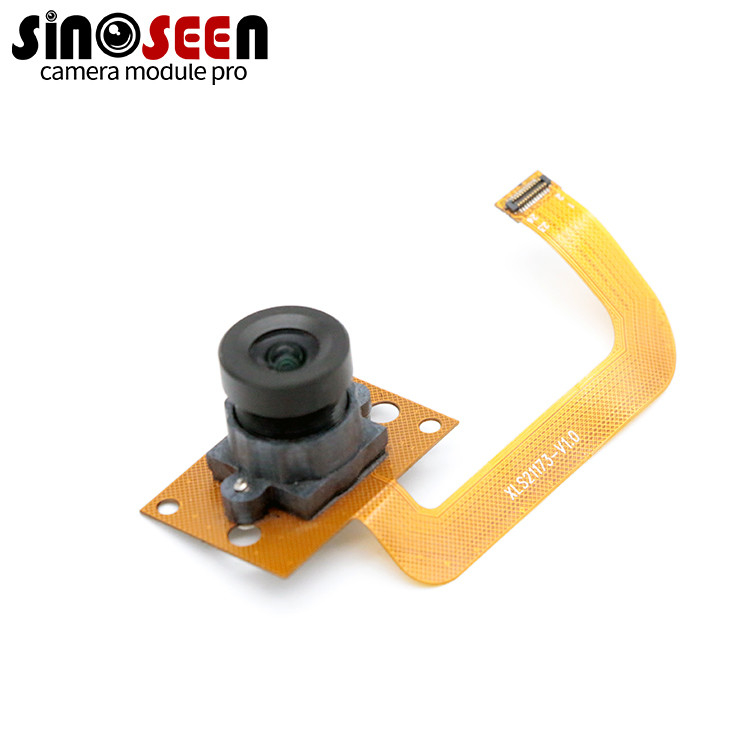
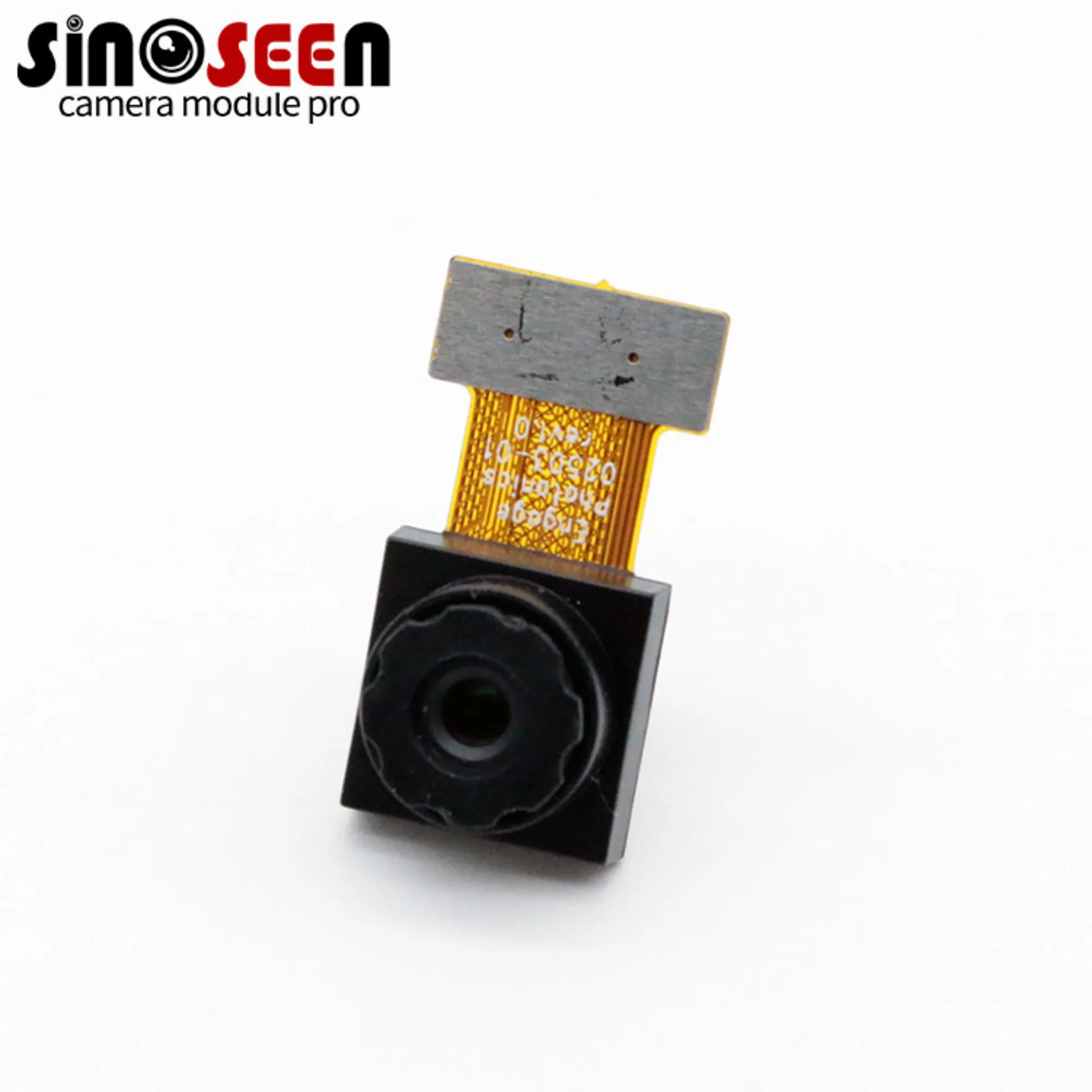
The OEM small camera module represents a revolutionary advancement in compact imaging technology, designed specifically for manufacturers seeking to integrate high-performance visual capabilities into their products. These miniaturized camera solutions combine cutting-edge optics with sophisticated image processing technology, delivering exceptional performance in remarkably small form factors. The OEM small camera module typically measures just a few millimeters in thickness while maintaining professional-grade imaging standards, making it ideal for space-constrained applications across various industries. The core functionality of the OEM small camera module centers around its ability to capture high-resolution images and video with minimal power consumption. Modern modules feature advanced CMOS sensors that provide excellent light sensitivity and dynamic range, enabling clear image capture even in challenging lighting conditions. The integrated image signal processor handles real-time optimization, automatically adjusting exposure, white balance, and color correction to ensure consistent image quality. These modules support multiple output formats and resolutions, ranging from standard definition to ultra-high-definition 4K recording capabilities. The technological features of the OEM small camera module include sophisticated autofocus systems, optical image stabilization, and advanced noise reduction algorithms. Many modules incorporate artificial intelligence-enhanced features such as face detection, object tracking, and scene recognition, which automatically optimize camera settings for specific shooting scenarios. The compact design utilizes innovative packaging techniques that protect sensitive components while maintaining thermal efficiency. Built-in communication interfaces like MIPI CSI, USB, and wireless connectivity options enable seamless integration with various host devices and systems, making the OEM small camera module incredibly versatile for diverse applications.

Popular Products

The OEM small camera module offers numerous compelling benefits that make it an exceptional choice for manufacturers and system integrators. The compact size advantage allows designers to create sleeker, more portable devices without sacrificing imaging capabilities. This space efficiency enables innovative product designs that were previously impossible with traditional camera systems. The module's plug-and-play integration significantly reduces development time and costs, allowing manufacturers to focus on their core competencies rather than complex camera system development. The standardized interfaces and comprehensive software development kits streamline the integration process, making it accessible even for teams without extensive imaging expertise. Cost-effectiveness represents another major advantage of the OEM small camera module. By leveraging economies of scale and standardized manufacturing processes, these modules deliver professional-grade imaging performance at fraction of the cost of custom-developed camera systems. The reduced bill of materials, simplified assembly processes, and eliminated need for specialized camera engineering resources result in substantial savings throughout the product development lifecycle. Power efficiency stands as a crucial benefit, particularly for battery-powered applications. The OEM small camera module utilizes advanced power management techniques and optimized processing algorithms that minimize energy consumption while maintaining high performance. This efficiency extends battery life in portable devices and reduces thermal management requirements in compact systems. The reliability and consistency of the OEM small camera module provide significant operational advantages. Rigorous quality control processes, extensive testing protocols, and proven manufacturing standards ensure dependable performance across all units. This consistency eliminates the variability often associated with custom camera implementations, reducing support costs and improving customer satisfaction. The scalability benefits allow manufacturers to easily adapt their products for different market segments and applications. Multiple module variants with different specifications enable cost-optimized solutions for various performance requirements. The standardized form factors and interfaces facilitate product line expansion and future upgrades without requiring complete redesigns. Technical support and documentation advantages include comprehensive integration guides, reference designs, and ongoing engineering assistance that accelerate time-to-market while reducing development risks.

Latest News

 How to Select the Right AI Camera Module for Facial Recognition Systems?

02

Mar

How to Select the Right AI Camera Module for Facial Recognition Systems?

Selecting the appropriate AI camera module for facial recognition systems represents a critical decision that directly impacts system performance, accuracy, and overall operational efficiency. Modern facial recognition applications demand sophisticat...
View More
How to Optimize Low-Light Performance in Custom Camera Module Designs?

02

Mar

How to Optimize Low-Light Performance in Custom Camera Module Designs?

Custom camera module designs face unique challenges when operating in environments with minimal illumination, making low-light performance optimization a critical engineering consideration. Modern applications ranging from security surveillance to au...
View More
How to Integrate a Small Camera Module into Compact Medical Devices?

02

Mar

How to Integrate a Small Camera Module into Compact Medical Devices?

Medical device miniaturization continues to revolutionize healthcare, enabling less invasive procedures and improved patient outcomes. When designing compact medical equipment, integrating a small camera module requires careful consideration of space...
View More
Why do Robotics Manufacturers Prefer High-Speed AI Camera Modules?

02

Mar

Why do Robotics Manufacturers Prefer High-Speed AI Camera Modules?

The robotics industry has experienced unprecedented growth in recent years, with manufacturers increasingly demanding sophisticated vision systems that can process visual data at lightning speed. High-speed AI camera modules have emerged as the corne...
View More

Get In Touch

oem small camera module

Ultra-Compact Design with Maximum Performance Integration

Ultra-Compact Design with Maximum Performance Integration

The OEM small camera module achieves an extraordinary balance between miniaturization and performance that sets new industry standards for compact imaging solutions. This remarkable engineering achievement results from innovative design approaches that maximize optical performance while minimizing physical footprint, enabling integration into the most space-constrained applications. The module's ultra-compact dimensions, often measuring less than 10mm in any direction, represent a breakthrough in packaging technology that maintains full imaging capabilities within an incredibly small form factor. The sophisticated optical design utilizes advanced lens systems with multiple elements that correct for various aberrations while maintaining exceptional image sharpness across the entire field of view. These precision-engineered lenses undergo rigorous quality control testing to ensure consistent optical performance across all production units. The compact sensor assembly incorporates state-of-the-art CMOS technology with pixel sizes optimized for the small form factor, delivering impressive light sensitivity and dynamic range despite the reduced physical dimensions. The integration of advanced image processing capabilities directly within the module eliminates the need for external processing hardware, further reducing system complexity and size requirements. This self-contained approach includes sophisticated algorithms for real-time image enhancement, noise reduction, and automatic exposure control that operate seamlessly without requiring additional computational resources from the host system. The thermal management system within the OEM small camera module utilizes innovative heat dissipation techniques that maintain optimal operating temperatures even during extended use periods. The compact design incorporates carefully engineered thermal pathways and specialized materials that efficiently transfer heat away from sensitive components without compromising the module's small footprint. This thermal efficiency ensures consistent performance and extends the operational lifespan of the imaging system. The mechanical design emphasizes durability and reliability through robust construction techniques that protect internal components from environmental stresses while maintaining the compact dimensions. Advanced packaging methods shield the delicate optical and electronic components from moisture, dust, and mechanical shock, ensuring dependable operation across diverse operating conditions.
Advanced AI-Enhanced Imaging Intelligence

Advanced AI-Enhanced Imaging Intelligence

The OEM small camera module incorporates sophisticated artificial intelligence capabilities that transform basic image capture into an intelligent imaging experience, delivering professional-quality results through automated optimization and enhancement features. This AI integration represents a significant advancement in camera module technology, bringing complex image processing capabilities directly to the module level without requiring external computational resources or specialized software development. The intelligent scene recognition system automatically analyzes captured images to identify optimal camera settings for specific scenarios, including portrait photography, landscape scenes, low-light environments, and macro photography situations. The machine learning algorithms continuously adapt and improve performance based on usage patterns and environmental conditions, ensuring consistently superior image quality across diverse shooting scenarios. The advanced face detection and tracking capabilities enable precise focus and exposure optimization for human subjects, automatically adjusting camera parameters to ensure sharp, well-exposed portraits even in challenging lighting conditions. The AI-powered autofocus system utilizes predictive algorithms that anticipate subject movement and pre-adjust focus settings, resulting in faster, more accurate focusing performance compared to traditional contrast-detection systems. This intelligent focusing capability proves particularly valuable in dynamic shooting situations where subjects move rapidly or unpredictably. The real-time image enhancement processing applies sophisticated noise reduction algorithms that preserve image detail while eliminating unwanted artifacts, delivering clean, professional-quality images even in low-light conditions. The AI system analyzes image content at the pixel level, identifying areas that require specific enhancement treatments and applying targeted corrections that maintain natural image appearance. The intelligent white balance correction adapts to various lighting environments automatically, ensuring accurate color reproduction across different illumination conditions without requiring manual adjustments or calibration procedures. The OEM small camera module's AI capabilities extend to video recording functions, providing intelligent stabilization that reduces camera shake and motion blur while maintaining smooth, professional-looking footage. The predictive stabilization algorithms analyze motion patterns and apply appropriate corrections in real-time, resulting in significantly improved video quality compared to traditional electronic stabilization methods.
Seamless Integration with Comprehensive Development Support

Seamless Integration with Comprehensive Development Support

The OEM small camera module excels in providing manufacturers with comprehensive integration support that dramatically simplifies the development process while ensuring successful implementation across diverse applications and platforms. This extensive support ecosystem represents a fundamental advantage that distinguishes quality camera modules from basic imaging components, offering complete solutions rather than merely hardware components. The standardized interface options include multiple connectivity protocols such as MIPI CSI, USB, and wireless communication standards, enabling compatibility with virtually any host system architecture without requiring custom interface development. The flexible pin configuration and multiple form factor options accommodate various mechanical integration requirements, allowing designers to select the optimal module variant for their specific application needs. The comprehensive software development kit provides complete driver packages, API libraries, and integration tools that enable rapid deployment across different operating systems and hardware platforms. The detailed documentation package includes complete technical specifications, integration guides, reference circuit designs, and mechanical drawings that provide all necessary information for successful implementation. The step-by-step integration tutorials and best practices guidelines help development teams avoid common pitfalls and optimize their implementations for maximum performance and reliability. The dedicated technical support services offer direct access to imaging engineers and application specialists who provide personalized assistance throughout the development process, from initial concept evaluation through production deployment and beyond. The extensive testing and validation protocols ensure compatibility across different environmental conditions and operating scenarios, providing manufacturers with confidence in their product deployments. The OEM small camera module undergoes rigorous quality assurance testing that includes temperature cycling, humidity exposure, vibration testing, and electromagnetic compatibility verification to ensure reliable operation across diverse applications. The comprehensive warranty and support programs provide long-term peace of mind for manufacturers, including component availability guarantees and technical support commitments that protect product investments throughout their operational lifecycles. The continuous firmware updates and feature enhancements ensure that the camera module capabilities evolve with advancing technology standards, providing ongoing value and preventing obsolescence concerns that often affect custom camera implementations.

Related Search

Get in touch