Monipuoliset integrointi- ja yhteydenvalinnat
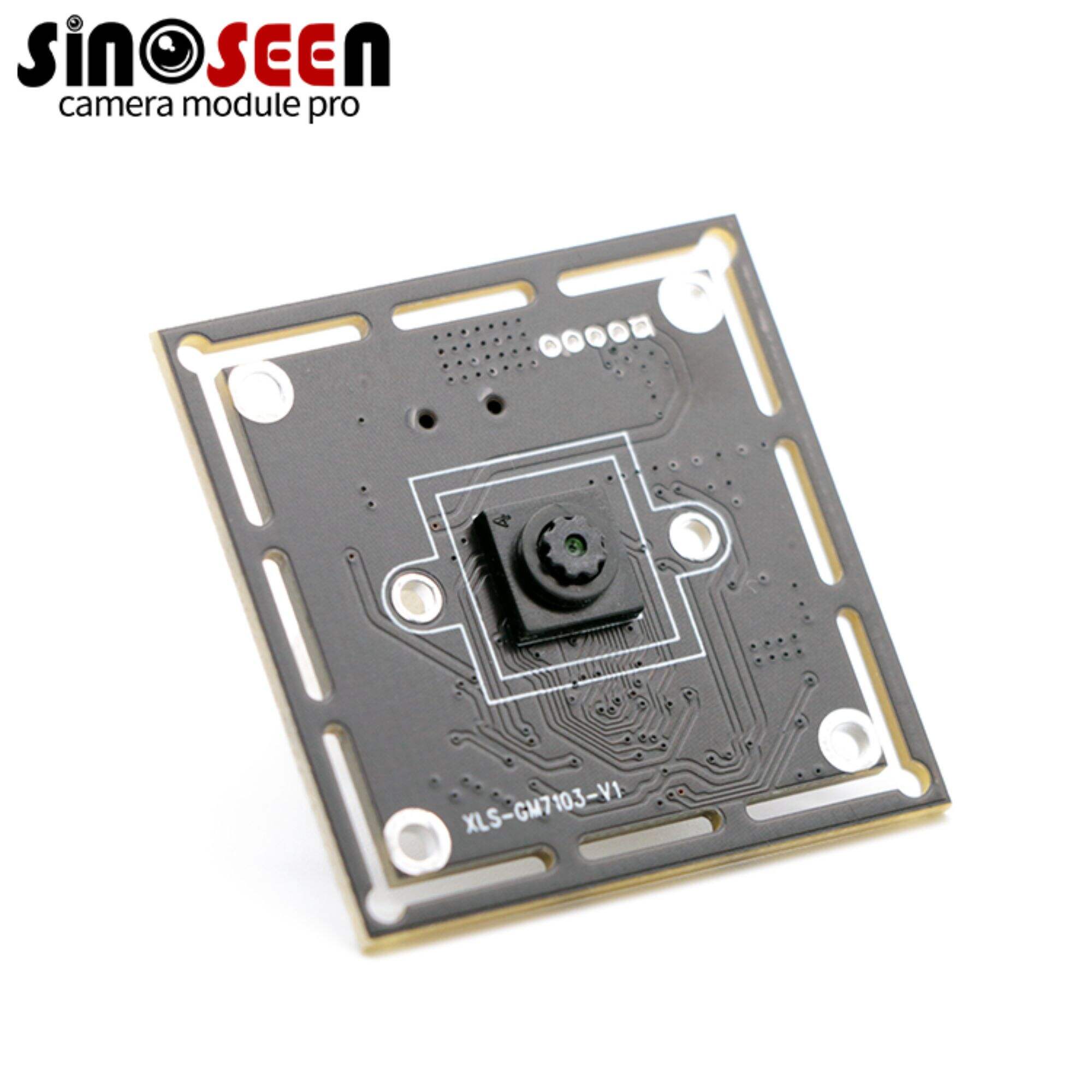
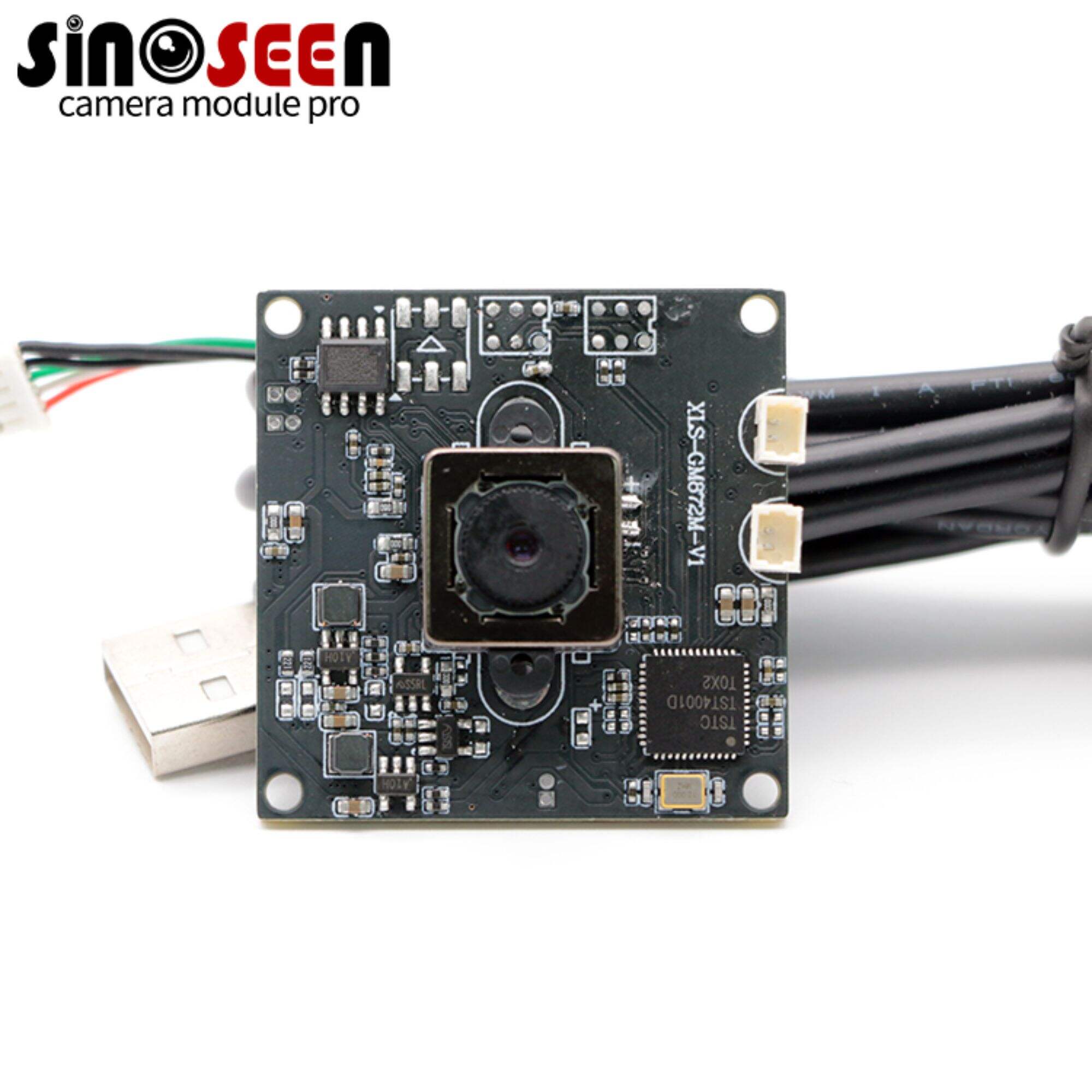
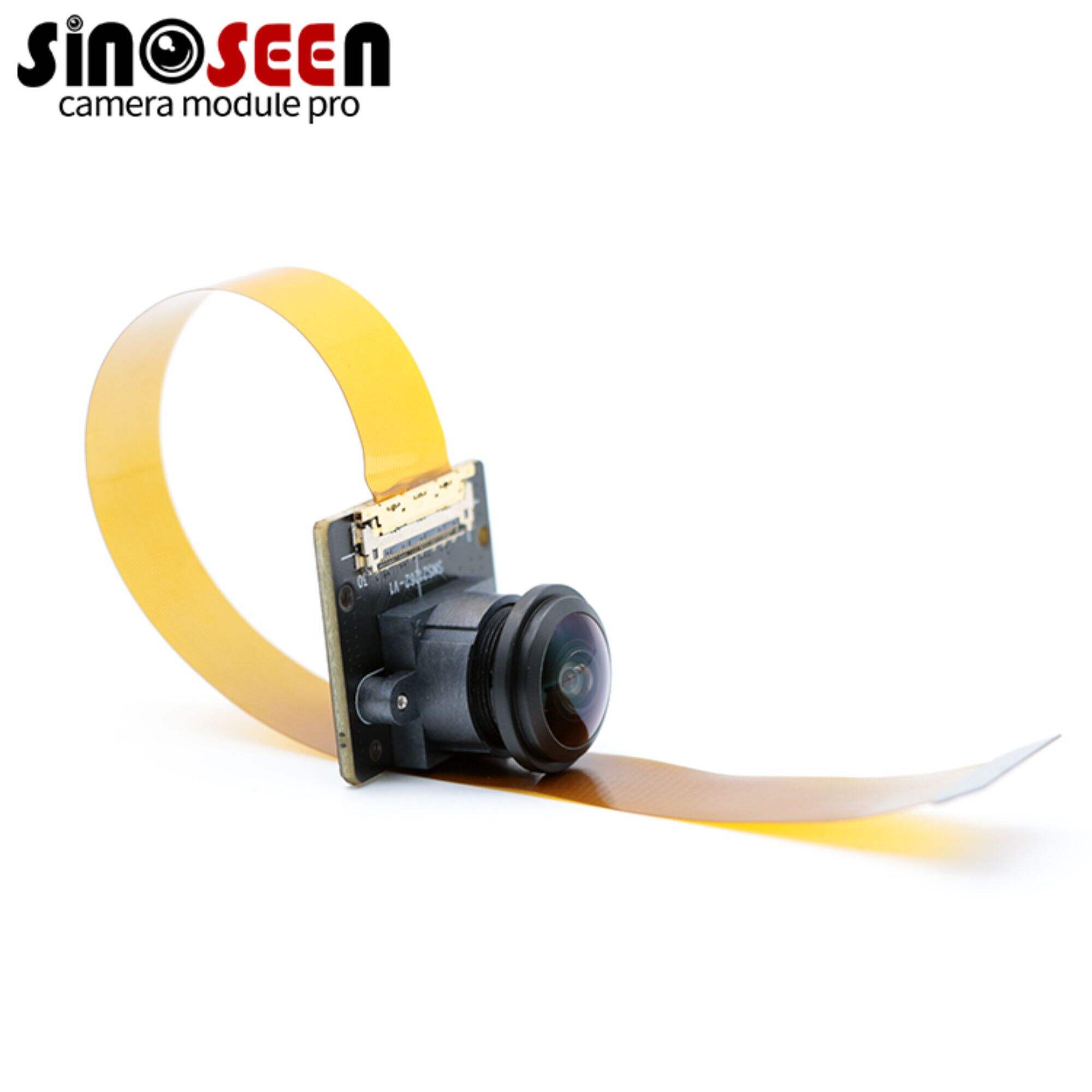
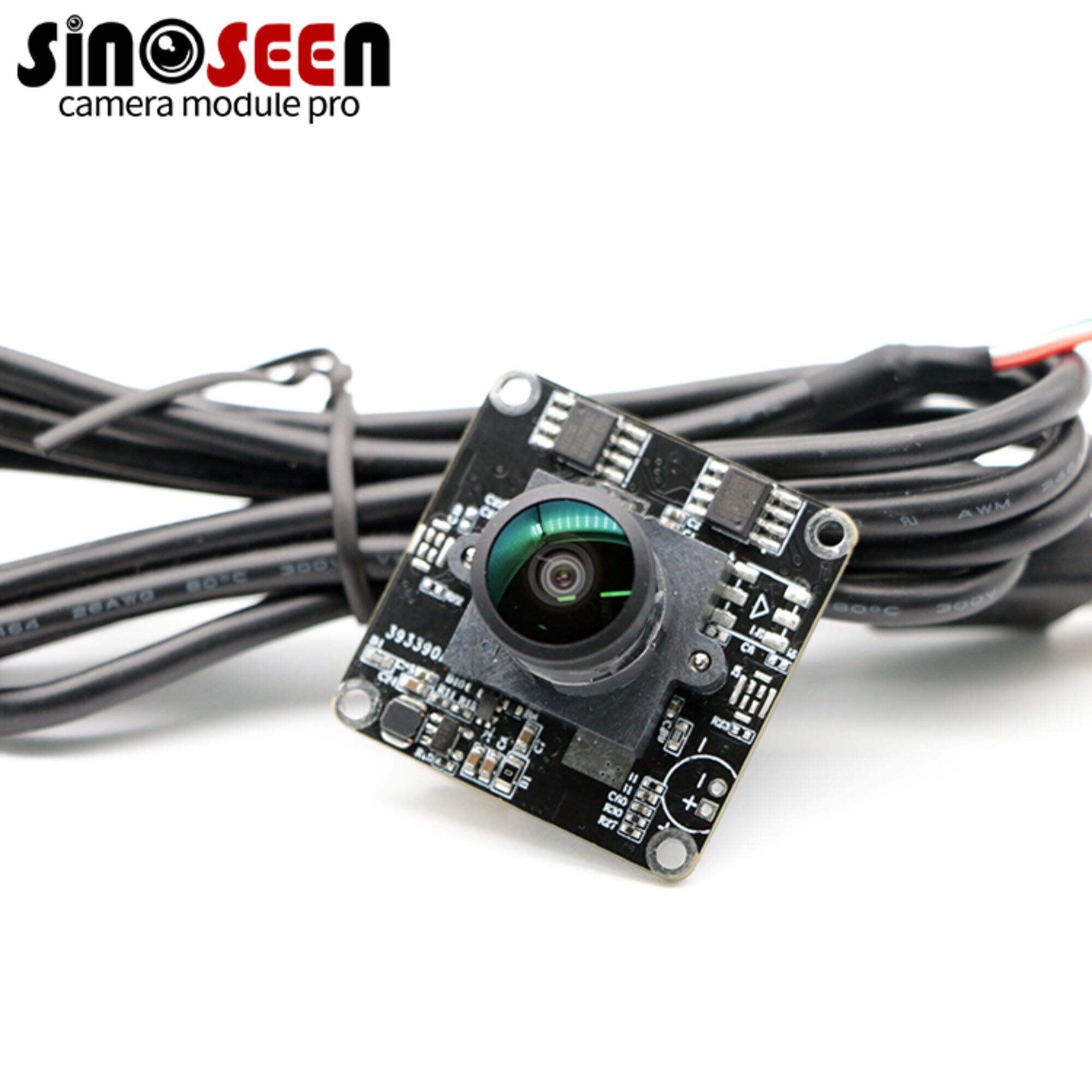
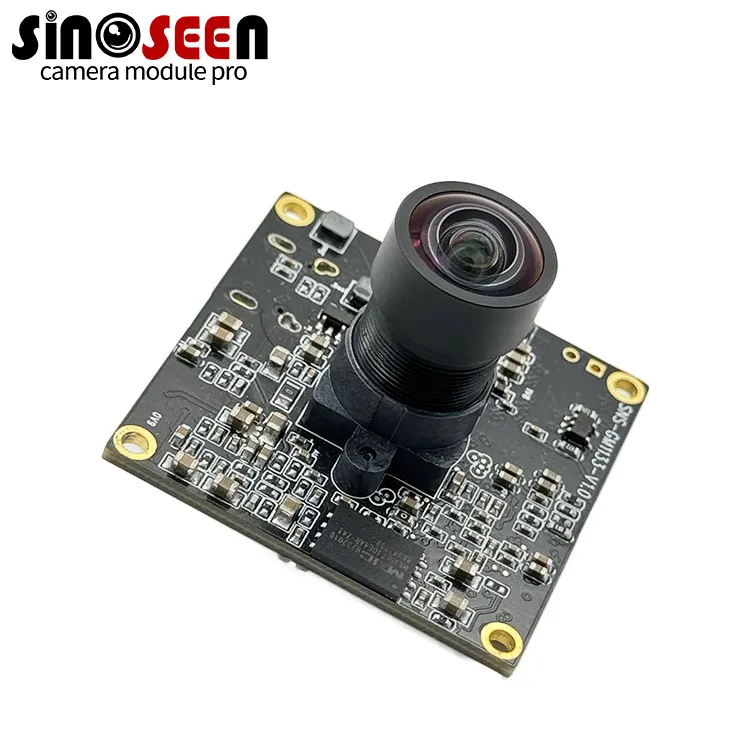
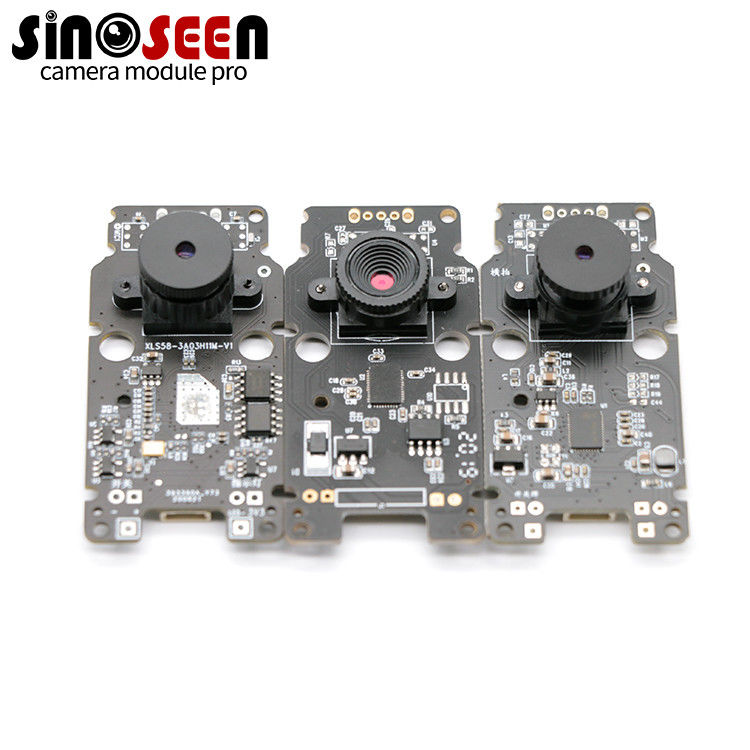
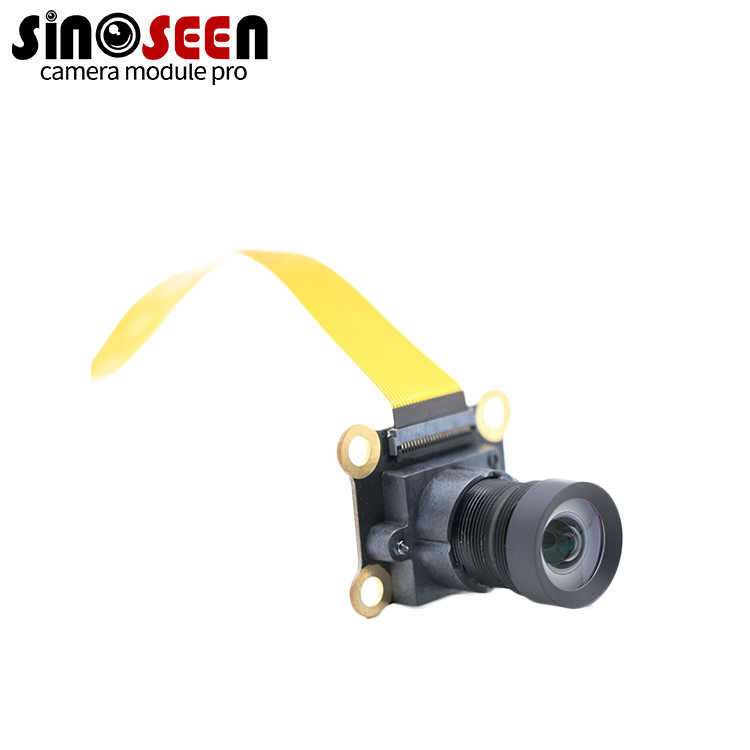
IR-kameran anturimoduuli erottaa itsensä joustavilla integraatiaratkaisuilla, jotka täyttävät monimuotoiset järjestelmävaatimukset ja yhteydenmuodosta riippuvat mieltymykset useilla alustoilla ja sovelluksissa. Nykyaikaiset IR-kameran anturimodulit sisältävät laajat digitaaliset rajapinnat, kuten USB 3.0:n, gigabit-Ethernetin, Camera Linkin ja langattomat yhteysvaihtoehdot, mikä mahdollistaa saumattoman integraation olemassa olevaan infrastruktuuriin ja ohjausjärjestelmiin. IR-kameran anturimodulin liitä-ja-käytä -yhteensopivuus yksinkertaistaa asennusta ja vähentää toteutusaikaa, mikä mahdollistaa käyttäjien nopean lämpöseurantaratkaisujen käyttöönoton ilman laajoja järjestelmämuutoksia. Standardoidut viestintäprotokollat varmistavat yhteensopivuuden eri käyttöjärjestelmien, ohjelmistopalvelualustojen ja teollisen automaation järjestelmien kanssa, mikä tekee IR-kameran anturimodulistä monikäyttöisen ratkaisun erilaisiin teknologisiin ympäristöihin. IR-kameran anturimodulin tiukka mekaaninen suunnittelu mahdollistaa sen integroinnin tilaa rajoittaviin sovelluksiin säilyttäen samalla vankan rakenteen, joka soveltuu teollisiin ympäristöihin. Modulaarinen lähestymistapa mahdollistaa käyttäjien valita tiettyjä linssivaihtoehtoja, kiinnityskonfiguraatioita ja rajapintatyyppejä, jotka parhaiten vastaavat heidän erityisiä sovellusvaatimuksiaan. IR-kameran anturimoduuli tukee useita tulostusmuotoja, kuten analogista videota, digitaalista suoratoistoa ja suoraa datansiirtoa, mikä tarjoaa joustavuutta eri järjestelmäarkkitehtuureille ja käyttäjien mieltymyksille. SDK:n ja API:n saatavuus mahdollistaa mukautetun ohjelmiston kehittämisen ja edistyneet integraatiomahdollisuudet, jolloin käyttäjät voivat luoda erikoistuneita sovelluksia, jotka hyödyntävät IR-kameran anturimodulin kaikkia ominaisuuksia. Etäseurantamahdollisuudet mahdollistavat hajautettujen lämpöanturaverkkojen muodostamisen, jossa useita IR-kameran anturimoduuleja voidaan ohjata ja seurata keskitetyistä paikoista. Verkkopohjaiset käyttöliittymävaihtoehdot tarjoavat kätevän pääsyn lämpötietoihin ja järjestelmän ohjaukseen tavallisilla verkkoselaimilla ilman erityisten ohjelmistojen asennusta. Nykyaikaisten IR-kameran anturimodulien tehonkulutuksen optimointi mahdollistaa toiminnan erilaisista virransyöttölähteistä, kuten akkuvirrasta kannettaviin sovelluksiin tai matalatehoisista teollisista virransyöttölähteistä pysyviin asennuksiin. Ympäristöön suojatut tiukkuusluokat varmistavat luotettavan toiminnan vaativissa olosuhteissa säilyttäen samalla yhteyden eheytetyn.

 EN
EN
 AR
AR
 DA
DA
 NL
NL
 FI
FI
 FR
FR
 DE
DE
 EL
EL
 HI
HI
 IT
IT
 JA
JA
 KO
KO
 NO
NO
 PL
PL
 PT
PT
 RO
RO
 RU
RU
 ES
ES
 SV
SV
 TL
TL
 IW
IW
 ID
ID
 SR
SR
 VI
VI
 HU
HU
 TH
TH
 TR
TR
 FA
FA
 MS
MS
 IS
IS
 AZ
AZ
 UR
UR
 BN
BN
 HA
HA
 LO
LO
 MR
MR
 MN
MN
 PA
PA
 MY
MY
 SD
SD