Innovative Camera Modules for Every Application | Sinoseen

All Categories

infrared sensor module

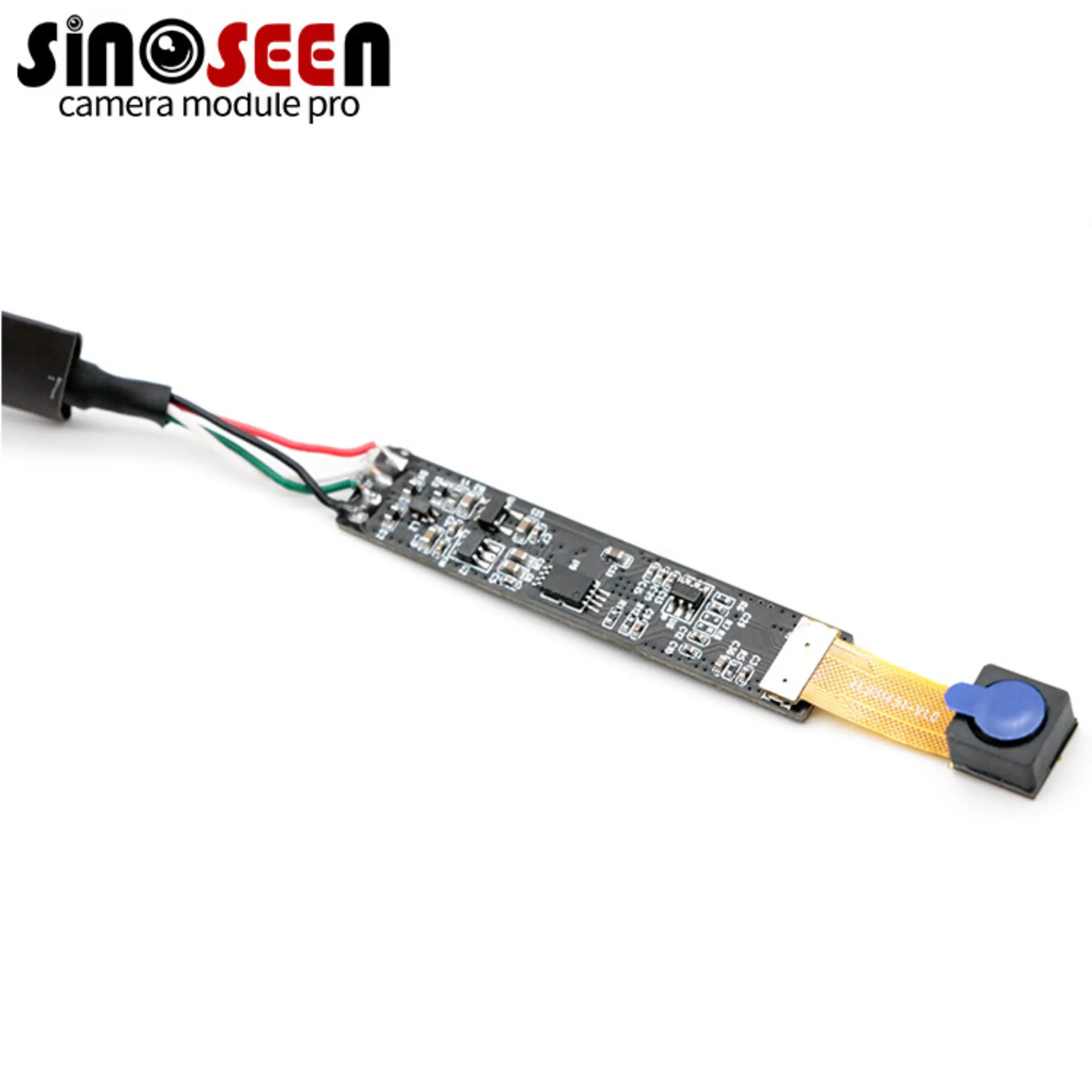
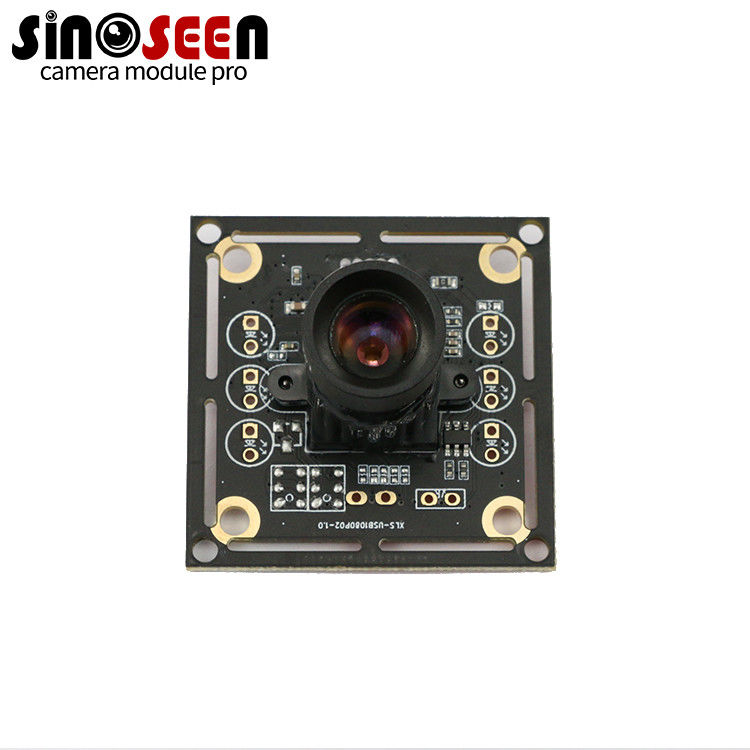
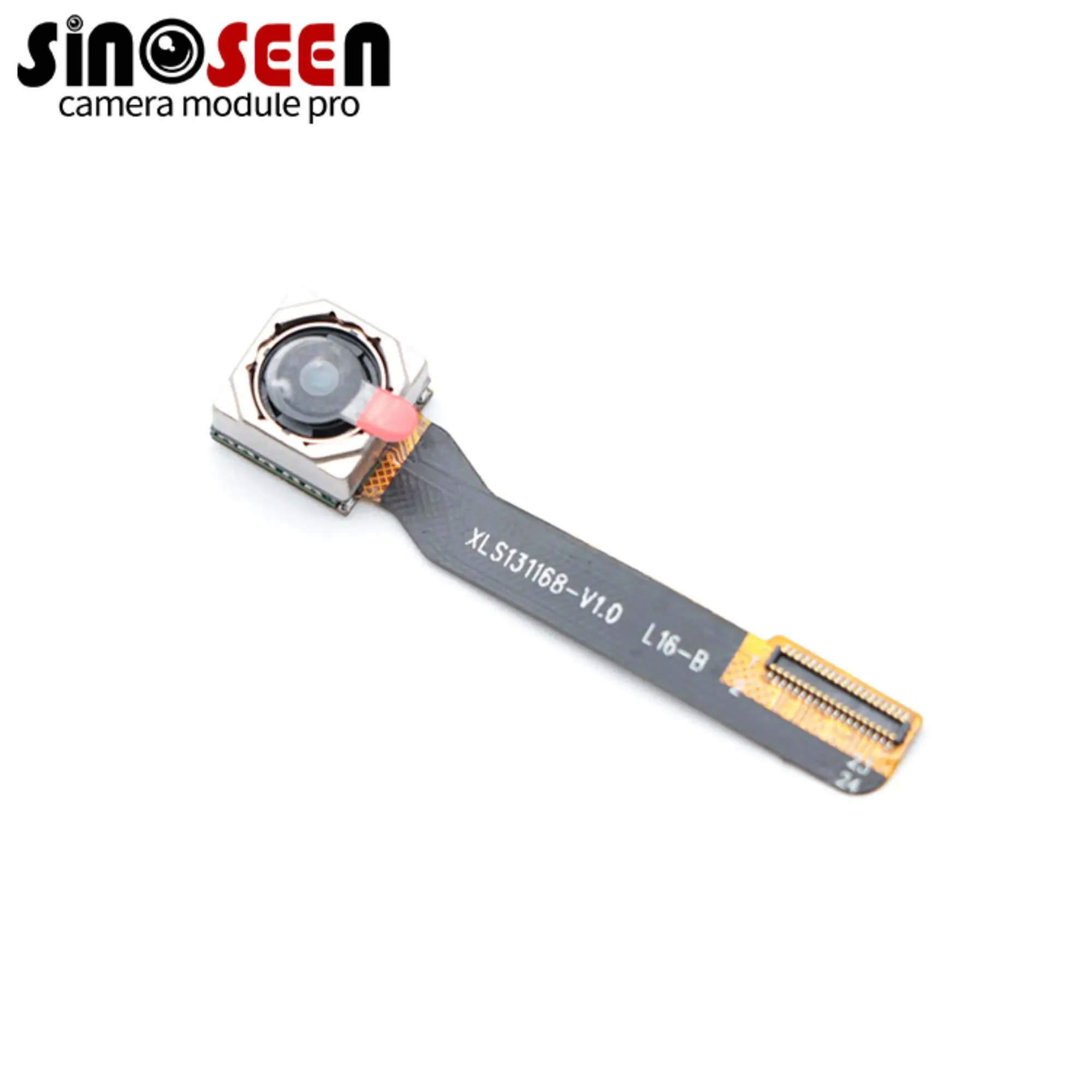
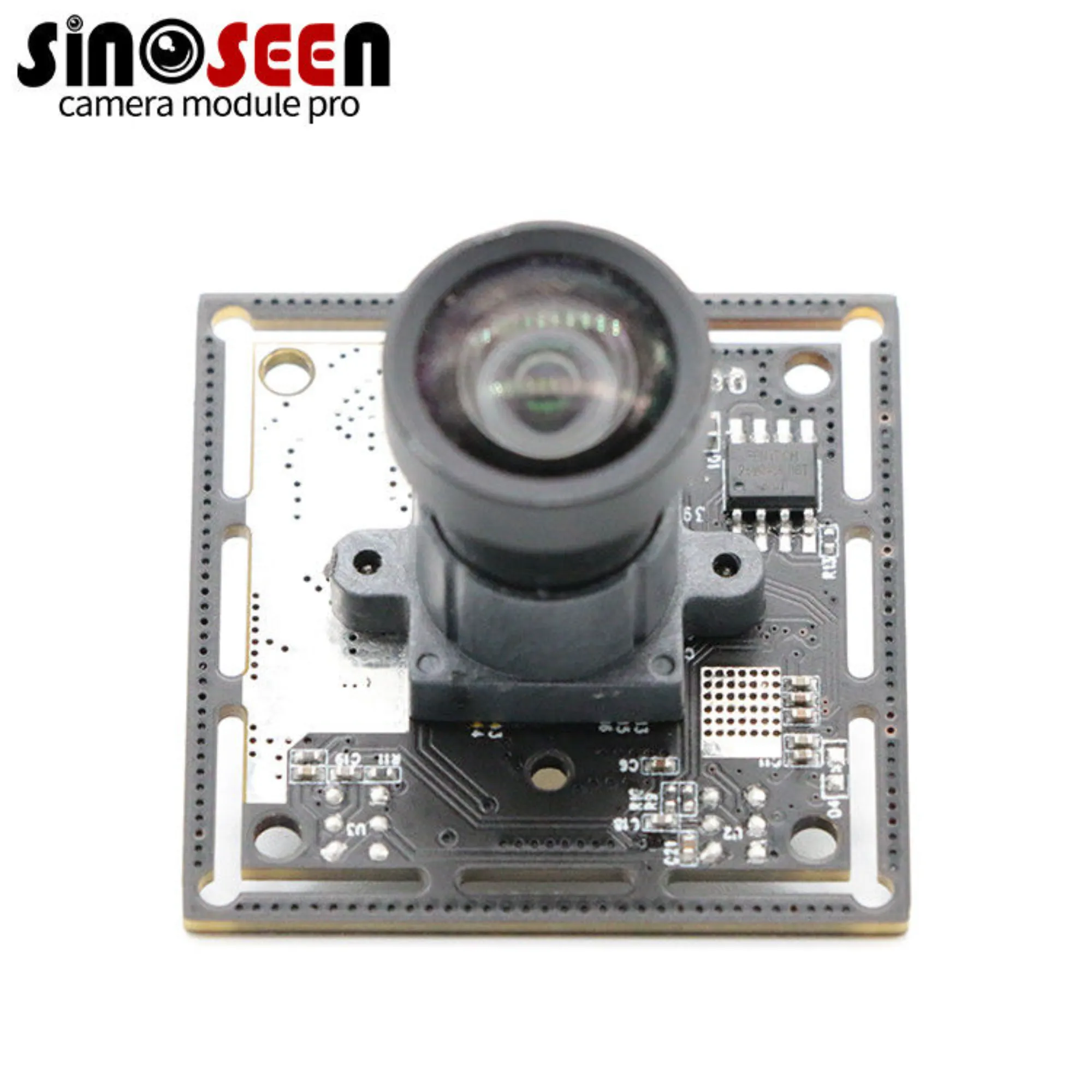
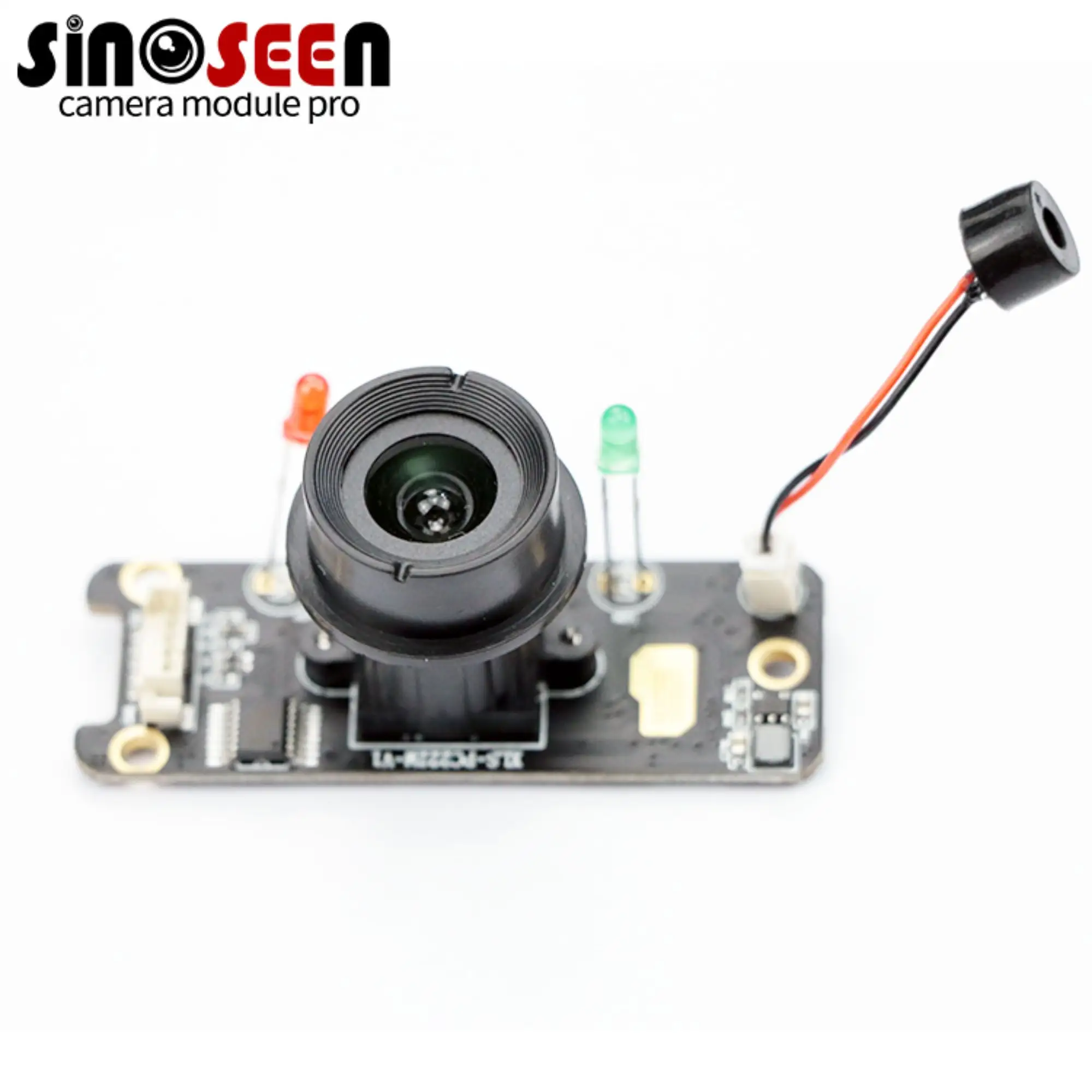
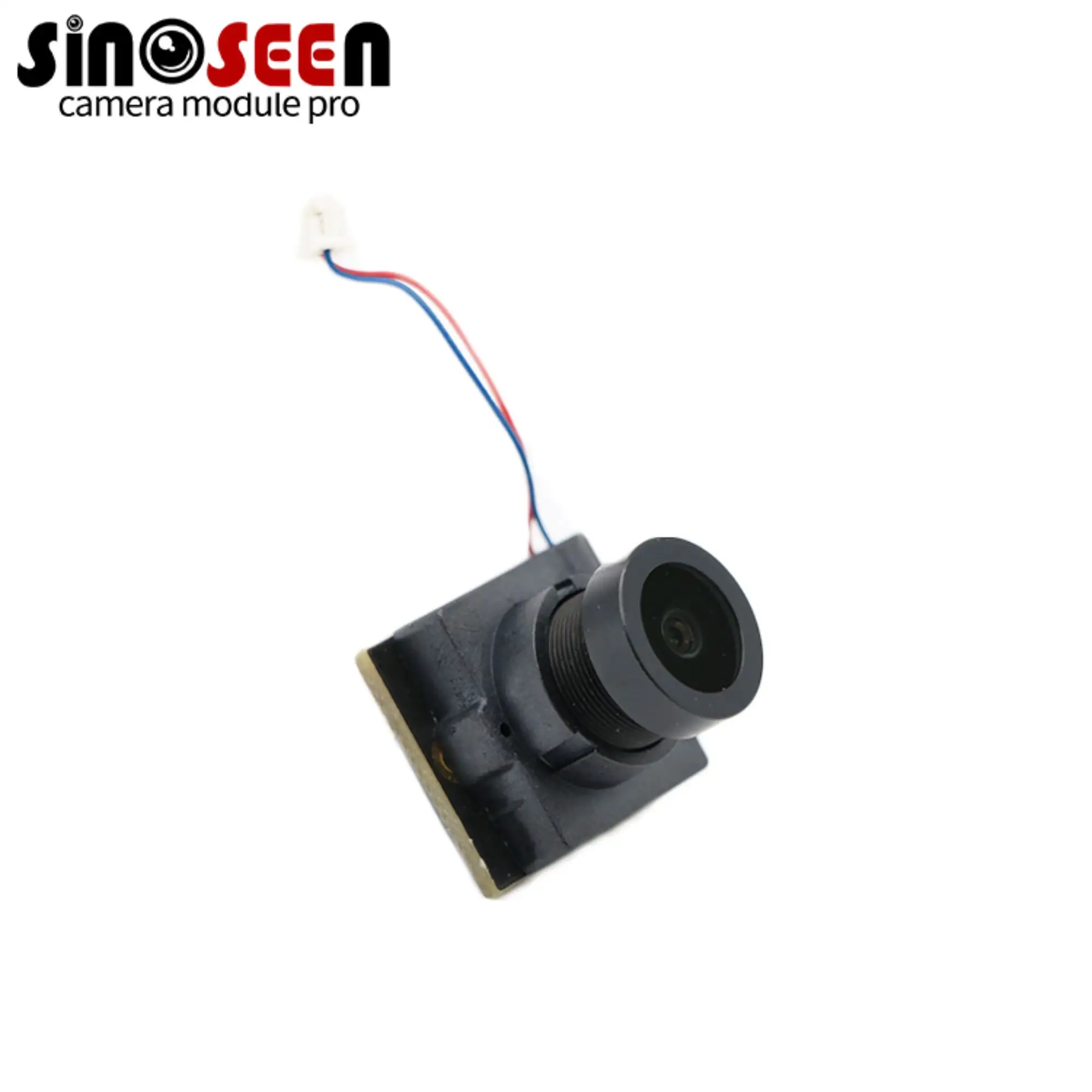
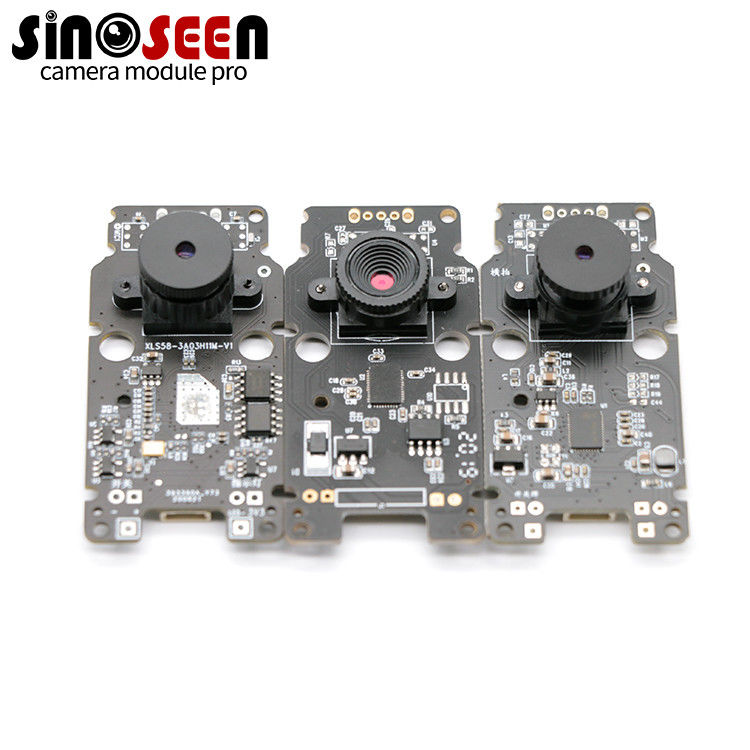
The infrared sensor module represents a cutting-edge technology solution that detects and measures infrared radiation emitted by objects and living beings within its detection range. This sophisticated device operates by capturing thermal energy signatures through specialized photodiodes or thermopiles that convert infrared wavelengths into electrical signals. The infrared sensor module functions across various wavelength ranges, typically between 700 nanometers to 1 millimeter, enabling precise detection of heat patterns and movement. Modern infrared sensor modules incorporate advanced signal processing capabilities that filter noise and enhance accuracy, making them indispensable components in numerous electronic systems. These modules excel at detecting temperature variations, motion patterns, and proximity measurements without requiring physical contact with target objects. The technology behind infrared sensor modules utilizes pyroelectric effects or quantum detection principles to achieve reliable performance across diverse environmental conditions. Key technological features include adjustable sensitivity settings, programmable detection zones, and integrated amplification circuits that boost weak signals for improved reliability. The infrared sensor module design prioritizes energy efficiency, consuming minimal power while maintaining continuous monitoring capabilities essential for battery-operated devices. Digital output formats enable seamless integration with microcontrollers and processing units, while analog outputs provide real-time measurement data for precision applications. Temperature compensation mechanisms ensure stable operation across varying ambient conditions, preventing false triggers caused by environmental fluctuations. The infrared sensor module construction employs robust materials that withstand harsh operating environments, including extreme temperatures, humidity variations, and electromagnetic interference. Compact form factors allow easy installation in space-constrained applications, while standardized pin configurations simplify system integration processes. Advanced infrared sensor modules feature multiple detection elements that enable directional sensing and enhanced spatial resolution for complex monitoring tasks.

New Product Recommendations

The infrared sensor module delivers exceptional performance benefits that make it an ideal choice for modern detection and monitoring applications. Primary advantages begin with non-contact operation capabilities, eliminating wear and mechanical stress associated with physical sensing methods. This contactless detection approach extends operational lifespan significantly while reducing maintenance requirements and associated costs. The infrared sensor module provides instant response times, detecting changes within milliseconds to enable real-time monitoring and rapid system responses. Energy efficiency stands as another major advantage, with most modules consuming less than 100 milliwatts during active operation, making them perfect for portable and battery-powered devices. Temperature independence ensures consistent performance across wide operating ranges, typically from -40°C to +85°C, without calibration adjustments or performance degradation. The infrared sensor module offers superior immunity to ambient light interference, functioning reliably under various lighting conditions including complete darkness. Installation simplicity reduces setup time and technical expertise requirements, with plug-and-play compatibility for most electronic systems. Cost-effectiveness emerges through affordable pricing combined with long operational life, delivering excellent return on investment for commercial and industrial applications. Versatile mounting options accommodate diverse installation requirements, including surface mounting, through-hole mounting, and custom enclosure integration. The infrared sensor module provides adjustable detection ranges from centimeters to several meters, offering flexibility for different application needs. Digital signal processing capabilities eliminate analog signal drift issues while providing stable, repeatable measurements over extended periods. Electromagnetic compatibility ensures reliable operation in electrically noisy environments without signal degradation or false triggering. Miniaturized designs enable integration into compact devices where space constraints limit component selection options. The infrared sensor module supports multiple output formats including TTL, CMOS, and analog voltage levels, ensuring compatibility with various control systems and processing units. Environmental protection features shield sensitive components from moisture, dust, and chemical exposure, maintaining performance reliability in challenging conditions.

Latest News

Why Choose a High-Performance Embedded Camera Module for AI Applications?

02

Mar

Why Choose a High-Performance Embedded Camera Module for AI Applications?

Artificial intelligence applications demand precision, speed, and reliability in their visual data acquisition systems. An embedded camera module serves as the critical foundation for AI-powered devices, from autonomous vehicles to smart manufacturin...
View More
How to Optimize Low-Light Performance in Custom Camera Module Designs?

02

Mar

How to Optimize Low-Light Performance in Custom Camera Module Designs?

Custom camera module designs face unique challenges when operating in environments with minimal illumination, making low-light performance optimization a critical engineering consideration. Modern applications ranging from security surveillance to au...
View More
How to Integrate a Small Camera Module into Compact Medical Devices?

02

Mar

How to Integrate a Small Camera Module into Compact Medical Devices?

Medical device miniaturization continues to revolutionize healthcare, enabling less invasive procedures and improved patient outcomes. When designing compact medical equipment, integrating a small camera module requires careful consideration of space...
View More
Why do Robotics Manufacturers Prefer High-Speed AI Camera Modules?

02

Mar

Why do Robotics Manufacturers Prefer High-Speed AI Camera Modules?

The robotics industry has experienced unprecedented growth in recent years, with manufacturers increasingly demanding sophisticated vision systems that can process visual data at lightning speed. High-speed AI camera modules have emerged as the corne...
View More

Get In Touch

infrared sensor module

Advanced Motion Detection Technology

Advanced Motion Detection Technology

The infrared sensor module incorporates state-of-the-art motion detection technology that revolutionizes security and automation applications through precise movement recognition capabilities. This advanced system utilizes sophisticated algorithms that analyze infrared signature patterns to distinguish between different types of motion, including human movement, vehicle traffic, and small animals. The technology employs multiple detection zones that can be individually configured to create customized monitoring areas suited to specific application requirements. Unlike traditional motion sensors that rely on simple presence detection, this infrared sensor module provides detailed movement analysis including direction, speed, and trajectory information. The multi-element detector array captures thermal images at high resolution, enabling the system to track multiple objects simultaneously while maintaining individual identification capabilities. Intelligent signal processing filters eliminate false triggers caused by environmental factors such as moving vegetation, temperature fluctuations, or electromagnetic interference. The infrared sensor module features adaptive sensitivity adjustment that automatically optimizes detection parameters based on ambient conditions and historical data patterns. This self-learning capability ensures consistent performance across varying weather conditions and seasonal changes without manual recalibration. Advanced motion detection includes pet immunity functions that ignore small animals while maintaining sensitivity to human-sized targets, making it ideal for residential security applications. The technology supports zone masking capabilities that allow users to exclude specific areas from monitoring, preventing false alarms from known movement sources such as flag poles or air conditioning units. Real-time processing ensures immediate response to detected motion with latency times under 50 milliseconds, critical for security applications requiring instant notification. The infrared sensor module provides detailed event logging that records movement patterns, timing information, and environmental conditions for comprehensive analysis and system optimization.
Superior Energy Efficiency and Longevity

Superior Energy Efficiency and Longevity

The infrared sensor module demonstrates exceptional energy efficiency through innovative power management systems that significantly extend operational lifespan while minimizing environmental impact. Advanced low-power design principles reduce current consumption to microamp levels during standby mode, enabling years of continuous operation from single battery installations. The module incorporates intelligent sleep modes that activate during periods of inactivity, automatically awakening when motion or temperature changes are detected within the monitoring zone. This dynamic power management approach can extend battery life by up to 300% compared to conventional sensor technologies, making it ideal for remote installations and wireless applications. The infrared sensor module utilizes high-efficiency components including low-power amplifiers, precision voltage references, and optimized analog-to-digital converters that maintain accuracy while minimizing energy consumption. Sophisticated power supply filtering eliminates voltage fluctuations that could affect sensor performance or increase power draw, ensuring stable operation across varying supply conditions. The module supports wide input voltage ranges from 3.3V to 12V, accommodating different power sources including batteries, solar panels, and regulated power supplies without external voltage conversion circuits. Energy harvesting compatibility allows integration with renewable power sources, creating self-sustaining monitoring systems for environmental and remote sensing applications. The infrared sensor module features programmable duty cycles that balance detection performance with power consumption based on specific application requirements. Temperature compensation circuits minimize power consumption variations caused by ambient temperature changes, maintaining consistent energy usage across seasonal variations. Advanced circuit design incorporates multiple power domains that can be selectively activated based on operational needs, eliminating unnecessary power consumption from unused functions. The module includes power-on-reset circuits and brown-out protection that ensure reliable startup and graceful shutdown during power interruptions, preventing data corruption or system damage.
Versatile Integration and Customization Options

Versatile Integration and Customization Options

The infrared sensor module offers unparalleled integration flexibility through comprehensive interface options and extensive customization capabilities that accommodate diverse application requirements across multiple industries. Standard communication protocols including I2C, SPI, UART, and GPIO enable seamless connectivity with virtually any microcontroller or processing platform, eliminating compatibility concerns and reducing development time. The module provides both digital and analog output formats, allowing designers to choose the most appropriate interface for their specific application needs and existing system architecture. Programmable parameters include detection sensitivity, response timing, output pulse duration, and trigger thresholds, enabling fine-tuning for optimal performance in specific environments. The infrared sensor module supports multiple operating modes including continuous monitoring, burst detection, and event-triggered activation, providing flexibility for different power and performance requirements. Software-configurable detection zones allow users to define custom monitoring areas through simple programming commands, creating complex detection patterns without hardware modifications. The module includes comprehensive diagnostic capabilities that monitor internal functions, temperature conditions, and signal quality, providing valuable feedback for system optimization and maintenance scheduling. Development support includes extensive documentation, reference designs, and software libraries for popular microcontroller platforms, accelerating prototype development and reducing time-to-market. The infrared sensor module features standardized mechanical dimensions and pin assignments that ensure drop-in compatibility with existing designs while maintaining upgrade paths for future enhancements. Flexible mounting options include surface mount, through-hole, and connector-based installations that accommodate various PCB layouts and enclosure designs. Custom firmware development services enable specialized functionality tailored to unique application requirements, including proprietary algorithms and communication protocols. The module supports daisy-chain configurations for multiple sensor installations, enabling comprehensive monitoring systems with centralized control and data collection. Environmental sealing options protect against moisture, dust, and chemical exposure while maintaining full functionality and calibration accuracy in harsh operating conditions.

Related Search

Get in touch