
 EN
 AR
 DA
 NL
 FI
 FR
 DE
 EL
 HI
 IT
 JA
 KO
 NO
 PL
 PT
 RO
 RU
 ES
 SV
 TL
 IW
 ID
 SR
 VI
 HU
 TH
 TR
 FA
 MS
 IS
 AZ
 UR
 BN
 HA
 LO
 MR
 MN
 PA
 MY
 SD
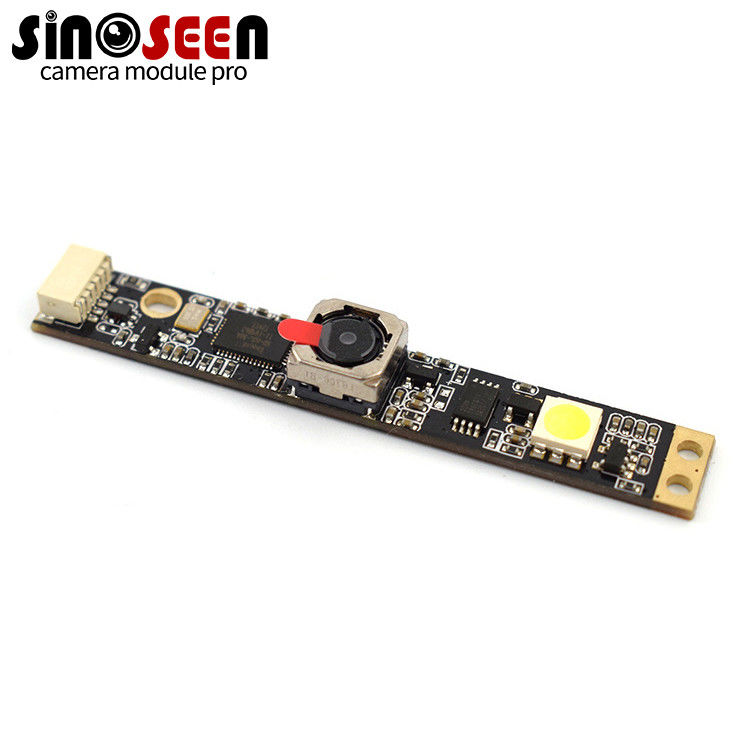
The omnivision camera module has become essential infrastructure for embedded systems across manufacturing, surveillance, robotics, and Internet of Things applications. As demand for compact, power-efficient imaging grows, manufacturers and system integrators increasingly turn to omnivision camera module wholesale suppliers to source reliable components at scale. Understanding the wholesale market for omnivision camera module products enables better procurement decisions and helps businesses align imaging capabilities with specific embedded system requirements.
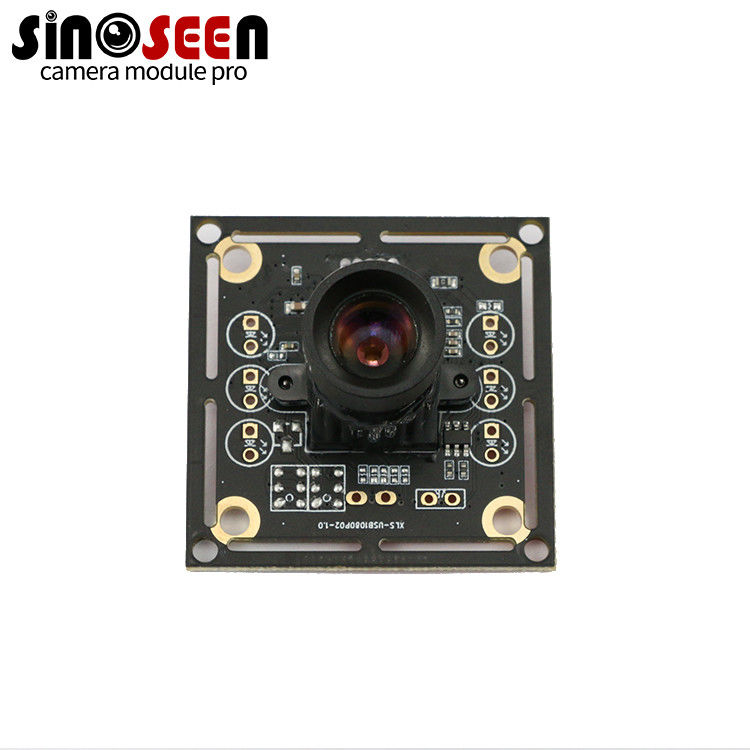
Wholesale sourcing of omnivision camera module technology offers significant advantages for large-scale deployments. OmniVision Technologies has established a strong reputation for delivering imaging sensors that balance performance, cost efficiency, and thermal management. When procuring omnivision camera module products through wholesale channels, businesses gain access to standardized specifications, consistent quality assurance, and favorable pricing that supports production scalability and margin optimization.
Omnivision Camera Module Specifications and Performance Characteristics
Resolution and Sensor Technology
The omnivision camera module line encompasses various resolution options ranging from VGA to 5MP and beyond, each designed for specific embedded system use cases. An omnivision camera module typically incorporates advanced CMOS imaging technology that delivers excellent low-light sensitivity and color accuracy while consuming minimal power. Resolution selection for an omnivision camera module depends directly on application requirements, with lower-resolution variants suitable for proximity detection and higher-resolution options enabling detailed visual analysis in surveillance and quality inspection scenarios.
Interface Standards and Integration
Modern omnivision camera module products support multiple interface standards including MIPI CSI-2, parallel RGB, and DVP protocols, ensuring compatibility across diverse embedded platforms. An omnivision camera module designed for wholesale distribution typically includes comprehensive documentation and support materials that accelerate integration into host systems. The omnivision camera module interface selection impacts both system design complexity and performance characteristics, making wholesale specifications critical for embedded engineers planning multi-unit deployments.
Wholesale Sourcing Benefits and Supply Chain Advantages
Volume Pricing and Cost Optimization
Purchasing omnivision camera module products through wholesale channels provides significant cost advantages compared to retail acquisition of individual units. As production volumes increase, omnivision camera module pricing becomes increasingly favorable, allowing manufacturers to reduce per-unit component costs and improve overall product competitiveness. Wholesale suppliers of omnivision camera module components typically offer tiered pricing structures that reward larger orders while maintaining quality standards and delivery reliability.
Technical Support and Supply Continuity
Reputable wholesale distributors of omnivision camera module technology provide engineering support, documentation, and supply chain assurances that individual retailers cannot match. An omnivision camera module sourced through established wholesale channels benefits from manufacturer-backed warranties, technical consultation, and priority access to new product variants. This wholesale relationship stability ensures that embedded system manufacturers can maintain consistent imagery performance across production runs and avoid supply disruptions that could delay product launches or affect ongoing deployments.
Industrial Applications and Embedded System Integration
Surveillance and Security Systems
The omnivision camera module has become the preferred choice for edge-deployed surveillance systems that require real-time video capture with minimal latency and power consumption. Security applications benefit from omnivision camera module characteristics including wide dynamic range, excellent night vision capability, and compact form factors that fit into discrete housing designs. Wholesale procurement of omnivision camera module units enables security system manufacturers to build scalable surveillance networks where hundreds or thousands of cameras must maintain consistent image quality and operational reliability.
Robotics and Autonomous Systems
Robotic platforms and autonomous vehicles depend on omnivision camera module sensors to enable visual navigation, obstacle detection, and environmental understanding. The omnivision camera module provides the low-latency imaging that real-time decision-making algorithms require, while the low power consumption preserves battery life in mobile systems. Robotics engineers sourcing omnivision camera module components wholesale gain access to sensor variants specifically tuned for challenging lighting conditions and rapid motion scenarios common in robotic applications.
Industrial Quality Inspection
Manufacturing facilities increasingly deploy omnivision camera module systems for automated quality inspection and defect detection on production lines. The omnivision camera module delivers the image clarity and consistent performance necessary for machine vision algorithms to identify surface anomalies, dimensional deviations, and assembly errors with high accuracy. Wholesale sourcing of omnivision camera module inventory supports industrial facilities that need to upgrade inspection infrastructure across multiple production lines while maintaining budget constraints and standardization objectives.
Selection Criteria for Omnivision Camera Module Wholesale Procurement
Performance Requirements and Environmental Factors
Successful omnivision camera module wholesale procurement begins with precise definition of imaging performance requirements and operating environment constraints. Embedded system designers must assess whether an omnivision camera module requires specific resolution, frame rate, color fidelity, and dynamic range capabilities to meet application objectives. Environmental factors including temperature extremes, vibration resistance, and optical path obstructions all influence omnivision camera module selection, making detailed procurement specifications essential before engaging wholesale suppliers.
Interface Compatibility and System Architecture
The omnivision camera module interface standard must align precisely with the host processor's imaging input capabilities to enable seamless integration. An omnivision camera module designed for specific embedded platforms may feature optimized drivers, reference designs, and validation testing that reduce development time and risk. Wholesale purchasers must verify that omnivision camera module variants meet interface compatibility before committing to large-scale orders, ensuring that all units will function correctly within the target embedded system architecture.
FAQ
What power consumption levels should embedded designers expect from omnivision camera module products?
Most omnivision camera module sensors operate between 100 and 500 milliwatts depending on resolution, frame rate, and feature activation. An omnivision camera module designed for battery-powered embedded systems may consume as little as 150 milliwatts in active streaming mode, making it suitable for IoT devices with strict power budgets. Wholesale specifications typically include detailed power consumption profiles across operating modes, enabling engineers to accurately model power requirements and battery life for end-user applications.
How do omnivision camera module sensors perform in low-light and high-speed motion scenarios?
The omnivision camera module incorporates advanced rolling shutter and high-sensitivity pixel designs that enable excellent performance across challenging lighting conditions and rapid motion sequences. Night vision capability varies by omnivision camera module variant, with some models achieving usable images at light levels below one lux. Wholesale distributors provide performance datasheets and sample imagery that demonstrate omnivision camera module behavior in specific lighting and motion conditions, helping procurement teams select appropriate sensor variants for their application environment.
What warranty and technical support provisions typically accompany omnivision camera module wholesale purchases?
Reputable wholesale suppliers of omnivision camera module components generally provide manufacturer warranties covering defects for twelve to twenty-four months from purchase. An omnivision camera module wholesale agreement often includes access to technical documentation, driver software, reference designs, and engineering consultation to support successful integration. Many wholesale distributors maintain stock reserves and offer expedited shipping options that protect embedded system manufacturers from supply disruptions and production delays related to omnivision camera module availability.
Table of Contents
- Omnivision Camera Module Specifications and Performance Characteristics
- Wholesale Sourcing Benefits and Supply Chain Advantages
- Industrial Applications and Embedded System Integration
- Selection Criteria for Omnivision Camera Module Wholesale Procurement
-
FAQ
- What power consumption levels should embedded designers expect from omnivision camera module products?
- How do omnivision camera module sensors perform in low-light and high-speed motion scenarios?
- What warranty and technical support provisions typically accompany omnivision camera module wholesale purchases?