
 EN
 AR
 DA
 NL
 FI
 FR
 DE
 EL
 HI
 IT
 JA
 KO
 NO
 PL
 PT
 RO
 RU
 ES
 SV
 TL
 IW
 ID
 SR
 VI
 HU
 TH
 TR
 FA
 MS
 IS
 AZ
 UR
 BN
 HA
 LO
 MR
 MN
 PA
 MY
 SD
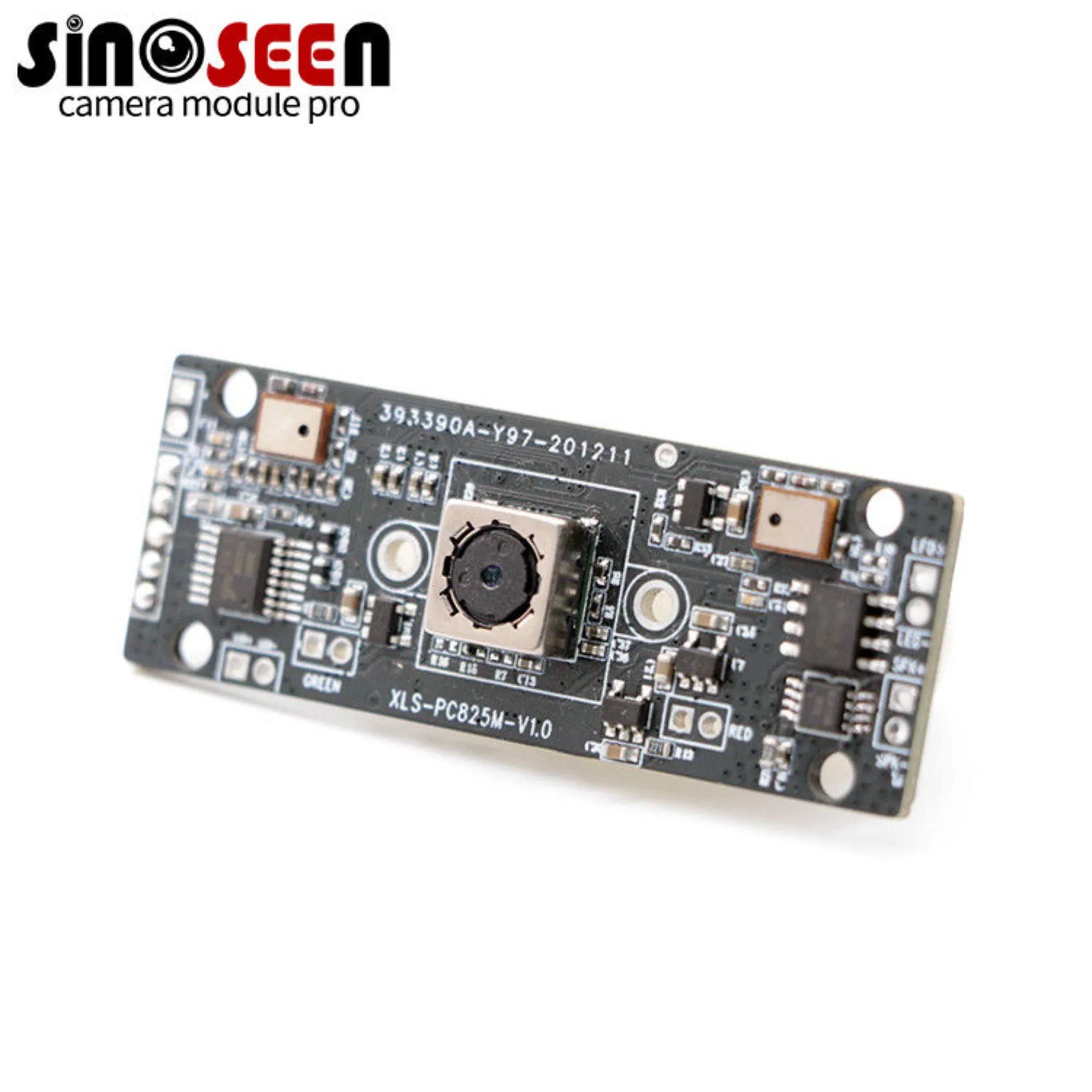
The modern electronics industry demands unprecedented flexibility in component sourcing and customization. Manufacturers across consumer electronics, automotive, medical imaging, and industrial sectors face increasing pressure to differentiate products through specialized imaging capabilities. This is where micro camera module factories play a critical role. A micro camera module factory specializes in designing, engineering, and producing compact imaging solutions tailored to specific application requirements rather than offering only standardized off-the-shelf components. Understanding how micro camera module factories support custom production helps decision-makers identify the right partners for their imaging needs and accelerate product development timelines.
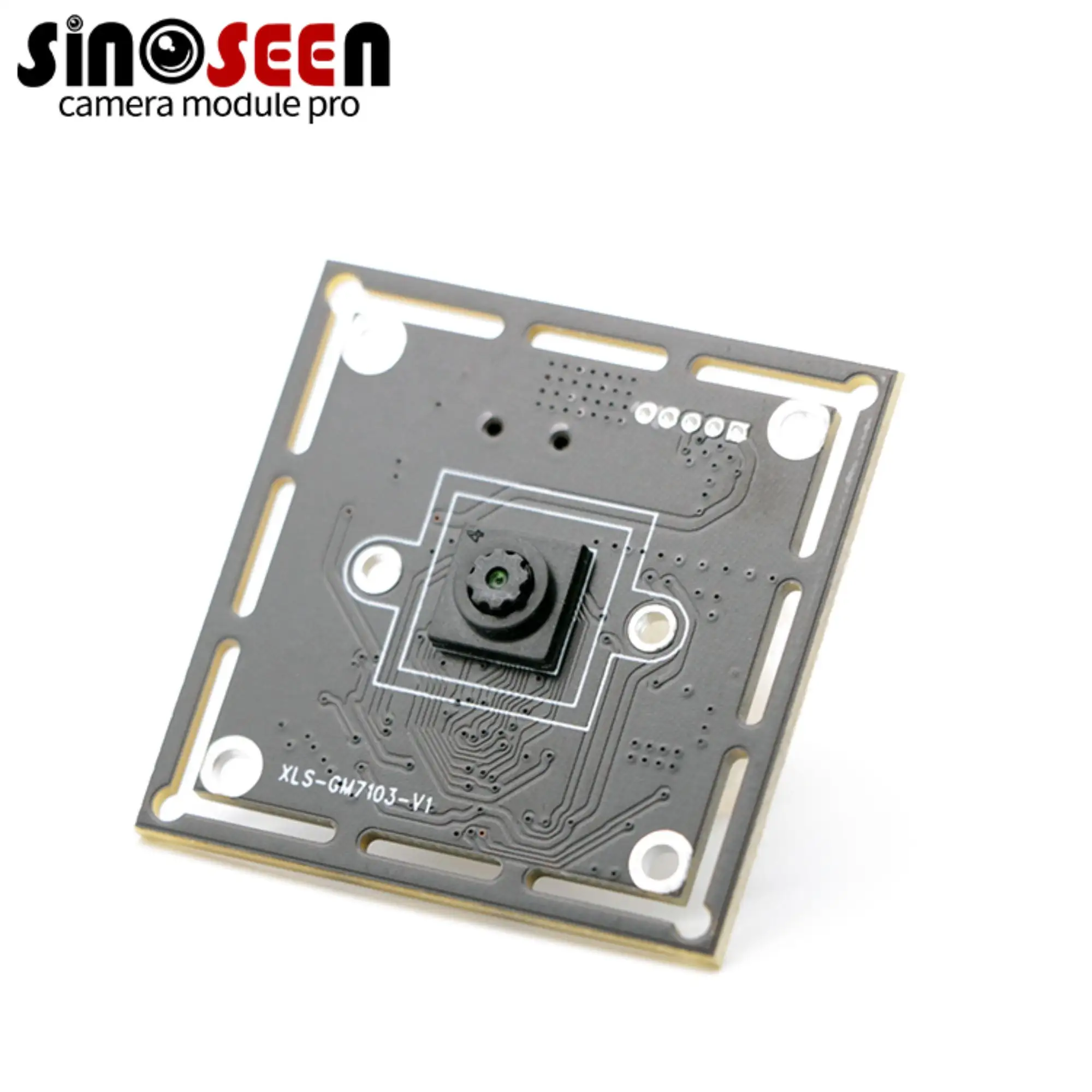
Custom production in the imaging space requires more than component assembly. Micro camera module factories combine advanced engineering expertise, flexible manufacturing processes, and deep understanding of integration challenges. When a micro camera module is engineered specifically for your application, it fits seamlessly into your product architecture while meeting performance benchmarks and cost targets. This targeted approach eliminates the inefficiencies of adapting generic components and reduces time-to-market for innovative products.
Design Flexibility and Engineering Support
Custom Specification Development
A professional micro camera module factory begins every engagement by understanding your exact imaging requirements. This includes resolution needs, optical performance, interface standards, power consumption constraints, and physical form factor specifications. The micro camera module design team collaborates directly with your engineering group to translate product requirements into validated specifications. This collaborative approach ensures that the resulting micro camera module aligns precisely with your system architecture and performance expectations, reducing costly revisions during product integration.
The engineering phase for a micro camera module involves sensor selection, lens design optimization, and interface protocol configuration. Experienced micro camera module manufacturers maintain relationships with leading sensor suppliers and optical component vendors, enabling rapid prototyping and iterative refinement. This partnership approach accelerates the path from concept to validated design, allowing your team to move forward with confidence while the micro camera module is optimized for your specific use case.
Interface and Integration Options
Different applications demand different communication protocols and mechanical interfaces. A micro camera module factory provides flexibility in selecting MIPI, USB, parallel interface, or proprietary protocols based on your system requirements. The micro camera module can be engineered with custom mechanical mounting points, connector options, and cable assemblies that integrate directly into your product without additional adaptation hardware. This level of customization in the micro camera module design phase eliminates integration friction and simplifies manufacturing at your facility.
Signal integrity, power delivery, and thermal management are critical considerations in micro camera module engineering. Professional factories conduct detailed electrical and thermal simulations to ensure that the micro camera module performs reliably within your operating environment. Custom cable routing, shielding specifications, and power conditioning tailored to your system's power architecture ensure that the micro camera module operates with maximum performance and minimum electromagnetic interference.
Advanced Manufacturing Capabilities
Scalable Production Processes
Micro camera module factories operate multi-stage production facilities capable of scaling from prototype validation through high-volume manufacturing. Initial production runs of a micro camera module often begin at lower volumes to validate design performance and catch any integration issues before full-scale deployment. As your product gains market traction, the micro camera module production scales smoothly without requiring design modifications or new validation cycles. This scalability protects your investment in custom design while enabling efficient cost management across product lifecycle stages.
Quality control systems embedded throughout micro camera module production ensure consistent performance across all units. Automated optical testing, electrical verification, and mechanical tolerance checking validate that each micro camera module meets your specifications. This systematic quality approach minimizes field failures, reduces warranty costs, and protects your brand reputation. The micro camera module undergoes comprehensive testing before shipment, with detailed test reports and traceability documentation provided to your team.
Advanced Assembly and Testing Techniques
Modern micro camera module factories employ precision assembly equipment, automated alignment systems, and advanced imaging test benches. Lens alignment tolerances measured in micrometers are achieved consistently through equipment specifically calibrated for the micro camera module geometry. Automated focus calibration, color balance verification, and image quality assessment ensure that every micro camera module shipped meets your performance targets. These manufacturing techniques reduce variability, improve yield rates, and justify the investment in custom micro camera module development.
Environmental testing protocols applied to each micro camera module validate performance across temperature ranges, humidity conditions, and mechanical stress scenarios relevant to your application. Thermal cycling, vibration testing, and electrical stress testing simulate real-world operating conditions that the micro camera module will encounter. This rigorous validation approach identifies potential failure modes during development rather than in the field, reducing risk and ensuring reliable performance.
Strategic Advantages of Custom Micro Camera Module Production
Competitive Differentiation Through Imaging Innovation
Custom micro camera module solutions enable product features that competitors using generic imaging components cannot easily replicate. When your micro camera module is engineered specifically for your application, you can optimize for unique performance characteristics, compact form factors, or specialized imaging modes that generic solutions cannot deliver. This differentiation translates into tangible customer value and supports premium positioning in competitive markets. The micro camera module becomes a core component of your product story rather than a commodity input.
Proprietary imaging algorithms and software integration are often enhanced when the micro camera module hardware is designed with these algorithms in mind. Custom sensor calibration, optimized optical properties, and tailored signal processing in the micro camera module enable imaging capabilities impossible with standard components. Your development team can push imaging performance boundaries knowing that the underlying micro camera module hardware supports advanced features.
Cost Optimization and Supply Chain Resilience
While custom development requires upfront engineering investment, the micro camera module approach often reduces per-unit costs at volume compared to assembling multiple generic components to achieve equivalent performance. Optimized component selection, streamlined assembly, and reduced integration complexity in the micro camera module lower manufacturing expenses. As production volumes grow, the micro camera module cost structure remains favorable because the design maturity and manufacturing process have been optimized specifically for your requirements.
Supply chain resilience improves when your micro camera module is sourced from a single specialized manufacturer rather than integrating components from multiple suppliers. The micro camera module factory manages component sourcing, coordinates qualification timelines, and maintains inventory buffers to protect your production schedule. This concentrated supplier relationship reduces logistics complexity, improves communication clarity, and provides a single point of contact when design refinements or production adjustments are needed. The micro camera module manufacturer becomes a trusted partner invested in your product success.
FAQ
What production volumes justify investing in a custom micro camera module?
Custom micro camera module development typically becomes cost-justified at annual volumes of 50,000 units or higher, depending on complexity and performance requirements. However, even lower volumes can justify custom micro camera module development if performance differentiation or integration challenges make generic solutions unsuitable. Professional micro camera module factories often offer tiered engagement models including prototype development, pilot production, and full-scale manufacturing, allowing you to spread investments across stages aligned with your market confidence and revenue trajectory.
How long does it take to develop and validate a custom micro camera module?
A typical custom micro camera module project timeline ranges from 8 to 16 weeks from specification finalization through first production samples, depending on design complexity and whether existing sensor platforms can be leveraged. The micro camera module factory manages specification refinement, component sourcing, design validation, prototype assembly, and performance testing within this window. Parallel workstreams and supplier coordination by the micro camera module team accelerate development compared to managing components independently. This timeline allows new products incorporating the custom micro camera module to reach market quickly without sacrificing quality or performance validation.
What support does a micro camera module factory provide after production begins?
Professional micro camera module factories provide comprehensive post-production support including design refinement services, performance optimization consultations, supply continuity management, and technical troubleshooting. As your product evolves and market demands change, the micro camera module manufacturer can implement design updates, source alternative components, or scale production capacity without lengthy redesign cycles. Long-term partnerships with micro camera module suppliers ensure that your custom imaging solution remains competitive and reliable throughout your product lifecycle, providing consistent support as your business grows.